Leaderboard


Popular Content
Showing content with the highest reputation on 05/07/2026 in all areas
-
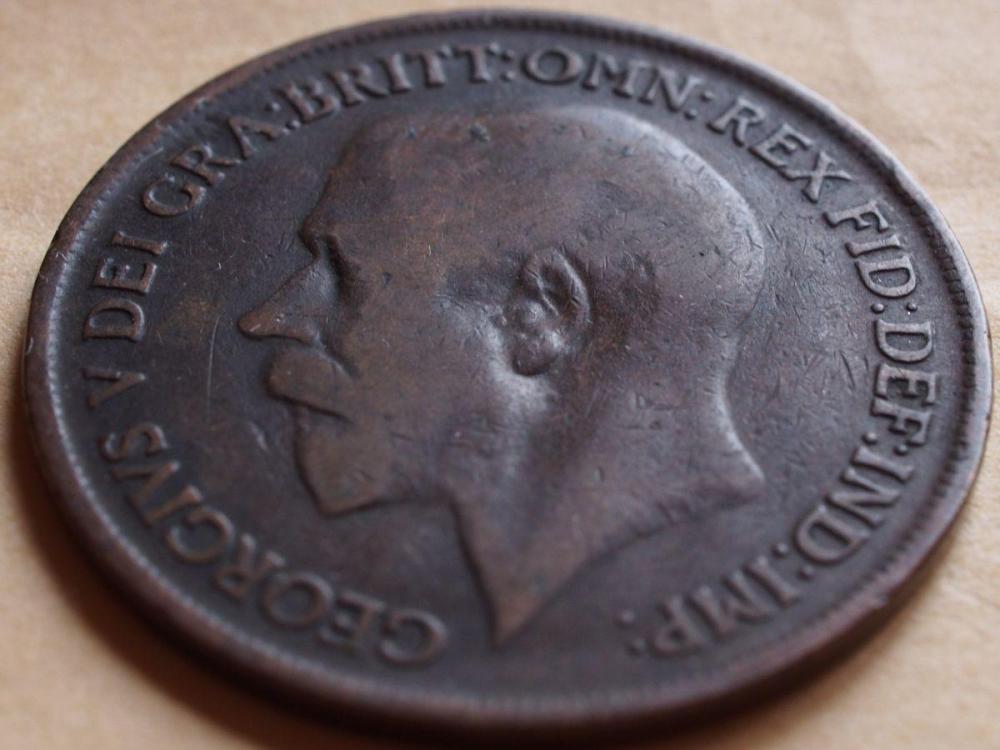
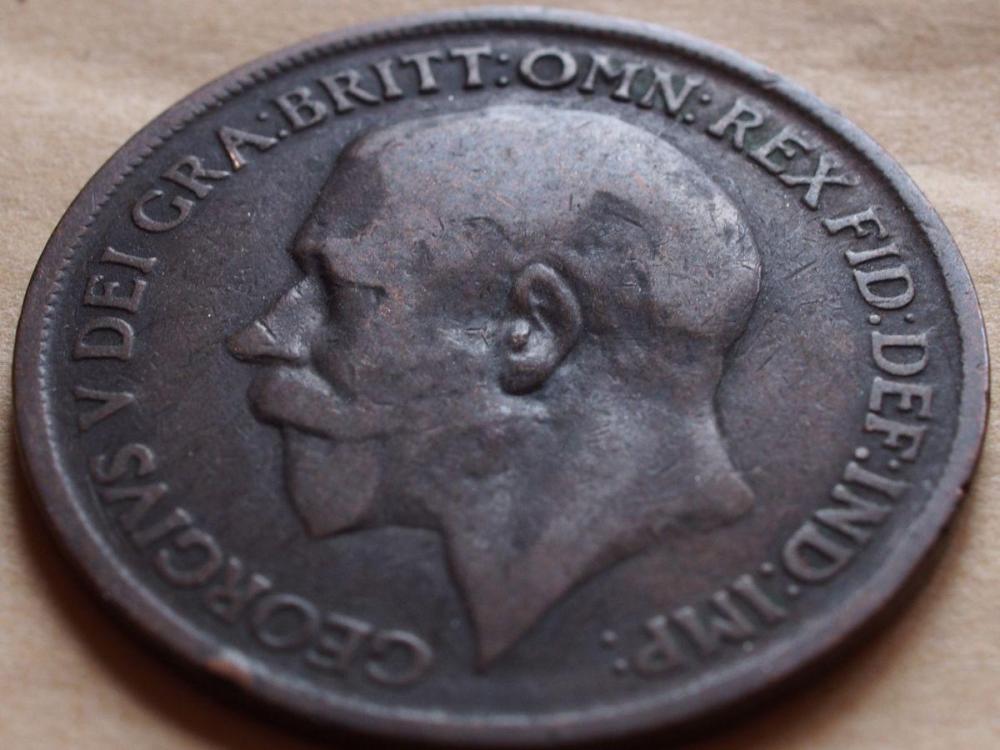
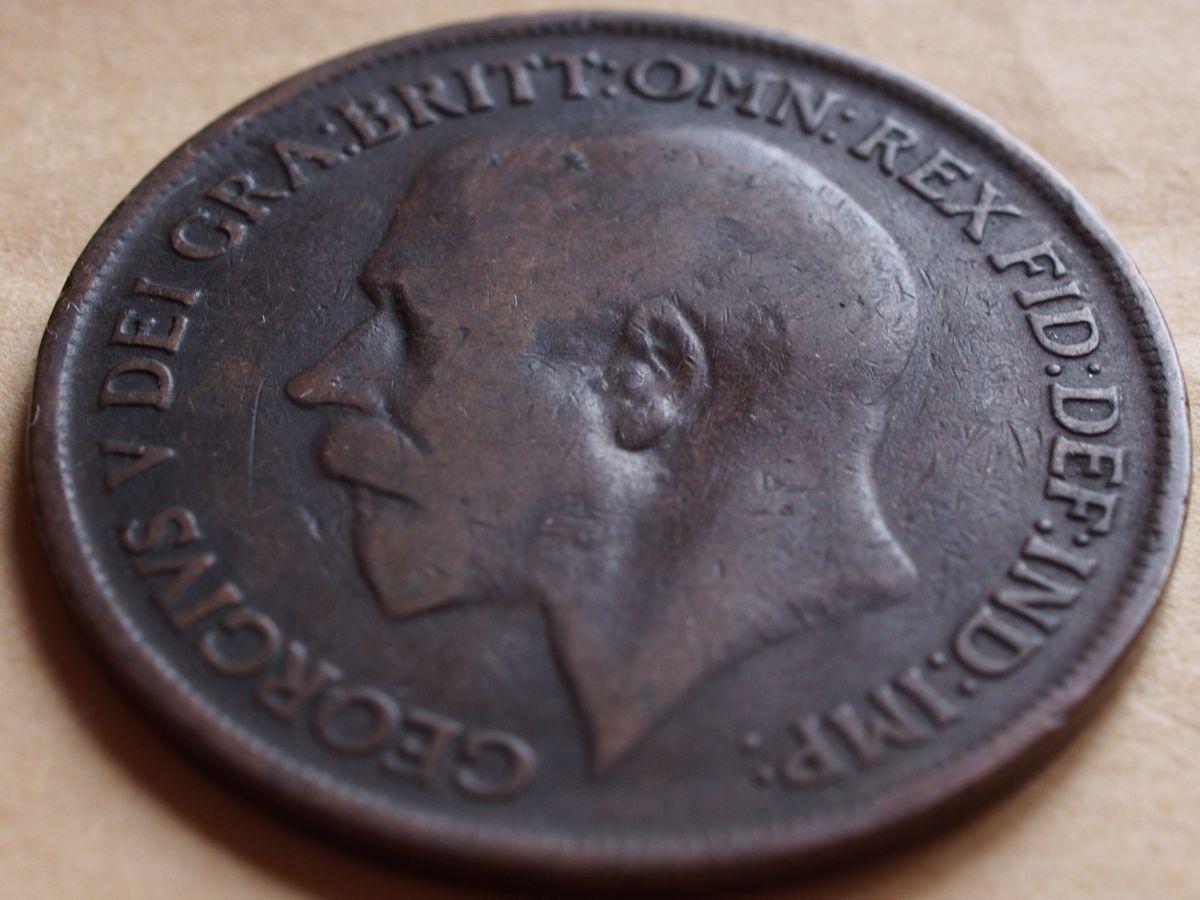
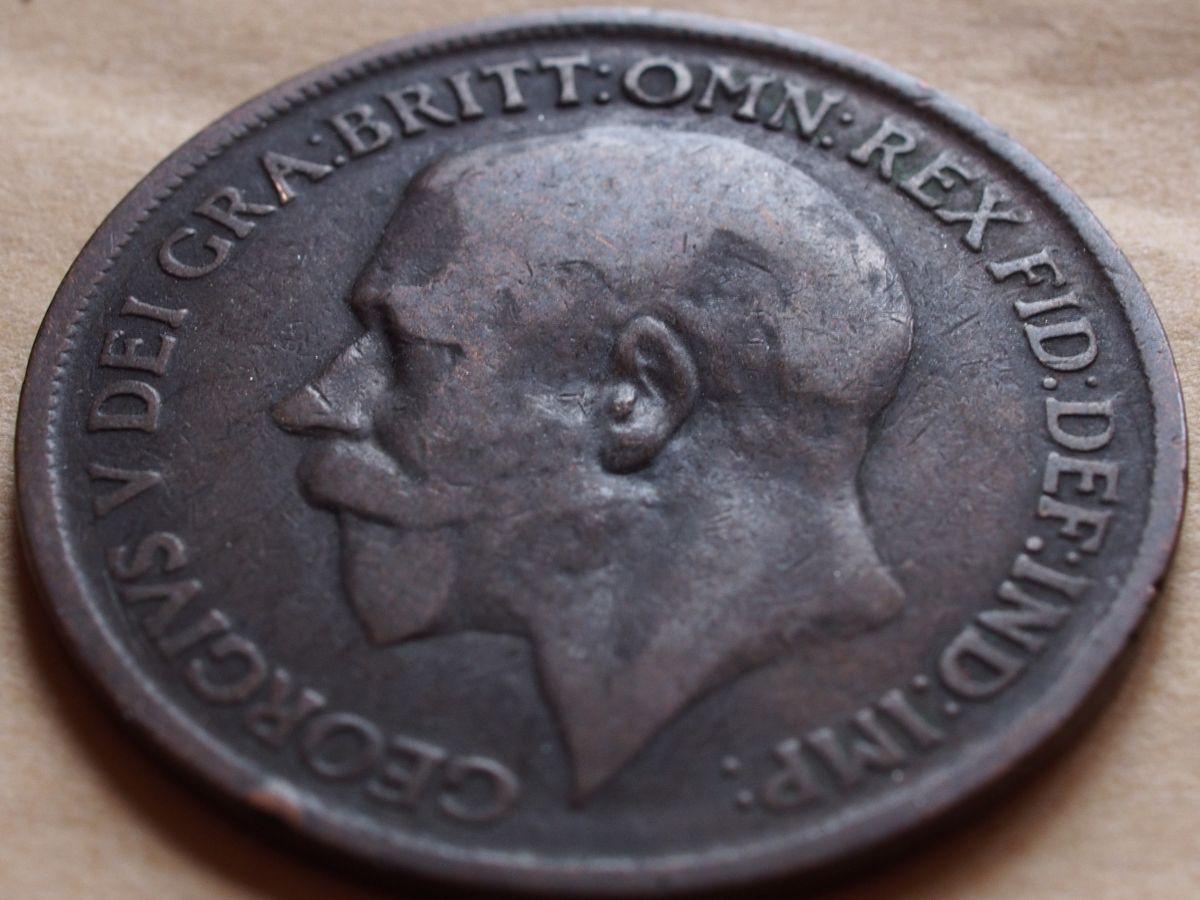
Those prove my point about it being easier to see on more worn examples - the ear on those is far better preserved than you'd expect looking at the obverse as a whole.2 points
-
If you think of the ear as an ellipse, the feature I find most readily identifiable is a crease running along the line of the shortest axis. Well-worn examples of a 1915 and a 1916 to illustrate: Both of these pass the broken tooth test. Note that the tip of the ear remains distinct despite the considerable wear.
 1 point
 -
It's a weird one - I remember when I was searching through bank bags as a schoolkid in the late 60s; now and again I'd see 1915 or 1916 pennies where the head just 'looked weird', especially around the ear. I didn't think anything of it at the time, but I did notice each one when it appeared. It may be that the difference is more obvious on a more worn penny than on one that's EF or better? In other words, the ear is less worn than it should be and seems a bit more sunk than on normal examples.1 point
-
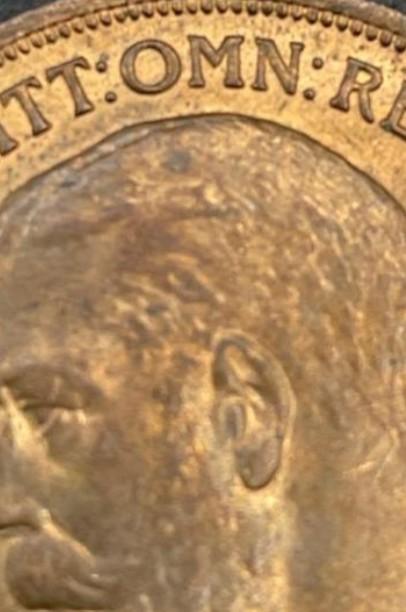
I agree - I find these very difficult to sport generally. I was fortunate this time that the next image was a 1916 in similar condition and the difference in the ears stood out, even to me! Here is the 1916:
 1 point
 -
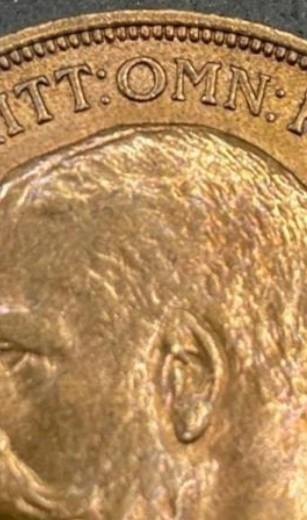
This 1915 Penny looks very much to be a recessed ear variety, but seems to lack the broken tooth. Any thoughts? (Screenshot from online so no sharper image possible.)
 1 point
 -
It looks to me as if there was nearly a brockage, as the raised detail of the teeth is the incuse detail on the die. If a coin is not properly expelled between strikes, it will act as the die and leave an incuse detailed impression, because a die has the inverted relief, ie incuse is raised an vice versa, so to have raised 'incuse detail', it had to be a wrong-un, because the die would not have changed its relief and would strike normally, albeit off-centre. With several examples known, the detail must have been from a trapped coin.1 point
-
My most extreme die clash .Apologies, not a penny (1696 Halfpenny) .
.thumb.jpg.8110d1078f48531bcc8ea7e457de3b74.jpg) 1 point
1 point -
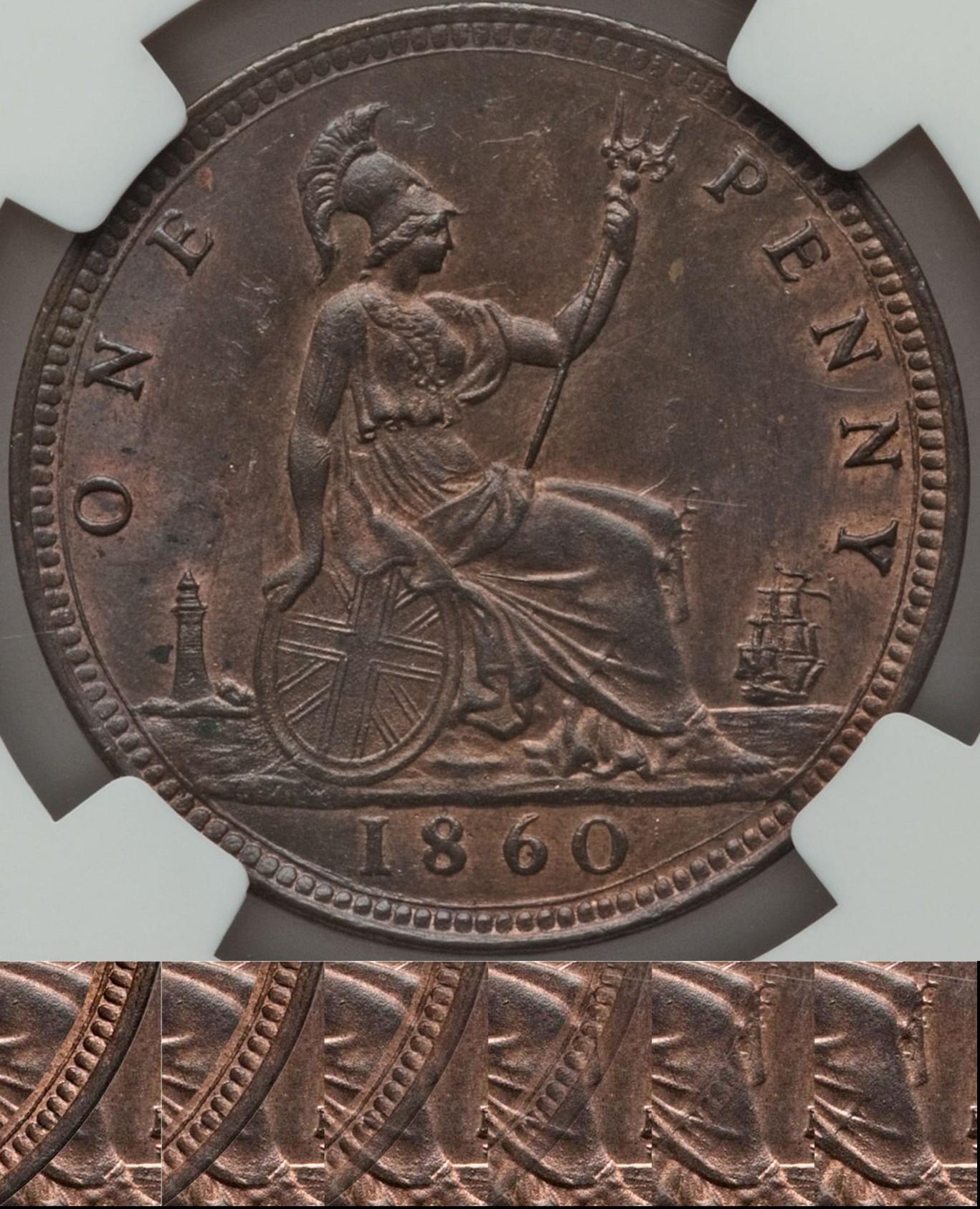
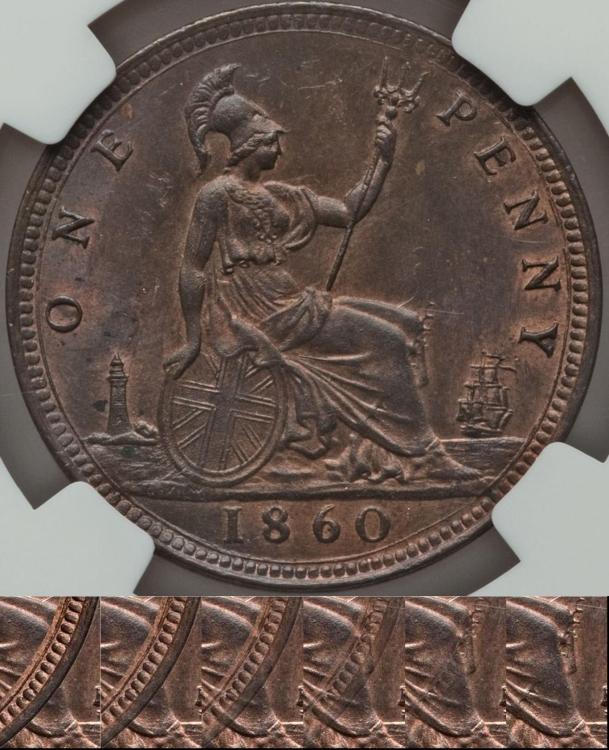
This one, on an F16, has always intrigued me. Ghosting of Victoria's face can be seen (as it often does) above Britannia's left knee, but there is also something strange going on with the border teeth. The series of pictures at the bottom show an overlay picture of border teeth, from the same coin, which I have made gradually transparent from 0% to 100% as go from left to right hand side. This shows that the marks through Britannia's knees are clearly from border teeth. I bought this coin at Heritage in 2013 (MS63 Slabbed), and it took me a long time to find another F16 like this, to prove that it must have occurred during the minting process.......rather than the coin being hit with something post-minting. I will show the pictures of that other coin immediately below, as this picture uses up my 500Kb allowance!!
 1 point
 -
1 point
-
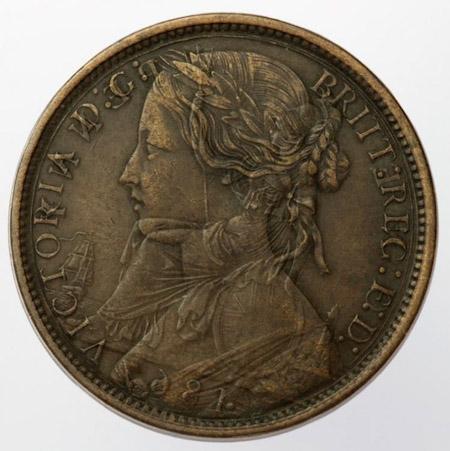
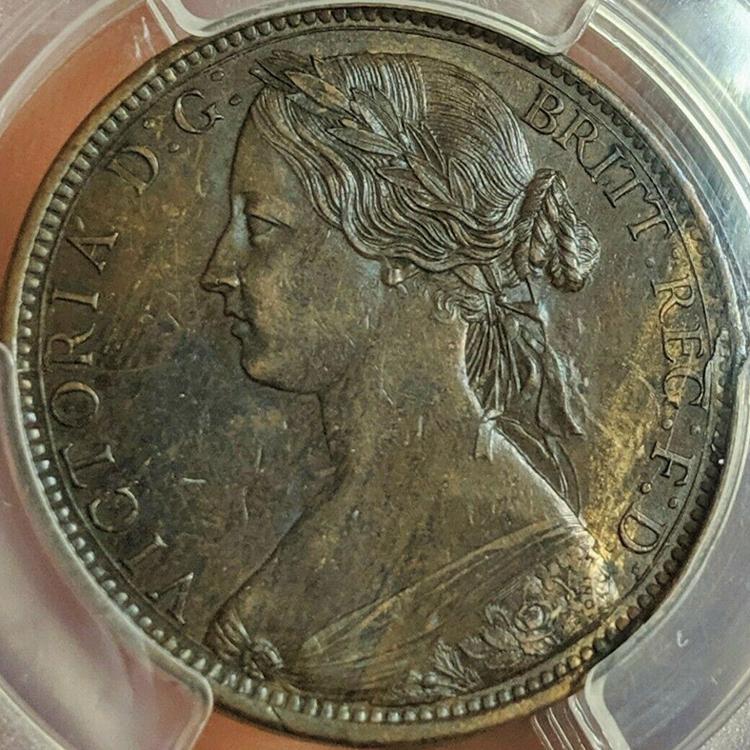
This is just about the most extreme example I have come across !!! An 1862 penny Note the half circle on Victoria's back , its the shield from the reverse side . The extra ribbons are created from the folds in Britannia's. dress
 1 point

.jpg.72ee0af3fdef79d4332d94a1772183f0.jpg)