Leaderboard


Popular Content
Showing content with the highest reputation on 03/22/2026 in all areas
-
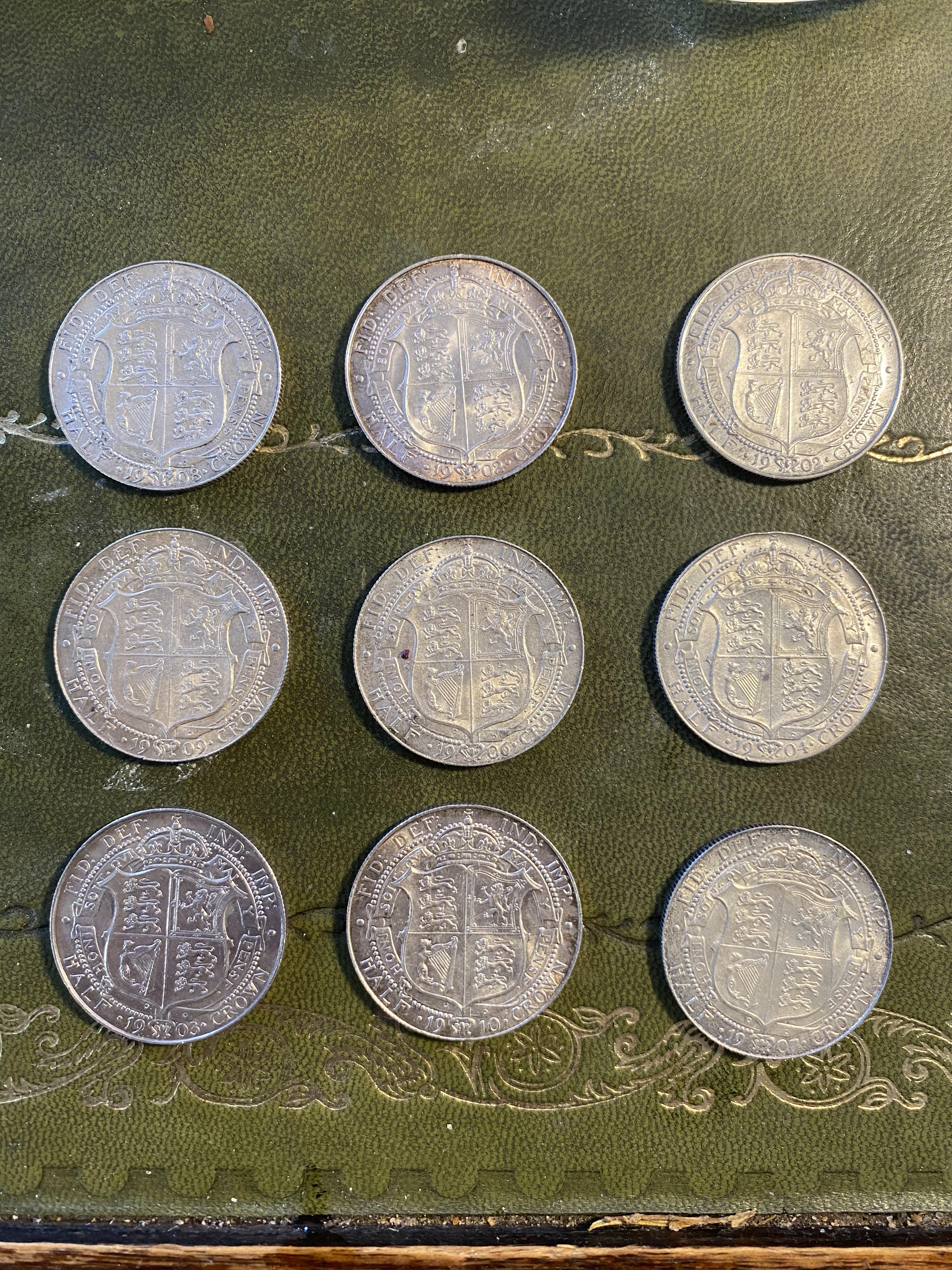
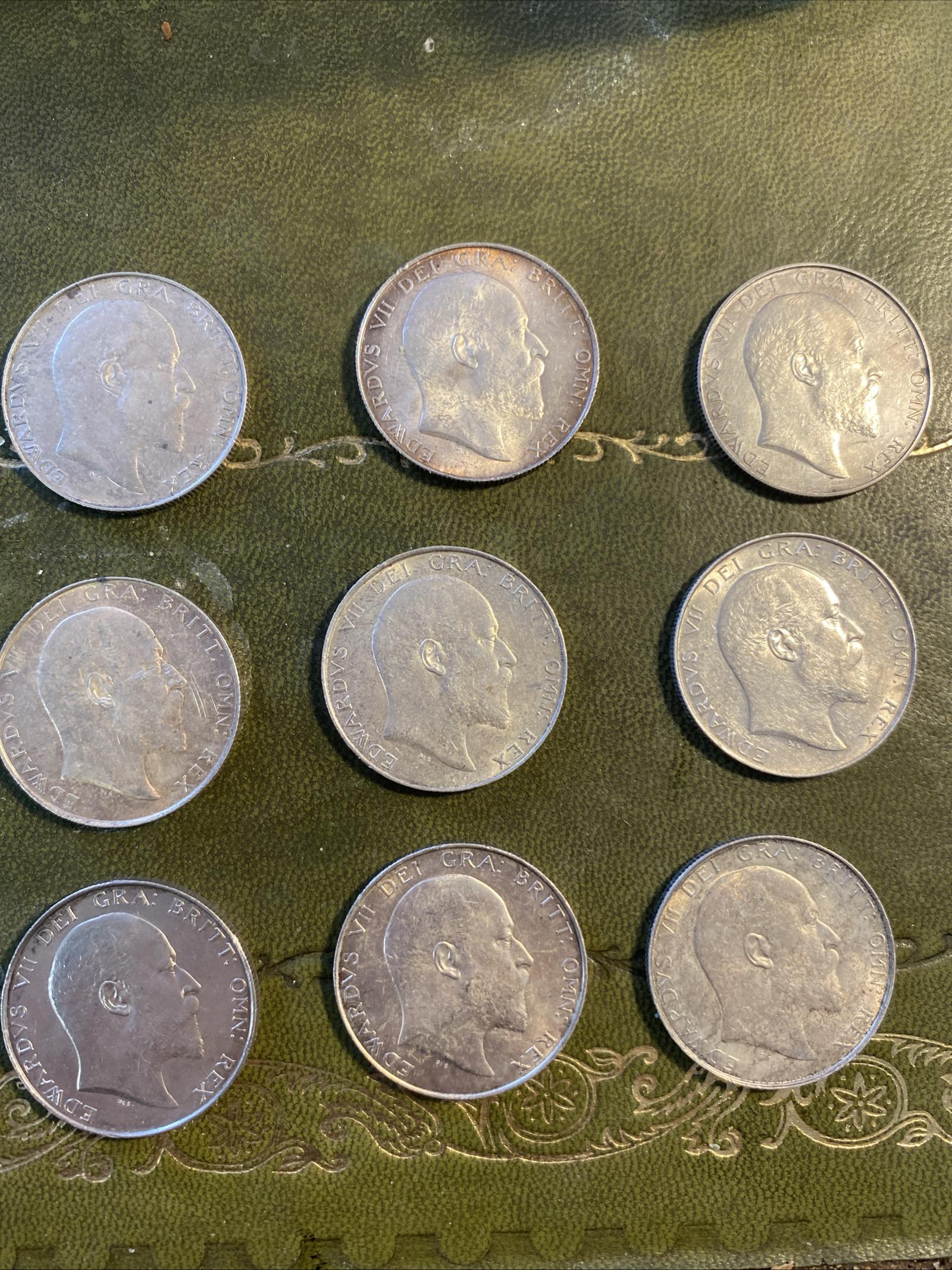
Inherited some coins, would be great if someone could give me insight into the value of these coin!
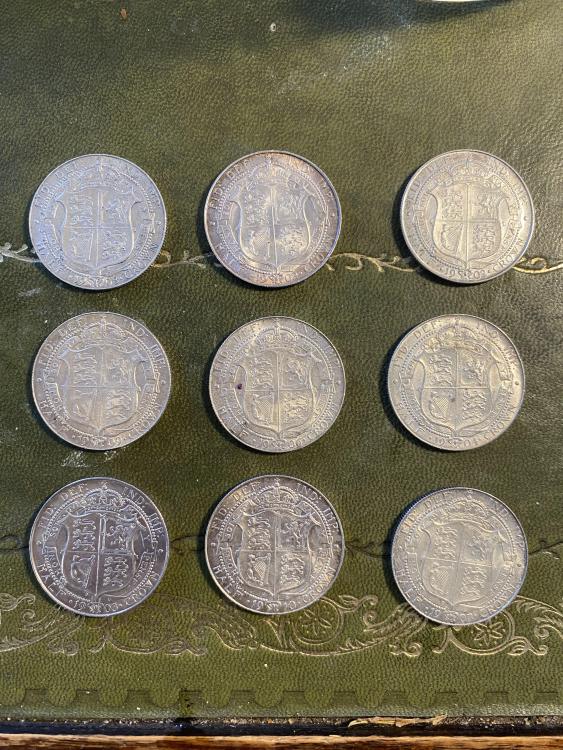
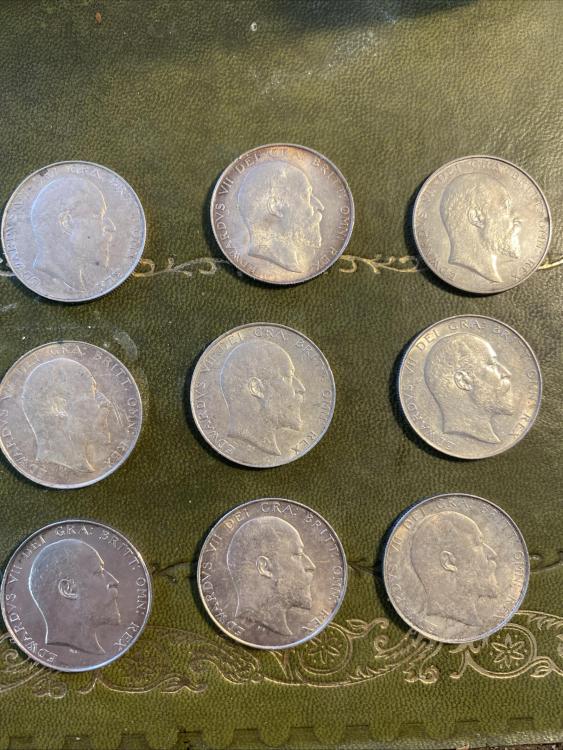 3 points
 -
You have done very very well! Edward VII halfcrowns in high grades are worth good money. Let me get the least valuable out of the way first: the two 1902 coins might just about get £100 each, the 1910 perhaps £250, though more to the right buyer. All but two of the others - 1906/7/8/9 - would be worth at least £300-£400 each, maybe more if we could see bigger pictures (the difference between EF and Uncirculated is the difference between e.g. £300 and £700). Now for the best news: the 1904 - if nearer to UNC than EF has got to be worth well over £1000. The 1903 is the rarest (after 1905 which you don't have); it may have been cleaned, but should still be worth between £1500 and £2500, though it would be good to see bigger pictures. Can you post a larger picture of each coin? You'll need to make several posts to get round the size limit for each separate post.3 points
-
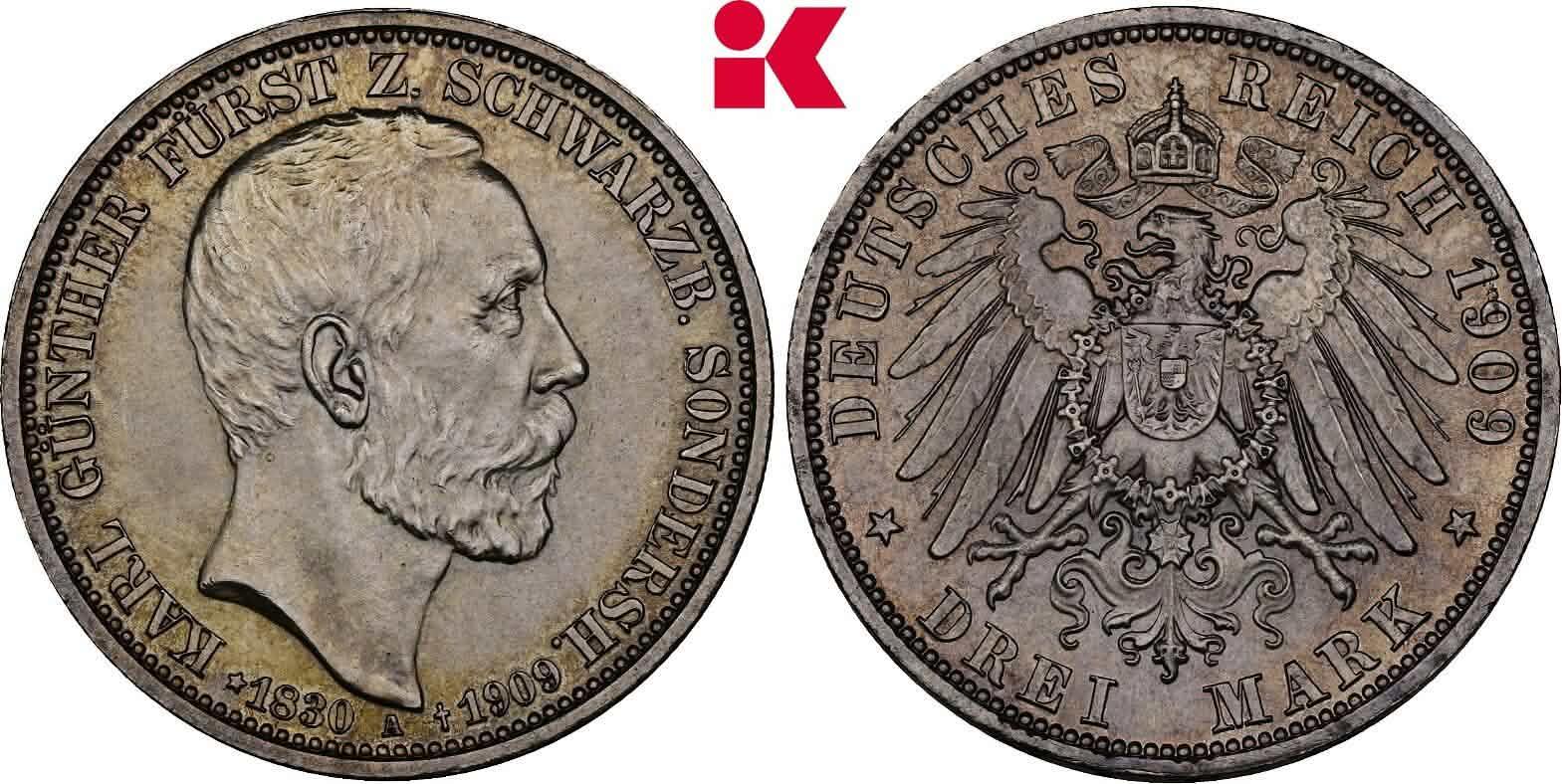
I had an empty row at the bottom of the last page of my shillings, after the 1970 proof coins. So I decided it would be fun to put together some similar sized and valued coins (in terms of buying power then) from earlier in the 20th century. Plus the 5 pence proof from 1990 is in silver as well because that was the last year they were made the same size as the classic shilling and the shilling was finally being demonitized 20 years after decimal day. The other coins are: 1930 US Standing Liberty Quarter 1917 French 1 Franc 1930 Irish 1 Shilling 1917 Italian 1 Lira 1909 Imperial Germany 1 Mark It’s an interesting comparison of economies that the franc, mark & lira are all a single unit of their basic currency, the US is one fourth of a dollar and the shilling was one twentieth of a pound sterling. Though their economy was weaker, Ireland at that time pegged the Punt to the Pound. The US was far stronger than all of mainland Europe but the UK ruled over all until WWI shattered everyone but the US.1 point
-
The florin and shilling would still be with us if the Mint hadn't reduced the size in 1992 and 1990.1 point
-
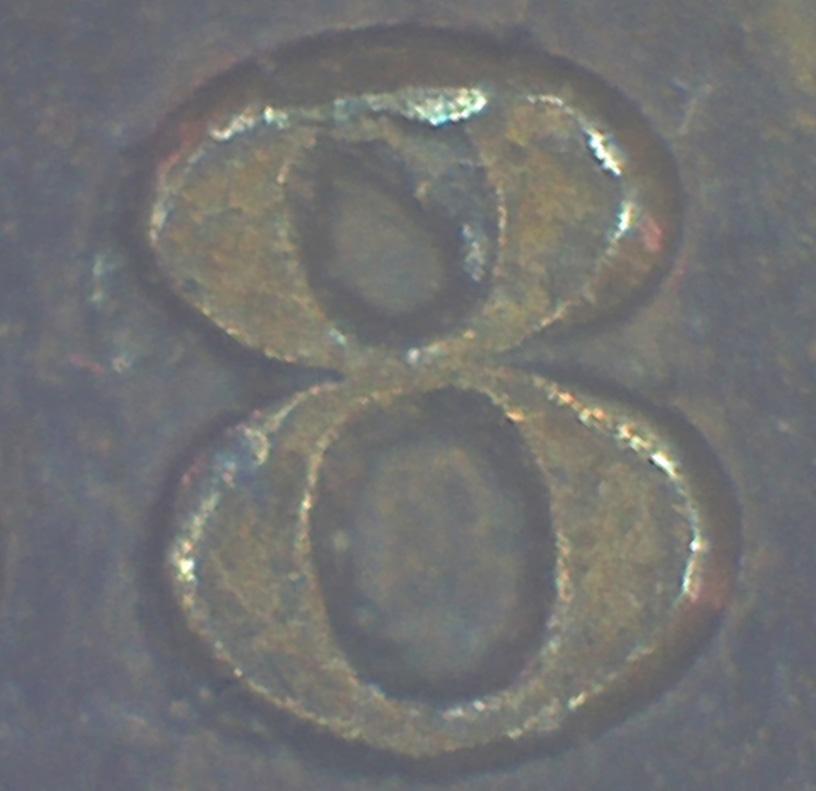
Just revisiting my 1858 5/3 or 5/2, perhaps this was Bramah 25B. Pic attached. Note the limb to the left of the top loop of the 8. Jerry
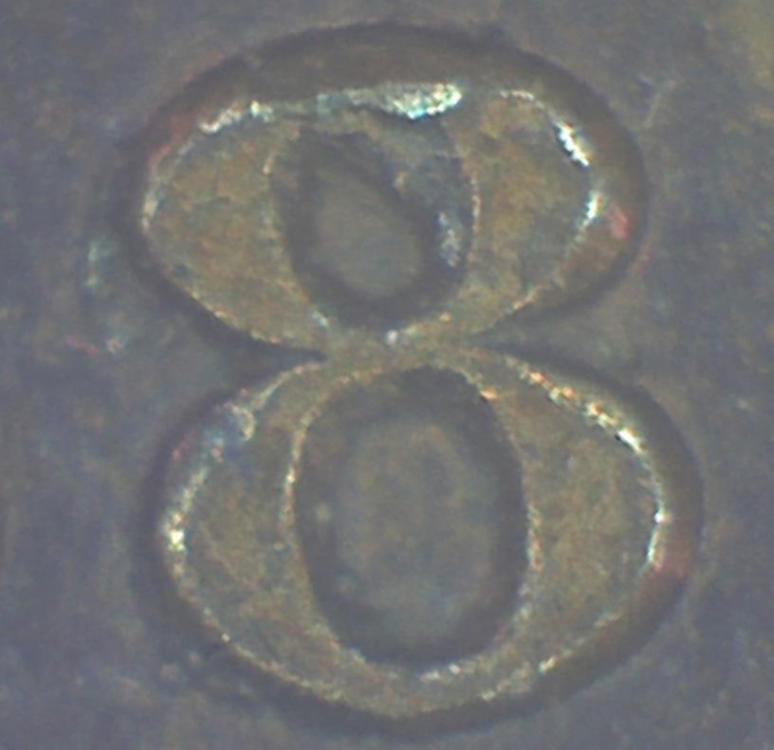 1 point
 -
Yes, some people continue to describe an 1858 5/3 for various nondescript overstrikes, doubling etc but it has long been suspected that a genuine 5/3 doesn’t exist. Perhaps likely candidate for Bramah 25B 5/3 is what Gouby describes as 5/? with the protrusion on the left within the lower loop of the 8. There has been suggestion that 25B is over a 2, though of course 1852 pennies were never issued and the survival of an 1852 die for six years until use is also unlikely. That doesn’t eliminate the possibility of an erroneous digit punch being used in a die repair though. Jerry1 point
-
1 point
-
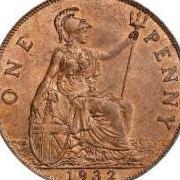
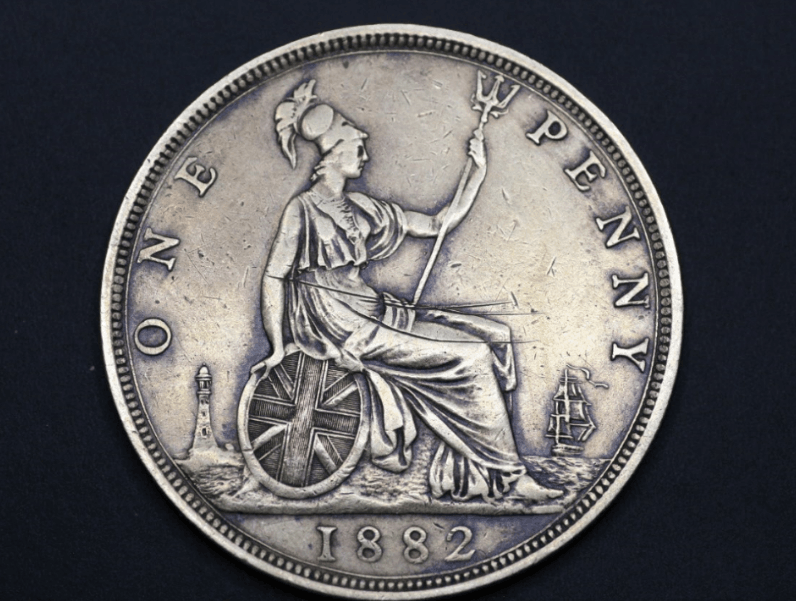
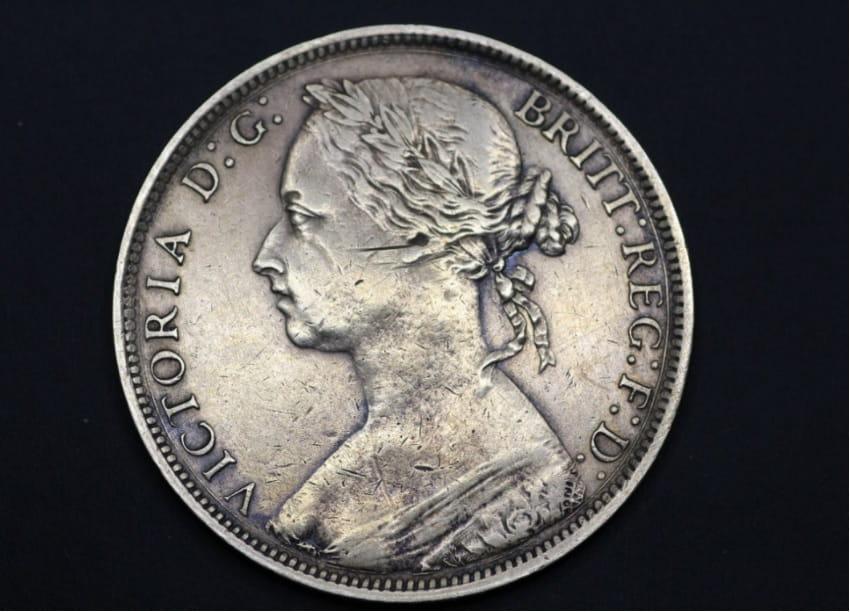
I purchased this coin for 6 pound 🙂, so cant be too upset for the light cleaning and scratches. The actual colour of the coin is typical cleaned bronze colour. Given the cleaning, scratches how would you grade the coin? Many thanks.
 1 point
 -
Wonderful find - I've added it to my website. Let me know if you would like personal attribution. Regarding grade, I view the grade of a coin to be reflective of the amount of natural wear/circulation; any further damage should be included as a qualifier.1 point
-
I think you have ‘hit the nail on the head’ with this comment Richard. If I was ever to attempt to re-categorise the Young Head penny series I think I would steer away from using date widths, and as far as date varieties are concerned would concentrate instead on the different numeral font types. If date widths are used then where do you draw the line in your collection, because ‘in my experience’ every die has numerals in slightly different positions? Using the above Long numeral 7 as an example, which only represents less than 10% of the entire 1857 population, I have found 5 different obverse dies, all with slightly different positions for the 57. In fact without the use of a digital microscope you would be hard pushed to know they were all struck from different dies………….fortunately they all have die flaws in different locations which makes life easier.
 1 point