All Activity
- Today
-
 vic9128 changed their profile photo
 -
Quite an impressive first post, to say the least.
-
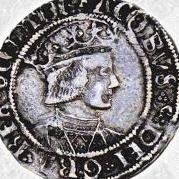
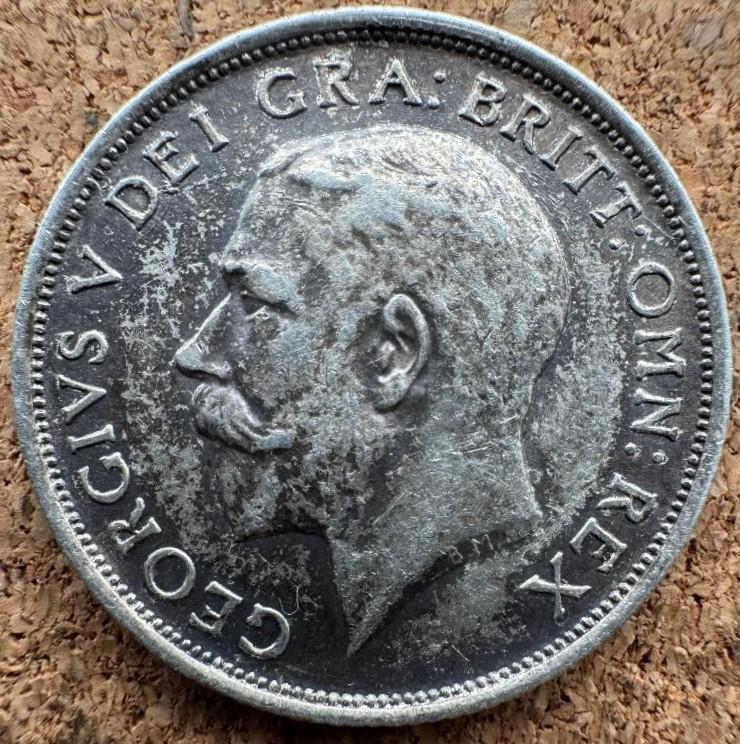
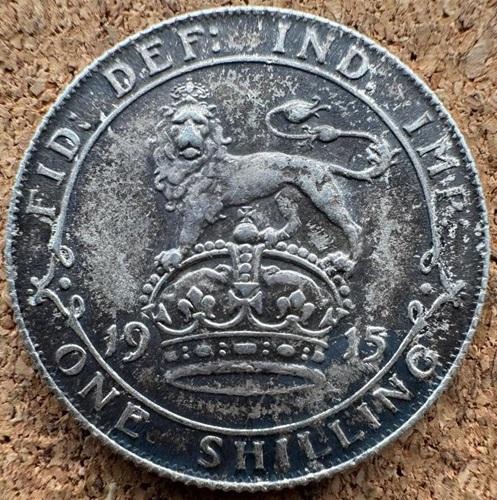
It's not entirely bad, but there is certainly wear on the king's hair/beard/brow/cheek/tash/ear and on the lion's body/tail/feet and also on parts of the crown.
-
Hadrian Ӕ Tetradrachm of Alexandria Dated Year 20. AD 135-136 Obv: AYT KAIC TRAIA ADRIANOC CEB clockwise from top right, laureate head left. Rev: Date LK (year 20) to left of Nilus sitting left, holding reed and cornucopiae, crocodile beneath him. Emmett 1016
-
Finding good graded coins has been good of late, another box of coins processed and this 1915 Shilling George V although heavily tarnished its quite a good grade, the lions nose seems a bit rubbed, but the rest seems un touched, vast improvement on the one I already had.... 👍🙏
-
handsome coin
-
The UK £sd may have been accepted but they started coining their own dollar in 1865 with cent coins and going to 50 cents in silver and 2 dollars in gold. I do find the 50 cent coin to have a very beautiful portrait of Victoria. I have too many desires and not enough money, but a type set of Newfoundland coins (one of each denomination & monarch) would be a terribly fun set to get.
- Yesterday
-
Looks to me like an Indian issue, perhaps of the Portuguese colonial types. Plenty of similarities looking at a quick Google search.
-
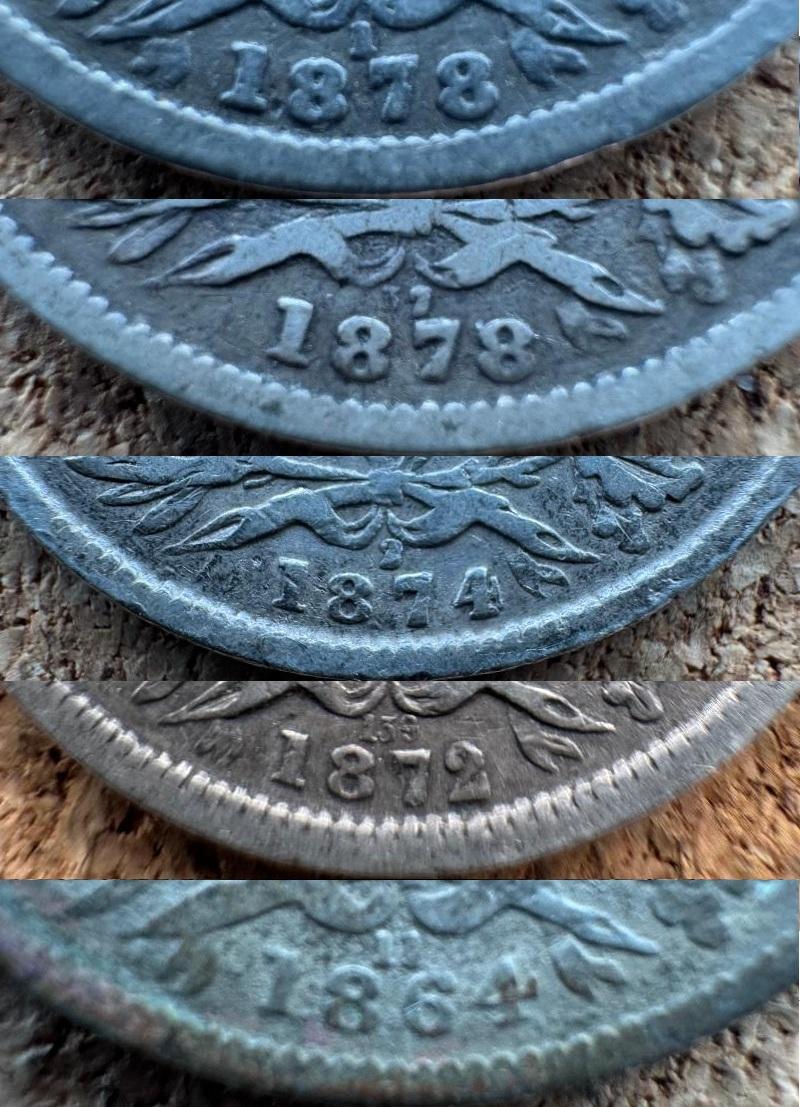
found some more Shilling Die numbered dates....👍
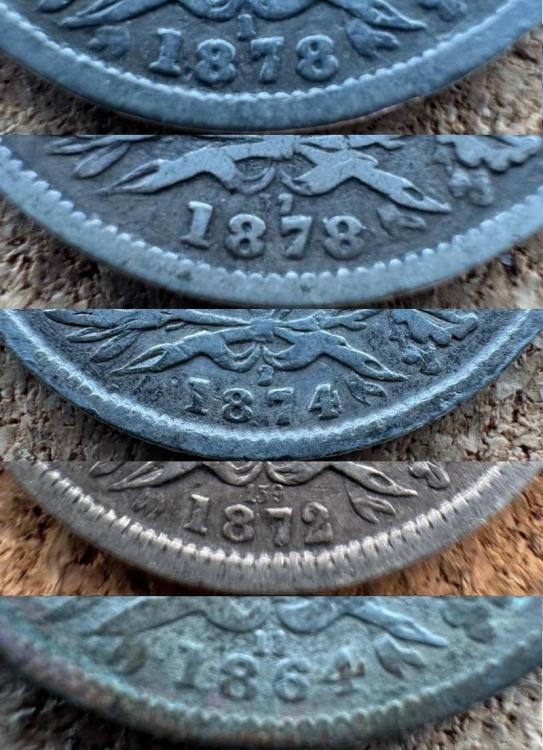
-
vic9128 joined the community
-
Canada officially went decimal beginning in 1858 with the first crown issued coinage. It was primarily due to the proximity to the United States and a lot of US coinage circulating in Canada. However, Newfoundland was a separate British possession and still traded in £sd until the 1880s when they also went decimal. Newfoundland had it's own unique coinage and paper money right up until it became a Canadian province in 1949.
- Last week
-
Its all greek to me
-
No, from sol or solidus. The livre had 240 deniers (pennies) or 20 sou (sol) to the Livre (Livre tournois) or pound of silver which should sound slightly familiar around here 😉
-
Thank you. The seller classed it as a 5b etc but it never ever looked right to me. I will try and narrow it down now, thanks for your help
-
Awesome, Edward III, pleased that was correct, its a real challenge with these Edwards. the heads up with the Annulet has given me additional info to look into. this info has already lead to..... CIVI TAS DVNE LMIE Translation: City of Durham, so that was right although the rest was rubbed away. Many thanks is been a great help, 🙏
-
The o between S and R is an annulet, which I believe makes it an Edward III third or Florin coinage penny of 1344-51. Not really my area of expertise though so I can't be more specific.
-
It's not class 5; the portrait looks more like class 7 to me. I'm pretty sure that the reverse legend is IOAN ON CAN.T so it couldn't be class 5 anyway. Slevin's Short Cross Legends has a 7b2 with that exact reverse legend, but the A in CANT looks more like 7a (pointed) than 7b (vertical sides) than that example. Bizarrely placed reverse pellet stops are very common in classes 7a3 and 7b, so without a better ID of the portrait I can't be sure on the class, but the portrait looks more like a 7b to me, so it may be a 7b1/7a3 mule. Oh and Henry III, not John. Anyone else fancy a go?
-
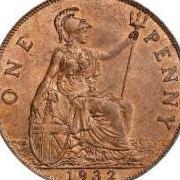
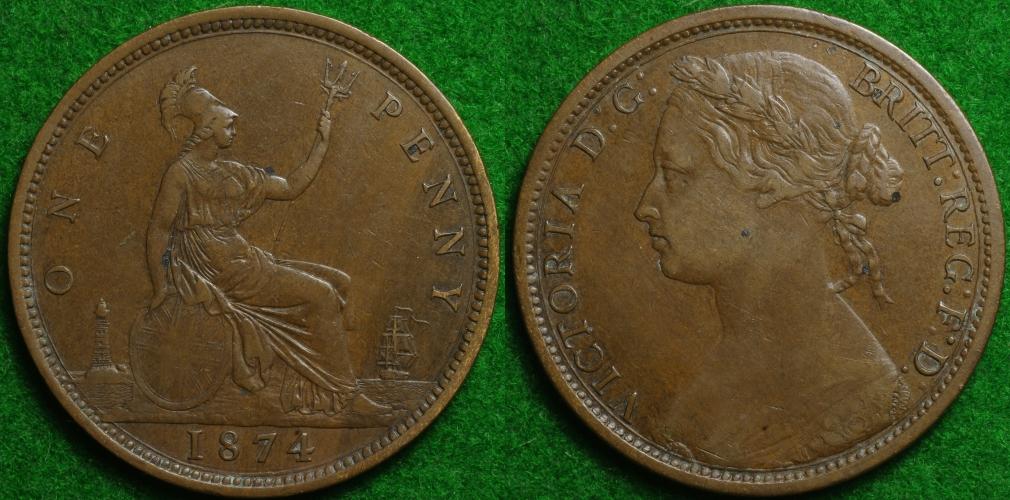
Missing shield and rock seat, too ₤₤₤!
-
I wonder what Linda would make of this one. Perhaps missing waves......and lighthouse!!
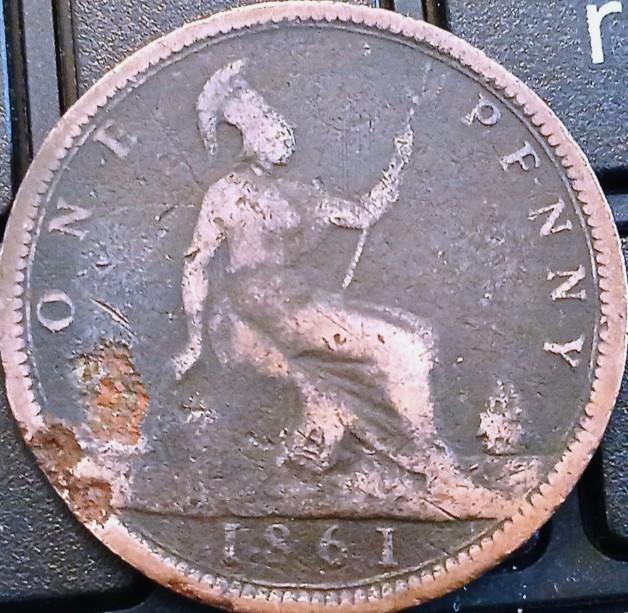
-
 My example of seems to measure about 33 mm.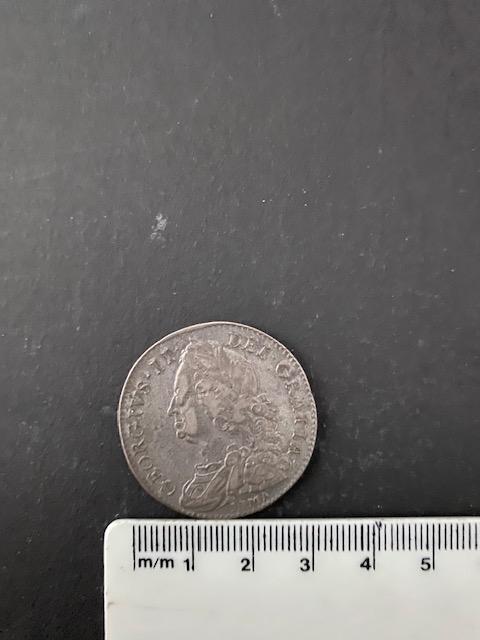
-
... and it turns out the lines were some kind of glue/varnish residue. Same coin after an acetone bath:
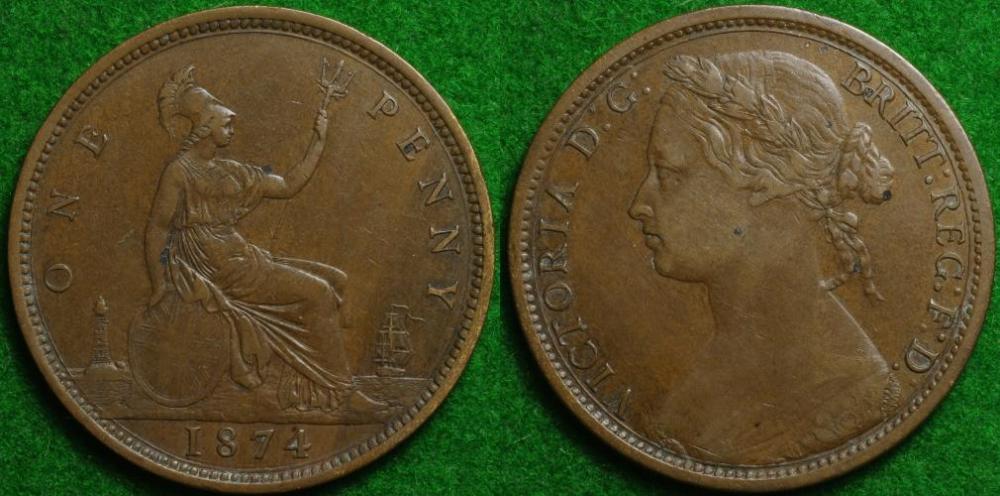
-
 Yeah, I'll merge it with the previous post...
 -
 It's allowed but it would make far more senses to add to your previous post to save this kind of confusion.
 -
 Largely, but I've added details, measurements, and further context from my research into the coin, so its not quite the same. If posting more than one post on a single topic matter isn't allowed I apologise - I wasn't aware
 -
 Yes. And yes too for authenticity, I believe...
 -
Is this not the same subject matter as here:
-
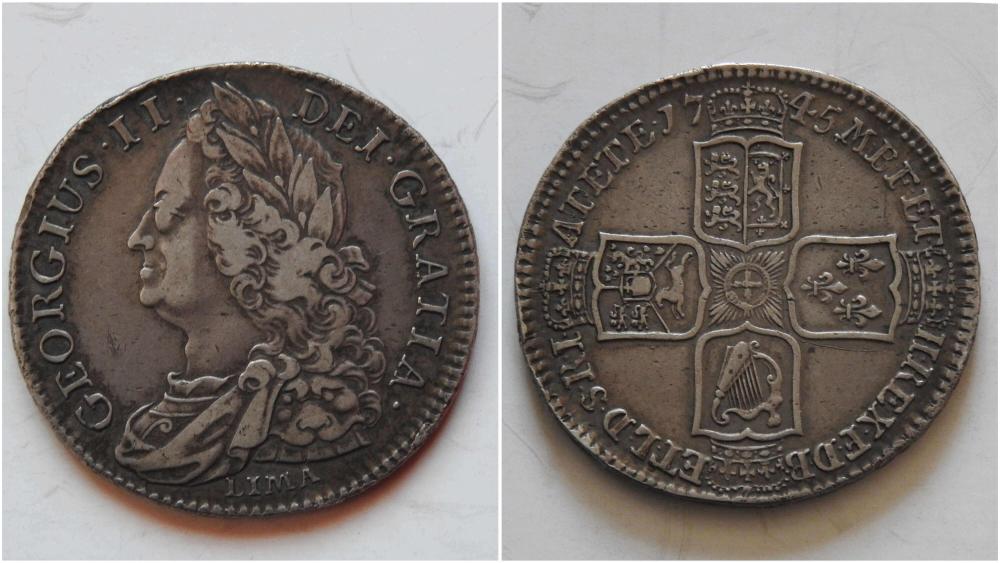
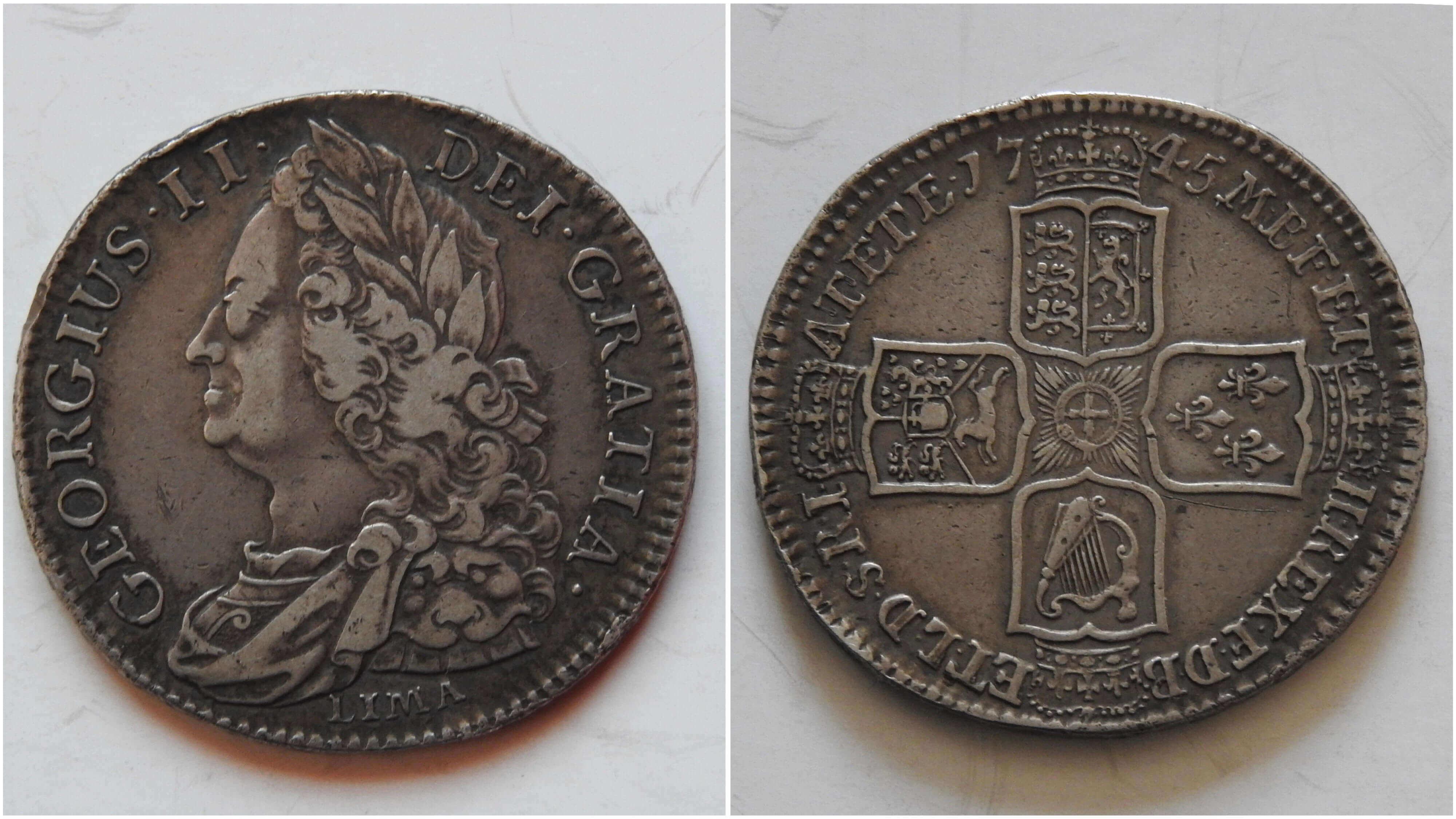
I purchased this 1745 George II LIMA half crown on eBay for £170 and have been looking into its authenticity. The coin measures 33.24mm on the 12 to 6 axis and 34.54mm on the 9 to 3 axis, meaning a slightly oval flan. Thickness is 1.98mm and weight is 14.94 grams. I recently measured a second LIMA half crown in person, which measures almost identically (33.50mm from 12 to 6 and 34.32mm from 9 to 3) suggesting the oval may be a characteristic of this type (?). Under loupe examination, the reverse fields show what appears to be a genuine aged surface, with scarred pitting, micro abrasions, and contact marks across the surface. Edge inscription is legible throughout and doesn’t show any clear evidence of fillings or any seams. I don't have access to a silver tester, but I am fairly certain it is silver. The main discussion points I've had are the sharpness and the relief, particularly of the reverse, along with the slight reddish coloration (though I think my photos overstate this) and overall large-ish and oval diameter. I’m happy to provide any additional photos or closeups. Authentic or not, what do you guys think?