
Rob
-
Posts
12,930 -
Joined
-
Last visited
-
Days Won
371
Content Type
Profiles
Forums
Events
Downloads
Store
Gallery
Articles
Everything posted by Rob
-
English Hammered - My Dilemma
Rob replied to Paulus's topic in British Coin Related Discussions & Enquiries
This is a rather common statement. I don't know why because the basic designs are often just a carry over from the previous reign or a portent of things to come in the following one. I can see that Charles is one of the most interesting reigns given the diversity that arose from the Civil War, but James is no more or less boring than E1. Finding buyers for J1 coinage is much more difficult than E1. -
English Hammered - My Dilemma
Rob replied to Paulus's topic in British Coin Related Discussions & Enquiries
It doesn't have to be big to be beautiful.

-
Your Favourite Current British Coin?
Rob replied to a topic in British Coin Related Discussions & Enquiries
So backward? The Romans had toilets 2000 years ago. -
There might be an image on Hus' forum as the last time it came up for sale it made quite a stir and a thread was started about it. The sale was in Tokyo in 2008 or 09 and it made £336K if I recall.
-
Dont read this if you have not slabbed a cgs coin
Rob replied to PWA 1967's topic in TPG Discussions
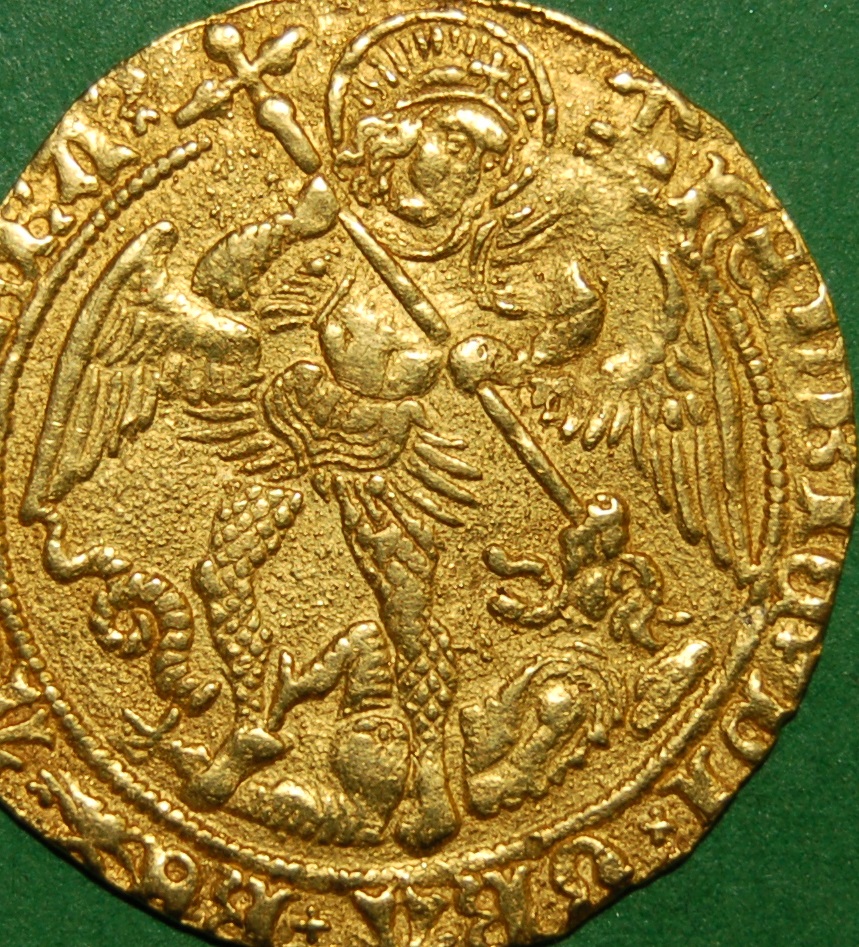
This doesn't apply to Soho Mint issues, and even less to Taylor restrikes (Taylor having "inherited" a whole load of rusting dies from the Soho Mint). Rob is talking mainly about those not Royal Mint output. The Royal Mint will use rusty dies as long as they are vaguely presentable. They certainly run the modern ones into the ground with all the flaws seen. The angel above is heavily rusted, which is interesting from the point that the couple of other examples I have seen from this obverse are not, suggesting the die was resurrected. It was in use only at the changeover from cross pommee to crosslet head and is known on this die only (?). The Bristol halfcrown below shows that even in the milled age they were not averse to using rusty dies. -
Wow, the French had a working Saturn V moon rocket in 1792? Awesome. Yes, but what you probably didn't realise is that it lift off was vertically down - to emerge in Australia. The astronaut was Jules Verne......... maybe not.
-
More fun from Coincraft
Rob replied to pokal02's topic in British Coin Related Discussions & Enquiries
I declined tthe offer too. -
Not certain, but it looks to have been plugged at 8pm on the reverse, which would favour its authenticity..
-
Dont read this if you have not slabbed a cgs coin
Rob replied to PWA 1967's topic in TPG Discussions
Yes to both coins. I don't have a problem with field damage & corrosion being the same thing, rather the question of rusted dies being a reason for rejection. Both the above coins clearly show this not to be the case. -
Gold George 111 guinea 1770
Rob replied to Willgotthepower's topic in British Coin Related Discussions & Enquiries
In that grade and with it being gold, storage is not a problem. Handling care amounts to not dropping it. You can keep your coins safely in acid free envelopes, capsules, a mahogany cabinet, 2x2 flips. As long as you avoid PVC based products you should be ok. These sweat and leach out plasticisers which then react with copper/bronze coins or those containing a significant copper content such as cupro-nickel or 50% silver (British from 1920-1946). They also make the coins sticky. Handling problems occur with copper and bronze mainly when the fatty acids in finger grease react with the copper leaving permanent fingerprints. Silver is not really a problem in this respect but any proofs should be handled carefully as the fields are like mirrors which means that fingerprints show up easily and cannot be removed. -
Gold George 111 guinea 1770
Rob replied to Willgotthepower's topic in British Coin Related Discussions & Enquiries
I think the obverse struggles to make fine, but the reverse retains the detail better. Obviously the key date for the issue, so based on Spink's price of 1100 in Fine say £500-600? It really depends on the demand as there aren't that many guinea collectors, though many will have an example or two. I have no idea about the numbers known which will have a huge bearing on the price. -
Dont read this if you have not slabbed a cgs coin
Rob replied to PWA 1967's topic in TPG Discussions
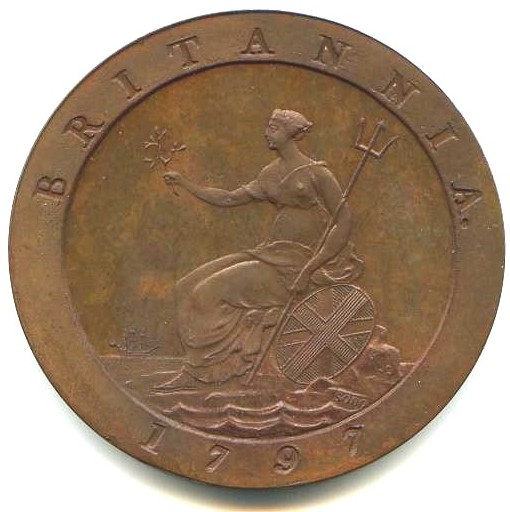
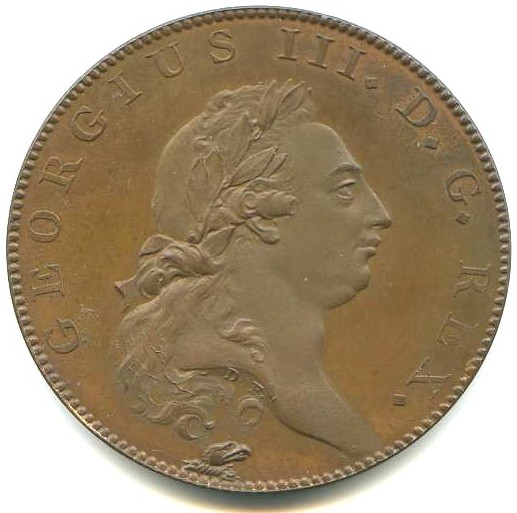
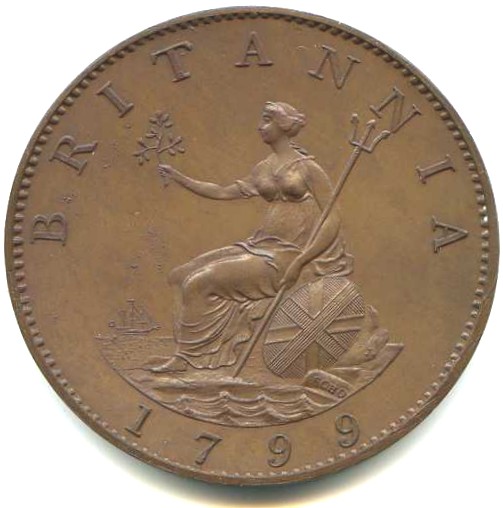
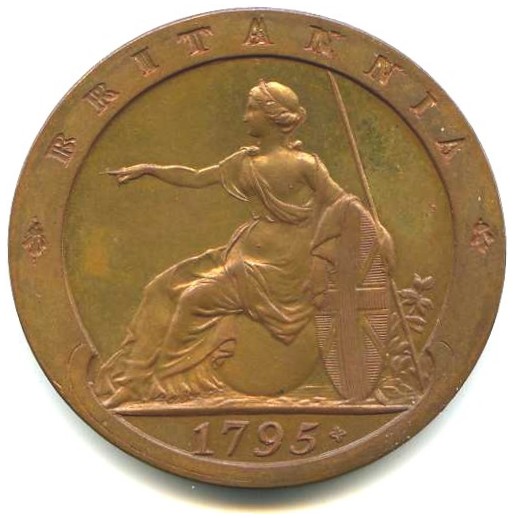
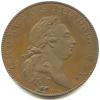
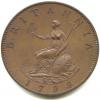
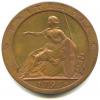
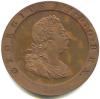
If CGS have slabbed either a Cromwell crown or shilling, then flaws are acceptable. If they have slabbed any of the above Soho patterns, then rusted dies are acceptable. The 1799 proof halfpenny (KH16) has a rust spot under Britannia's right armpit and is common enough to have at least one example slabbed in whatever metal finish. -
Dont read this if you have not slabbed a cgs coin
Rob replied to PWA 1967's topic in TPG Discussions
It's crap. There must be crossed wires somewhere as the idea beggars belief. -
Dont read this if you have not slabbed a cgs coin
Rob replied to PWA 1967's topic in TPG Discussions
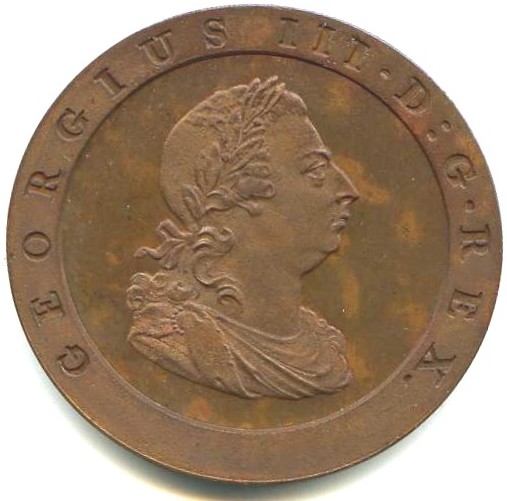
For those of you who do get things slabbed, it would be worth getting a list of those coins which will be automatically rejected as it will save you money in the long term. I suspect they will say that all are considered, but fail to mention at your expense. Guidance would also be useful on how much wear a die can have before it is rejected as this is also die damage. Coins struck from flawed dies ought to be similarly excluded. It can't be they are saying that only coins struck from fresh dies are graded because they will accept coins with recut legend. If anyone can get a list of (CGS) banned varieties as a result of being struck from rusted dies, posting it would be helpful to all concerned. Failure to supply such a list would be a tad disingenuous. Here are a few images of things that fall foul of such a policy.
-
I'm frequently asked for the N. Ireland 2002, but very few others. Claim of Rights coins always sell easily.
-
Dont read this if you have not slabbed a cgs coin
Rob replied to PWA 1967's topic in TPG Discussions
Will someone who has access to the CGS lists give an indication of which Soho pieces they have slabbed and by extension accepted irrespective of rust marks. With the exception of the first strikes at Soho and the later pieces by Taylor, the various states are effectively categorised by the degree of rust spots present, or their removal by die polishing. Any Peck numbers between 930 and 1400 will do. If CGS are consistent, the numbers should be minute. Thanks. -
Dont read this if you have not slabbed a cgs coin
Rob replied to PWA 1967's topic in TPG Discussions
It has to be on the basis of surface corrosion rather than rusted dies. If the latter, then, as I said, some varieties are unable to be slabbed, which sort of negates the rationale for doing so. It would mean any raised rust spot would mean rejection. Most of the Soho patterns would be rejected. -
Elizabeth 1st milled groat. The date is not 1670, but 1560-1. These were the earliest issues alongside the halfgroat and shilling. c.f The Milled Coinage of Elizabeth I by Borden and Brown, BNJ vol.53 (1983)
-
Dont read this if you have not slabbed a cgs coin
Rob replied to PWA 1967's topic in TPG Discussions
That's stupid. Rusted dies has nothing to do with the authenticity, wear, handling damage or any other reason for rejection. On that basis it will be impossible to slab a P1161 for example because it was one of Taylor's earliest products struck from completely rusted dies prior to their polishing and refurbishment. That also means in their eyes I've got a mint state but worthless piece of sh*te that I paid good money for. They would probably end up suffering cardiac arrest if they got this angel for slabbing. Apologies for the reduced flan to keep it under 500k.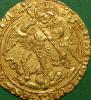
-
Virtually all collecting is done from an historical perspective, whether it's coins, medals, Dinky toys etc.
-
You are not alone, but the tendency for people to collect anything that isn't nailed down should not be underestimated. You only have to see Have I Got News For You's guest publications to appreciate that. Barbed Wire Weekly anyone?
-
People do miss rare things on eBay, but usually it is a trade-off between rarity and quality. An awful lot of eBay listings are painful to view. Buying them would be a tad masochistic as you would then have to look at them for years to come. eBay has changed with the number of items listed up 10-fold in the past decade, but the days of rarities in a decent grade and selling for bargain prices are generally a thing of the past. People have obviously got too much time on their hands.
-
Horribly mushy.
-
The piece you linked to is one of the best examples available and was always going to fly. The wear to the portrait is minimal in comparison to yours and it doesn't have a hole.
-
It doesn't really matter whether you leave it alone or plug it. If you do decide to plug it, get somebody who knows what they are doing as you still have the potential to reduce its value by doing a bad job. With or without hole, it is still impaired however rare. It's a pity it was holed as the reverse is quite good.