All Activity
- Past hour
-

Voice of At-Hlan
Chris Perkins replied to kuhli's topic in Nothing whatsoever to do with coins area!
I have a couple of copies in the "Archive". I remember having brief email contact with Roger Keenan (I think) but it was 20+ years ago and I no longer have any details. -
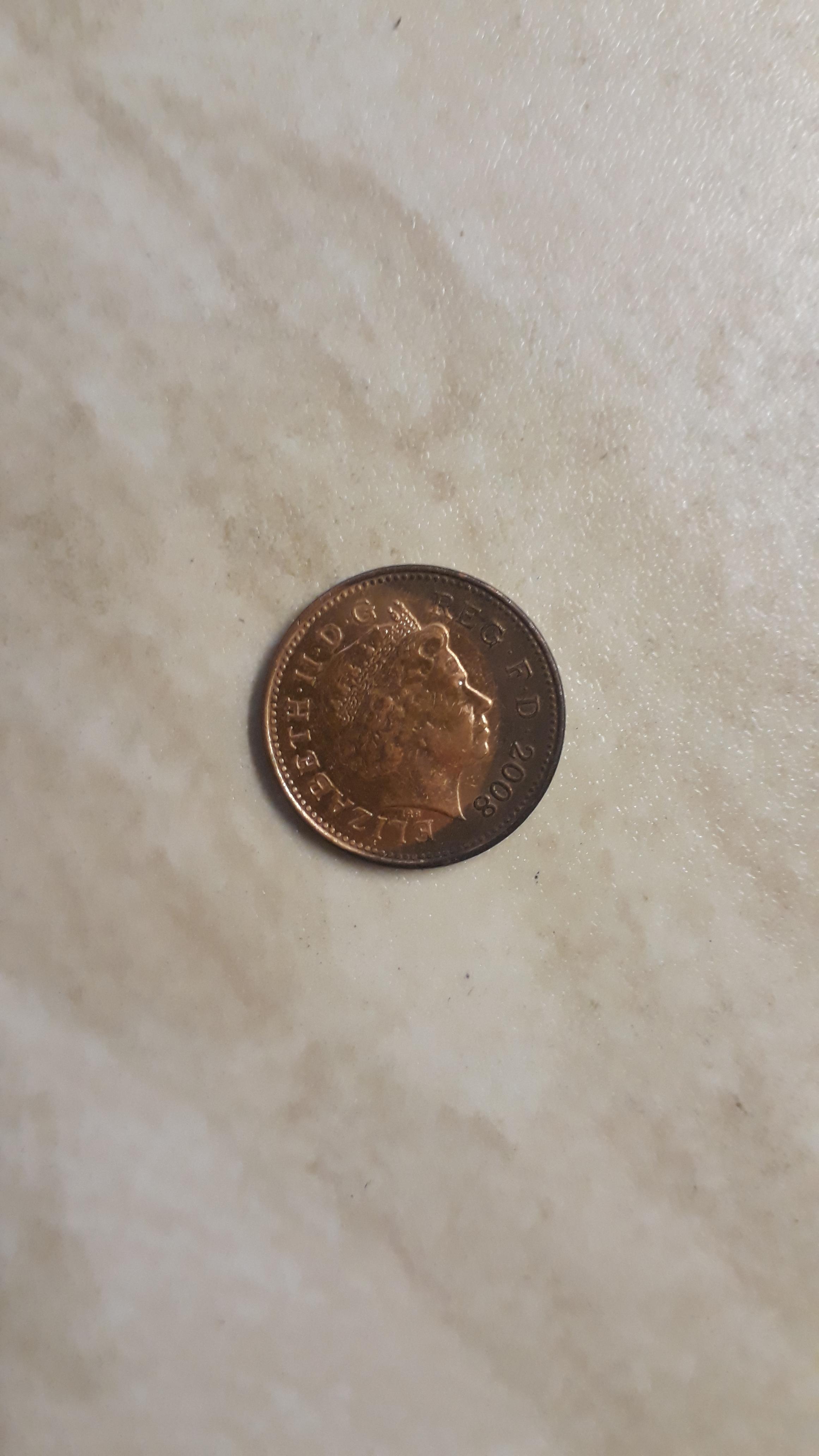
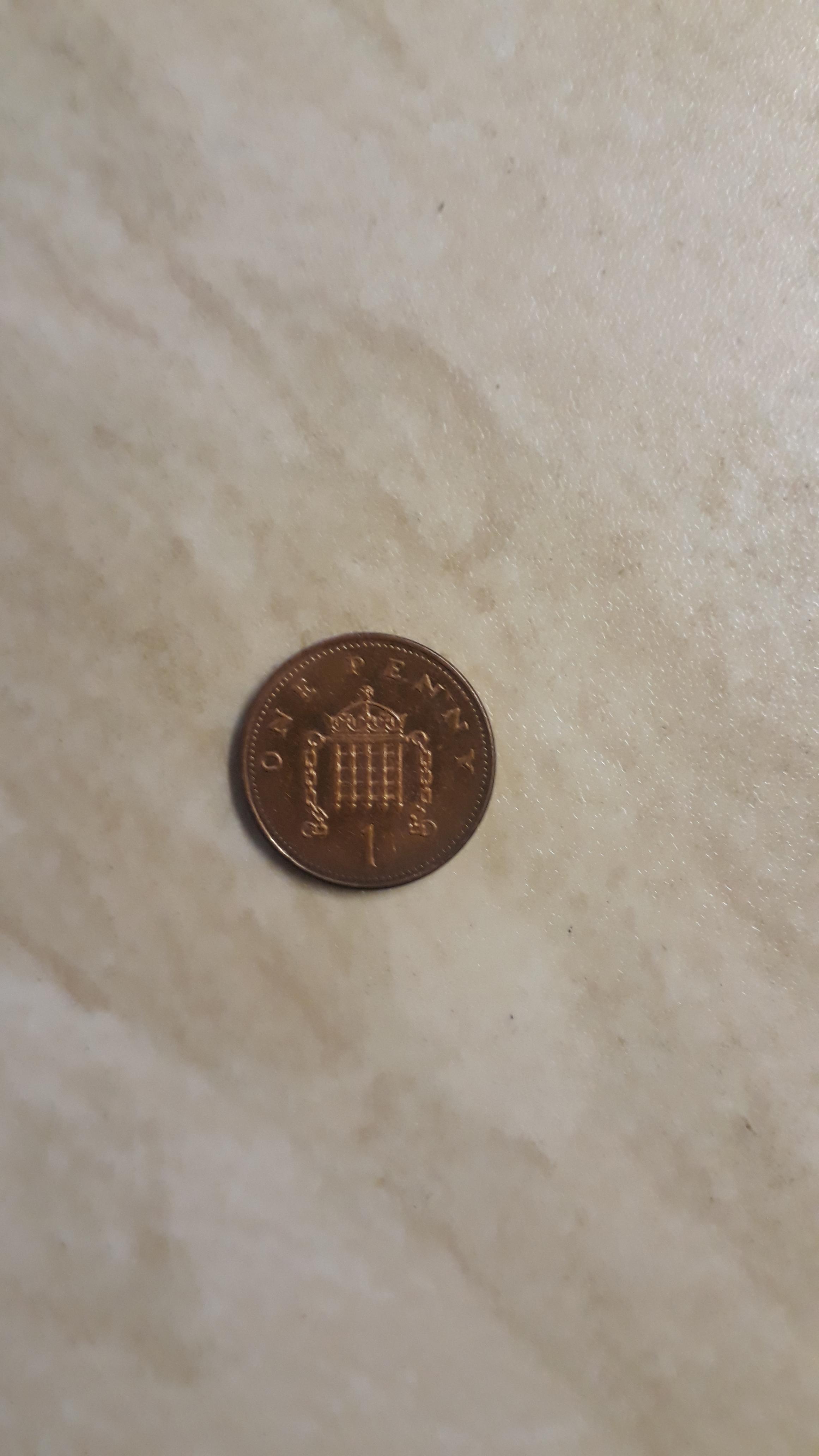
Welcome @perry123986cook to the forum. 2008 was the year of the change over from the portcullis design to the broken shield issue. See https://www.royalmint.com/collect/collector-resources/uk-coin-mintage-figures/1p-mintage-figures/ for the figures - about 180 million of this design and another 507 million of the new one. So sadly not scarce or an error!
-
-
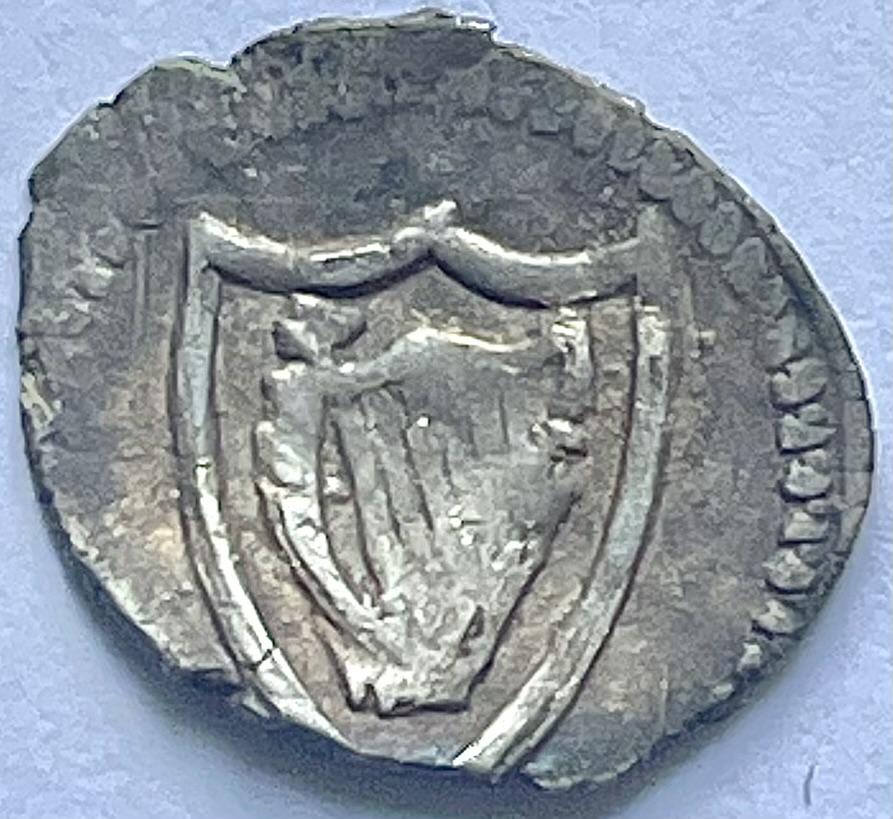
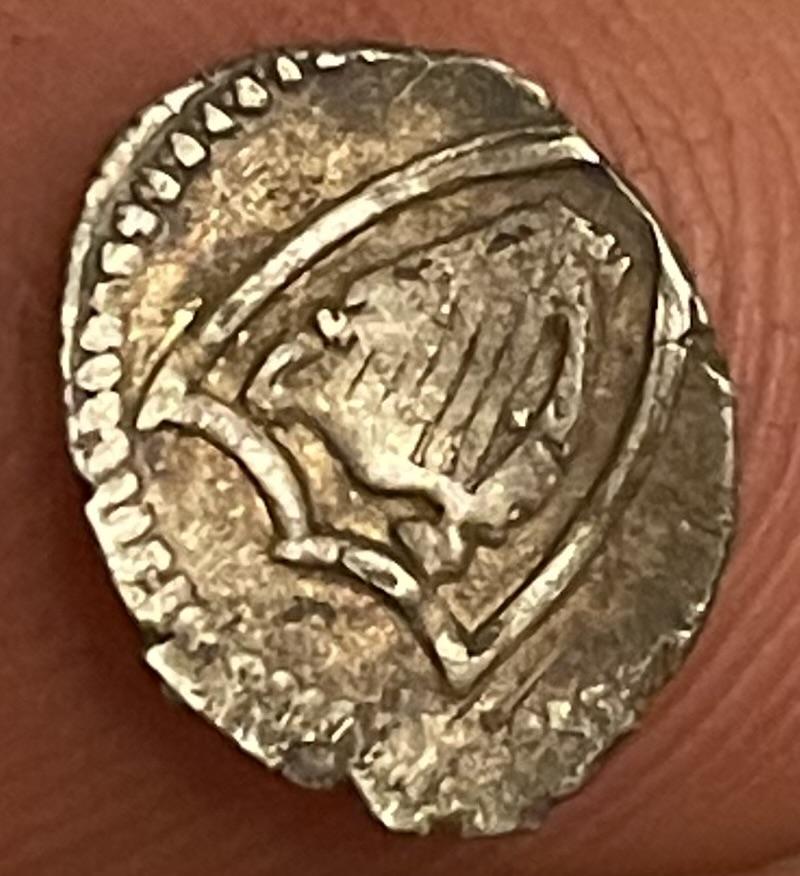
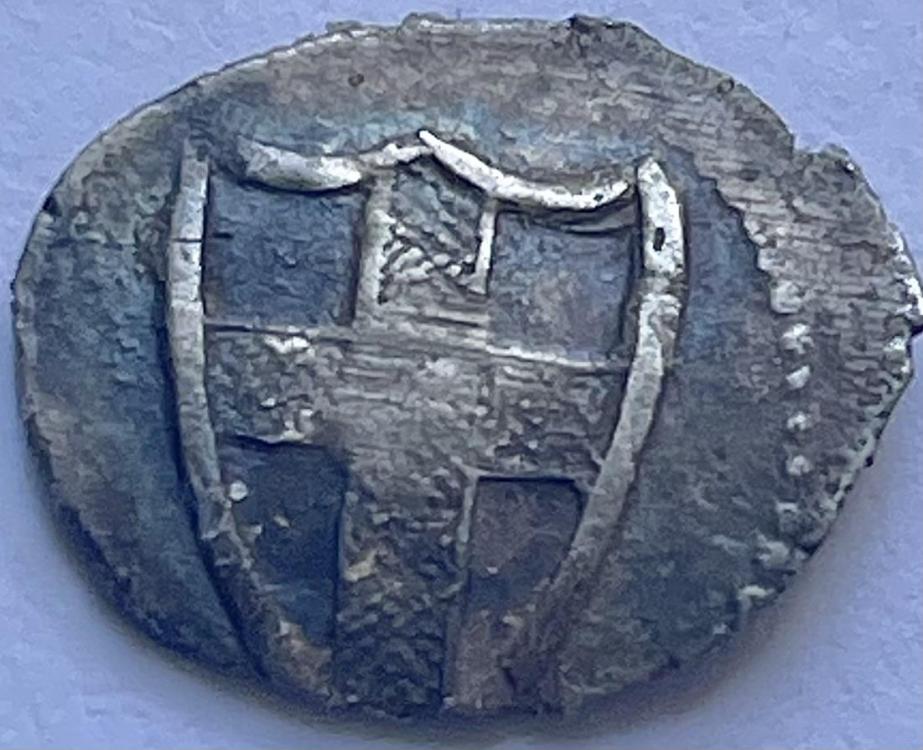
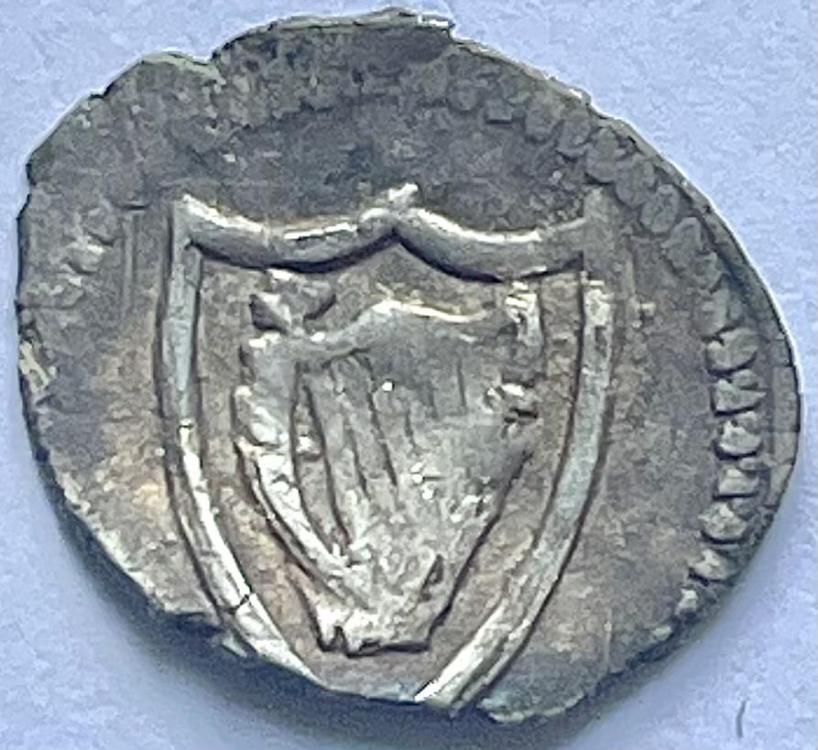
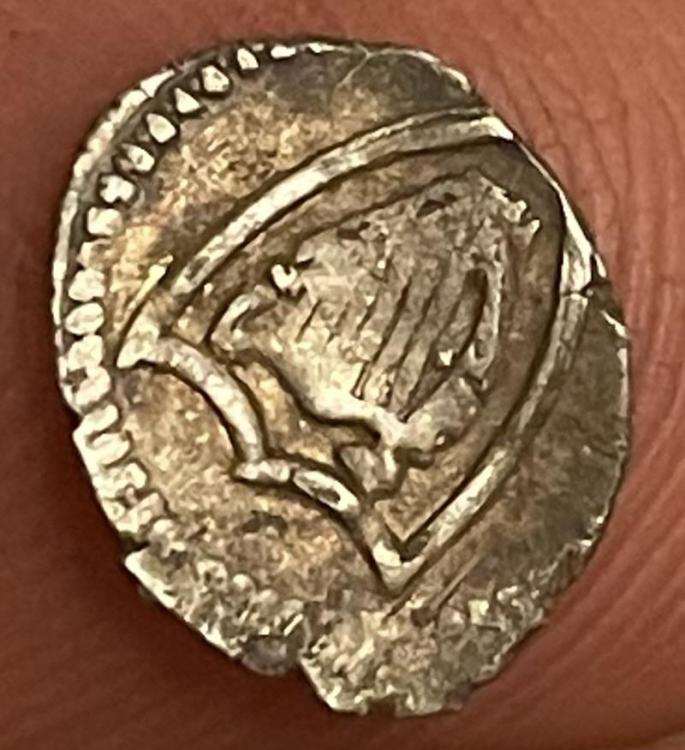
Has anyone come across the half penny having six strings to the harp. I believe it should only have five, the strings are also very thick possibly a double strike but looking at the rest of the harp I’m not so sure.
- Today
-
 It’s almost unbelievable that the BNS allowed unchallenged publication of this blog which I feel is a mass of A.I. pseudoscience and unproven ‘evidence’ from which unjustifiable conclusions are presented as fact! Will they publish my learned study demonstrating that pixies have set up a mint at the bottom of my garden? A.I. has found lots of photographic evidence, and Donald Trump says it’s the ‘greatest numismatic discovery ever’ apart from when he found his face on a gold dollar! (Obviously Trump didn’t actually use the word ‘numismatic’, I think that was posted by Harp). Jerry
 -
 perry123986cook joined the community
 -
Can any one give amy info on this 1p 2008 portcullis coin. Is this a reel error coin. Thank you
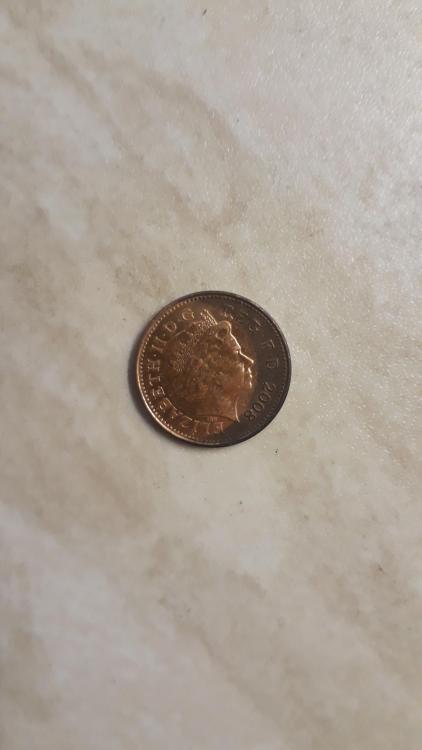
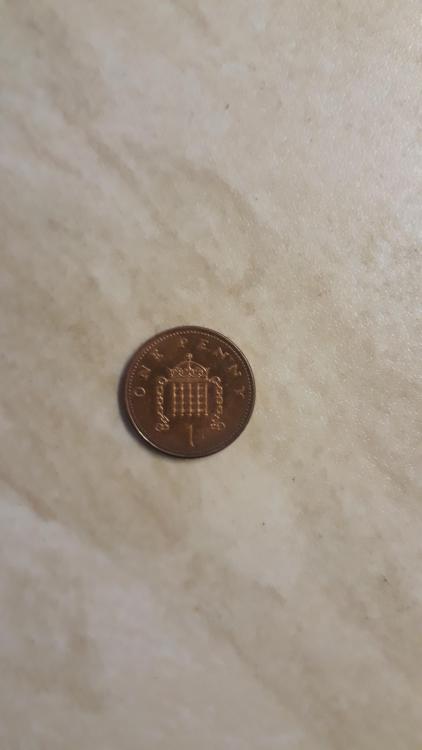
-
I remember being shown that coin. I told the person who sent the email pics that it was a mangled sixpence: "It looks like damage to me. Who knows what caused it and how much circulation it went through after the damage. Some damage can be hard to fathom. Maybe someone was trying to cover the SIX PENCE in order to pass it off as something else. It's possible I suppose that it did suffer some kind of defect when made and then someone made it worse, but either way, it's a bit of a mess. I really can't imagine anyone would be willing to pay more than the silver value for it. " Also here: https://britnumsoc.blog/2025/11/11/an-1834-william-iv-sixpence-with-a-laboratory-confirmed-multi-strike-error-from-the-steam-press-era-a-ikraam/https://britnumsoc.blog/2025/11/11/an-1834-william-iv-sixpence-with-a-laboratory-confirmed-multi-strike-error-from-the-steam-press-era-a-ikraam/ Erm, ok.
-
 Seems some folk go even further to get to the bottom of coin mysteries: https://phys.org/news/2026-09-materials-analysis-minting-mystery-british.html
 - Yesterday
-
 Jimmy joined the community
 -
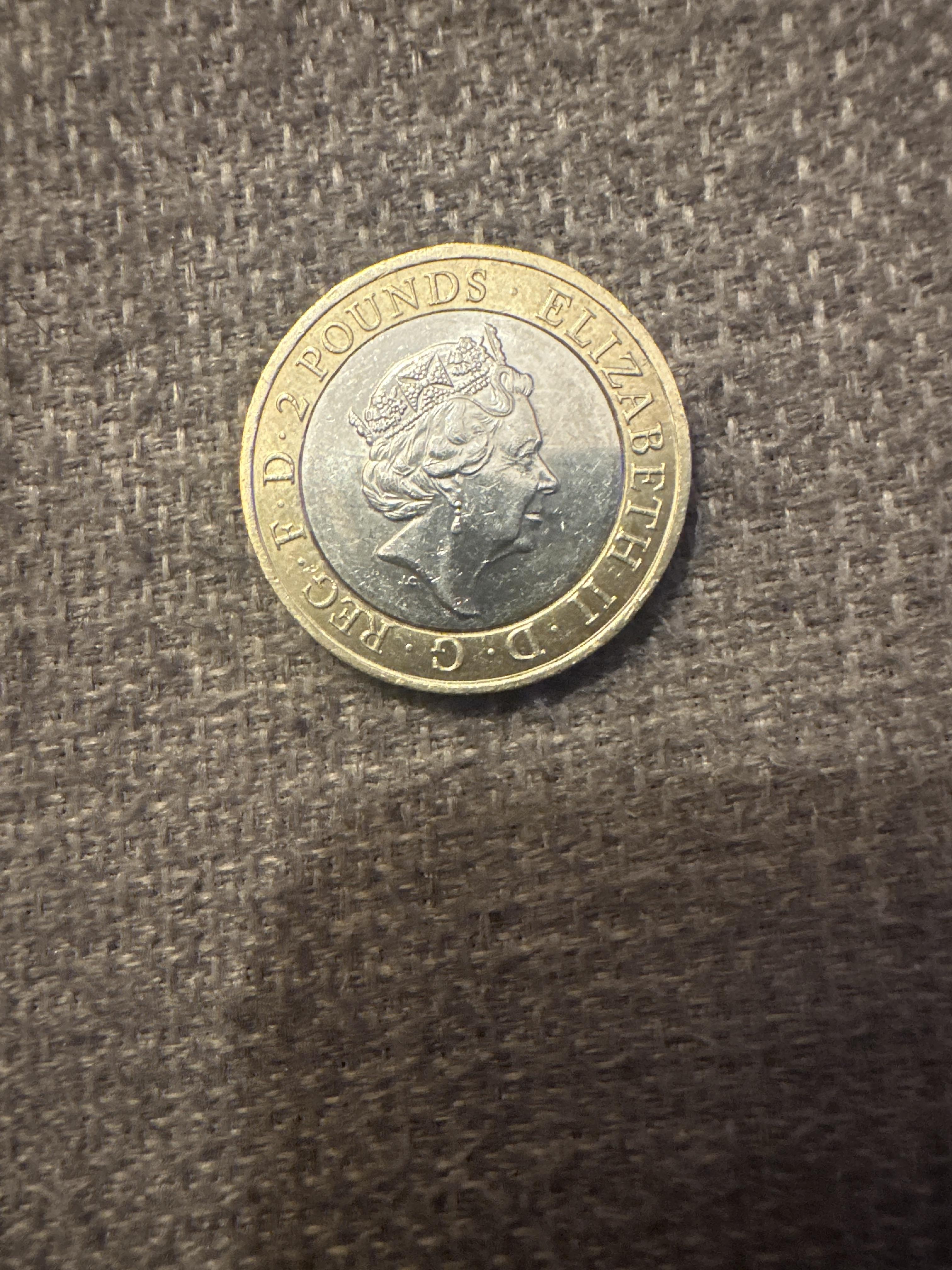
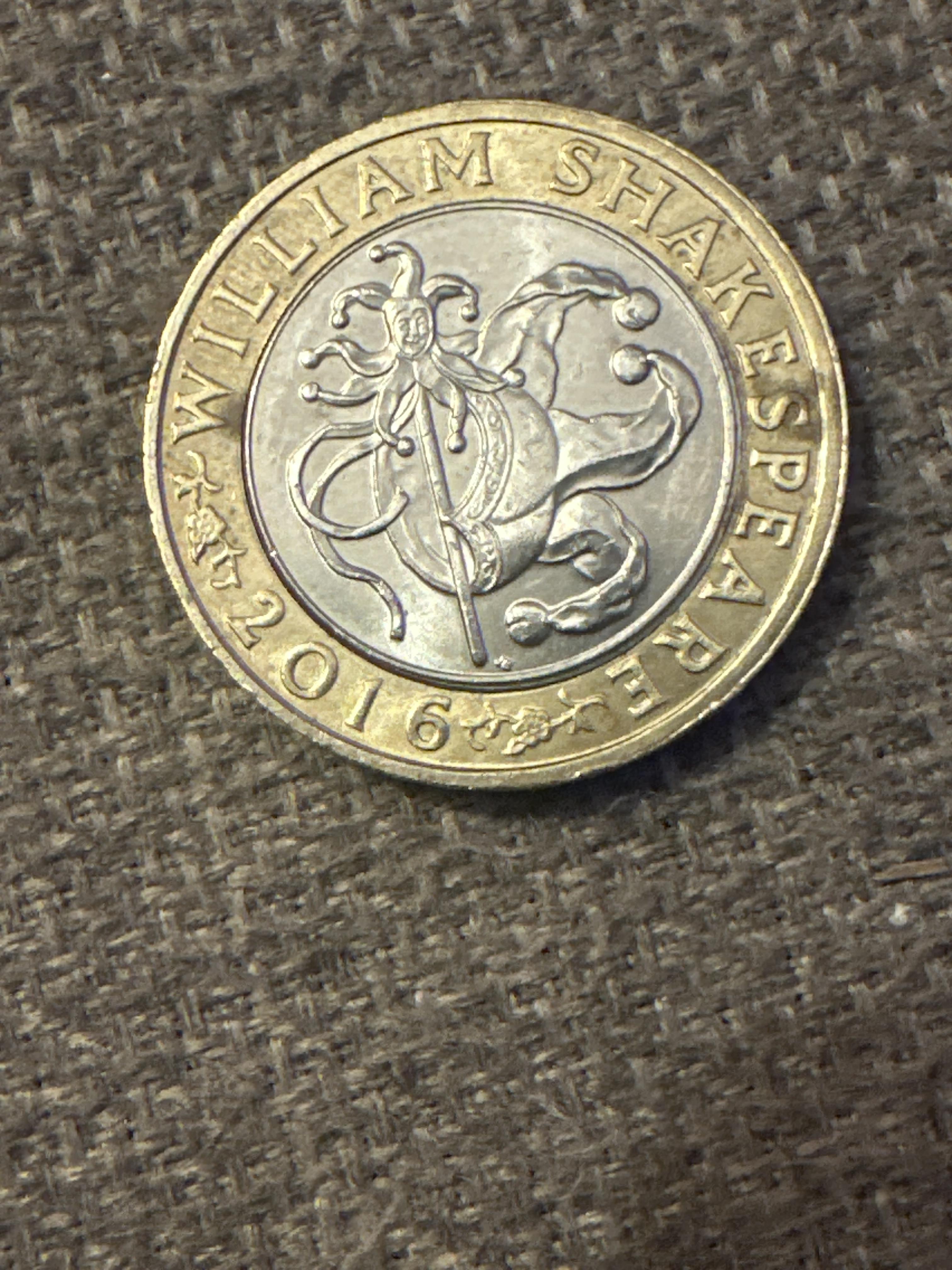
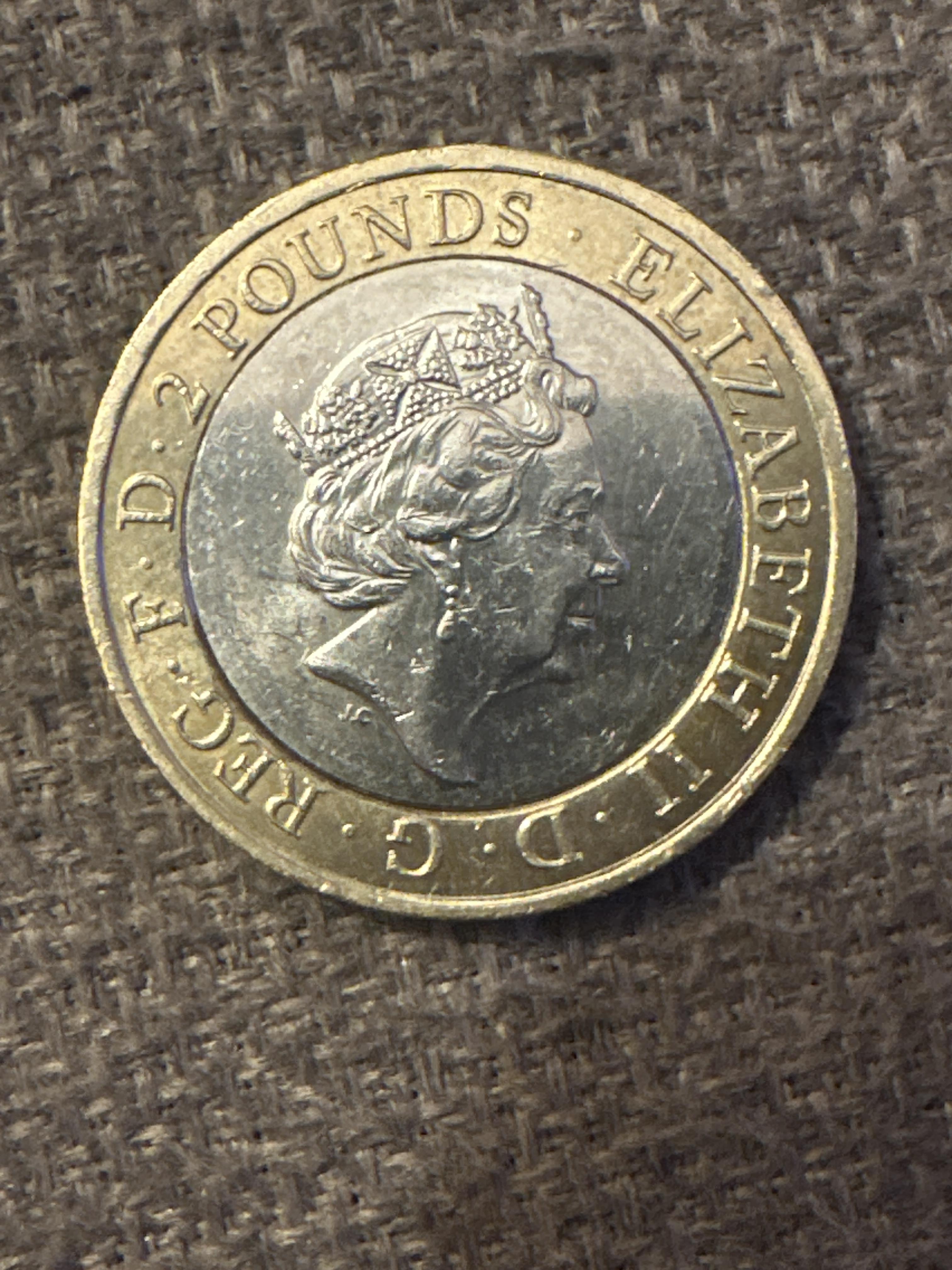
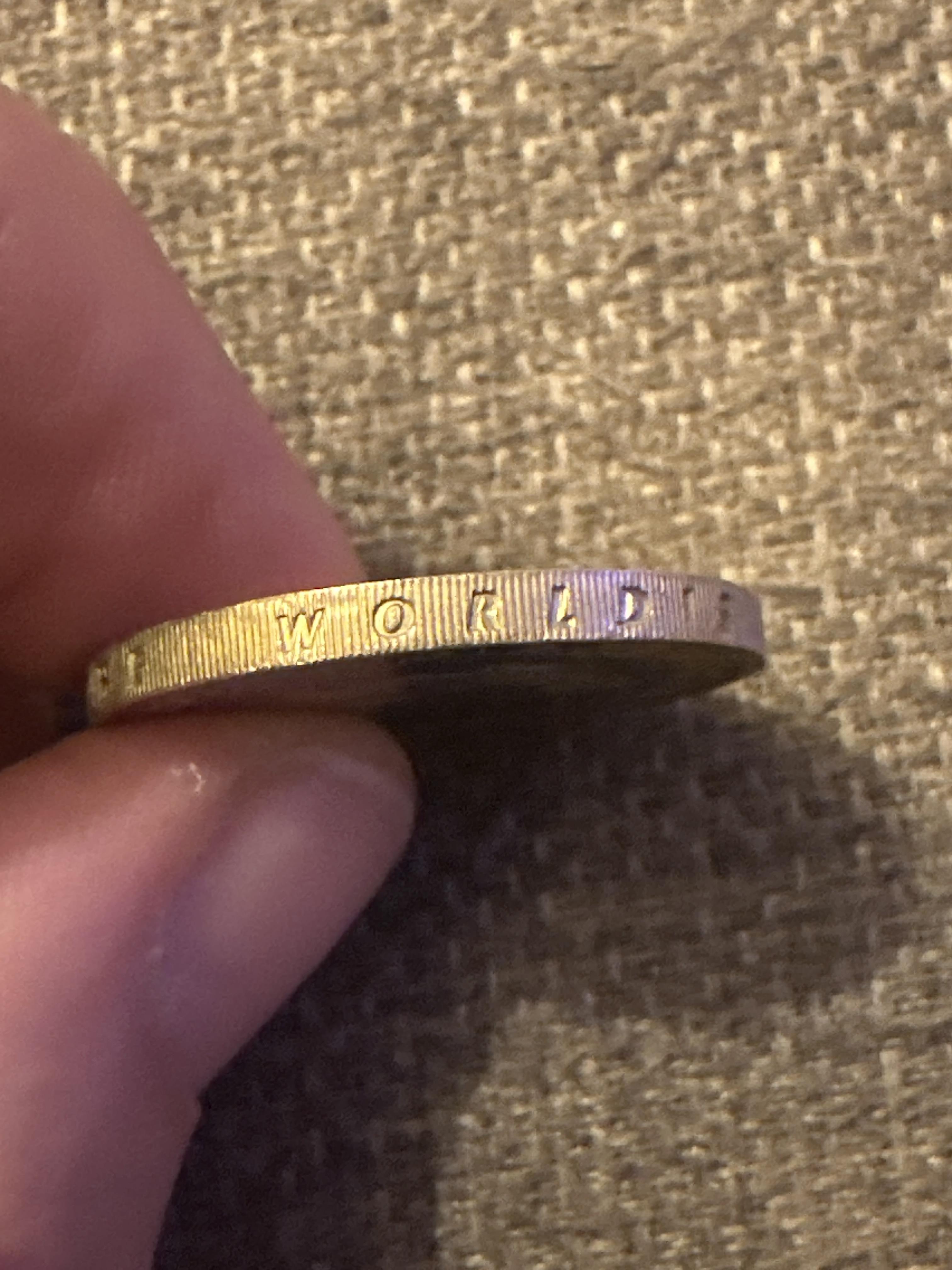
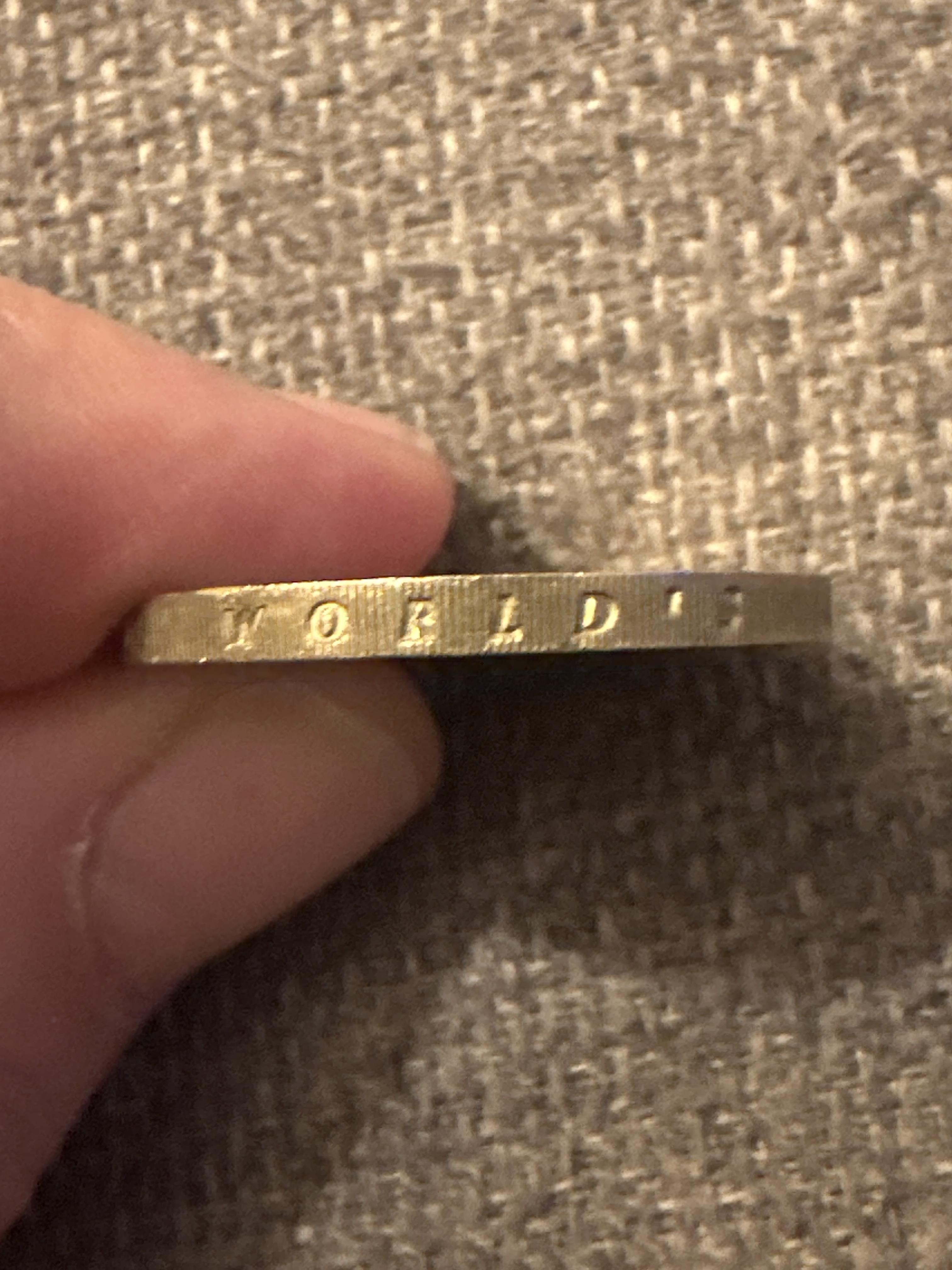
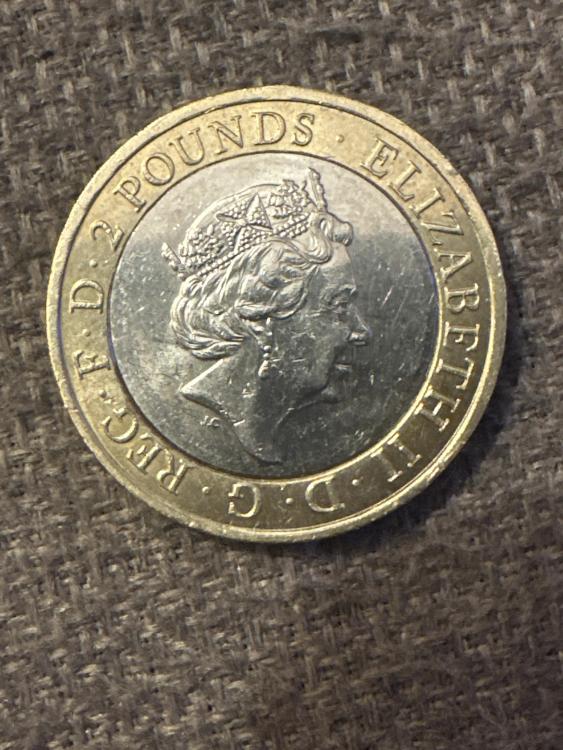
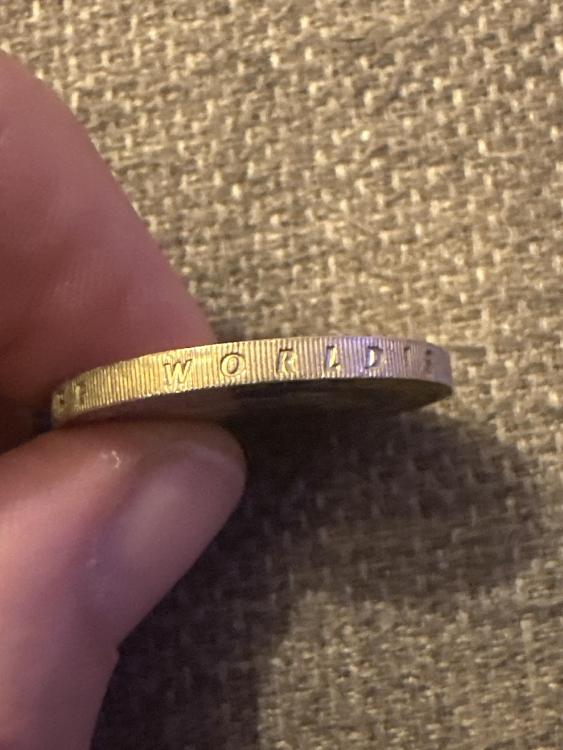
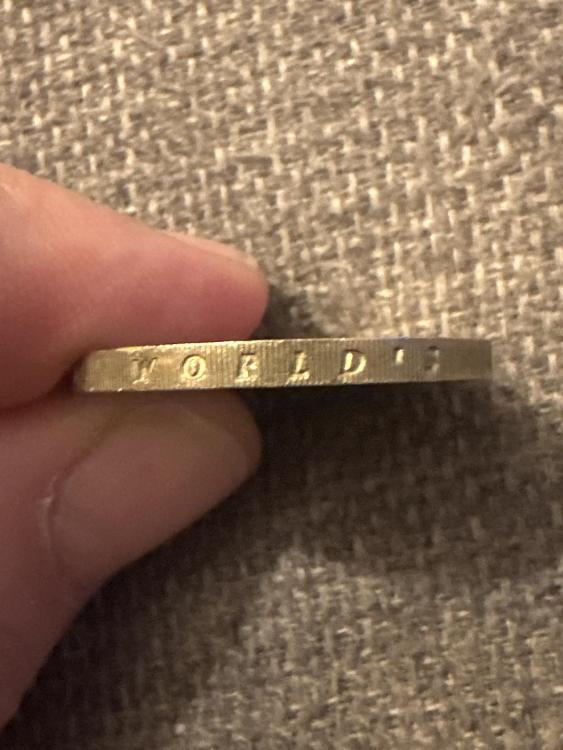
Hi , I came across this £2 William Shakespeare coin. Looked like a rare one I seen online. The silver centre is not actually in the centre. seeing the prices they sell for. I certainly had a dell boy moment. Next year I will be a millionaire. looking for your advice and expertise on this coin please!
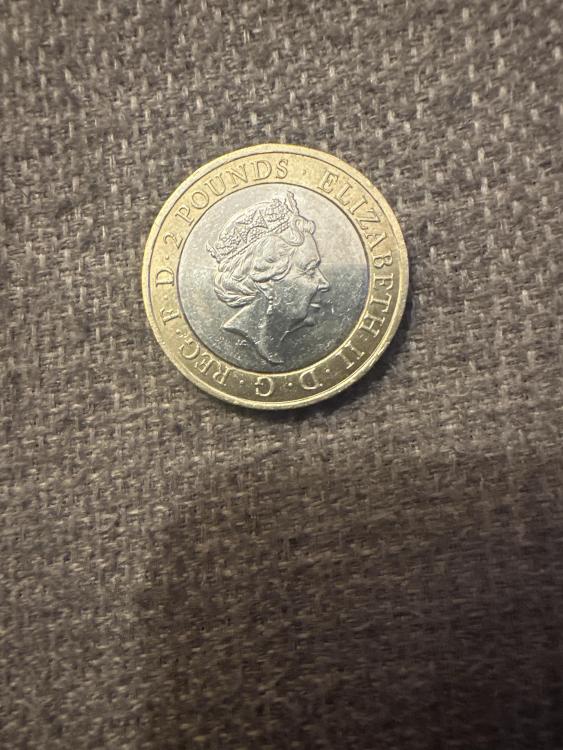
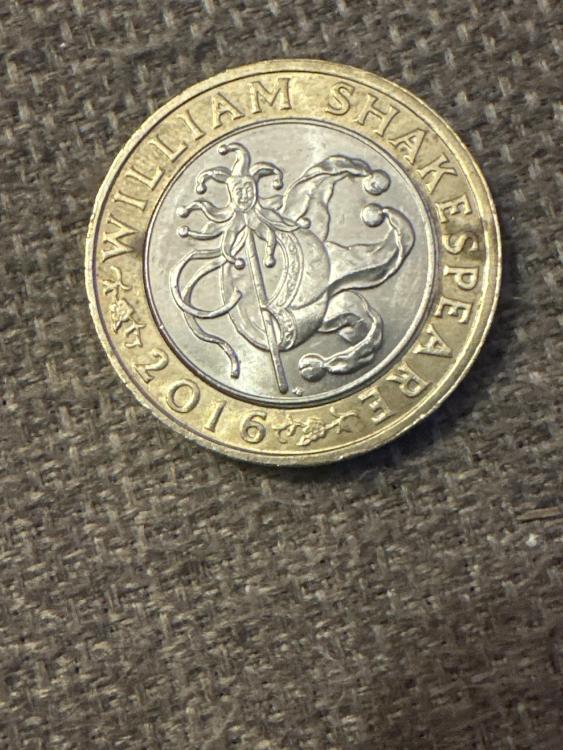
-
 I have put pennies into acid baths on numerous occasions (for serious purposes at work and not fooling about.) The edge would invariably thin out first. Even for the sake of argument that someone were to use a wax to protect the edge, an acid would still "smooth out" the surface marks. I can't see how the design has nearly disappeared with so many surface marks left. Then there is the flattened date. Acid won't do that.
 -
 Having owned couple of acid bathed coins I agree with Rob. Acid doesn't shear off the main design leaving the original thickness - it attacks on all axies, leaving a much thinner coin with the elements of all the original design still clear enough to see, including the legend.
 -
MS is MS, MS 60 is an un-circulated coin. Higher grades are more subjective with MS61 and higher attention is paid to strike, bag knocks, luster. toning etc. Wear and poor strike being very difficult to distinguish when it is slight. Also attention should be paid to the condition of the milling of the coin edge The whole point of TPG is consistency for valuation and comparing coins. The subject coin from the photo shows slight wear on the higher points and more correctly graded AU 55 - 58 or EF IMO. Personally I prefer the Sheldon as it gets rid of the abt. nearly + etc that are much more subjective. However it must be applied accurately to be of use. Having said that the book The Standard Guide to Grading British Coins is a good guide
-
 Coinslot changed their profile photo
 -
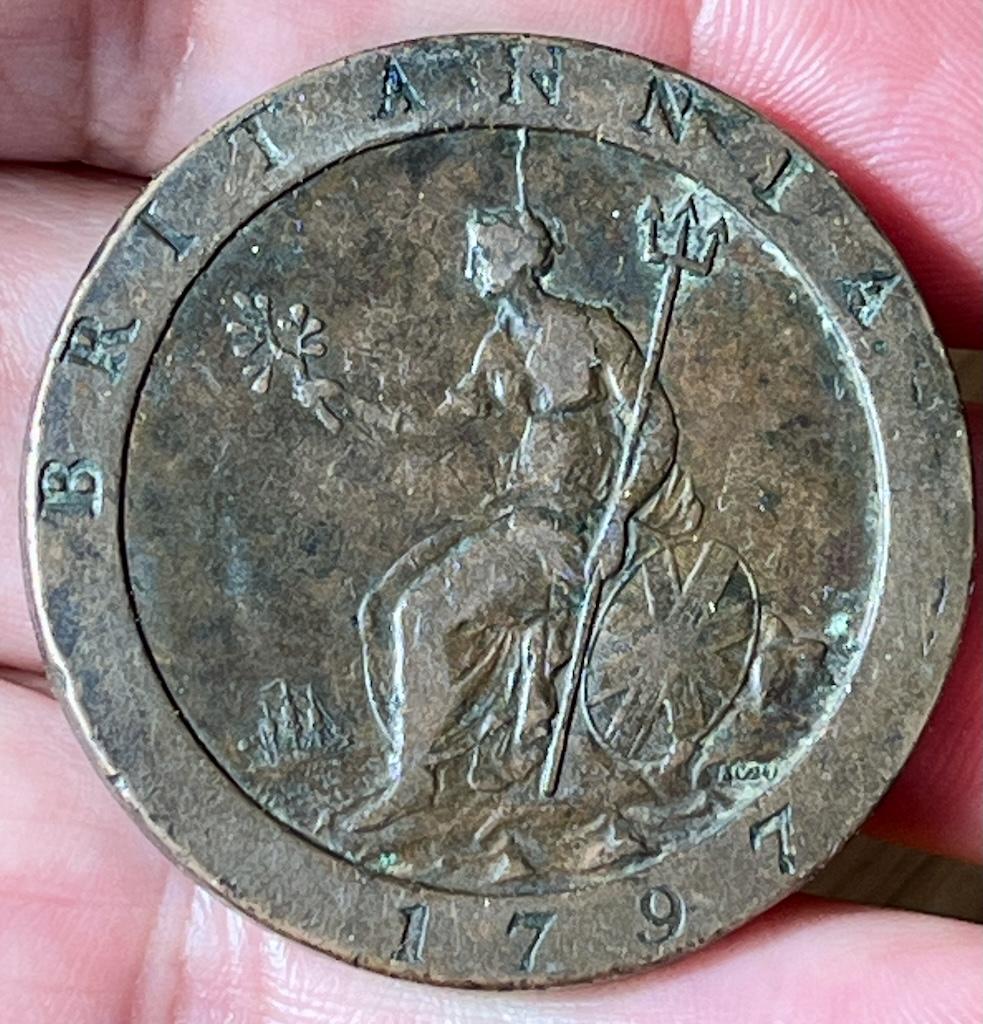
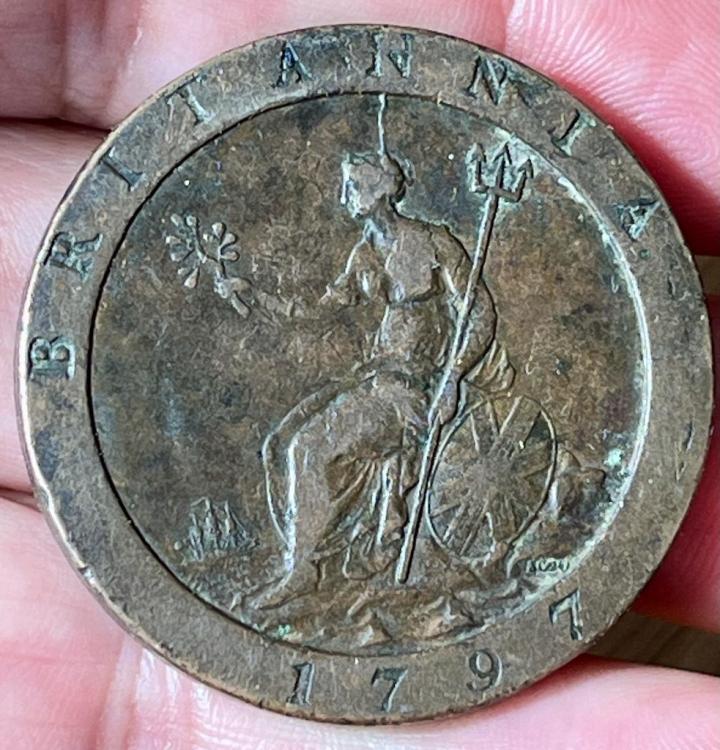
Reverse 1st Diagnostic : Pronounced vertical die crack originating from top of Britannia's head, undulating/squiggling at 2mm distance from the inner rim border, terminating precisely at the baseline of the first N. Reverse 2nd Diagnostic : Associated branch crack extending leftward into the olive branch cluster, manifesting as a faux leafless sprig adjacent to the standard 10-leaf configuration. ( Severely lapped reverse die resulting in a missing leaf / ghost stem variety.) Reverse 3rd Diagnostic : Equally spaced masts (Type C / Large Letters reverse hub diagnostics).
- Last week
-
 Gary e joined the community
 -
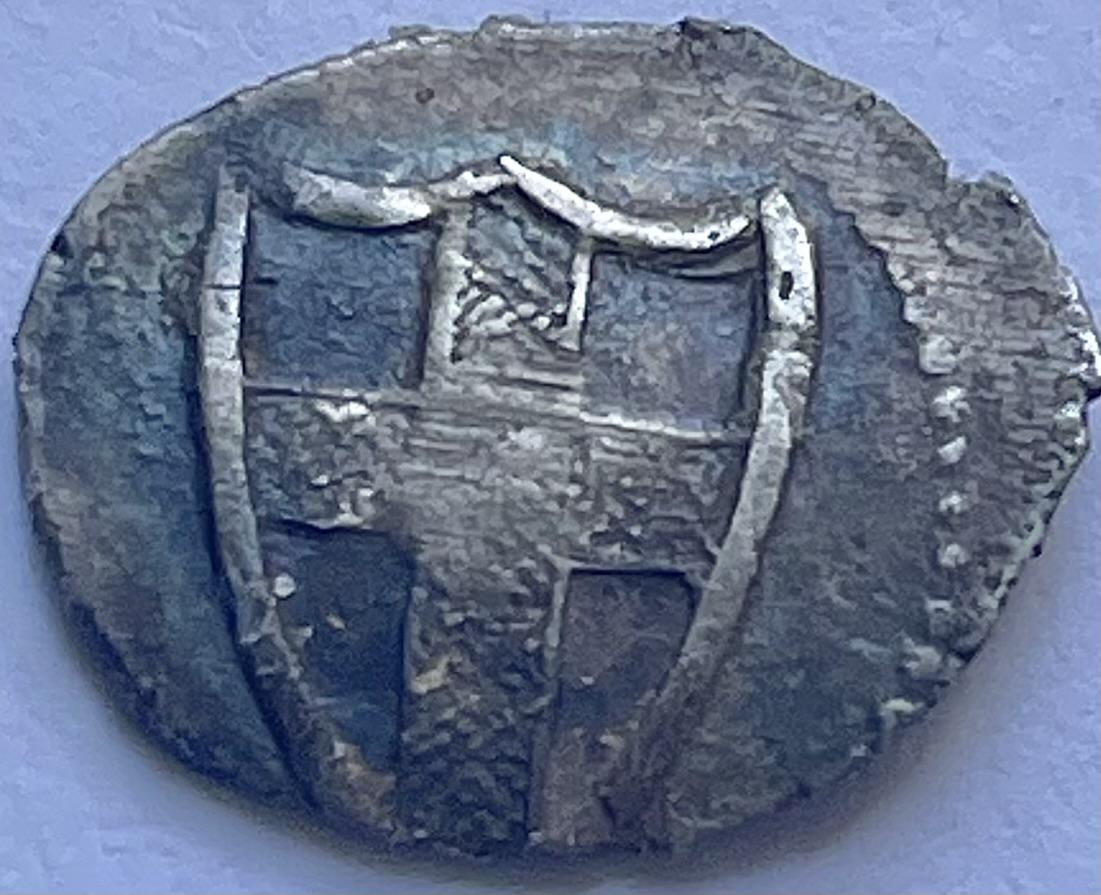
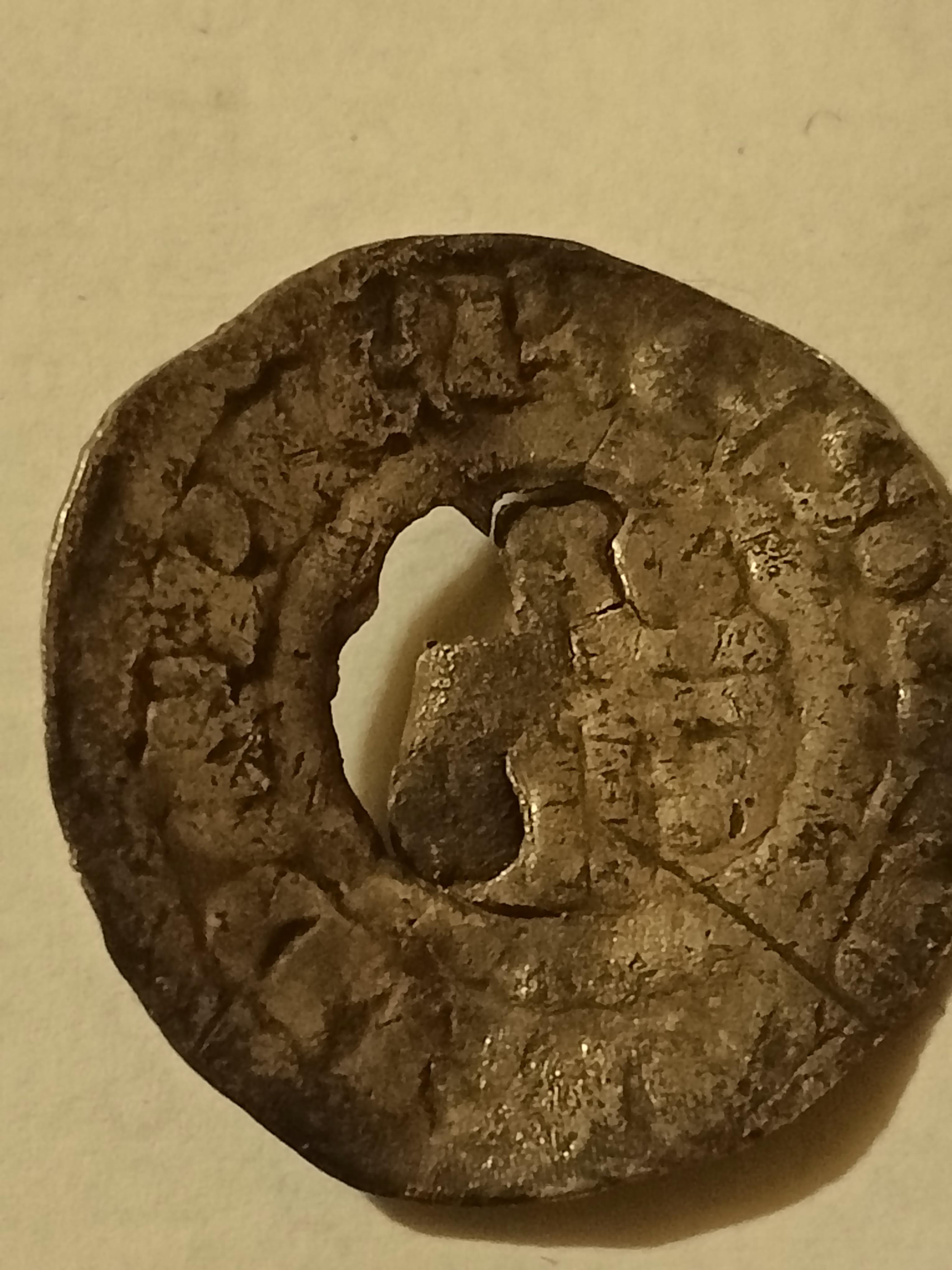
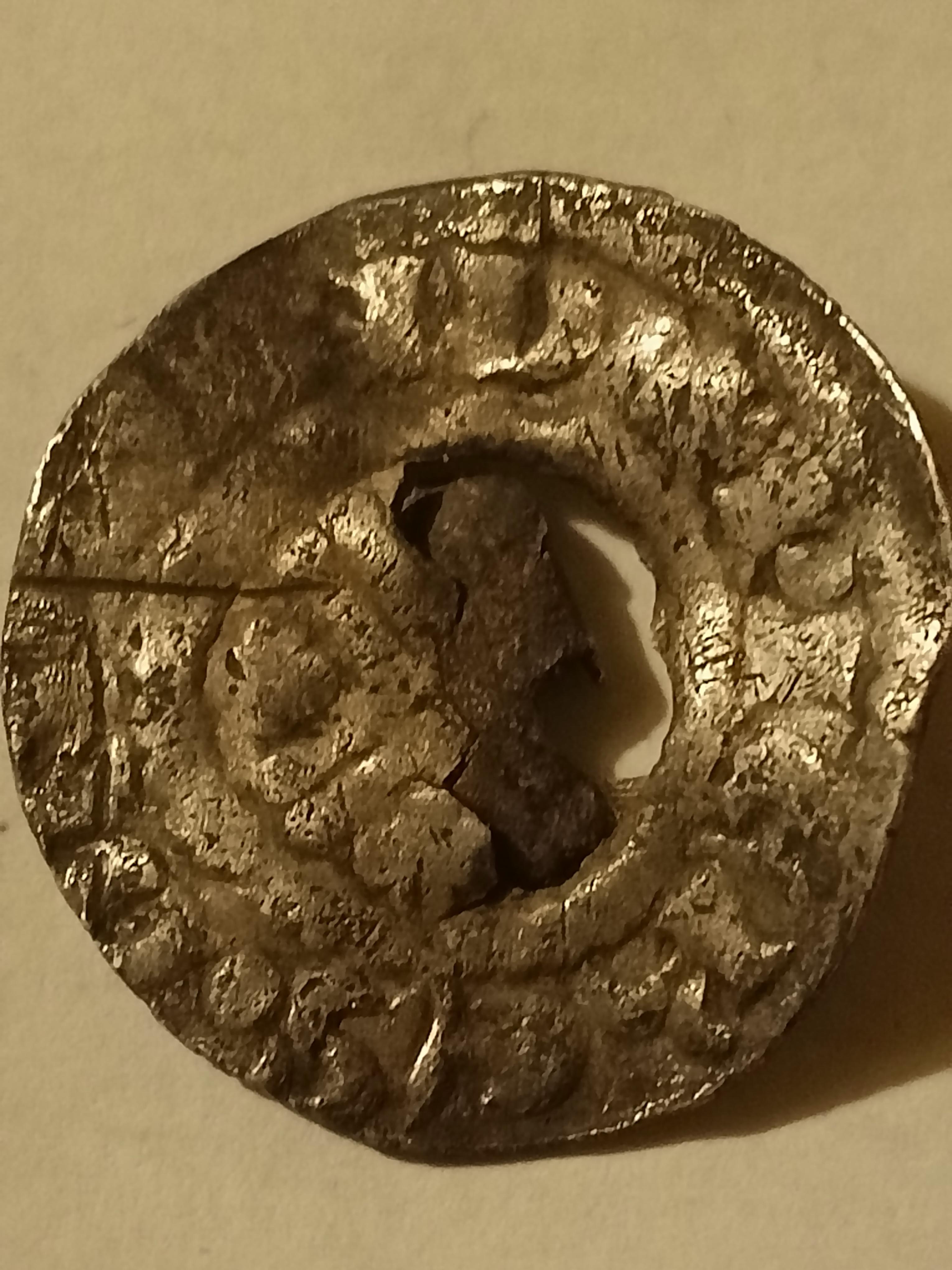
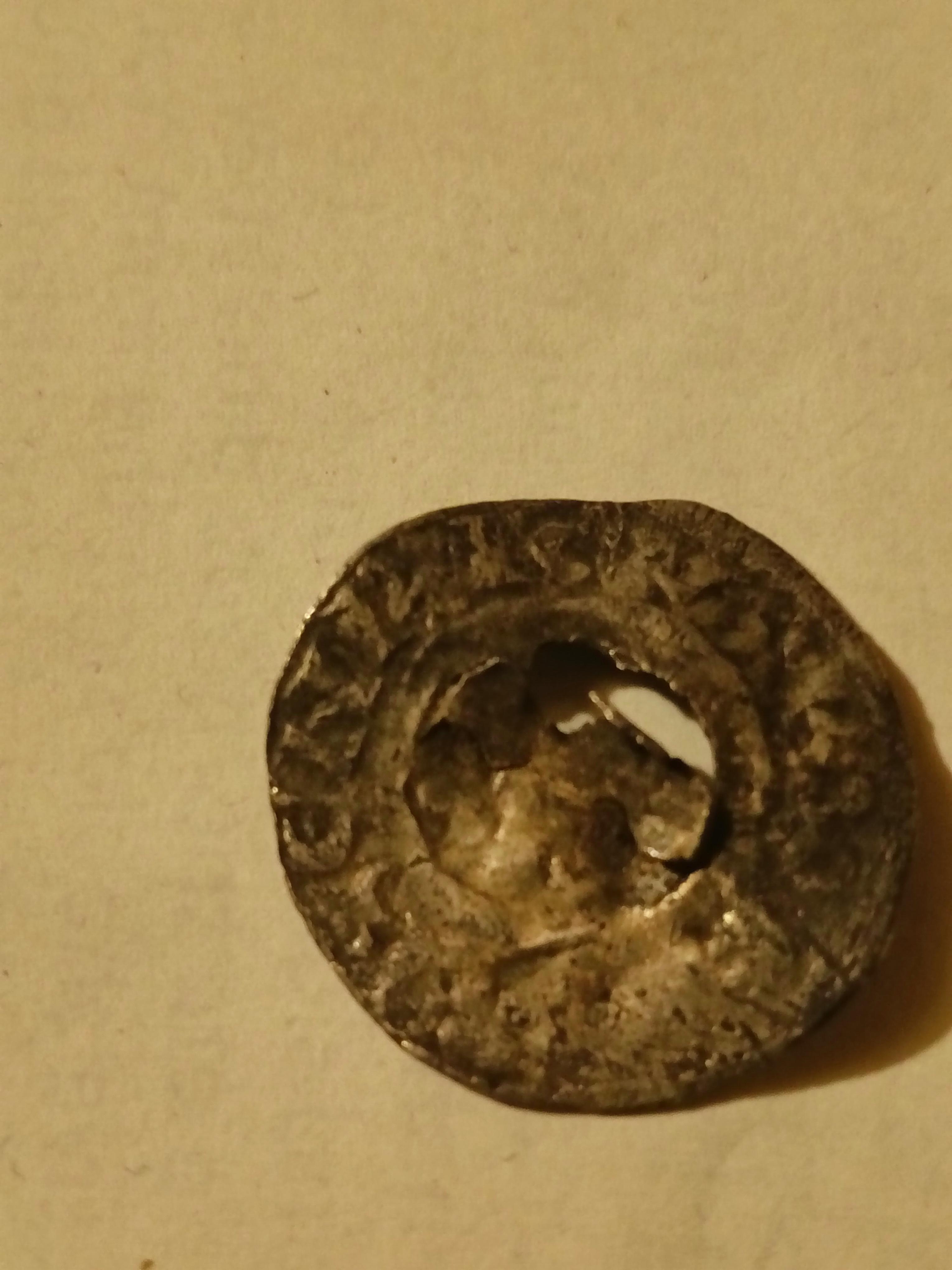
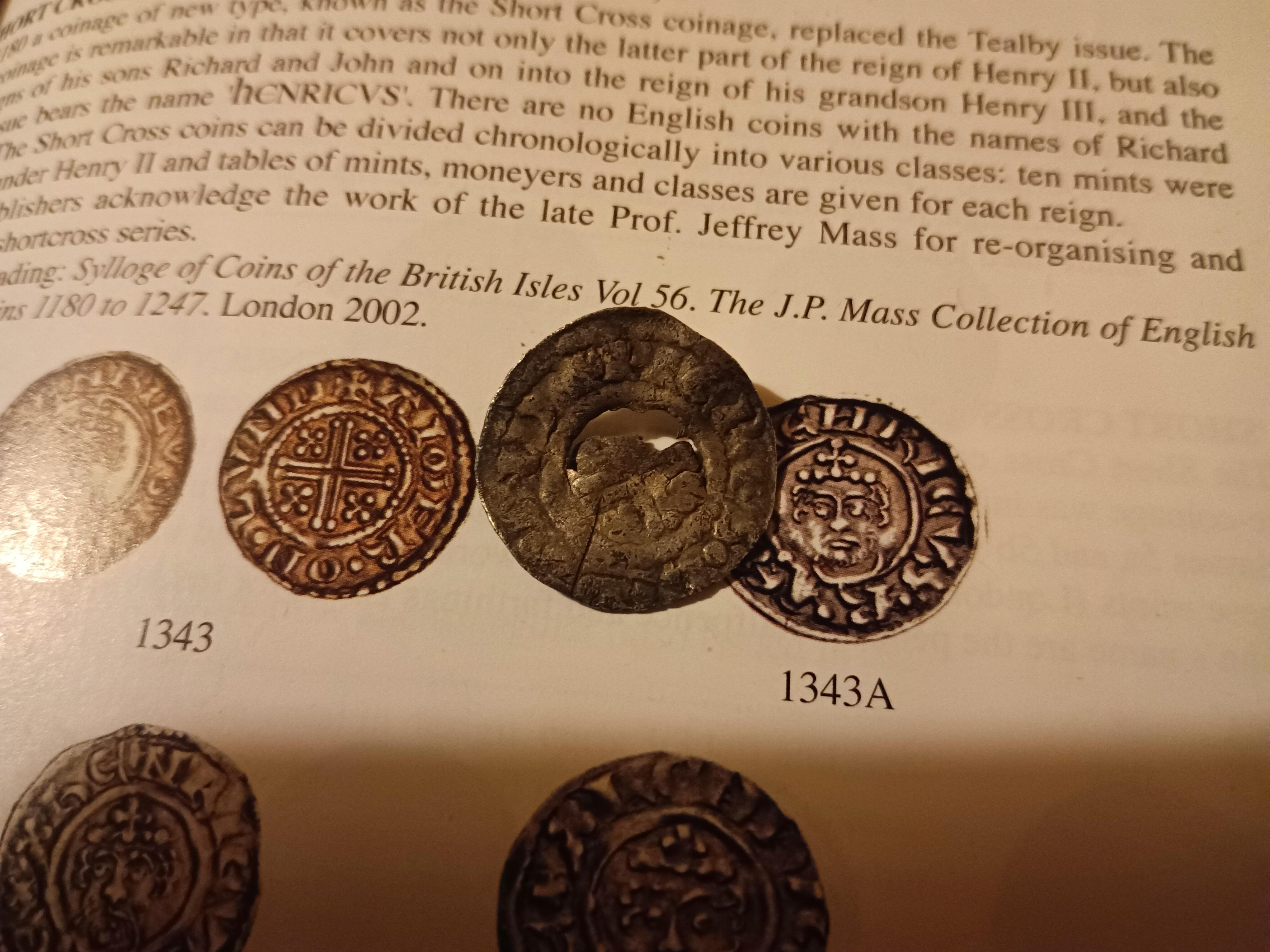
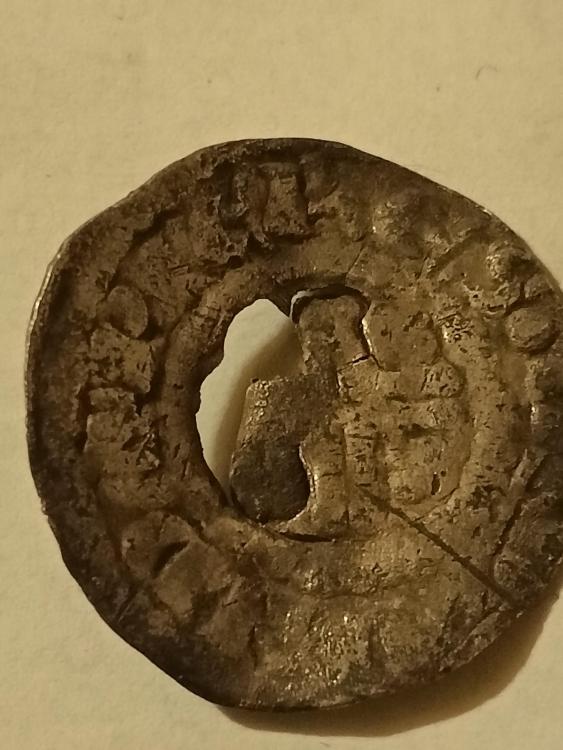
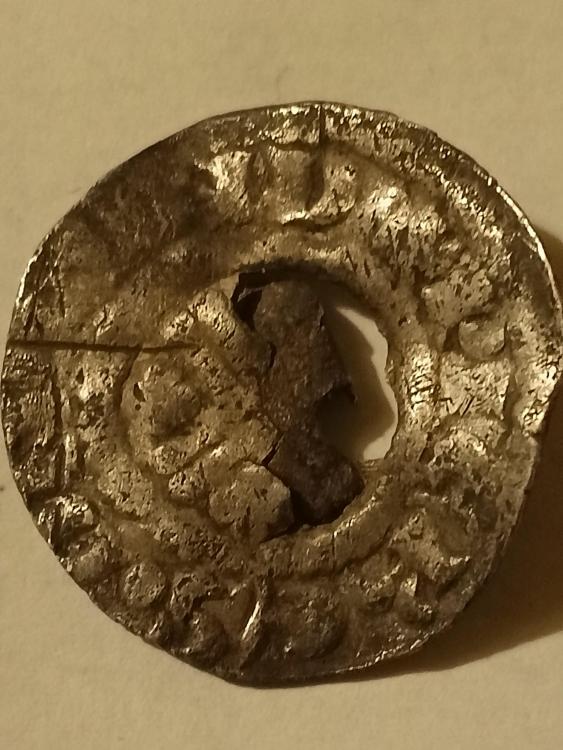
Hi a friend has asked me to identify the following coin i believe it's a short cross penny but it's larger than normal approximately 21/22mm and the weight is 1.24g unfortunately no head as has been damaged in the ground and unable to confirm type and mint/moneyer please can you help
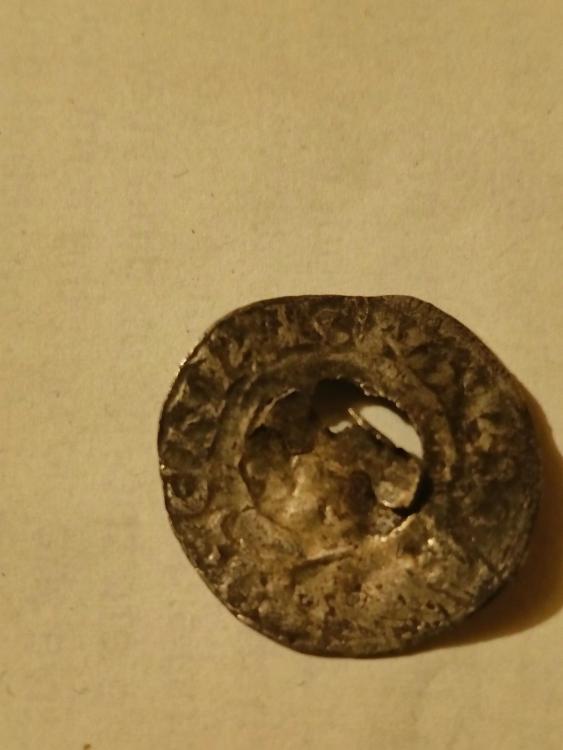
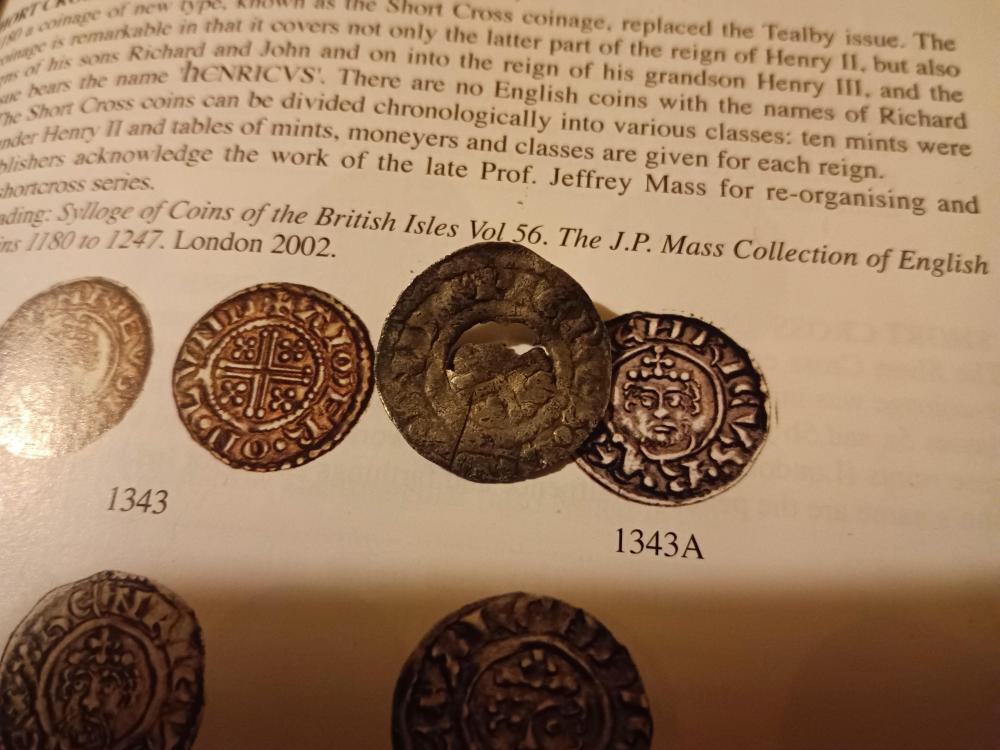
-
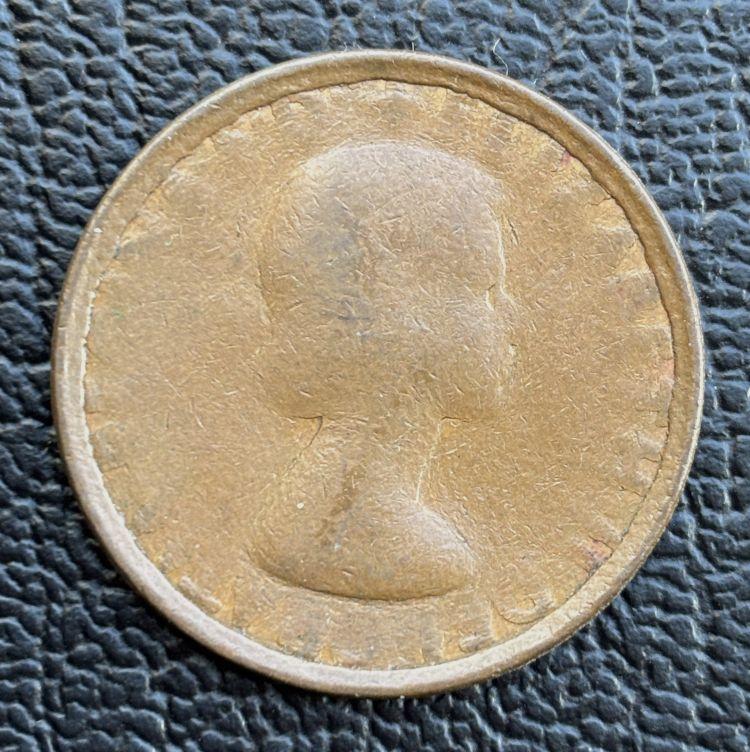
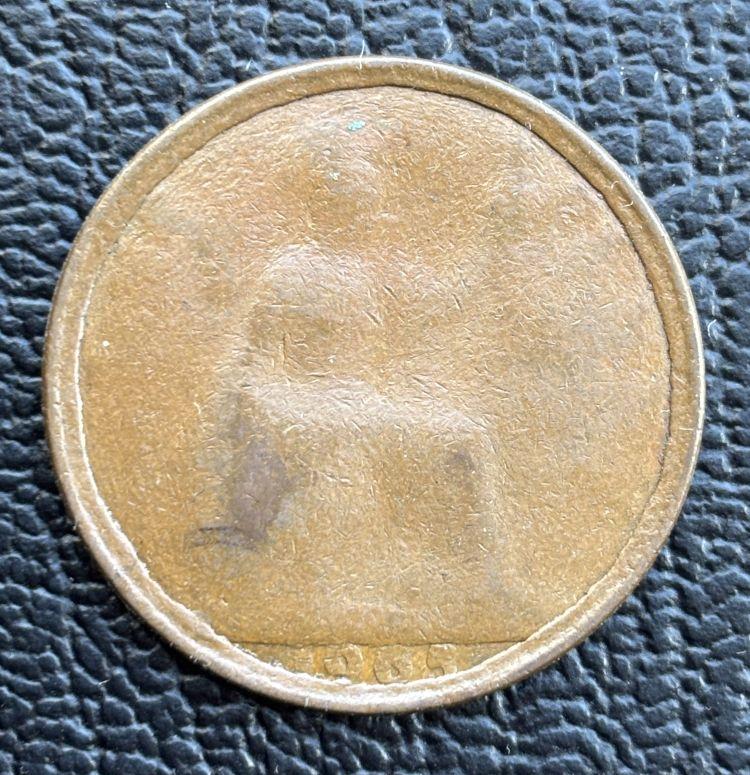
 I see your point. The designs of modern coinage, including pre-decimal QE2 as here, are low relief to prolong the die life, almost 2-D with negligible depth, and thus it might not need much acid dunking to erode any shallow raised detail, if it were treated so. As the adjacent field would also be dissolving that may produce the expanded effect as shown, almost like a ghost image, but that's just thinking of a theory and probably doesn't make sense. The marks aren't acid marks either, they're loads of small cuts, perhaps kept in a tin with other coins for many years.
 -
 That’s a VERY valid point…
 -
 Must have been really hard up to forge a Ell penny
 -
I really don’t see the date, for example, holding such a clear, crude form after submersion, myself…and especially for all the other devices to be so poorly positioned, if it were really the genuine article!
-
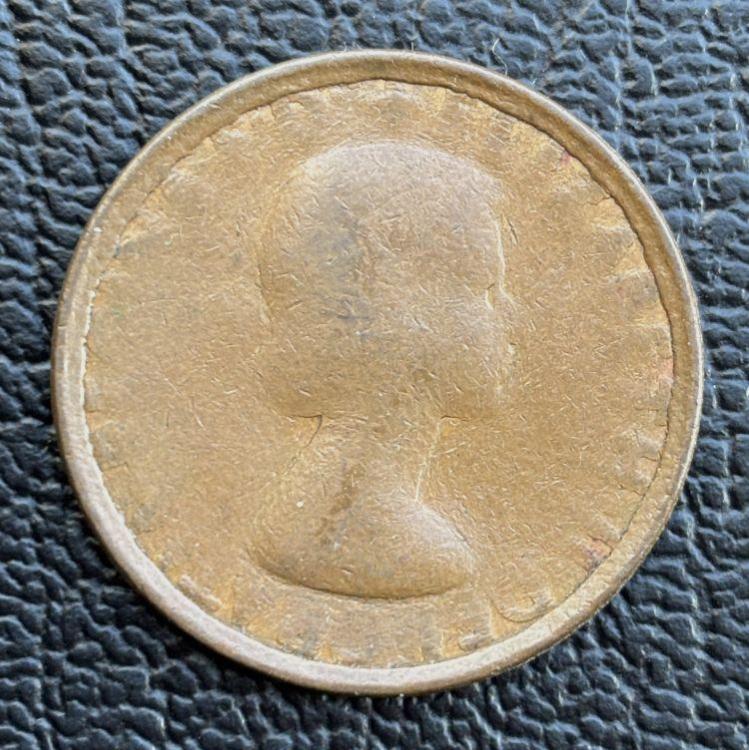
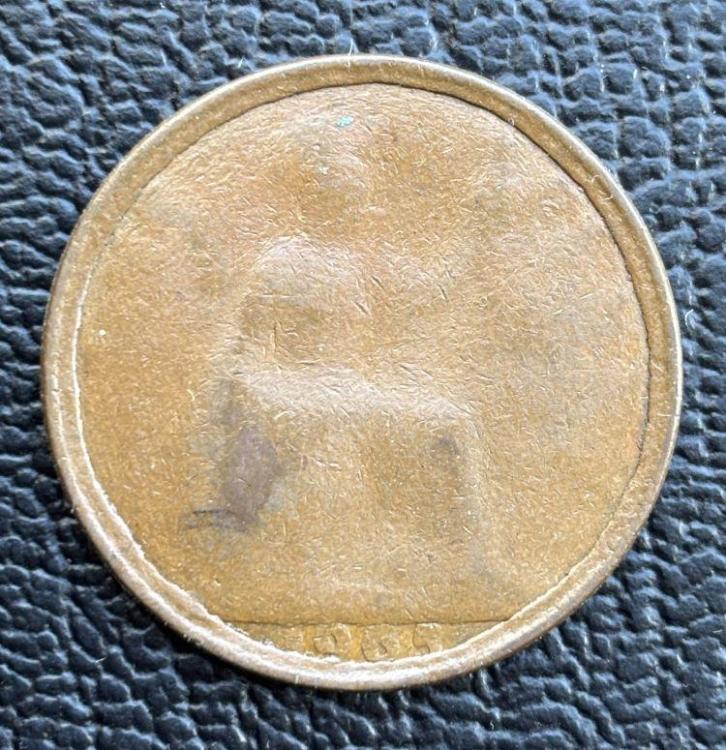
Theories as to what's happened with this penny?
Rob replied to RChris's topic in British Coin Related Discussions & Enquiries
It is the rim metal covering the legend that gave me the response above. It may well have been both processes to clean off any surface marks from cooked material in the mould (if cast), with force applied (?) to produce the inner ring. I'm struggling to reconcile the ring lip with a linear circle, as it would have to impinge on the legend too as seen. Only the person responsible for it knows the truth. -
I would say it looks like acid immersion - porous surface, and the designs plus fields will erode downwards as they originally rise up from the coin.
-
Definitely…wot Rob said!
-
1945 Penny - Thin flan
Coinery replied to Accumulator's topic in British Coin Related Discussions & Enquiries
My thoughts on the German forgery is that I reckon they had bigger fish to fry in 1945, than to bother themselves with bronze pennies -
1945 Penny - Thin flan
Rob replied to Accumulator's topic in British Coin Related Discussions & Enquiries
If you consider what a flan is, there is an underlying crystalline structure based on the metal in question. At the atomic level, the atoms are connected by well defined structural links via shared outer electron pairs. In a perfect piece of metal with no inclusions, this would be consistent across the entire surface. However, at the next level up, the surface is disrupted by metal flow when struck leaving small sub-micron cracks. A crack is a crack and therefore will allow a greater surface area to be exposed to any reactant. One thing I have noticed with seriously corroded coins at the date for example is a 'moat' around the digit where the metal has been more rapidly removed than one might otherwise expect. I acquired and sold one 20 years ago, but can't find the image. This I would explain by the cracks allowing the reactant to penetrate the metal and so lead to increased metal loss at these points. To compare with toning, which is only another form of altered metal surface, not involving metal loss, you regularly see more toning around the relief detail. Again, I would put this down to the stress cracks allowing greater reactivity with the atmosphere. eg. see below. It is posted elsewhere, so apologies, but does demonstrate my theory very well. If metal is going to react, it doesn't matter much whether the fluid is a liquid or a gas, as both will cause some effect if chemically possible, just the rate and effect will vary.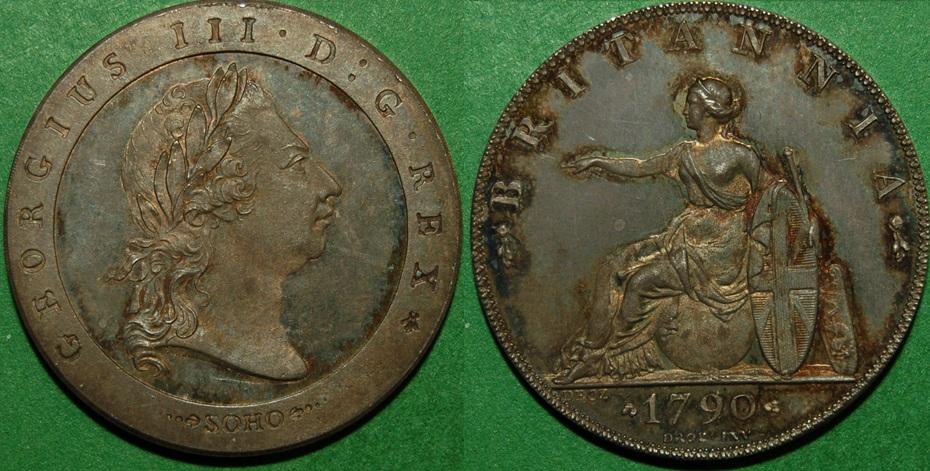
-
Theories as to what's happened with this penny?
Rob replied to RChris's topic in British Coin Related Discussions & Enquiries
The visible lettering is too crude and close to the rim IMO. It looks more like an abused attempt at a cast copy to me. Any attempts at acid cleaning will thin the letters and reduce dimensions on all 3 axes if there is total immersion. The weight of a cast would obviously depend on the amount of metal poured into the mould, so I think not relevant in this instance. -
 Another acid bath victim perhaps? Any other theories? It weighs 9.1g