
jelida
-
Posts
1,899 -
Joined
-
Last visited
-
Days Won
115
Content Type
Profiles
Forums
Events
Downloads
Store
Gallery
Articles
Everything posted by jelida
-
Thanks Bernie, that is a very useful and relevant insight! Jerry
-
-
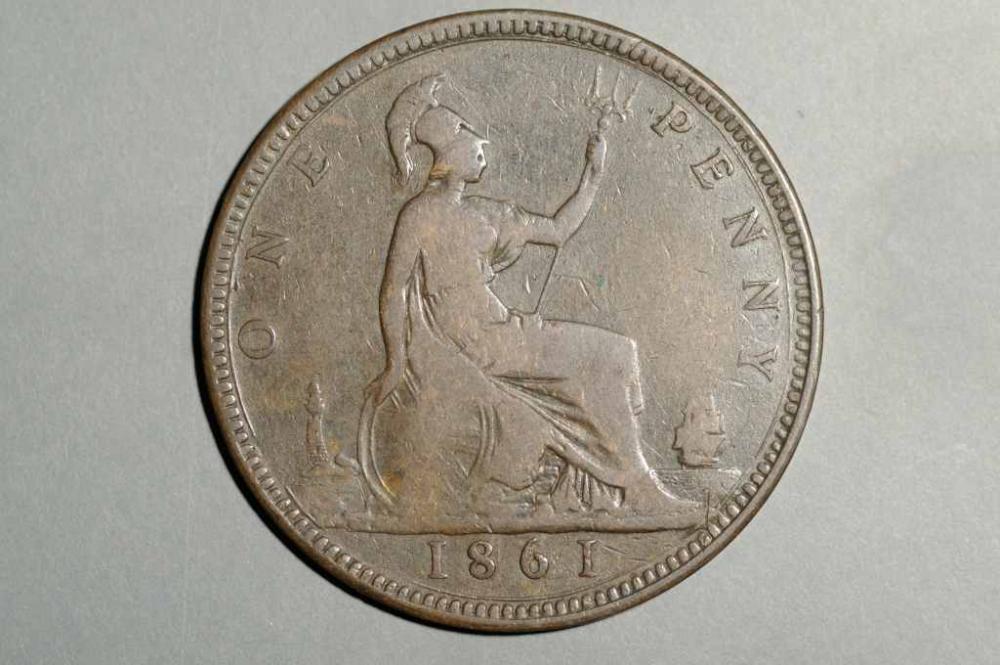
I can’t say I had thought about it before, but you may well be right, here is my F32. Presumably the shield is shallower, compared to Britannia, and is a little better protected than other reverses? Except perhaps the beaded, which have a rather similar wear pattern. Possibly. Jerry
-
New 1861 penny variety? F33 N over inverted N in ONE
jelida replied to jelida's topic in Confirmed unlisted Varieties.
I sent an email to Michael Gouby yesterday, and had a reply today to say that he suffered a ‘torn retina ‘ affecting his macula yesterday and subsequently underwent surgery, and is incapacitated for the next month, and cannot at present read. I expressed the hope that he makes a full recovery. Jerry -
New 1861 penny variety? F33 N over inverted N in ONE
jelida replied to jelida's topic in Confirmed unlisted Varieties.
-
New 1861 penny variety? F33 N over inverted N in ONE
jelida replied to jelida's topic in Confirmed unlisted Varieties.
-
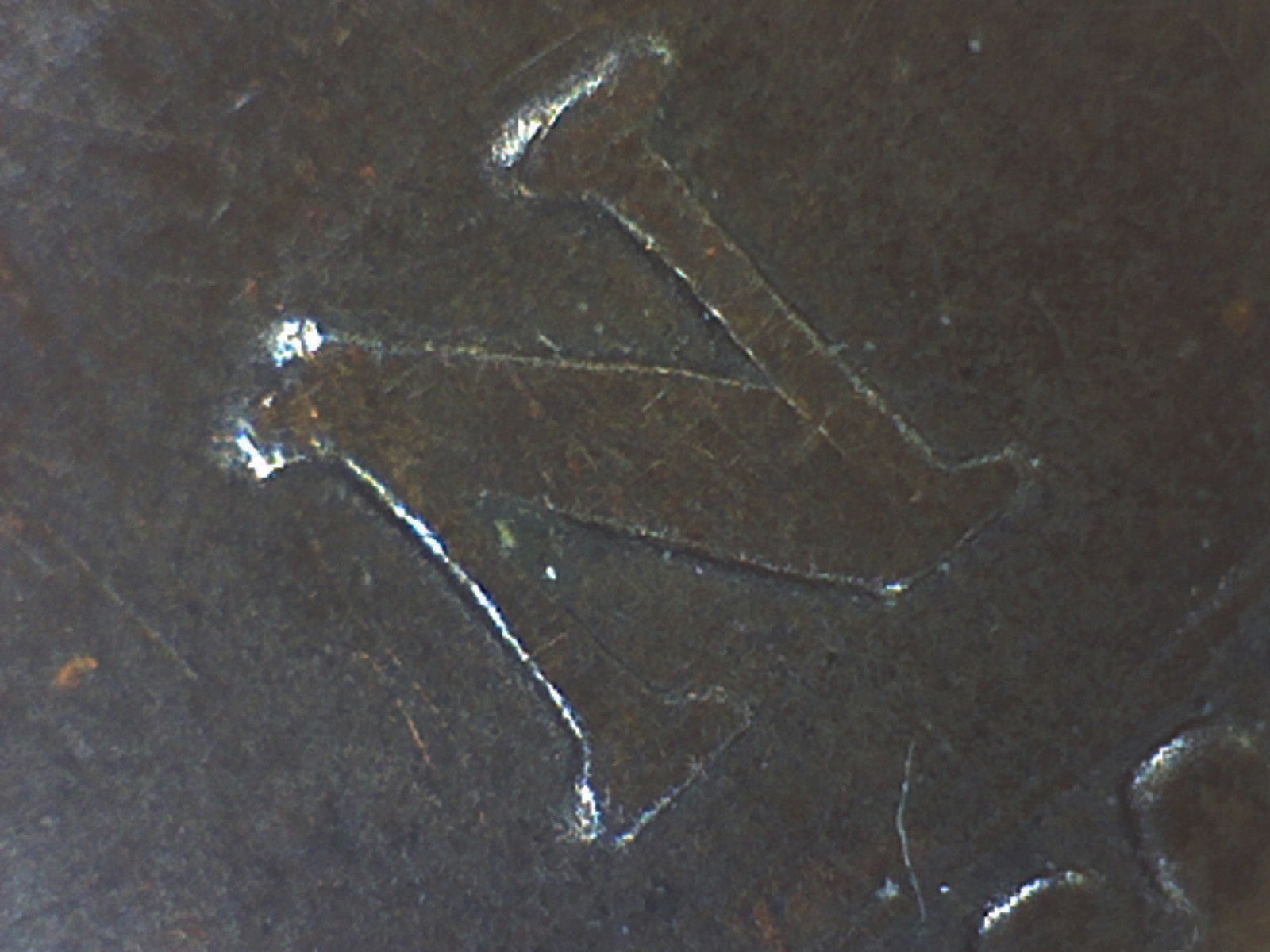
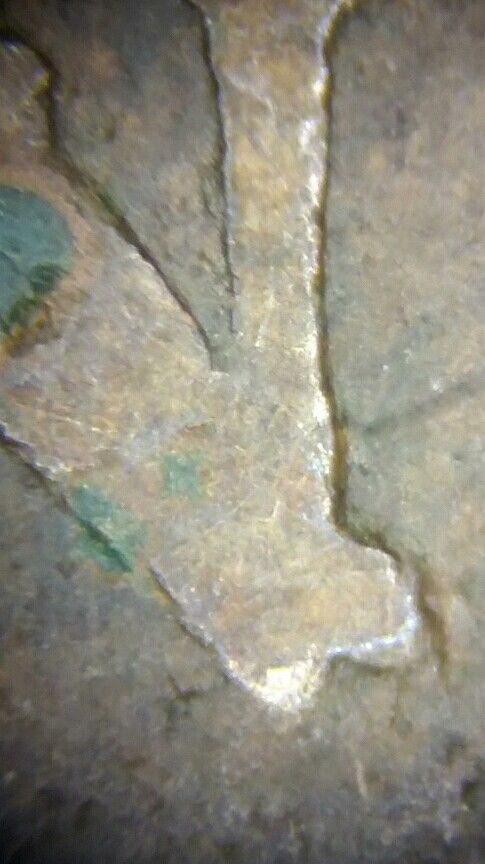
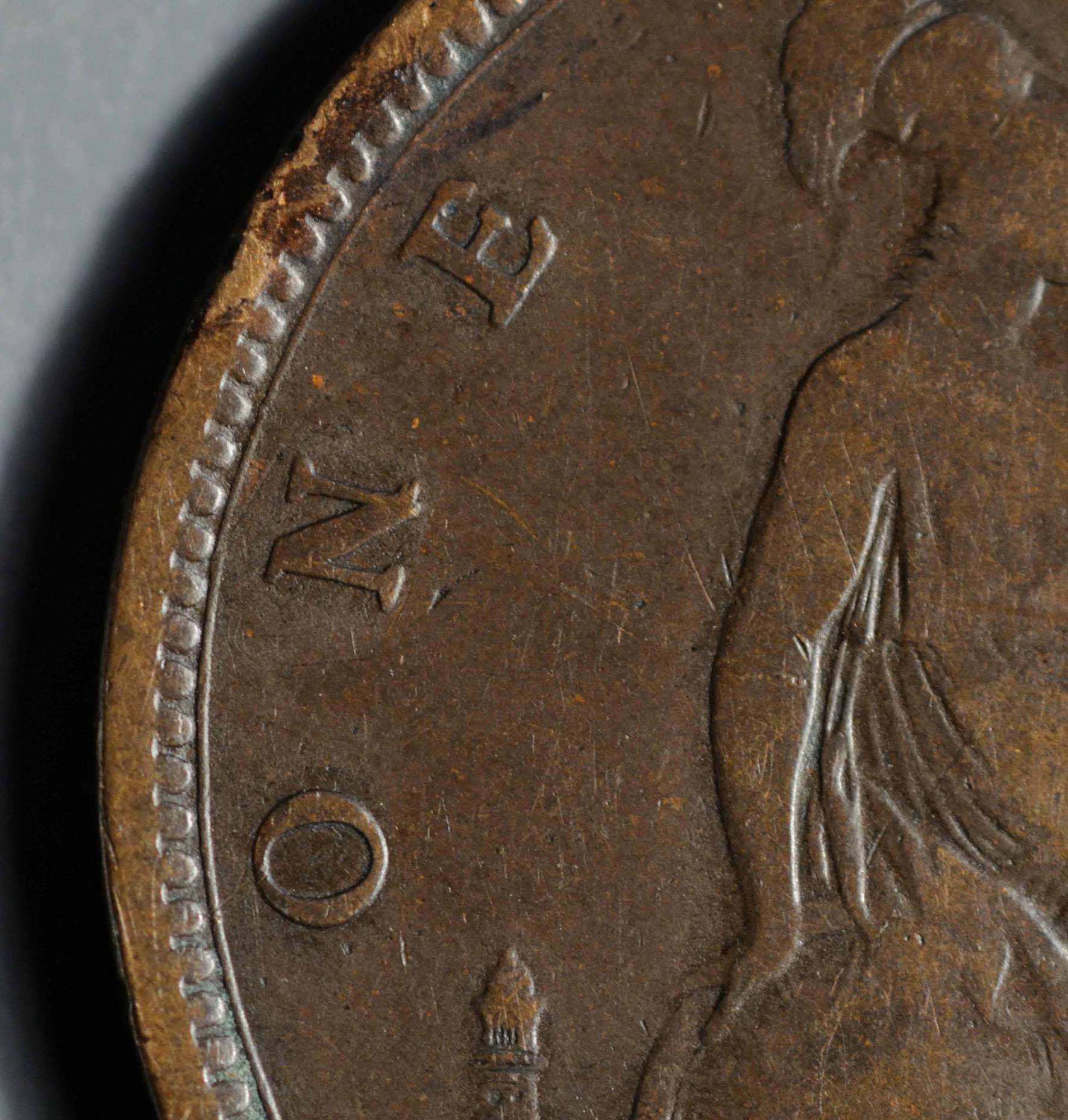
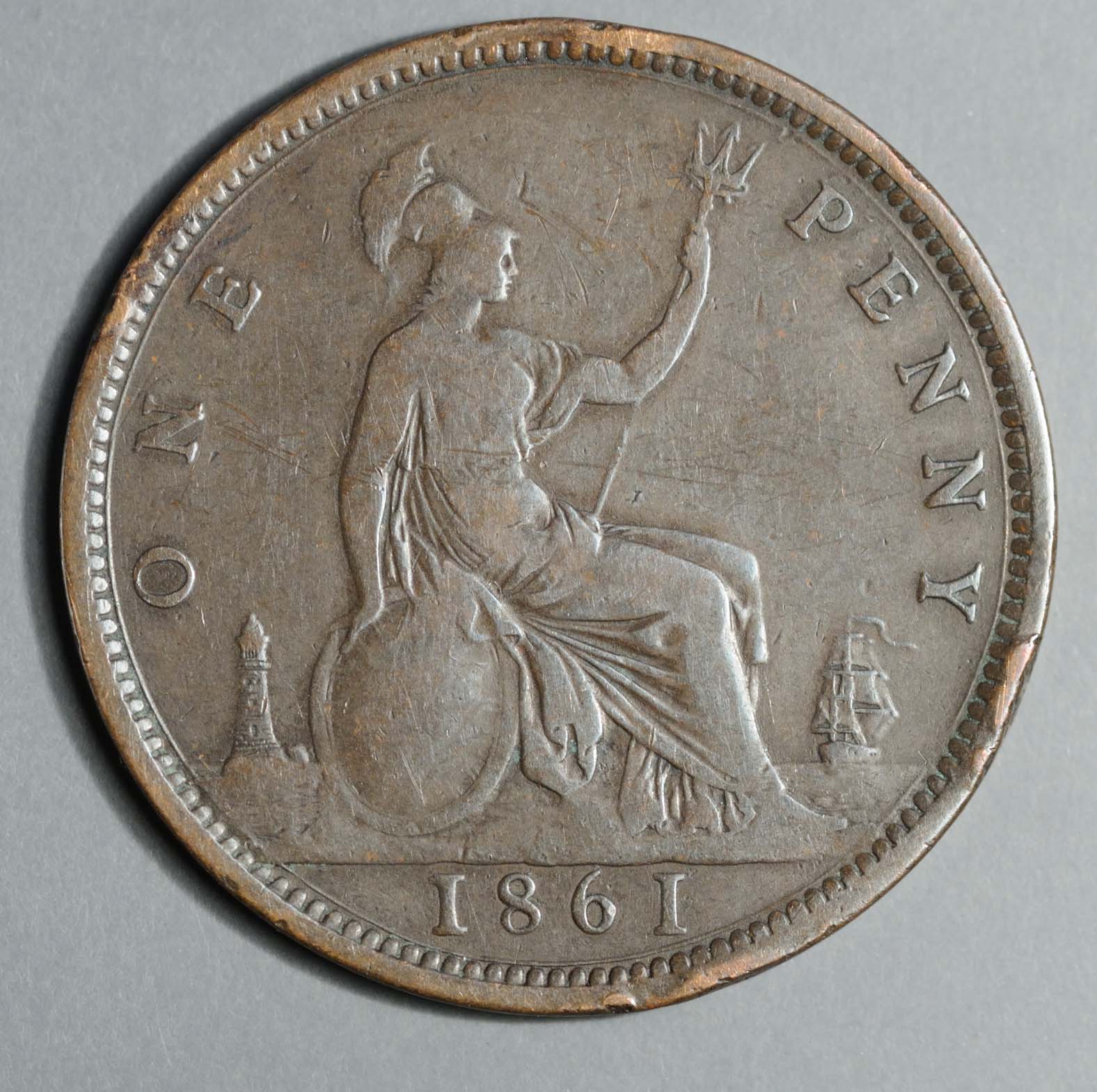
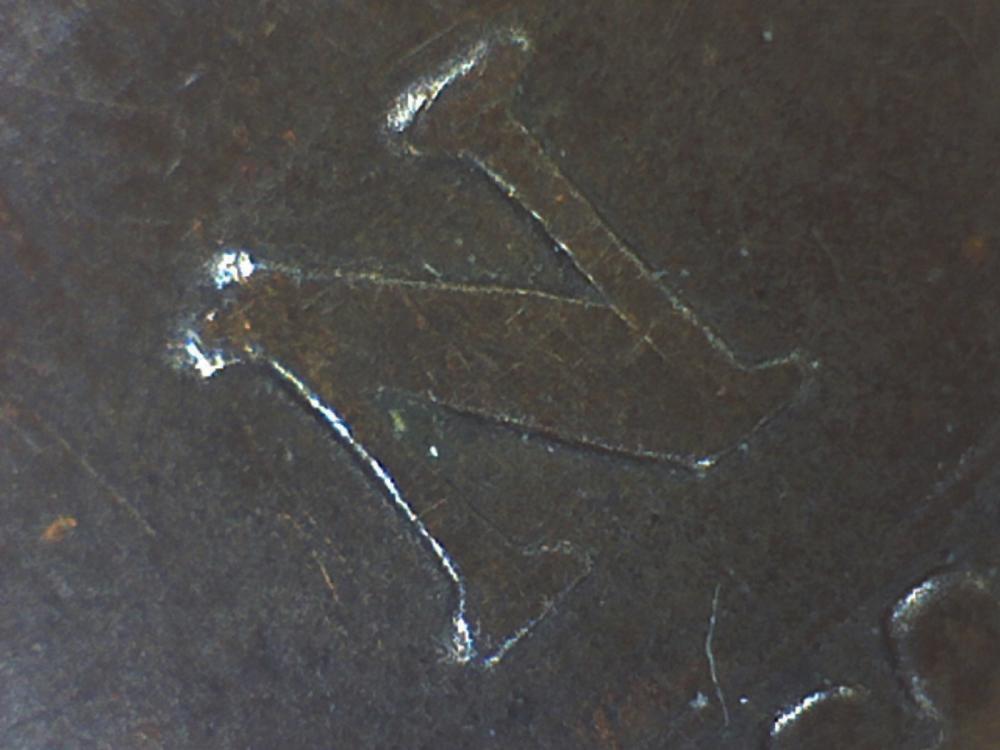
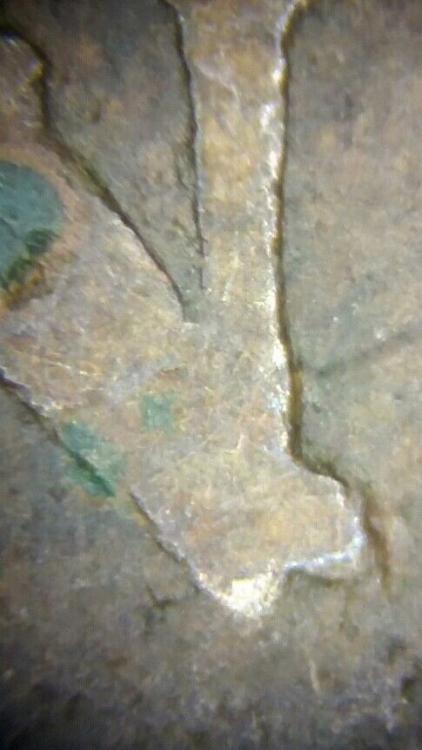
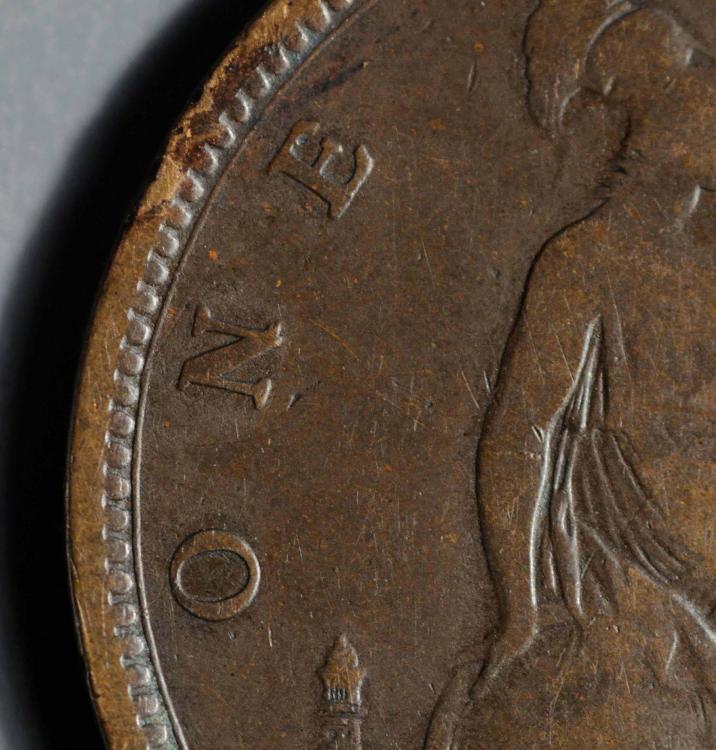
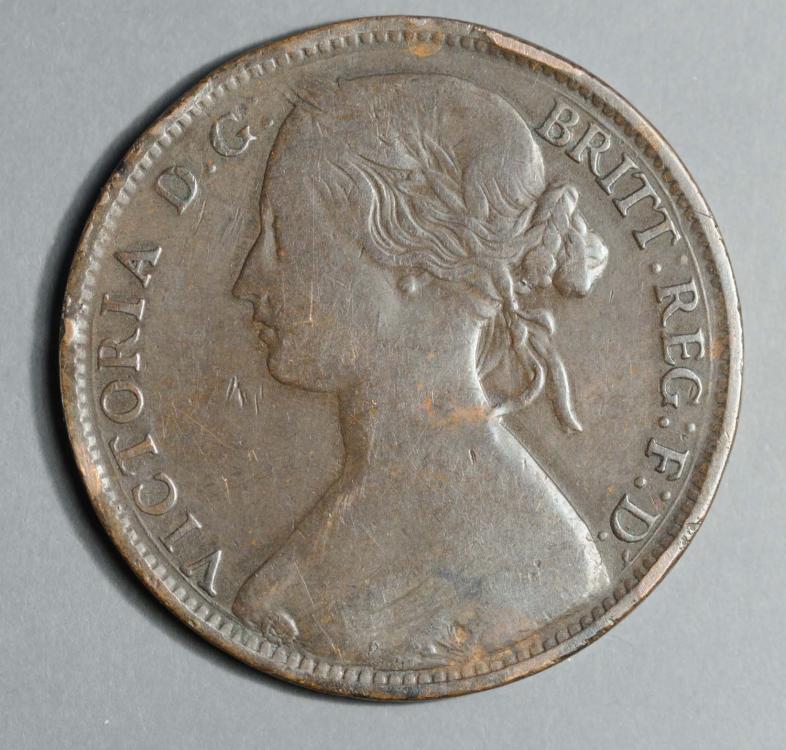
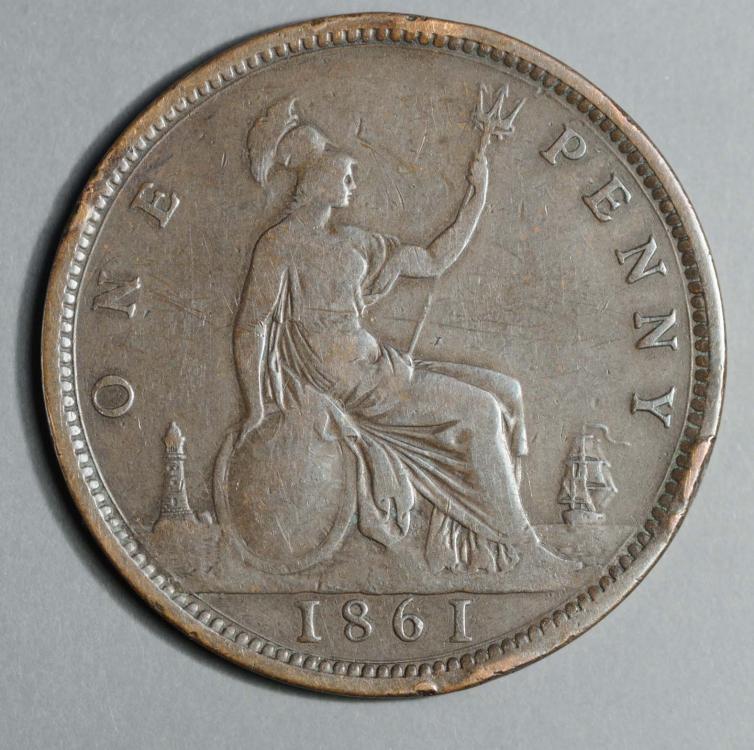
I think this coin is a valid new variety and would welcome members thoughts. I have already discussed it with a couple of others, who are in agreement. I bought the coin on Ebay a couple of months ago from Larry Gurney of the 'Mad About Art' charity. Larry frequently investigates coins under high magnification and had noted that the N had been 're-cut wrong' with 'the serif incorrectly cut on the lower limb'. He started the coin at £45, which is what I bought it for a week later as the only bidder. Larry spotted this coin several years ago, and has had at least two of these, and the final photo is from Larry, with permission, showing a close-up of the 'N' of that second coin. The coin is an 1861 Freeman 33 6+G with the 'N' of ONE on the reverse having a serif at the right base of the right upright, and a diagonal which is broadened and somewhat wedge-shaped. My interpretation is that this is an ' N' in ONE over inverted 'N ', i.e. the 'N' has been erroneously repaired by holding the 'N' punch upside down, I suppose really quite an understandable error. I think also that the repair strike was not quite vertical, leading to the extra serif being slightly above the base of the letter, and meaning that the new diagonal did not align perfectly with the existing 'N' diagonal causing the wedging of the diagonal on the end result. I am sure there will be more out there, but I have spent a lot of time searching the net over the last couple of months and not found any others. Jerry
-
Ultra rare beaded border 1881. Very nice! https://www.ebay.co.uk/itm/1881-PENNY-VERY-NICE-NO-RESERVE/152983712755?hash=item239e8a33f3:g:zrwAAOSwmC5a0l7D Jerry
-
Really just a name change, mostly same personnel, nothing to get too het up about.
-
Some-one clearly did think it was OK, and it is in reasonable condition, but to my mind there is the faintest shadow of an H and a blocked die is far more likely, occurs sporadically throughout the penny series including at least one 1876 without ‘H’ and many lost letters and digits. It is really only the use of the ‘London only’ 1882 obverse 11 that suggests that those ‘no H’ pennies were indeed not of Heaton manufacture. Not that an obverse 12 ‘no H’ die is impossible, just not proven. Jerry
-
Baldwins of St. James's 9
jelida replied to Rob's topic in British Coin Related Discussions & Enquiries
Wow! They are indeed the same coin, how on earth did one become the other? Perhaps the vendor used their ‘conservation’ service! Jerry -
I’m afraid date width variations are not my thing, unless associated with other die changes. They are so variable they rarely merit varietal status. we better get back to Ebays worst offerings! Jerry
-
Sorry Zoo, what are you looking at?
-
Looks like the R and I of BRITT touch, so not the right obverse for a ‘no H’. Jerry
-
It might be a rare ‘no bottom bar to ‘2’ ‘ ! Jerry
-
I think there is an H, but in any case which obverse is it? That would give a clue as to whether it could be a ‘no H’. Jerry
-
True, Court quotes 16,129,850 for the 1916 RE penny so there must have been many individual obverse working dies. As I understand it, the puncheons would build up the design in incuse, the result being used to strike a master die which is a relief die. From this, whatever number of incuse working dies necessary could be struck. It would seem likely that only one master die would be prepared, and thus the border tooth puncheon would only be used once in building up the master die. Logically any progression in the damaged tooth would have to occur when sequentially preparing new working dies from the master. Does this seem reasonable? To answer Pecks earlier question re the non-continuation of the RE obverse, perhaps the damaged master die was deemed to require replacement, and rather than going back to the individual punches to build up a fresh master, they simply returned to the previous non RE master to produce the next generations of working dies. Jerry
-
Which means that the several working dies must have been made from one progressively more clogged RE master die, and why would the master die become clogged if used presumabIy to make a very limited number of working dies? am not sure which is more unlikely, that or one particularly long-lived obverse die. Any other solutions? Jerry
-
It could be a late ‘15, the question is whether the damaged tooth progresses chronologically; are there any relatively undamaged tooth RE 1916’s? It is unlikely that several distinct working dies identically broke teeth, so a multiple die usage would necessitate a damaged master die or a deliberate use of the damaged tooth as a marker for the new obverse. More research required . Perhaps as we use the broken tooth as an identifier, we are missing undamaged tooth coins. Jerry
-
That’s nice Terry, and confirmation that it is a single die variety. Jerry
-
Likewise, I had sent him the links and he wishes, quite correctly to protect his reputation. Perfectly genuine but numismatically inexperienced auctioneer I suspect. Jerry
-
I have emailed the auctioneer. It will be interesting to see the outcome. Jerry
-
Coin Conservation / Restoration. Is it cleaning?
jelida replied to markflorida's topic in Free for all
Essentially conservation is remedial work to stabilise, and prevent future deterioration. Cleaning is to make it look prettier, at least in the eyes of the ‘cleaner’. Jerry -
Possibly, have a look in Michael Gouby’s book where he shows an ‘E’ probably repaired with an ‘L’, but on an F10 penny if I remember correctly. No reason why it couldn’t have been used on other dates, I suspect most dies were ‘refreshed’ for continued use in the early high production years. Jerry
-
The figure you have drawn in yellow is not an ‘F’ but it’s mirror image. It is unlikely they would ever have needed such a punch as when they were repairing an incuse letter on the die they could just have used an ‘E’ punch or an ‘L’ as Gouby describes where appropriate. Jerry