Leaderboard


Popular Content
Showing content with the highest reputation on 07/11/2026 in all areas
-
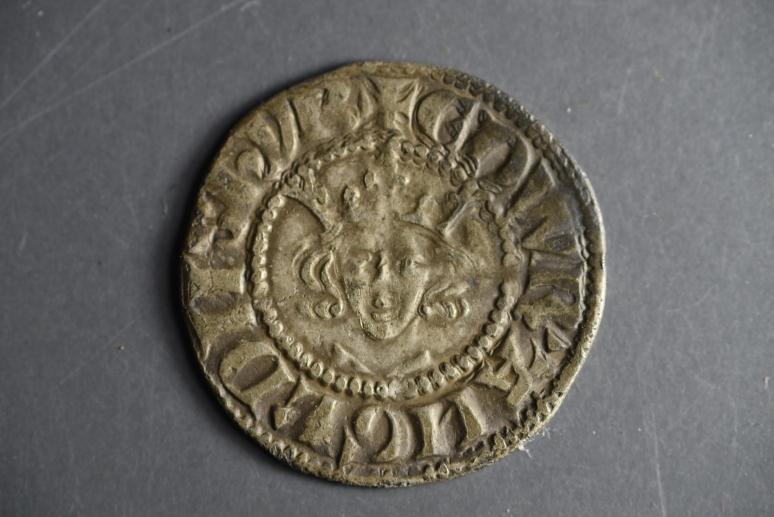
Here are a couple of pennies from the Minster Auction Stu references elsewhere. The first I think is a class 2, though I am unsure which. It has particularly long side fleurs, wedge shaped contraction marks and reversed ‘N’s and I think that the ‘N’ in ‘DNS’ is double barred.
 1 point
 -
The problem with spurious Mint emissions is that a deliberate anomalous product commands a much higher price than a random blank picked up and thrown in the bucket for use. i.e. if you could prove it was a striking specifically tied to a certain mint action, such as trying out a regular mix on a different thickness blank, or a test for a new currency contract from a foreign country, you will do better than the unintended oddball. Wrong flans occur regularly, which is not surprising given the billions of blanks cut every year. Clearly even a hundred wrong'uns would be extremely rare, but in the context of mint operations would only amount to a rounding error if checked for weight. So to consider the above point, it is definitely not common, certainly excessively rare (in the context of a currency issue) and maybe even unique. The problem lies in documentation, because errors are by definition, not struck for the records.1 point
-
It may or may not attract enough interest to eventually be classed as a variety. Do some research, write an article, and who knows? Gouby listed the 1946 ONE' and claimed it was scarcer than the 1926ME. I used his note in my ultimately successful effort to get Spink to include it in the Standard Catalogue, which would have increased collector interest several times over.1 point
-
Damn, that's lovely. I'm really much more into silver than bronze coins but that one is so lovely that all I can say is "thank you" for sharing it.1 point
-
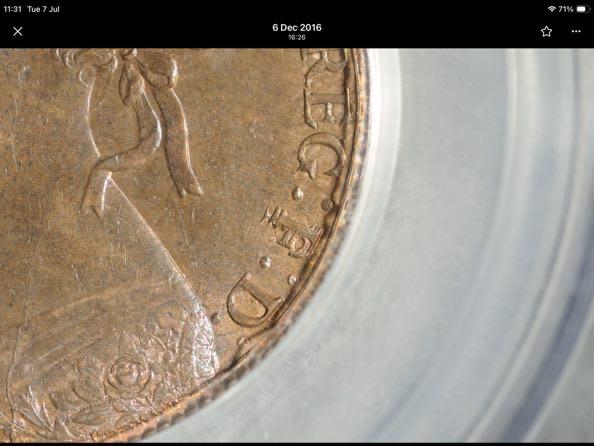
extreme /ɪkˈstriːm/ The word extreme generally describes something that is of the greatest possible degree, intensity, or the farthest from the norm. It can act as either an adjective or a noun, with specific nuances depending on how it is used. [1, 2] Pretty much ‘what it says on the tin’ to quote the old advert. Not easy set a reference point as to what any particular individual would consider extreme as there will be variation of opinion but with experience you will recognise degrees of misalignment of die repairs that are beyond the norm. I would for example consider the F10 ‘triple F’ Penny to be extreme, the side by side 1’s of 1861 and similar.
 1 point
 -
1 point
-
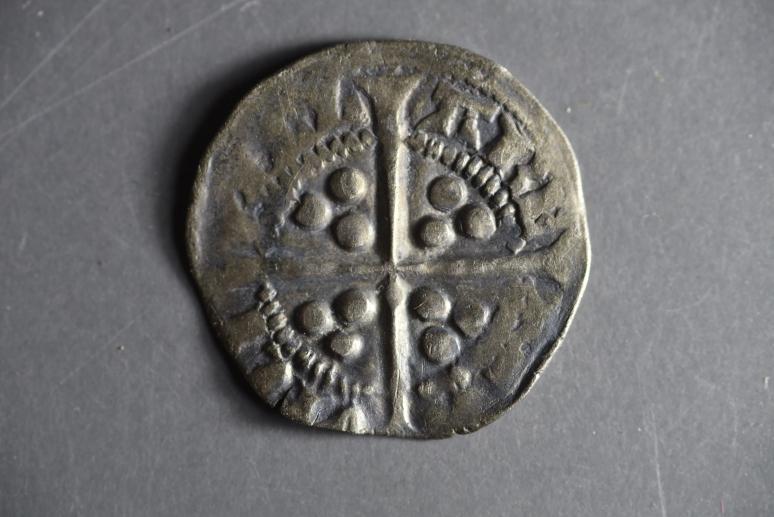
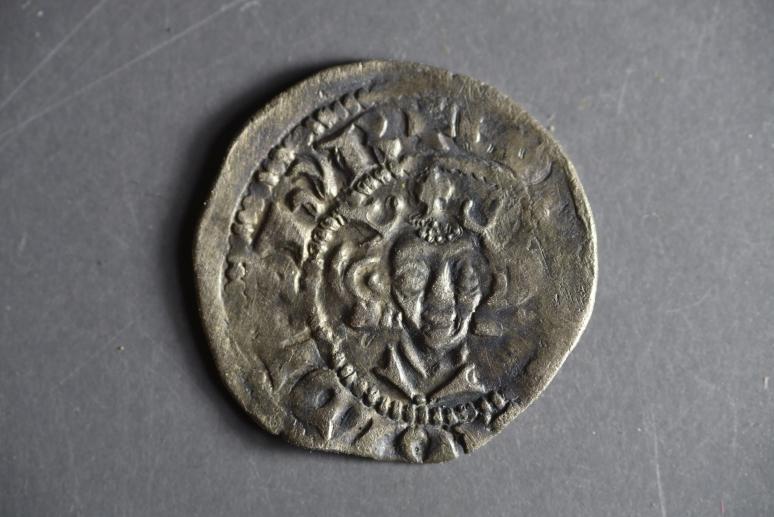
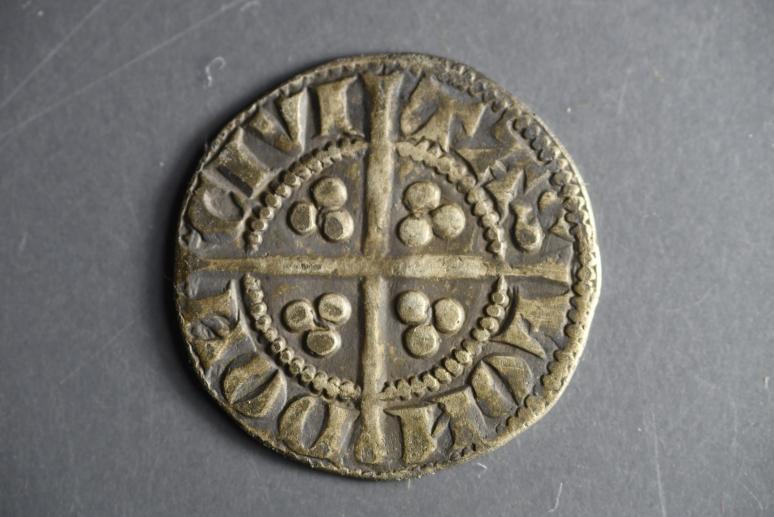
And here a penny of Berwick, class Blunt 4a, Withers 5a, pellet on breast and unusual crescent shaped hair. Slightly unusual portrait, any thoughts? Jerry
 1 point
 -
And the reverse;
 1 point