Leaderboard

Popular Content
Showing content with the highest reputation on 12/30/2025 in all areas
-
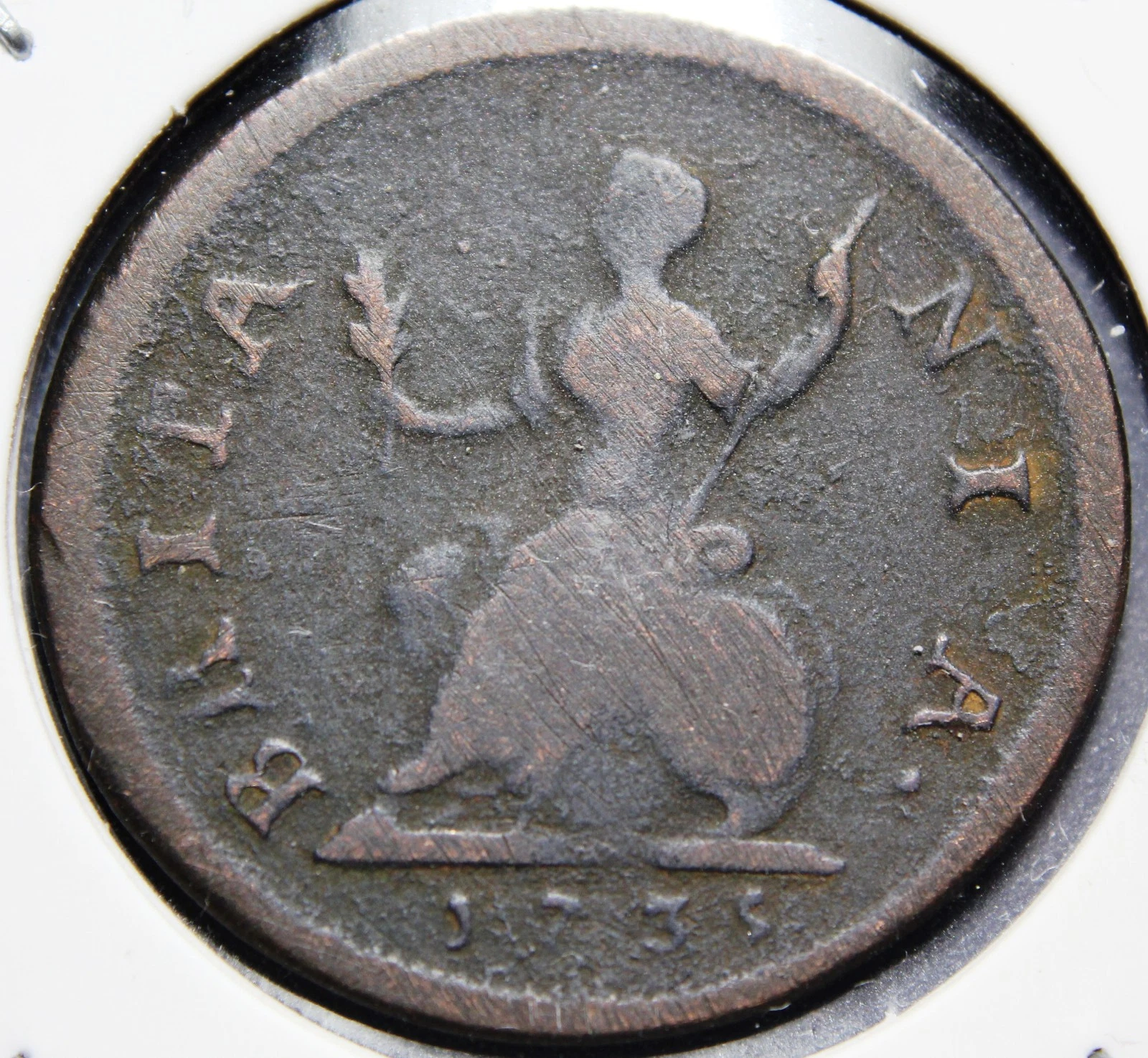
Hello, I bought this coin and the seller said it was a 1733 farthing, but it doesn't look like 1733, maybe 1735? Can anyone provide some insight?
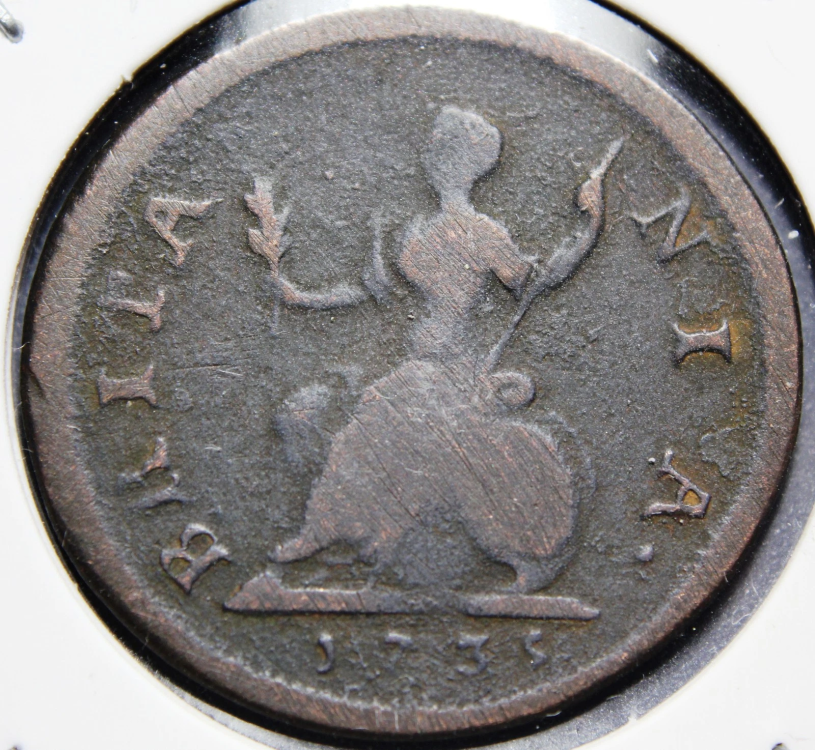 1 point
 -
Ah yes I see it now.1 point
-
I hope that everyone had a most enjoyable Christmas, I certainly did with the concomitant lashings of Christmas comestibles for which I paid for in a regrettable surfeit of calories and post-festive penitence😂..... Haven't "been on" for a while and noticed this interesting post by Mr. Tye, so I thought I'd have a stab at it... You are quite right to point out that the observed weights of surviving 1351 nobles cluster very closely around what we would now express as c. 120 Troy grains, and that the variation you cite (for example, 7.75 g) is entirely consistent with normal medieval tolerances, including the remedy at the shear. On purely numerical grounds, the metrology is remarkably stable. Where I would differ is not on the arithmetic, but on the historical inference drawn from it. There is no evidence¹ that the Troy weight system as such—that is, explicitly named, formally defined, or administratively adopted—existed in England in 1351 or was used as “Troy” to regulate coin weight. At that date the Tower mint, producing the noble, was still operating explicitly in Tower weight, and continued to do so until its formal replacement by Troy weight in 1527 under Henry VIII. Expressed in Tower-weight terms, a nominal 120 Troy-grain noble corresponds to 112½ Tower grains (120 × 450⁄480), which fits comfortably within contemporary Tower-weight reckoning. What your figures do demonstrate, however, is that the grain employed in England in 1351 is effectively identical to the later Troy grain, and that the regulation of the noble’s weight is entirely consistent with what we would now describe as Troy-grain-based measurement. In that limited, practical sense, the Tower system behaves exactly as Troy would later behave. In this respect, Tower and Troy weights did not derive from one another but descend from a shared metrological ancestry, which is precisely why the English transition from Tower to Troy in 1527 was arithmetically seamless. The difficulty, then, is one of nomenclature rather than metrology. To describe the 1351 standard as “Troy” risks importing a sixteenth-century administrative label into a fourteenth-century context. In short, the numbers are sound; what is at issue is whether it is historically accurate to call them “Troy” before the name, the system, and the administrative framework had yet been adopted in England. ¹Should anyone be aware of a fourteenth-century English mint ordinance that actually uses the word “Troy,” I would be delighted to see it; until then, the numbers seem stubbornly unimpressed by nomenclature. With that, may I wish everyone a very happy New Year. May your grains be stable, your scales honest, your tolerances forgiving, and your anachronisms few — and may 2026 finally deliver that elusive coin we all hope to find. 🥳1 point
-
Probably correct for the time, but times change. The Chinese are now the quick witted and the Brits and the West in general are backward and slow in thought. Time to wake up to our selves. The truth always hurts.1 point