All Activity
- Past hour
-
It looks to me as if there was nearly a brockage, as the raised detail of the teeth is the incuse detail on the die. If a coin is not properly expelled between strikes, it will act as the die and leave an incuse detailed impression, because a die has the inverted relief, ie incuse is raised an vice versa, so to have raised 'incuse detail', it had to be a wrong-un, because the die would not have changed its relief and would strike normally, albeit off-centre. With several examples known, the detail must have been from a trapped coin.
- Yesterday
-
Yes, wrong words used lol. double struck .I'm sure this type is noted in Peck , so not a one off.
-
Spectacular, but not a die clash. This has been completely struck twice and rotated in the dies between striking.
-
My most extreme die clash .Apologies, not a penny (1696 Halfpenny) .
.thumb.jpg.8110d1078f48531bcc8ea7e457de3b74.jpg)
-
More Pennies
absence of uniformity replied to Prax's topic in British Coin Related Discussions & Enquiries
How do you think the edge of the die clashed almost central? Are the two dies not on a fixed axis? -
More Pennies
absence of uniformity replied to Prax's topic in British Coin Related Discussions & Enquiries
Thanks ! Interesting coin. -

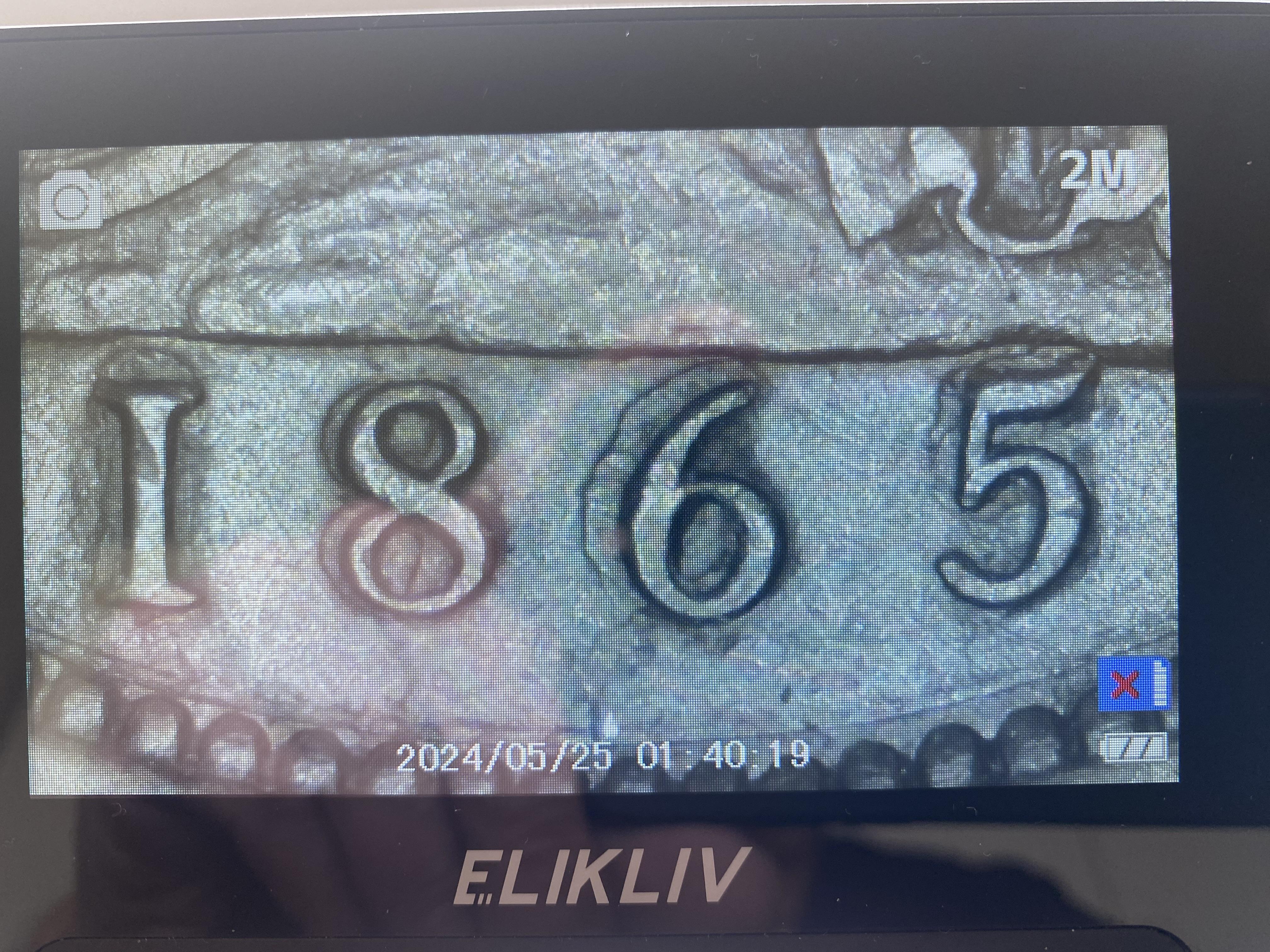
"Penny Overs" 1865 Penny 5 over 3
Paddy replied to The Bee's topic in British Coin Related Discussions & Enquiries
Welcome @Jackbillfred! Not really an error - restruck date numerals I suspect. T prolong l=the life of the dies some details were re-punched as they became worn down. As discussed elsewhere, this was very common in the Victorian pennies. Probably of passing interest to a collector but not a "variety" as such. -
die numbers and their associations do interest me also, Shillings (being sliver) and nice weight coin size, most of the Victorians I have are heavily worn / circulated, with the introduction with some dates with die number adds to (my) enjoyment / interest and swells the collection / hoard..... 🤔 at one time Victorian penny's weren't of interest / value, time moves on (and over everything) so its possible the Die No's coins will come into their own...one day.....Just a thought.
-

My 1887 Young Head Halfcrown Went Prooflike at NGC!
VickySilver replied to VickySilver's topic in TPG Discussions
Obviously subjective, but as it is my coin that I got because of its superior "finish", and yes Proofllke presentation I requested specific evaluation as such in recognition of that I have seen a great many Victorian silver pieces and note that many from even the 1840s and 50s to be of more than average attractiveness with very reflective fields. And this includes the 1887 halfcrown denomination. BUT, as I have said this coin stood out and was remarkable enough that even a very well-known export (whose name I shall leave out) that was visiting on this side of the Atlantic agreed. As I think even Rob might agree that the coin is of special status in that regard. A particular varietal? Not in my opinion. I would not dismiss it as simply a subjective and go on. A really pleasant coin in its own right but not beginning to match a currency 2/6 1839 in true mint state or an 1848/6 in like condition for that matter. -
-
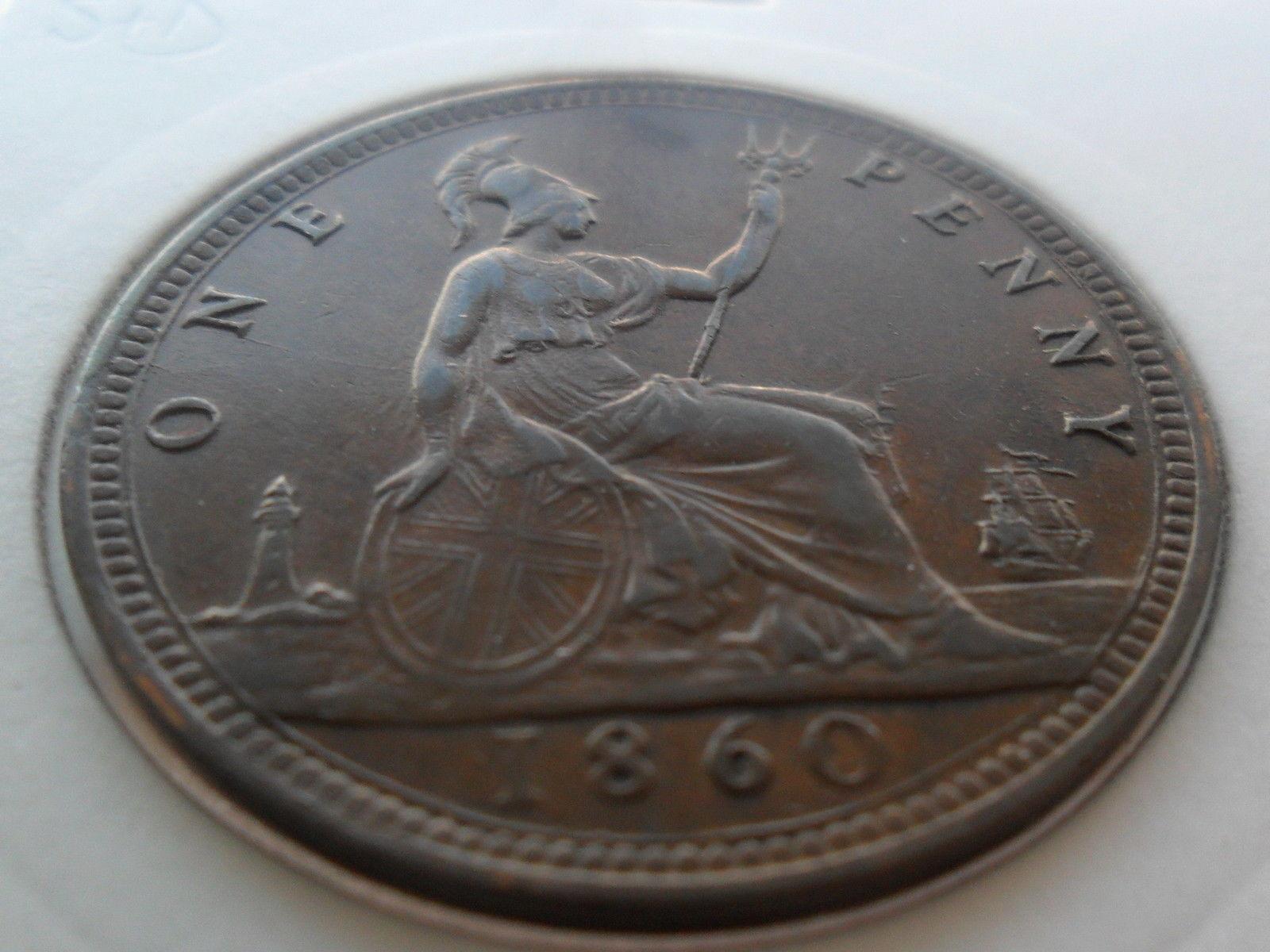
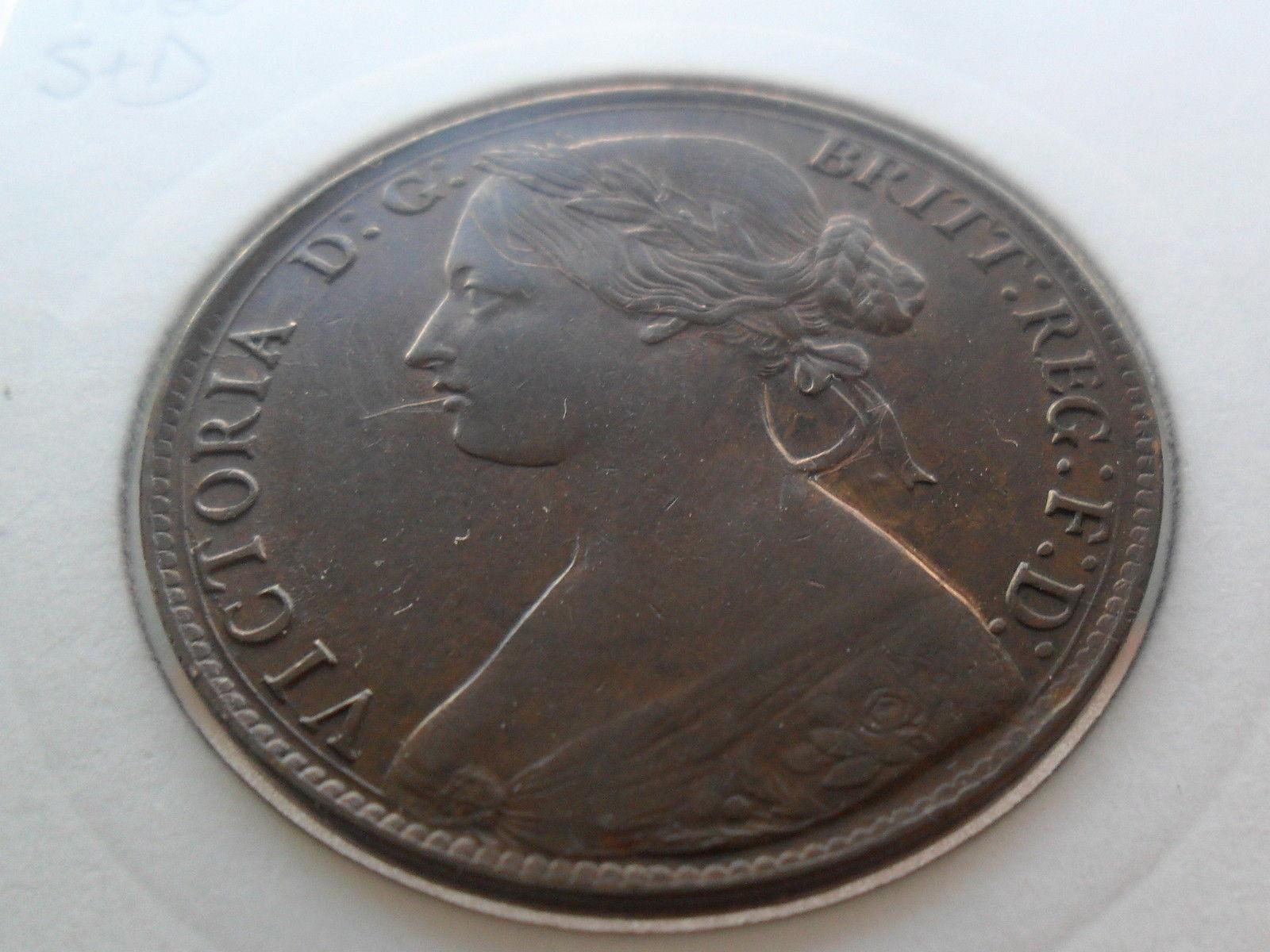
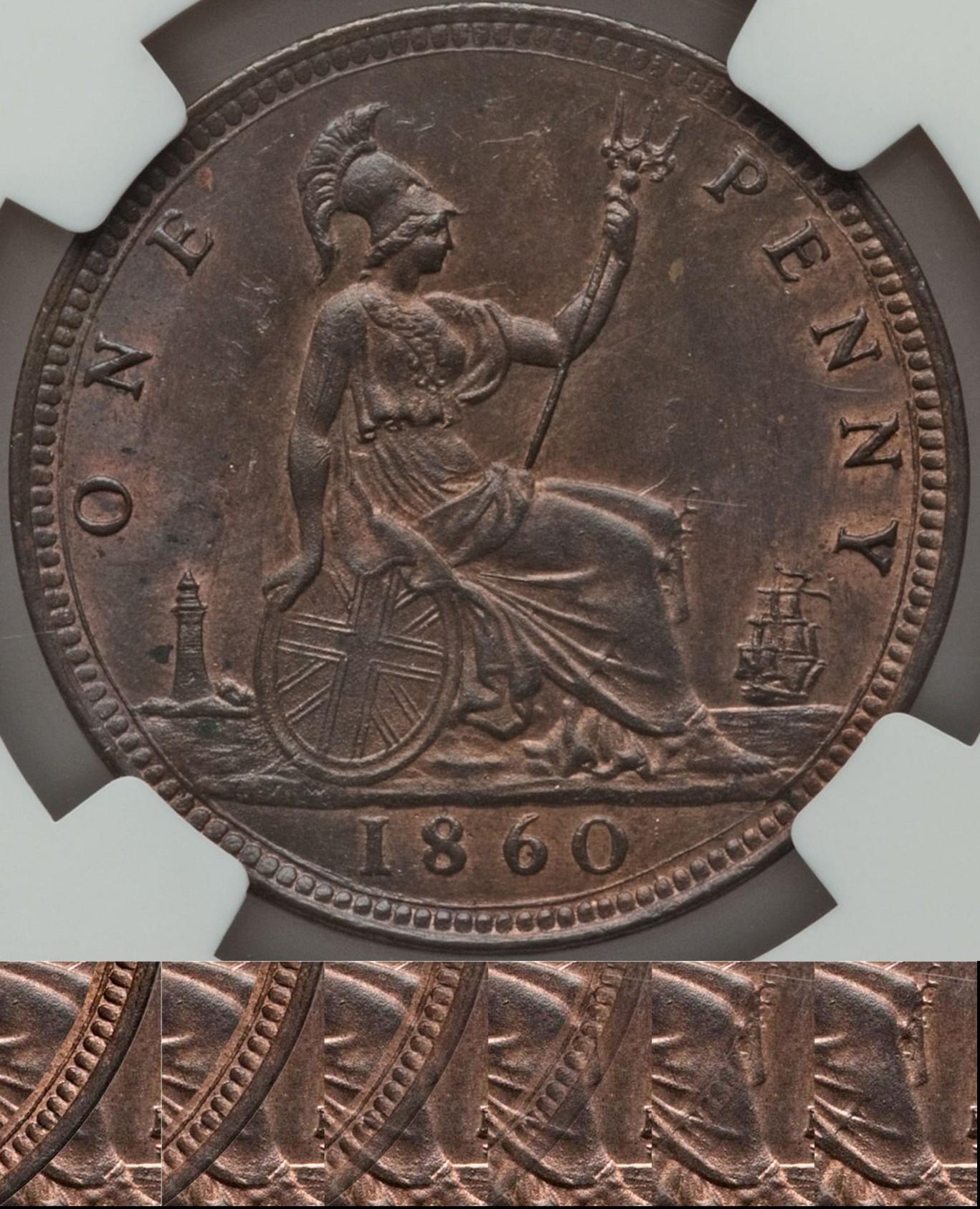
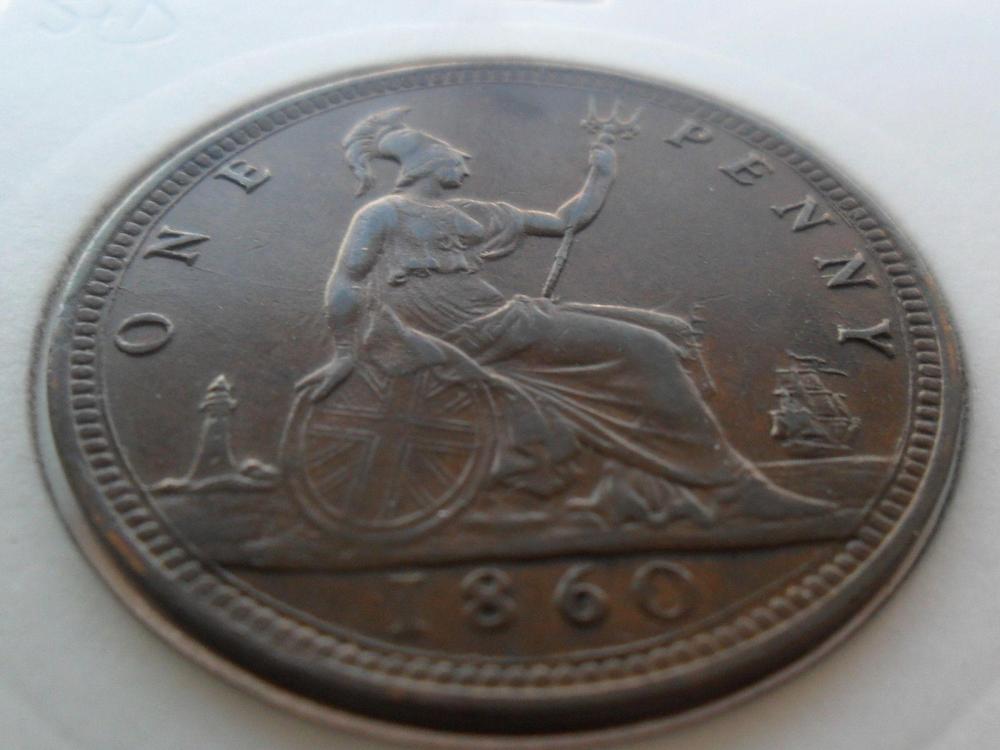
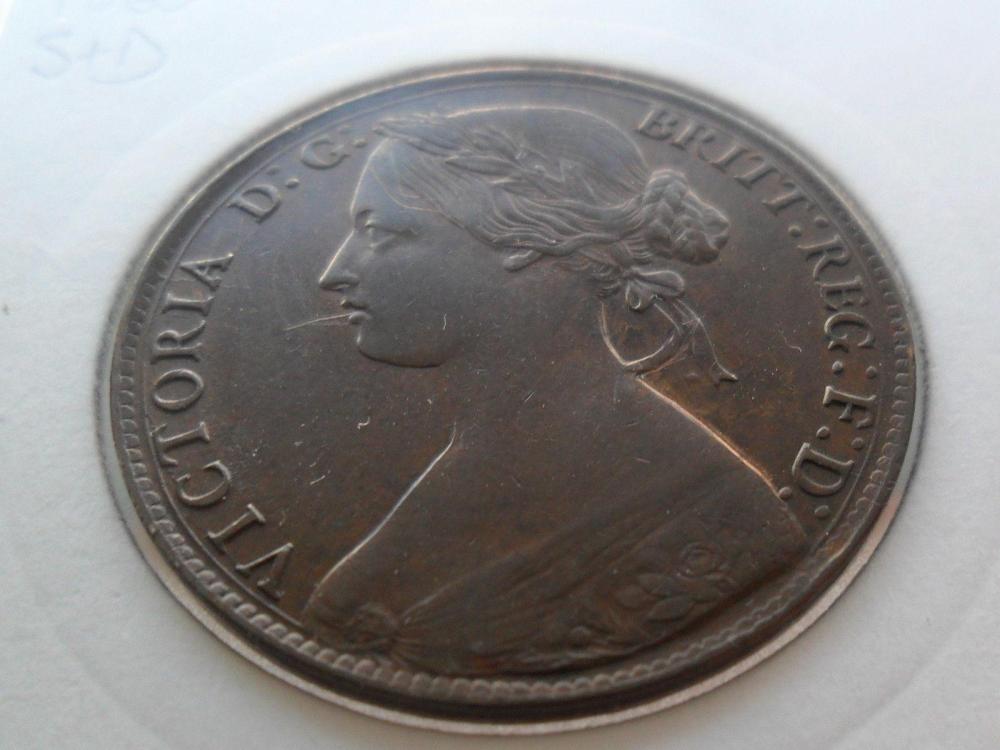
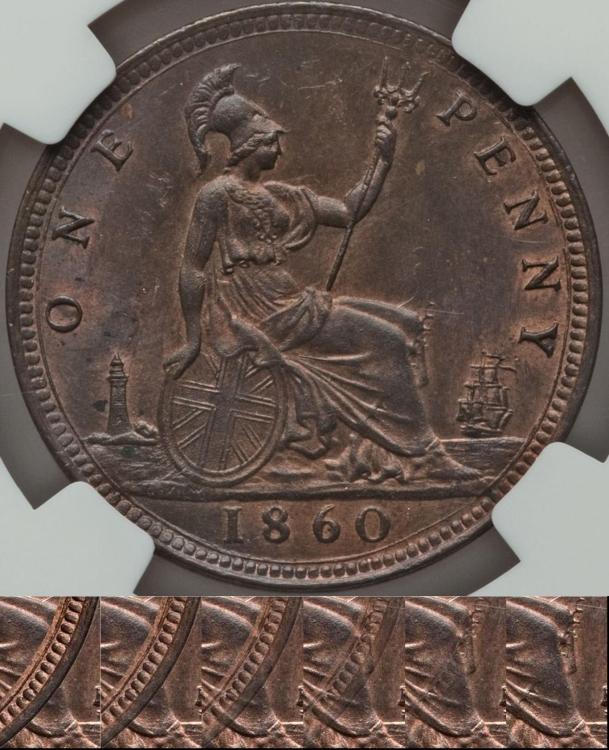
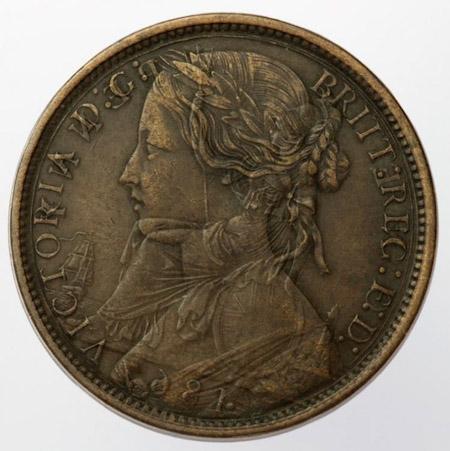
This one, on an F16, has always intrigued me. Ghosting of Victoria's face can be seen (as it often does) above Britannia's left knee, but there is also something strange going on with the border teeth. The series of pictures at the bottom show an overlay picture of border teeth, from the same coin, which I have made gradually transparent from 0% to 100% as go from left to right hand side. This shows that the marks through Britannia's knees are clearly from border teeth. I bought this coin at Heritage in 2013 (MS63 Slabbed), and it took me a long time to find another F16 like this, to prove that it must have occurred during the minting process.......rather than the coin being hit with something post-minting. I will show the pictures of that other coin immediately below, as this picture uses up my 500Kb allowance!!
-
- Last week
-
More Pennies
terrysoldpennies replied to Prax's topic in British Coin Related Discussions & Enquiries
This is just about the most extreme example I have come across !!! An 1862 penny Note the half circle on Victoria's back , its the shield from the reverse side . The extra ribbons are created from the folds in Britannia's. dress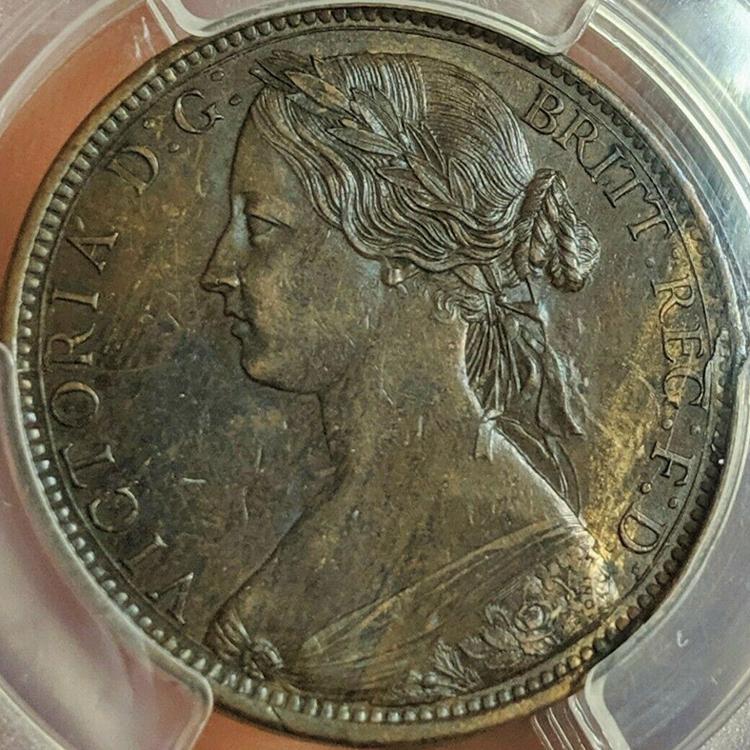
-
More Pennies
absence of uniformity replied to Prax's topic in British Coin Related Discussions & Enquiries
Can I ask please out of interest have you seen Bronze pennies showing the same clash? thanks -
 Jackbillfred joined the community
 -
"Penny Overs" 1865 Penny 5 over 3
Jackbillfred replied to The Bee's topic in British Coin Related Discussions & Enquiries
Can anyone explain this errorr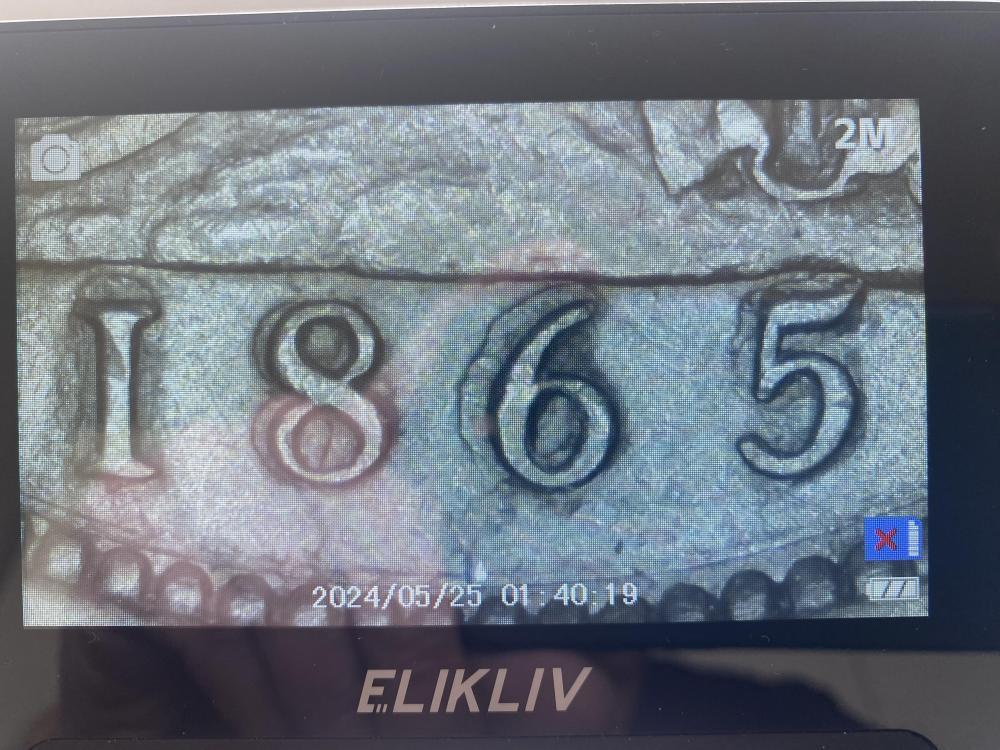
-
D of DEI?
Coinery replied to absence of uniformity's topic in British Coin Related Discussions & Enquiries
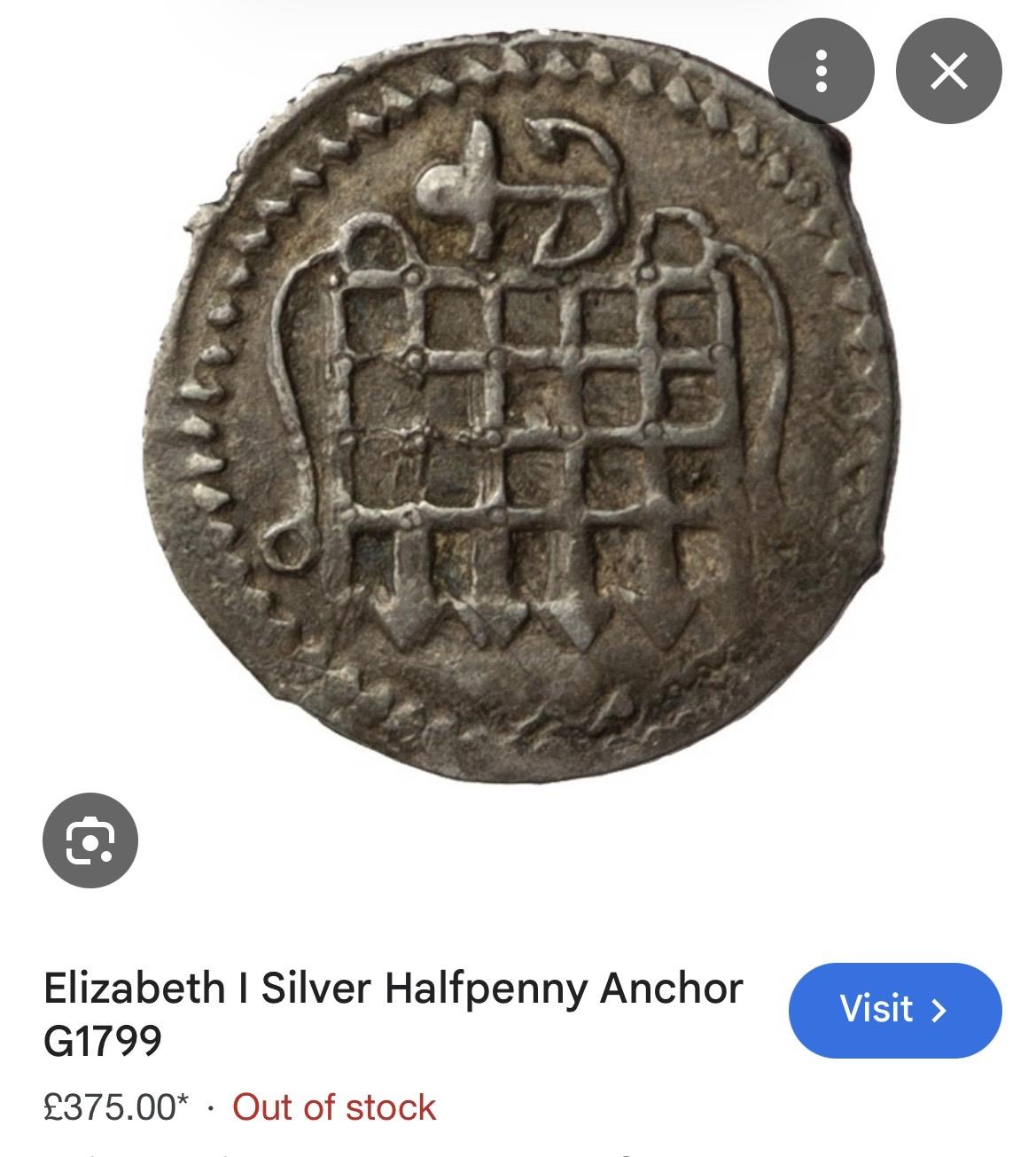
Just for clarity, the above image is of the Comber, Wilkinson, Lockett example, not Rob’s. Though Rob’s is almost identical, a fabulous halfpenny. -
D of DEI?
Coinery replied to absence of uniformity's topic in British Coin Related Discussions & Enquiries
Sorry for the delay, it’s been a mad few days! Blimey, Rob, really sorry to hear you’ve been in with sepsis, that’s miserable. That’s a lovely halfpenny you have there, and at an excellent price, especially when the example I quote sold for £375. I did see it, but had my eye on something else. I know it’s nothing of the class of yours, but I picked up an anchor halfpenny not so long ago…plus very limiting resources are always going to force some difficult decisions. Yours is the same die as the Comber, Wilkinson & Lockett example and, what’s interesting, is what initially appears to be a double-strike of the portcullis, is actually the bottom half of it being re-entered, it’s identical on each coin. What’s also interesting, is that the oddities beneath your portcullis are less prominent on the Comber example, excepting a few dots here and there, most notably in the bottom 2 squares of the vertical righthand row. Equally the horizontal bar running under the anchor on yours, which possibly hinted at a key (if that’s what’s being referred to), is also not present on the other example. I wonder if some of what’s being seen on yours is the die becoming progressively damaged? Re your trip South, if I’m not on nights it would be great to catch up…there’s a lovely riverside Greene King pub, 1 minute off junction 13, if that suits you?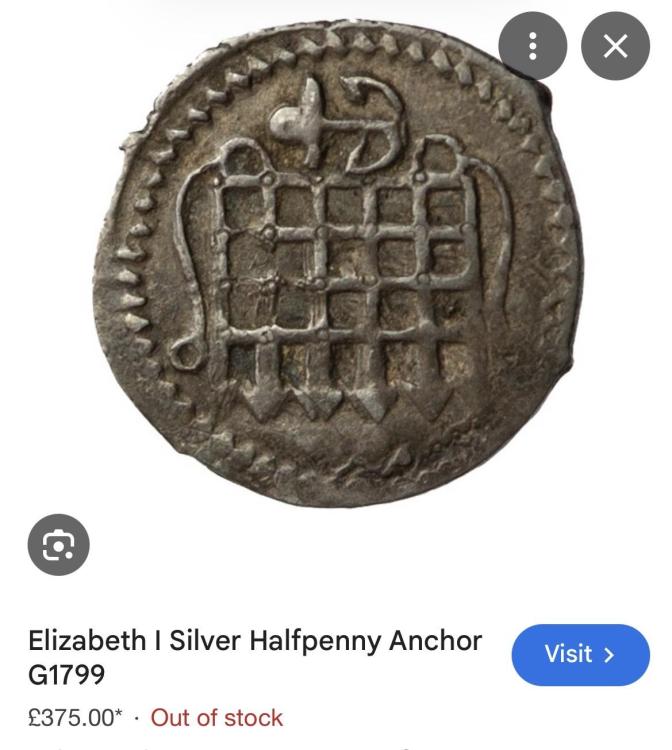
-

Charles II (1st bust) 1 Crown How would you grade this?
Peckris 2 replied to Citizen H's topic in Free for all
..... -
Charles II (1st bust) 1 Crown How would you grade this?
Peckris 2 replied to Citizen H's topic in Free for all
..... -
Charles II (1st bust) 1 Crown How would you grade this?
Peckris 2 replied to Citizen H's topic in Free for all
It wasn't totally abandoned - there was a DF pattern done in early George V so they must have toyed with introducing them again. -
Charles II (1st bust) 1 Crown How would you grade this?
Peckris 2 replied to Citizen H's topic in Free for all
If a florin was a tenth of a pound, and a DF was a fifth, then a crown was a quarter. Fits perfectly with a decimal system. -
Charles II (1st bust) 1 Crown How would you grade this?
Paddy replied to Citizen H's topic in Free for all
I think it has always been accepted that the Double Florin was a further step in the attempt to decimalise the currency, so it seems even more crazy that they started re-issuing Crowns at the same time as the DF. I suspect we will never know the reasoning. -

Charles II (1st bust) 1 Crown How would you grade this?
Coys55 replied to Citizen H's topic in Free for all
It was probably part of an early attempt at decimalisation, with the florin (1/10 of a pound) being introduced in 1849. The intention may have been to replace the crown with the DF, but it didn’t quite work out. -

Charles II (1st bust) 1 Crown How would you grade this?
hiltonlee981 replied to Citizen H's topic in Free for all
I’m not an expert grader, but for these hammered/milled crossover-era crowns I tend to look at (1) the high-point wear on the portrait and shields, (2) any edge issues (nicks, filing, mounting traces), and (3) whether the surfaces look cleaned/tooled. If you can post a couple more close-ups (obv/rev + edge) under consistent light, it’s much easier to judge detail vs. surface problems. Also worth keeping in mind that even a lower numeric grade can still carry a premium well above melt if it’s problem‑free and attractive. For a quick rough baseline on the silver content/melt value (just to separate “metal floor” from numismatic premium), this calculator can help: https://mygoldcalc.com -

Charles II (1st bust) 1 Crown How would you grade this?
pokal02 replied to Citizen H's topic in Free for all
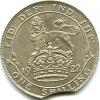
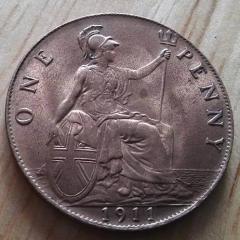
Seems strange that double florins were introduced into currency at the same time as crowns were re-introduced (no currency crowns since 1822 other than the 1844/45/47's) - any ideas why?

.jpg.72ee0af3fdef79d4332d94a1772183f0.jpg)