All Activity
- Past hour
-
Oh, that's a dangerous website. It makes me remember and think about Japanese mon, ichibu-gin and other such Meiji era coins 🤣 I really don't need _Another_ rabbit hole!
- Today
-
For the Asian coins I recommend this website: https://www.zeno.ru/index.php - far and away the most extensive resource on Asian coins. For example, I think the ones I suggested as Sri Lankan are similar to this: https://www.zeno.ru/showphoto.php?photo=371736&cat=3449&ppuser=&sortby=d&way=desc
-
Hi Paddy thanks for your comprehensive answer, nearly drove myself insane with image searches, identify coin apps and trolling through images online all to no real end but you have given me what i needed to at least look in the right direction and hopefully get a little of the history of these, although as i said in my post that i am not a coin collector i have over the years bought quite a bit of British silver and often wonder where these coins have been and what they have seen (were they at waterloo or in the trenches in WW1?) but up until now my oldest coins are tudor hammered coins so looking forward to using your info to see how old these are, where they are fom and where they have been, thanks again
-
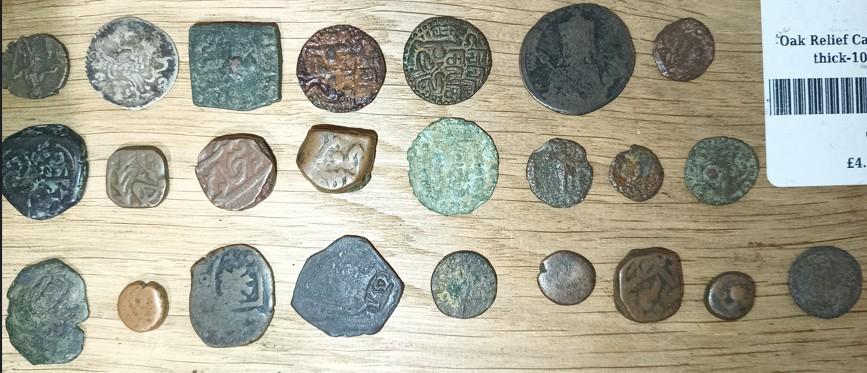
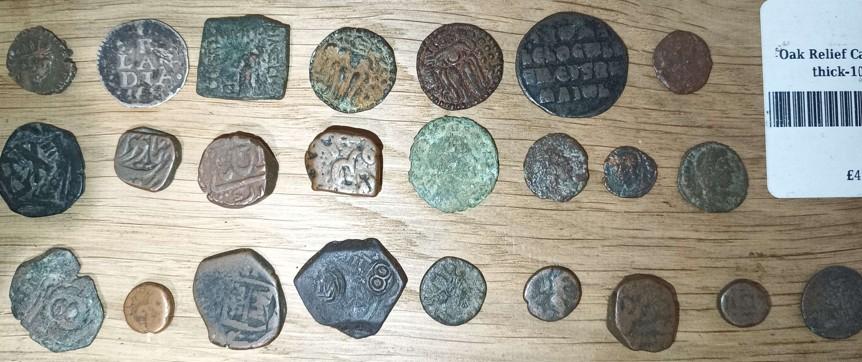
Welcome to the forum @sambevan77 An interesting selection, but as you say nothing I think of startling value. It would take a long time and a lot of effort to fully ID all of those. A few shots: Row 1 - first is Roman, second looks to be "Hollandia" - ie Netherlands 18thc, third might be an Indian temple token, fourth and fifth I think are Ancient Sri Lankan, sixth looks byzantine, seventh no idea. Row 2 - first may be another byzantine, 2nd, 3rd, 4th look to be Indian , 5th maybe French, 6th, 7th and 8th Roman. Row 3 - 1st, 3rd and 4th look South American, 2nd might be the most valuable as it maybe an Indian gold Fanam, 5th and 9th no idea, 6th, 7th and 8th Indian or Middle Eastern. I hope that helps. You will have to do much more research in your own time, but hopefully those thoughts will get you into the right areas.
- Yesterday
-
H i am new to the forum and not a coin collector beyond some old uk coppers i had from my grandfather 40 years ago and the odd silver uk coins i randomly bough tover the years, bu ti bought a job lot of jewelry at an auction (case and contents) and these were in the bottom, obviously i would like someone to tell me i won the lottery but i doubt this if the rest of the contents of the box are anything to go by! but beyond this i would like to know what they are as there are some interesting and old looking coins here the centre coin in top row is 20mm across many thanks
-
British Coin Type set.
Sword replied to Coins Of the UK and US's topic in British Coin Related Discussions & Enquiries
Even so, it is worth now several times what you have paid and so it was a good investment 🙂 -
A History of Troy Weight
Coinery replied to EWC's topic in British Coin Related Discussions & Enquiries
I hold Paddy’s position, too…there would only be a small number of academics willing to invest the time in this. There are definitely a few on here, though thankfully I’m not one of them, my head’s full enough already. Interesting read, and do keep going. Good luck! -

A History of Troy Weight
Paddy replied to EWC's topic in British Coin Related Discussions & Enquiries
I admire all your work and dedication to this subject. I would love to make a more positive contribution, but unfortunately I have little detailed knowledge on these matters, and do not find them interesting enough to invest the time to learn more about the topic. Please don't be put off - I am sure others must be much more interested than me! -
That seems to me a little unfair - but I certainly agree that the nuts and bolts of my position need tightening up So I did it - in the History of Troy Weight thread. Surely someone must now have something to say? Happy New Year! Robert Tye
-
This topic has now accumulated more than 200 views, but got no further comments. Since it is more than 2 weeks since I put my questions to Diaconis, with no reply, I figure it is time say where I stand. The position put by Diaconis is the one put in 2004 in a book issued by the Museum of Scotland “Weights and Measures in Scotland: A European Perspective” Up until 2004 the question had always been: 1) when did England get its weight system? In 2004 the Scottish book confused the situation by changed the question to: 2) when did that system get the name “Troy”? I judge the correct answer to (1) is the one suggested in the official account by Skinner of 1967. In a nutshell, we got the Troy system in 793 AD. This is the sequence of events. In 789 AD Charlemagne announced the creation of a new pan European penny (of 1.7g). Offa refused to to join up with his plan - with what was in effect an early medieval Euro. A hard Brexit broke out. By 790 AD Channel ports on both sides were reported closed. That hard Brexit terminated with what was in effect a new tariff agreement, with a charge of 1/16th by weight on bullion. In Mercian England an imported Troy pennyweight of silver (24 Troy grains) bought foreign merchants a sterling penny (weight 22.5 grains). Notice that in 1344 Powerful Italian Bankers tried the same sort of thing again. This time to push England onto an Italian (Florin) weight standard, using the standard we today call avoirdupois or “Imperial”. That attempt failed by 1351, as far as the coinage goes. However avoirdupois became widely used for other goods in the 14th century, which is the real reason why the name “Troy” arose. It was to distinguish the very old English standard from the newly imported standard of the Italian bankers (often called “Lombards” but in fact being chiefly Florentines) Notice this third matter. The Scottish book went to the press in 2004, so was developed alongside a third failed attempt to push Britain into a continental currency – now the modern Euro. Tying up a loose end, the Scottish book correctly points out that the English Troy system closely resembles a weight system used for silver in the city of Bruges. The resemblance was already well known before 2004. But the only argument given for Bruges having got the standard first is the spurious one, concerning the origin of the word “Troy”. Surely the tail is wagging the dog here? Little Bruges got its standards from mighty England. That sums up my own conclusions. Questions or criticisms are of course welcome. Robert Tye
-
 David Brooke-Smith joined the community
 -
Wanted items are now in the Members Only area.
-
Items For Sale - now in the Members Only area.
-
- 1
-

- Last week
-
 Thanks, much appreciated!
 -

British Coin Type set.
Peckris 2 replied to Coins Of the UK and US's topic in British Coin Related Discussions & Enquiries
What's not showing is the faint scuffs on the obverse where it was probably rubbed at some time. Probably affected the price? -
How to tell if coins have been cleaned.
Peckris 2 replied to Coins Of the UK and US's topic in Beginners area
I'm not seeing the images in any of your posts. All I get is a large black square with an X top right to close it, and a small broken square in the centre.
-
Interesting posts, though absolutely nothing to do with Brexit!
-
British Coin Type set.
Sword replied to Coins Of the UK and US's topic in British Coin Related Discussions & Enquiries
Nice coin, and I wish I had brought one before it got so expensive. £200 was a good deal even then I think. -
British Coin Type set.
Peckris 2 replied to Coins Of the UK and US's topic in British Coin Related Discussions & Enquiries
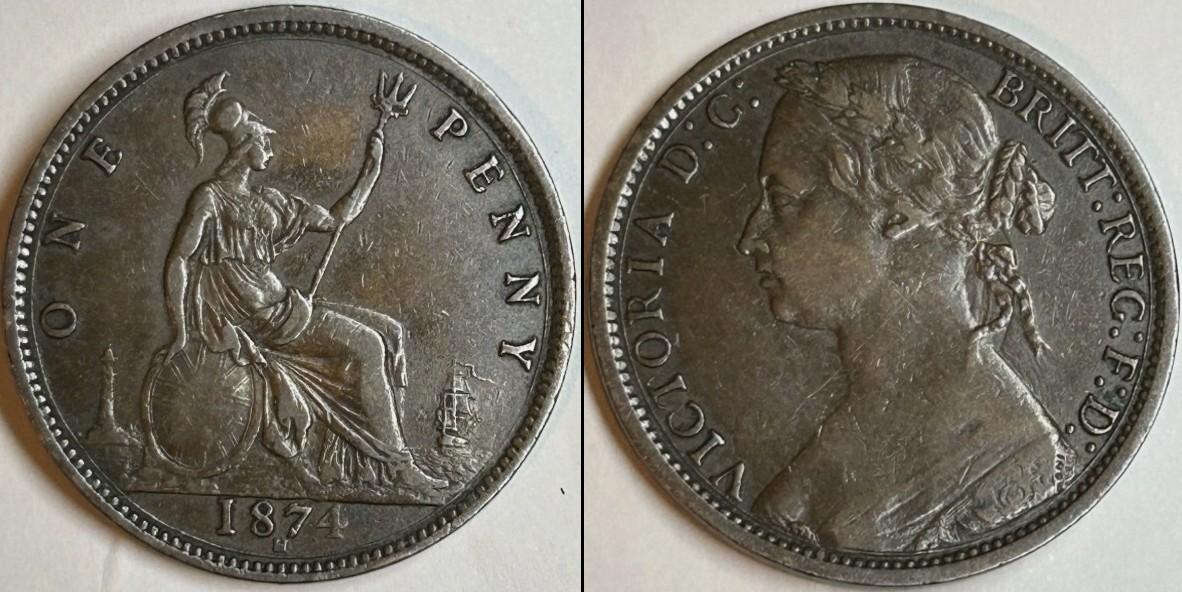
I picked this up for about £200 over 20 years ago: I wouldn't rate it as a thousand pound coin but should be well over what I paid!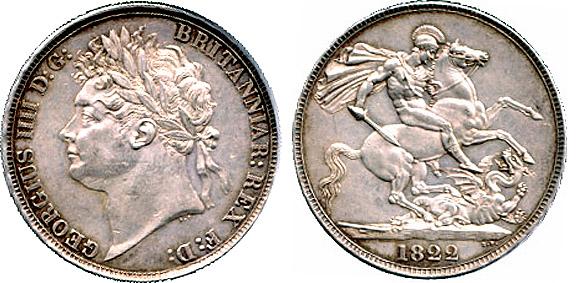
-
Thorburn Collection of 1887 coins
Peckris 2 replied to Mr T's topic in British Coin Related Discussions & Enquiries
Hi. It's this one, identified by @1887jubilee as one of many (minor) patterns of 1887 silver: It's the 6d on the left - note the far 7, and the first 8 with a higher 8 beneath it referred to as a "horned 8" on one example in an auction lot..thumb.jpg.a0ccb57e1a58da43bd448c766ce47842.jpg)
-
I did message the seller to tell him what it was but he chose not to amend the description and luckily several people recognised it.
-
 wlewisiii changed their profile photo
 -
More Pennies
terrysoldpennies replied to Prax's topic in British Coin Related Discussions & Enquiries
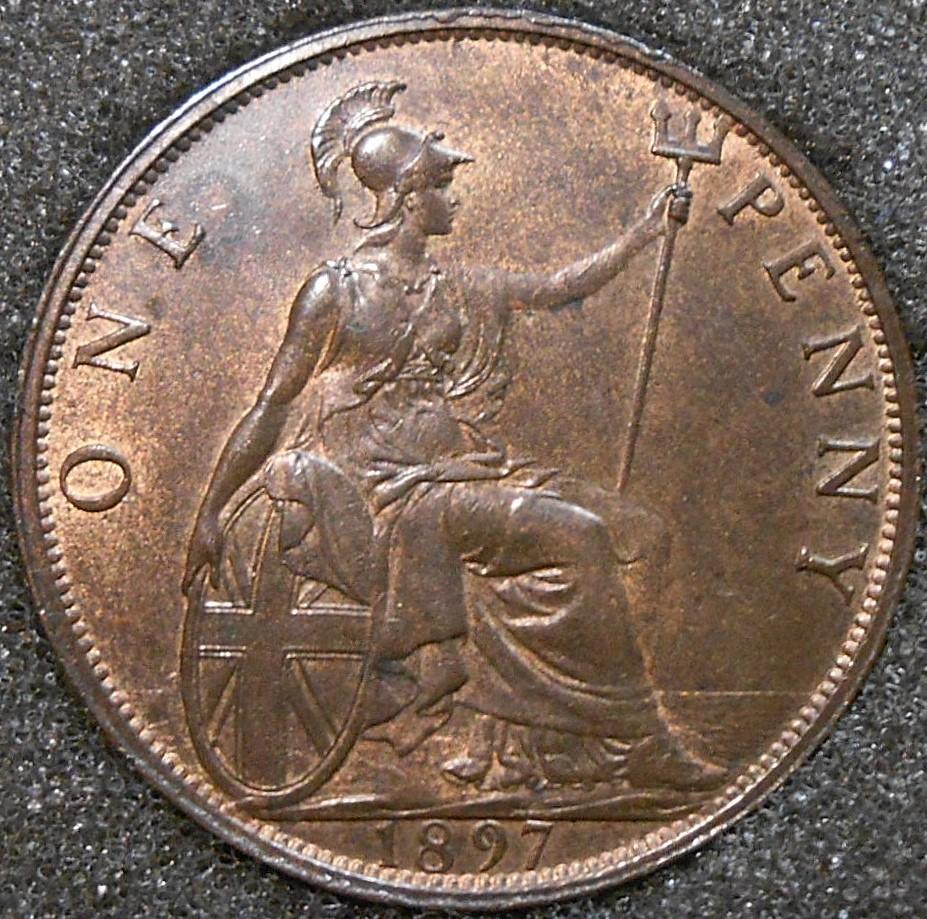
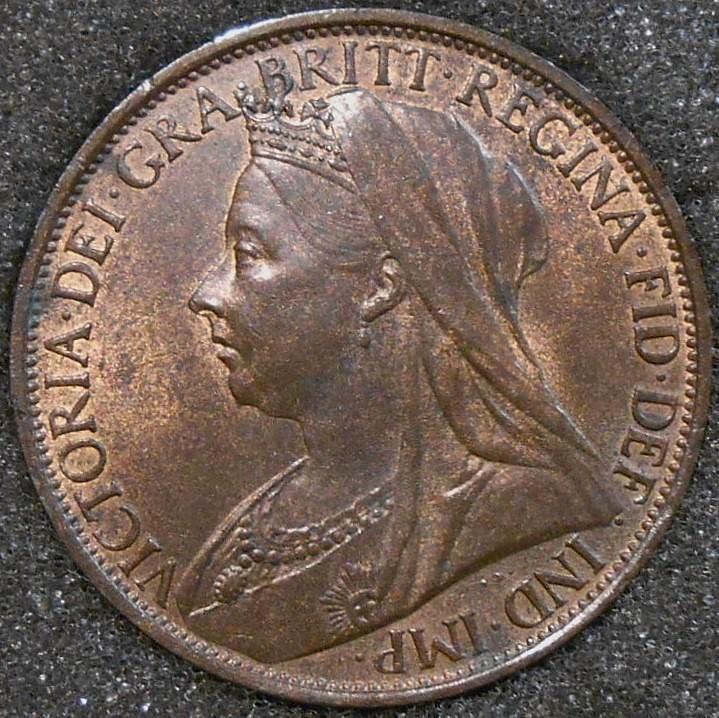
I had the luck to pick this one up on ebay , unattributed 😊 An F148 high tide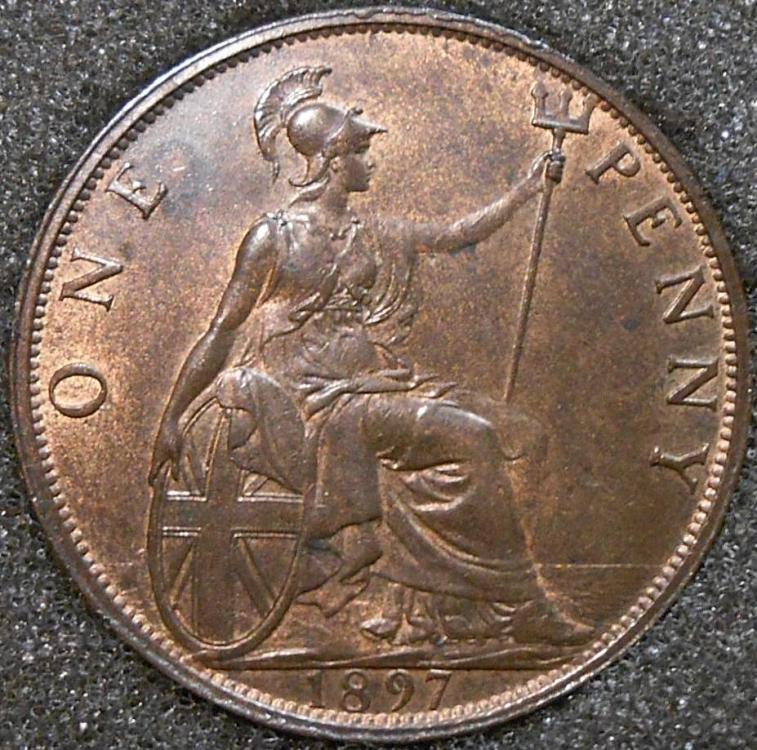
-
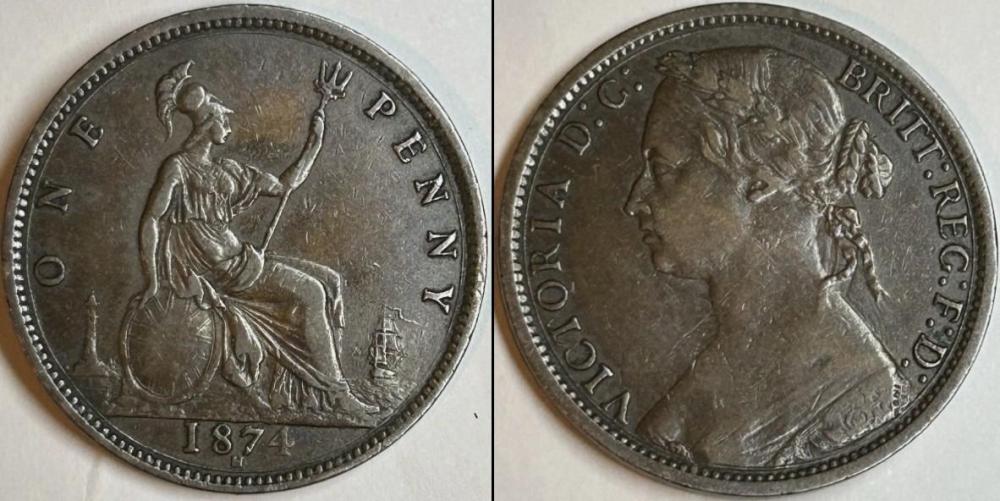
Another one of these sold on ebay a couple of days ago for over £260. Perhaps a little better than the one Pete pictured above last year, but not great. Again not attributed, but nevertheless attracted a lot of interest.
-
I had a bottle of benzene as a child for showing watermarks on stamps.
-
Florins, Shillings and Misc .... on going sort out.
Unwilling Numismatist replied to Citizen H's topic in Free for all
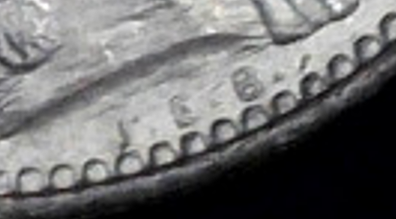
One is ON the truncation (Rare), the other is UNDER the truncation (Common)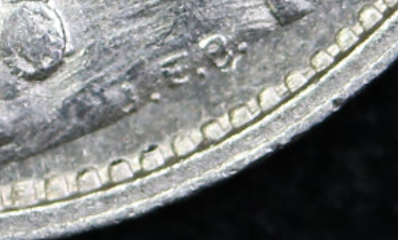
-
Florins, Shillings and Misc .... on going sort out.
Unwilling Numismatist replied to Citizen H's topic in Free for all
7 Million for 3rd (Veiled) portrait, 1300 for 2nd (Jubilee head) portrait.




.jpg.3a54645d7f04e0a1a5c55af9429041c0.jpg)