All Activity
- Past hour
-

Scrap value of a 1d please
Paddy replied to copper123's topic in British Coin Related Discussions & Enquiries
Sadly passed in 2002: https://en.wikipedia.org/wiki/Stanley_Unwin_(comedian) - Today
-
Scrap value of a 1d please
secret santa replied to copper123's topic in British Coin Related Discussions & Enquiries
What became of dear old Stanley U ? -
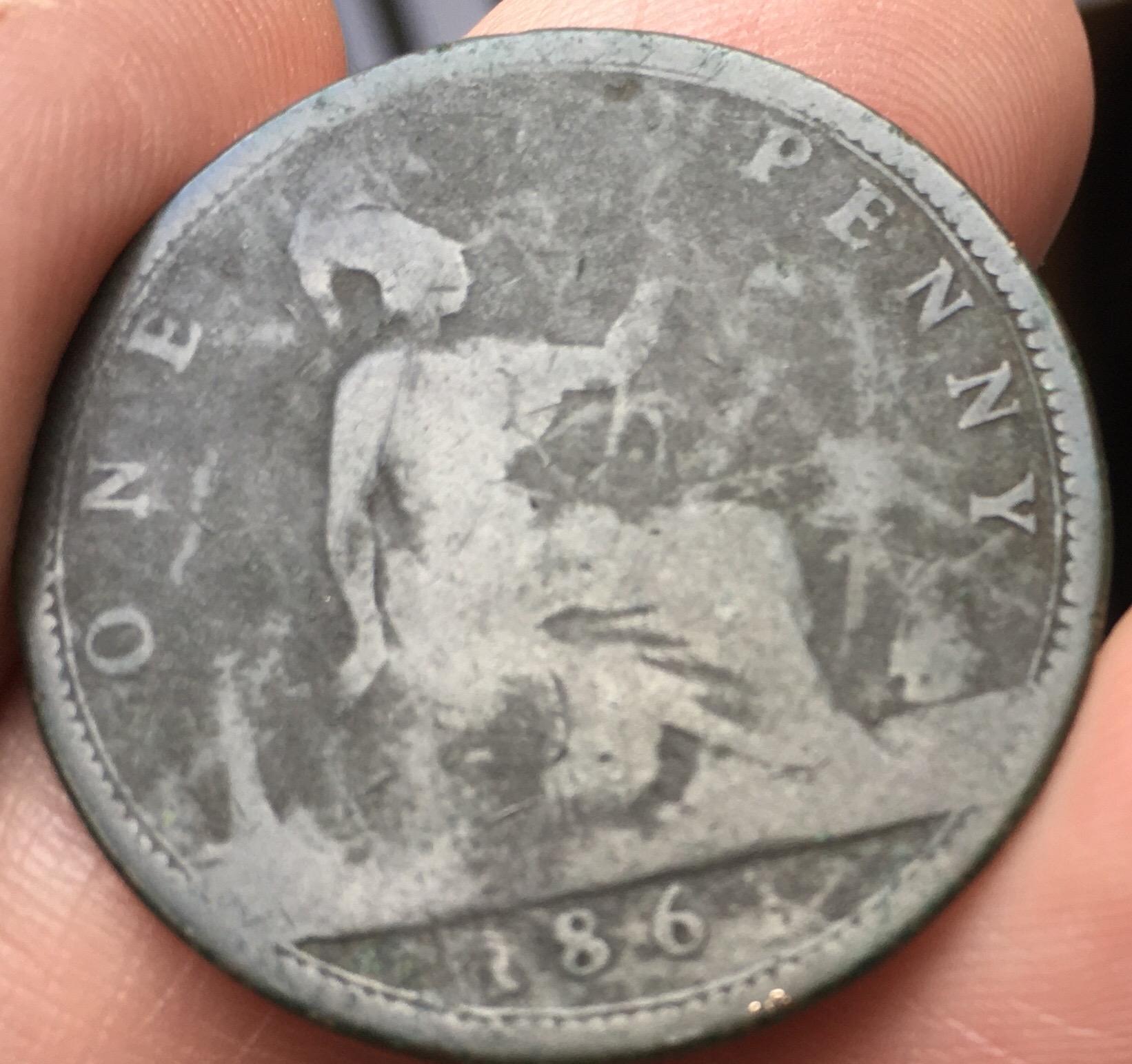
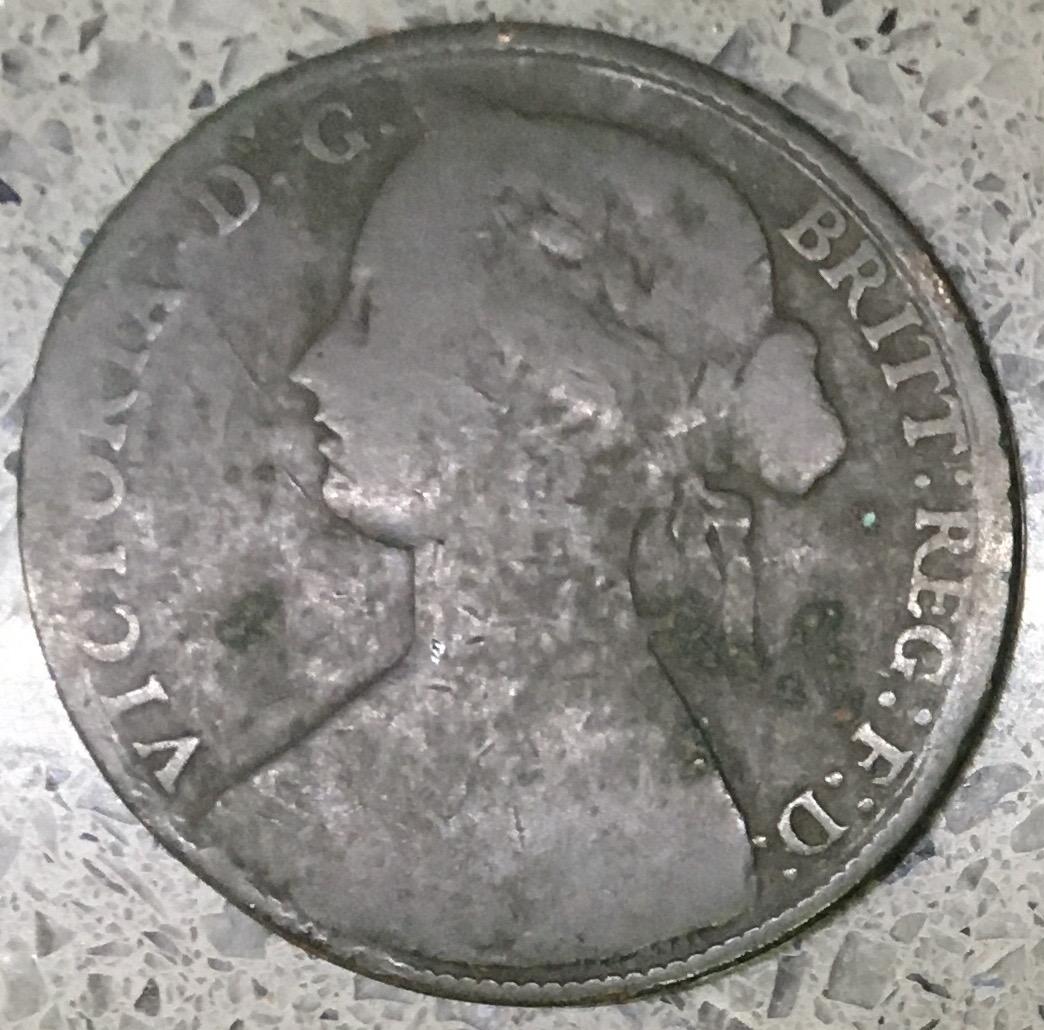
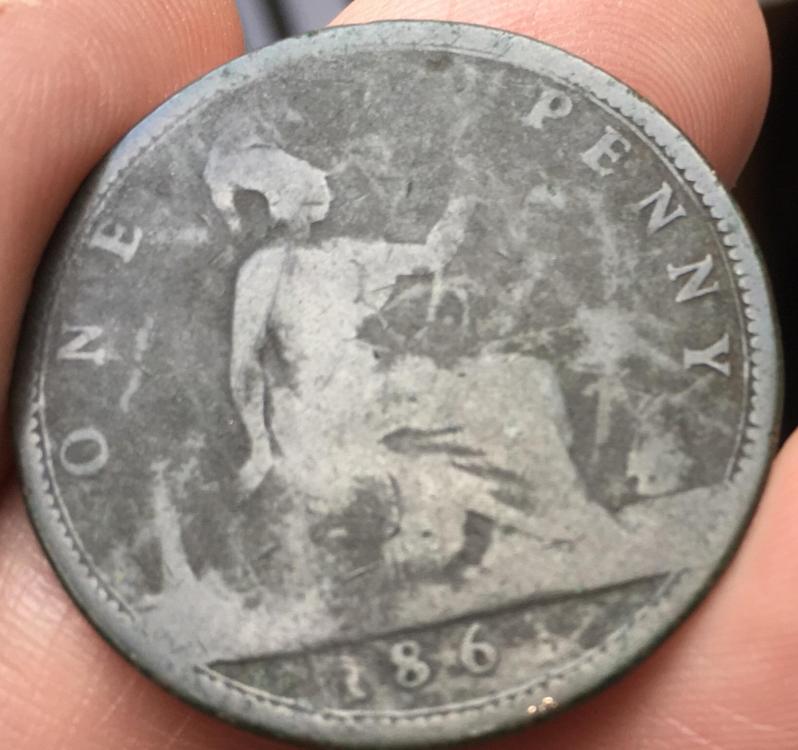
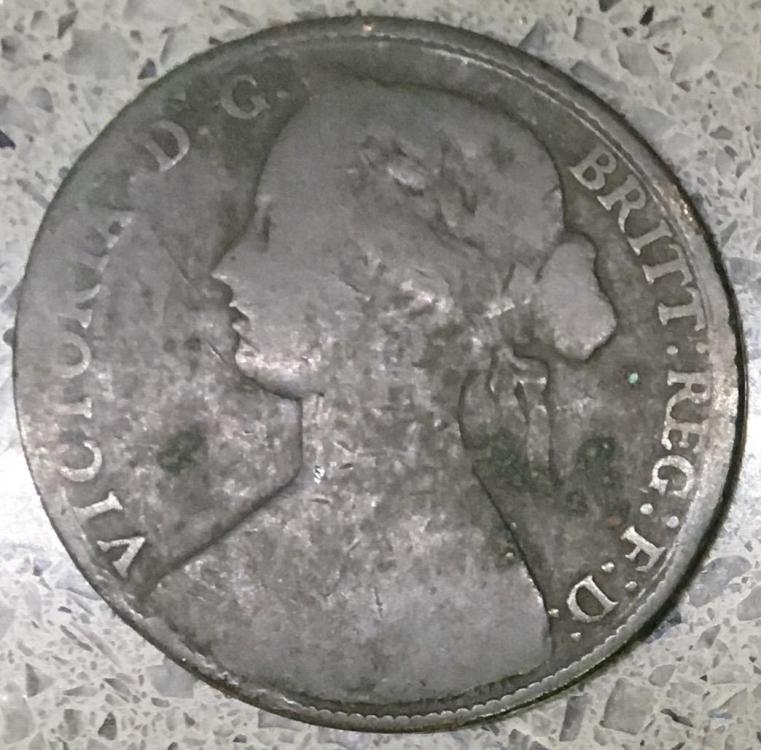
hi, I have an 1861 penny, which sadly is in really poor condition so a lot of the identifiers are worn away. I know there are many different variations of this year and would appreciate your combine experience to identify which one mine is. Please see the photos, ( apologies for the quality). 2 things I have noted are that the L.C. WYON appears to be below the truncation and the ‘N’ in ONE is abnormal. Thanks in advance.
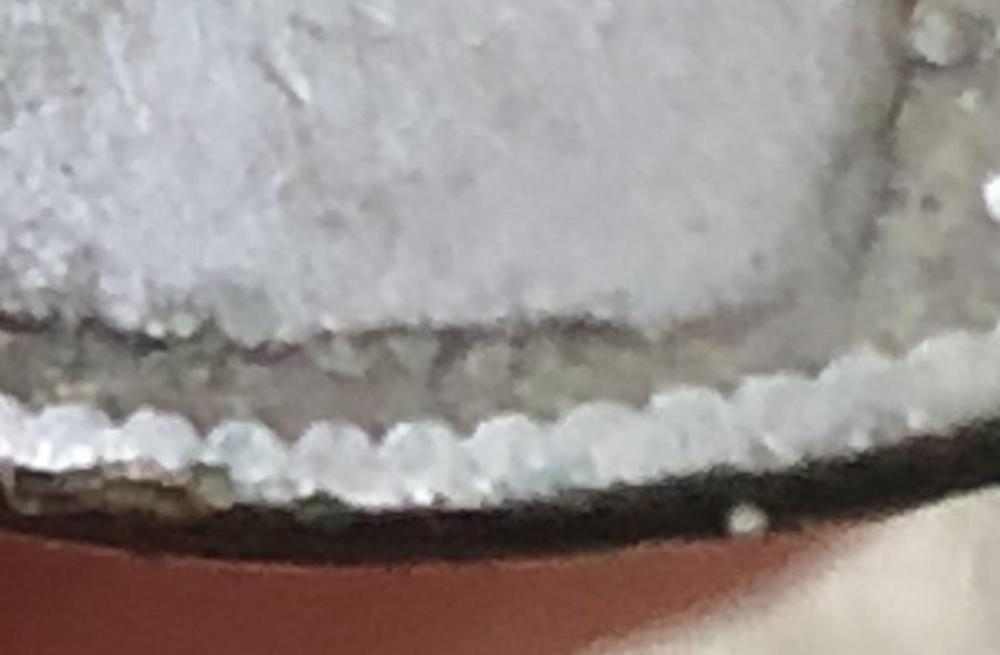
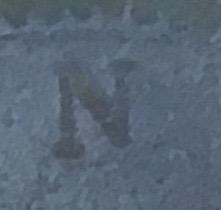
-
 Further investigation suggests that the 1927 proof set was released in the cardboard case for 15/- per set with and additional 6/- for a set housed in a leather case.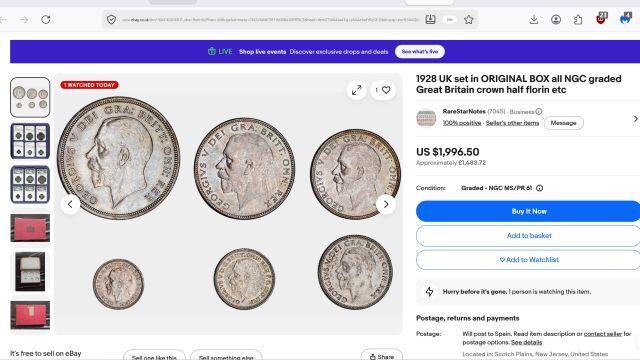
-
 Tim-othy joined the community
 -
Scrap value of a 1d please
Tim-othy replied to copper123's topic in British Coin Related Discussions & Enquiries
No its not all copper it is mostly copper however its composition is known as bronze, and would likely scrap if allowed as No2 copper due to the other elements in its makeup ! -
I have a 1927 set in an identical box even down to the remains of tape on the back of the box. I don't know if any 1928 proof sets were ever issued but this looks like a cobbled together set of 1928 coins presented in a 1927 proof set box to trap the unwary at a high price.
-
Supply and demand. Everything that is traded is subject to these three words. That is why seemingly rare types go for peanuts, yet a common coin will frequently sell for more if in unusually good grade for the type. Also, special strikings have a smaller following with many collectors happy with just an example. Personally, I wouldn't lose too much sleep if intending to get all or most denominations as all prices tend to hold within a reasonably narrow band over time. Collectors are in the majority, sheep. There is also a slight bias for larger coins over smaller ones, and similarly for those values most frequently found in change.
- Last week
-
 Thanks for your help all, I really appreciate it. I've done some detailed research and taken measurements and will make a new post in the correct subforum soon, but your help has been invaluable. @Citizen H From examining your photos, your half crown is the same shape as mine - slightly oval, being wider from 9pm to 3pm than it is tall from 12 to 6pm. It would be really helpful if you could just confirm that? I've done some research and found that a large number of LIMA half crowns, along with a few standard half crowns from 1745-1746, actually have this very slight oval shape. Only by about a millimetre or a millimetre and a half, but noticeable once you know. @Rob I think you're absolutely right about the spread flan, and I see what you mean about the teeth. This is measuring 33.2mm from 12 to 6pm and 34.4 from 9 to 3pm. I cant see any filling or aesthetic differences in the edge, but as I mentioned above, from research and looking at many 1745 half crowns, I've noticed this slight oval shape to be quite prevalent. Does that track with any of what you might know, or have seen? I handled a LIMA from another collection that was oval and almost exactly the same measurements, down to the .xx millimetre
 -
On my varieties website, I picture a 1927 reverse which I postulate is a "special" proof reverse but it looks uncannily like the missing waves reverse that you picture above, with features like the longer teeth etc.
-
No, that wasn't my point at all. I left the shilling out of the argument altogether, it being the only denomination where the new design was issued for circulation. I'll rephrase: why do the 1927 threepence, florin, and the new design sixpence and half crown appear to command such widely different market values?
-
And Florin.
-

Logging out and sending messages.
Peckris 2 replied to PWA 1967's topic in Forum technical help and support
I'm not sure Ron Vibbentrop agrees... -
No, a brockage is where a coin gets stuck below the die, so when the next blank arrives the stuck coin imprints itself on it giving an incuse version of the entire design.
-
I see, so maybe a lump of the has broken off leaving an area to be filled in by the coin when minting.... awesome 👍
-
The 'compelling reason' is whether there's a currency version of the proof coin (e.g. the shilling) or whether the 1927 exists only as a proof, e.g. the threepence.
-
Looks like a cud?
-
Wow. I've seen the "original" (which you have?) and have always assumed - correctly or not - that it's a proof or pattern created to test the actual true non-mule type that would be seen in 1927. By the way, D+d cannot be a mule, unlike the actual 1926ME - it's what the 26ME WOULD have been if they hadn't been in such a hurry to 1) get the small supply of 1926 pennies where they were unexpectedly needed, and 2) were fully resourced supervising the changeover to the Modified Effigy for all denominations, plus preparing the new reverses for 1927.
-
It's not a common flaw and I am not certain if I have seen it before. In this grade, the flaw wouldn't make a difference. Both the obverse and reverse designs are really nice.
-
More Pennies
terrysoldpennies replied to Prax's topic in British Coin Related Discussions & Enquiries
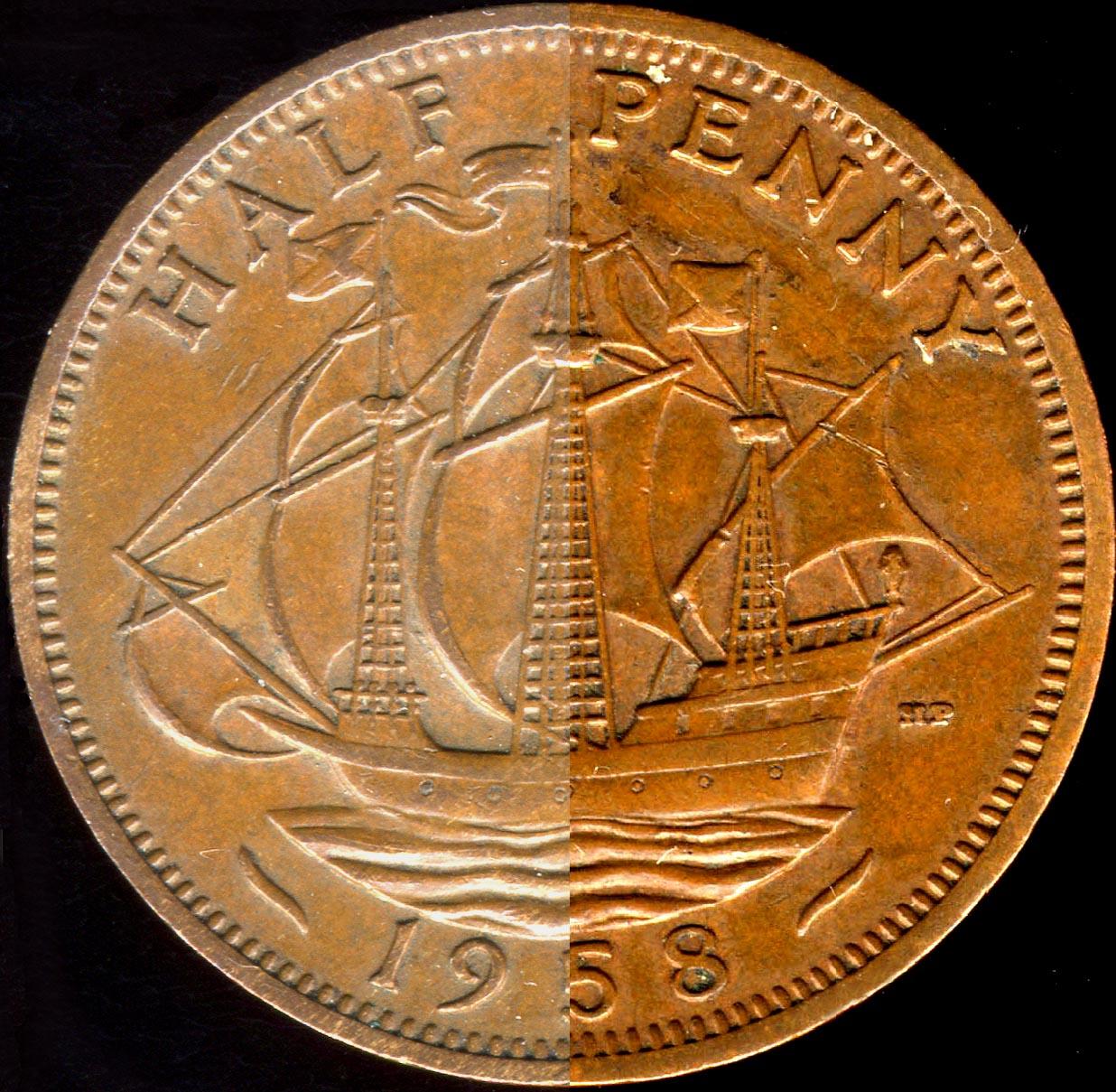
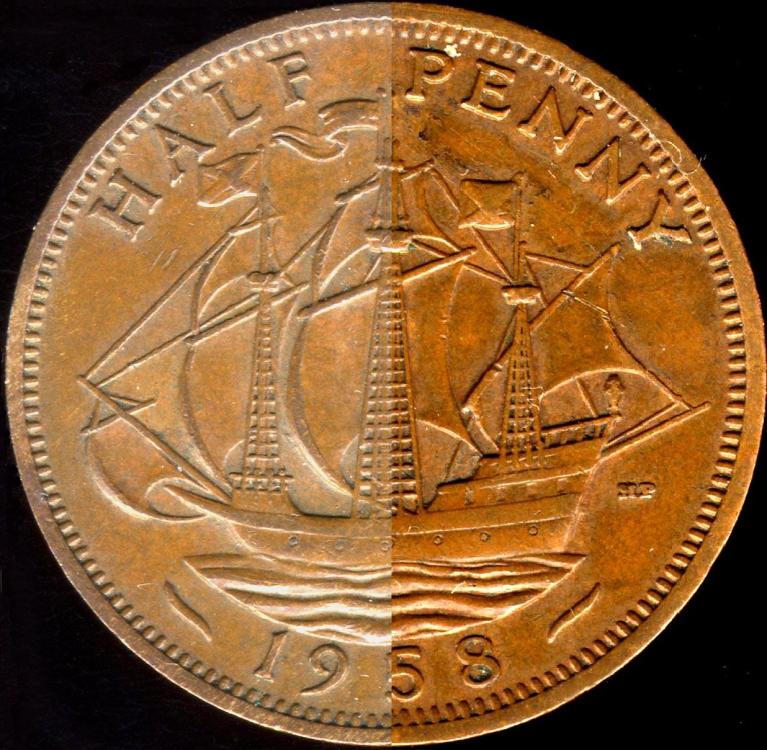
Minor modifications were probably quite often made, and I guess we will never know all of them. Many years ago I looked into minor changes made to the 1958 Halfpenny with different teeth lengths and rim widths. All were done on a scanner so as to have exactly the same proportions with no distorted pictures, and the result was four types. Even the ship size varies as shown with two differing coins spliced together. below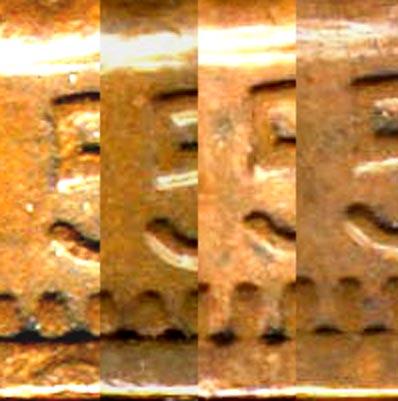
-
More Pennies
terrysoldpennies replied to Prax's topic in British Coin Related Discussions & Enquiries
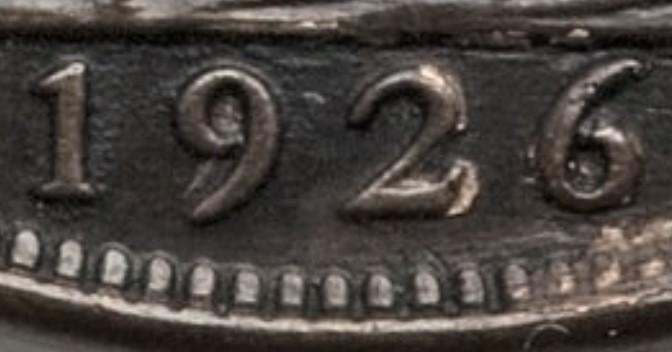
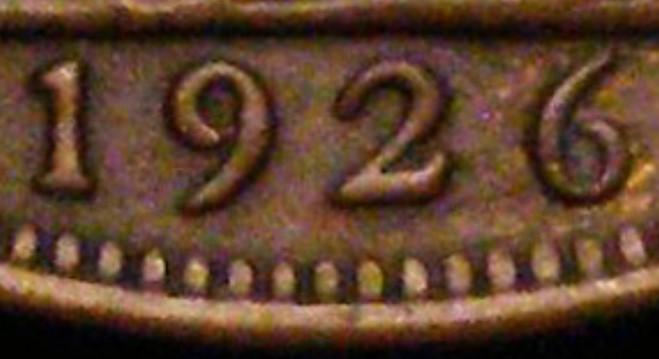
It might have been that two or more Working dies were struck with just the 192 with the last digit 6 being stamped on separately before use . -
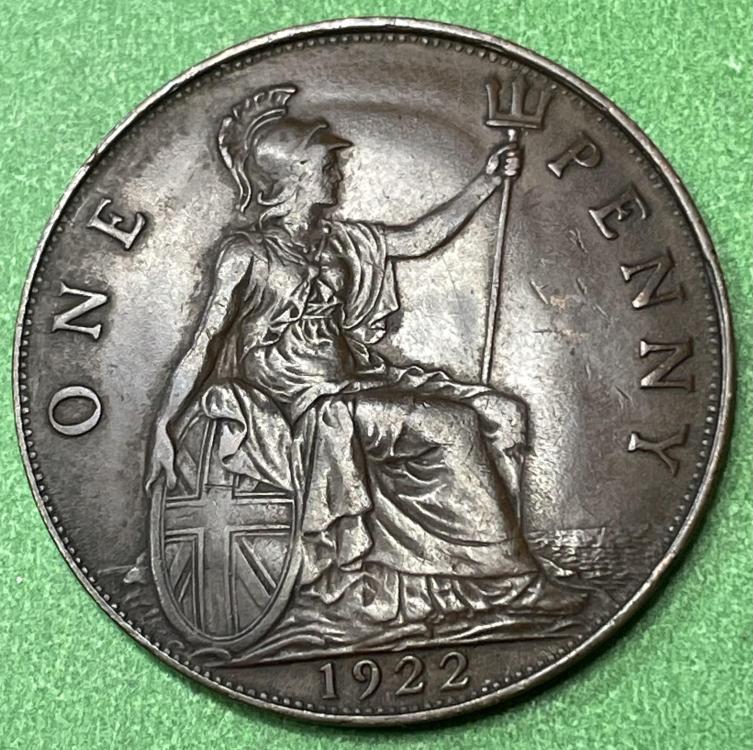
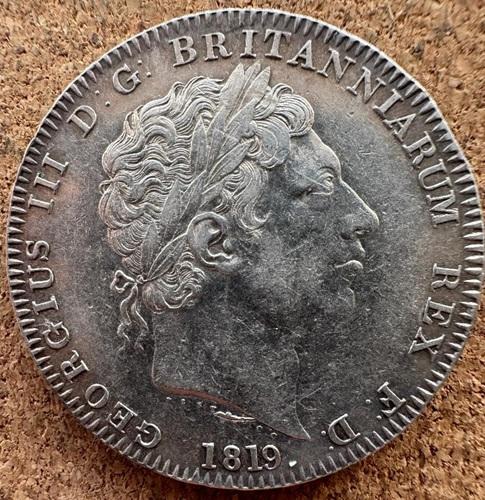
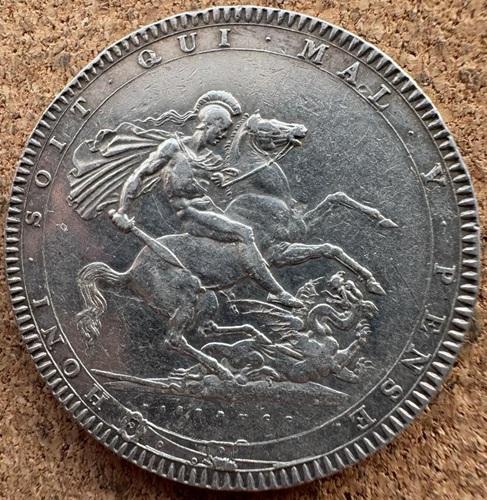
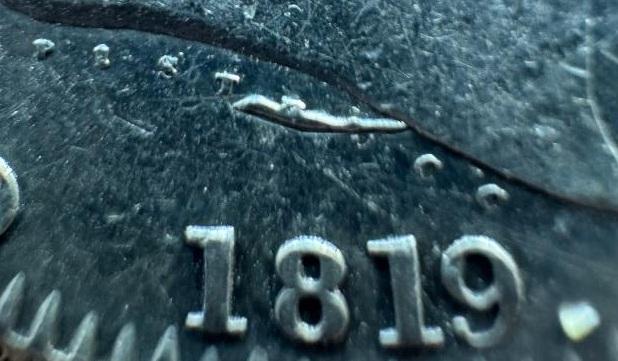
This 1819 George III Crown..... I'm not sure if its been shown before however it wasn't in a folder, loose with others. I did note that above the date a flaw....across the engravers name P I S T R U C C I Is this a common flaw with this date?
-
I can believe that more than one trial die was produced while they were considering the final design of the 1927 reverse and it's possible that several coins were struck from the new dies with strict instructions that they never leave the Mint - but they did !
-
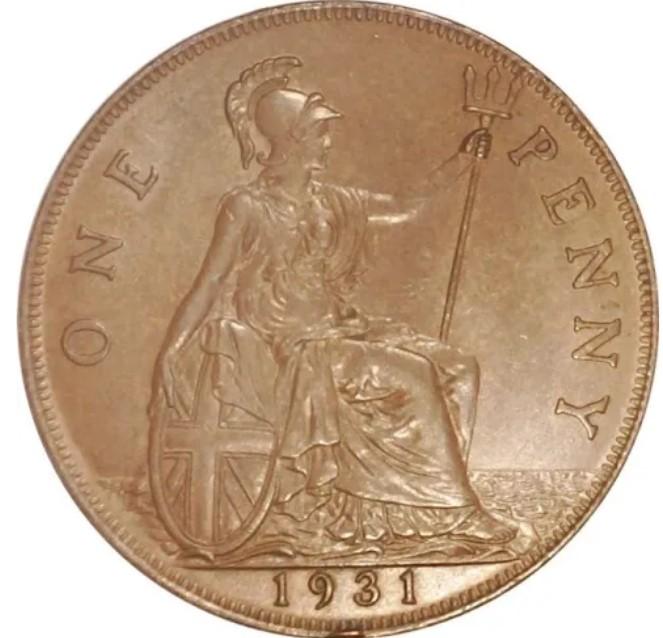
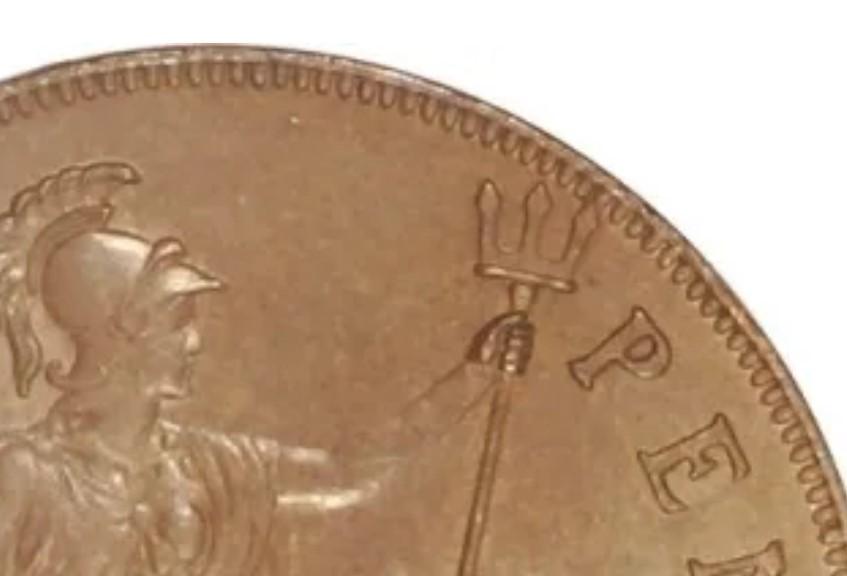
I see what you mean, Terry. How curious... Would they really have made two dies for this experiment?? Just to add another spanner in things, here's a picture of a normal (albeit missing waves) 1931 reverse (from Richard's site) which also seems to have the smaller Britannia, longer teeth, thinner thumb, bigger gap from trident to teeth etc such as Richard has identified for these trial pieces. Are there actually BOTH subtly different Gouby reverse d's known for all dates 1927 to 1936, perhaps as a result of hubbing variations, and so this could after all be a doctored 1927 piece???? Or is it just for 1931? I'm going to have to trawl through all my GV pennies later!! If anyone on the forum did buy it, PLEASE have a good look at it through a microscope!
-
More Pennies
terrysoldpennies replied to Prax's topic in British Coin Related Discussions & Enquiries
Fu Funnily Enough I sent a message to Richard at exactly the same time as you posted here Martin saying exactly the same thing, but that because both ME coins have the small Britanniar neither coin could have been modified post Mint as this obverse and reverse had never been present together on any other year penny , So therefore both must be Experimental dies from the Mint -
Hi Richard. I saw it at the time and was considering putting a bid in but concluded it was a doctored specimen: the 6 on the LCA specimen is surrounded by lighter coloured metal consistent with it having been transplanted from another coin onto an original 1927 coin. Quite apart from that, it would have to be a different die too as on your ex-Freeman one, the 6 is over a gap between teeth and rotated slightly clockwise, whereas on the LCA one, the 6 is bolt upright and over a tooth. I can't believe two trial dies were produced striking one coin each! Happy to be proved wrong if anyone here did buy it and microscopy eliminates my suspicions...