All Activity
- Past hour
-

A Dodgey 1927 Florin.
Peckris 2 replied to ozjohn's topic in British Coin Related Discussions & Enquiries
It's possibly more difficult to tell when the attached picture is of an entire webpage rather than a screenshot of just the coin, but it simply just doesn't look right. It looks wrong in exactly the same way as a Victorian YH repro looks wrong. So my money's on a repro unless we can see the coin isolated from the webpage. - Today
-

A Dodgey 1927 Florin.
Coys55 replied to ozjohn's topic in British Coin Related Discussions & Enquiries
Isn't it a case of "that's neither superb nor a proof" rather than a repro? -
Unbelievably I missed seeing these posts. I think you've made a very valid point. The two 6's are indeed different, and there is absolutely no reason why they'd have two virtually identical experimental dies each with a different 6 stamped on, just to strike a few coins. The other suspicion - though it might sound rather trivial and inconclusive - is the colour difference; 1926 pennies are usually darker than 1927 onwards which usually have a paler more orangey hue. But as I say, that's not really conclusive unless someone has a record of an alloy change made in 1927.
-
My own set is in the cardboard case. Cost me rather more than 15/- though...
-
A Dodgey 1927 Florin.
Peckris 2 replied to ozjohn's topic in British Coin Related Discussions & Enquiries
There are repros of 1927 florins? Why? -
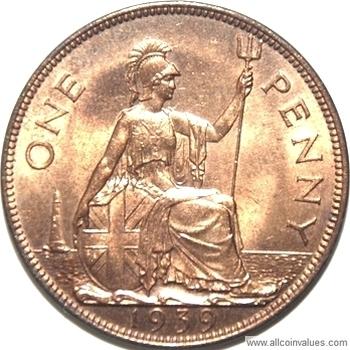
Do you have a picture? They're only worth anything (a few £) if in Uncirculated condition, a little more if it has full lustre. In other words, like this:
-
Oh dear.
-
Possible 1845/3 HALF Crown ?
Rob replied to ozjohn's topic in British Coin Related Discussions & Enquiries
The only example I have seen in hand which is completely unambiguous was the Adams coin. You will see that the underlying 3 determines the profile of the last digit with the 3 clearly present, but also clearly overpunched with a 5 given the vertical section to the left on the upper part of the digit. I have seen various others which purported to be over 3, but none with the same profile and arguably contentious. The 1845 over ? that I had stolen at the Midland last year looked to be to be more likely over a different font 5 than a 4 or a 3, but 4 would be a good call if not a 5. Not to say that the coins with a taller 5 are not over 3, but definitely a case of caveat emptor IMO. There are many coins listed as such, but most are reliant on the vendor's description. There is one coin listed on ebay that I thought unusual which is claimed to be 5/3, but it was the irregularity of the date which caught my eye. https://www.ebay.co.uk/itm/335246363284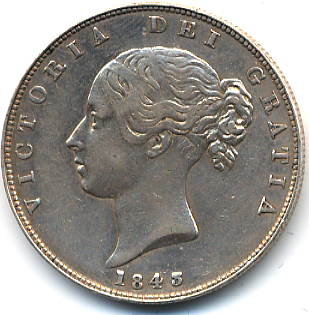
-
I decided to look at my 1845 half crown after seeing an example of a 1845/3 for sale. On this example the date seems to be double struck. Any thoughts?
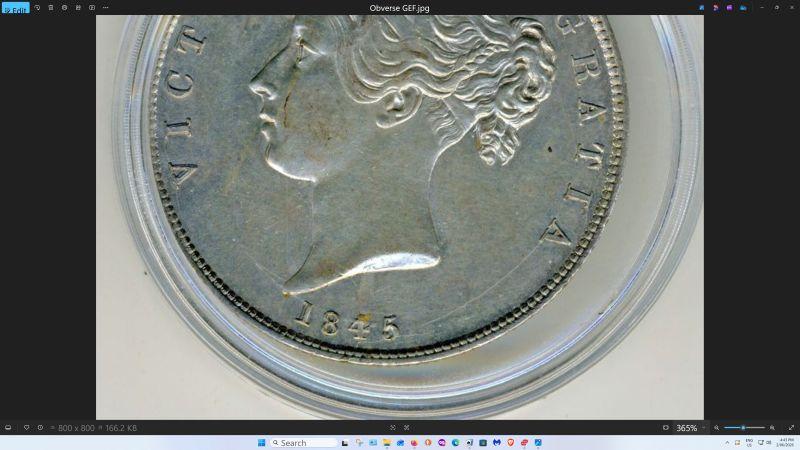
-
Noticed on Ebay
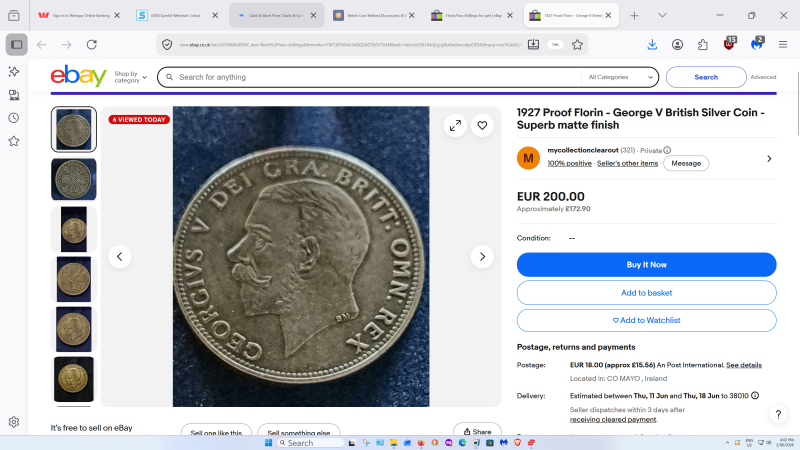
- Yesterday
-
I'm not into stacking but I always thought the Britannia looked good. Just because I think that it’s a nice looking silver coin, I added a 1 oz. .999 fine silver Britannia to my collection. Mostly these are aimed at silver bugs but eh, I like it. By letting them send a random year, it was like $10~15 cheaper but I think I got lucky - Liz’s portrait is better than Charlie’s, IMO. From 2018:
-
Post-1752 Maundy coins were never intended for circulation so they are usually in good condition.
-
 Margaret MorrowCassBess01 joined the community
 -
Is it of any value
-
Loddy Heck!!! errrmmmm... This George V 1911 2 pence Maundy is also in nice condition as well 😕 I don't no how has happed but its in nice condition all the same. 👍
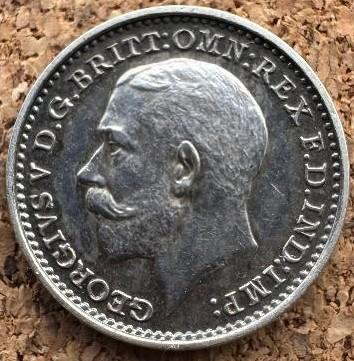
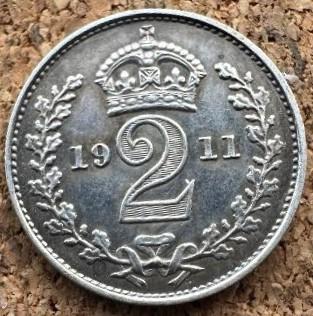
-
 Bilco63 joined the community
 - Last week
-
Yep, standard 4+D die pair - very common. The N indeed is just flattened through extreme wear. Nothing special here, I'm afraid.
-
Looks like a standard Freeman 22 to me, though as you say the indicators are not all clear. The ‘N’ is just bruised and worn. Jerry
-

Scrap value of a 1d please
Paddy replied to copper123's topic in British Coin Related Discussions & Enquiries
Sadly passed in 2002: https://en.wikipedia.org/wiki/Stanley_Unwin_(comedian) -
Scrap value of a 1d please
secret santa replied to copper123's topic in British Coin Related Discussions & Enquiries
What became of dear old Stanley U ? -
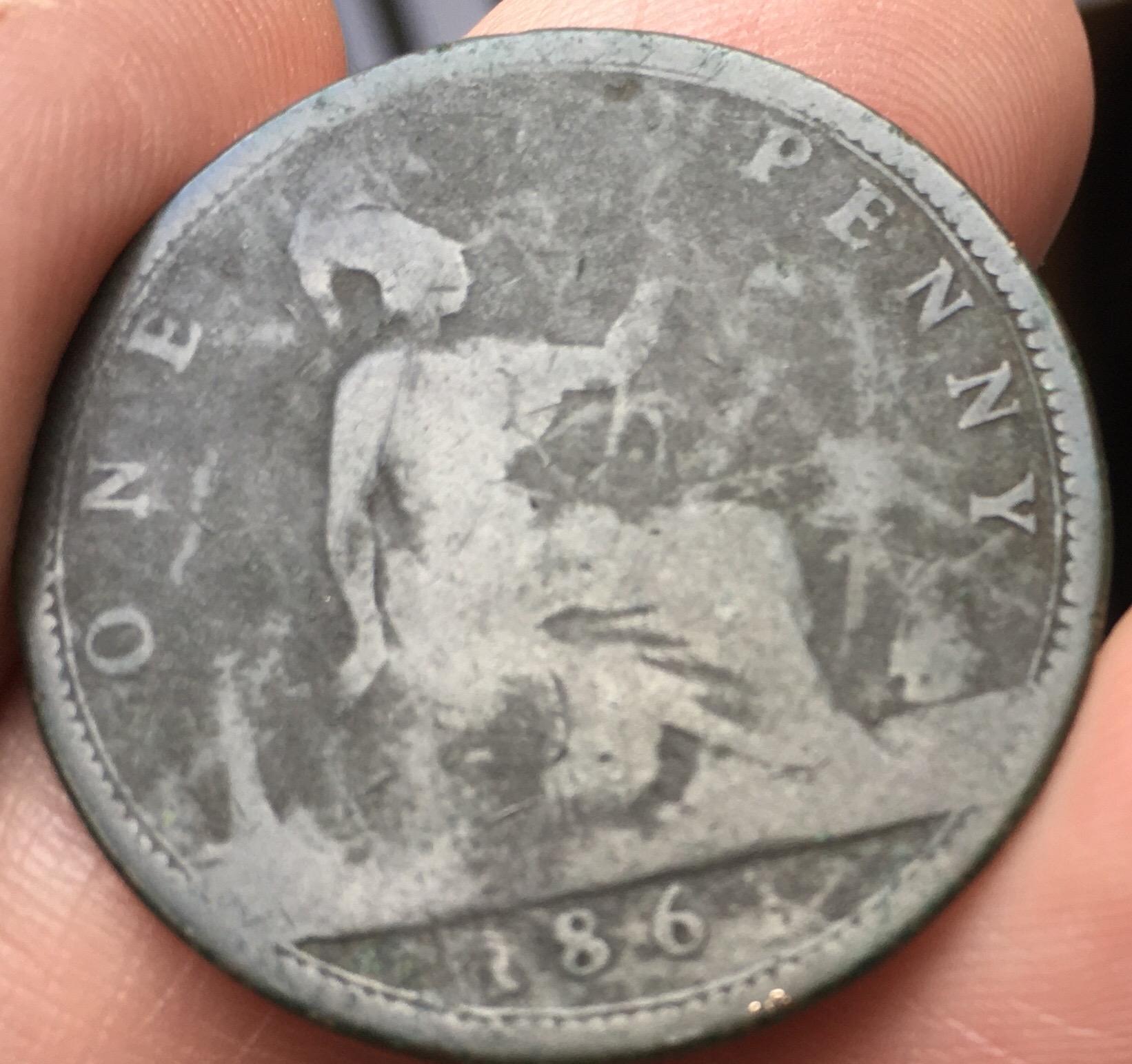
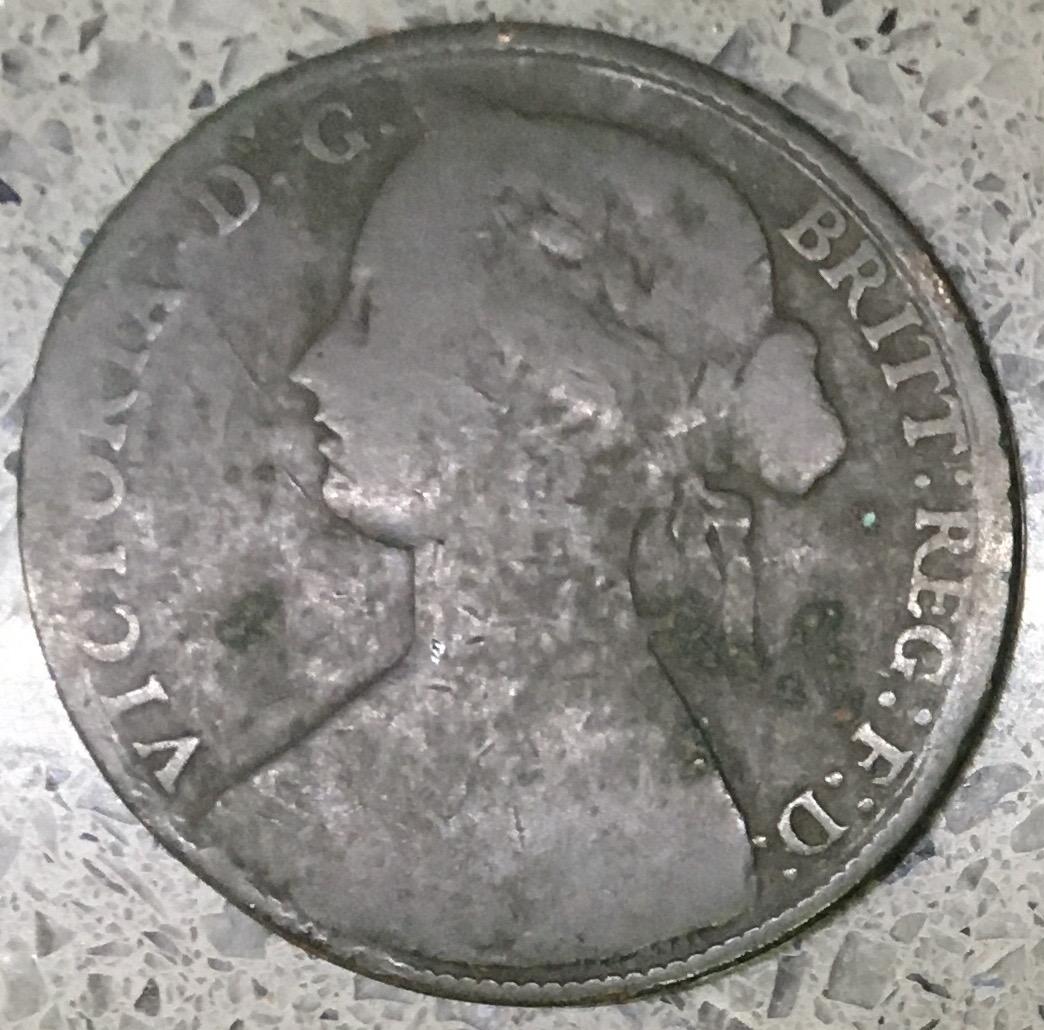
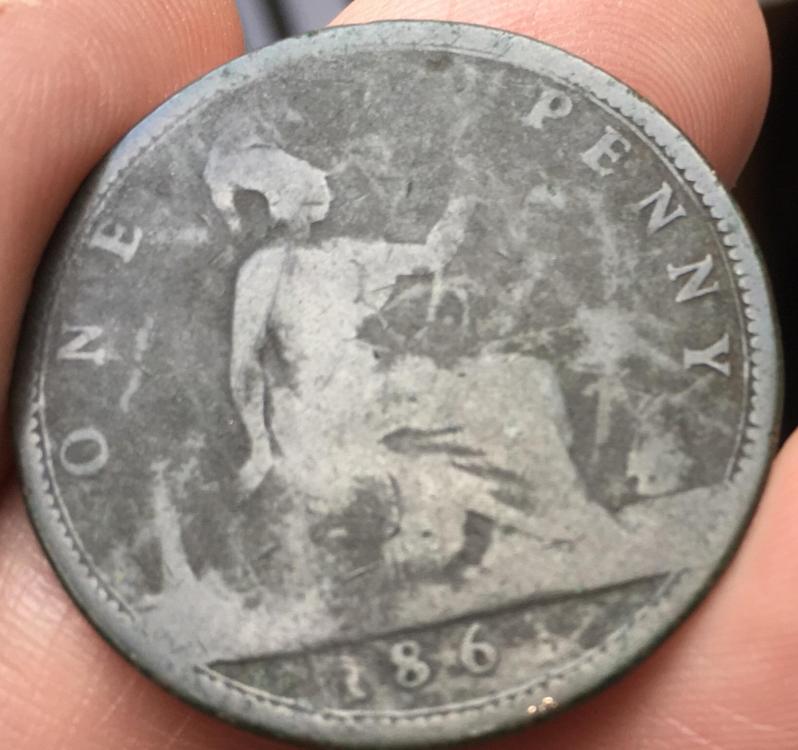
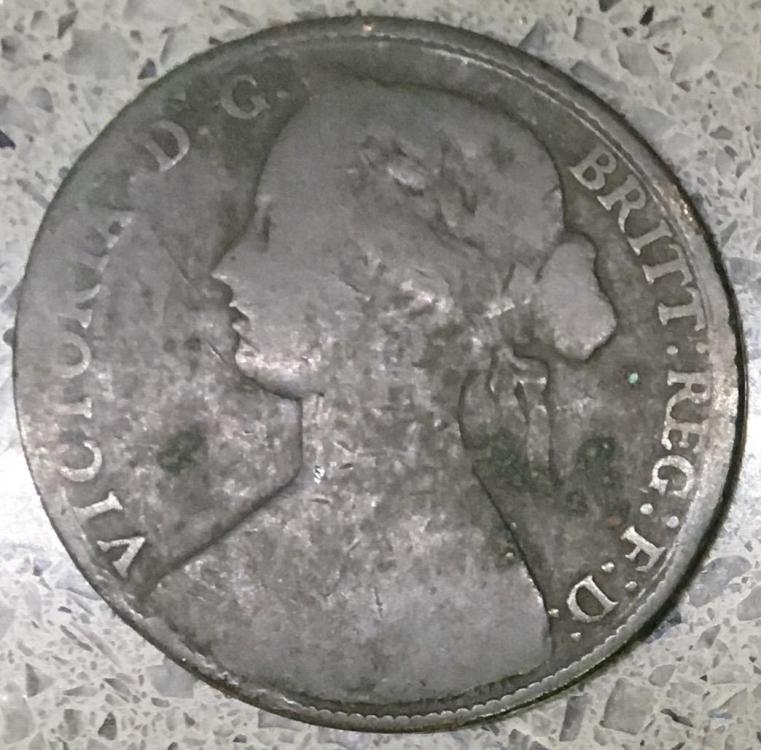
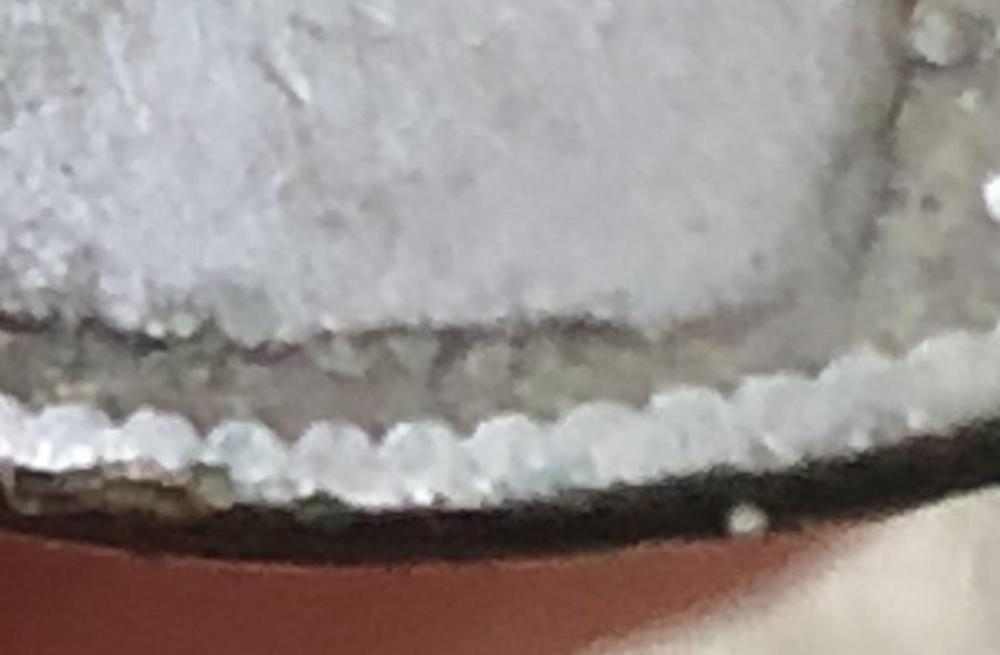
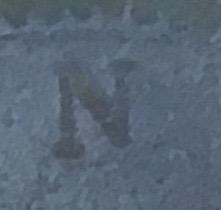
hi, I have an 1861 penny, which sadly is in really poor condition so a lot of the identifiers are worn away. I know there are many different variations of this year and would appreciate your combine experience to identify which one mine is. Please see the photos, ( apologies for the quality). 2 things I have noted are that the L.C. WYON appears to be below the truncation and the ‘N’ in ONE is abnormal. Thanks in advance.
-
 Further investigation suggests that the 1927 proof set was released in the cardboard case for 15/- per set with and additional 6/- for a set housed in a leather case.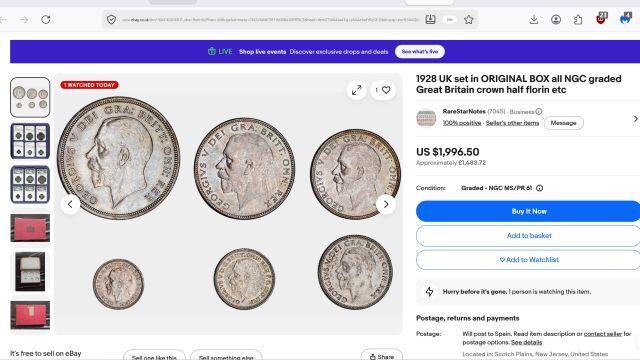
-
 Tim-othy joined the community
 -
Scrap value of a 1d please
Tim-othy replied to copper123's topic in British Coin Related Discussions & Enquiries
No its not all copper it is mostly copper however its composition is known as bronze, and would likely scrap if allowed as No2 copper due to the other elements in its makeup ! -
I have a 1927 set in an identical box even down to the remains of tape on the back of the box. I don't know if any 1928 proof sets were ever issued but this looks like a cobbled together set of 1928 coins presented in a 1927 proof set box to trap the unwary at a high price.
-
Supply and demand. Everything that is traded is subject to these three words. That is why seemingly rare types go for peanuts, yet a common coin will frequently sell for more if in unusually good grade for the type. Also, special strikings have a smaller following with many collectors happy with just an example. Personally, I wouldn't lose too much sleep if intending to get all or most denominations as all prices tend to hold within a reasonably narrow band over time. Collectors are in the majority, sheep. There is also a slight bias for larger coins over smaller ones, and similarly for those values most frequently found in change.
-
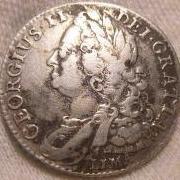
 Thanks for your help all, I really appreciate it. I've done some detailed research and taken measurements and will make a new post in the correct subforum soon, but your help has been invaluable. @Citizen H From examining your photos, your half crown is the same shape as mine - slightly oval, being wider from 9pm to 3pm than it is tall from 12 to 6pm. It would be really helpful if you could just confirm that? I've done some research and found that a large number of LIMA half crowns, along with a few standard half crowns from 1745-1746, actually have this very slight oval shape. Only by about a millimetre or a millimetre and a half, but noticeable once you know. @Rob I think you're absolutely right about the spread flan, and I see what you mean about the teeth. This is measuring 33.2mm from 12 to 6pm and 34.4 from 9 to 3pm. I cant see any filling or aesthetic differences in the edge, but as I mentioned above, from research and looking at many 1745 half crowns, I've noticed this slight oval shape to be quite prevalent. Does that track with any of what you might know, or have seen? I handled a LIMA from another collection that was oval and almost exactly the same measurements, down to the .xx millimetre
 -
On my varieties website, I picture a 1927 reverse which I postulate is a "special" proof reverse but it looks uncannily like the missing waves reverse that you picture above, with features like the longer teeth etc.