
Citizen H
-
Posts
666 -
Joined
-
Last visited
-
Days Won
25
Content Type
Profiles
Forums
Events
Downloads
Store
Gallery
Articles
Everything posted by Citizen H
-
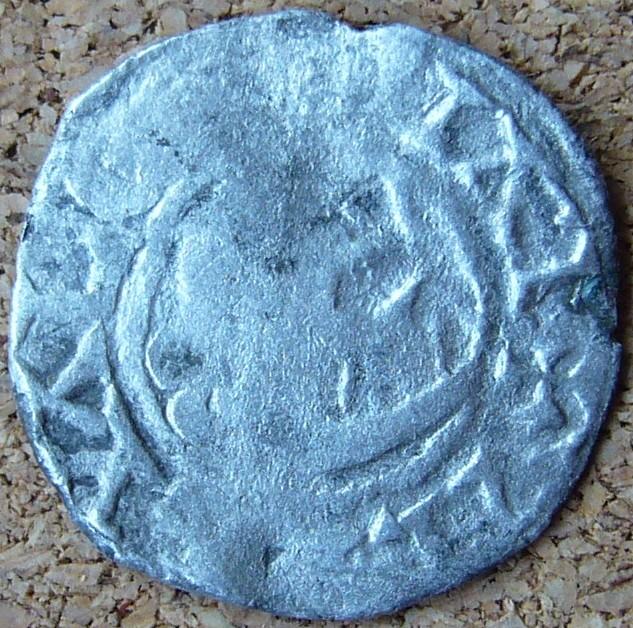
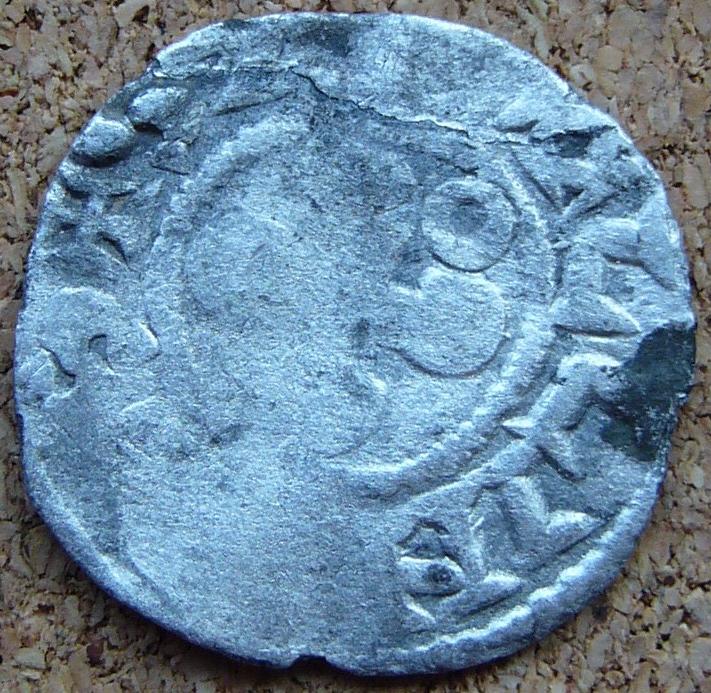
I think i've found another amongst the hammered ........... Medieval Spanish / Portuguese Type of thing....Doh
-
aha, very interesting to find errors wondering how many others are out there like this one? Many thanks for taking the time for helping out, all the very best "H"
-
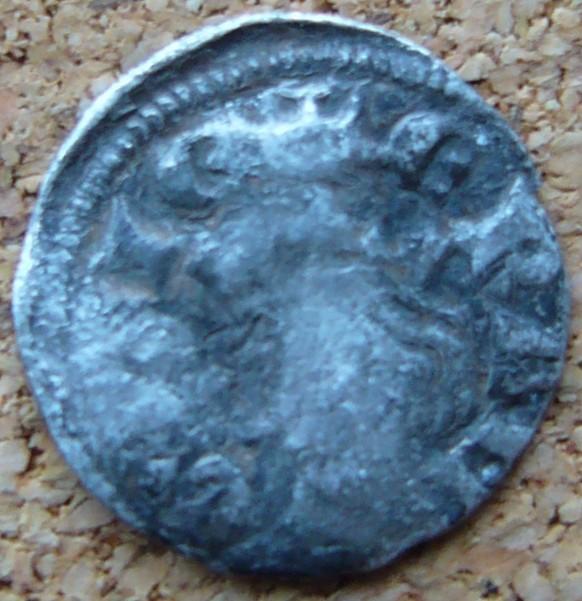
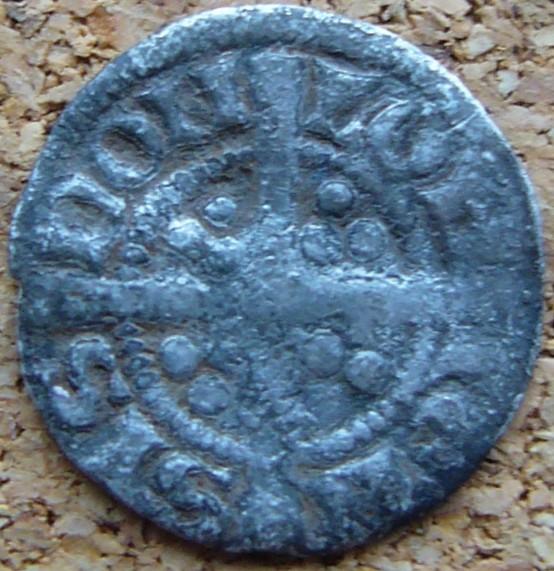
From the pile of worn out hammered previously shown....... Ive spent a lot of time looking through them and have decided that most are to far gone.... 😔 this one has the most details remaining .......in take of breath, Edward II Farthing, longcross, Class 1a -3de ? on the reverse i make out SIS londrien,sis ?
-
Another coin collector had a Looking at this, the verdict........ "it looks like an Edward IV 1st Reign groat of the Light Coinage issue (1464-70). No marks at neck, mint mark crown on the obverse. London mint." 🎉 Happy Happy Happy!!!!
-

Hammered coins, coming to the end....of the first box....
Citizen H replied to Citizen H's topic in British Hammered
Wow, that's great to find out, thank you, I did have to read up on Mule meaning I have read before and so this is a Error coin A mule coin is a type of error coin that features a combination of designs from two different coins, typically due to a mistake during minting. Wow.. this is very interesting to also learn. many thanks for all the time taken, its going to be an interesting few weeks as these still need to be worked through.....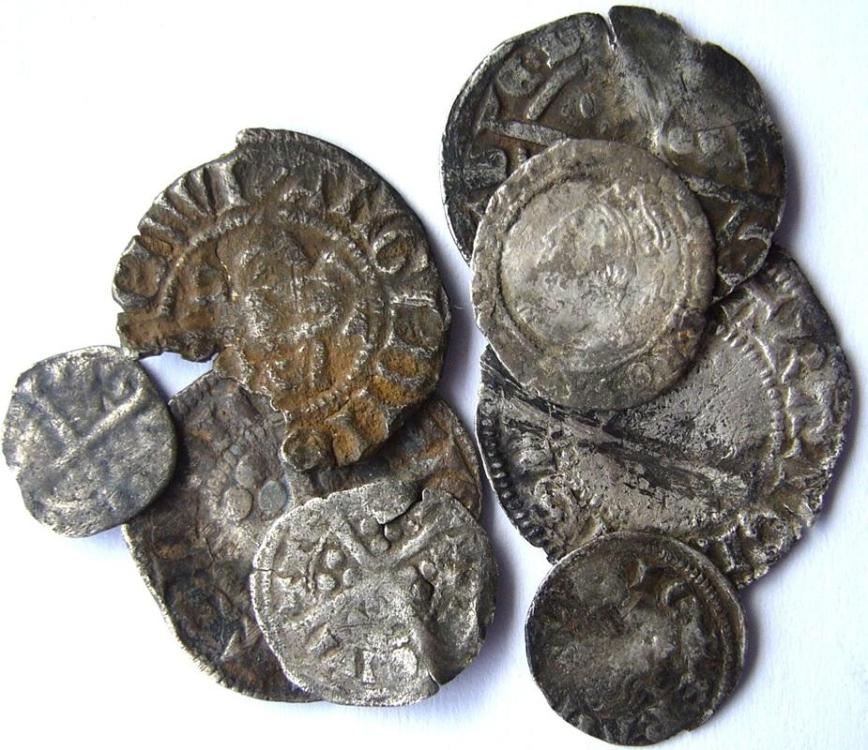
-
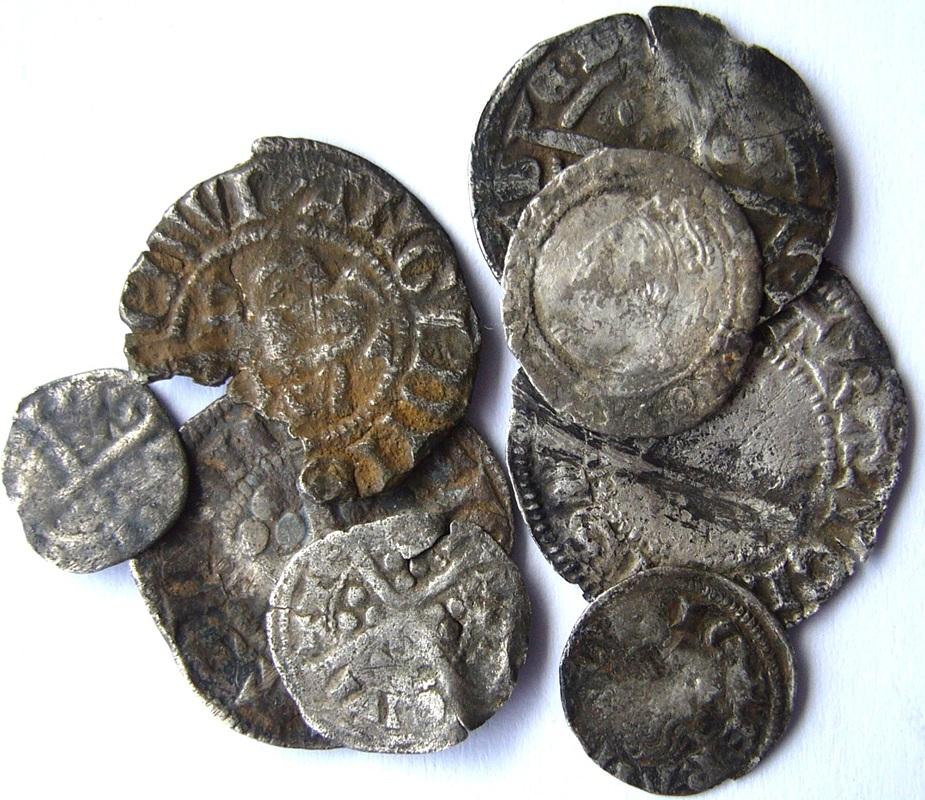
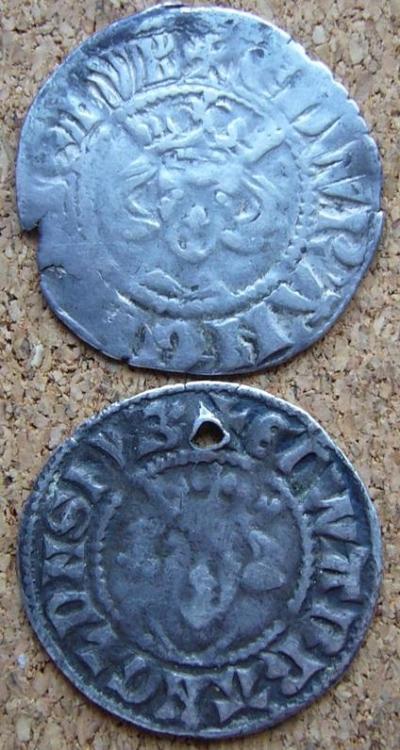
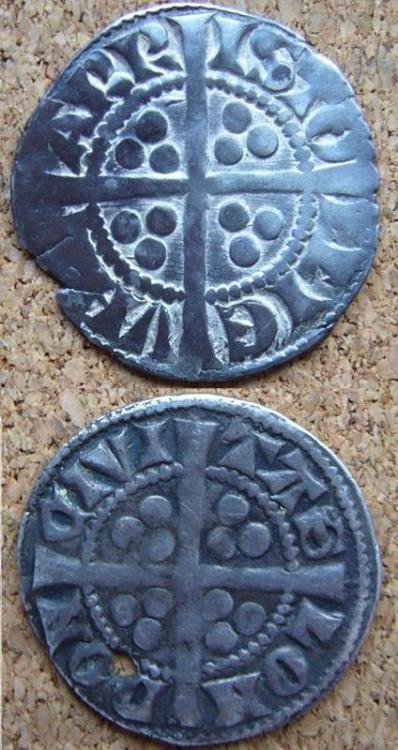
I have started a new page of Hammered coins, I have the penny's (halved) with all the information stored with them, lower down are the ones that are to rubbed to gain any further information on them.. however Ive kept them and one the hoard is finished sorting I can sit back and figure out what's their future... following on the better of the group are possibly Edward 1 Penny, the second one is City of London, as for the first...ISTO ? Class? All and any input greatly welcome, regards "H"
-
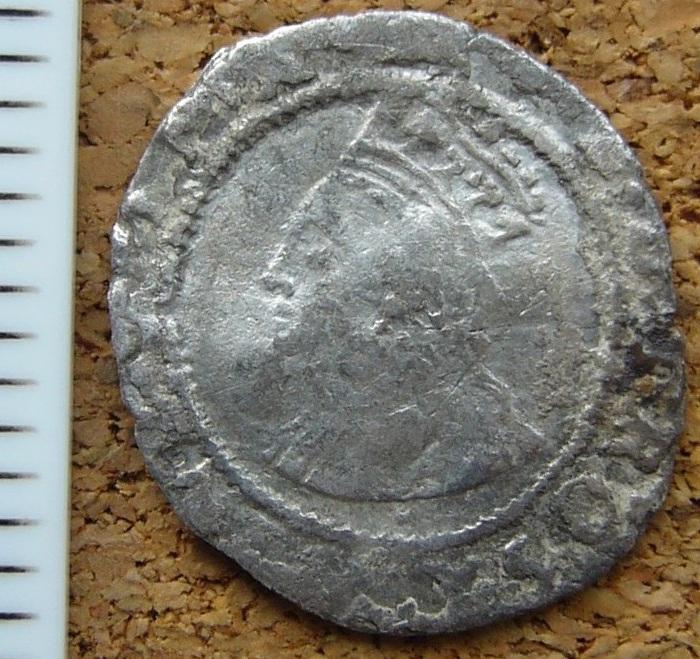
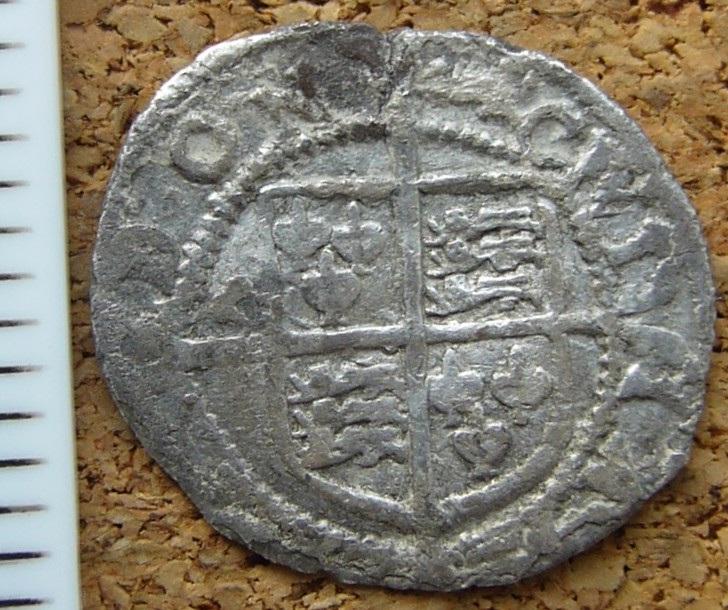
Awwwwwww... its been forever delayed as my copy of 2009 spink is lacking in illustrations of Elizabeth 1 smaller coinage. and after my last attempt and getting it correct I failed miserably ........ so...without rose & date...could this be a penny? 3rd/4th issues 1561-77 ?? I'm gonna need a newer Spink book! 🤔 As always many thanks, Rgds "H"
-
circa 1300, Medieval Spanish Hammered Silver Coin👍
-
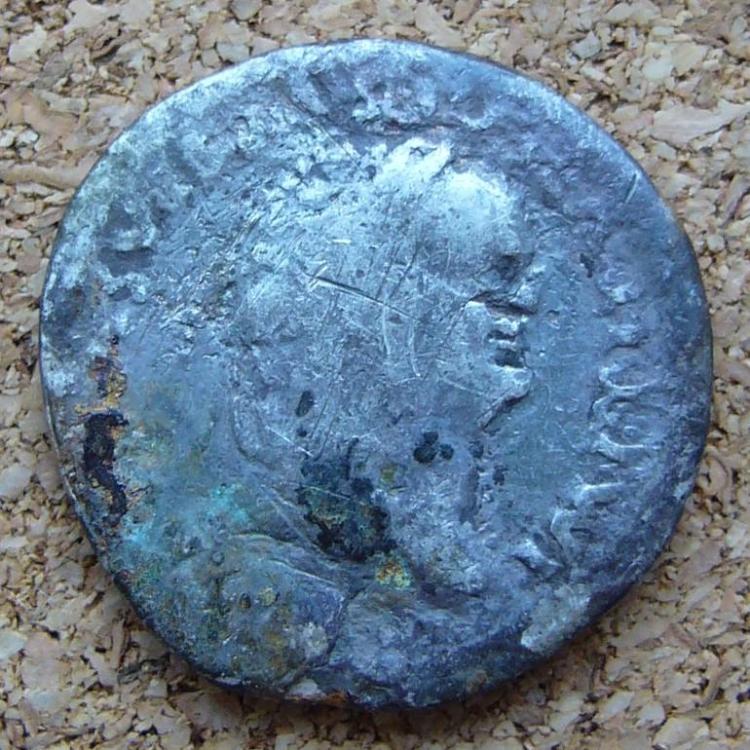
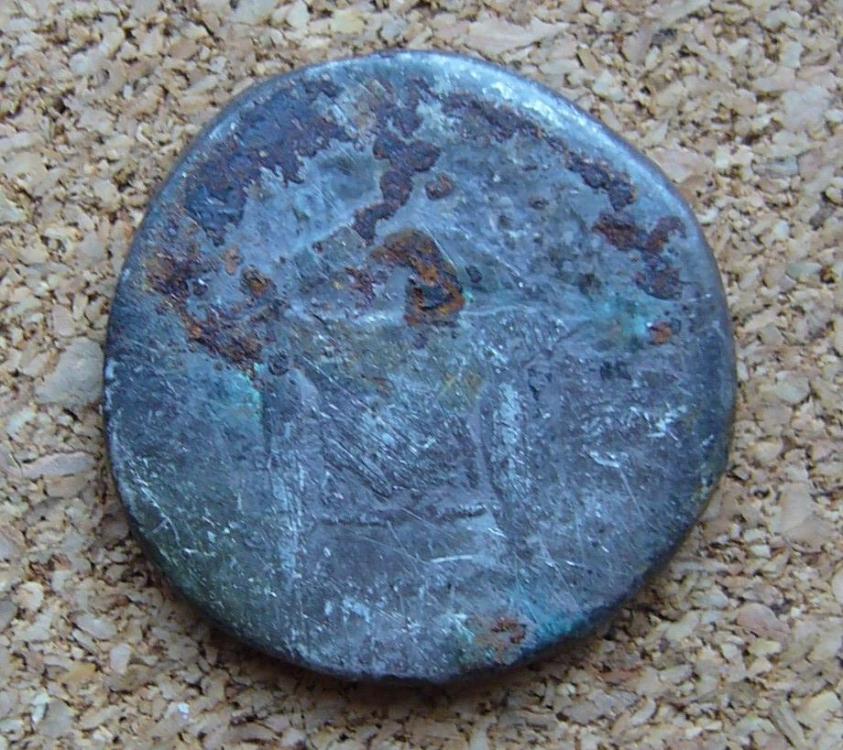
Hello Paddy... unless already spotted historically I bought blindly any coins (way back pre computers day) that looked old enough to be a important find, I think the seller claimed it was Roman and I cant remember how much it was but knowing me it was under a £1, 30 odd years ago...... Paddy, many thanks for all of your time taken in dealing with my challenges. all the very best "H"
-
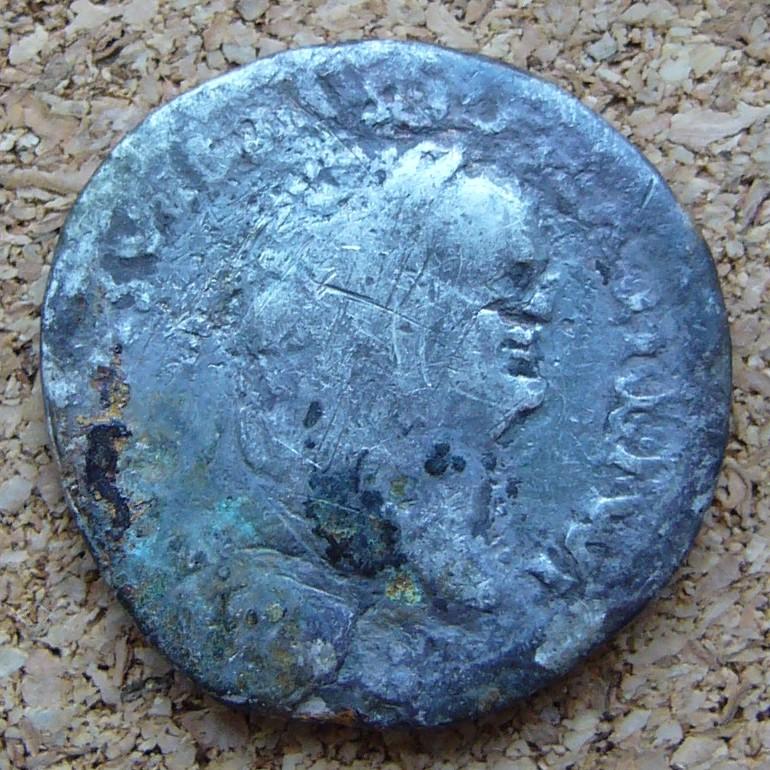
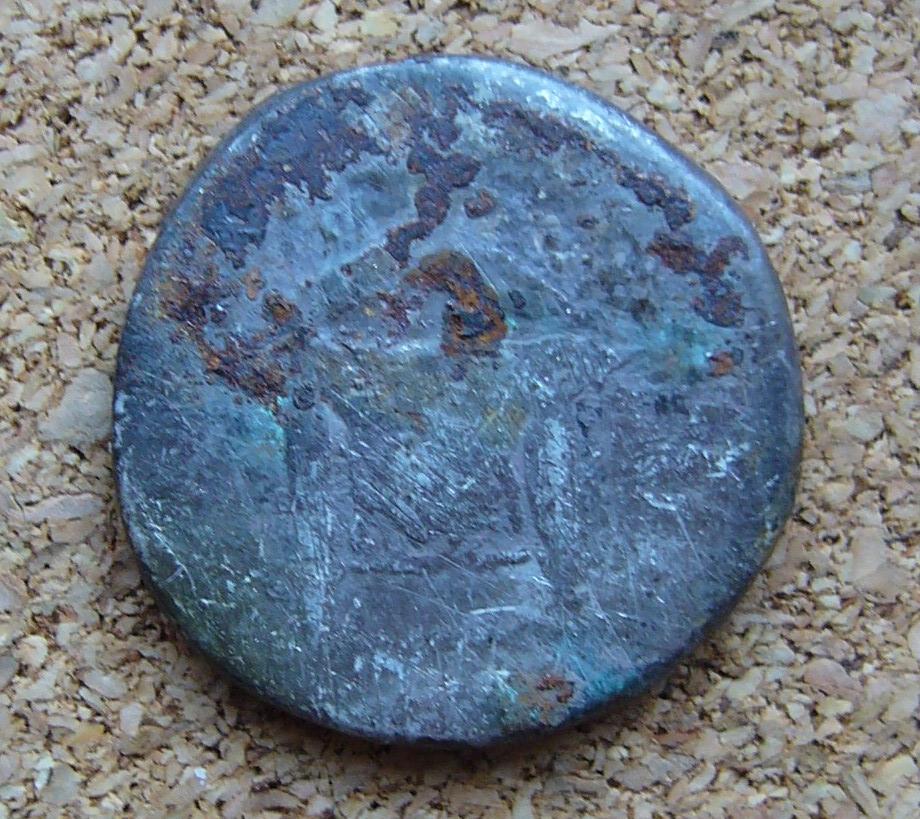
again taking a guess at this, could it be Roman, Denarius coin, ..................? wondering is this is coin for the uk use? Vespasian? possible date? likely to be silver? many thanks "H"
-
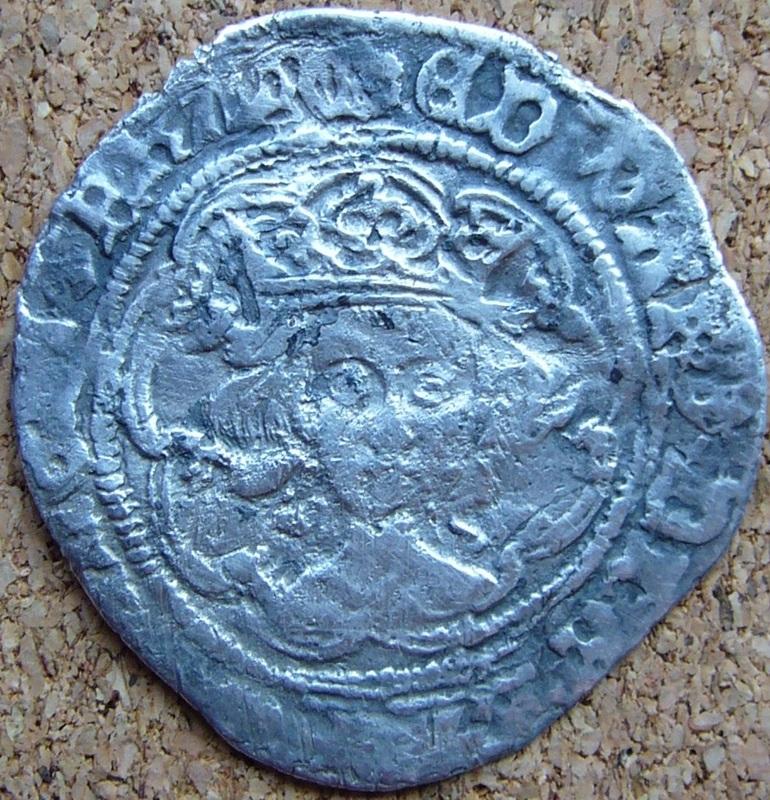
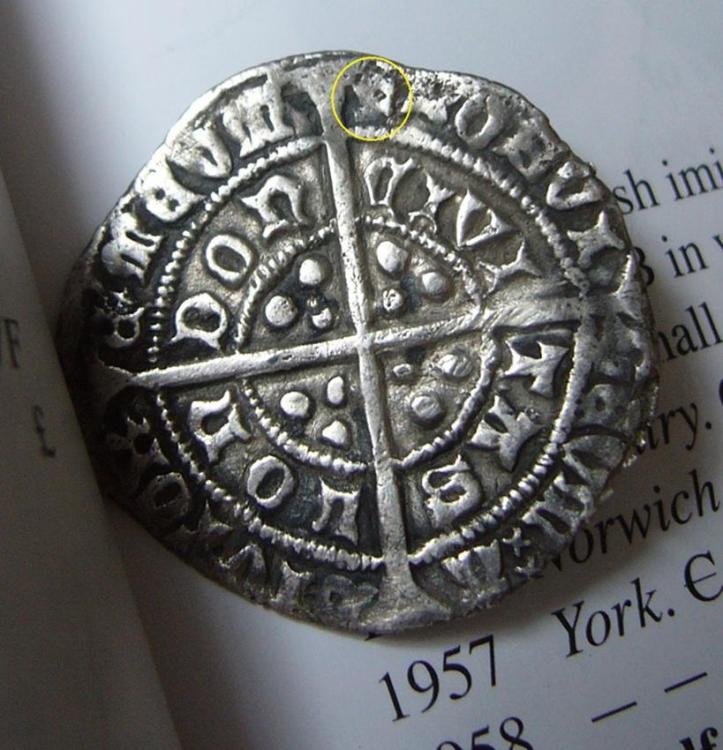
still looking into this being confirmed.... could it be the mm. is a crown to date it...... 1468- 69 ? and there was also a second reign...... any ideas? many thanks as always "H"👍
-
Thank you its been a great help, I seriously didn't think It would be possible to have any further information with just half a Penny, I will page these with all the information supplied, many Many thanks for all the time you have spent working with my challenges, its really appreciated. Kind rgds "H"
-
Hi Chris. its as it was found, I will try another photo and see if this is clearer, 👍
-
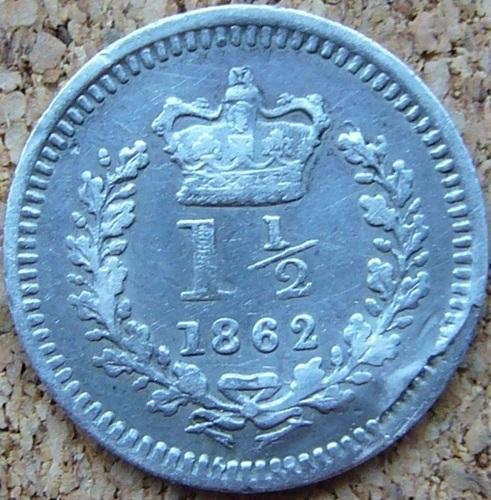
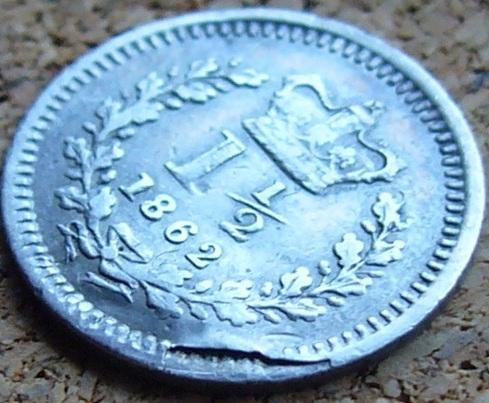
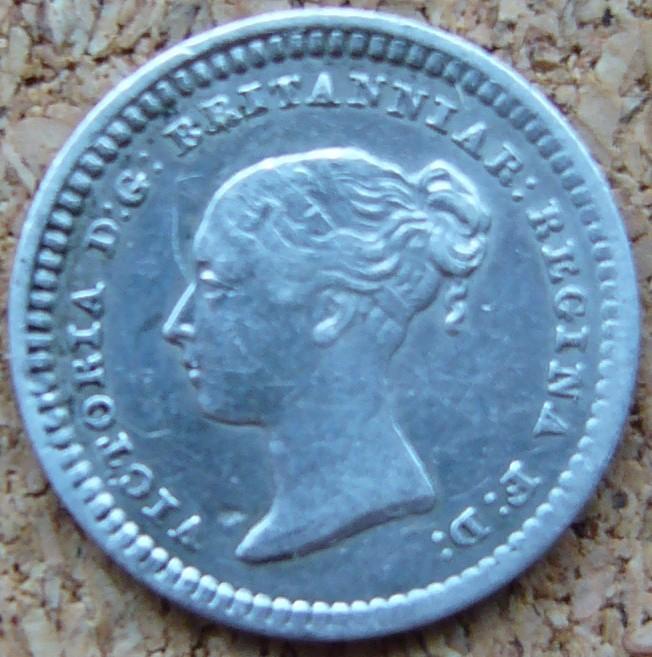
1½ Pence - Victoria 1st portrait; Colonial issue found amongst the hoard,...... could this be a die fault or a lamination issue?
-
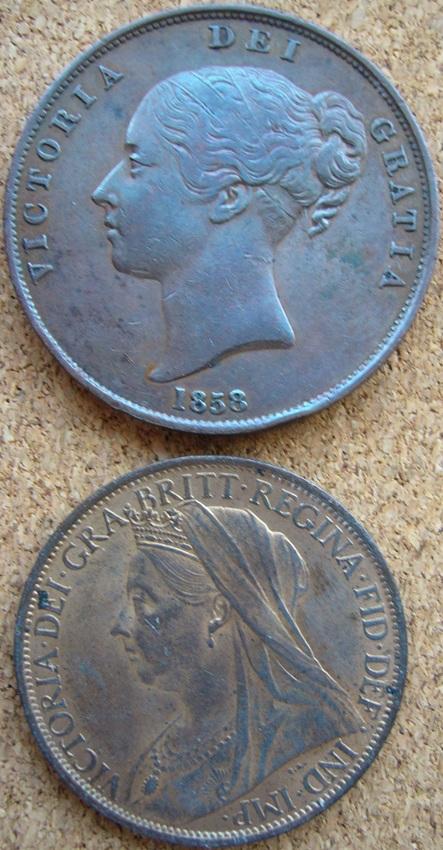
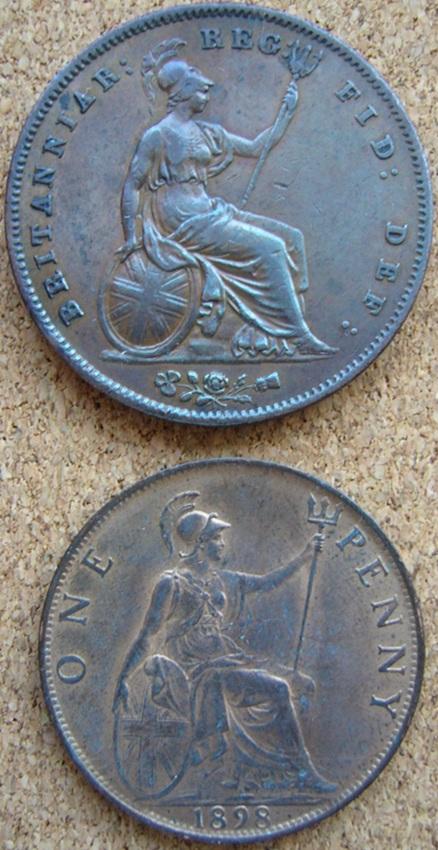
2 invaders found amongst the hoard of "H", although I did find the 1858 interesting to look at.....
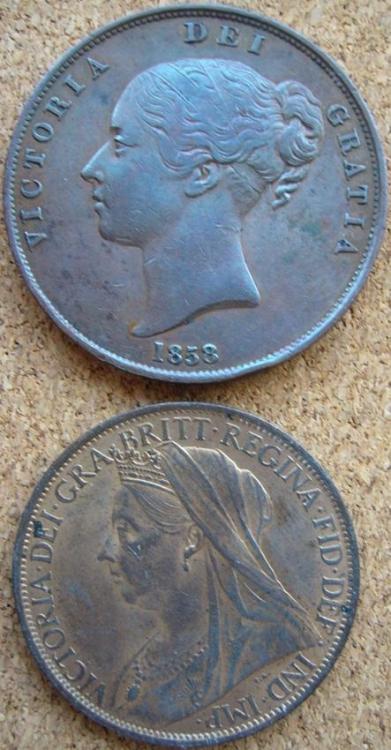
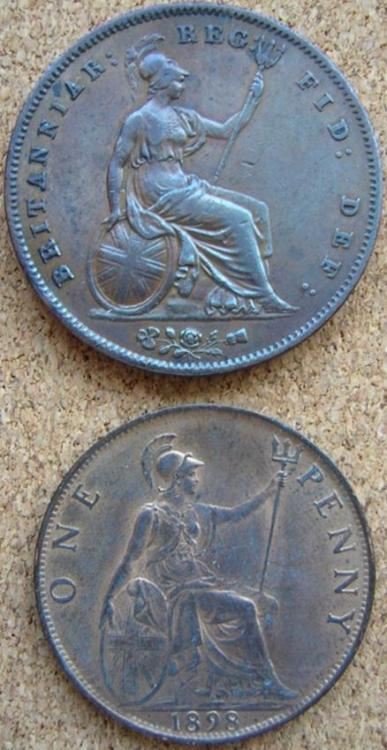
-
3 x short cross. 1 x long cross for me I would struggle if it was a whole penny.. what chance as halved penny. am I right to think I can make out Henry on the first 2 ? As always many...Many thanks for casting your eyes over them for me.


-
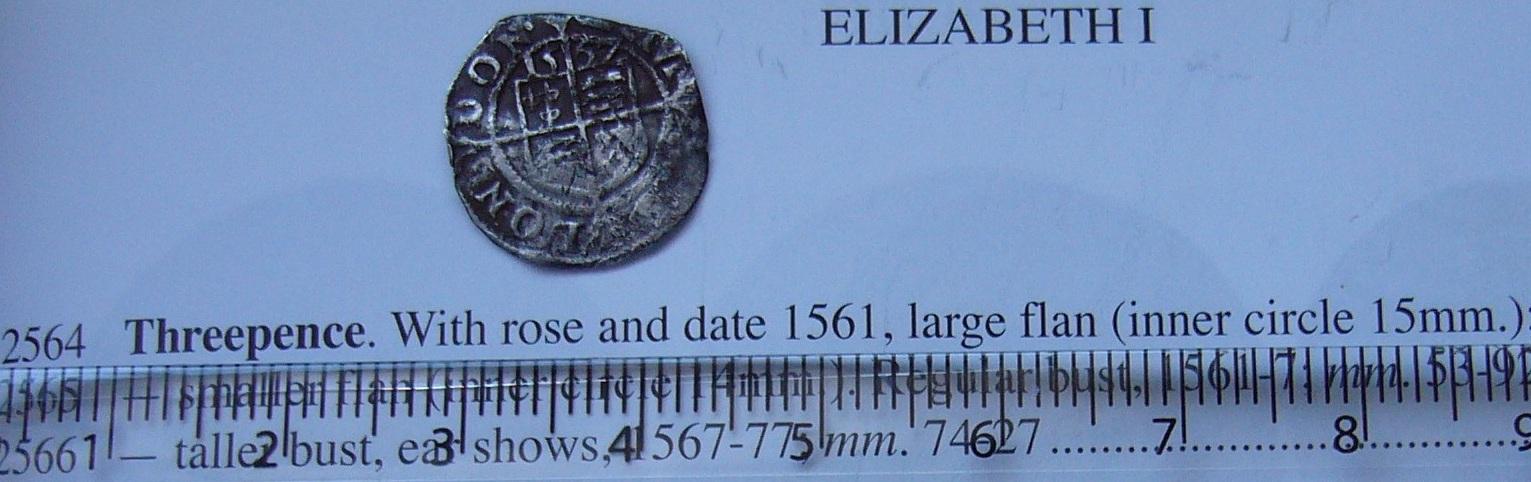
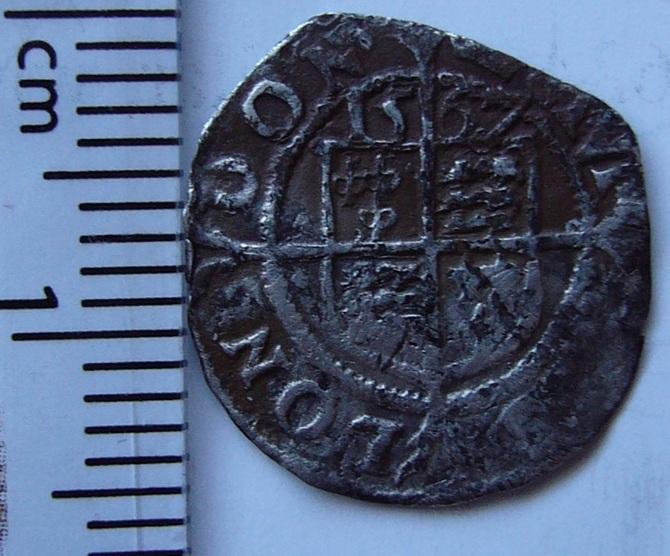
Hello, errmmm it looks like 15mm ...Threepence?!? the spink is a bit sparse of images of the Elizabeth I coins.....that i have in the 2009 edition, I understand that this is quite a challenge and I really appreciate all the input and all of the time looking into these matters I raise, once again many thanks, 👍
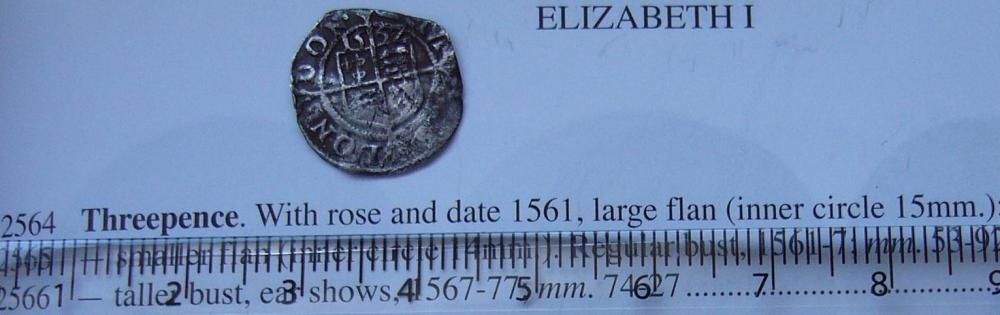
-
Should I dip this coin?
Citizen H replied to ozjohn's topic in British Coin Related Discussions & Enquiries
Its clean enough, with mine it would be a soak in warm soapy water, a gentle brush with a ultra soft tooth brush, rinse of any hand grime then rinse again in cold water, pat dry and see how things look, 👍 -
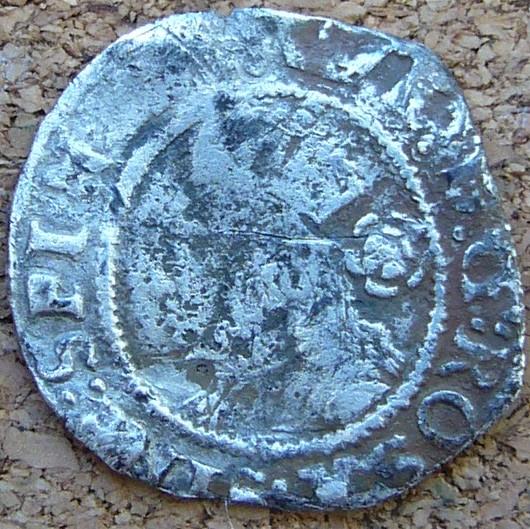
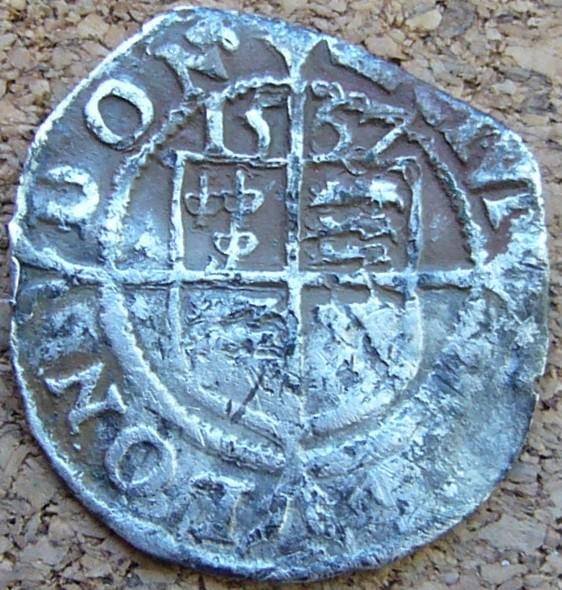
Safe to say Elizabeth 1, 1567......mm. Coronet 👍 Penny.....? I did try to weigh it but the kitchen scales aren't sensitive enough to register anything this light.
-
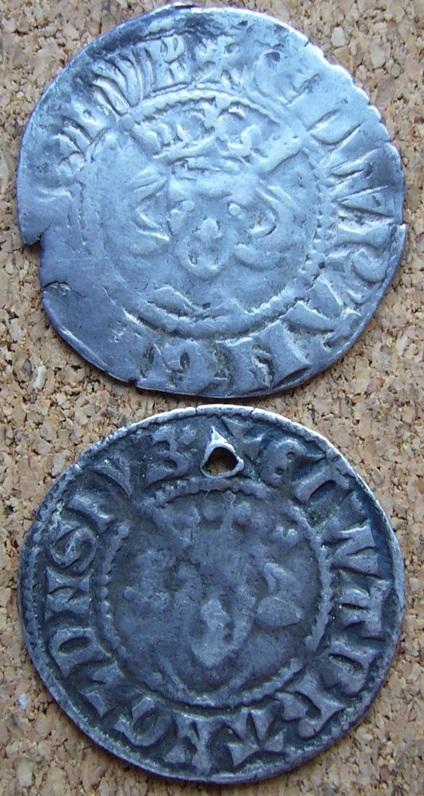
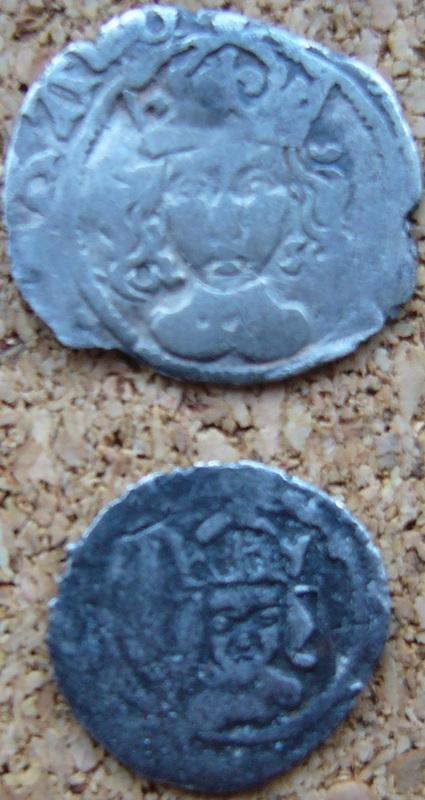
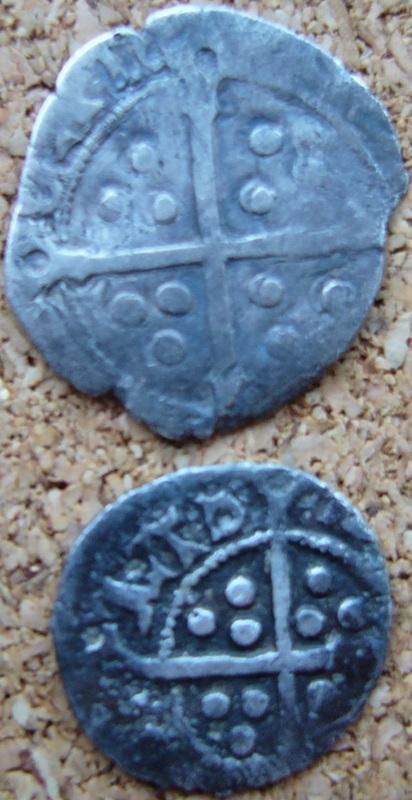
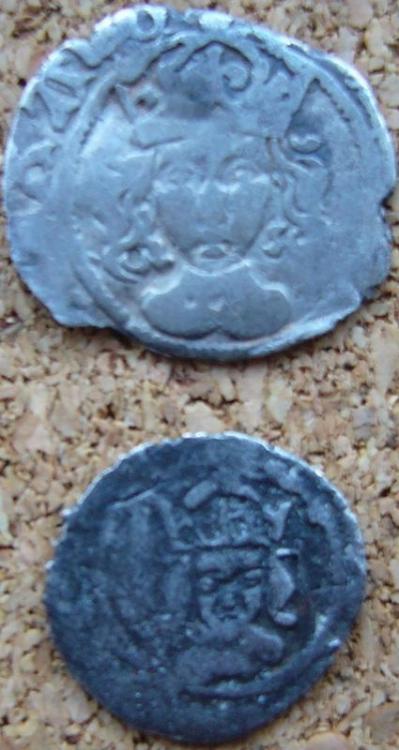
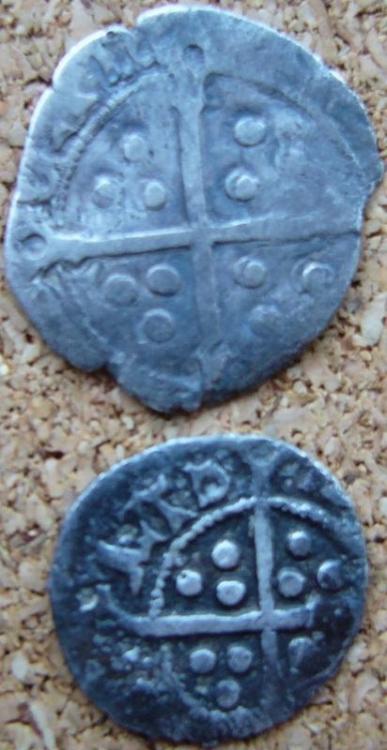
....Ah!?!?! so after another long time spent with Spink these could possible be Henry VII .......? (if so my first) the Crowns on both coins have what looks like a Single Arches Again It could be wrong on both counts but after trawling through the Edwards nothing seemed that it was a likely option. I think the 1st coin has been clipped the second may be a Half Penny........... any guidance would be great appreciated 👍
-
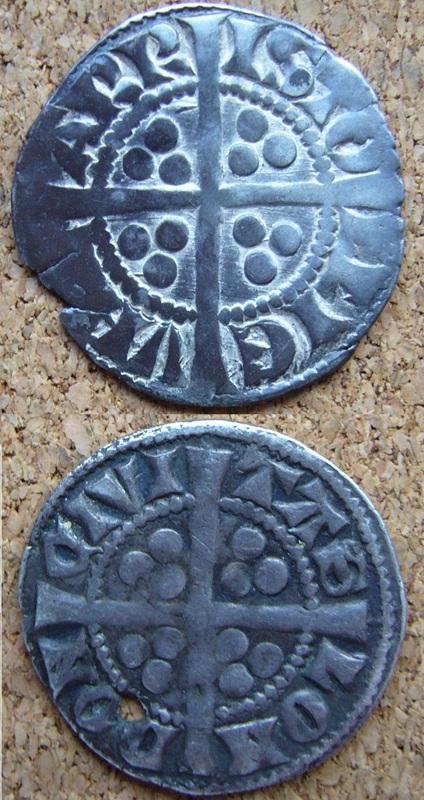
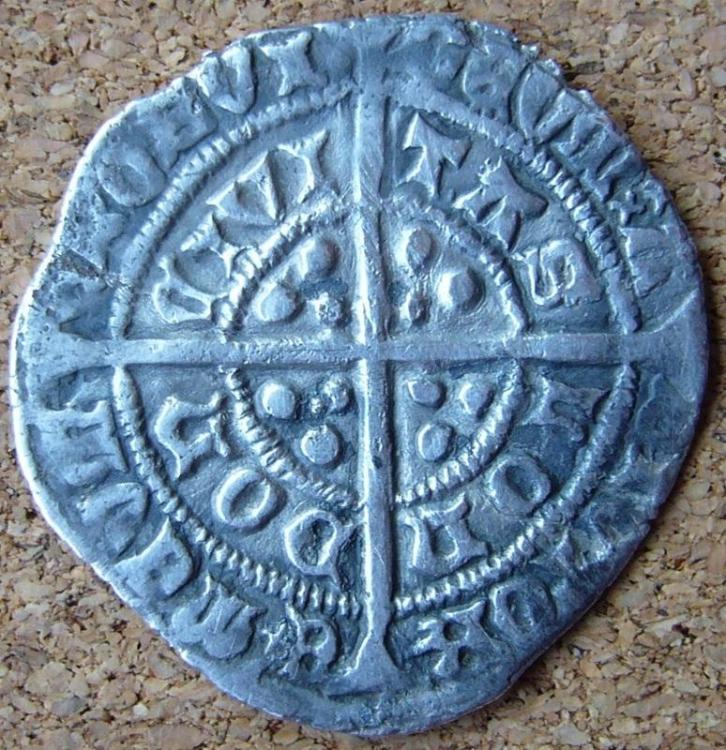
the reverse
-
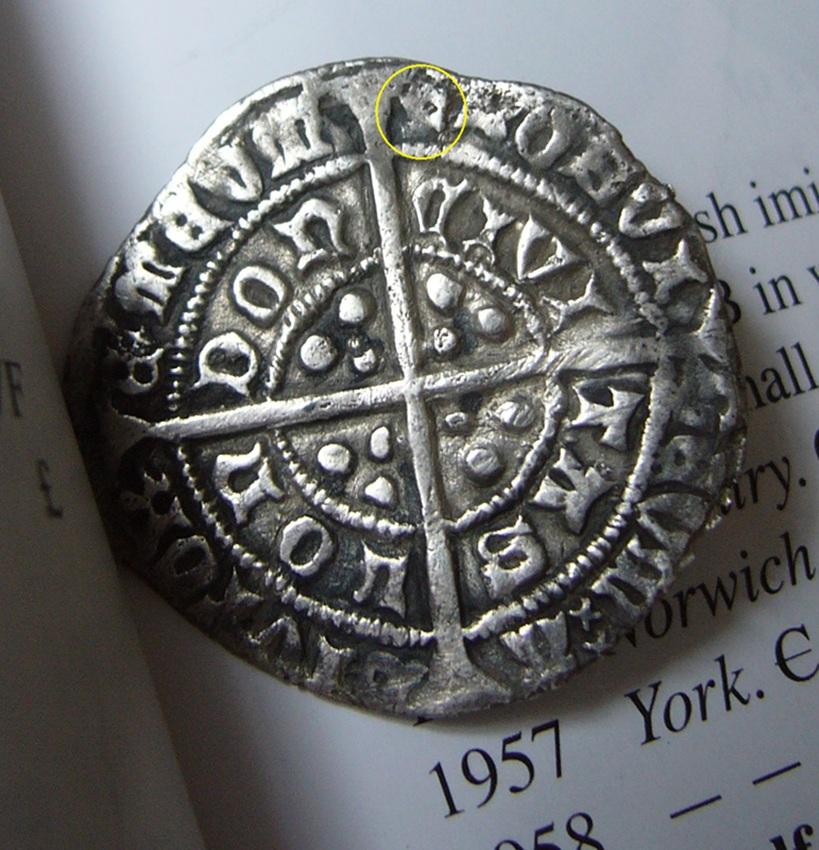
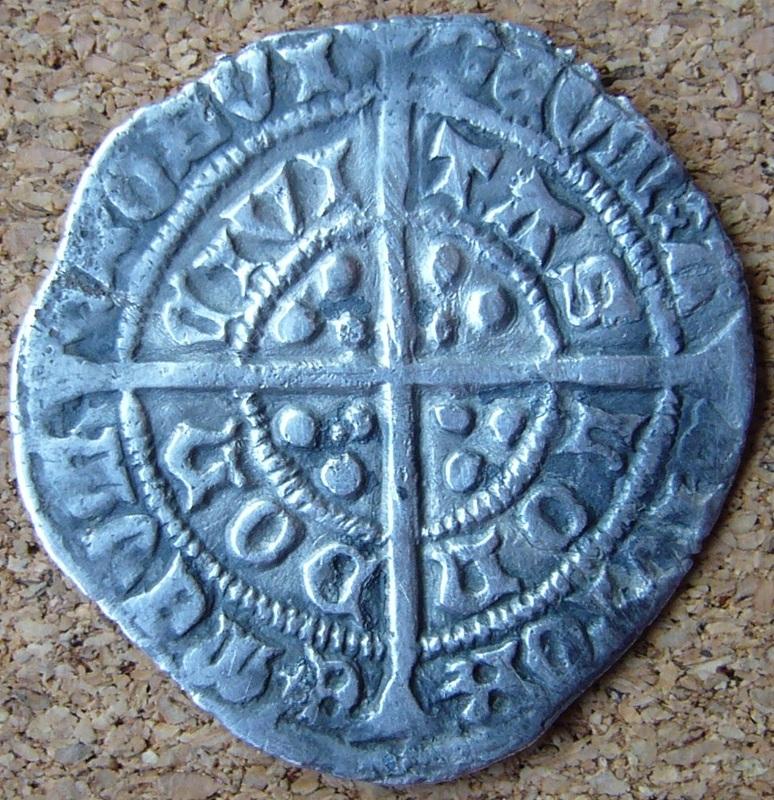
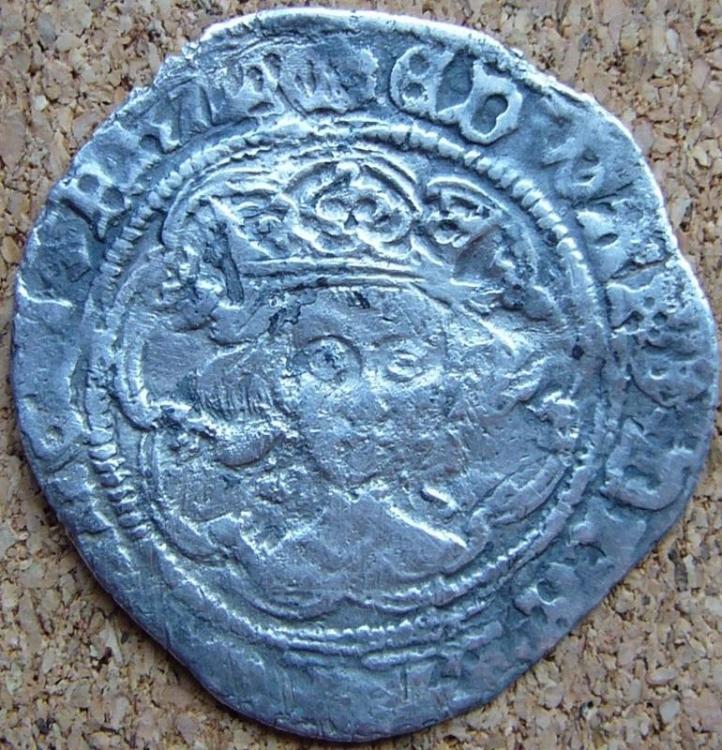
Its been a day and a half.......this was a "Wow!" moment Have (amongst the hoard) have I found a full Groat? ok looking through Spink and....could it be .......Edward IV 1468-69 Groat? It would be the first! 👍
-
wow many thanks, this has been a great help...although it starts a new page of Foreign hammered coins that I have mixed in with the British Hammered coins. once again this has been a great educational help...all the very best "H"
-
Hello, James welcome to the forum, I'm in the same boat and I have the challenge of Identifying all of my hammered coins, although its not that straight forward with Edwards and being rubbed out some remain un identified due to lack of detail....As for value and once identified compare prices on E-bay it will give you a general idea of what their price is, hope this helps "H"
-
Elizabeth I 3 Farthings...or Threehalfpence ???
Citizen H replied to Citizen H's topic in British Hammered
I also wondered if on the reverse it the mm the remains of Lis...1558-60 ?