Leaderboard


Popular Content
Showing content with the highest reputation on 10/05/2026 in all areas
-
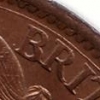
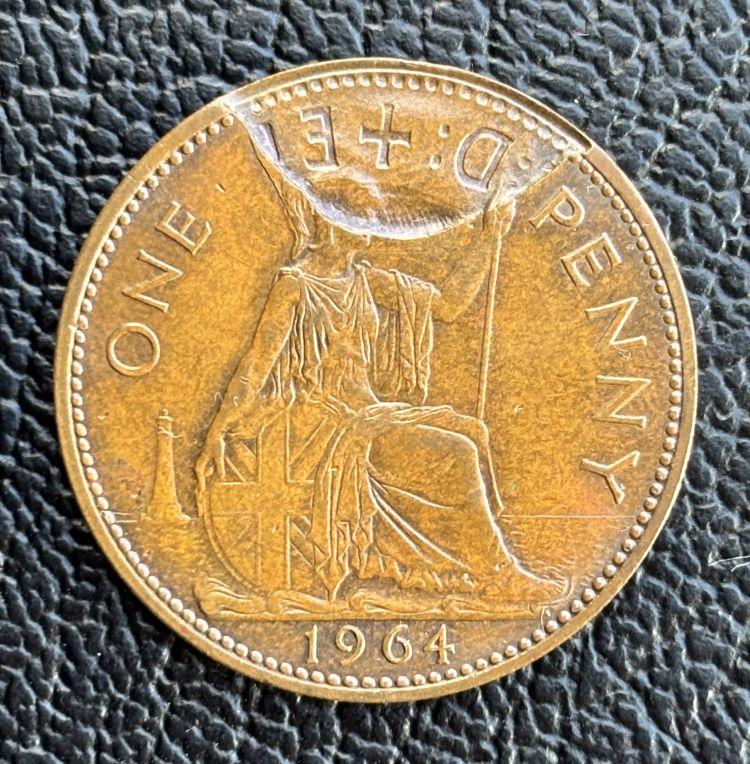
Definitely just post mint damage as Chris says. I think someone back in the late 1800s actually suspected it might have been a forgery (it's not, but many were at the time) and has cut or chopped the flan to test. The metal displacement can be seen along the entire length of the cut on the top side of it (so chopped at an angle upwards from SW to NE) and subsequent circulation wear has smoothed it out a bit including blending it into the beads, and separating off the bottom serif of the I to make a big blob. Not a mint fault, I'm afraid. You're actually not far wrong when you say hit with an axe! More likely a chisel.2 points
-
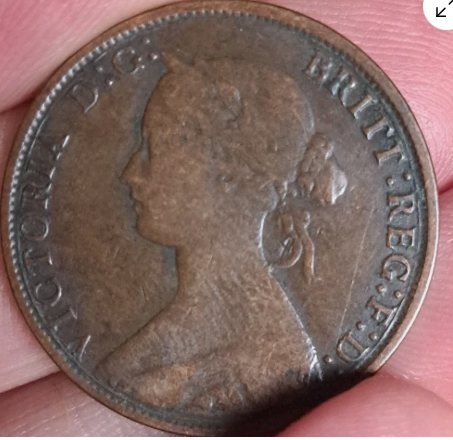
This 1865 is on ebay listed as square colons.
 1 point
 -
Hello and Many thanks... it is a shame that its rubbed, it was the triangle lead me to Ireland the solid long cross took me to thinking Edward I, I can make out CIVI but I'm still way off with the shape of the fonts but its a learning curve 👍1 point
-
No i just started looking at coins online and the 3rd coin I looked at is this example. https://dorsetcoincompany.co.uk/product/1865-bronze-halfpenny-victoria-young-head/1 point
-
I'm no expert on halfpennies - I created the site in lockdown for something to do and would never suggest that it's an exhaustive source of info on halfpennies. I will add something about these colons once the position is clear.1 point
-
You’ve finally got some scales 😃 Taking your weight, and using the criterion from the North article below, I’d say yours is an early issue (1280-1284?) Dublin farthing - Open Es & Cs and the clear wedge-tailed R of Rex. Whilst the reverse legend is weak, it does appear to me that there are both a D and an I starting in each quarter, making it Dublin (CIVI TAS DVBL INIE). I believe the only other mint for these farthings is Waterford (CIVI TAS VATE RFOR), so you can probably rule that out in this case…I’ll let you to decide what letters you see, it’ll be so much easier for you to confirm in-hand. https://www.britnumsoc.org/publications/Digital BNJ/pdfs/1997_BNJ_67_4.pdf1 point
-
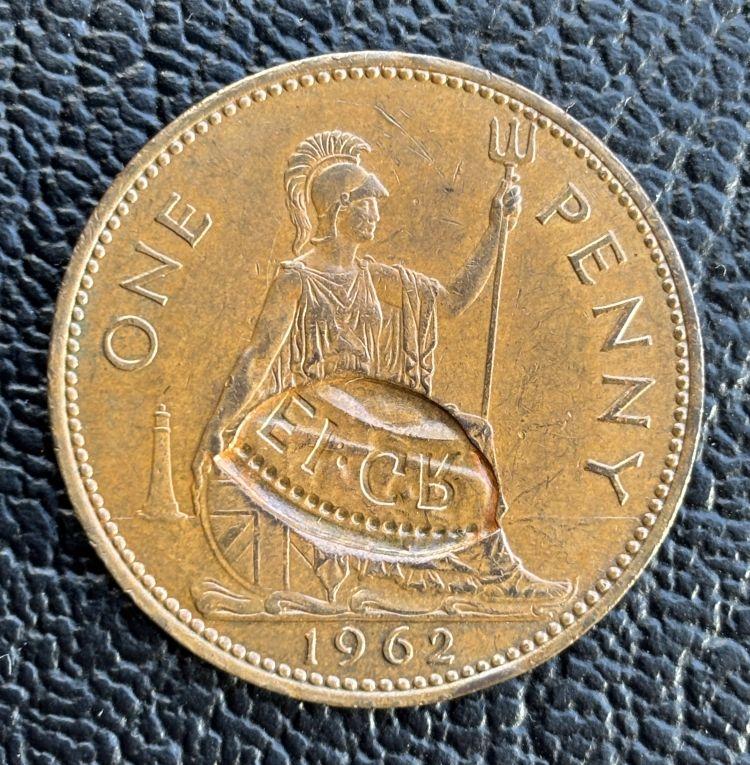
I understand how a full brockage happens, but not how a mis-shaped partial occurs. Can someone enlighten me please?
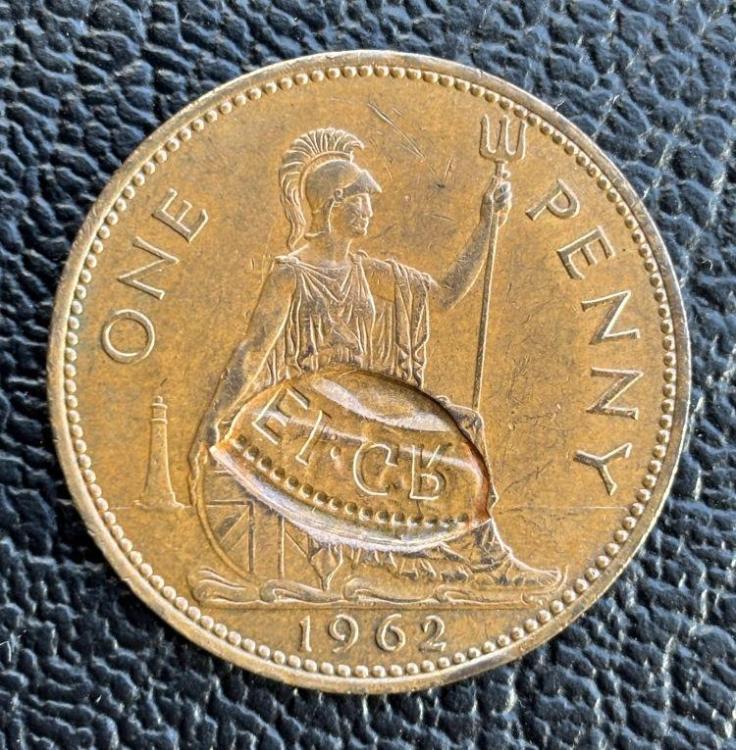
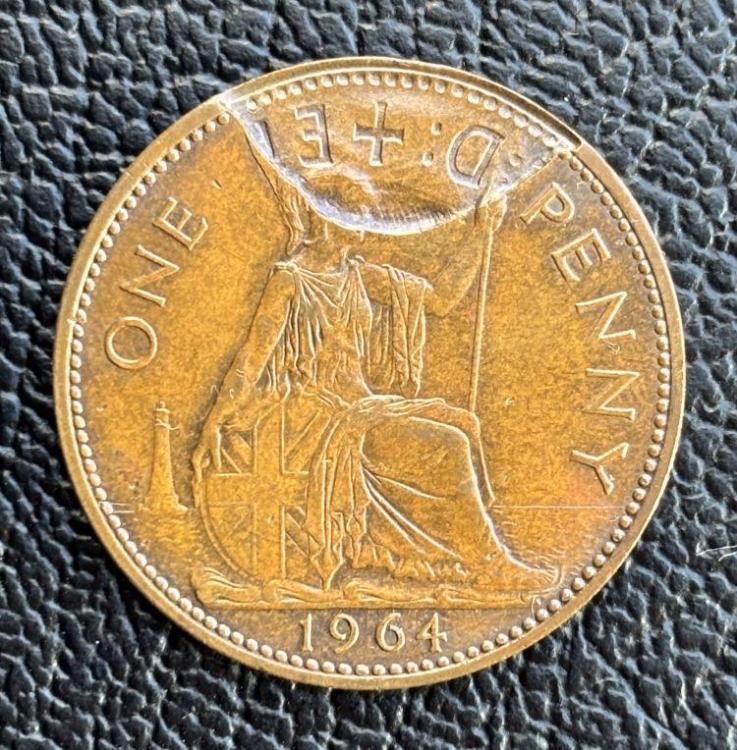 1 point
 -
Looks like a (post mint) scratch to me. The blob above the C is displaced metal moved aside from the rim, caused by the scratch.1 point
-
I can only suggest that when a brockage happens, the press is full of unwanted metal which in these cases shattered one of the flans with the remnant causing what is seen. The offending item did not bind to the full flan and fell off. It doesn't look concocted in either case, as the incuse legends are approximately correct for orientation, albeit displaced significantly in the first one.1 point