All Activity
- Past hour
-
That’s nice, if others have been recognised that likely increases the desirability. I still doubt that it is a deliberate design modification though, given that the planning for the bronze currency was already well advanced. Jerry
-
Hi Jerry, this variant is documented and I have seen at least one more for sale on eBay currently, but that is all I can find.
- Today
-
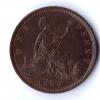
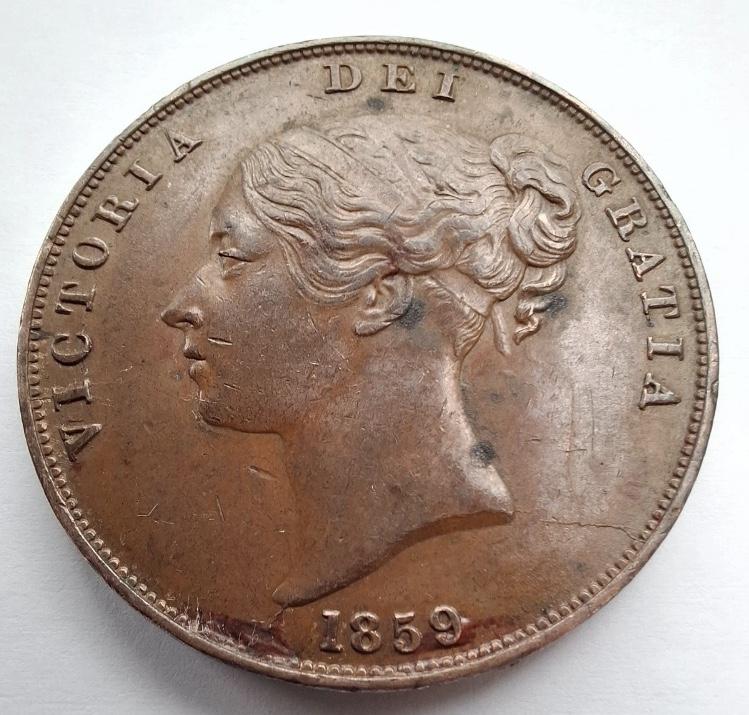
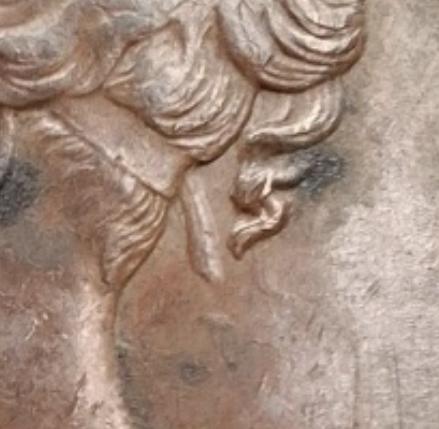
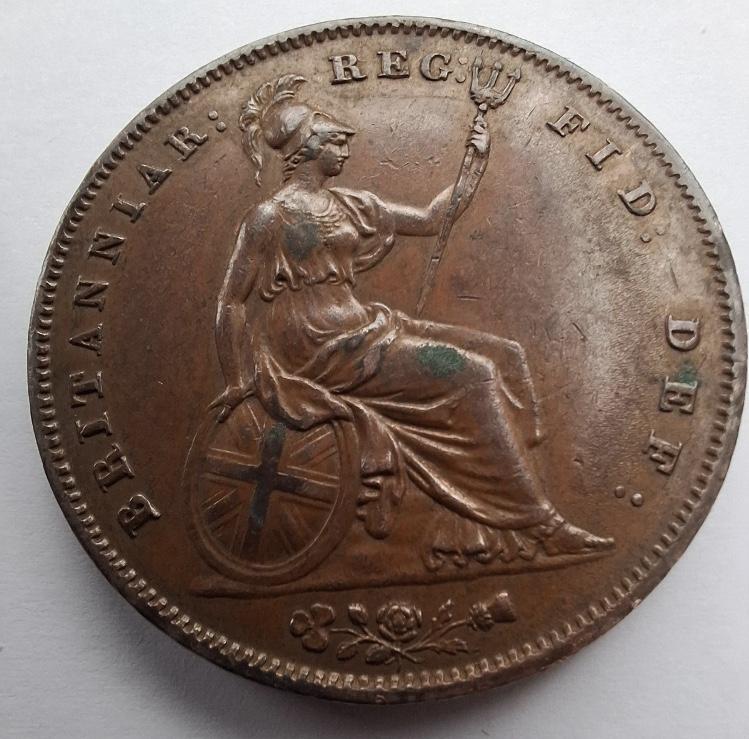
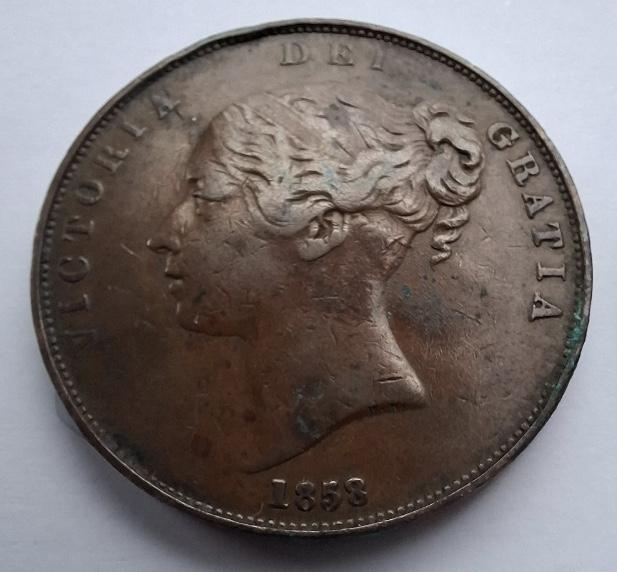
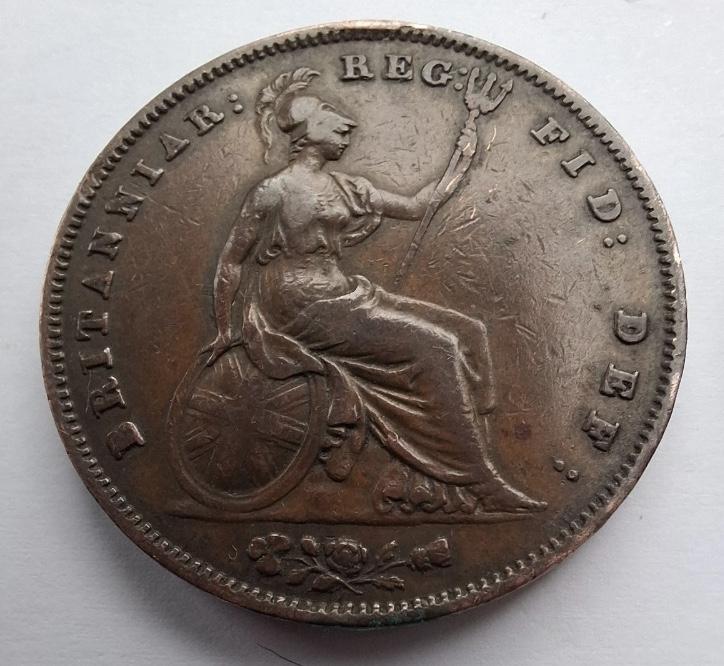
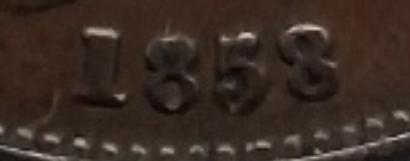
The 1859 is interesting, not a deliberate ‘ribbon’ I suspect, perhaps a die flaw or foreign body impact or result of die clash but if more than a ‘one off’ could become collectable though probably not at a massive premium. The 1858 small date is scarce rather than rare, unless combined with large rose reverse which yours is not. Maybe a small premium over large date but value is low I think due to poor condition. Jerry
-
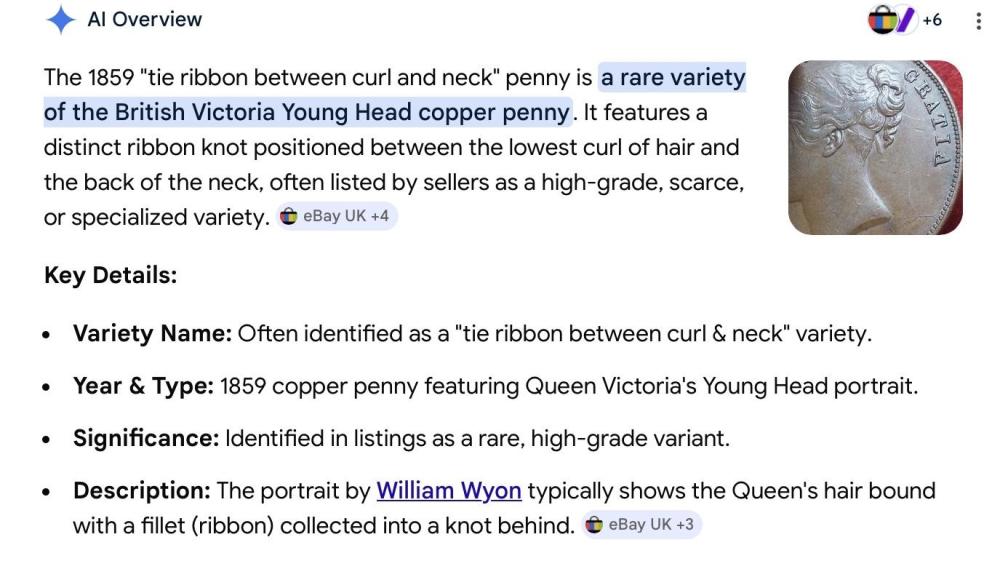
Hi, Newby to the site, first post. I have an 1859 penny, with a variant that I cannot find much information on. “ Tie ribbon between curl and neck” Also there is no W.W., not sure if this as standard. I would be grateful is someone could give me an idea of rarity, grade and value? I also have recently got an 1858 small date, again would like an idea of grade, rarity and value.
-
 Ianb26 joined the community
 -
cheers Stuart 👍
-
many thanks for looking into this, the previous owner was a long time ago before I would have got it circa 1990's so Its great to finally have these looked and corrected, as all that I now have identified live in a page with others and I retain all of the information with the coins...albeit parts of coins .... very well done and much appreciated 🙏
-
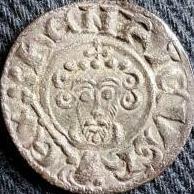
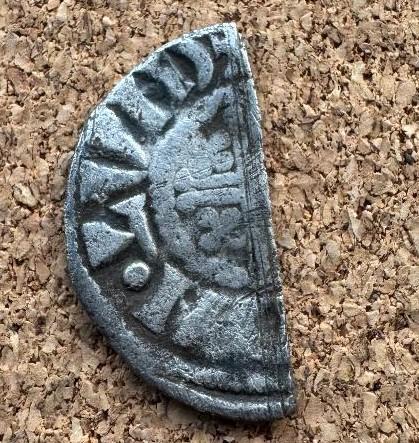
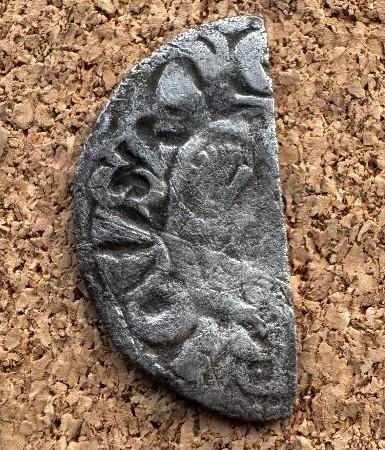
It's definitely a London coin, but not class 1 or Henry II because the N and D are ligated (joined together). If memory serves me right that feature first occurred on class IVa, which was issued under Richard I, but the lettering style isn't right for that. My guess would be class V or VI (so John or Henry III) and judging by the position of the O of ON probably a moneyer with five letters in his name. A bit more research could probably tie the class and maybe even the moneyer down a bit. Edit: you beat me to it Ukstu; I was glancing through my copies of Mass and Slevin for inspiration, but we seem to broadly agree on class 5 or 6.
-
Bit later in my opinion H. Its giving Class 5c - 6a vibes based on the lettering style and what i can see of the beard strokes. The S as well with the little tails & lack of pellet in the middle of it.
-
 simonw joined the community
 - Yesterday
-
This seller needs to decide if this is 'no H' or die 11. Or just a plain old 1882 with an unbarred H. Lol. https://www.ebay.co.uk/itm/168180267318?mkevt=1&mkpid=0&emsid=e11021.m164380.l178264&mkcid=7&ch=osgood&euid=889a2ac81f444ef88a0f7c3bcfce70c8&bu=43203014853&ut=RU&exe=0&ext=0&osub=-1~1&crd=20260223054114&segname=11021&recoId=168180267318&recoPos=1
-
This one comes with a slip of paper... Henry II, Short Cross, Class I ON. LVND. London Mint ? Coys55 helped out with the last ones and I remember that the name HENRICVS cover the reigns of Henry II, Richard, John and Henry III Any confirmation if this is correct would be a great welcome, Many Thanks "H"
- Last week
-
 EricNL joined the community
 -
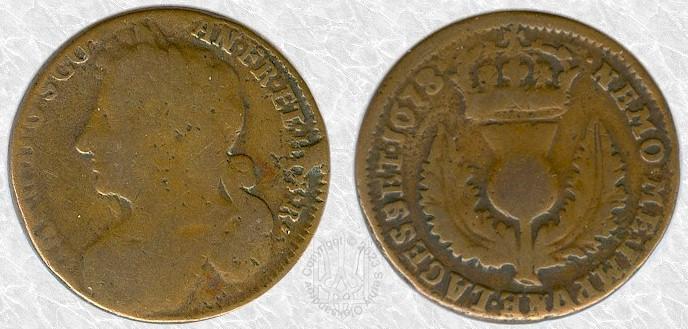
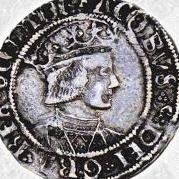 Bawbees are notorious for having circulated deep into the 18th century by which time they were barely identifiable - so this rather decent 1679 example is an exception to the beater bawbee rule.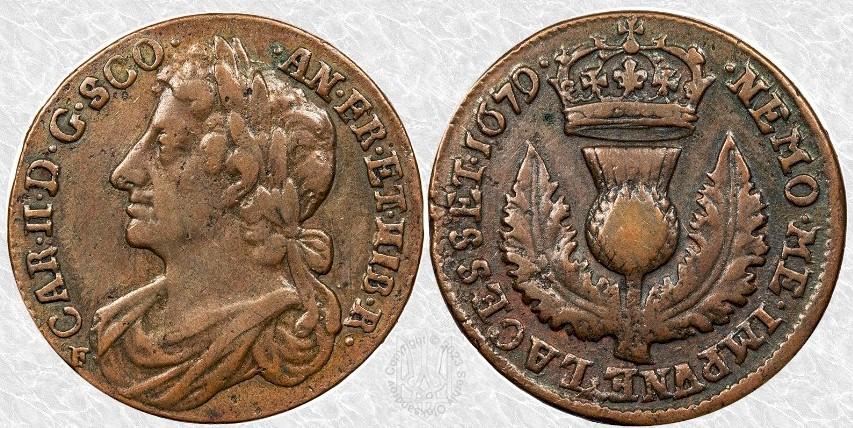
-
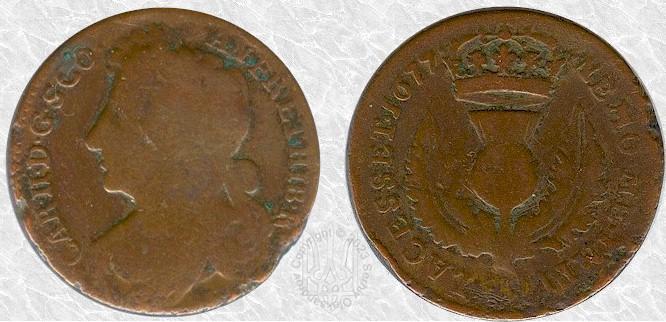
Another well loved bawbee but from King Charles II and dated 1678. And another beater bawbee, this from 1677.
-
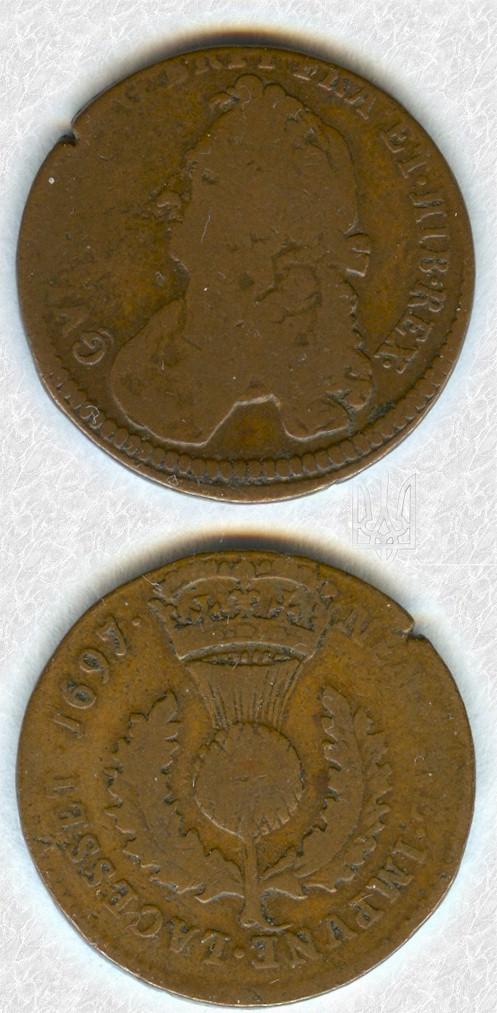
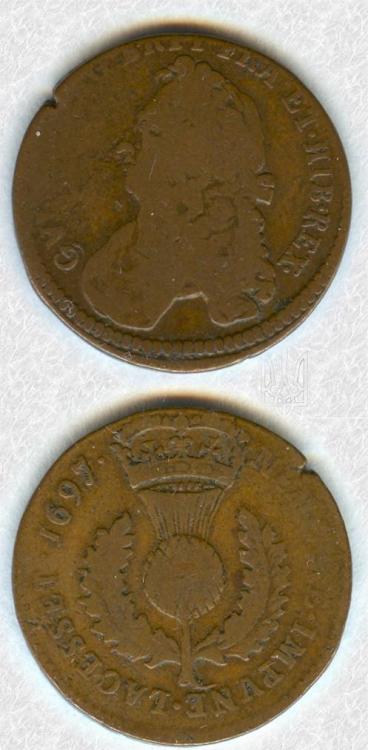
Obviously this bawbee from King William III from 1697 circulated as a halfpenny deep into the 18th century given it's wear pattern
-
 Hi, I sold my hardcopy and would appreciate a digital copy for reference. Message me for my email. Thanks, Gary
 -

How to tell if coins have been cleaned.
Peckris 2 replied to Coins Of the UK and US's topic in Beginners area
If you're in Preview on a Mac, go into the Tools menu, then Adjust size... -

Historical books & movies recommendations
Paddy replied to joe_77's topic in Nothing whatsoever to do with coins area!
OK - in the Phaidon series by Elizabeth Hallam as editor I find I also have "Chronicles of the Wars of the Roses" which covers Richard II in 1377 to Richard III in 1485. By Publisher Heinemann and collated by Anne Savage there is a great translation of "the Anglo Saxon Chronicles", which covers from the end of the Roman occupation to Henry II. I find this particularly useful as many TV documentaries quote the Anglo Saxon Chronicles in snippets, so it is good to be able to see them in full translation. (The chronicles were written by a series of monks over hundreds of years in old English, and were usually recorded withing only a few years of the actual events, so reasonably contemporaneous.) -
How to tell if coins have been cleaned.
Dave Everitt replied to Coins Of the UK and US's topic in Beginners area
Windows is covered above, but on Mac OS X the free bundled Preview will resize an image and let you know the file size in Kb. -
Thanks everyone, I this is all now clear so I’m starting separate Vic Copper spreadsheets! Great forum. I’ll be back with more questions…
-
Oh LOL! Real forgery or Photoshop?
-
No its a penny with an Altered date.
-
thanks - although I meant the one in the photo PWA 1967 posted above…
-
Yes please - PM me.
-
Looking at the size of the legend characters I would say it's a farthing (though not so easy to tell from an angled picture) . A halfpenny is just a bit smaller than the later florin, the farthing is roughly the size of a 6d.
-
Definitely a halfpenny. The easy way to tell is to look at the size of the legend characters in relation to Victoria's bust - on the halfpenny they're proportionately much bigger than on the penny.
-
I see everyone laughing! But to be totally clear, please bear with me and help correct my Cu-era Vic coinage ignorance LOL - I presume that’s a ’38 halfpenny?