All Activity
- Past hour
-
 The verdigris may not show very well in the photo. Below is another "before" photo under different light. Work is in progress on coins with more obvious/stubborn verdigris. I will report back!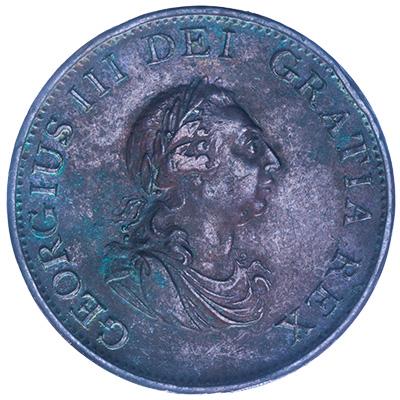
-
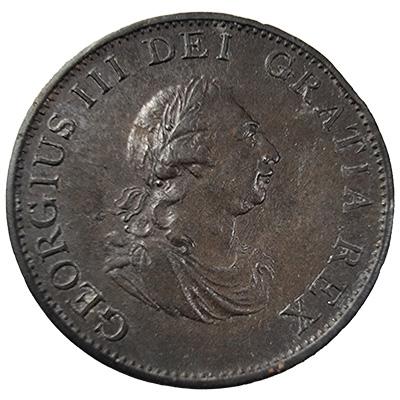
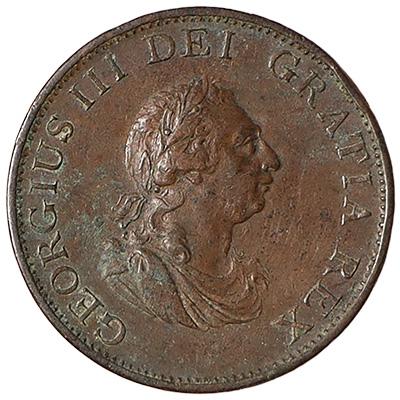
 Strange. To my eyes the treated coin is DARKER.
 -
Believe me, it was the same in the 90s after Spink took over, but some collectors still referred to it as 'Seaby'!
-
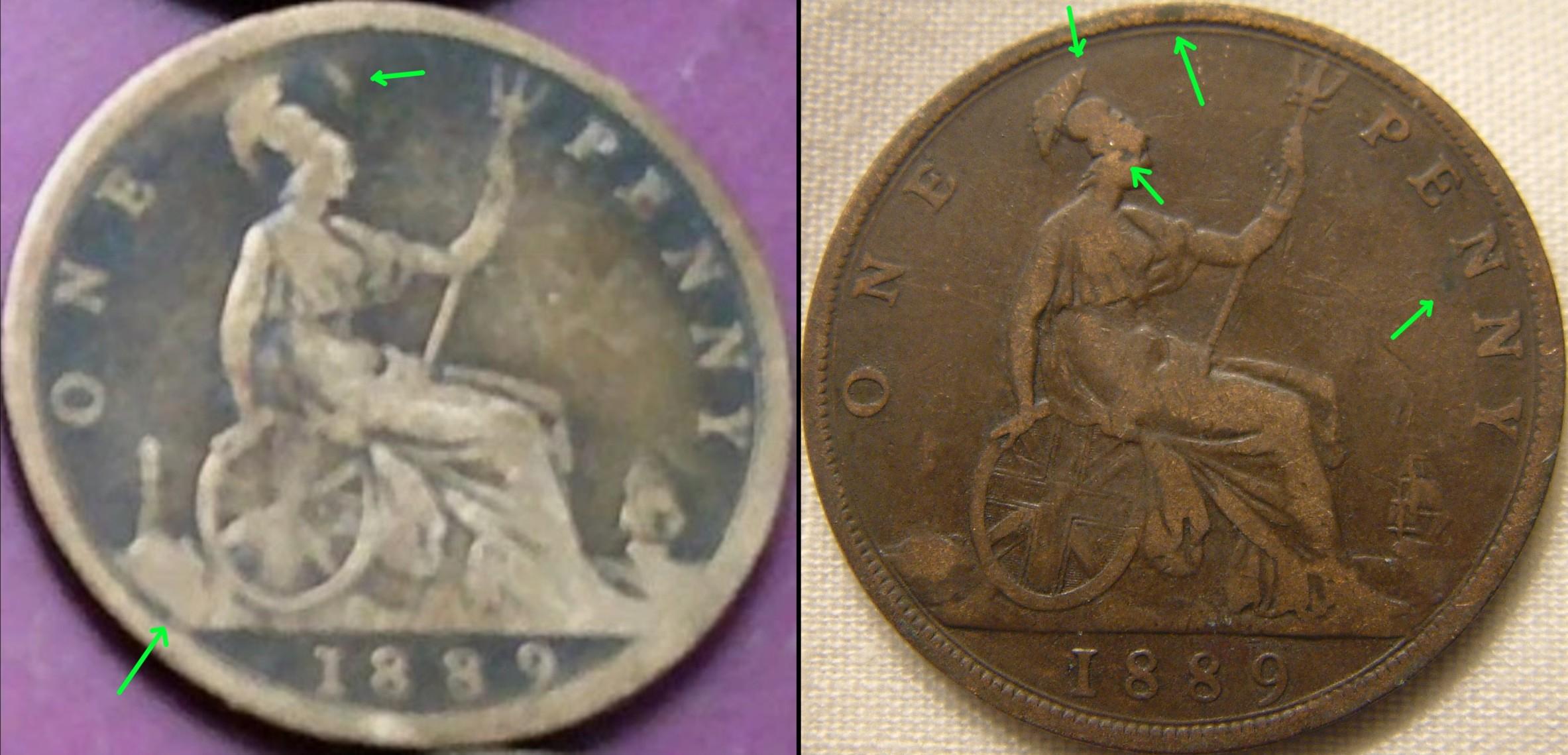
No question, these are not the same coin.
-

Experiments with verdigris treatment
Paddy replied to david.bordeaux's topic in British Coin Related Discussions & Enquiries
I can see that the treatment has lightened the tone quite a bit, but I don't see any real verdigris, before or after. Have you tried it on obvious verdigris? -
1. I bought mine on Amazon. It is also available on eBay and from pet shops (for use as a buffer in fish tanks). It is sometimes branded as "Borax substitute" or "Crex" but read the label carefully - it must be sesquicarbonate. 2. Yes, Brita filters remove chlorine. 3. Yes, but not so effective as a quick dip in acetone.
-
Thorburn Collection of 1887 coins
Peckris 2 replied to Mr T's topic in British Coin Related Discussions & Enquiries
Hi, yes - it's the JH replacement (second) type. -
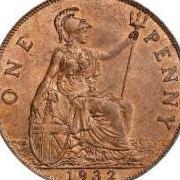
They're unquestionably different. The rare coin you bought has noticeably more wear, which you can see clearly on Britannia's robes.
-
Three questions: 1. where do you get sodium sesquicarbonate from? 2. Presumably filtered water (Brita) counts as chlorine-free? 3. dabbing with a soft towel would do instead of acetone to remove water?
- Today
-
I don’t like using proprietary products because I don’t know what’s in them, and I believe VerdiCare is difficult to obtain in the UK anyway. After some research on what the British Museum used to use to treat bronze disease and verdigris on large objects, like cannon, I tried the technique for myself on this battered 1799 half-penny. For anyone interested, the treatment was 100 minutes at 90°C in a 2% w/w solution of sodium sesquicarbonate in chlorine-free water. Followed by a rinse in chlorine-free water to remove the chemical and then a rinse in acetone to remove the water. The heat is needed as the reaction is impossibly slow at room temperature.
-
what an a**hole
- Yesterday
-
Thanks both, much appreciated
-
Definitely different coins. A complaint is certainly in order, and negative feedback. I would point out to the vendor that the coin is still legally yours, and that it has unique features that make it identifiable in the future. However sadly legal action , even should the opportunity arise, would likely be prohibitively expensive. No harm in publicising the vendor if you don’t get redress. Jerry
-
They are two different coins.
-
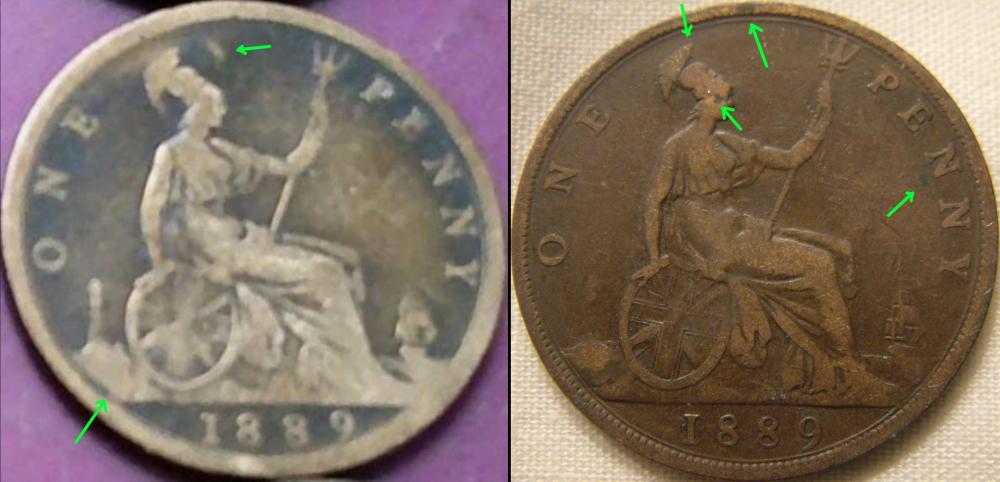
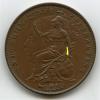
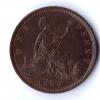
Just back from holiday. Whilst away, on 26th January, I bought a lot of 25 low grade Victorian pennies. One coin amongst them was the very rare 1889 with the 9 high right in the exergue. After 2 to 3 days I enquired of the seller when he intended to post the lot, as he was supposed to have sent tracked, but no details yet on ebay. After a couple more days, and further chasing, he advised that he had sent them, but not tracked. Anyway, a package was received by my neighbour on 3rd February, so I thought that was ok after all. I returned home today, and opened the package to find that the 1889 was not as I expected. The return window has also closed earlier today! I just wanted to check with other members that you agree with me that the received 1889 is not what I bought. The picture on the sale was not great, but I still think that the differences are clear enough. Apart form the different numeral 9 location, I believe there are several other obvious differences. For example, around Britannia's head the received coin has a more pointed top to the plume, a dent in the head and a dark mark on border. I feel fairly confident that the delay must have been because someone else has alerted the seller as to the rarity of this variety, and he has swapped it with a different 1889. However, bearing in mind the poor quality of the image, I would welcome the thoughts of other members before I complain.
-
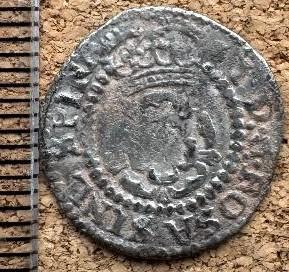
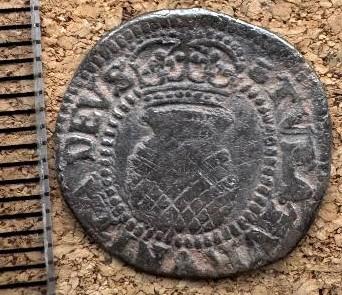
James I Half Groat ..... ive been keeping away from the hammered pennies as Its tiring and needs a break for awhile.. I have others already identified of and fairly confidant that its ... weight 1 grm James I, Half Groat , Second Coinage 1621 - 1623 m.m. Thistle any comments welcome....🫡
-
- 1
-

-
 Read this in just a few days while travelling, would recommend as a light read: https://www.penguin.co.uk/books/462484/a-history-of-britain-in-ten-enemies-by-deary-terry/9781804994979
 -
Trying to correctly ID this coin to its subclass. So far I've got Randvlf at ilchester mint class 3. I can't decide if its IM 3 or IM 4. The Initial mark is cut through. The limbs look less pointy than IM 3 and more rounded i think but not 100 % sure. I know there is two types of IM 4 one is Horizontal the other Vertical according to Rod Blunts website. I think i can rule 3bc out as ENR is not ligated. Any ideas ? Thanks. Stu
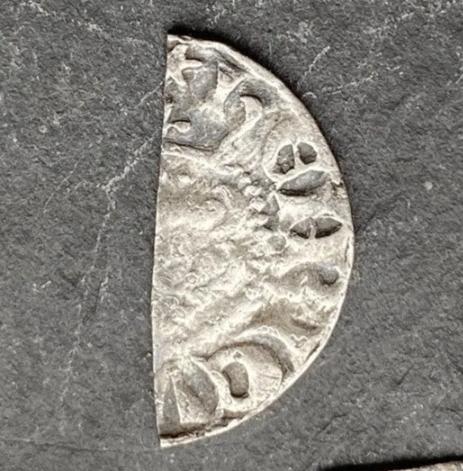
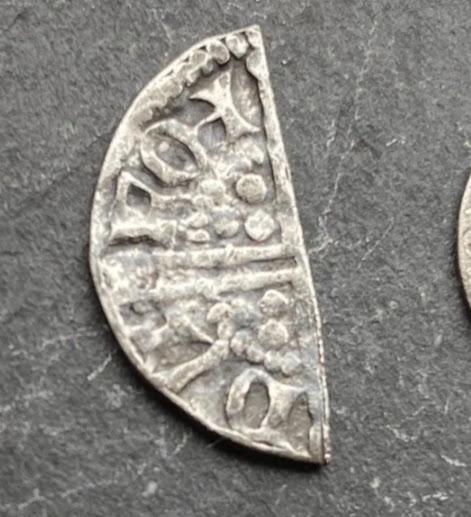
-
Sifting through my bits and bobs and came across this one. Not listed in any books that i can find so one to mark down. Maybe a complete example will turn up one day who knows. Its a 1a4 obverse with the Seriffed X and a 1a3 reverse with a nice square E. Hvnfrei at York mint.
.thumb.jpg.5c3a5b051359616545d47ffc45f31ba1.jpg)
- Last week
-

Thorburn Collection of 1887 coins
Citizen H replied to Mr T's topic in British Coin Related Discussions & Enquiries
the I in SIX on the left looks wider towards the base of the letter...... to me.....🤔 -
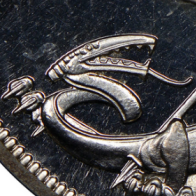 @Peckris 2 Just to confirm - this is a JH 6d? It almost looks like JH 1+B but there isn't enough in the images to be sure it isn't YH to add confusion.
 -
yes but they have been around quite a while -its not as if 50 years ago was yesterday
-
Thank you very much for that! I think then that this coin is a Class 1a5 or 1b1 as the N has four serifs, as per https://www.rodblunt.com/short-cross-pennies-11.
-
It's exactly the same - they haven't changed a thing.
-
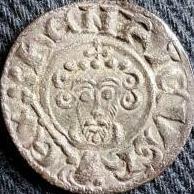
It is rough but i think there is enough information to identify it. I can read VND + PIE i think. Which would make it Pieres at London Mint. Spink guide shows Pieres & Pieres M minting at London during class 1 under Henry II. Stu.


.jpg.2183c83d881920003fffcf019e7037f3.jpg)