All Activity
- Today
-
This is a know variety know as the "Aqualung queen " £20 note . Often found while browsing your notes on a park bench by people with little to do
-
T Over E in REG
secret santa replied to absence of uniformity's topic in Confirmed unlisted Varieties.
what coin is it ? - Yesterday
-
T Over E in REG
absence of uniformity replied to absence of uniformity's topic in Confirmed unlisted Varieties.
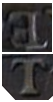
Im not sure if I sized the E correctly in this image but by overlaying the E over a T from a different coin this is the result..jpg.53618e93fafdaf8dc61d252550e2130f.jpg)
-
T Over E in REG
absence of uniformity replied to absence of uniformity's topic in Confirmed unlisted Varieties.
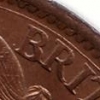
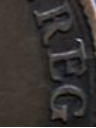
Once I can I will photograph the coin properly. When I first noticed this I saw what I thought to be a faint outline marked in red shown on my drawing. If that faint line is the missing right arm then it would more or less proportionally correct. The base of the T in BRITT appears wider though. Could well be a die flaw like as you say. It just looked rather defined. Unfortunately I wont be able to make it to this one, hopefully the next..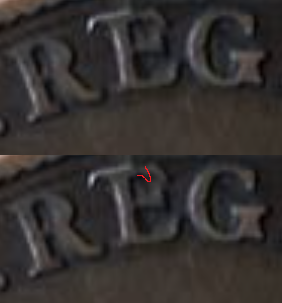
-
You need to get it in the hand and take clearer photos. It isn’t a recognised variety of penny, halfpenny or farthing, and you haven’t made clear the denomination or date. The proportions aren’t quite right for a ‘T’ and the right arm is missing, but it would be a remarkable find and needs to be clarified. It could also be a die flaw or dig to the left of the upper serif of the ‘E’ - as I said, better photos and a close look at the actual coin are required. If cheap enough, it’s the sort of thing I would buy just to be sure one way or another. Are you going to the Midland Coin Fair on Sunday? Jerry
-
T Over E in REG
absence of uniformity replied to absence of uniformity's topic in Confirmed unlisted Varieties.
-
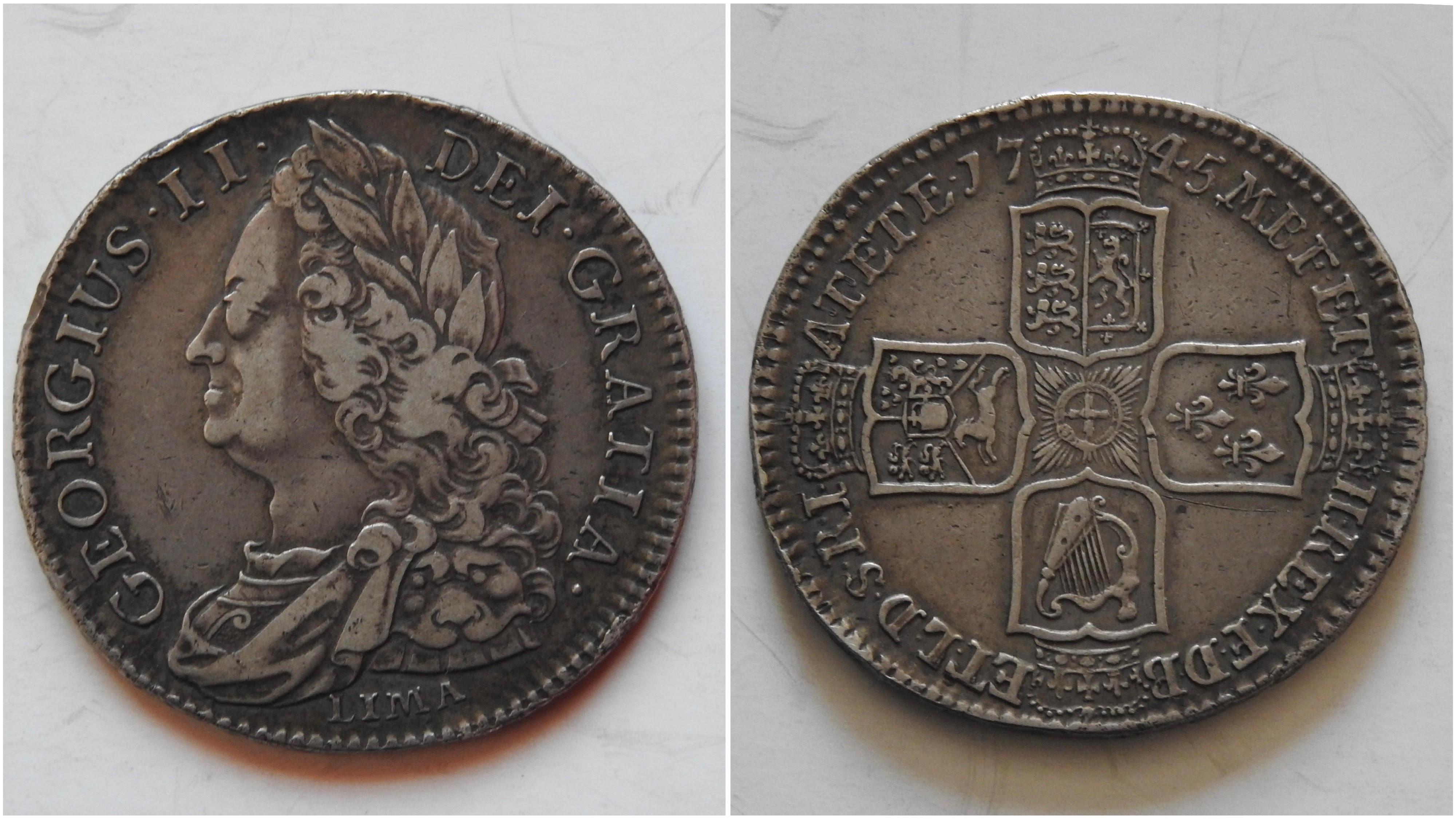
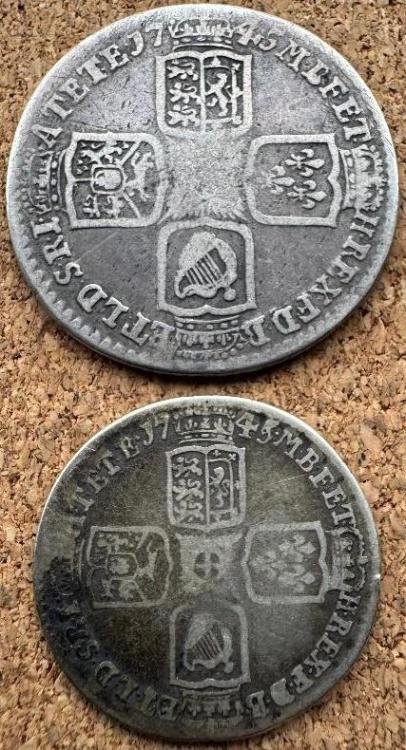
 these are ones I have, may be a useful comparison..... 👍 some more info, Composition Silver (.925) Weight 15.05 g Diameter 34 mm Thickness 1.9 mm Orientation Coin alignment ↑↓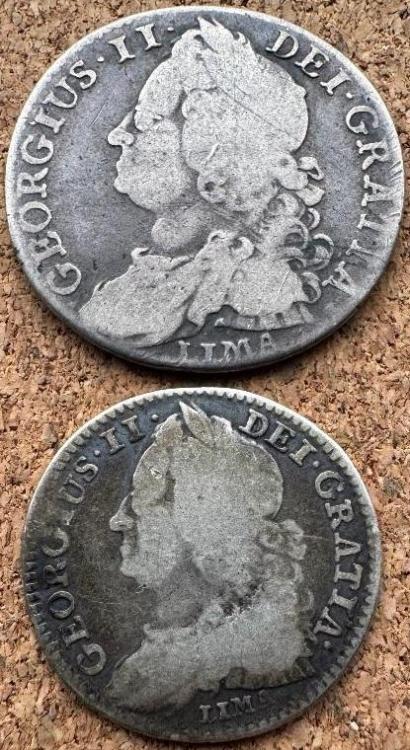
-
Am I seeing thing's or is that a T over E in REG. I posted this in Unlisted varities because I cant find any reference to this. Thanks
-
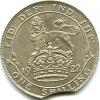 Slightly spread flan. Look at the teeth at 12 & 6 compared to 3 & 9. Check the edge at the wider points because the collar may have come apart at this/these point(s). Any filing present in this area to make it look aesthetically more pleasing?
 -
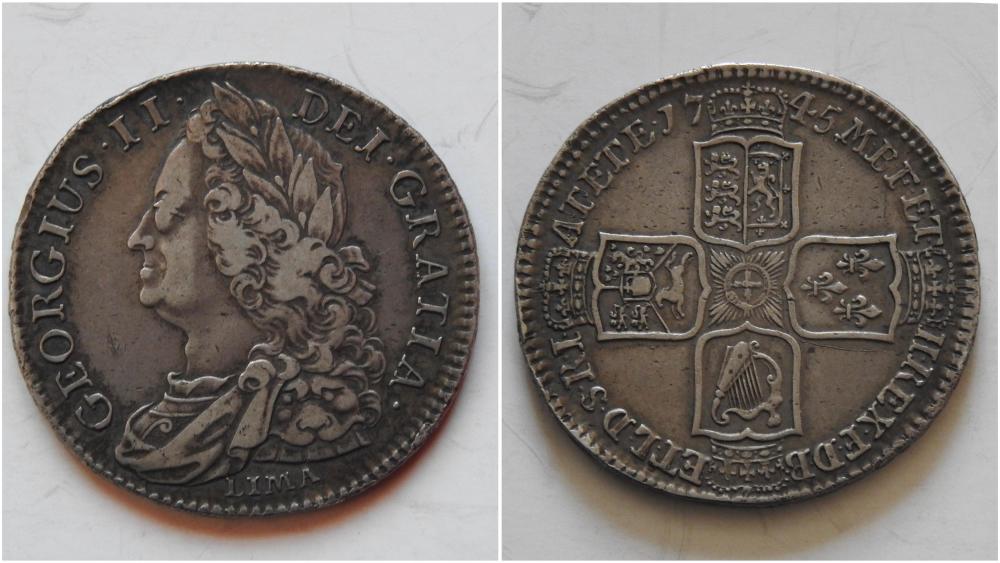
 Hi @Paddy, thanks for your response. I think I'll have to do my best to look into it further. I've posted this on a few places and the feedback has been mixed really - some outright say fake due to the toning/colour, some say it looks perfect, some say 34.5mm is right on, some have told me the sizing is suspicious. Not sure why this is in Decimal Coins, not where I had intended it to go! Still getting to grips with the forum. @Chris Perkins If you could move it I would be greatly appreciative, if not just let me know and I'll delete and repost in the correct place
 -
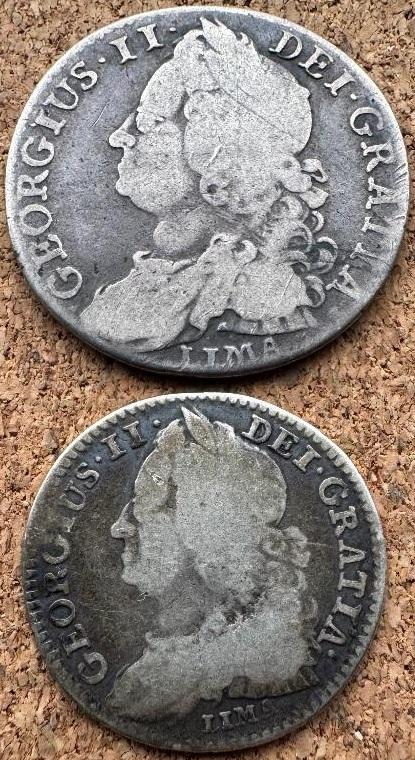
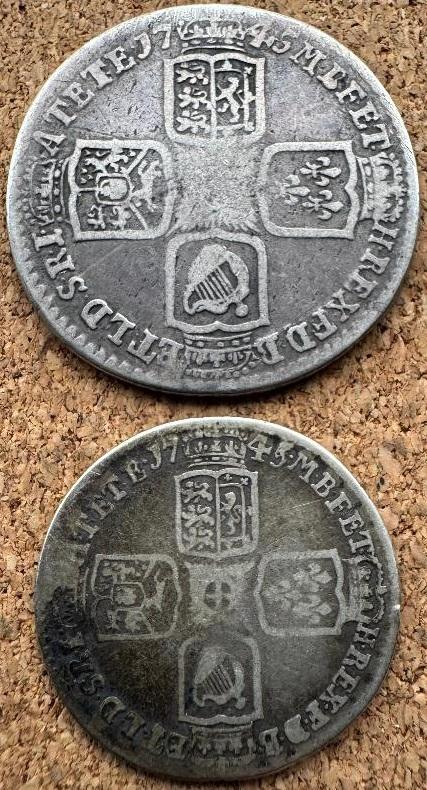
 Welcome @Halfcrowned I would love to give a definitive answer, but the books are very sparce on dimensions for the 18th century coins. There is always some variation in size, but 34.5mm does seem big. My 1745 halfcrown is almost exactly 33mm. By the way, this thread appears in "Decimal Coins", which may make it more unlikely that the specialists in this area will see it. Maybe @Chris Perkins can move it to a more suitable section?
 -
That (and several ones like it) are AI generated slop and have no connection to the reality that silver was too expensive and too useful in industry to make coins of.
-
The recessed ear is a three-dimensional phenomenon, but most photographs are taken from directly above. With a coin in the hand I'm sure we all look from a variety of angles without thinking about it. With the images above I purposely used an angle to help accentuate the contours. It might be interesting to look at a similar view of a near uncirculated coin. Not to be found in my collection sadly!
-
While surfing YouTube I came across the post titled " Why They Stopped Making Silver Coins in 1964. The Real Reason They Hide". makes interesting viewing on how the US stole the silver from the people as did the UK earlier.
- Last week
-
Halfcrowned joined the community
-
I'm fairly new to coins, and the only reason I ask is because the size of this in hand is a bit bigger than my other half crowns of the period, which all seem to be around 32-33mm. It seems to sit at around 34-34.5mm. It weighs 15/16grams on my (cheap!) kitchen scales, is non magnetic, and has the correct side inscription - DECVS ET TVTAMEN ANNO REGNI DECIMO NONO.
-
 doomscrolling97 joined the community
 -
It's not the thinness - it's the recessed area as you say. On the left coin you can clearly see a hollow surrounding the ear which is absent on the Unc example.
-
Those prove my point about it being easier to see on more worn examples - the ear on those is far better preserved than you'd expect looking at the obverse as a whole.
-
You're thinking of skanga!
-
 SohoMint joined the community
 -
1873 One Schilling die 91
absence of uniformity replied to jdtann's topic in Confirmed unlisted Varieties.
1873: 1 to 6, 10 to 14, 16, 17, 19, 21 to 24, 26, 27, 30, 31, 34, 35, 37, 39 to 48, 50, 53 to 65, 67, 69 to 71, 73, 75, 76, 79, 83 to 89, 92 to 94, 96, 100, 101, 103, 105 to 107, 109 to 111, 113 to 115, 117 to 123, 125, 127 to 129, 131, 132, 135 to 137, 141 -
Thanks the image is not a good representation of remaining luster and the colour, I was playing with the ISO setting on the camera while the image shows nicely the depth of the strike the remaining luster is a higher percentage than the image shows and the colour is better aswell. I need to learn about lighting and practice more with the camera. Looking at sold examples of the 1904 this coin I think is roughly around the £60 price point. Similar coins have sold for quite a bit more and quite a bit less.
-
More Pennies
absence of uniformity replied to Prax's topic in British Coin Related Discussions & Enquiries
The challenge is to find a uncirculated 1915 with the thin defined ear, regret to say I have not found one yet. -
More Pennies
absence of uniformity replied to Prax's topic in British Coin Related Discussions & Enquiries
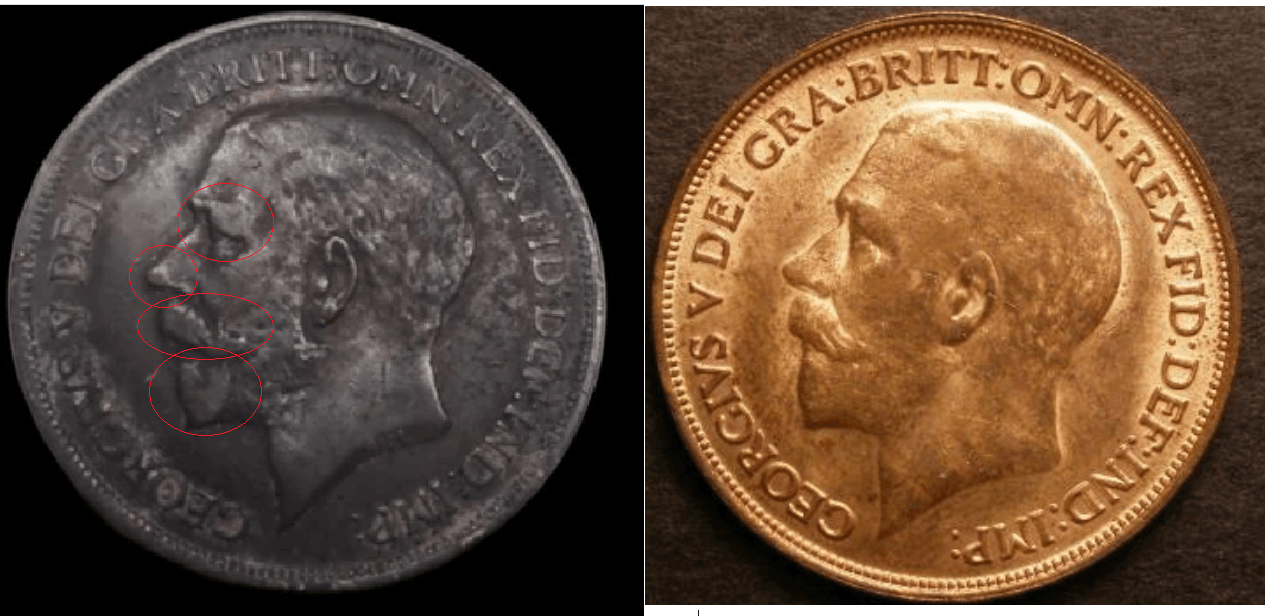
Here it's clear cut, the "uncirculated" coin does not show the flat/worn areas on the face highlighted by red cicles on the worn coin yet the the top curved part of the ear on the uncirculated coin is not a thin defined line. I know strike and die wear are factors on this year. But how can a worn coin have a more defined ear if the ear is not recessed? Given its hard to find a sharp struck 1915 with or without a broken tooth if the ear is finely defined IMO its a recessed ear. It really stands out to me.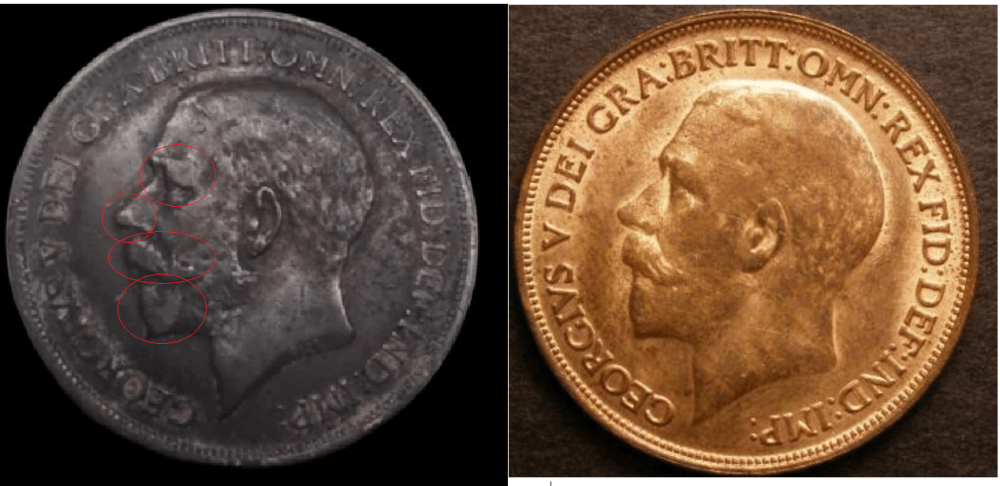
-
More Pennies
absence of uniformity replied to Prax's topic in British Coin Related Discussions & Enquiries
For me its all about the top curve of the ear, a thin defined line broken tooth or not, with overall wear to coin or not. The top curved part of the ear looks rounded without any flat spot. You can clearly see flat worn areas on this coin but the the top curved part of the ear remains thin and defined. Coins listed as uncirculated which are not recessed ear types dont have the definition to the top part of ear. For me thats the easiest way to know with or without a broken tooth.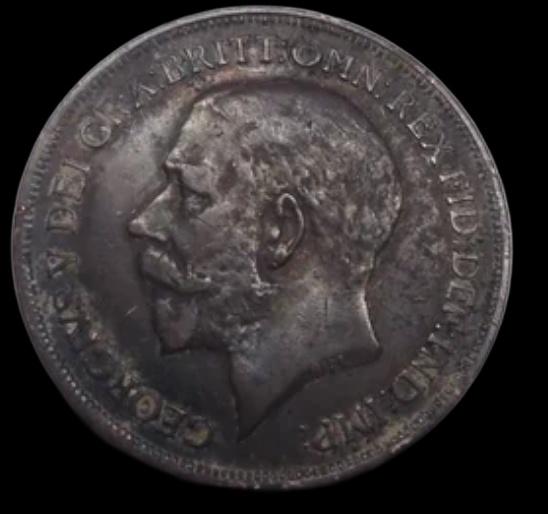
-
 Ianmmuir joined the community
 -
I thought the ganga dynasty started with bob marley in Jamaca