All Activity
- Past hour
-
Interesting. I would say "post Mint damage" (PMD) and so not making it collectable. It certainly has taken a battering - I wonder if it was in a fire or something?
- Today
-
Found it while going through some change, no idea what im looking at to be honest, at first i thought it was some just an old worn down 20p that may be clipped or something, but the detailing itself is also oddly warped, especially on the crown, any ideas?
-
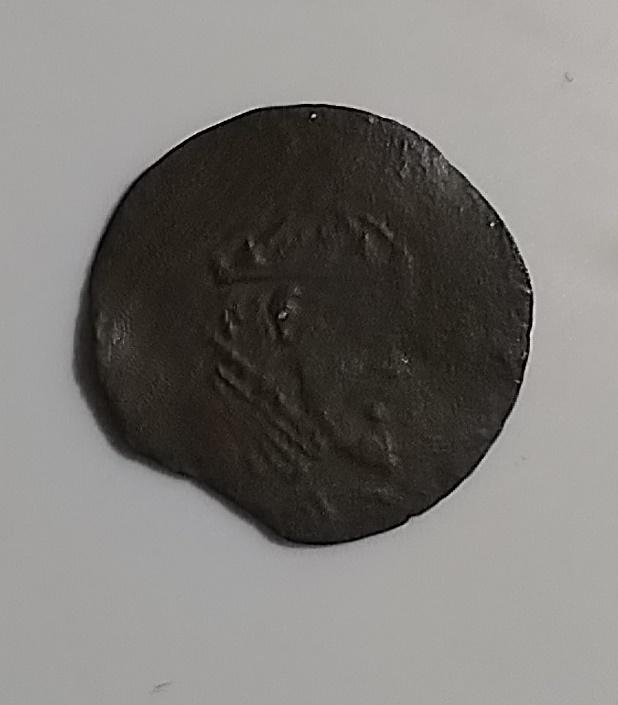
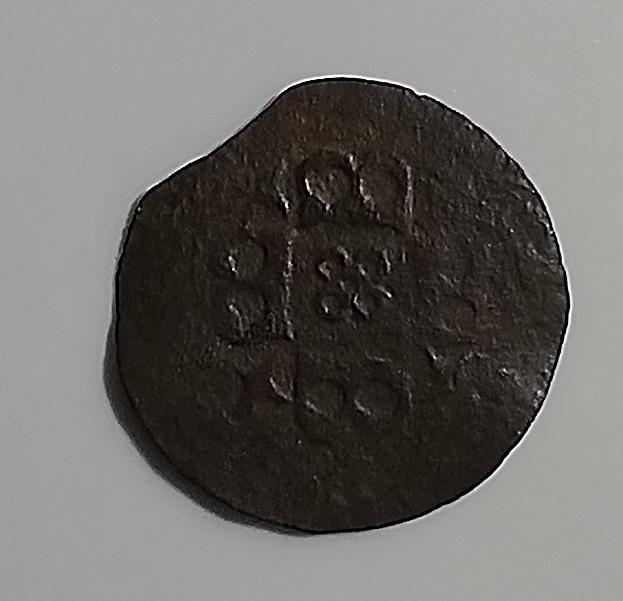
I have had a bit of a look at this, but got nowhere so far. The head reminds me of the late 18th century evasion and counterfeit halfpennies produced in the UK and America, but the reverse does not relate to these at all. The crossed knot design reminded me of some Portuguese and Maltese coins of that era, but again no match so far. Good luck!
- Yesterday
-
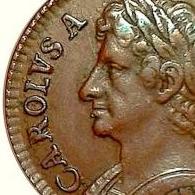
Hi all, I was hoping someone may be able to give me a clue with the attached. The monarch looks Spanish maybe, but not been able to find anything remotely like it. Perhaps not actually a coin but maybe a token, counter or jeton? Appears to be copper alloy on a very thin sheet like flan. Diameter: 17mm, Weight: 0.6g Date wise, I was thinking c16th-c17th or later maybe if not a coin?? Any help much appreciated! Best regards, James
-
1989 & 1990 Two Pence coins.
Coinery replied to King Kenny's topic in British Coin Related Discussions & Enquiries
Brilliant spot, significant! -

1989 & 1990 Two Pence coins.
King Kenny replied to King Kenny's topic in British Coin Related Discussions & Enquiries
Yes they are proofs. I don't know if that makes a difference. I have not seen this type of feather in any of the other years. -

1989 & 1990 Two Pence coins.
Chris Perkins replied to King Kenny's topic in British Coin Related Discussions & Enquiries
Very distinct differences. Those are both proofs by the looks of it? -
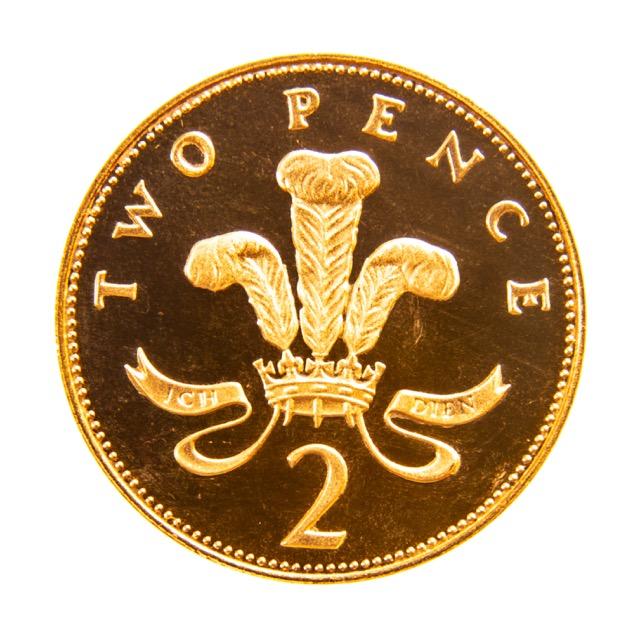
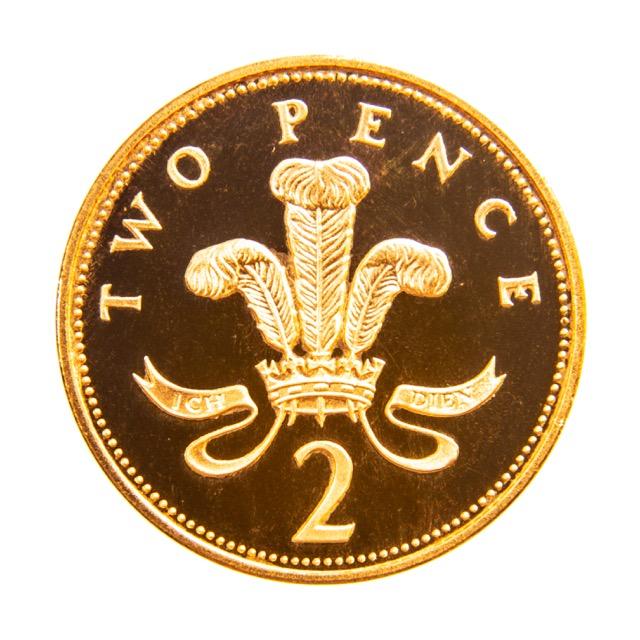
I know that the bronze decimal coinage does not thrill most collectors, but I have a liking towards them. Whist sorting my collection of two pence coins I noticed an anomaly. The ostrich feathers on the reverse side usually have a distinct quill running down the centre of each feather. I have noticed that on some of the 1989 and 1990 coins the quill is missing and the elements of the feather just blend into each other. Further, the 1990 coins with a quill also has a longer 'P' in PENNY. According to the records the longer 'P' was not introduced until 1993. I have not seen this mentioned in any of the articles that I have studied. I wonder if I have missed something or has anyone else has noticed this anomaly. Both photos show a 1990 two pence coin. The first is a short 'P' no quill, and the second is a long 'P' with quills.
- Last week
-
 jackofall joined the community
-
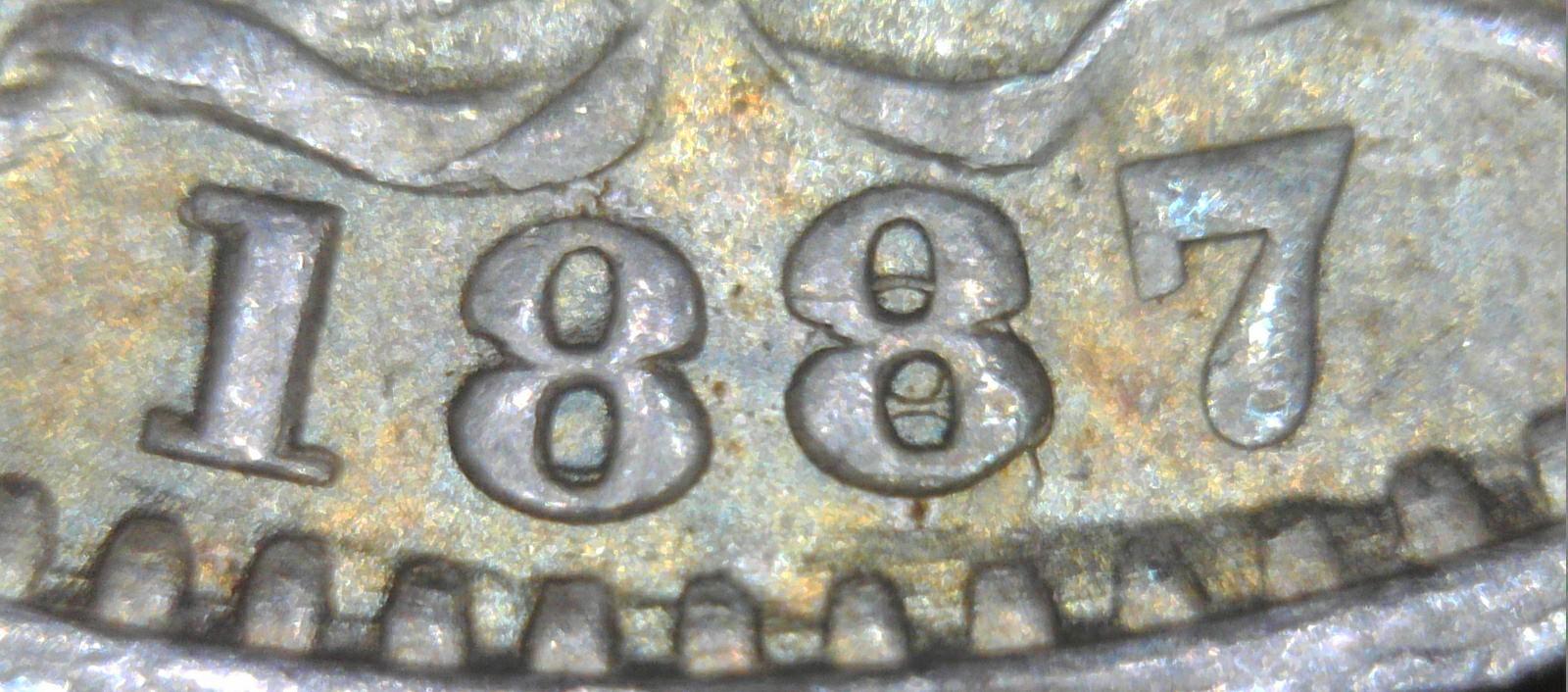
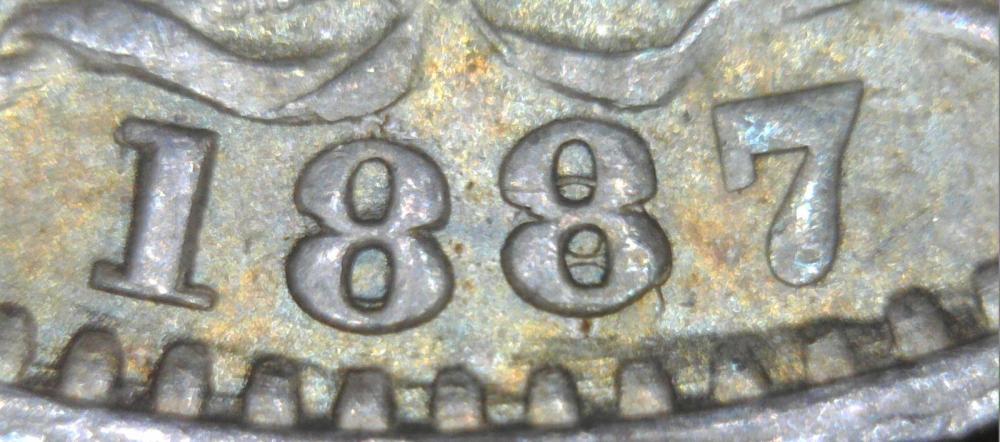
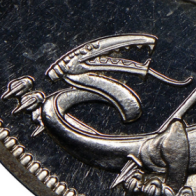 And as if by magic... and a lot of looking at yet more 1887 6d's..... 🤪 a Wide 7 or 8 over 8, or a combination.
-
 Dentrassi joined the community
-
 I remember seeing this somewhere quite a long time ago, and it lodged in my mind. It is quite possible that I have picked up on someone else's error and it 'stuck' with me. I've now checked all the usual sources and can't find anything. Apologies...
-
Michael Gouby website for anyone that didnt know. https://www.michael-coins.co.uk/
-
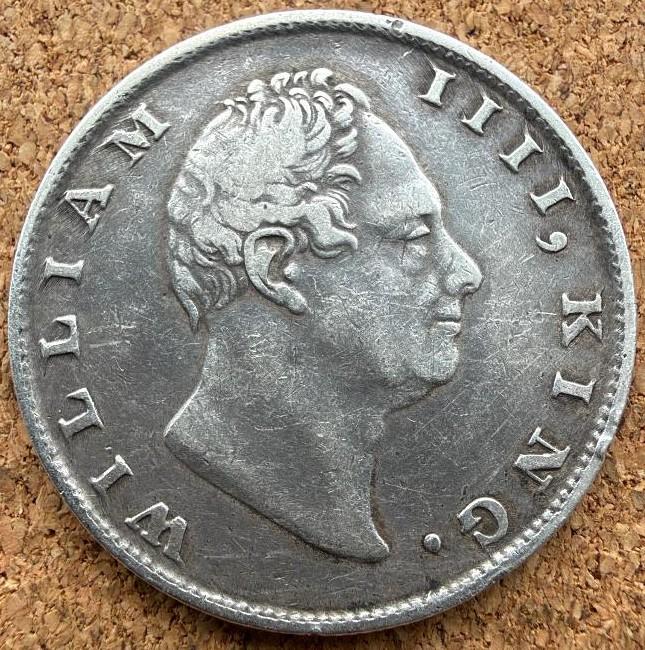
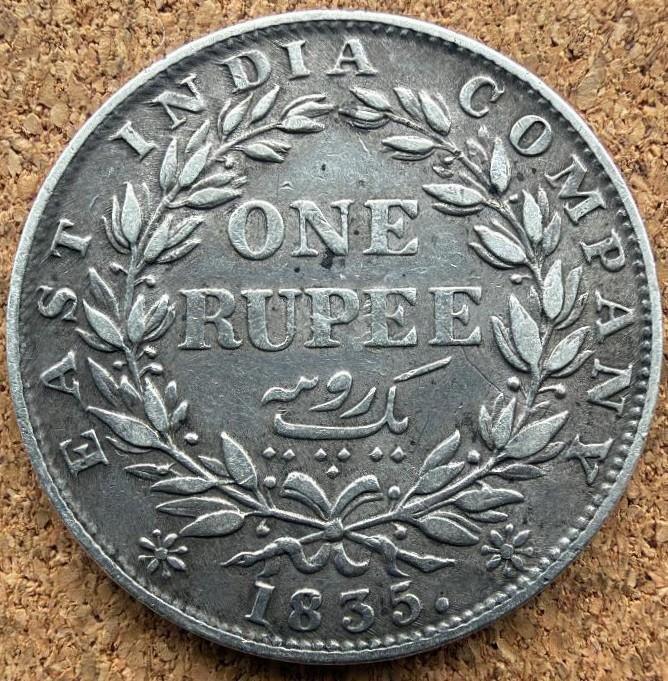
found today 1 Rupee 1835 William IIII
-
 Can someone please expand on this for me.
-
Oh, my goodness, that’s a terrible effort! The most impressive thing about it is the micro-scratches and abrasions, they actually look pretty good!
-
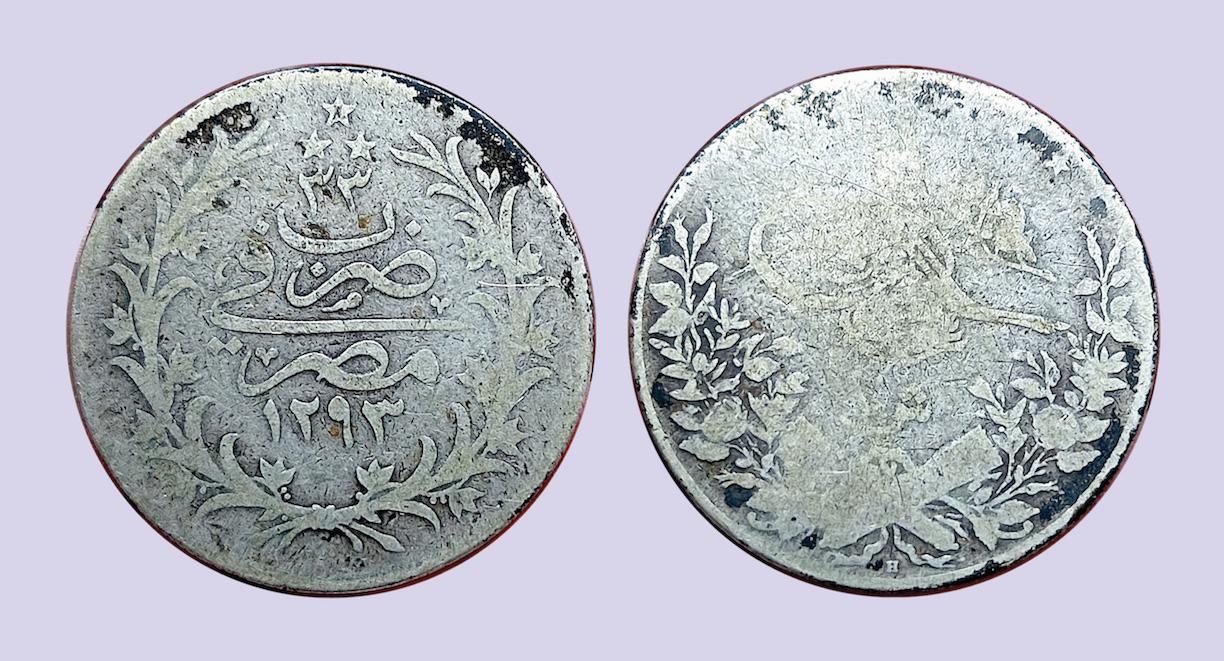
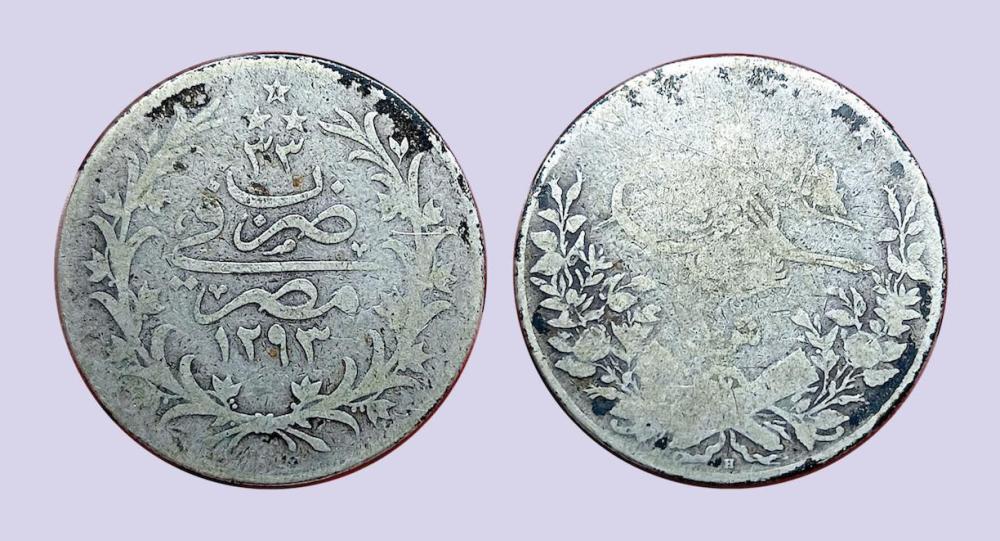
Found it. Egypt. 10 Qirsh. 1876.
- 1 reply
-
- 2
-

-
Hi all, Can anyone here tell me what this is? Silver, 32mm, 13.4g. Thanks.
-
 If retrograde it would require an 'Arabic 1' punch to recognise the fact, with the alternative being a normal 'Roman 1' with a missing top right serif. Retrograde usually implies a character (or legend) reading in the opposite direction to normal as frequently seen on Northumbrian stycas for example where many legends read both cw and acw. For that reason, I have always assumed retrograde letters were either defective in some way, or made from composite punches. Slanted just means a misplacement. NB. For clarity, with this terminology, normal is taken to be clockwise.
-
A bit too soapy for my liking... Cast?
-
I've missed this one - has it been documented anywhere ?
-
Still no luck on the 2023 10p for me, but I did pick up 2025 5p and 20p in change yesterday.
-
R over R could most likely be a repair, i.e. the letter being repunched into the die due to wear/infill or similar. However, there are cases where the die was wrong to start with, is repunched, and quite possibly these might be classed as varieties. For example, there are some 1882 pennies where the first 1 in the date (done by Heatons of Birmingham remember, not by the Mint) is slanted ("retrograde") and was repunched before striking - this is regarded as a variety though possibly not collected by many.
-
 Borys Lesick joined the community
- Earlier
-
 The second half of the description would be "R over R in Victoria" (not a die flaw). The first half would be the base variety, which someone here would be happy to tell you, but we need to see the whole of both sides. It is most likely F39, but it could be something scarcer. This website (created and maintained by Secret Santa): https://headsntails14.wordpress.com/victoria-varieties/ would help if you want to identify for yourself.
-
 Thankyou Secret Santa + Paddy very much for your generous responses -they were both very helpful. I bought this Victorian coin simply because it is an absolutely stunning and loved it so much, I just want to look at it all the time. It will be with me (probably) forever.... But how should I best describe this flaw -should it be called a die repair, an R over R or something else entirely ? Your thoughts on this would be intersting.... Thankyou.
-
I've added a page on these to my rare penny site https://rarestpennies.wordpress.com/filled-dies/
-
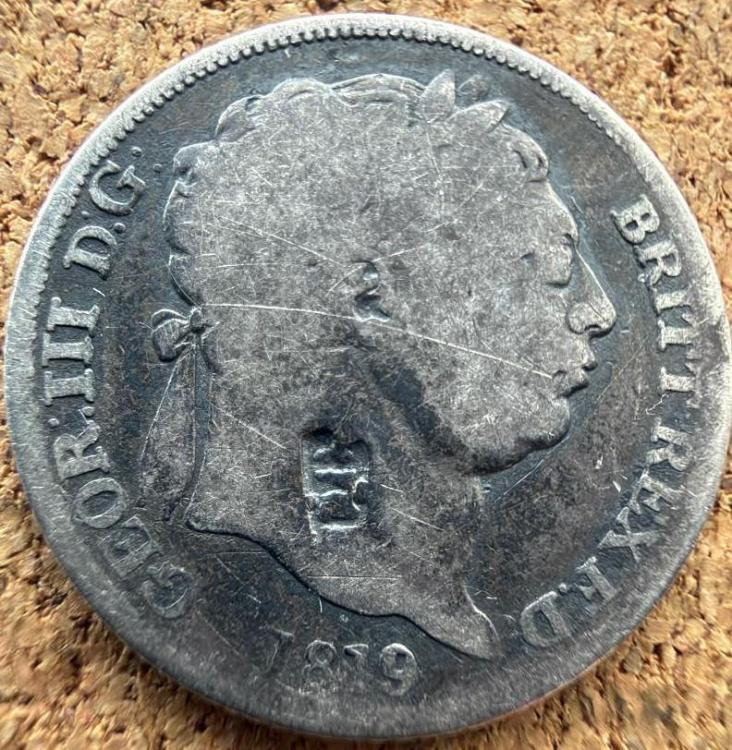
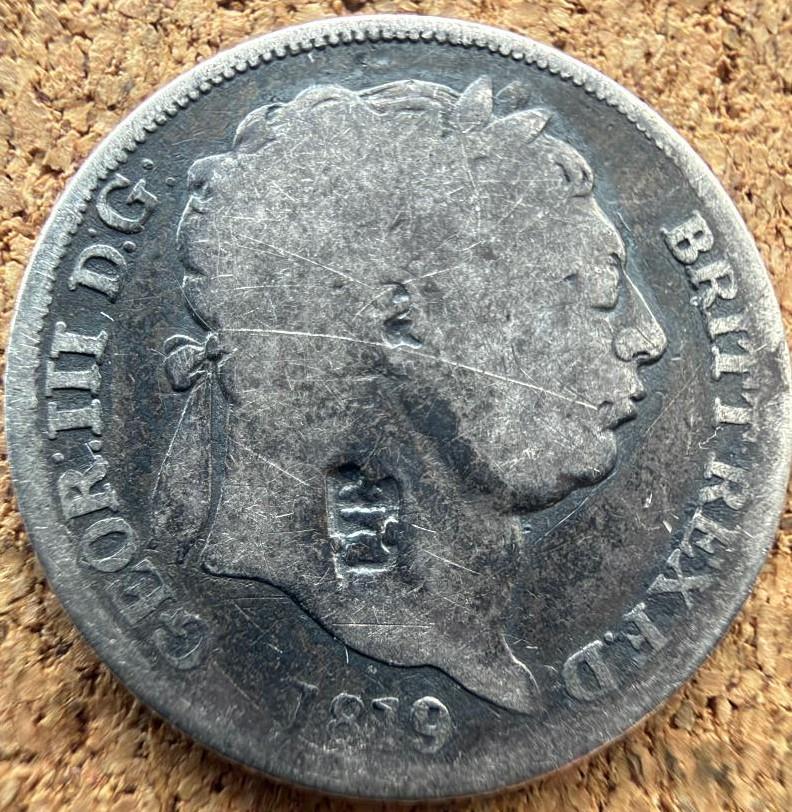
George III 1819 Six Pence Stamped LT... I have this same counter stamp on a 1817 Six Pence....