
secret santa
-
Posts
2,902 -
Joined
-
Last visited
-
Days Won
210
Content Type
Profiles
Forums
Events
Downloads
Store
Gallery
Articles
Everything posted by secret santa
-
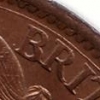 Here she is. I know where it is but I can't tell (it's not me !)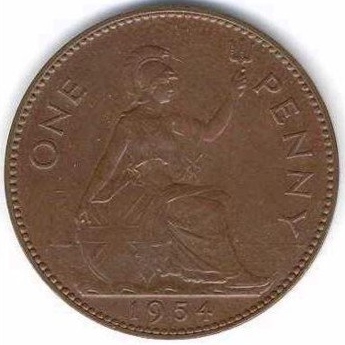
-
If you attend an auction in person, you'll need to register as a bidder and you will be given a numbered card or "paddle" to hold up when you bid so that the auctioneer can record who won any particular bid. If you register with "The Saleroom" you will be allocated a bidder number (equivalent to paddle number) which will be recorded with any internet bids you place, whether in advance or live during the auction. This number will show on your screen when you place a bid during live bidding.
-
I think that's right. The estimates (plus commission) look a little high. I fear the seller could be disappointed although I hope not.
-
The catalogue is now online. Link below. https://www.the-saleroom.com/en-gb/auction-catalogues/penrith-farmers-and-kidds-plc
-
Thank you kind sir - interesting that they found a coloured photo of the toothless border reverse - the one I supplied was only black & white.
-
And I've got one, too.
-
Can only comment as a penny collector, but dealers' sites seldom list the detailed variety of pennies (where dates exist with multiple varieties) whereas auction sites generally are very good at describing the variety. Maybe dealers tend to be generalists and not familiar with the really esoteric varieties that specialist collectors are seeking ? I've no real idea what the general collecting scene is like at the moment. I do know that a lot of good penny collections have come to market over the last 10 years and I don't know whether other collectors are taking their place.
-
I'm sure there would be general interest in these details (so please post them here).
-
Great news - any chance of a link to the catalogue ?
-
1874-H Penny - Freeman number?
secret santa replied to Voynov_BG's topic in British Coin Related Discussions & Enquiries
http://www.michael-coins.co.uk/our__books.htm Here's the link - good luck Richard -
1874-H Penny - Freeman number?
secret santa replied to Voynov_BG's topic in British Coin Related Discussions & Enquiries
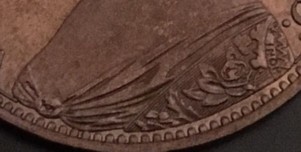
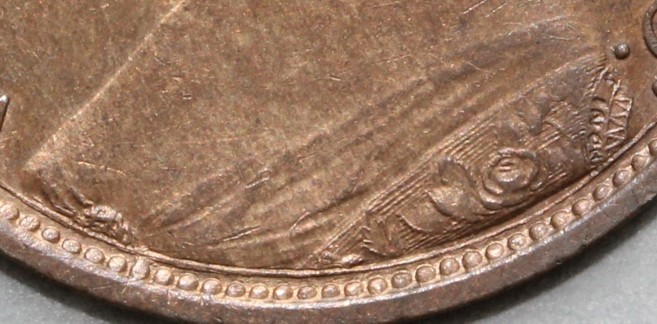
Freeman 73 - older portrait with crimped tie ribbons that don't touch, reverse with close date and slim lighthouse. BUT it is a rare 7 over 7 example - BP1874Nn with very few examples recorded - see Michael Gouby's book "The British Bronze Penny - Victoria - 1860 to 1901" Page 67. -
Quite different if you're familiar with pennies of this vintage.
-
http://www.ebay.co.uk/itm/Victoria-1863-Penny-3-Over-7-Poor-Very-Rare-/332291610116?hash=item4d5e1f9604:g:U-8AAOSwHLNZW05x Another classic from our friend lukasz
-
Just a bit of corrosion in my opinion - rather like the face of Jesus which often appears on a slice of toast.
-
This the seller's first, and hopefully last, Ebay offering.
-
http://www.ebay.co.uk/itm/pence1879-/332274073365?hash=item4d5d13ff15:i:332274073365 No picture; no description; no feedback; no chance..........
-
http://www.ebay.co.uk/itm/1874H-Scarce-Penny-Victoria-Bronze-1d-Heaton-Mint-Sp-3955-Fine-PHILEA12-038-/272709842723?hash=item3f7ec5f723%3Ag%3AYAcAAOSwJAtZOrhZ&nma=true&si=%252F2nLLtB5iYmWH8Tf4vOZMV%252B5yZ0%253D&orig_cvip=true&rt=nc&_trksid=p2047675.l2557 F69
-
Penny Acquisition of the week
secret santa replied to Paulus's topic in British Coin Related Discussions & Enquiries
Got a nice BP1860P at DNW auction last week (their pic). I've been looking for a good quality specimen for a long time - seems to be reasonably scarce.
-
Mike Get yourself on their catalogue circulation list - they're high quality lists. I pull down photos of the rare pennies from the website so may have images of coins you're interested in.
-
Well done Mike - a genuinely scarce variety
-
Good buy Jerry - a rare one, that.
-
Yes, it's a "feature" of the forum - although I highlighted a piece of Ian's posting, because it was within your reply, it attributed the quote to you.
-
The first useful information will probably be the posting of the prices realised, probably on Monday or Tuesday. This will give you a clue as to whether you were successful or not, but not necessarily as auctions often let a floor bidder take a lot with a bid that matches a commission bid. If successful, you will receive an invoice later in the week.
-
Not to mention, there are no known proofs with this die pairing !
-
Thanks Jon - it doesn't look like a proof with those teeth ! How come this seller has such a high feedback figure ?