Coinery
-
Posts
8,203 -
Joined
-
Last visited
-
Days Won
158
Content Type
Profiles
Forums
Events
Downloads
Store
Gallery
Articles
Everything posted by Coinery
-
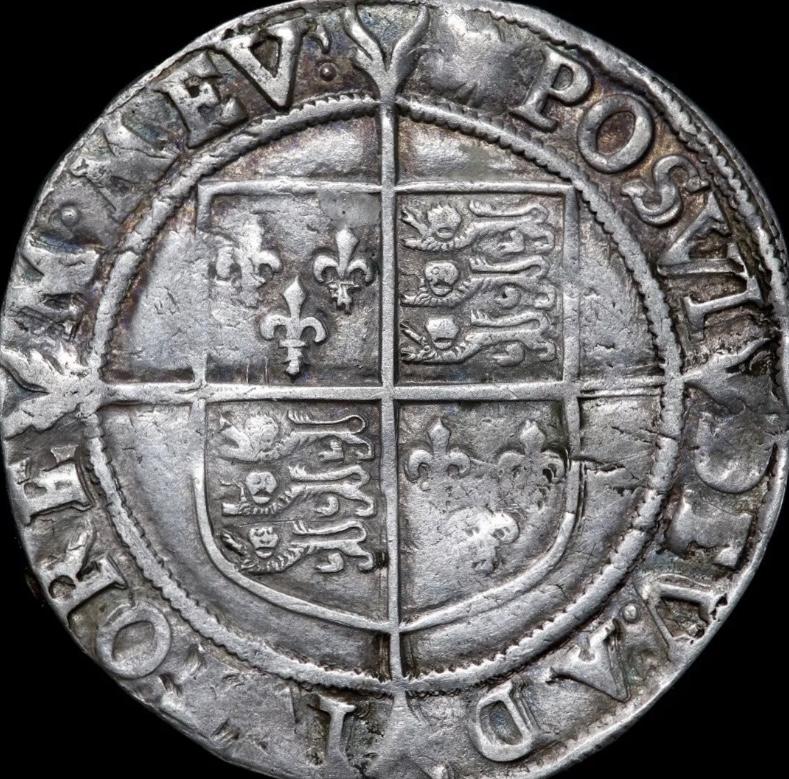
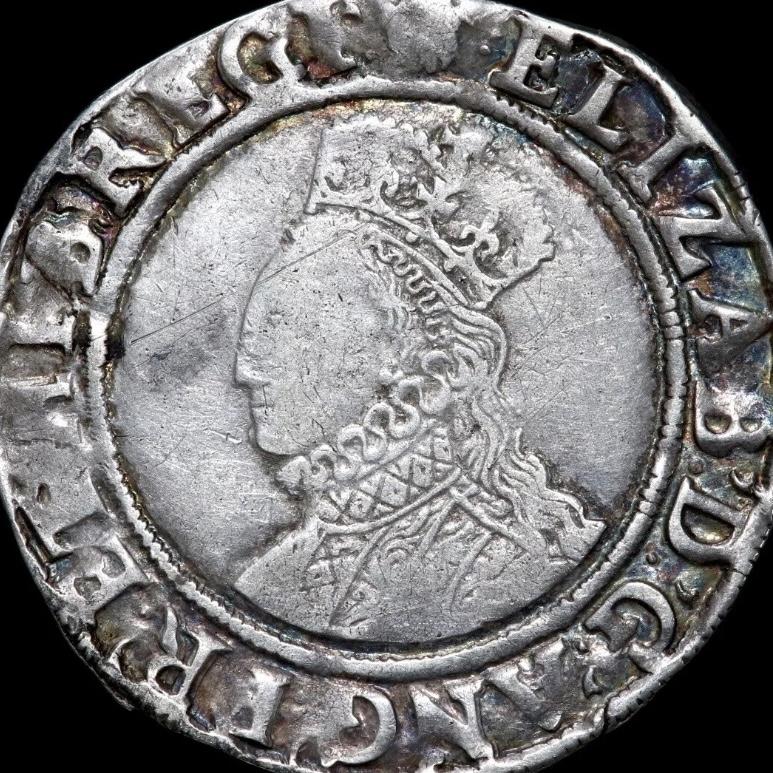
Interesting Elizabeth I Fake Shilling!
Coinery replied to Coinery's topic in British Coin Related Discussions & Enquiries
They never even bothered to respond to my email, I sent 2 other examples too. I’ve just taken a look on their app., they’re certainly in no rush to pull it, it’s still ticking away. -
Interesting Elizabeth I Fake Shilling!
Coinery replied to Coinery's topic in British Coin Related Discussions & Enquiries
And now CNG are at it too in their next timed auction, Lot 664…I don’t get it, it’s so obvious in hand, everything is wrong about it! To be honest, a lot of the Elizabeth coins in this ‘Cloudesly Collection’ look ‘odd,’ I’d love to buy the lot of them, just to look them over.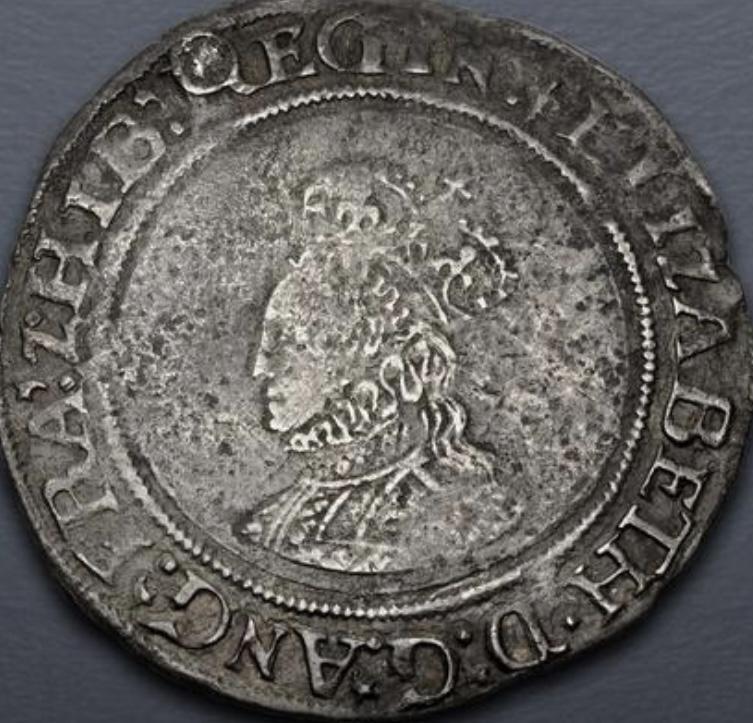
-
And it sold for even more the second time! An unbelievable £116
-
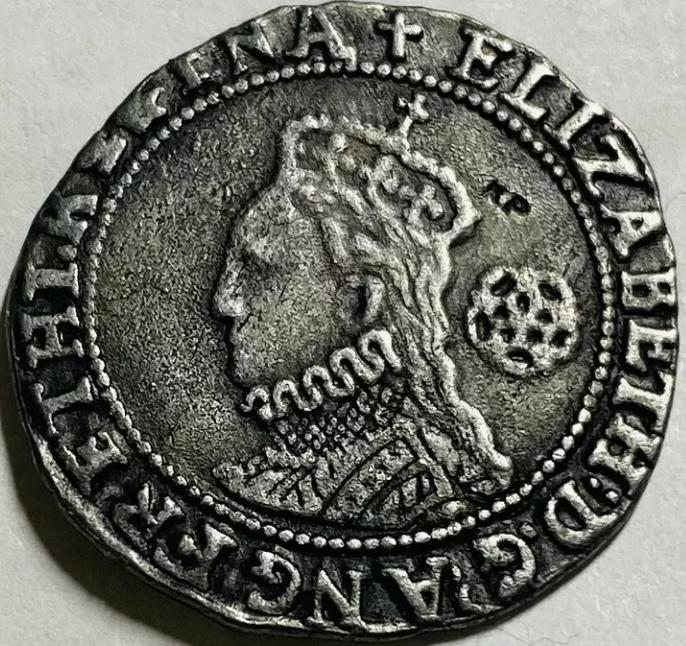
What is wrong with people? Currently £84 plus postage on eBay! It’s not like it ain’t obvious! 265717824427
-
Stuff to Make Us Laugh
Coinery replied to Madness's topic in Nothing whatsoever to do with coins area!
Brilliant! Can’t get enough of him -
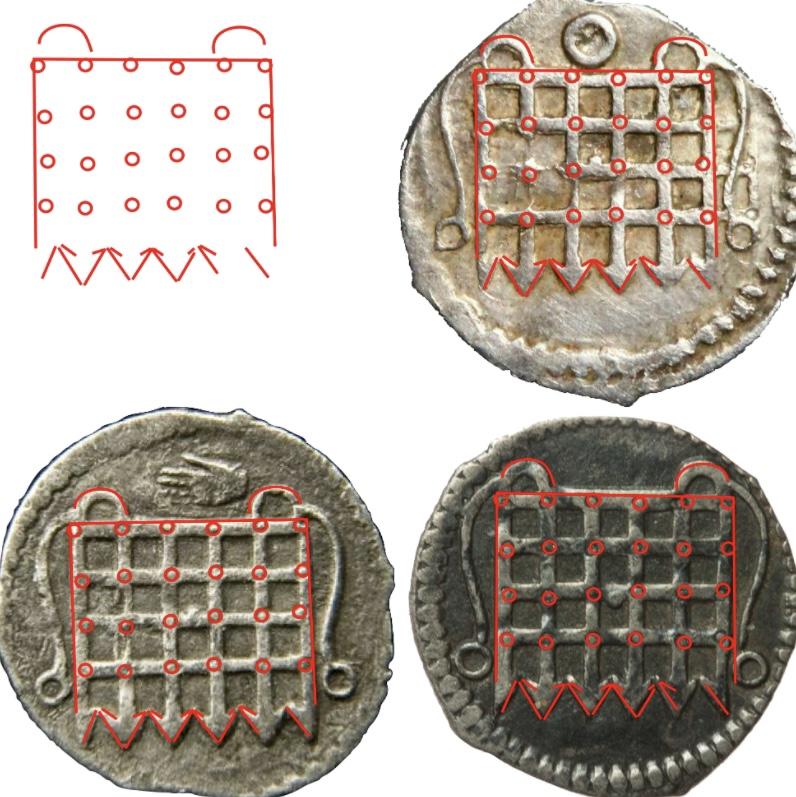
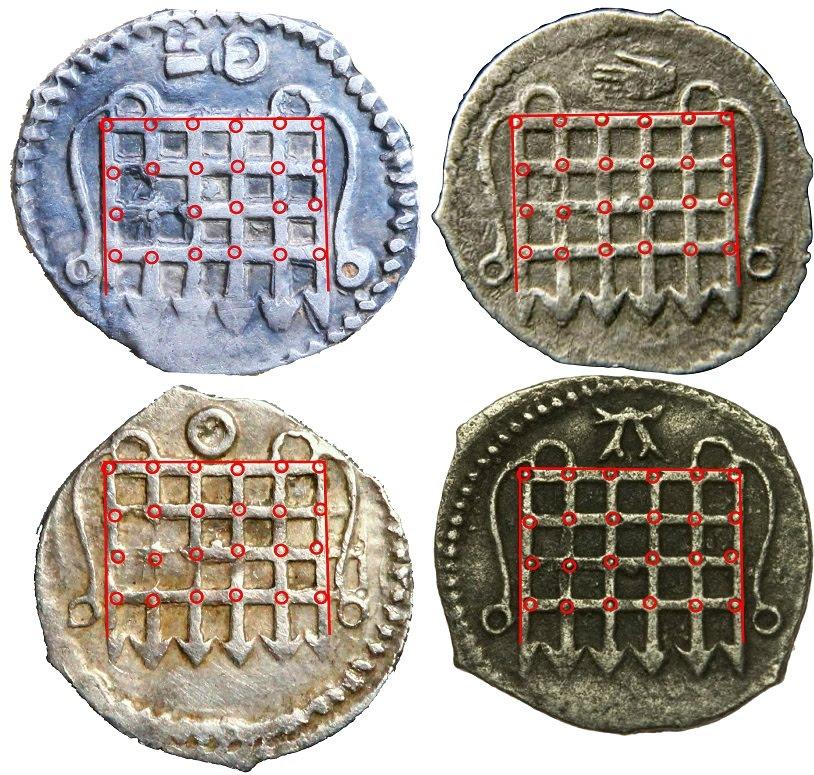
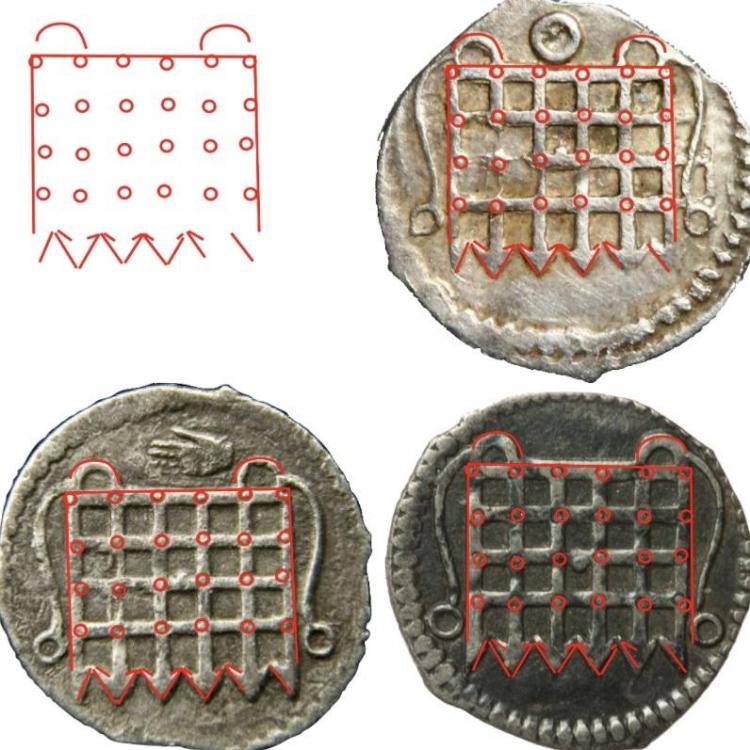
Here’s an example in the bottom right of one coin that didn’t correlate with the template. It has larger rings on the ‘chains’ too. BCW state there’s only one portcullis punch, meaning either they are wrong or the ‘no mark’ coin is suspect? OR they refreshed the bolts as the punch broke up and started to spread?
-
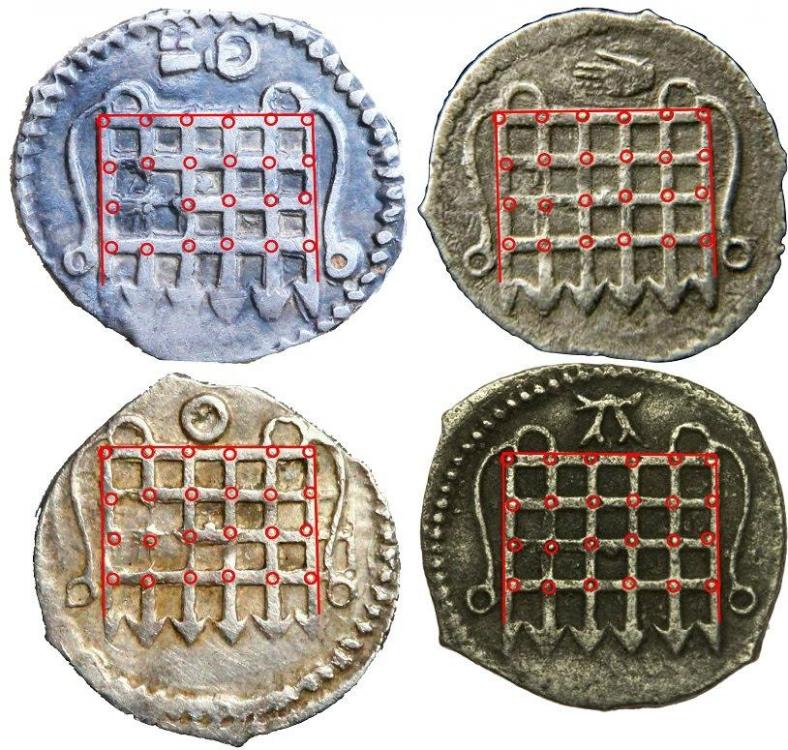
Ah, yes, I see what you mean! I found a template I made up for the portcullises whilst looking out your coin. Very useful for spotting some of the counterfeits.
-
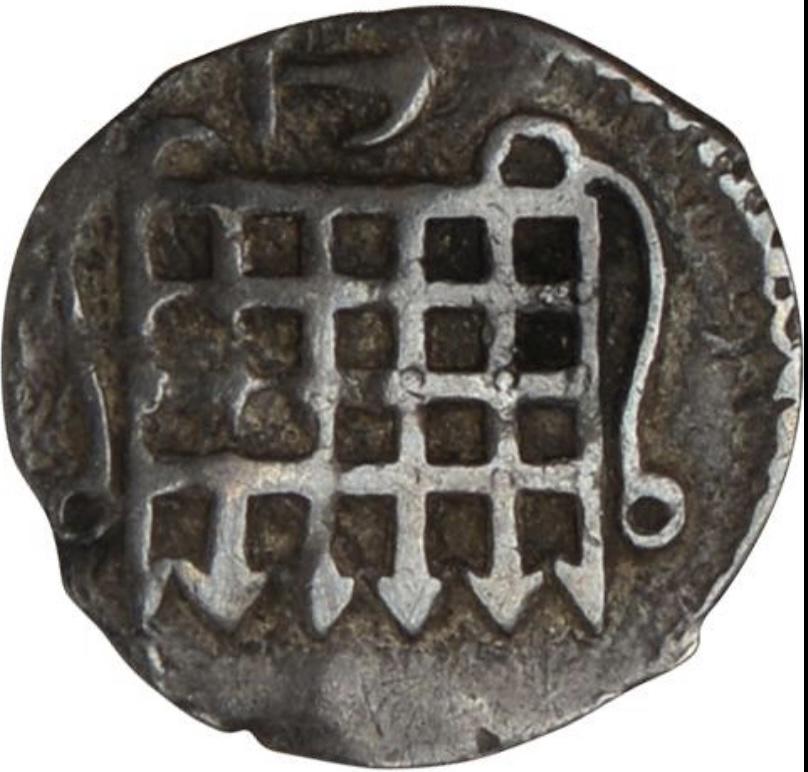
Just had another look at your one, the anchor is set further right on yours!
-
I notice the cypher over anchor is still the only overmark missing in the halfpenny section of BCW’s 2021 memorial update. Amazing that they’d never come across one…hens’ teeth and all that!
-
I ended up in balance of all things thinking this was wrong and left well alone. There was a time I would’ve bought it, simply to find out…but not any more.
-
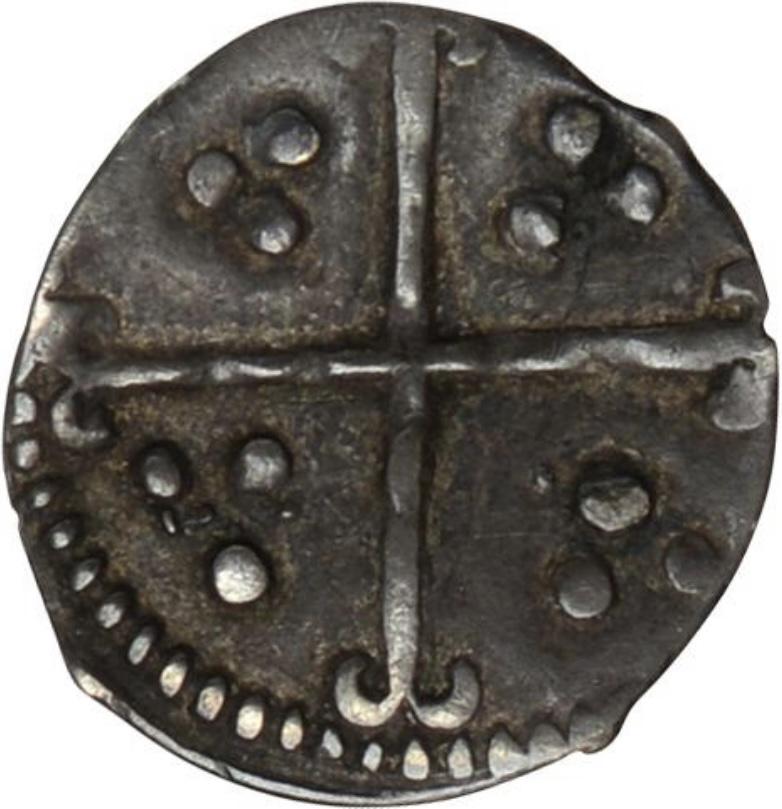
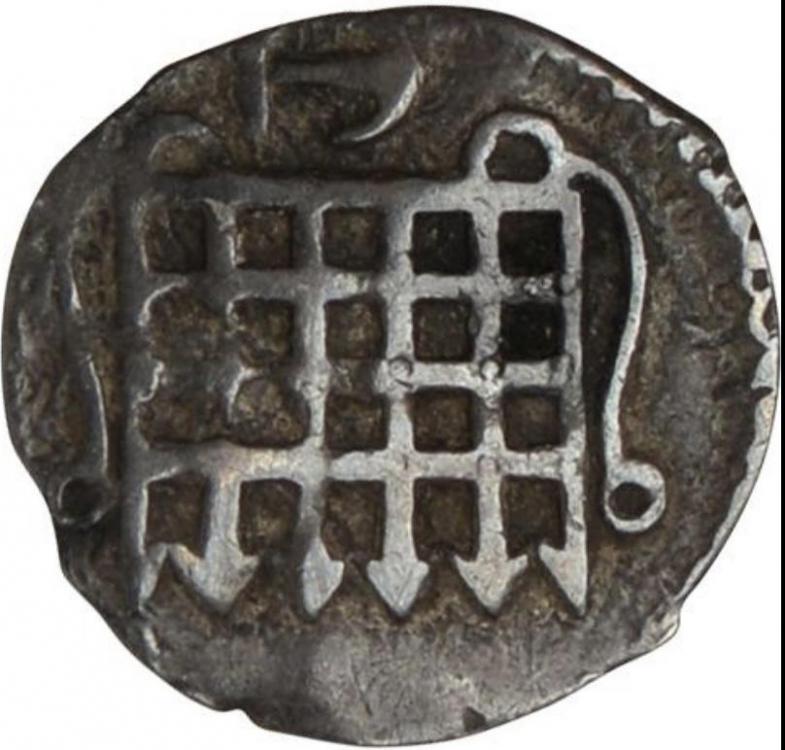
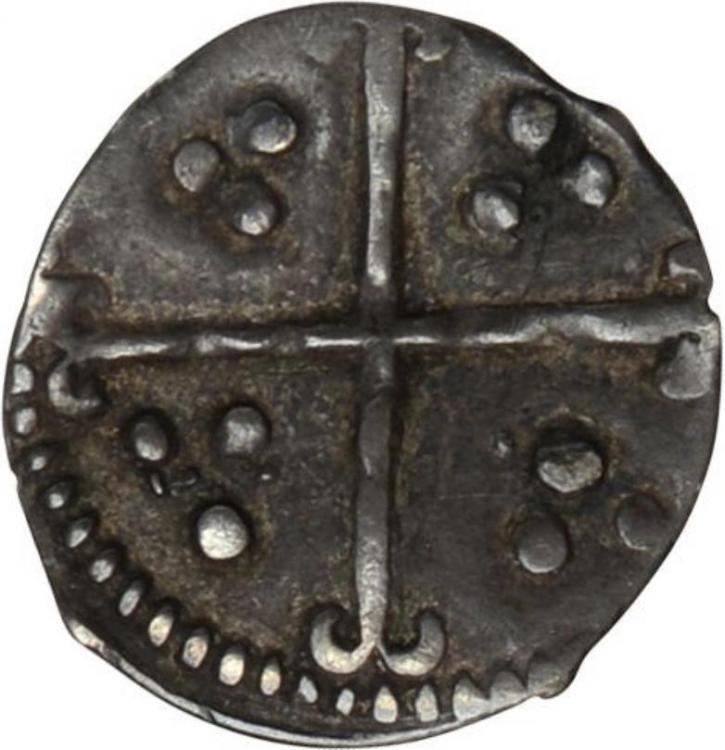
A decent enough example of this rare mark. Only 60,000 ever produced (BCW), divided between PM O and PM Anchor, so few and far between today - roughly the weight of 3 bags of sugar were minted. Paid around half the price you would for a common variety, so delighted really
-
The Coinery signature sale auction
Coinery replied to 1949threepence's topic in British Coin Related Discussions & Enquiries
Some really nice coins in there! -
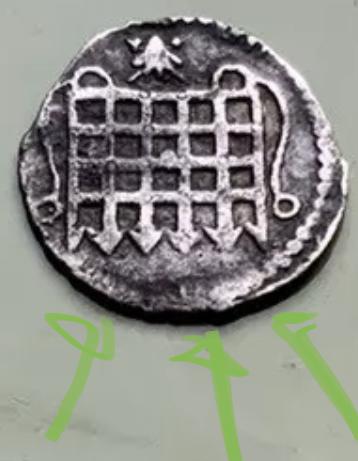
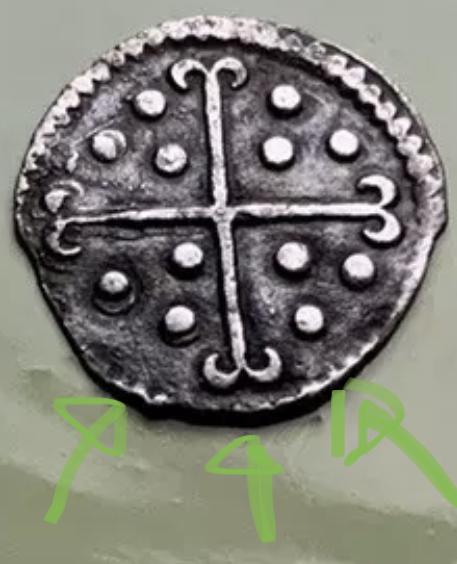
Yes, these coins are usually paper thin. A thick coin would not be good.
-
Yes, I’m thinking to cast such a sharp shadow (if it is) that the lighting would have to be really bright, and it doesn’t look to be, when taking the exposure of the coin’s surfaces into account?
-
What’s your thoughts of these seller pictures, shadow or thick? When looking at both sides, it appears the shadow/thickness continues around the entire coin?
-
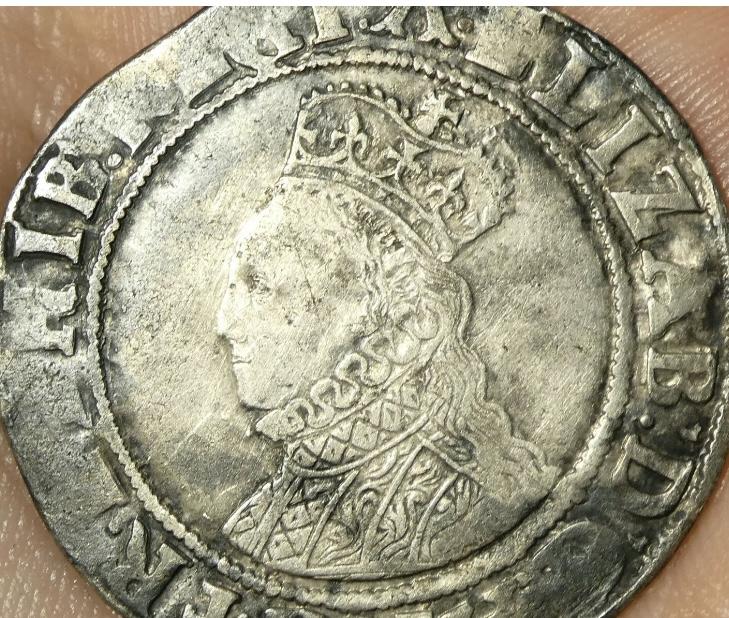
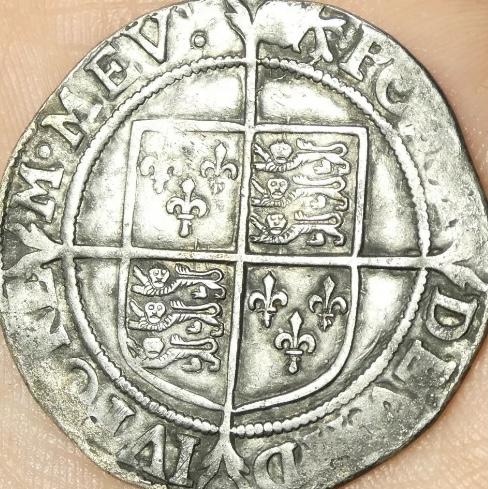
And another example of better details but in its entirety a lesser coin! EBay an unrealistic £345 for this PM A
-
For want of a better word I’d call it ‘raggy’ by comparison, if you know what I mean?
-
-
-
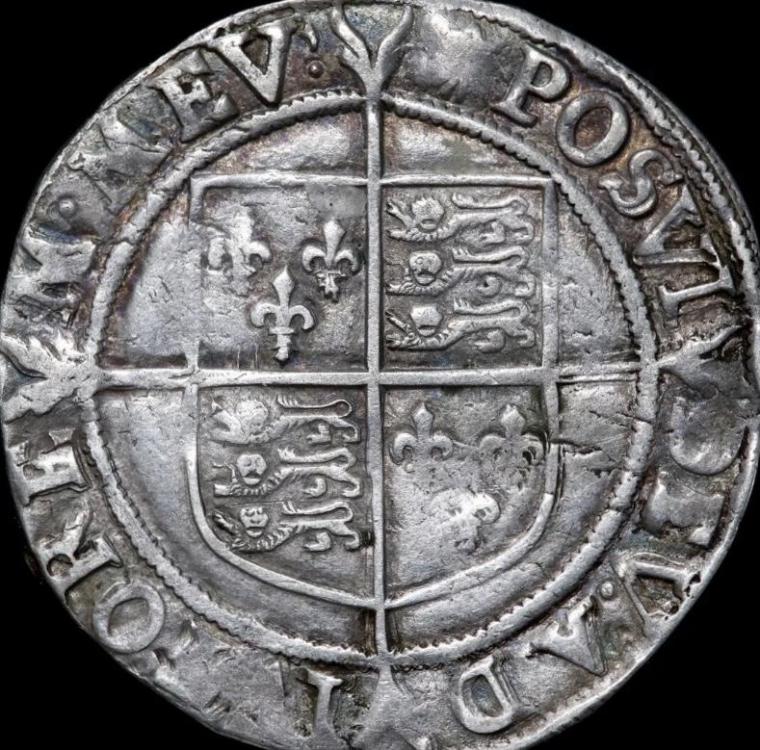
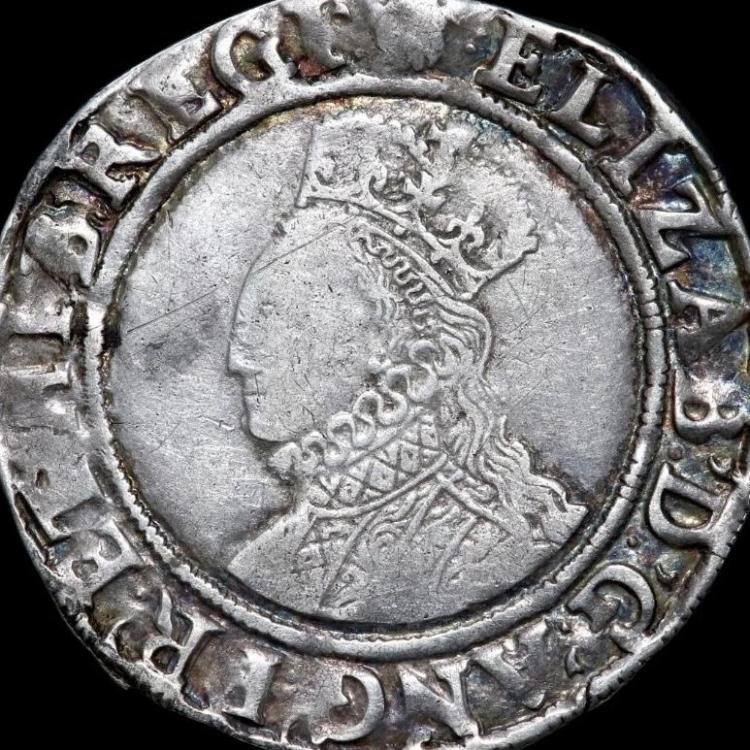
A really good example of what I mean by balance and even wear in this £350 offering of the same coin from eBay. Even though some of the bust is better, I know which is the better coin by far!
-
Just had another closer look…I can’t see any tooling myself? Where in particular do you mean? At £200 I did buy it with hearts in my eyes, so always easy to miss these things
-
Yes, it’s just so well balanced, nothing more worn than the other, and enough of a bust (again even wear) for the grade that it makes a really pretty picture for me! Plus, as you say, the beginnings of a nice old tone
-
Only just noticed ‘scallop’ in the title…either too much beer at the time or autocorrect, not sure which, maybe both
-
Haven’t seen this in-hand, yet, but I’m expecting it to hold up pretty well. Bought from Eric Knowles of all people.

- 1 reply
-
- 2
-