Leaderboard


Popular Content
Showing content with the highest reputation on 04/27/2026 in Posts
-
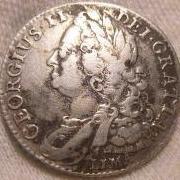
I'd agree - the reverse is no better than GF, but the obverse (under the tarnish) looks better; it's not easy to tell but I'd say AVF?1 point
-
Good practice for me. I dug out my copy of The Standard Guide and looked at it and you pictures. I think that I'd call it (UK system) GF or just shy of (US) VF. The obverse shows a flattened ear but you can still see the front and rear edge of the bald spot. The reverse seems a bit more worn - the rein is disappearing on the neck but the sword is still quite clear. Lots of the high points having been hit. Anyone else think I'm off my rocker? (Or should I grab one of my 1935 crowns and get on one? 🤣)1 point
-
Honest answer - absolutely not.1 point
-
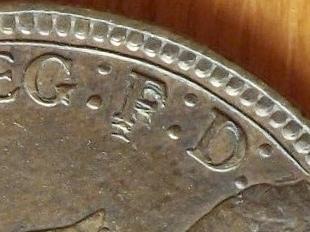
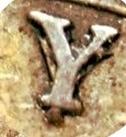
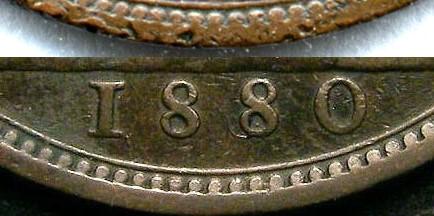
I can only real talk about my observations on copper or bronze pennies, as that is my major interest . I find that over stamped letters/ numbers are extremely common on coins up to about 1863 though some can still be seen through to the 20th century . The last I think being 1945. The ones that are of interest to me and I would guess a lot of collectors are the ones that are dramatically out of place or triple struck . Some examples below Triple struck Y quite sort after , note the G and D overstruck but of little interest Here's Y over Y dramatically out of place 8 over 8 And just look at this one !!
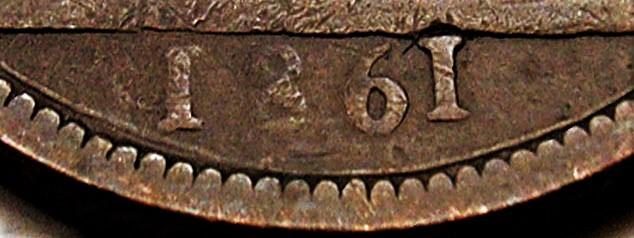 1 point
 -
1 point
-
1 point
-
1 point
-
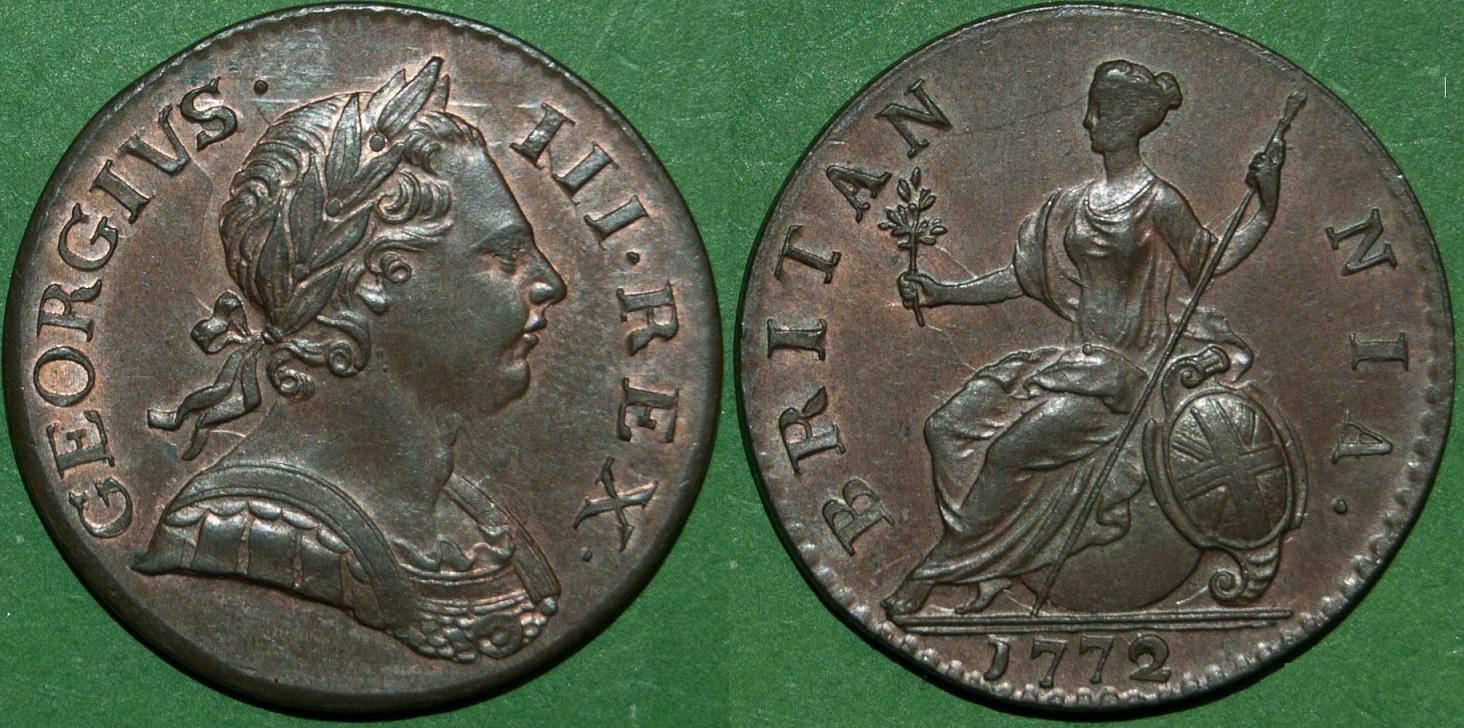
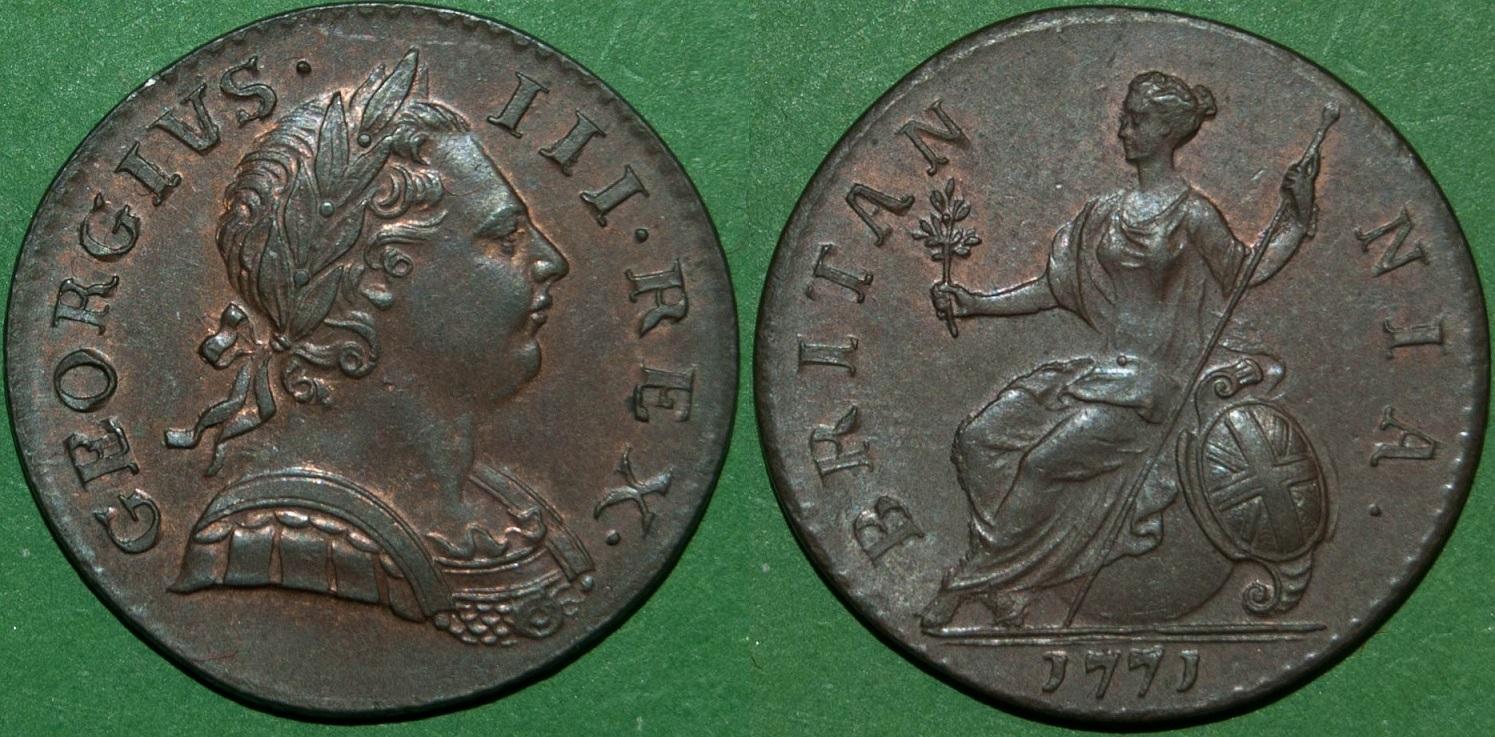
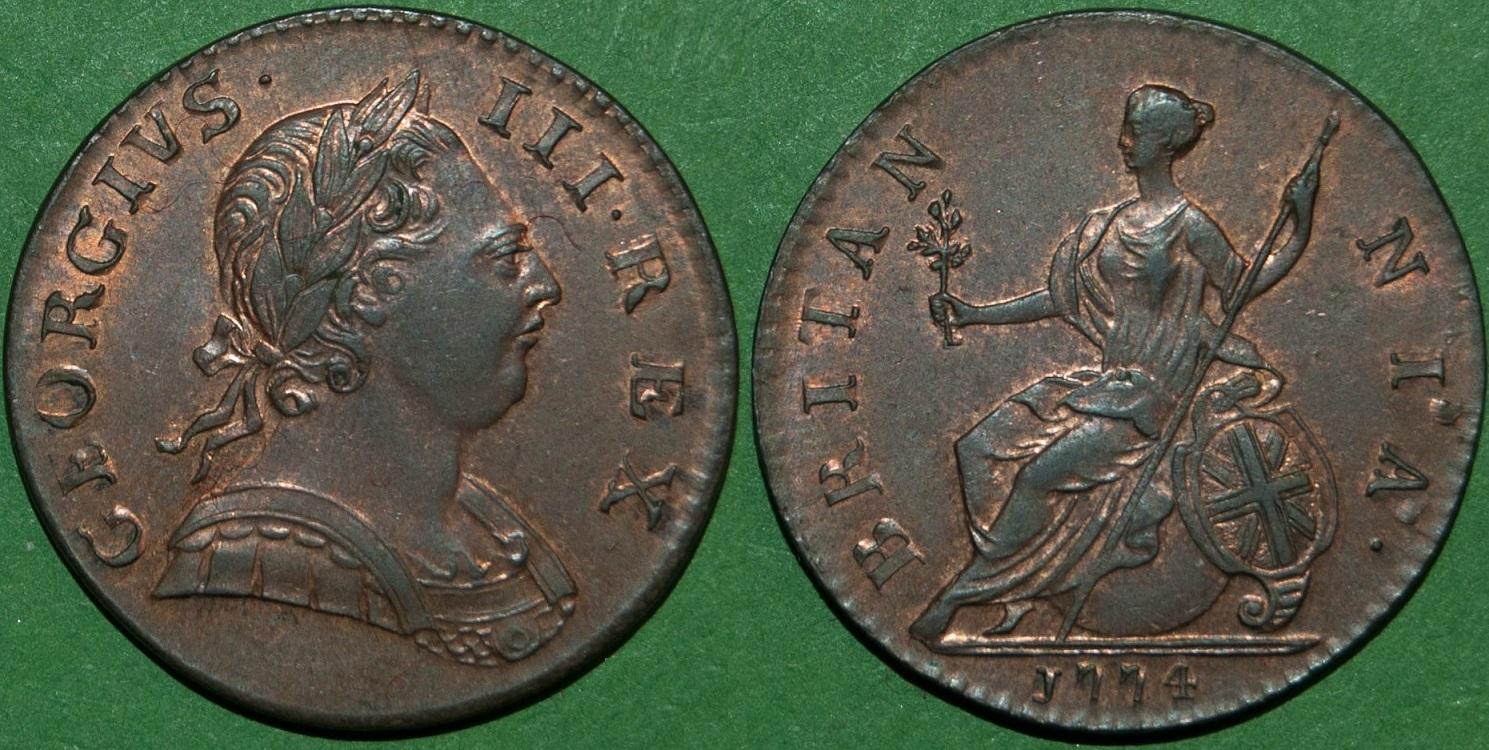
and a 74 for comparison
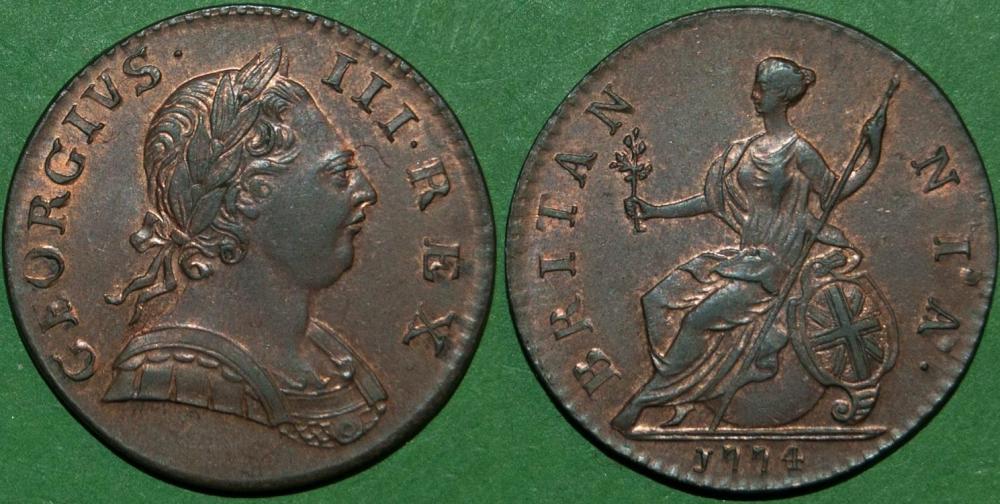 1 point
 -
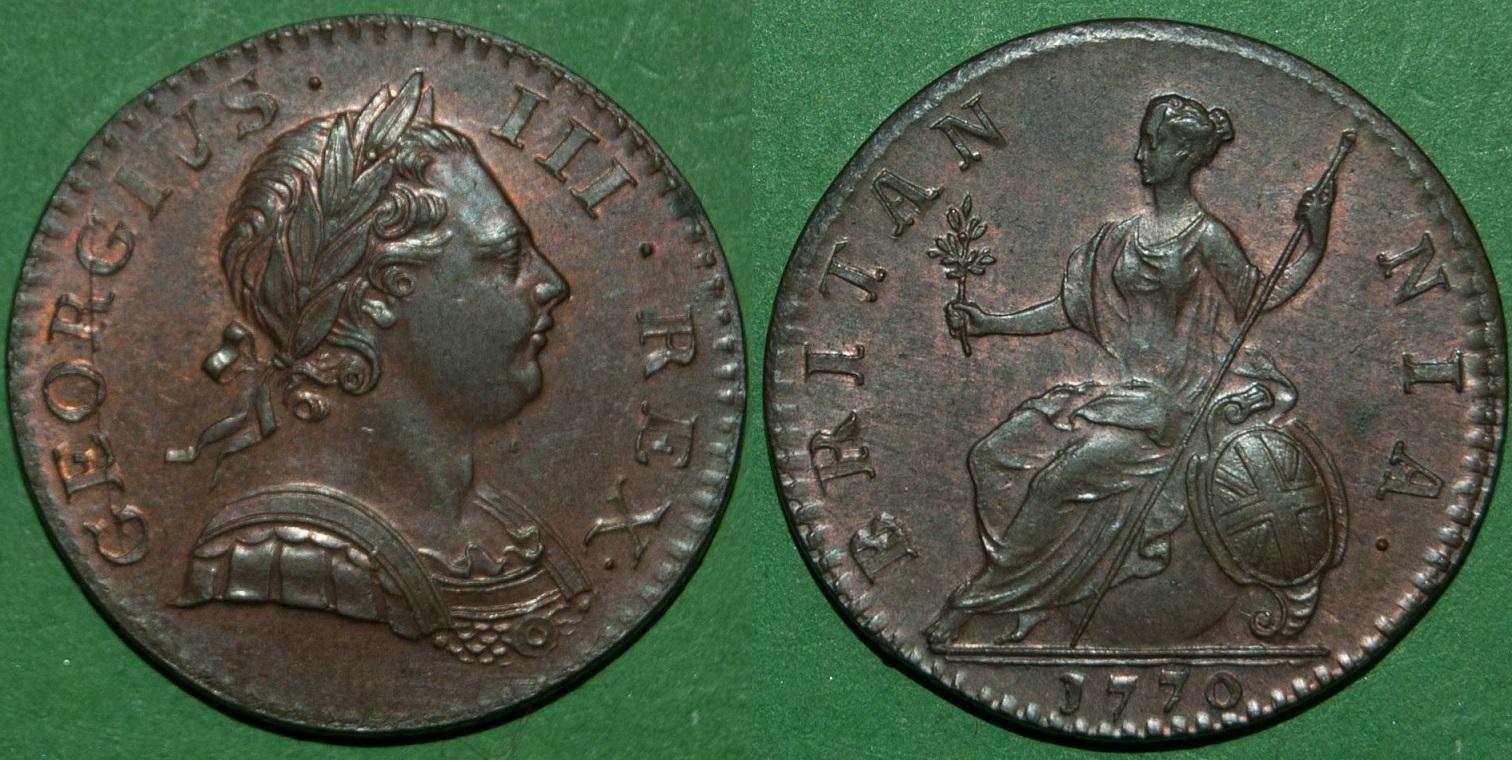
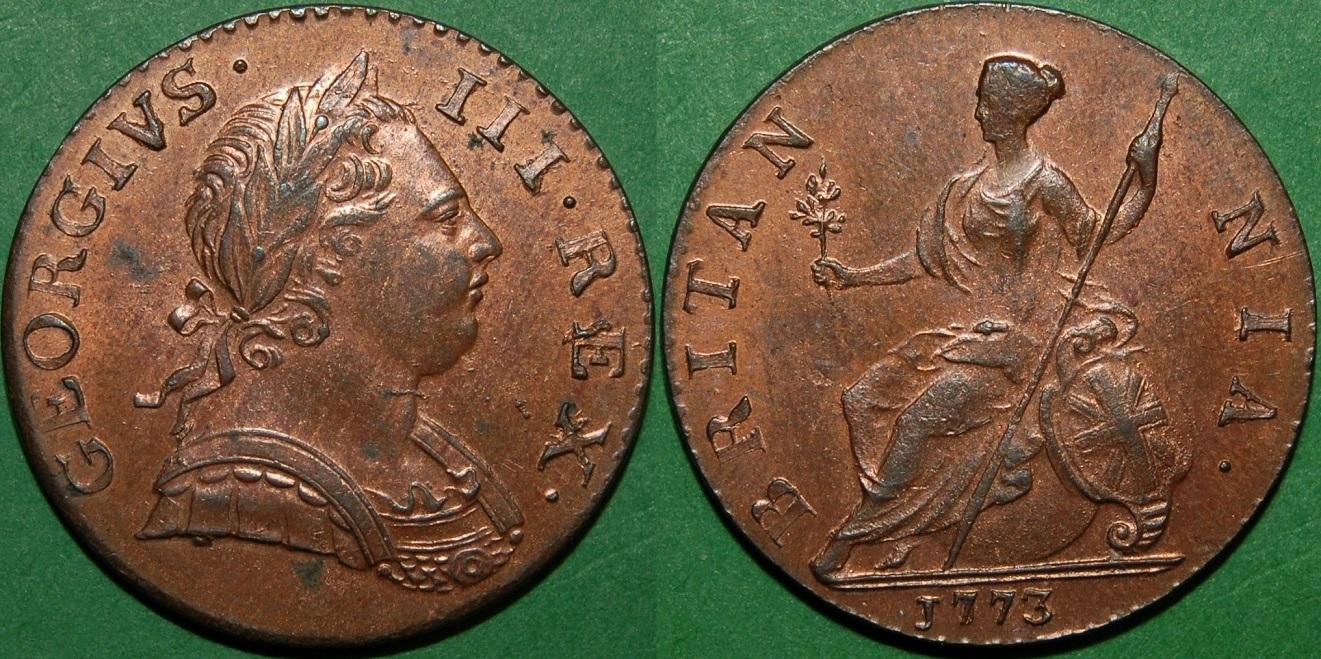
It is probably confusing for the uninitiated, but the genuine 1775s have what looks like coarser hair strands than the 70-74 coins. End assumption? Looks different, so must be wrong. To clarify - the late coins have a virtually straight line from forehead to tip of nose, but the earlier ones have a distinct kink in the road.
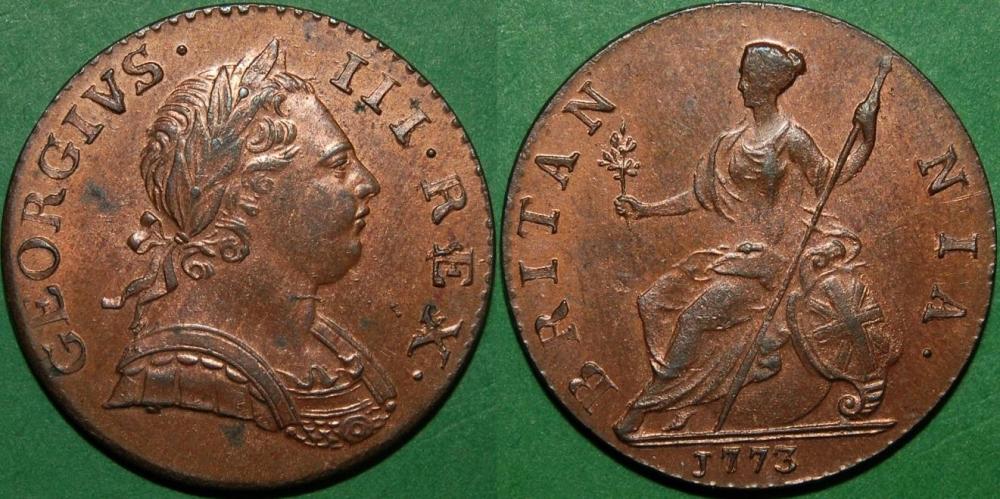 1 point