Leaderboard
Popular Content
Showing content with the highest reputation on 09/07/2016 in Posts
-
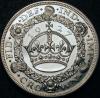
Well I have done my best to photograph my 1951 crown from the set (red box, black ribbons). I have a Spink receipt from 1952 for it too, which is nice Half Crown and Spink receipt also pictured2 points
-
Ok, boredom over2 points
-
The only thing I can thank CGS for is the nice pictures...1 point
-
That is an absolutely beautiful coin. Very jealous1 point
-
Of course if you want a really rare £2 coin, you need the mono-metallic trial coin from 1994. I was lucky enough to pick this up about 10 years ago before people really cottoned on to it.
 1 point
 -
Sorry, I can't remove the post you reported as 1. you provided no reason for the report, perhaps it was in error? and b. Peter was merely letting us know there is a vvanker in our midsts, no harm no foul.1 point
-
Really nice if early strike crowns with cameo contrast, the same going for the coins making up the 1950 set, especially the penny.1 point
-
Hunting and documenting copper varieties, 1671-1860, would provide you with decades of hunting fun.1 point
-
It is difficult and entirely depends where you want to go with your collection, I think the main reason the powerhouses get to the stage of micro varieties is because the initial list was filled, then the subsequent additions get filled, then when running out of things to collect, start to really scrutinize every coin, looking for differences. At the moment I collect (pennies) all the years, mint marks, the main recognised varieties like 1903 open 3, 1911 Gouby X, recessed ear varieties etc, and then have a side collection for anything of interest. There are some I have like the missing wave varieties that I don't want to include in my collection because they're caused by the natural process of minting coins and not by purposeful design changes. If you haven't already, I'd definitely recommend getting literature on your area of collecting because there are some excellent books out there to help you along the way.1 point
-
Actually think differently - I'd take the different penny and you'd buy a groat or something.1 point
-
I'm pretty certain that the first is Class 5b1 and is either WILLELM(.B.ON.LV) or WILLELM(.T.ON.LV), so London mint. They are they only two examples of Willelm in Mass (1432 and1447 respectively) with the obverse lettering HENRICVSRE/X (i.e. with the E before the sceptre). The first visible letter second one is not a V or R; the only other thing it looks like is an L, which could make it a class 5a2 (RENA)LD.ON.(NOR), so Norwich mint. At least the letters are in the right place with the D in the 6 o'clock position, but that's about all I can say.1 point
-
I only found this forum today, but I like to try to identify short-cross cut halves, so first post... Firstly, there were a series of moneyers with the name Willelm operating throughout the short-cross series; some even had a letter after their name to differentiate them (Willelm B, L & T). From the portrait I'm 99% certain that the first coin is a class 5b or 5c of John, which means that it could have been minted at Chichester, Kings Lynn or London. On closer inspection of the obverse I think it's actually class 5b1). The second is much more difficult, but the portrait looks like a class 5 or class 6, so the king is either John or Henry III. .The last letter of the moneyer's name is definitely D, so after a quick scan of Wren I think that the possible moneyers are Arnavd (class 5 London and Canterbury), Hernavd (Class 5 Canterbury), Renavd (Class 5 Norwich and York) and Roberd (Class 5 Northampton), although the other partial letter looks more like a V than an R, so I'd discount Roberd. I may be able to get a better ID tomorrow when I get a chance to refer to my copy of Mass, which I find essential for IDing short-cross coins.1 point