All Activity
- Past hour
-
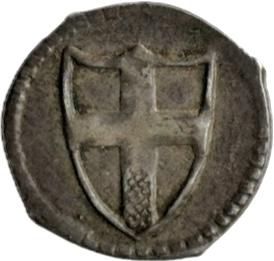
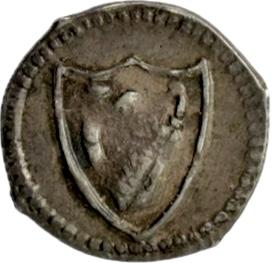
Teeny, tiny, somewhere around 0.25g! You can’t even detect the weight on a fingertip…a miracle they even survive at all in collectable grades.
-
Mine was £150…a little blocked/soft on the cross, and not a perfect harp. However, it’s excellent metal, it’s round, central, and a credible example I think…it’ll do! ☺️
- Today
-
those must weigh practically nothing
-
I am trying to trace an early coin list. The reference given is 1887 pattern sixpence ex Lobel list 18 GB231 £1,250. This may be a Richard Lobel private list, a Coincraft list or an old Pheonix publication no 18. Help please. A photo of the list would be a help but I expect Coincraft are the only people who might have it.
-
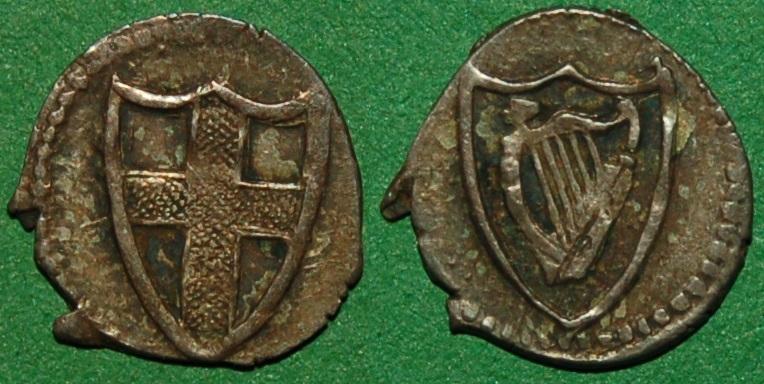
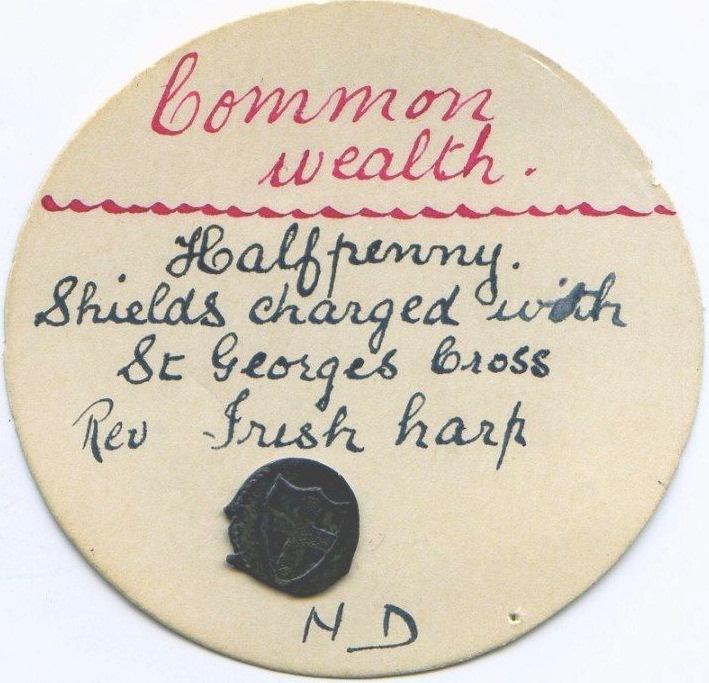
Yup, madness. I bought the Marshall coin in 2004 and I am perfectly happy with it - £87 delivered. I did have a go at the Lockett piece that was sold recently, but that made silly money,, and I like mine for the quirky shape and outrageously large distinctive tickets that came with the Marshall coins (44m dia).
-
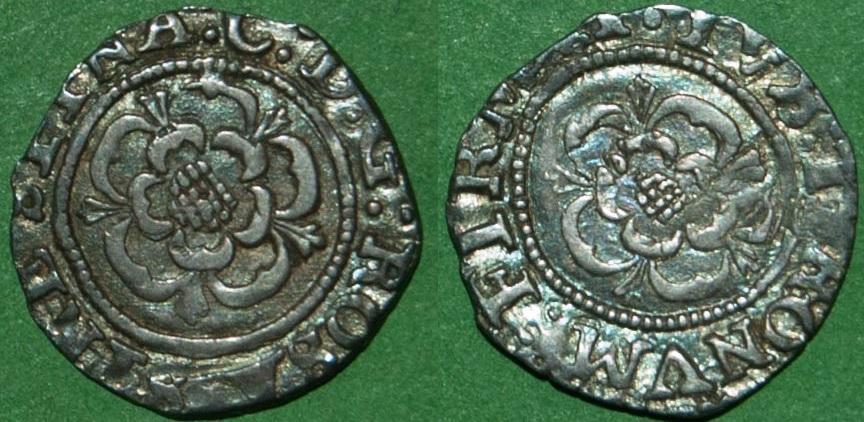
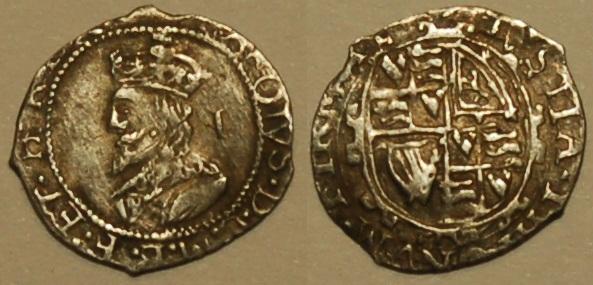
Those are all ones I have sold in the past. I only have 2 hammered (1st issue and portrait) and 1 milled (Briot) in the collection, nothing spectacular, just presentable examples. The first issue is always relatively easy to acquire in reasonable grades, but portraits are a problem. Trust me, for all its shortcomings, the last issue was an upgrade. Briot not included as they are invariably ok and it was too big to add to the post. It is probably more difficult to find a dog than a presentable example of the milled coinage.
-
I spotted two nicely struck and very acceptable Commonwealth halfpennies at the MCF last Sunday, asking price about £225 in both cases. I bought my own one from a European auction early this year, fully struck up and less than £180. There are nice examples out there but one on a Timeline Auction went for over £500 IIRC. Jerry
-
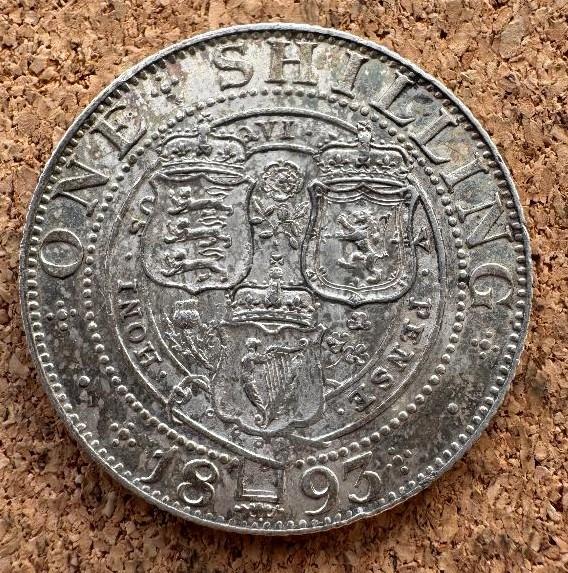
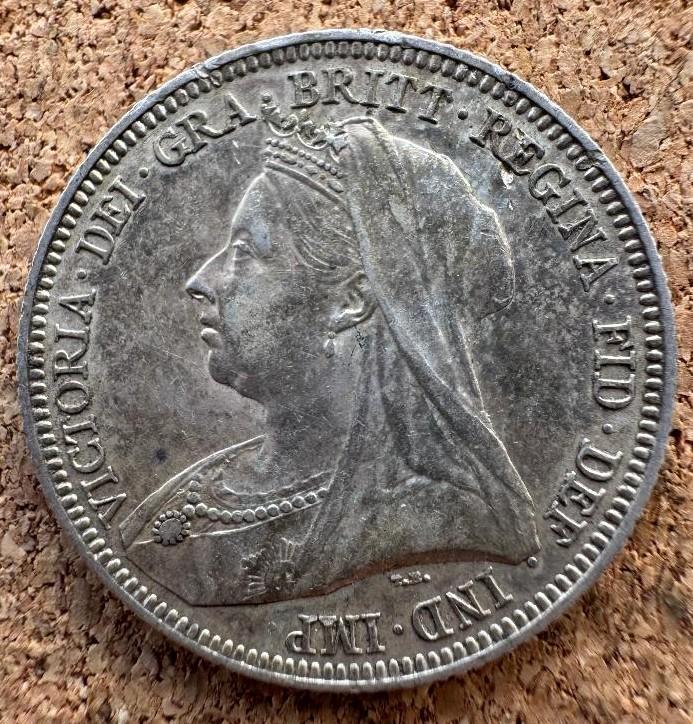
so I have a 1893 Shilling.... good condition 👍 I then read a reference to a 1893 small lettering but no images were provided.... following on I then found... Small obverse lettering with rare die pairing. Davies 1010A - dies 1C (the reverse type typically found on small rose 1895 and 1896 shillings with lines extending from the gaps between petals on the rose) by chance is anyone up on this reference??
-
You’ve compiled a highly eclectic collection of coins! Great stuff!
-
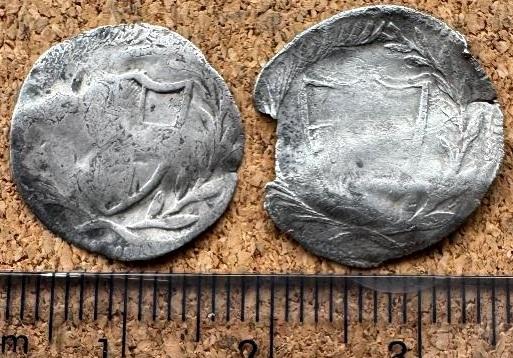
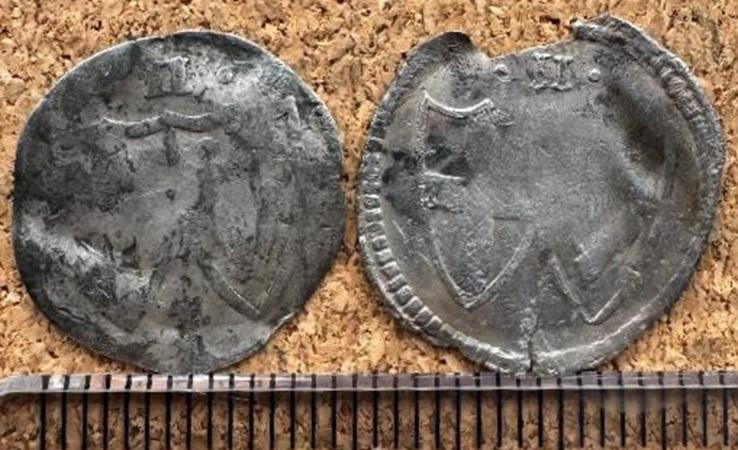
I also recently discovered these 2 commonwealth coins amongst my box of Hammered Coins, rubbed but nice to have all the same, ......£737.48 😲 gosh!
-
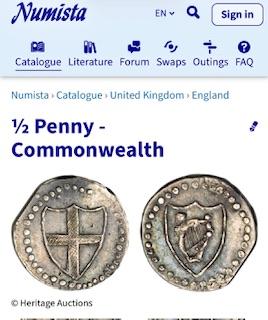
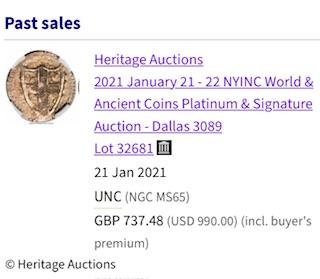
Having recently bagged an acceptable shilling, I thought I’d take a look at acquiring a commonwealth type-set, given that it would be quite small…so long as I ignored the dates and mintmarks. Anyhow, looking around last night, I stumbled across a nice little halfpenny, and decided to dig a little further into the market before buying it, and it’s amazing what you find… Firstly, that Numista had the misfortune to select an Heritage Auction image of an obvious copy, and secondly that Heritage auctions managed to achieve just under £750 for a different, graded example! Absolutely bonkers!
-
wow, I spent ages with Spink, was right at the point of giving it a Group letter.. then discovered no inner circles, were as mine has.......! I couldn't find mm, however I did read pellets and was wondering..... Rob your examples are nice...in typical fashion mine leave a lot to be desired mucky detail an all .... 🤔 however! again pleased I've manged to slot another one in the page of Pennys. many many thanks Rob its been a great help 👍
-
So one of my other areas is French coins. I love their big silver coins. From 1974 to 1980 (killed by the Hunt Bro's attempt at cornering the market) they had a 41 mm & 30 gram .900 50 Francs coin. I still need a 1979 for that series and was looking on ebay. Now melt for them today is $60 USD and I see one at $72. Ok, reasonable. But bad feedback. Look at his other listings and lots of obvious fakes - an 1812 Napoleon 5 Francs for $65 (!) and even more humorously, a Kingdom of Hawaii 1883 (46,538 remain of 499,000 minted) in seemingly UNC condition. If real, an easy $1600 coin. $65 as well. Yeah, I think I'll get my 50 Franc coin somewhere else... The original I looked at: https://www.ebay.com/itm/800122943117 Clicking on the seller's other items is when the "fun" begins.
-
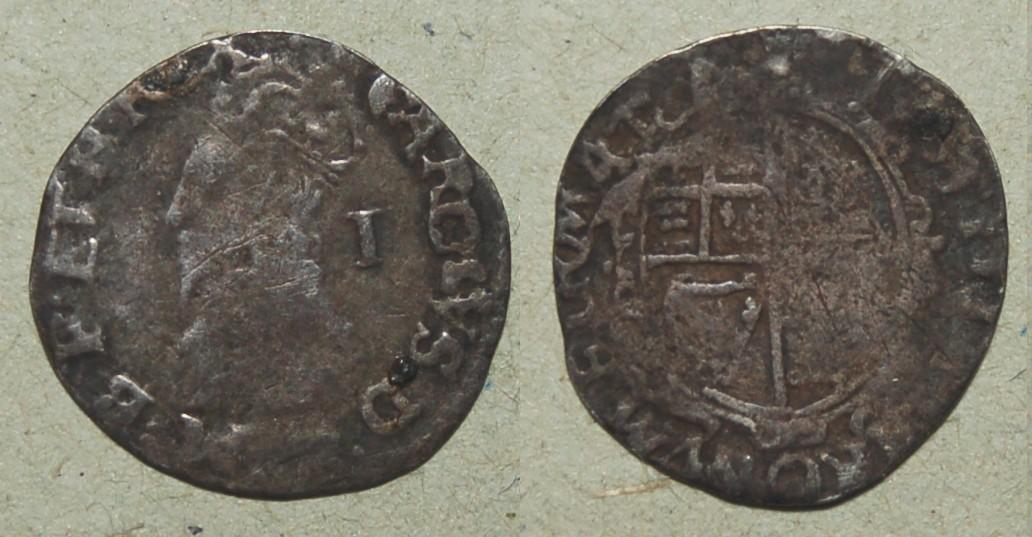
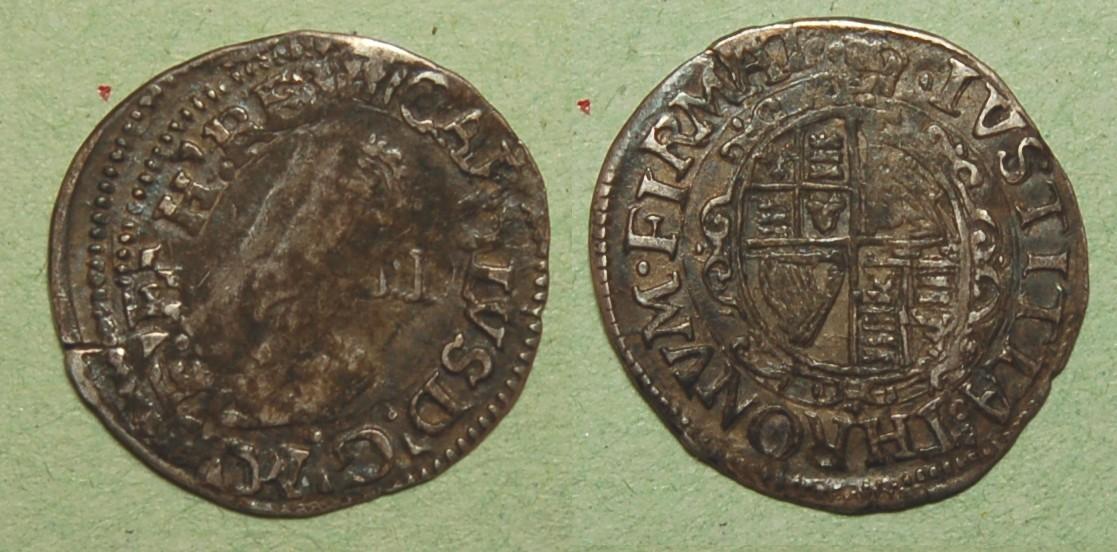
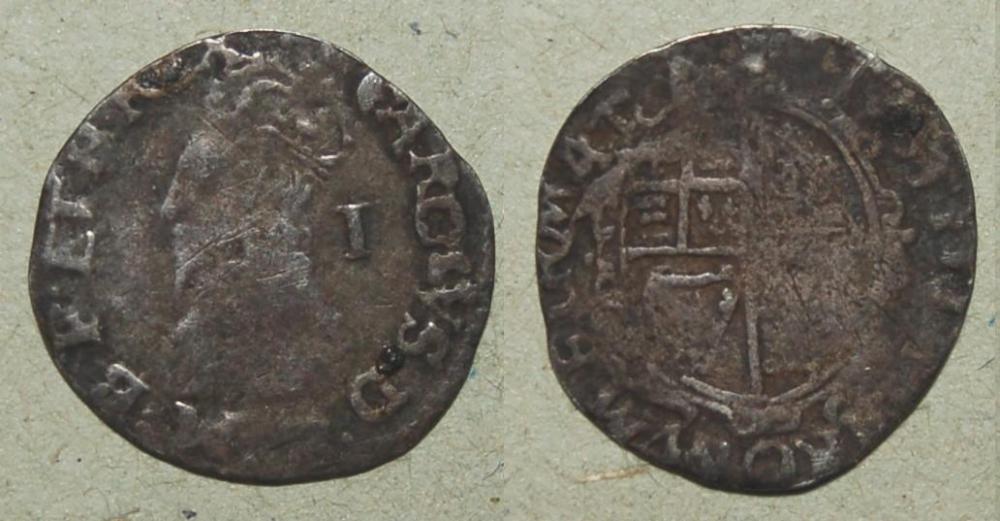
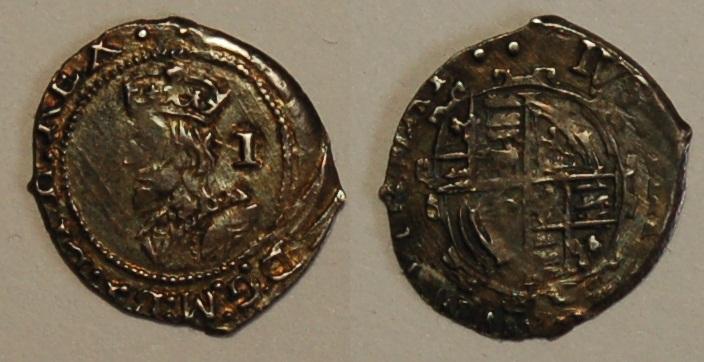
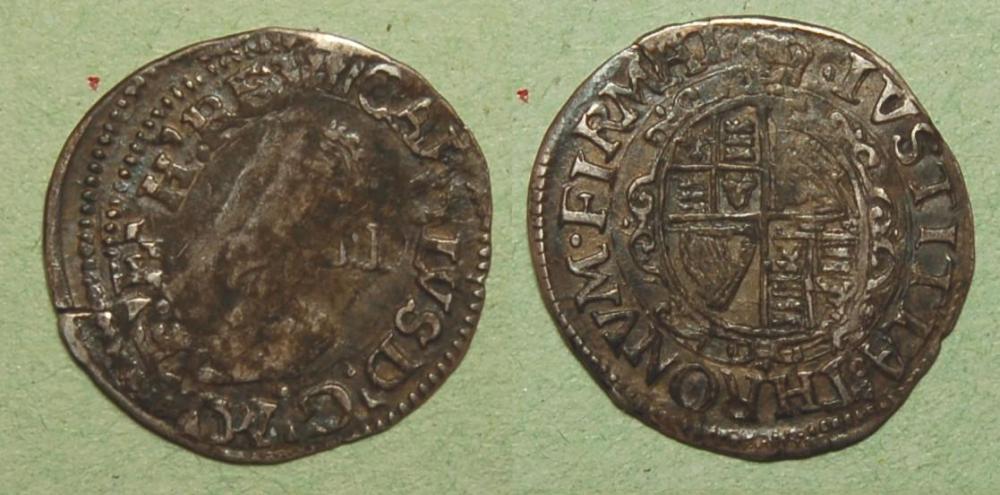
Tower Mint Charles I, 4th bust, Group D 3a1 penny, mm. pellet/2 pellets (assuming no extra pellets off flan), inner circle obverse only, garnished oval shield with no CR, standard legends both sides CAROLVS D G M B F ET H REX / IVSTITIA THRONVM FIRMAT with single pellet stops both sides. S2846. The bust is not directly comparable with the larger denominations, but broadly follows a style which can be dated 1632-1635, with a preference for the last couple years. It is a single arch crown, but the Gp. E bust typically has a double arched crown and is in any case a very cosmopolitan mix of styles given the introduction of the 'Aberystwyth' bust from 1638. Pennies were struck with pellet(s) as initial marks for most of the reign from 1630 onwards, meaning there is much dating conjecture. Stylistic comparisons seem to give the best results. I will do a bit of digging through Dave Greenhalgh's reference collection when I have time and see if I can find a die match. Chas. 1 pennies are a bit of a b**ger to find in high grade, with yours being a typical example. Lots of mucky detail, but not much really clear. Your best bet for a good penny of the reign is the last bust which crops up more frequently in thoroughly acceptable condition. Typical examples shown of a few busts.
- Yesterday
-
 Have you seen - Ancientart has changed his forum name!!
 -
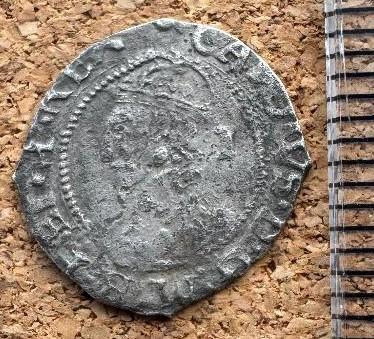
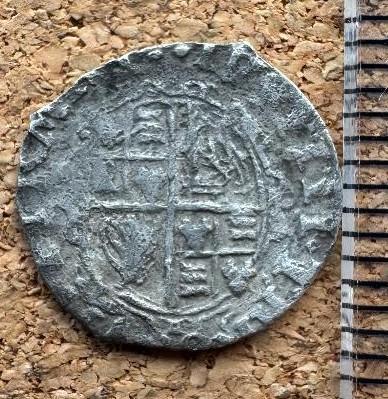
as far as I can tell its....... Charles I 1 Penny possibly 1630 - 32 Oxford? Weight 0.46 Grms not totally sure what group it could be? 🤔 all and any clarification greatly welcome. 👍
-
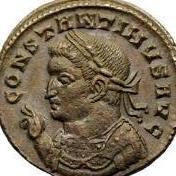
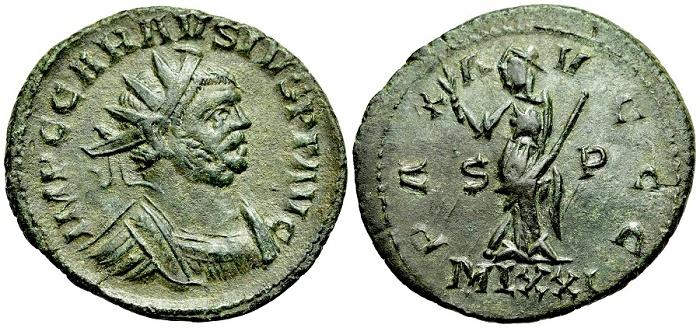
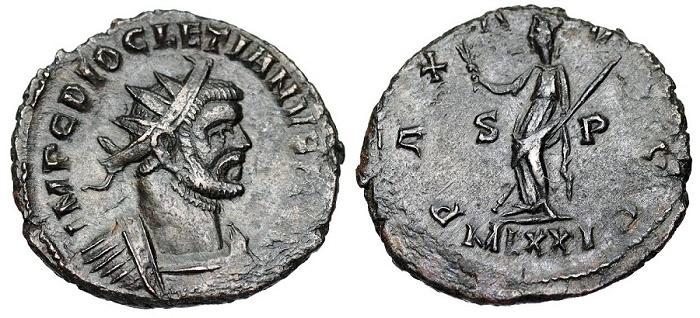
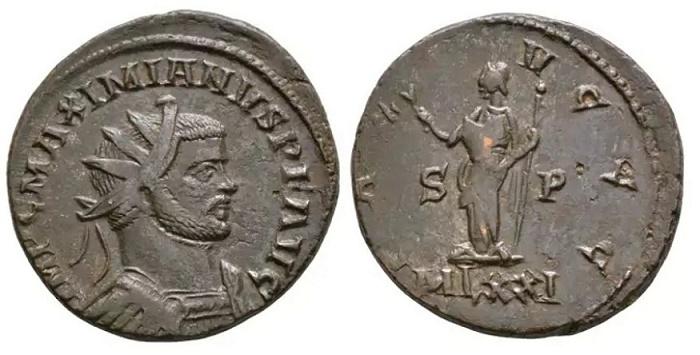
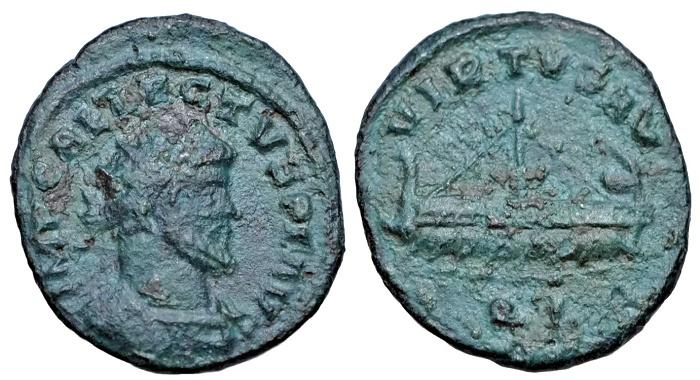
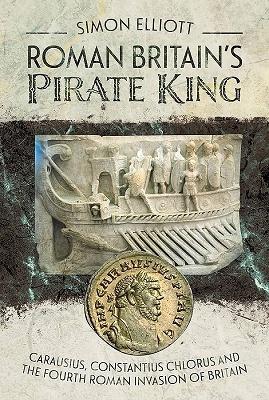
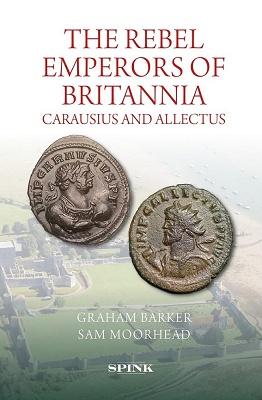
In A.D. 286, the Roman emperor Diocletian put Carausius in charge of clearing out the Frank and Saxon pirates pillaging the English Channel. Carausius defeated the pirates, but then declared himself ruler of Britain, in effect, becoming a pirate himself. Carausius struck coins in his name along with Diocletian and Maximianus in hopes that he would be formally named as a co-ruler; which did not happen. In A.D. 293, Carausius was murdered by his chief minister Allectus. In A.D. 293, Diocletian appointed Constantius I his Caesar and he defeated Allectus in A.D. 296 and control of Britannia was restored to Rome. Carausius struck coins in the names of the Roman Emperors Diocletian and Maximianus. This presumptuous and ill-fated desire to be recognized is why the reverse legend of these coins end with AVGGG- - one G for each Augustus. These coins also have XXI in the exergue, which is likely a mark of value, meaning 20 parts alloy to 1 part silver. They also have ML at the beginning of the mintmark; which translates as "money from London." Carausius A.D. 291 Ӕ Antoninianus 24mm 4.3g IMP C CARAVSIVS P F AVG; radiate and cuirassed bust right PAX AVGGG; Pax stg. l., holding olive branch and transverse sceptre; S-P across fields. In ex. MLXXI RIC V London 143; RIC V.5 London 2197 Diocletian A.D. 291 Ӕ Antoninianus 21x24mm 4.4gm IMP C DIOCLETIANVS P F AVG; radiate and cuirassed bust right PAX AVGGG; Pax stg. l., holding olive branch and transverse sceptre; S-P across fields. In ex. MLXXI RIC V London 9; RIC V.5 London 3546 Maximianus A.D. 291 Ӕ Antoninianus 24mm 3.8g IMP C MAXIMIANVS P F AVG; radiate and cuirassed bust right PAX AVGGG; Pax stg. l., holding olive branch and sceptre; S-P across fields. In ex. MLXXI RIC V London 34; RIC V.5 London 3607 Allectus A.D. 293-296 Ӕ Quinarius 19mm 1.9g IMP C ALLECTVS P F AVG; radiate and cuirassed bust right. VIRTVS AVG; galley with five oars. In ex. QL RIC V London 55; RIC V.5 London 276 This topic is merely a gloss on a subject that has several good books written about it. Two suggested books-- Roman Britain's Pirate King: Carausius, Constantius Chlorus and the Fourth Roman Invasion of Britain by Simon Elliot Rebel Emperors of Britannia: Carausius and Allectus by Graham Barker and Sam Moorehead
-
- 3
-

-

-
 I can’t imagine for a second that this wouldn’t be welcomed, it’s a great idea!
 -
 I hadn't seen the other one! Yes, that's enough website linking for now Ancientart. Join in with some conversations by all means, and add your website to your signature. On a bit of a tangent, I was wondering about offering paid and not obtrusive banners/ads on the website, just as a way to cover the hosting costs etc. Obviously members that are also dealers would have priority, perhaps even a sub forum for each advertisers' offerings or something along those lines - just a rough idea for now.
 -
I also think that sharing they are a trader and have a website selling coins of interest is something they should really be doing just once? It’s my view that coming on here and presumably linking us to every coin they’re selling is a bit of a liberty. Imagine if everyone out there started doing that? Even if all the longstanding dealers on here (who are engaging and sharing valuable content) started doing this routinely, it would be overwhelming? It could eventually open the floodgates to having a significant amount of dross to sift through to find content of interest. If it’s good for the forum’s traffic and ranking, could we perhaps have new sub-forums for ‘sales links’ under the various coin categories, Ancient, Hammered, etc., and encourage traders to use these? @Ancientart very nice work with the website, I have to say, nice and clean, a lot of effort, I really enjoyed browsing it! 🙌🙏
-
Hello Ancientart, welcome to the forum. I'm not suggesting your account or website aren't absolutely genuine, but to anyone reading this and visiting the website linked to above, I think caution should be exercised - the very generic looking website was created less than 6 months ago, the address is a PO Box (and has opening hours!) and the links to facebook, x, pintrest etc contain no content (yet). I'm sure Ancientart will build up a reputation in due course. 👀
- Last week
-
There's a lot of country's central banks buying gold and silver rather than US Treasury bonds. Food for thought. Australian one pound and ten shilling notes up to the 1930s had the inscription on them with a promise to pay the bearer the value in gold coin long after Britain stopped issuing gold coins for circulation. The Australian branches of the Royal Mint were still minting gold sovereigns.
-
 Thank You
 -
Britain had had a token currency since 1816. Before then the wild fluctuations in metal prices - especially silver and copper - during the reign of George III saw only very limited strikings of those coins for currency. However, even a token coinage needs to not be unprofitable to produce, which it had certainly become by 1919. I'm sure you're right about the reasons behind that. Fascinating that the recent rise in silver values more or less brings it into line with the increase in cost of living since 1912.
-
Superb condition