All Activity
- Past hour
-
No sorry but they are just scrap. The best thing to do with any Bronze coins post 1901 is to buy the David Groom book " British 20th Century Bronze Coin Varieties ". Its only about £10-£15 posted on Amazon and will help you get familiar with any varieties for Bronze Pennies, Halfpennies and Farthings. There is a seperate one for silver coins also, should you be interested in those.
- Today
-
I think all these alterations add to the history. A plug means someone thought it interesting enough to use as a medallion or touch piece, then someone later felt it was interesting enough to repair. Engravings are often love tokens or claims to ownership. A split or fragment means it has been in the ground for some time. I think that is why I find perfect proof coins a bit dull.
-
Arrrrggghhhhh! more strays showing up. ( Albeit Half Penny's)😧 ah, So ......of any interest? worth keeping??
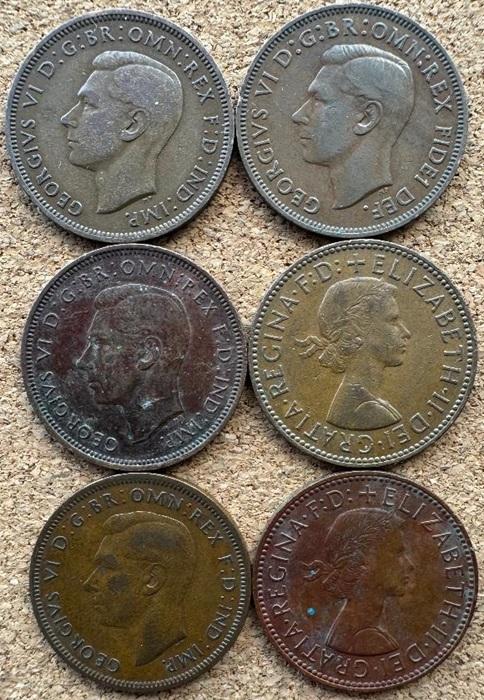
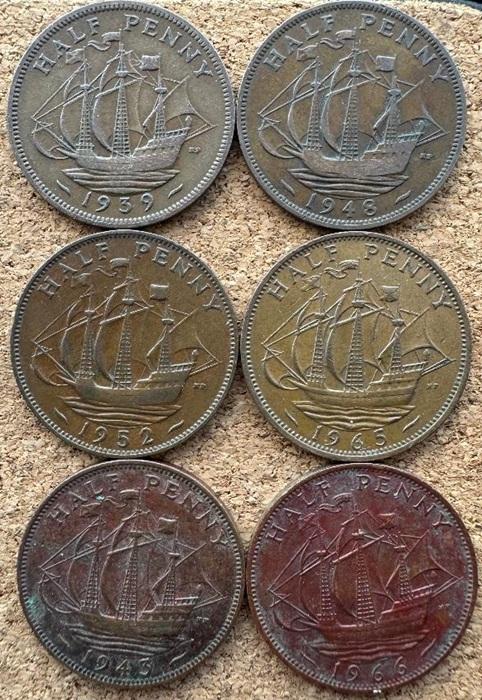
-
similar as Paddy I have coins that have holes in them and counter stamped. I have others that have been engraved as love tokens, nice enough in there own right. 👍
-
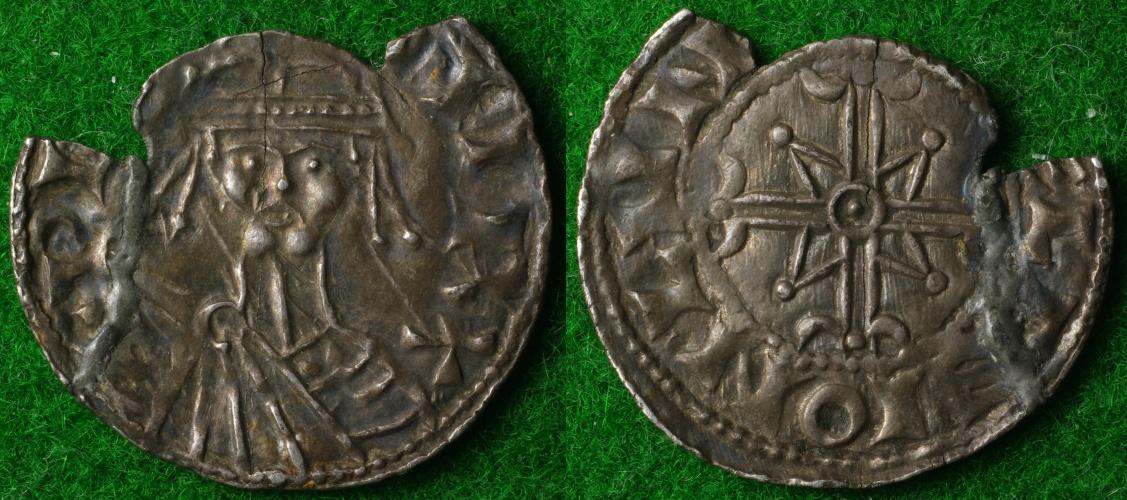
I guess most "serious" collectors would avoid plugged coins, or any other damage. But if that is the only way you can fill a gap within budget, then go for it! I have a number of damaged coins in my collection - some with engravings in the field, some ex-mount, some hammered even missing fragments, but they will fill the gaps until and unless I can afford to replace them with something better. Here, for example, is my William I penny. I would love to have one without the missing chunk, but until one comes along at a price I am happy with, it will stay with me. Your Henry VII, by the way, is a lovely example apart from the plug.

-
 TJ91 joined the community
 -
Hi all! I’ve been collecting on and off for a few years but only recently decided to try and take it up seriously. Came across this Henry VII plugged groat at a fair which after some deliberation I decided to buy as apart from the plug I thought was a really nice example but just wondering what people’s views are on plugged coins generally - do other collectors avoid them altogether and do they hold any value? I thought the price was reasonable given the plug but wonder what others views are. Would others buy a plugged coin to fill a gap or go for a lower grade, non-damaged, coin instead? Thanks!
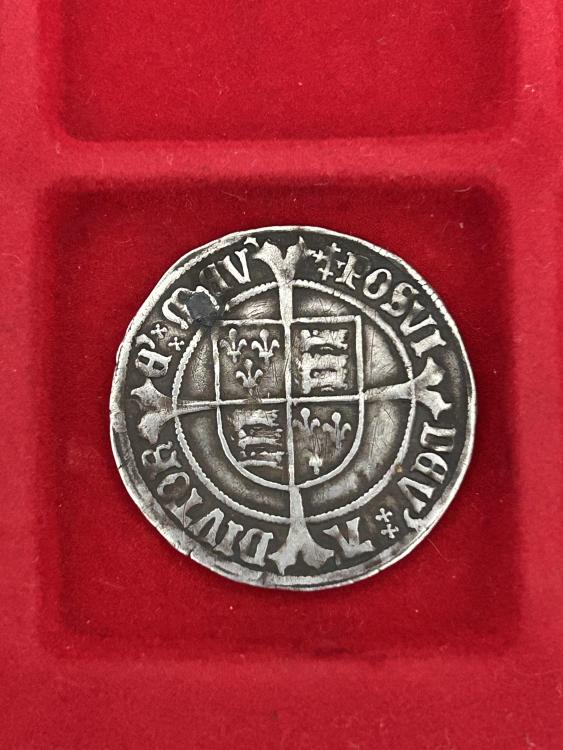
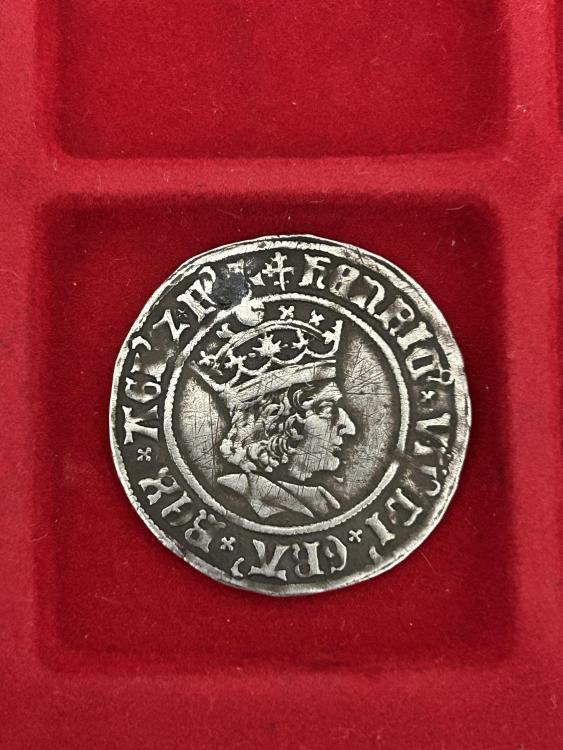
-
Really interesting - I've added it to my rare penny site with a question mark.
-
-
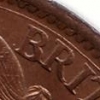
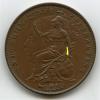
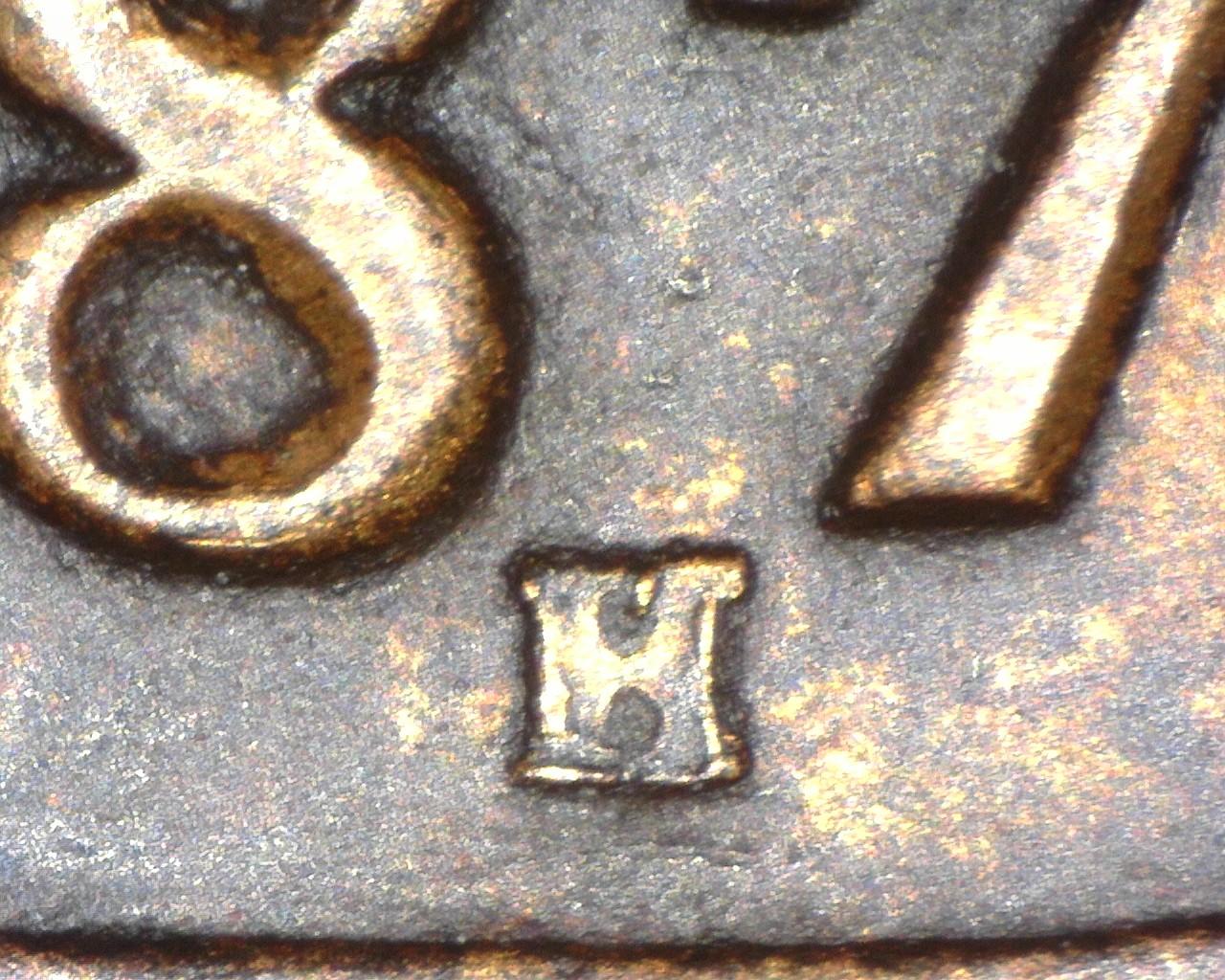
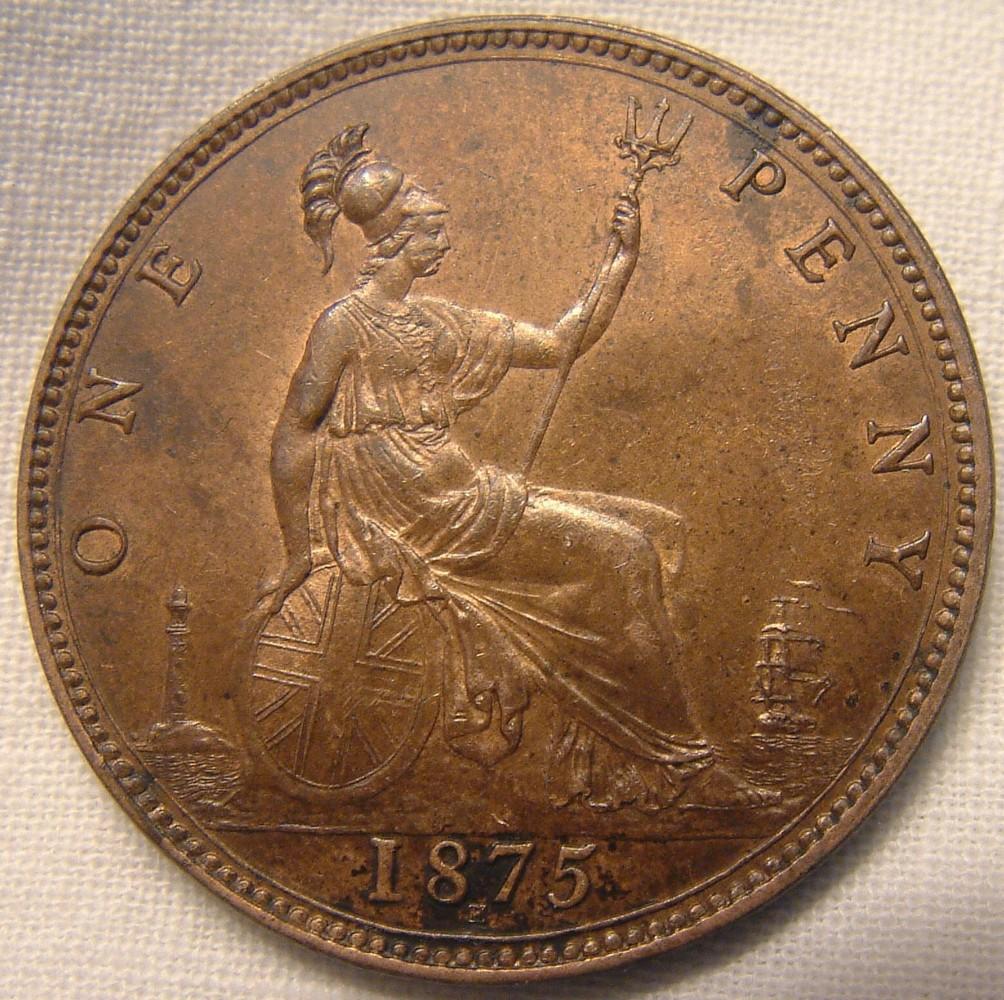
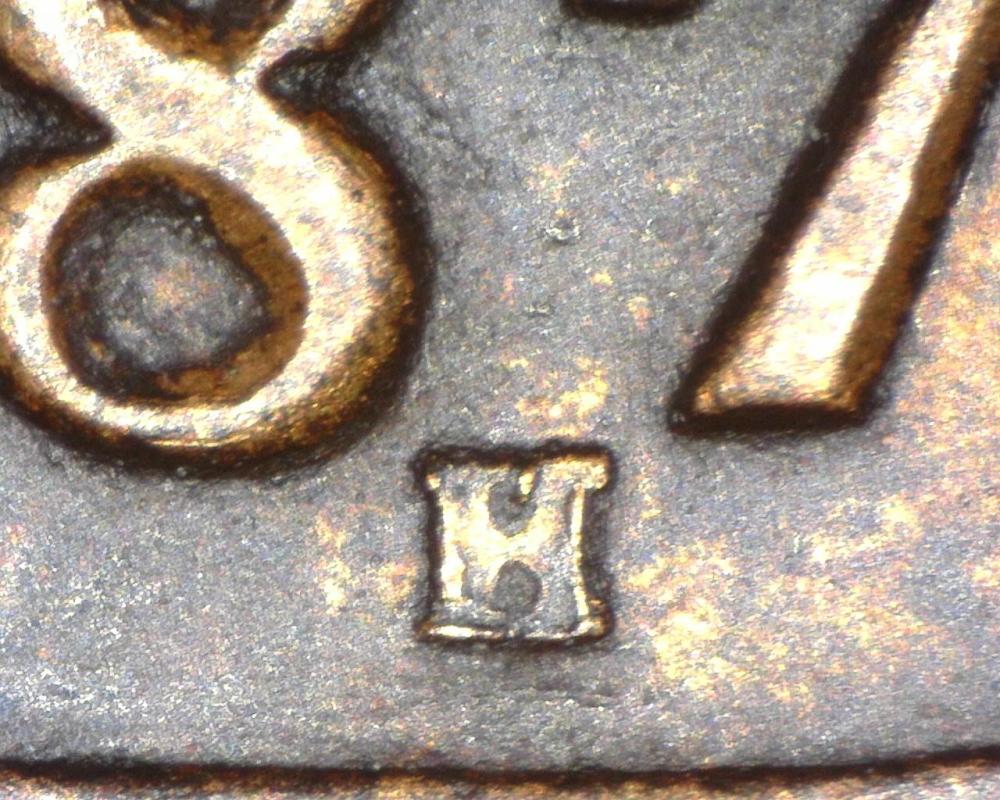
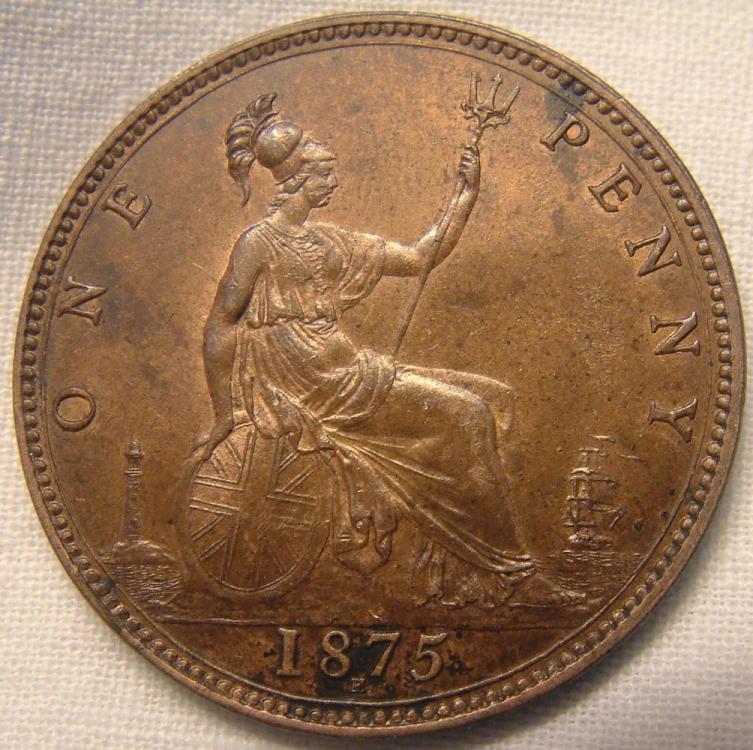
I agreed Martin, and here it is. Digital microscope (x140) picture of 'H' to follow. Any views please, I've struggled to classify it as a fake myself......but then what do I know about metallurgy!?
- Yesterday
-
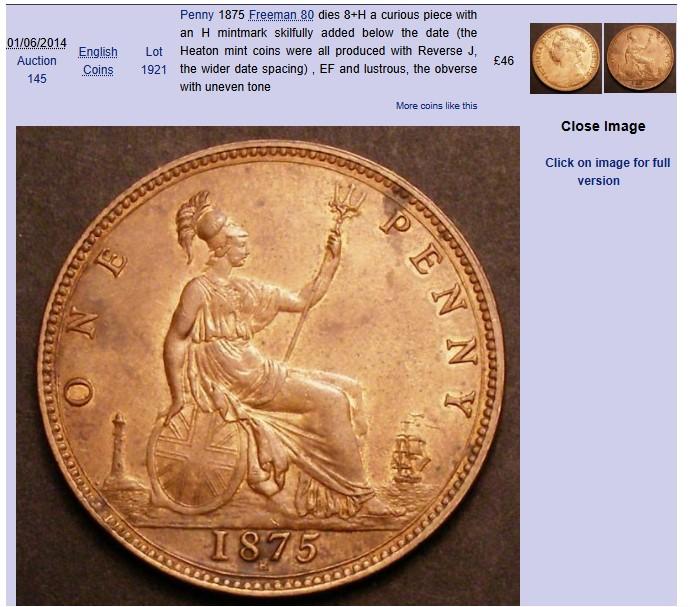
I see London Coins sold this piece below a decade or so ago, concluding it was a doctored piece (is it???) with the H presumably added post-mint. Maybe this is the one Freeman saw and then had second thoughts? Did any forum member buy it, perhaps? Seemed a fair price for such a curio!
-
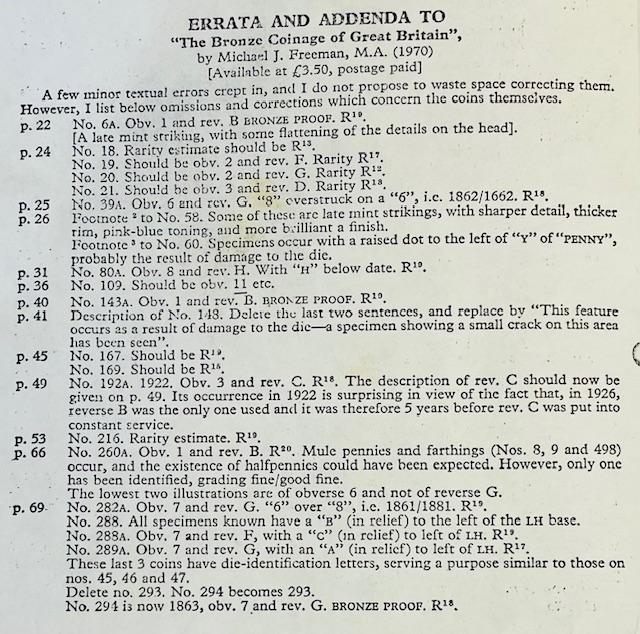
Regarding pennies, an addition not incorporated into the 1985 edition: Page 31, number 80A (1875 8+H with H below date) - can we assume that this coin does not exist ? I have never seen it referenced anywhere, including Gouby.
-
More Pennies
Bronze & Copper Collector replied to Prax's topic in British Coin Related Discussions & Enquiries
It was the basis of the updates, subject to his future decisions. He later removed the milled penny (that I recently sold) from the catalog after receiving an assessment from the Royal Mint that it was a post mint alteration. Just as his 1970 edition was an extension of his several updated versions of his penny studies expanded to include half pennies, farthings, patterns, trials, etc. There are ALWAYS corrections, updates, modifications, etc to a work of this magnitude. There have been many new discoveries to add to Peck, Braman, Freeman, etc. No guide/catalog is a final authority, it merely contains information known at the time. They grow, mature, learn, make adjustments and corrections, expand as a living being. -
I didnt know there was now a few of the mule and thought there was only the one, sold by Hiram Brown. I would buy one today for much more than it sold for at Noonans and will have to start looking now 👍
-
Some were although some not and the two page ammendment sheet put inside the 1970 book at a later date. The 1909 F169 is another and says should be R15 although was in the later books as R9. Nothing amazing and was just posted for anyone who may be interested.
-
Not quite all, though... Eg. the mule 1860 halfpenny listed above as 260A does not appear in the 1986 or subsequent editions, instead there the one given 260A is the missing knot 1*+A, but non-mule, and 260B its proof. Wonder why he never mentioned again such a mule piece? I believe a few are now known?
-
More Pennies
Bronze & Copper Collector replied to Prax's topic in British Coin Related Discussions & Enquiries
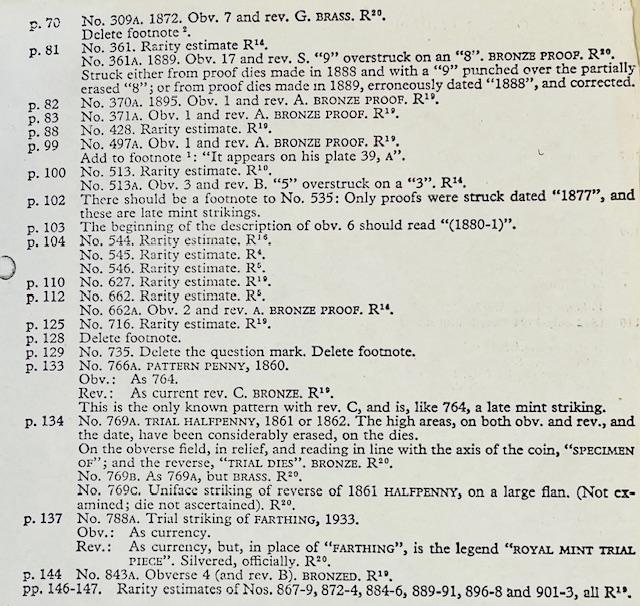
These, if I am correct, are you amongst the updates included in the second (1986) edition. -
It was inside a copy of the 1970 First edition i bought a few months ago and hadnt seen one before.
-
Where does this come from, Pete ?
-
-
Dont know if this is any interest to anyone. Although i have posted in pennies, it also covers other bronze. These were amendments freeman made after his first bronze book, showing some that he had estimated to be less rare than he originally thought or at the time of print didnt know existed, such as the 1860 Halfpenny mule, 1870 Dot penny etc.
- Last week
-
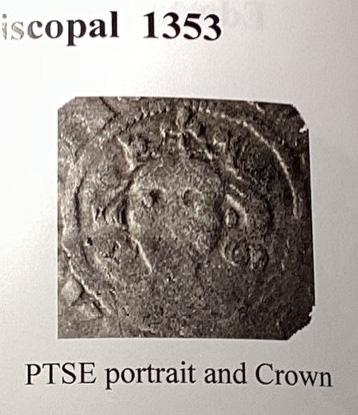
I suspect so, and while close I don’t think it’s an actual die match with H’s. Potentially a very rare coin, especially as the one illustrated is the best Dave Greenhalgh could find! Jerry
-
Thanks, Jerry…agreed, and this is probably what he has to be honest. I’m guessing these would be local dies?
-
Hi Stu, here is the pic. Very similar crown. Jerry
-
I don’t suppose you have an image of that coin to hand, do you? I don’t have a copy of that book, just the Galata pennies of Edward I & II
-
That very distinctive ‘stalked’ central fleur looks pretty much identical to the illustration of the ‘Edward III Pre Treaty Series E York Episcopal’ Penny on page 70 of ‘The Galata Guide to Mediaeval Pennies Part 1’ though I cannot see a quatrefoil after ‘ANGLIE’ on H’s specimen. It is an interesting coin, and I think Dave Greenhalgh is the man to give an opinion here, if anyone is a contact. Jerry