All Activity
- Past hour
-
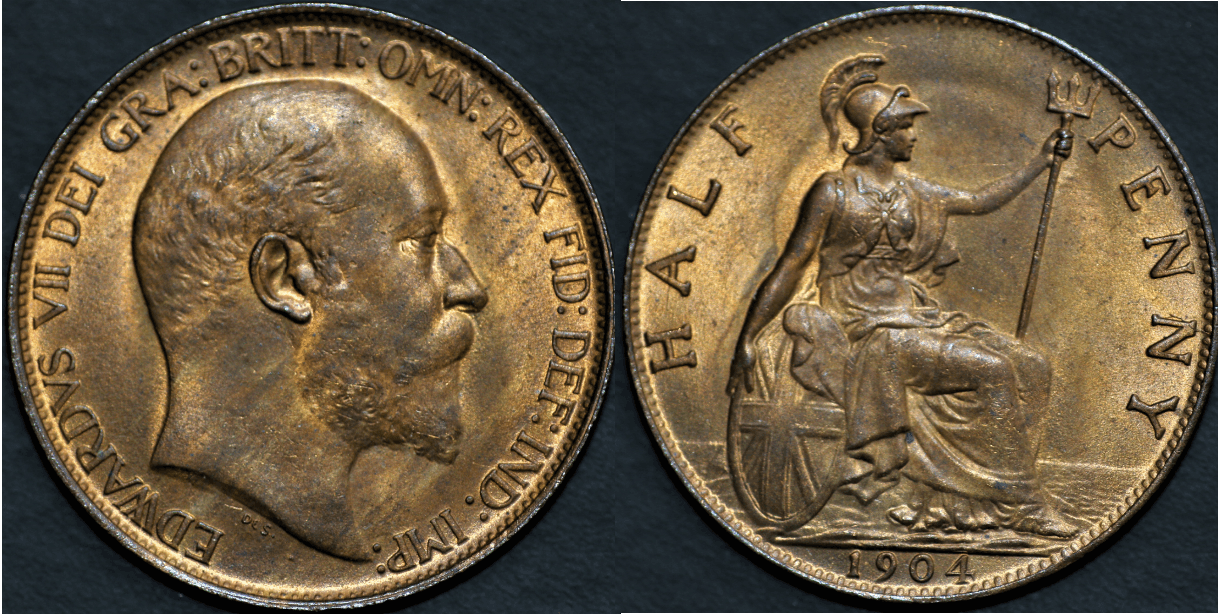
 Thanks the image is not a good representation of remaining luster and the colour, I was playing with the ISO setting on the camera while the image shows nicely the depth of the strike the remaining luster is a higher percentage than the image shows and the colour is better aswell. I need to learn about lighting and practice more with the camera. Looking at sold examples of the 1904 this coin I think is roughly around the £60 price point. Similar coins have sold for quite a bit more and quite a bit less.
 -
More Pennies
absence of uniformity replied to Prax's topic in British Coin Related Discussions & Enquiries
The challenge is to find a uncirculated 1915 with the thin defined ear, regret to say I have not found one yet. -
More Pennies
absence of uniformity replied to Prax's topic in British Coin Related Discussions & Enquiries
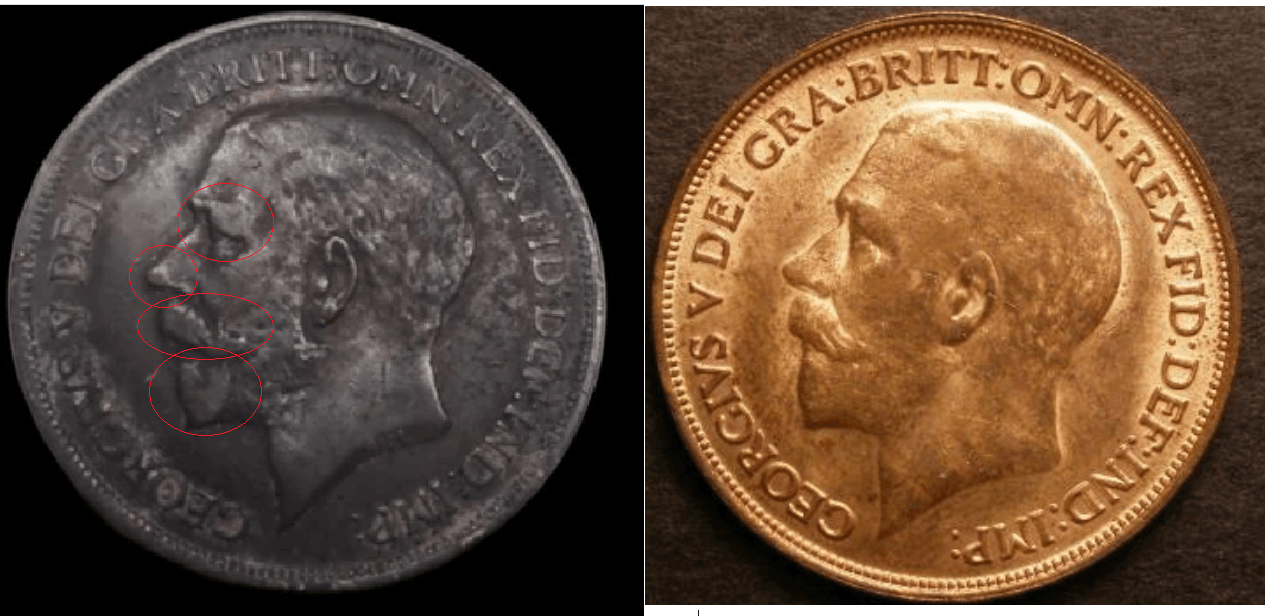
Here it's clear cut, the "uncirculated" coin does not show the flat/worn areas on the face highlighted by red cicles on the worn coin yet the the top curved part of the ear on the uncirculated coin is not a thin defined line. I know strike and die wear are factors on this year. But how can a worn coin have a more defined ear if the ear is not recessed? Given its hard to find a sharp struck 1915 with or without a broken tooth if the ear is finely defined IMO its a recessed ear. It really stands out to me.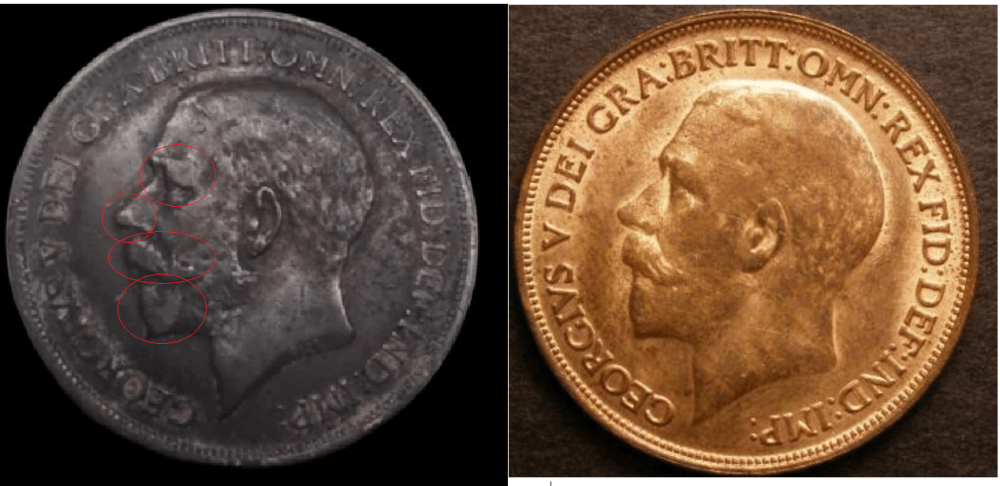
-
More Pennies
absence of uniformity replied to Prax's topic in British Coin Related Discussions & Enquiries
For me its all about the top curve of the ear, a thin defined line broken tooth or not, with overall wear to coin or not. The top curved part of the ear looks rounded without any flat spot. You can clearly see flat worn areas on this coin but the the top curved part of the ear remains thin and defined. Coins listed as uncirculated which are not recessed ear types dont have the definition to the top part of ear. For me thats the easiest way to know with or without a broken tooth.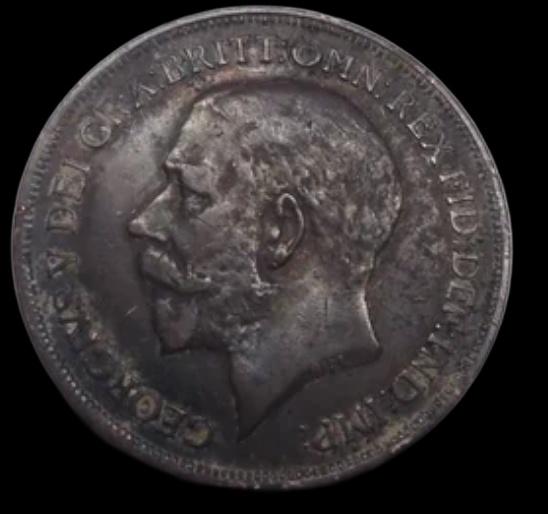
- Today
-
I thought the ganga dynasty started with bob marley in Jamaca
-
Thanks Avocet. That makes it a lot easier.
-
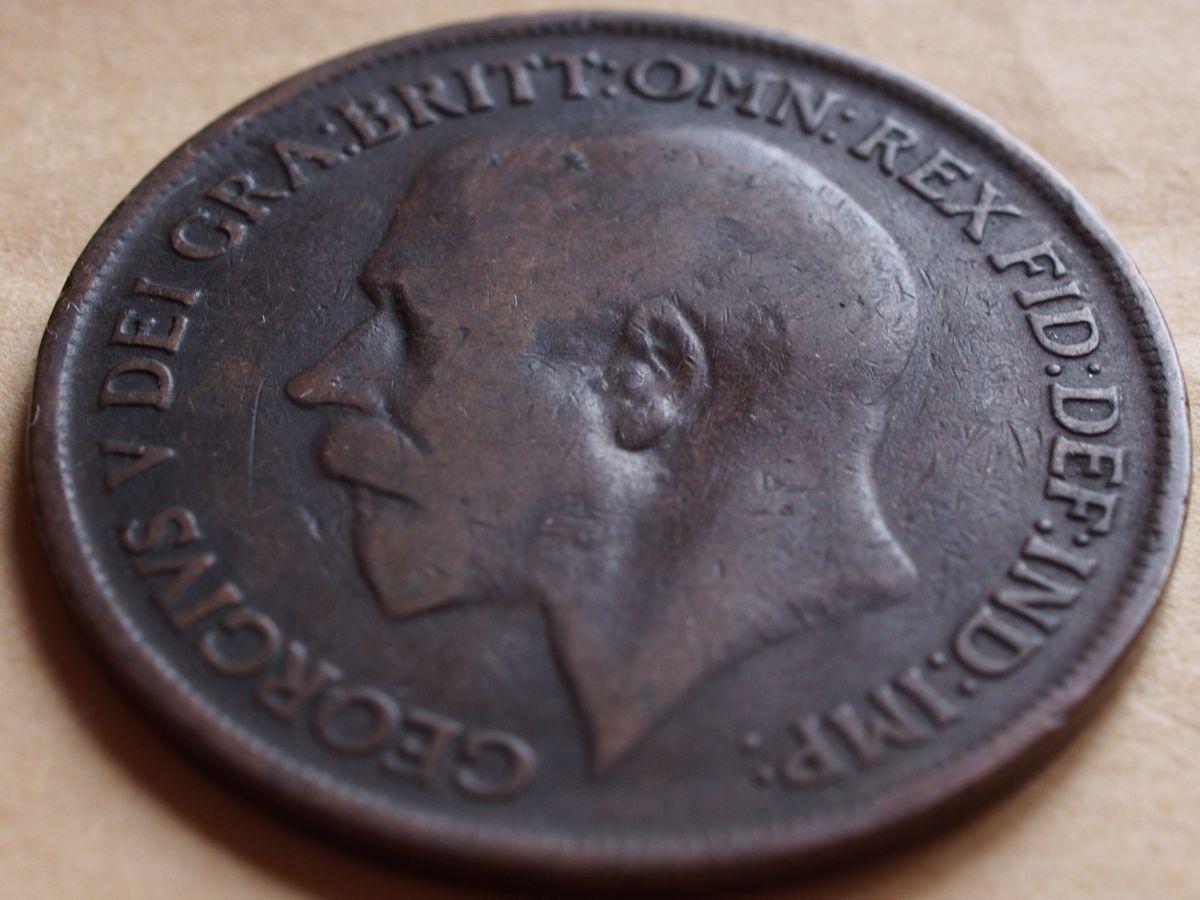
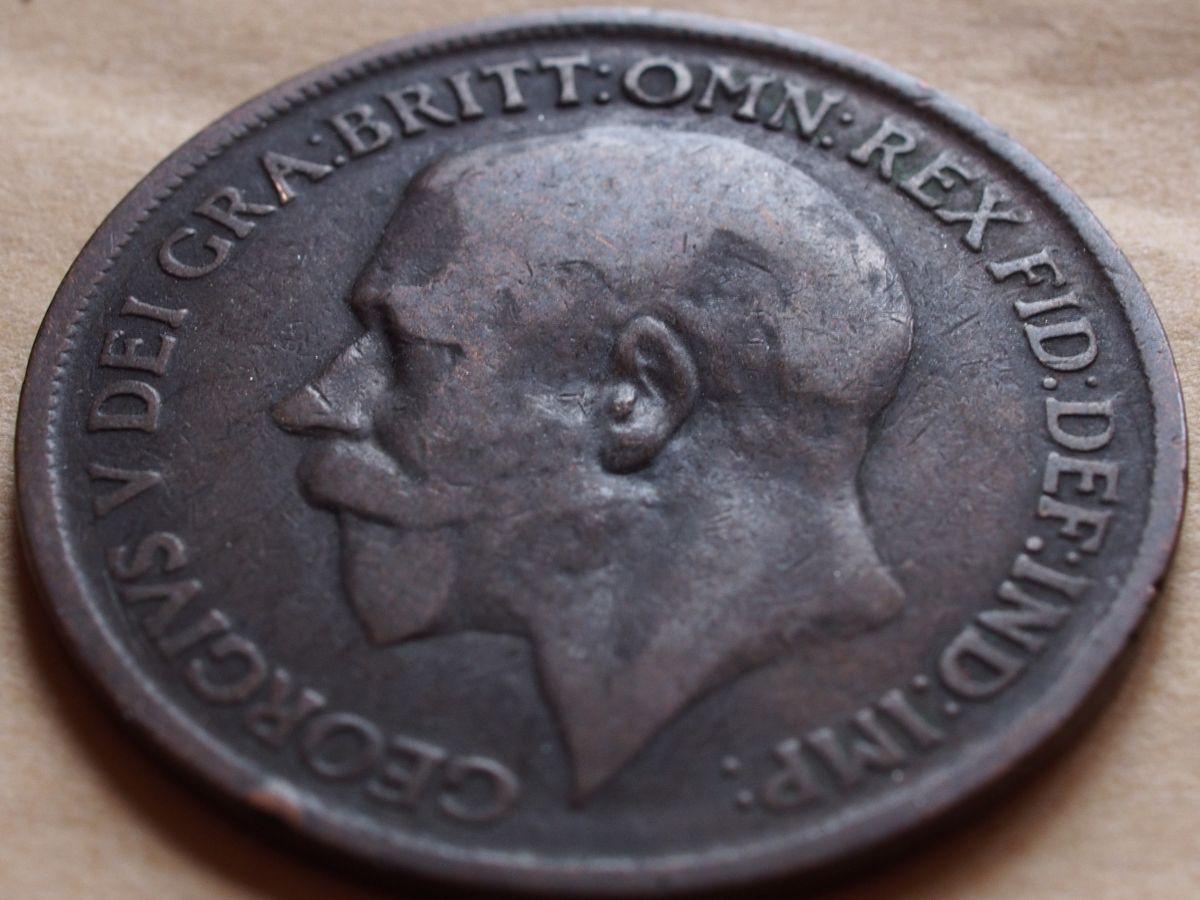
If you think of the ear as an ellipse, the feature I find most readily identifiable is a crease running along the line of the shortest axis. Well-worn examples of a 1915 and a 1916 to illustrate: Both of these pass the broken tooth test. Note that the tip of the ear remains distinct despite the considerable wear.
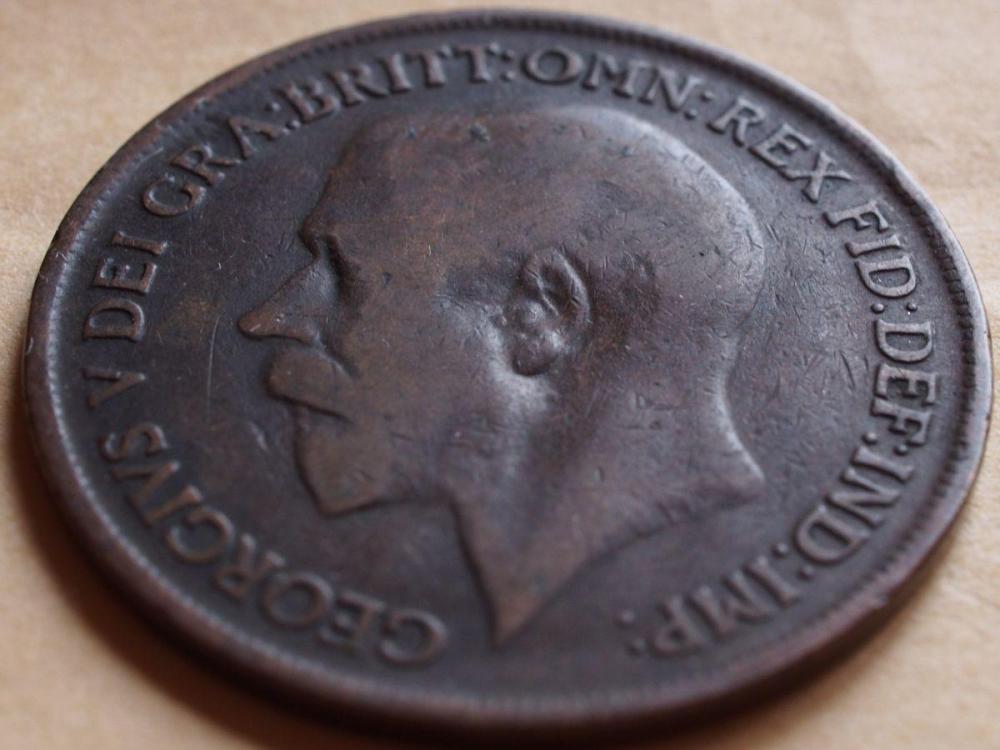
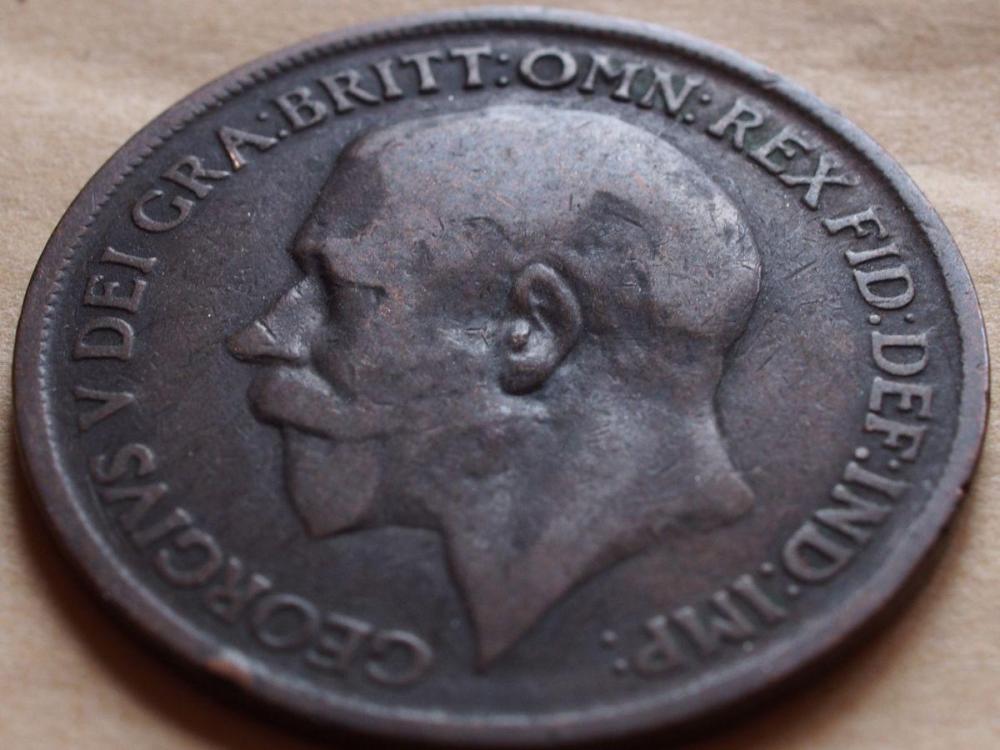
-
That one is more worn, but doesn't look the same. On the one I posted before the trench is more noticeable down the left side and around the lobe.
-
Around the right hand side like this ?
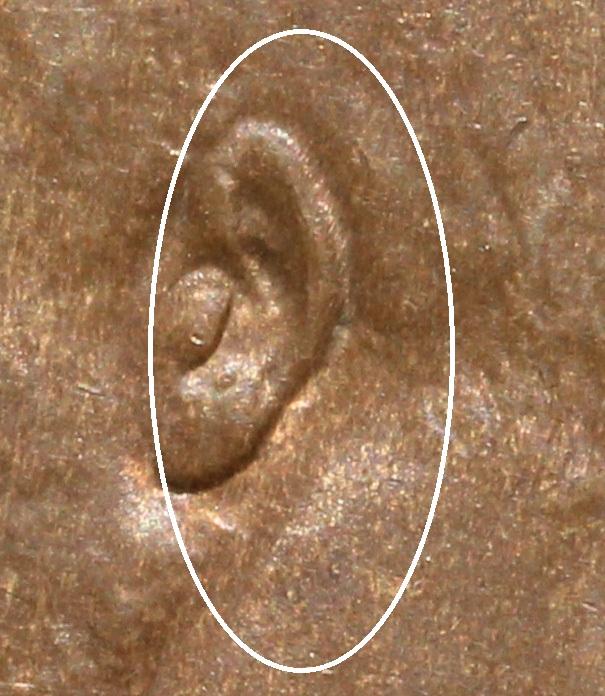
-
 Pete Brazier changed their profile photo
 -

Do the contact marks stop the coin grading above EF?
Peckris 2 replied to absence of uniformity's topic in Beginners area
For me it grades AUNC with lustre. A nice coin at the right price (I wouldn't care to say what that would be!) -
It's a weird one - I remember when I was searching through bank bags as a schoolkid in the late 60s; now and again I'd see 1915 or 1916 pennies where the head just 'looked weird', especially around the ear. I didn't think anything of it at the time, but I did notice each one when it appeared. It may be that the difference is more obvious on a more worn penny than on one that's EF or better? In other words, the ear is less worn than it should be and seems a bit more sunk than on normal examples.
-
For me it is the "trench" around the ear that struck me. The actual design of the ear is unchanged, but as the name suggests, it is recessed into a hollow. I am very poor at identifying all these varieties. Even "colon to gap" and "colon to tooth" often leaves me puzzling which I am looking at!
-
Help me please - what exactly stood out ? I still can't see any significant differences in my own recessed and non-recessed coins.
- Yesterday
-
I agree - I find these very difficult to sport generally. I was fortunate this time that the next image was a 1916 in similar condition and the difference in the ears stood out, even to me! Here is the 1916:
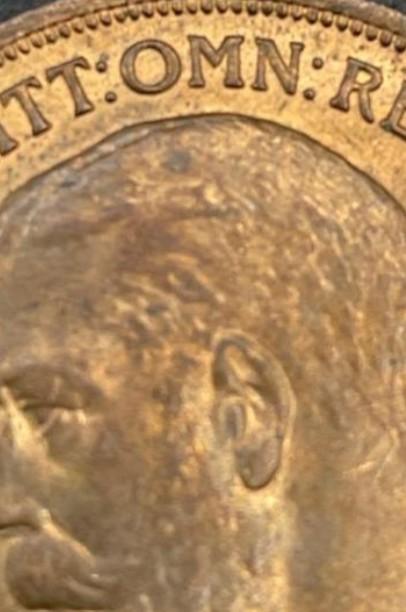
-

My 1887 Young Head Halfcrown Went Prooflike at NGC!
VickySilver replied to VickySilver's topic in TPG Discussions
Was that a proof? Wow, if ever to sell I need that venue! I bought a proof 1863 florin about 10-12 years ago from Baldwin's (basement?) for 1250, possibly a better piece - it graded proof 63+, subjective but probably accurate IMHO... -
I personally can never see much difference between recessed and non-recessed ear varieties.
-
Thank you
-
It's good. I have recessed ear 1915 pennies both with and without broken tooth. Without seems rarer. Haven't yet seen a 1916 without broken tooth though.
-
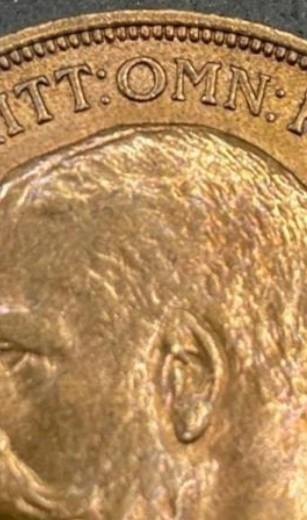
This 1915 Penny looks very much to be a recessed ear variety, but seems to lack the broken tooth. Any thoughts? (Screenshot from online so no sharper image possible.)
- Last week
-
Do the contact marks stop the coin grading above EF?
jelida replied to absence of uniformity's topic in Beginners area
Better than EF for me, contact marks aren’t so much of an issue as scratches and other damage from circulation. You can always be caught out by photos, but I wouldn’t be surprised if it was graded MS 62ish. Price at auction is so unpredictable, you could offer it at a fixed price of somewhere midway between EF and BU in the catalogue but be prepared to wait, or nearer EF price for a quicker sale. Jerry -
D of DEI?
absence of uniformity replied to absence of uniformity's topic in British Coin Related Discussions & Enquiries
Thanks Rob, I managed to get a new set of images of the coin and infact the apparent difference in the 8 were because of the poor images and way the coin was photographed. In the new images the 8 looks normal. I did go on to look at the the silver Florins and become quite interested in the series. Interestingly over 50% of the Florins I have looked at for sale were listed incorrectly which leaves hope to find something rare misidentified. I found a 1879 42 Arcs no die number/WW listed as a different year. -
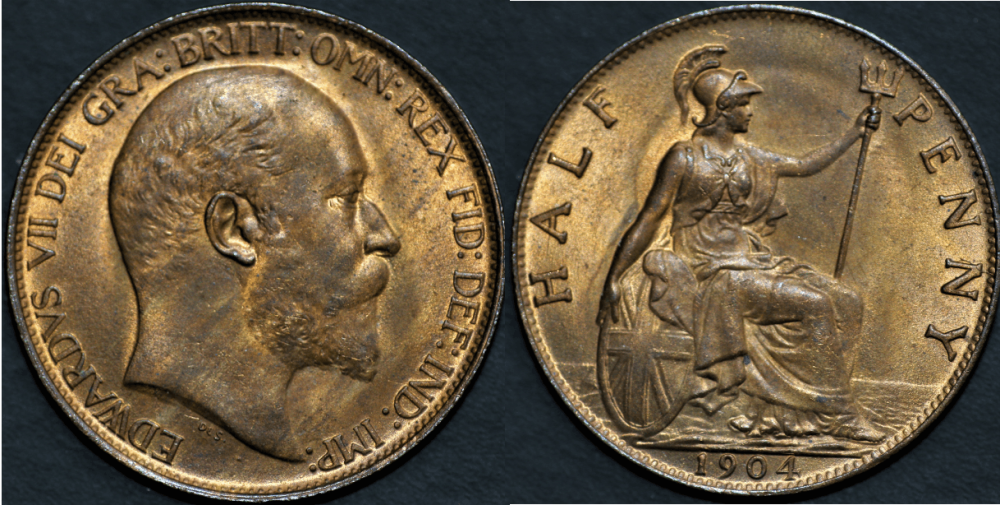
Looks to be a decent sharp strike when looking at other sold examples on LCA. I can see what roughly these grade coins have sold for but Im interested to hear opinions. Thanks
-
What is your thoughts EF or better? I think it probably is slightly better. The coin is not needed for my collection, it was purchased as part of a lot to obtain another coin in the lot. Im looking to sell this one to purchase other coins I need. What would be a fair price please to list this coin to sell. Thanks
-
 Barbara Donnelly q joined the community
 -
One sided coin.
Barbara Donnelly q replied to pazz's topic in British Coin Related Discussions & Enquiries
I have a new design penny. The back is stamped. The front is not.dont know the date but I believe the rim was smashed down because it protrudes the diameter of the penny.The weight is 2.5.could this he a true error? -
My 1887 Young Head Halfcrown Went Prooflike at NGC!
Rob replied to VickySilver's topic in TPG Discussions
I completely agree about the common coin in uncommonly good condition being something to relish. The 1873 shilling I sold to Geoff Cope when he was desperate to find something to buy close to the end is one in question. I bought it from Andrew Wayne's sale at London Coins 110, lot 1046, 1873 shilling where I paid just over 200 for it. However, all good things come to an end, and with a date run of 3rd young head shillings still in the collection all in similar grade and toning due to being a bit too nice to sell, a decision had to be made when I needed funds for something else, so it went in the trays for about 3 years. Couldn't sell it for love nor money because everyone thought it wasn't worth book price, which I was asking. Sold it to Geoff for book price (about 500 at the time) who said 'Ooh, that's nice. I'll have that one' and lo and behold, a few years later sold for CHF 5500, or about 10 or 11 times what he paid as a top pop 66. So at least two other people appreciated the quality and it was worth at least most of that at today's prices. The colours on it were genuinely superb and the best of the bunch, but I made the decision to get rid of all bar and keep the higher graded and near perfect 1874. Reminds me of Non's 1843.