All Activity
- Past hour
-
What was the book/document that contains a list of the known die numbers for each date? I know I used to own a copy of something that did, but can’t recall what.
-
 Does it exist. I'm on the side of a definite maybe. To explain my reasoning, if they can resurrect an 1841 halfpenny die to continue producing 1839 proof sets in the 1880s by changing the date, then I see no reason to not find an 1853 penny die hidden away somewhere that they decided to reuse after 5 years. Both types are ludicrously common and liable to have things coming out the woodwork many years later. After all, it is the cleanest modification you could use to change the date. 8/3 or even 3/inverted 3 with the correct font size/profile in the right position and at the perfect force applied level could also conceivably work, and as Jerry suggests, it could just be a case of wrong punch, wrong time. When all options are exhausted, even the impossible/irrational/unlikely etc. is possible. I guess the answer lies in contemporary evidence. But that needs a ouija board (and someone who believes in the alleged comminucations etc)
 - Today
-
I expect so.. I don't have the individual die nos to hand, but all three die pairs have higher die numbers than 91.
-
Oh yeah. I missed that.
-
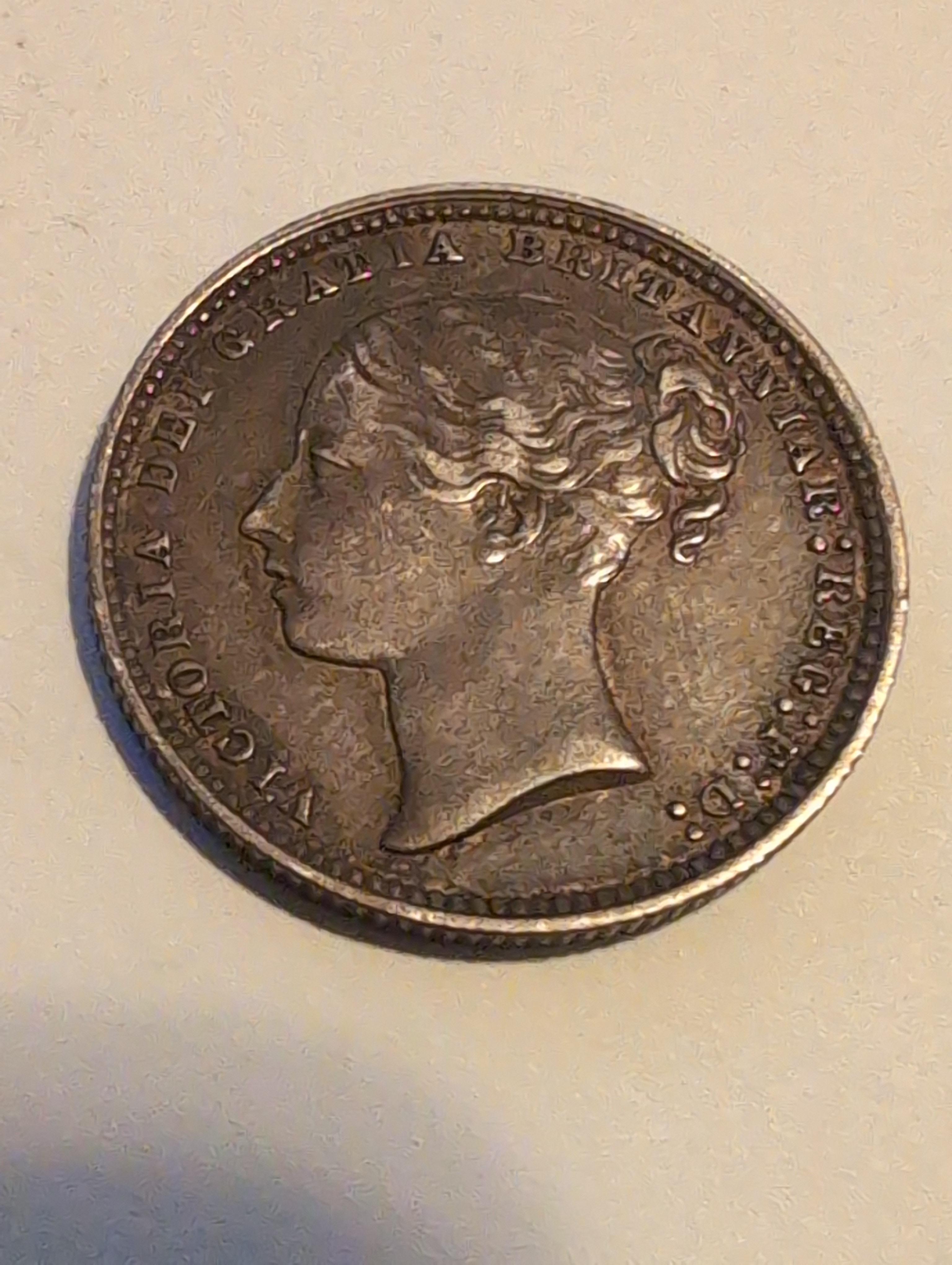
Welcome to the forum @ggx51! It is difficult to see exactly what you have there - the picture appears black and white - is there any colour? That might indicate verdigris or some attached organic material. I take the coin is a Victoria Sixpence? The usual approach is to try things in increasing strength. Start with warm water and soap. If the material is organic a soak in Acetone would probably shift it. All these arevery unlikely to damage the underlying coin. Obviously don't scrub with anything abrasive! Thereafter you are into chemicals, which is more risky. The recent trials of Sodium Sesquicarbonate solutions have been successful on Bronze and Copper coins, but I have no idea whether it would work on silver. It is very gentle and slow, so should do little other damage. (Buy it as Borax substitute on Amazon.) Mild Ammonia solution is the next level up, but that will remove all the patina. So if you are unwilling to do that, best left as it is. Verdicare is a commercial product that might help, but it is difficult to get in the UK. I hope that helps.
-

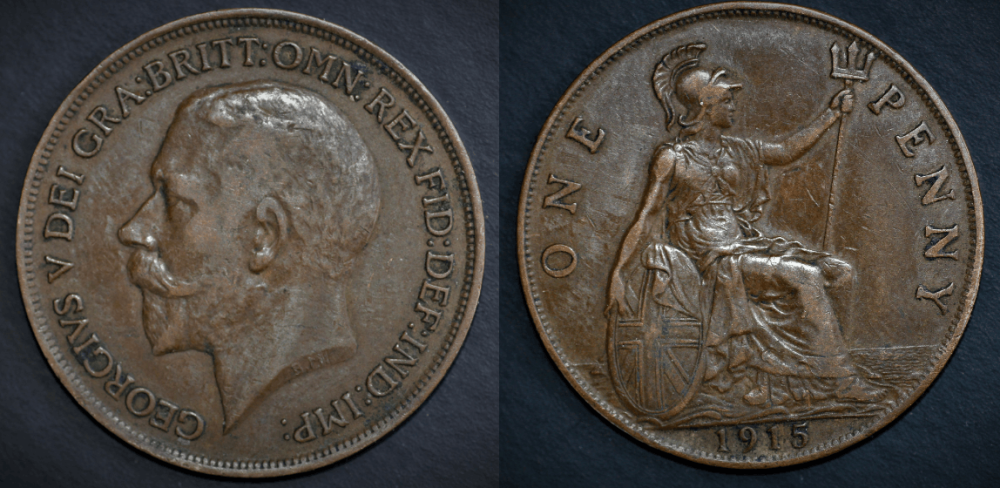
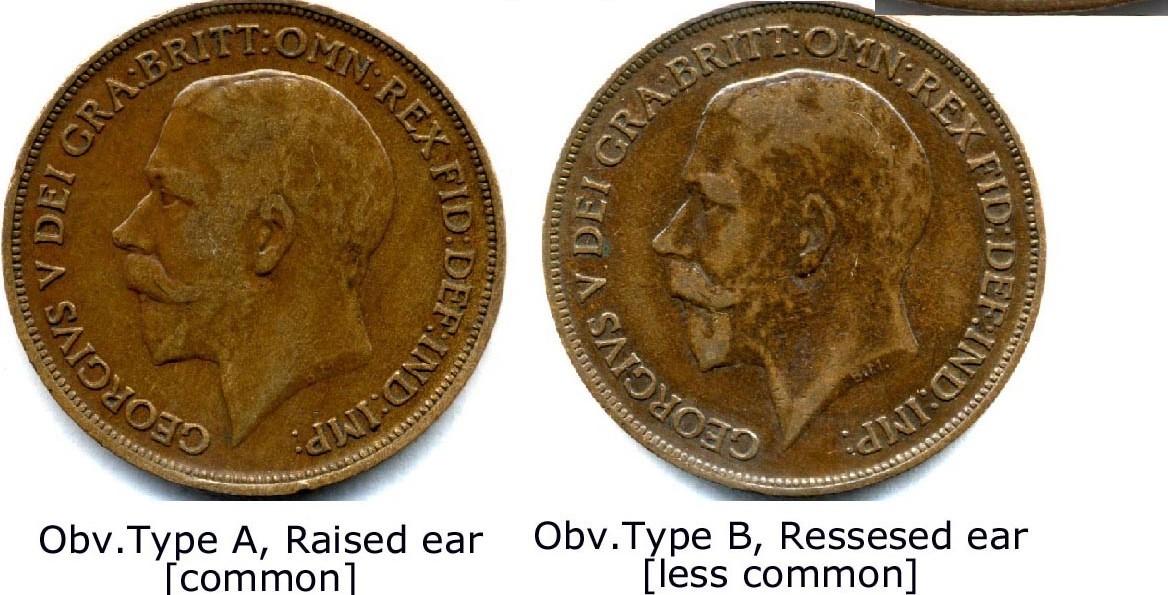
1915 Recessed ear
Paddy replied to absence of uniformity's topic in British Coin Related Discussions & Enquiries
This is my 1915 recessed ear. Not perfect but a reasonable example. I have no idea where and when I acquired it!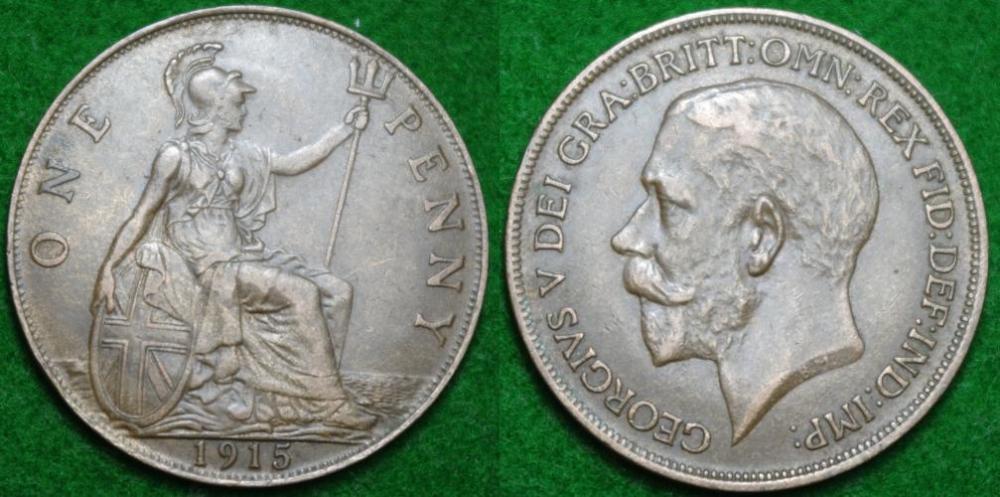
-
 jdtann joined the community
 -
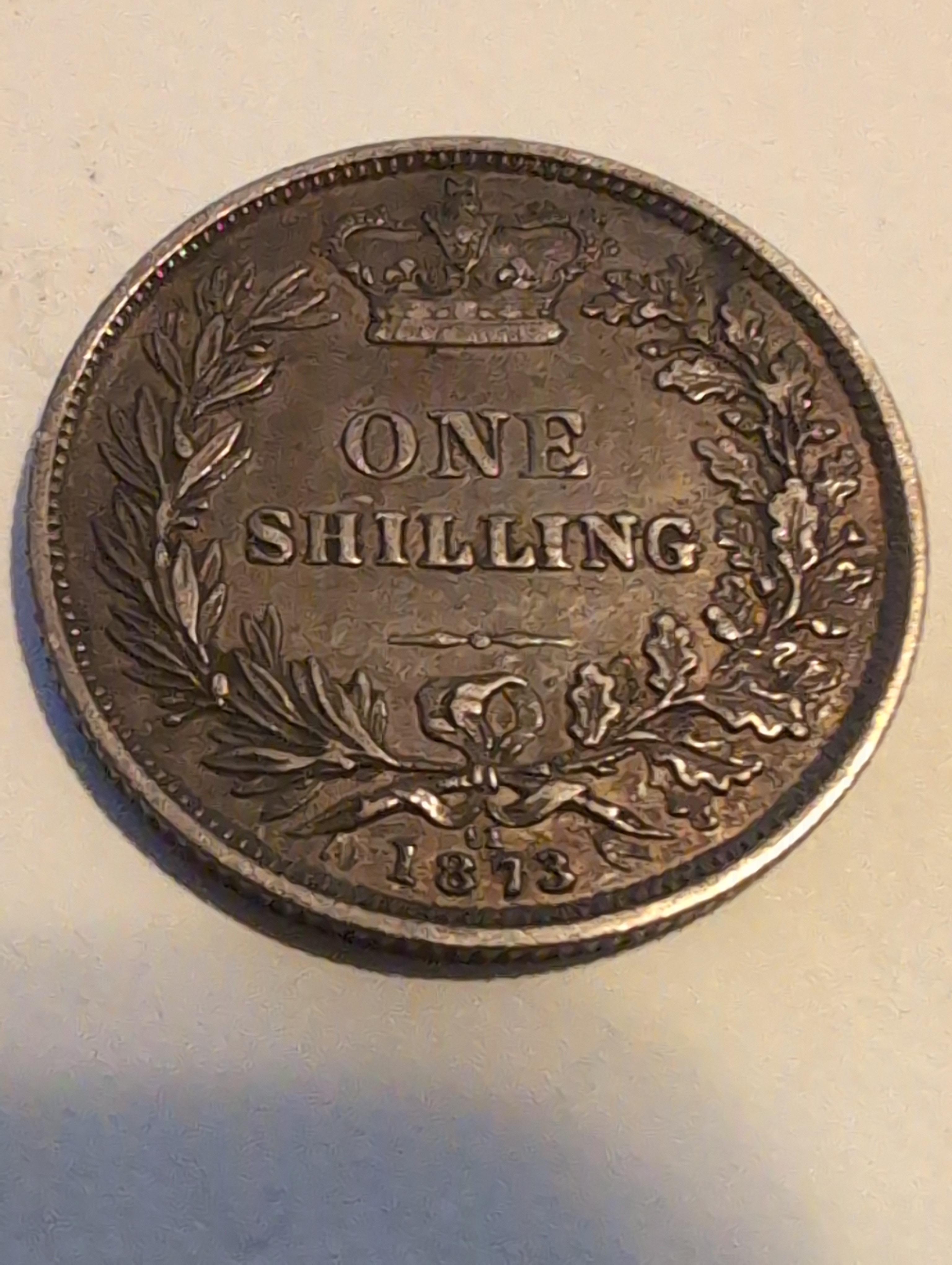
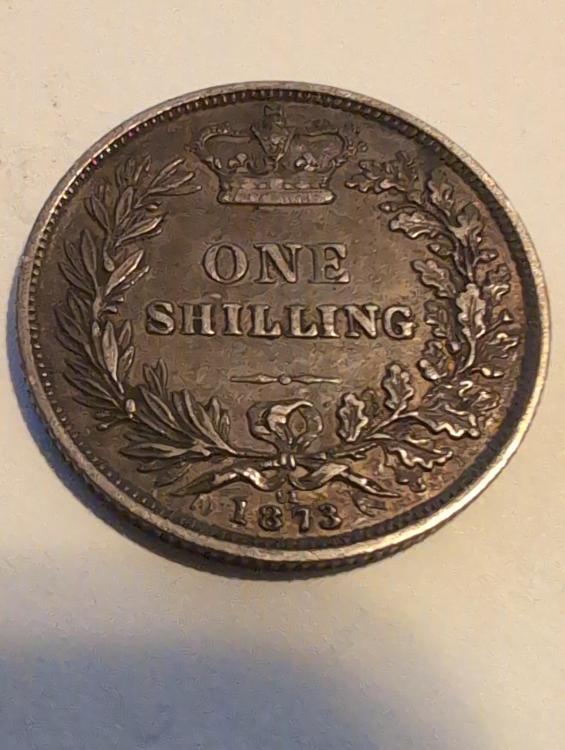
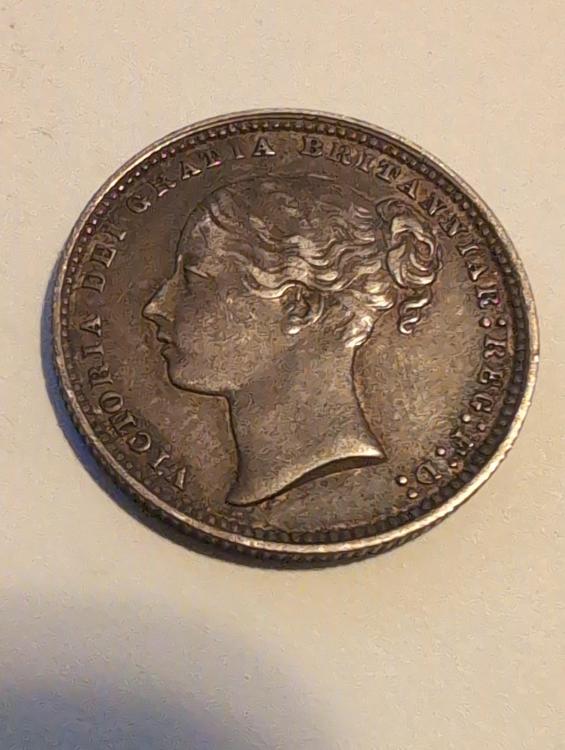
Hello. Wondering if this 91 die has been recorded for an 1873 One Schilling
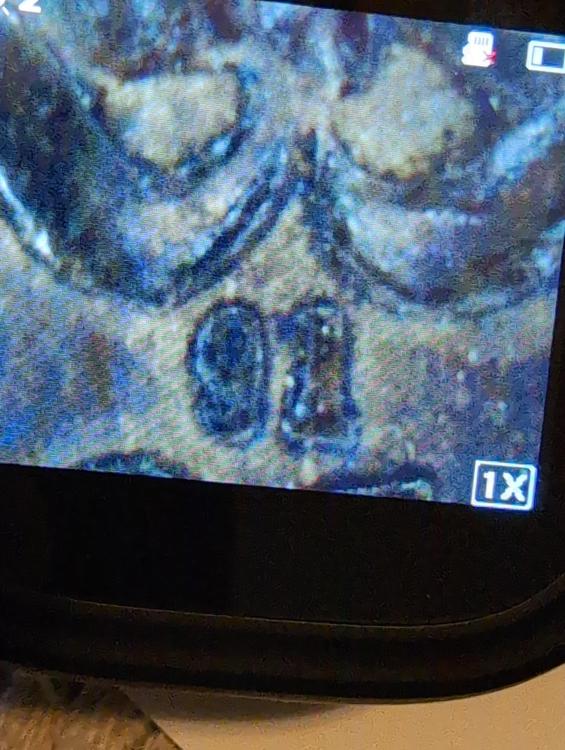
- Yesterday
-
 Although dark and some of the legends filled with crud the coin has good remaining details.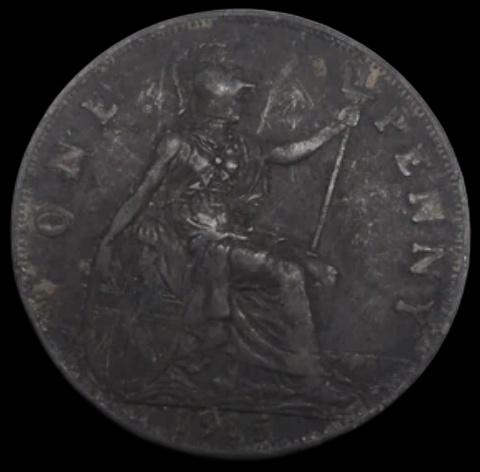
-
Thanks, I almost have one of each of the progression and one now without a broken tooth. Then I can forget about the recessed ear 😅 Well until better grade examples appear..
-
Thanks !
-

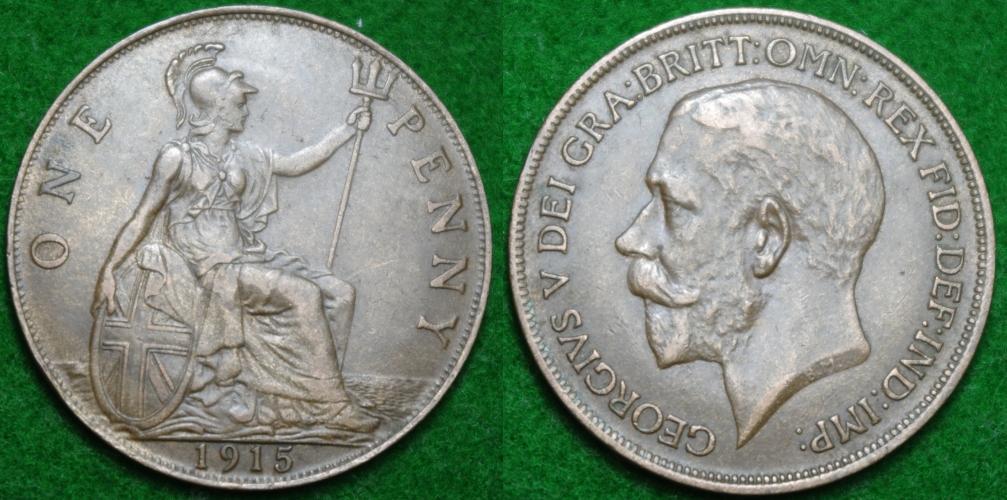
1915 Recessed ear
Peckris 2 replied to absence of uniformity's topic in British Coin Related Discussions & Enquiries
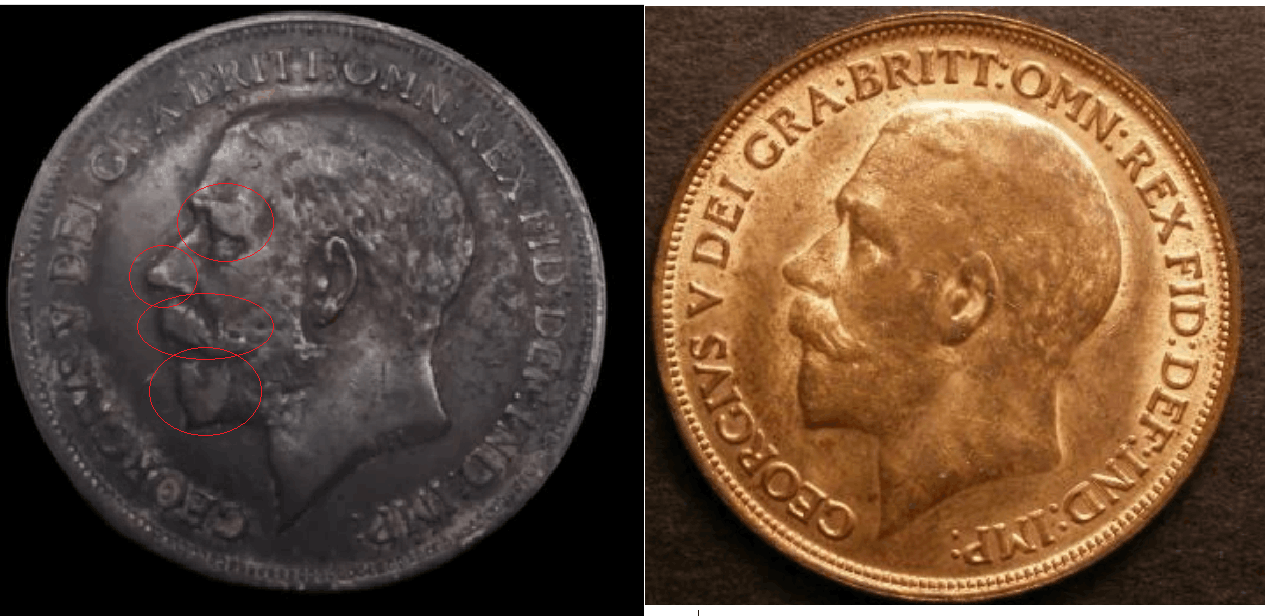
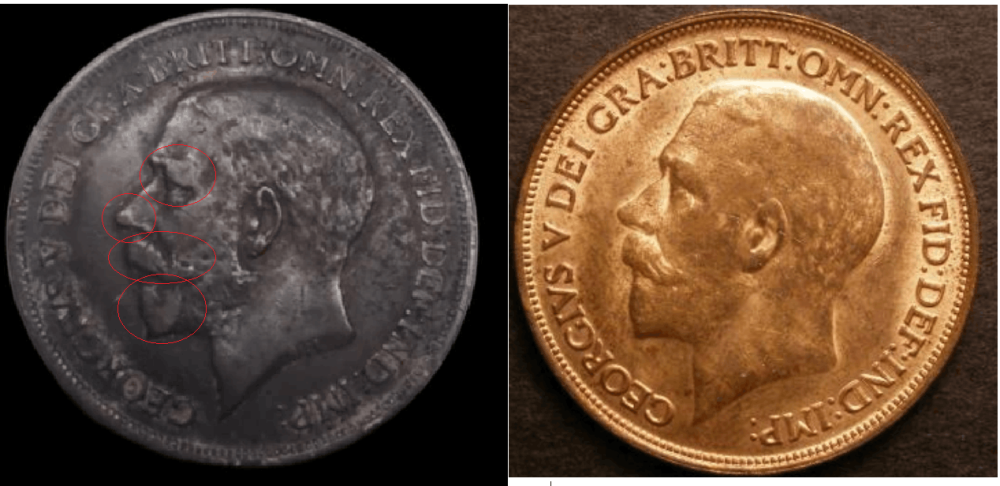
In my opinion the darker coin IS a recessed ear, the lustrous coin is a typical worn die strike - very common during WW1 -
Also the uncirculated coins shows obvious ghosting where as the dark does not.
-
I know the 1915 is hard to find with a good strike uncirculated but in the image I have attached it shows a " Lustrous uncirculated" coin and the the ear looks partially flat at the top. The darker coin I have circled all the wear which is mostly flat areas not shown on the uncirculated coin and yet the ear appears to be untouched. How can most of the face show flat spots but the ear the highest point appears less worn than the uncirculated coin. Or is it a question of a weak strike on the uncirculated coin. That doesnt account for the wear on the darker coin and ear looking to be mostly intact with no flat area. I'm going to guess this darker coin is a recessed ear.
-
1915 Recessed ear
terrysoldpennies replied to absence of uniformity's topic in British Coin Related Discussions & Enquiries
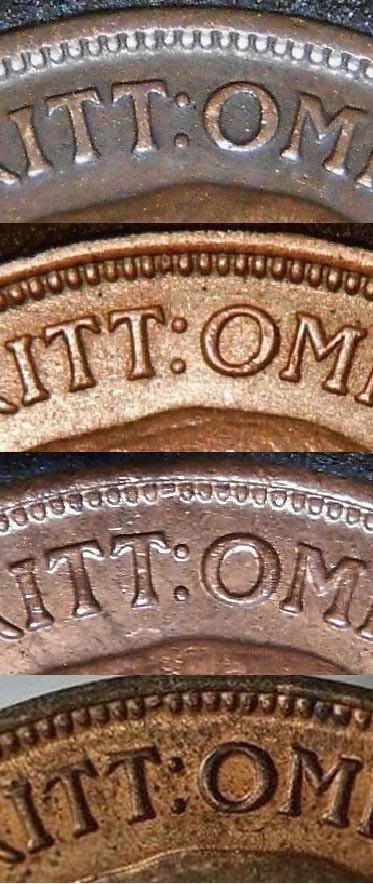
Well the answer to that is with difficulty . Firstly the 1915 is rarer than the 1916 and that most collectors associate the type with the broken tooth and want it to be clearly visable . And so without it, its really hard to tell from a photograph, but in hand its easier to determine the depression in the centre of the coin. Below are four pictures of the tooth gradually looking more broken Note in the top picture the tooth looks to be intact, but on closer inspection it is actually very slightly smaller . really hard to see on a coin. ?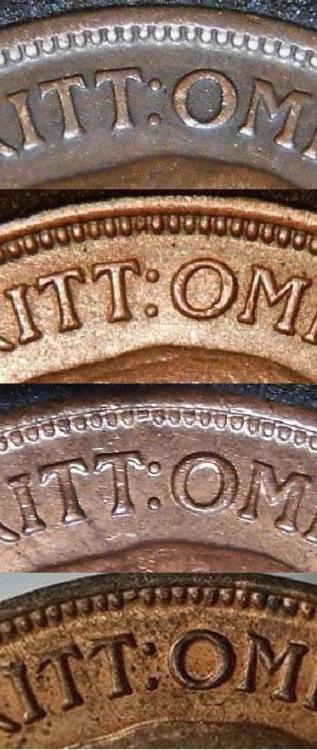
-
You can also see the star on the breast, where the collar meets.
-
I third the suggestion, Class 9b2. The cross on the obverse is the ghosting of the metal being forced into the reverse die. It was an issue that troubled mints right up until the 1930s, at least. The modified effigy of King George was to deal with a very similar issue.
-
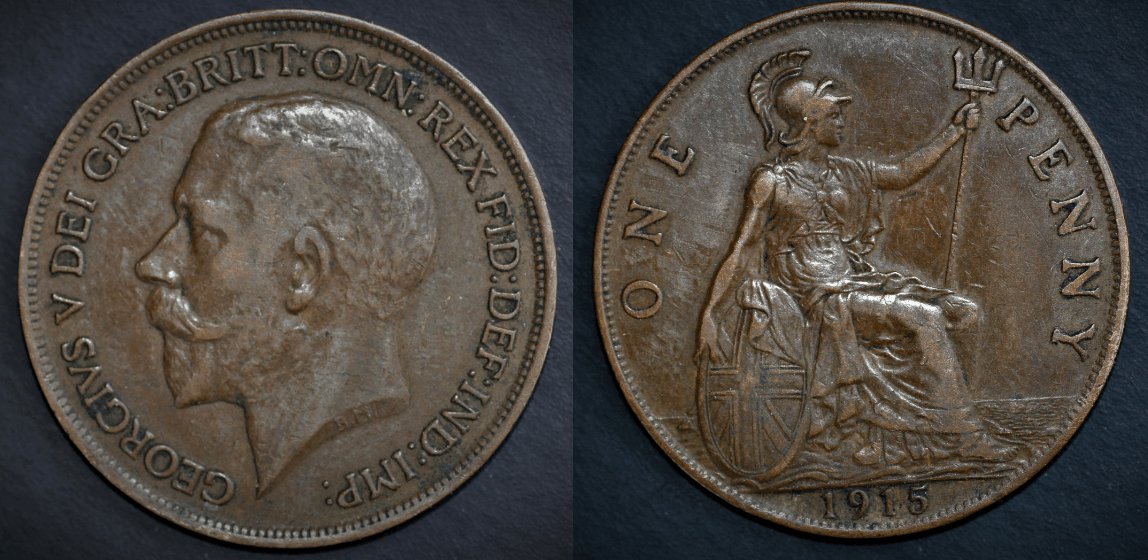
As example this coin is less worn, I cant see a broken tooth. how would you tell? Thanks
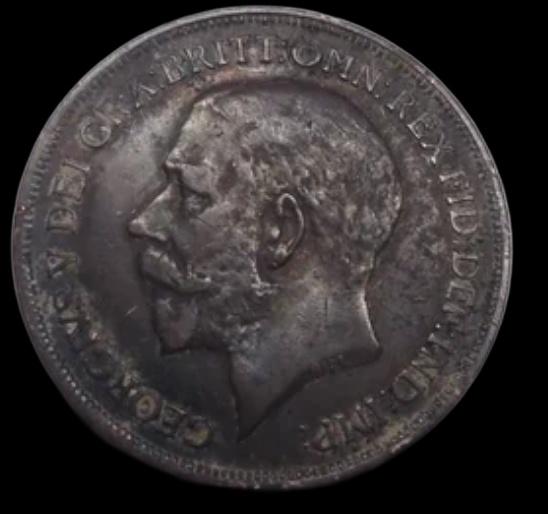
-
One other question I have please ; I know higher grade examples are really hard to come by with the recessed ear. But on better grade 1915 penny that dont have the broken tooth and not much wear to use that as a guide what would be the process be to identify the recessed ear? thanks
-
Excellent, thank you very much really helpful information.
-
1915 Recessed ear
terrysoldpennies replied to absence of uniformity's topic in British Coin Related Discussions & Enquiries
No sorry its not a Recessed Ear type . With slightly worn coins, the recessed ear type shows no sign of ware to the top of the ear [ the Slight flattening you see on your example shows that the centre is protruding and readily becomes warn Also usually the tooth above left of the colon between T:O is damaged but not always with the 1915 , but always on the 1916.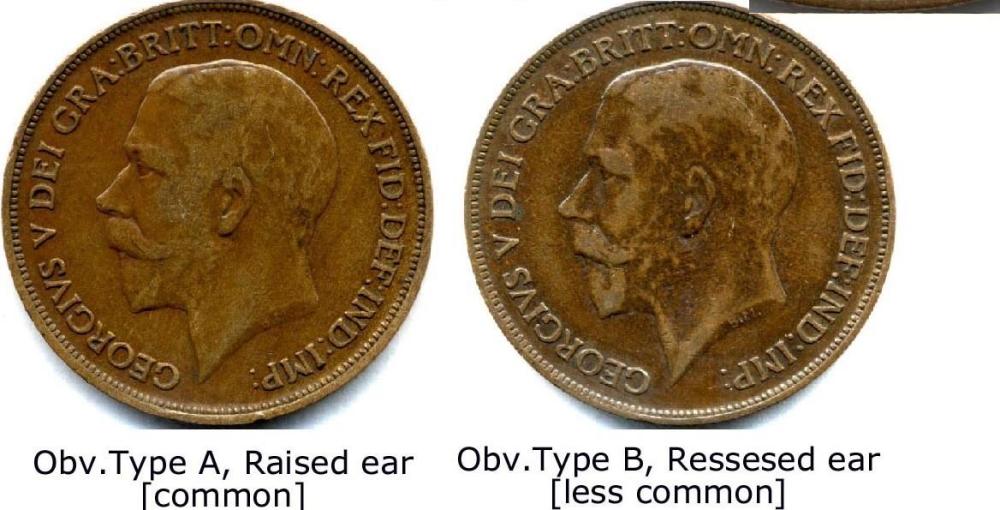
-
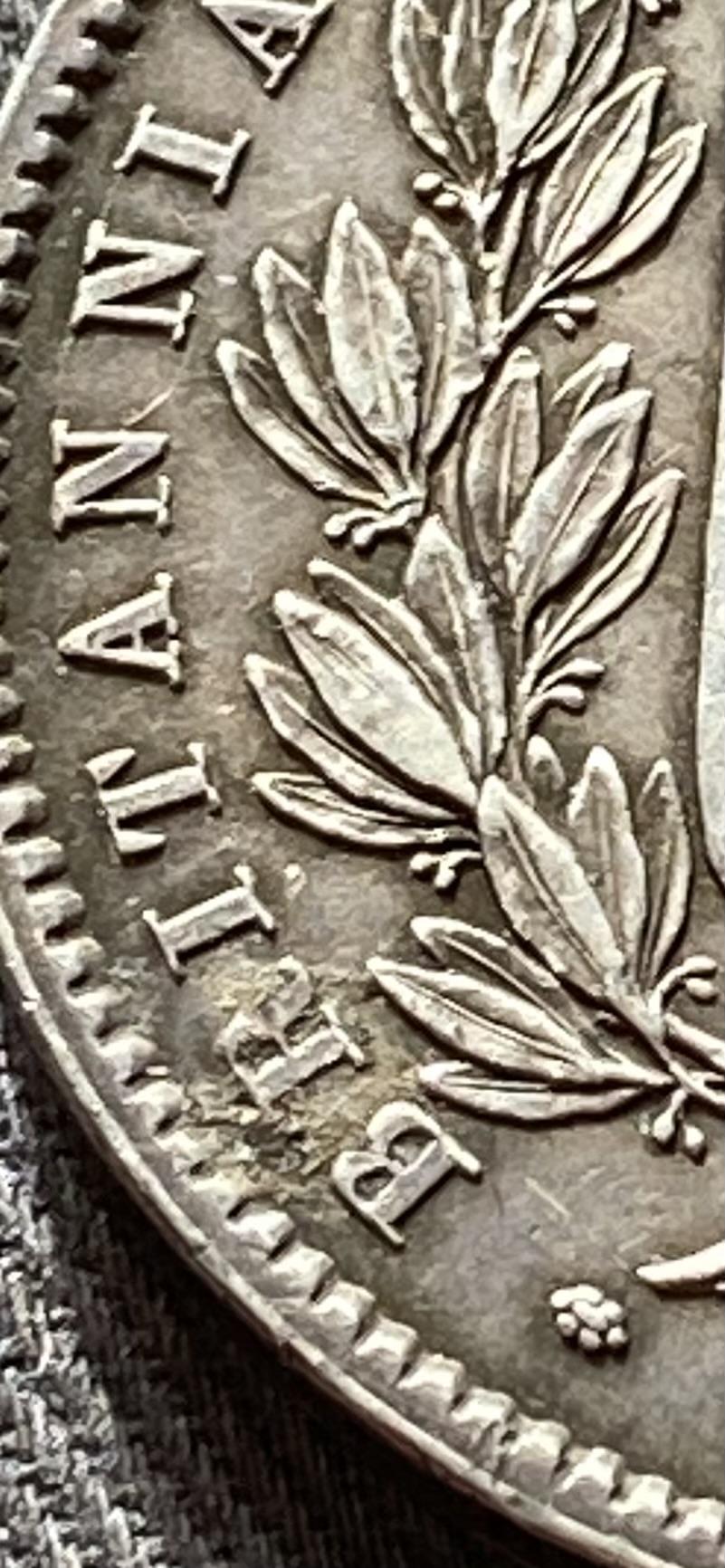
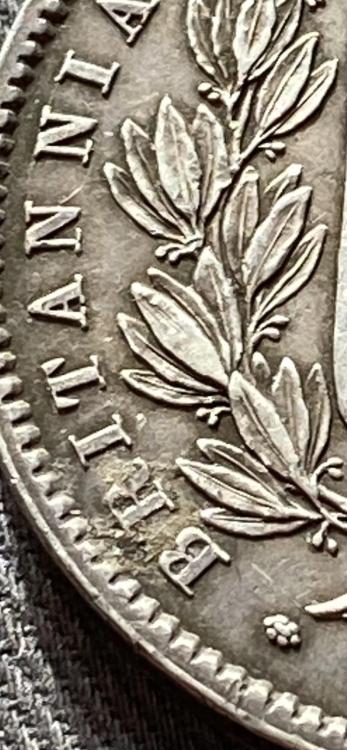
Hi, can you tell me what the issue is on the coin between the B & the R, can it be removed without damaging it?
-
 Is it just me or would the "low tide" P point more at gap than a bead if the arrow was drawn as close to the edge of the P and as straight (rather than at a slight angle) as on the "high tide"?
 -
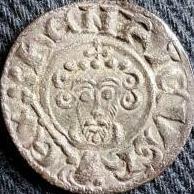
I'll go with class 9b too; the unbarred Ns (I don't think they are pothook) are disinctive. Also not my main field of interest or expertise, although I did somehow end up with 35 or so of the things and a copy of the Galata Guide. Post as many short cross (including cuts) as you like and I'll have a go though.
-
It's screaming class 9b at me. 9b2 maybe. Coinery will know more though i think. Short Cross are more my area of expertise. Stu.
-
Can I ask a question please ; The follwing coin is not a recessed correct? There is no broken tooth. Does the ear look recessed to you?