All Activity
- Today
-
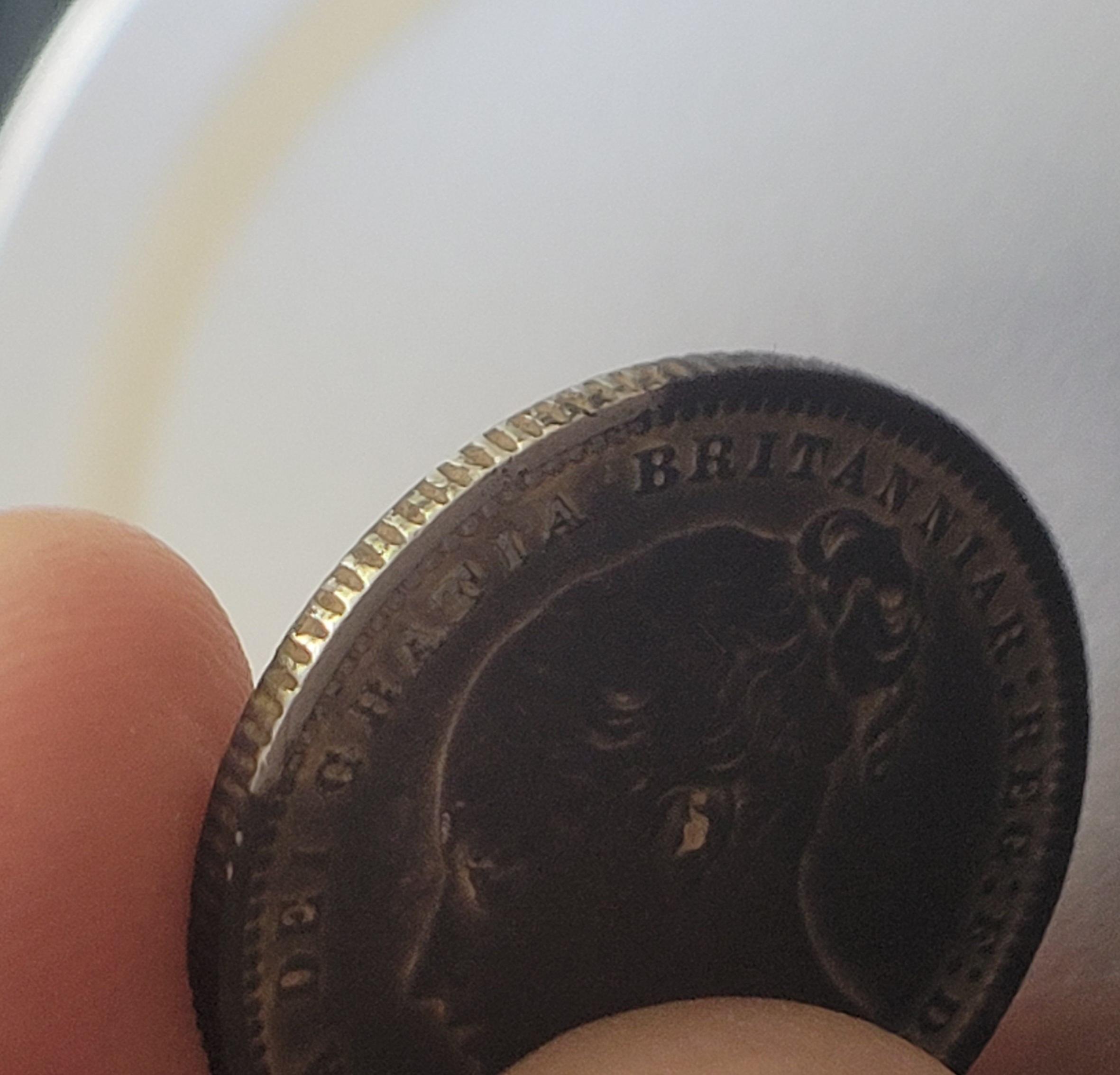
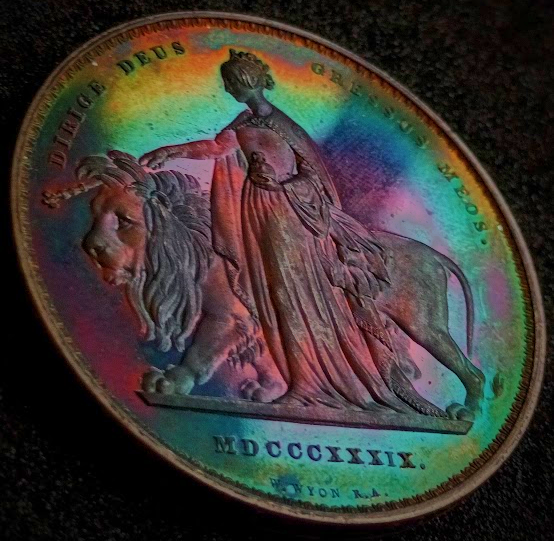
Often when Una and the Lion's are mentioned, you first imagine gold! For me, it will always be this gorgeous silver pattern piece I had the chance to photograph. Stunning rainbow toning, never seen anything like it.
-
Edward Cont. Sterlings…Does anyone have knowledge of these?
Coinery replied to Coinery's topic in British Hammered
-
Edward Cont. Sterlings…Does anyone have knowledge of these?
Coinery replied to Coinery's topic in British Hammered
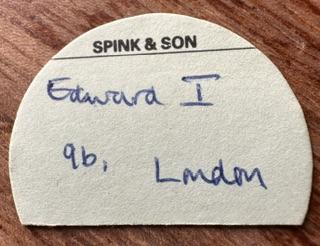
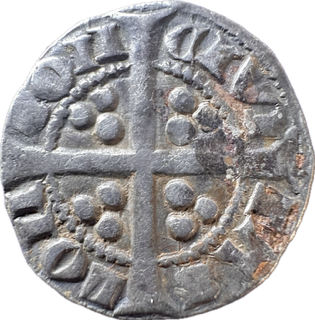
So, I can confirm that all the S’s are serpentine and belonging to 9b with no star on breast. There is no perforation of the flan, and the rust on the reverse was not part of the coin, and has for the most part flicked off. North did not identify any ANL errors for Class 9, though Wither’s, as Coys pointed out, has recorded a London 9a piece, but also a 9b1 (which this coin is) for York (but not London). Therefore, to the best of my knowledge, this is an unrecorded obverse for London. Interestingly it arrived with a Spink ticket with 9b on it, but no mention of the legend error! Only a phone image for now!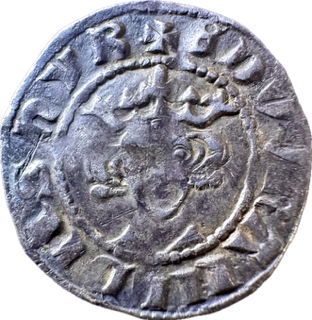
-
 Minor update to this list. Some 1862 Halfpennies have a die LETTER to the left of the lighthouse. Additionally, there exists a much rarer die letter combination with the die letter A to the right of the lighthouse.
- 3 replies
-
- 1
-

-
- genuine example
- shilling
- (and 3 more)
-
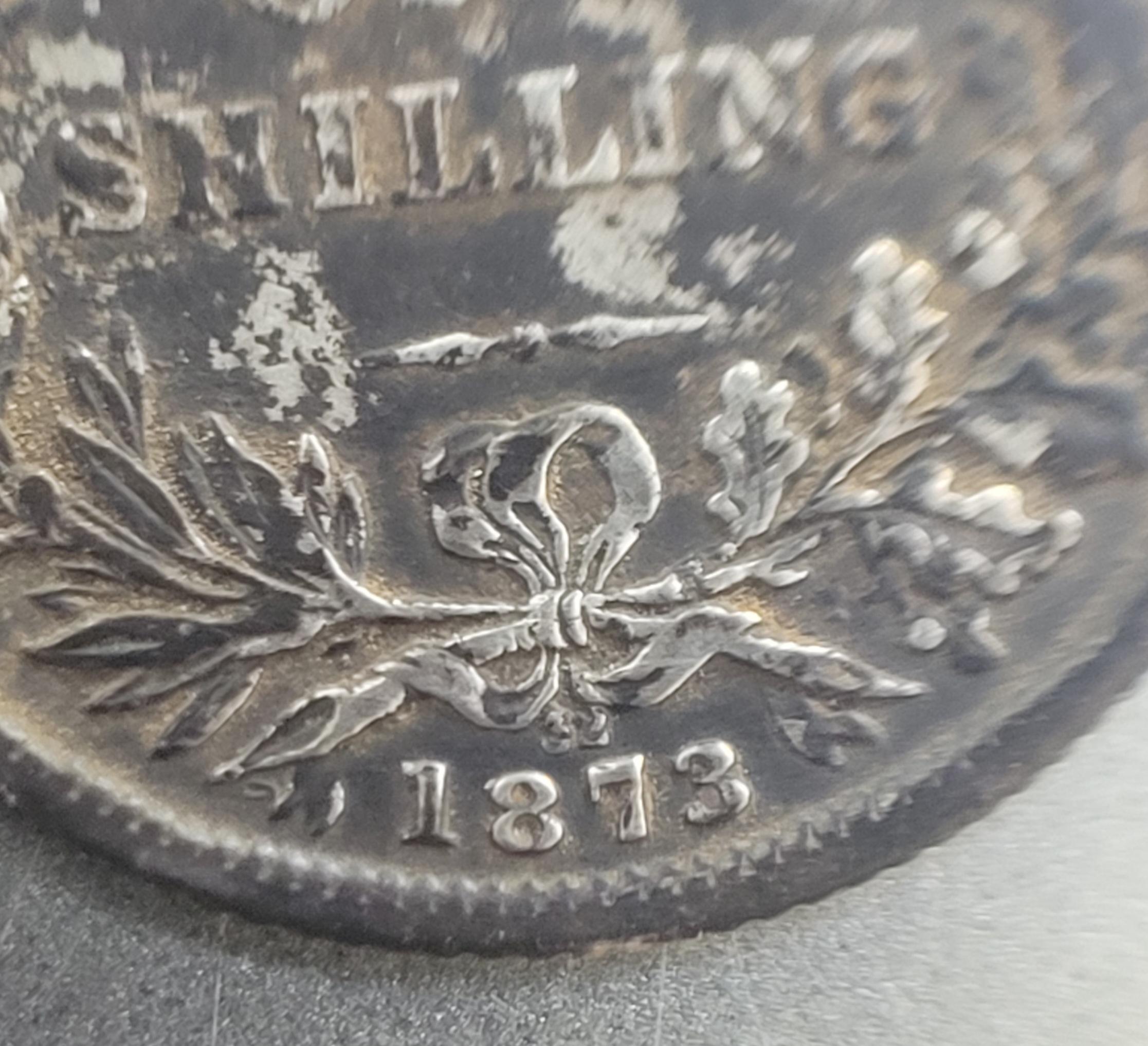
 Hello and welcome, die no's are additional interest for me, I understand that the following coins also have Die No's.... Welcome to the rabbit hole.👍 Coins that have die numbers include: Halfpenny (1862): Die numbers are found to the left of the lighthouse on the reverse. Penny (1863): Die numbers are below the date on the reverse. Sixpence (1864-1879): Die numbers are just above the date on the reverse. Shilling (1864-1879): Die numbers are just above the date on the reverse. Florin (1864-1878): Die numbers are on the obverse near Victoria’s bust. Half Sovereign (1863-1880): Die numbers are on the reverse under the wreath. Sovereign (1863-1874): Die numbers are on the reverse under the wreath. These die numbers were inscribed on coins issued by the Royal Mint for circulation in the UK and its possessions between 1863 and 1880
 -
 Welcome @David WSGG. I can't see anything wrong with your coin, so I would say is genuine. Die numbers are a bit of enigma. The lists that have been generated are not from the RM and merely represent those that have been identified by various collectors. As has been discussed on here before, the lists are not expected to be exhaustive, new ones are occasionally being found. There are not many ardent collectors or collators of die numbers, so a new discovery does not create as much excitement as a new variety of, say, a penny. I believe the list you have referred to is this: https://www.coins-of-the-uk.co.uk/dieno.html which does indeed miss out the 32 for 1873. Tony Clayton, who runs this page, would probably be the most interested in your discovery, but I can't seem to find an email address for him on his pages. Maybe someone else on here knows it? Ah - just found an email: tony@tonyclayton.org.uk
- 3 replies
-
- 1
-
-
- genuine example
- shilling
- (and 3 more)
-
No, sadly not! Just plain old Coinery, me!
- Yesterday
-
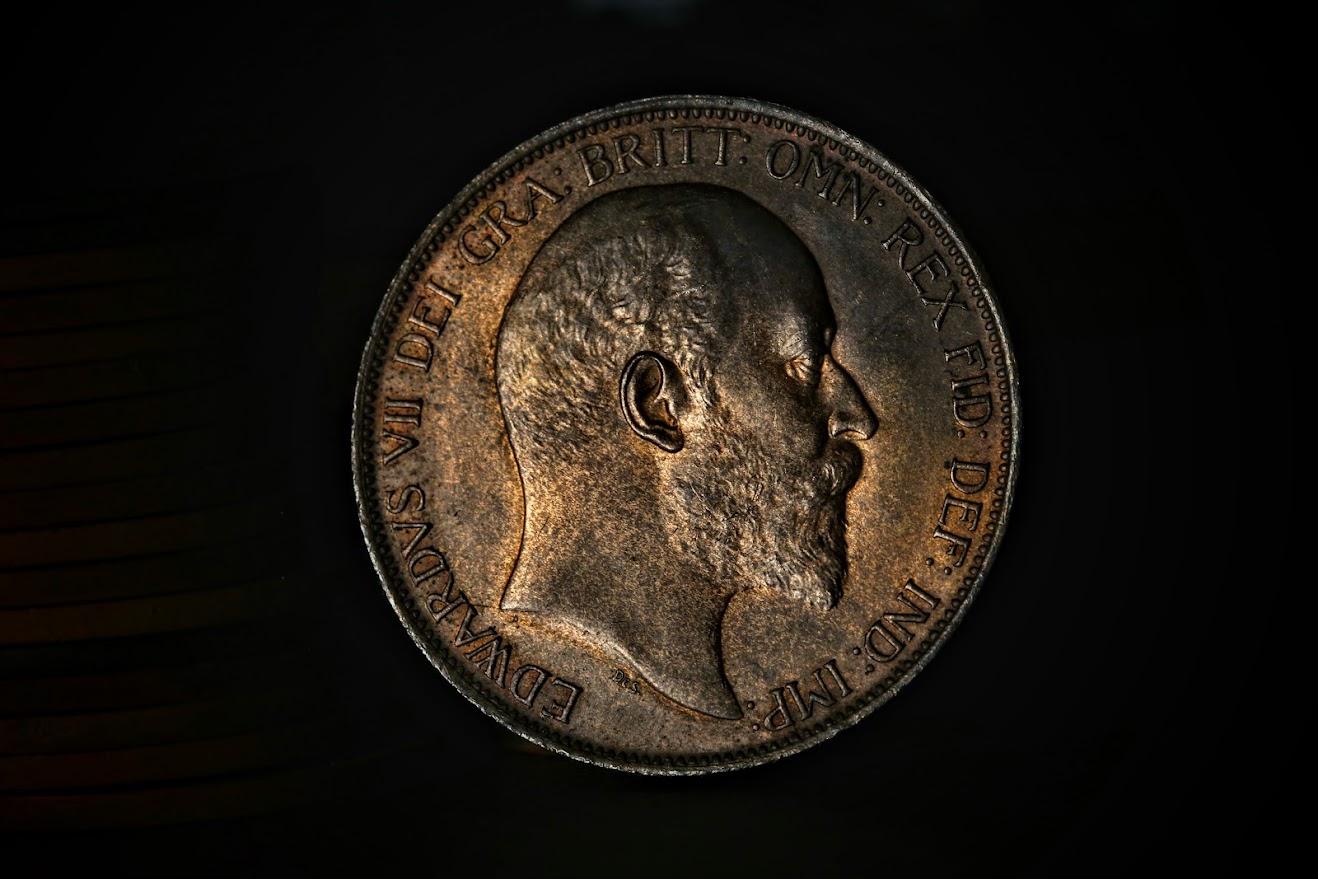
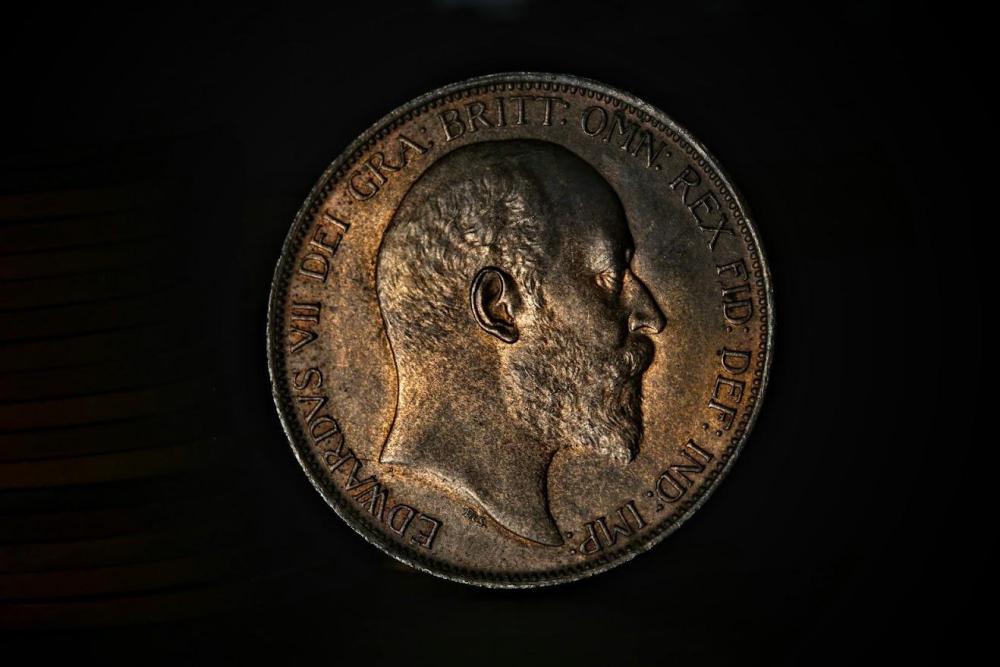
Nothing super special about this piece, but I like how my camera caught it. Some good details for a circulation coin no doubt. Unfortunate small scratch on the beard, but barely noticeable admist the texture. This was my first good quality Edward VII that I bought, since then I've gotten a lovely 1904 Sovereign and a gorgeous 1902 matte proof shilling (alongside the long-set case, which I will complete in due course)
-
- 1
-
-
Wait are you The Coinery, as in, the one that sold that Edward VIII penny and who currently has the 1808 Unique Penny???
-
I 100% understand your point, though I have to say the fine ‘lines’ on the right-hand example look very different, and very suspect to me. Commendable that you’re embracing numismatics at this level, especially for someone of your age. Excellent stuff 🙏
-
Perhaps, but even the non-shiny one features the same/similiar hairlines across the fields - which could very well be a property of die polishing or even a treatment of the blanks before striking. I also would expect that polishing would cause damage to the design, creating weakness to fine features rather than just removing the matte texture, yet the design is fully intact and very sharp. I am trying to get my friend, who has a PhD in material sciences, to have a look to see if he can determine if this is a production or post production property, so fingers crossed he can find some time to do so.
-
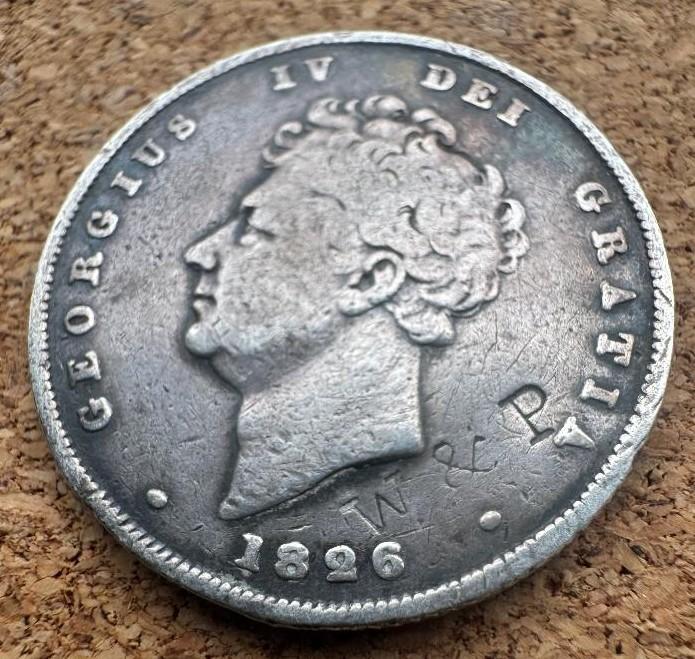
"W&P, which adds to its uniqueness and can not find another example. " 😀 awww well there you go, knowing there's others is reassuring to know and that its not bogus, given enough time I guess the merchants name will become apparent, Many thanks for this its useful to know, 👍
-
If the coin to the right is the shiny version you speak of, you can’t rule out polishing or cleaning of some description? Your photos highlights hairlines running in multiple directions, seems odd for a museum coin, which was presumably taken into its collection straight from the press?
- Last week
-
 David WSGG joined the community
 -
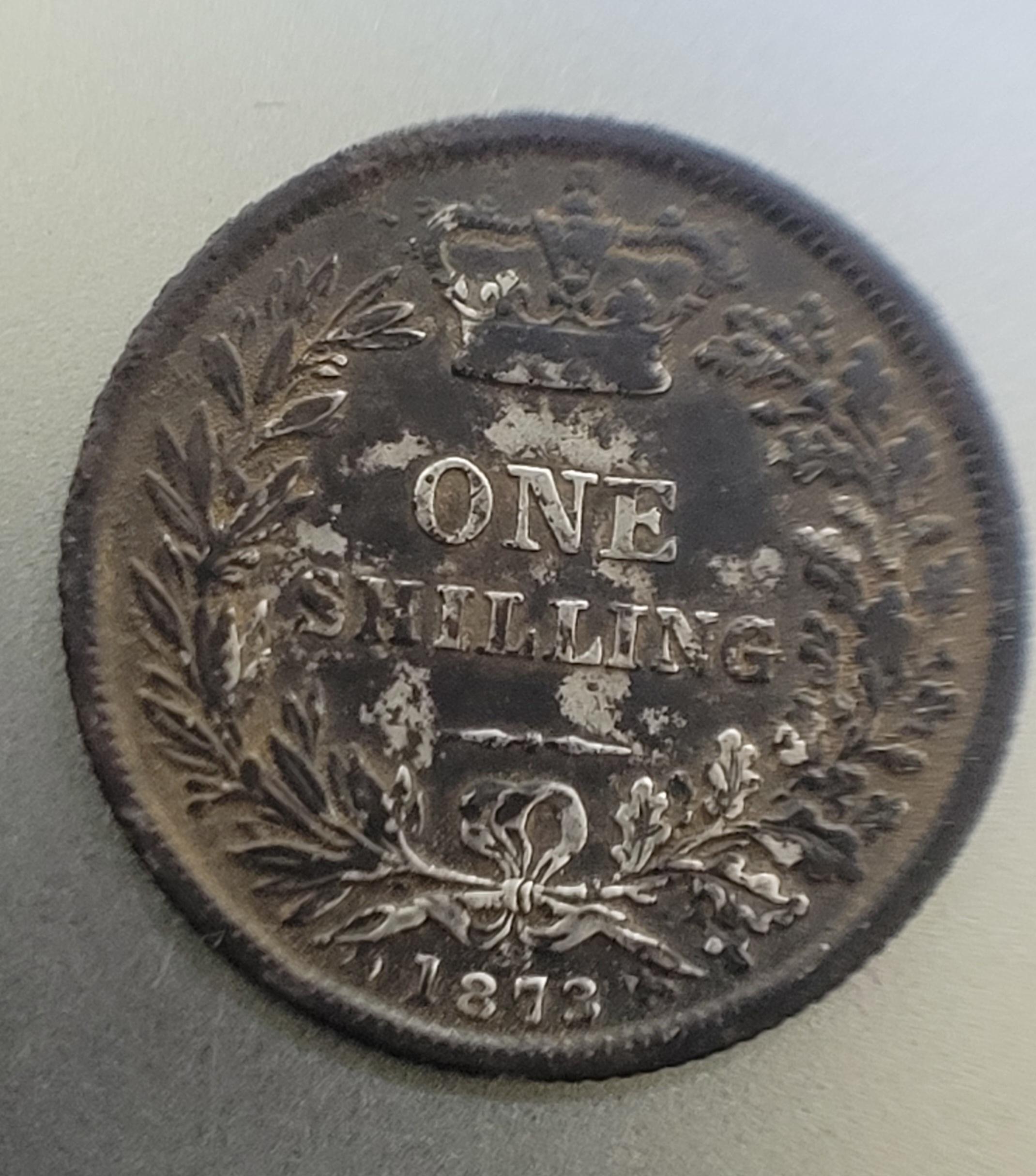
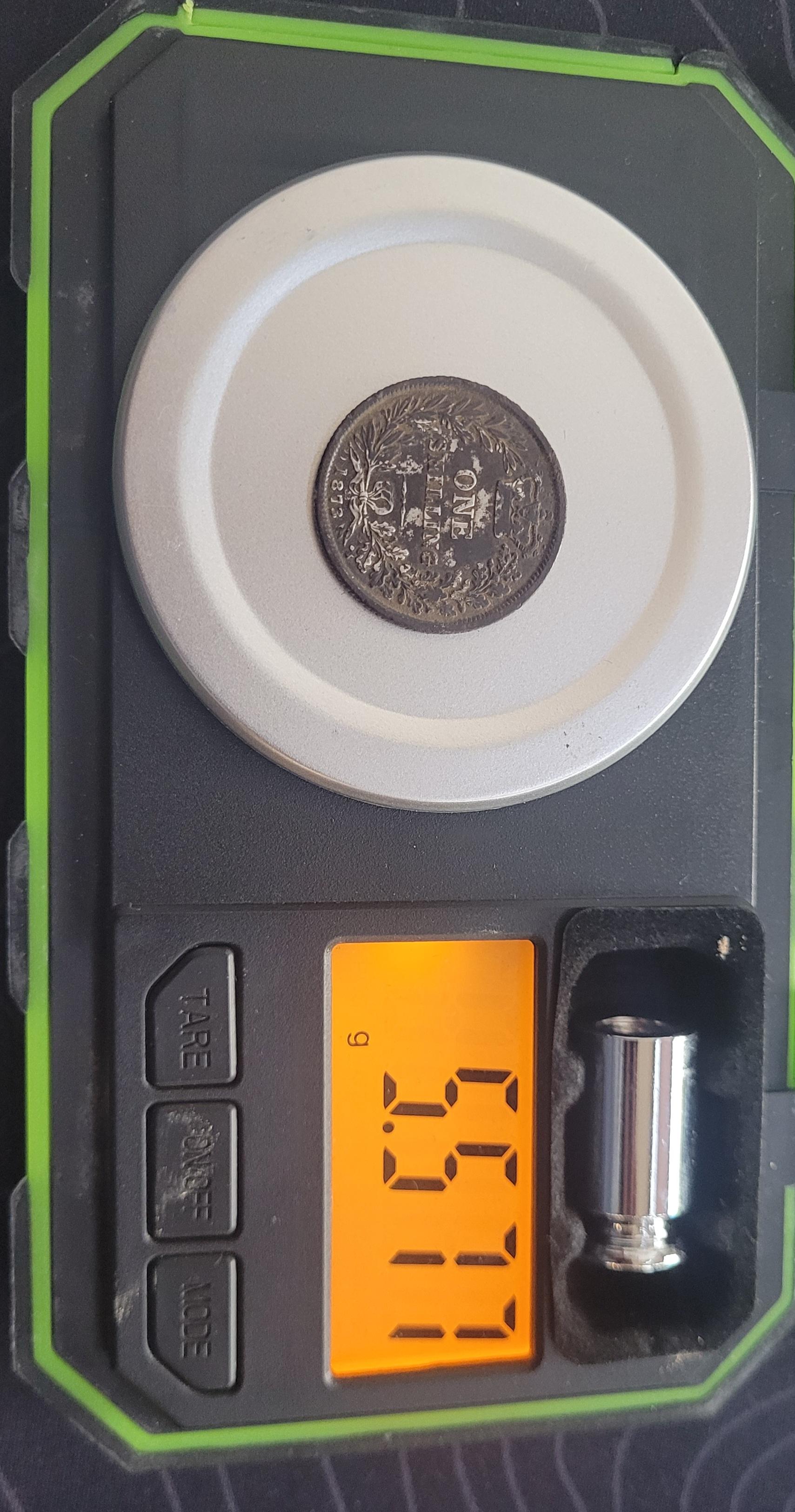
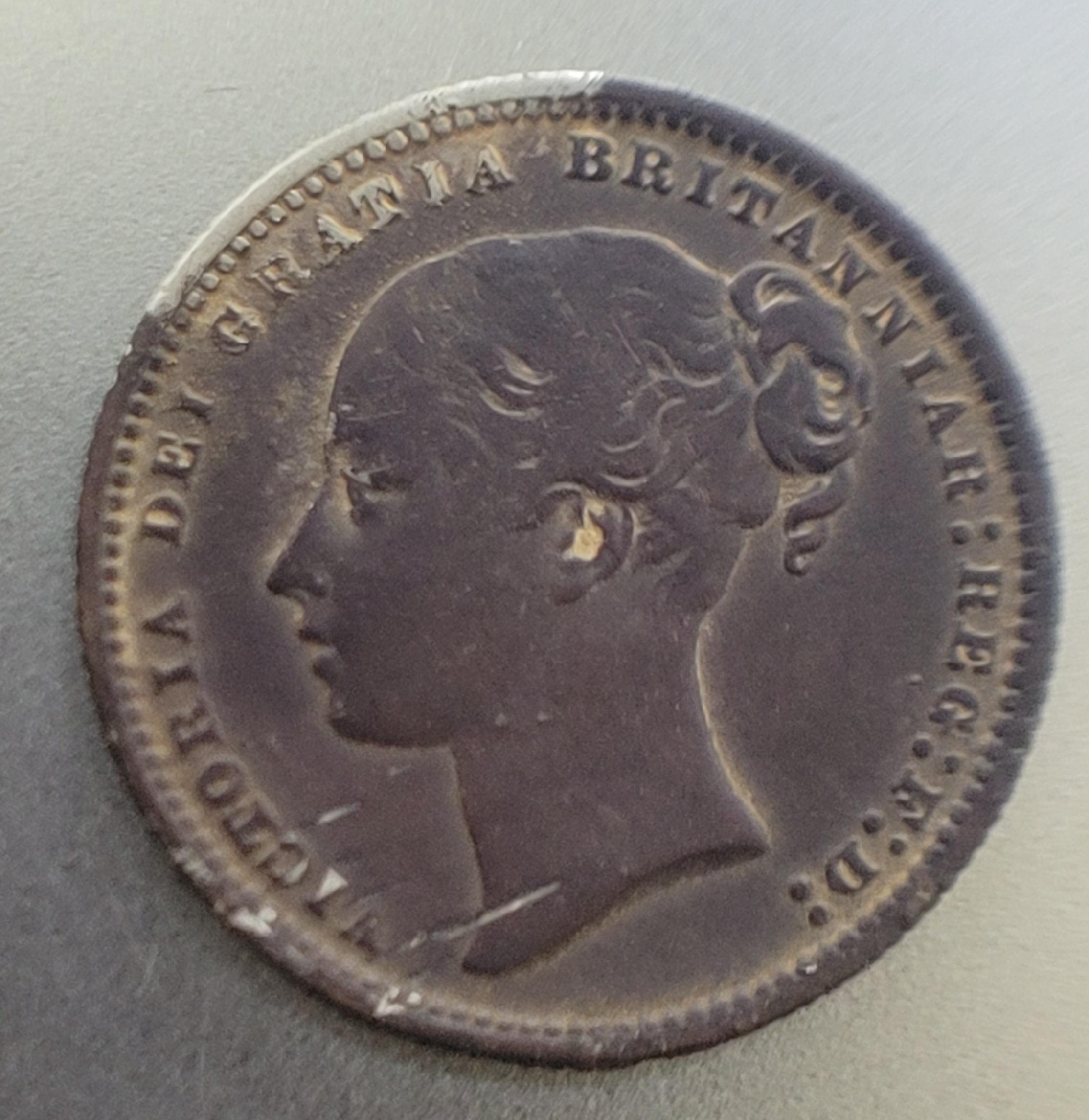
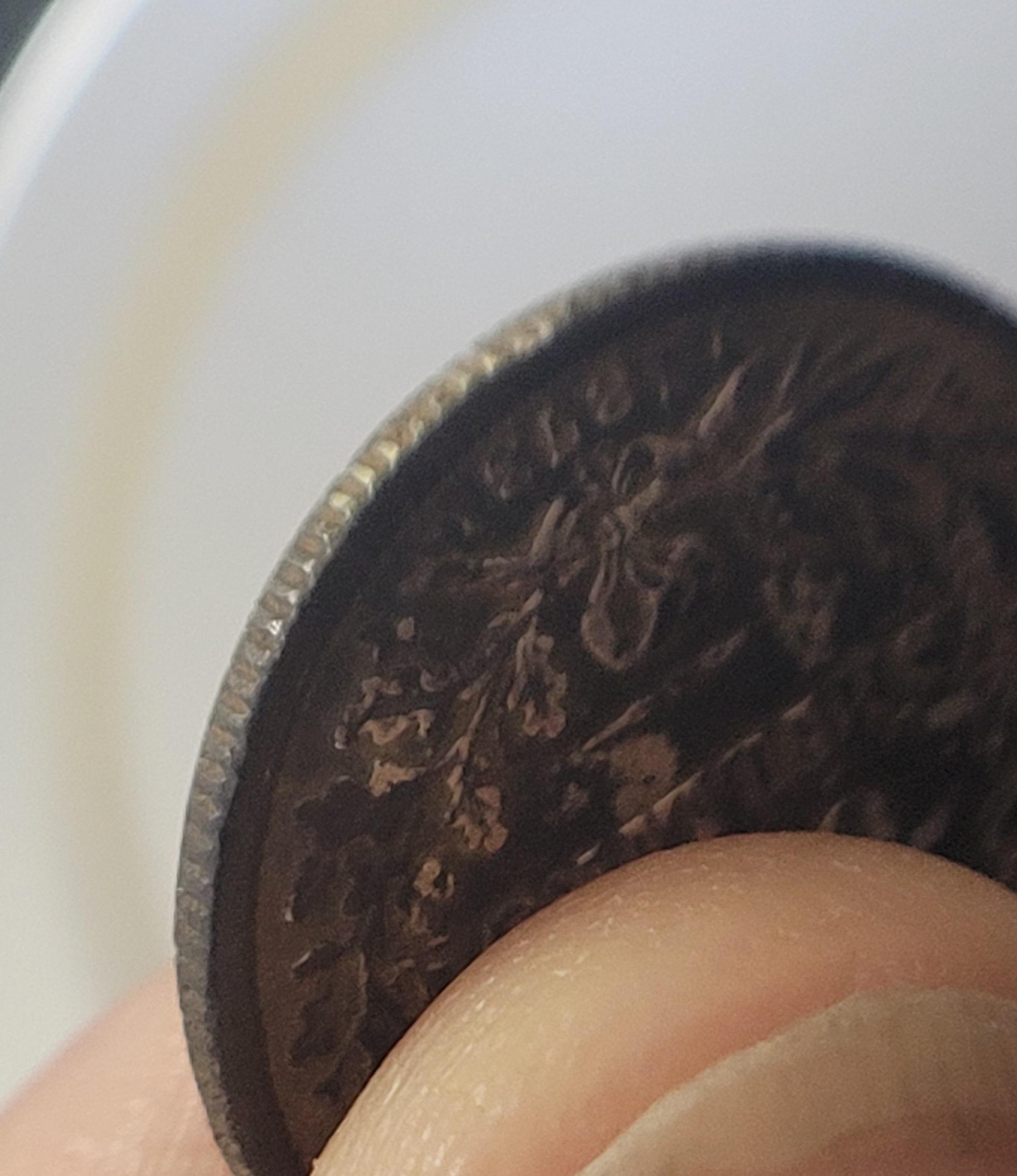
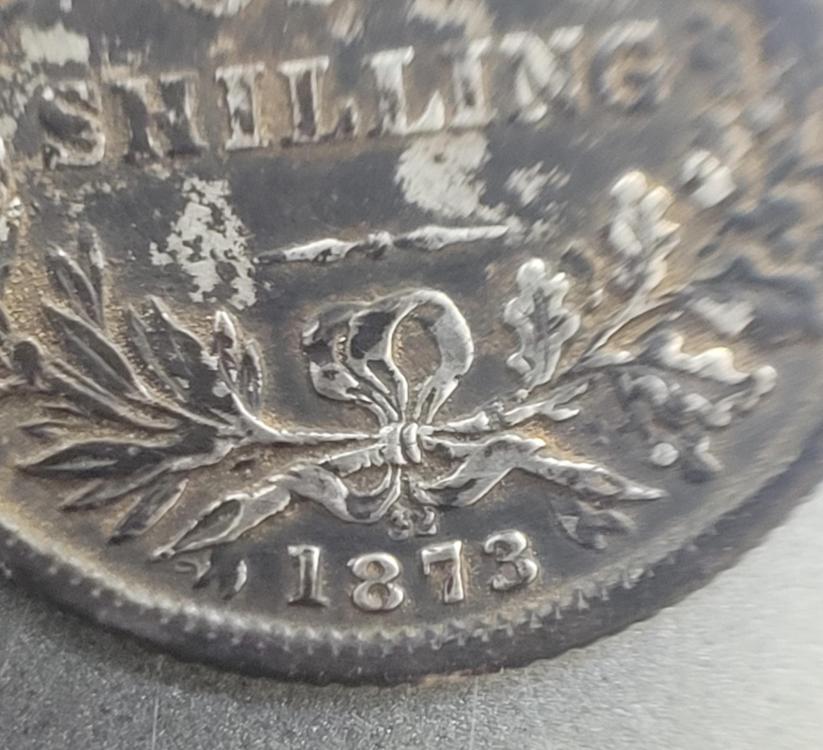
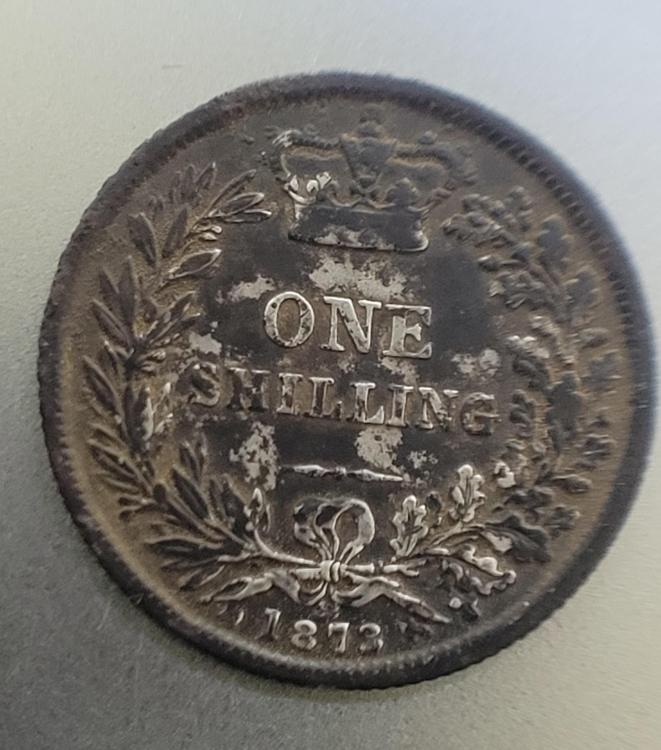
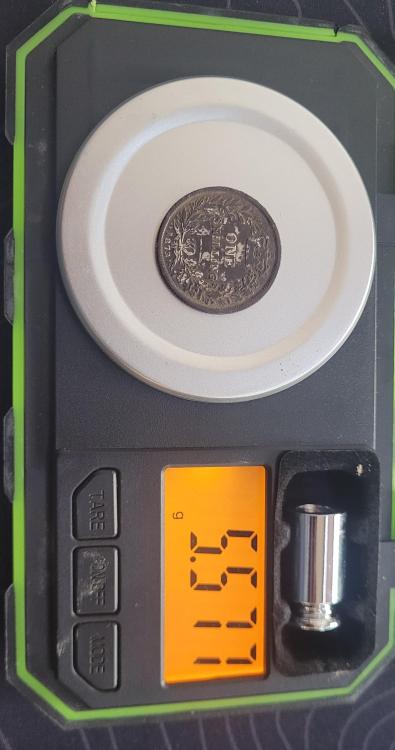
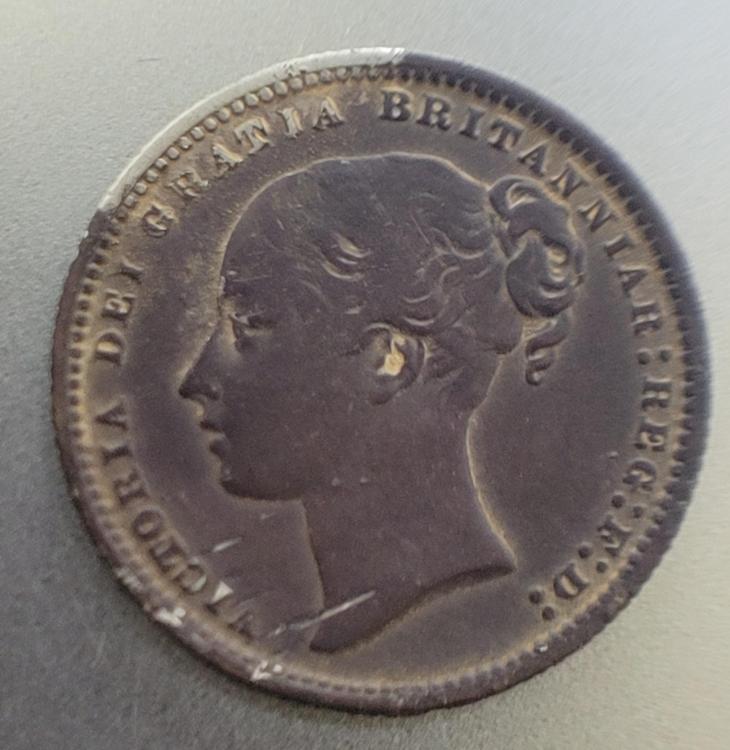
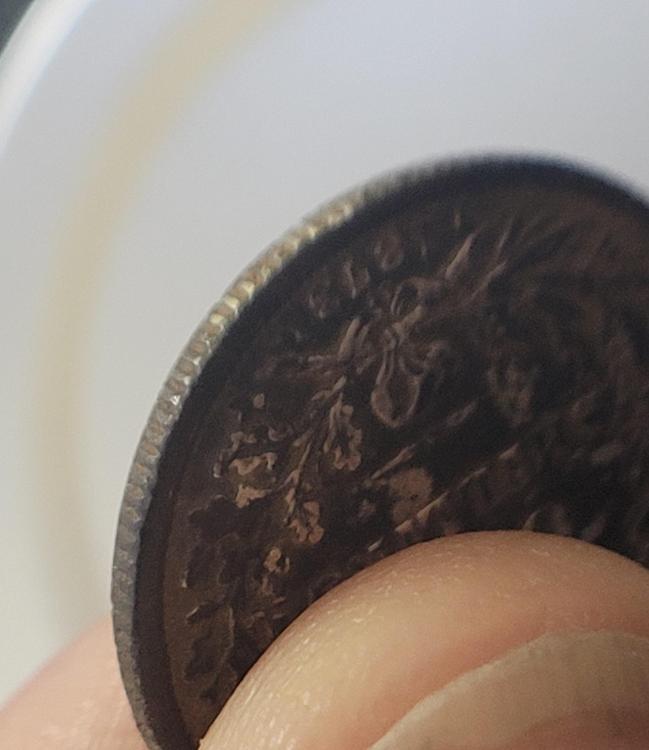
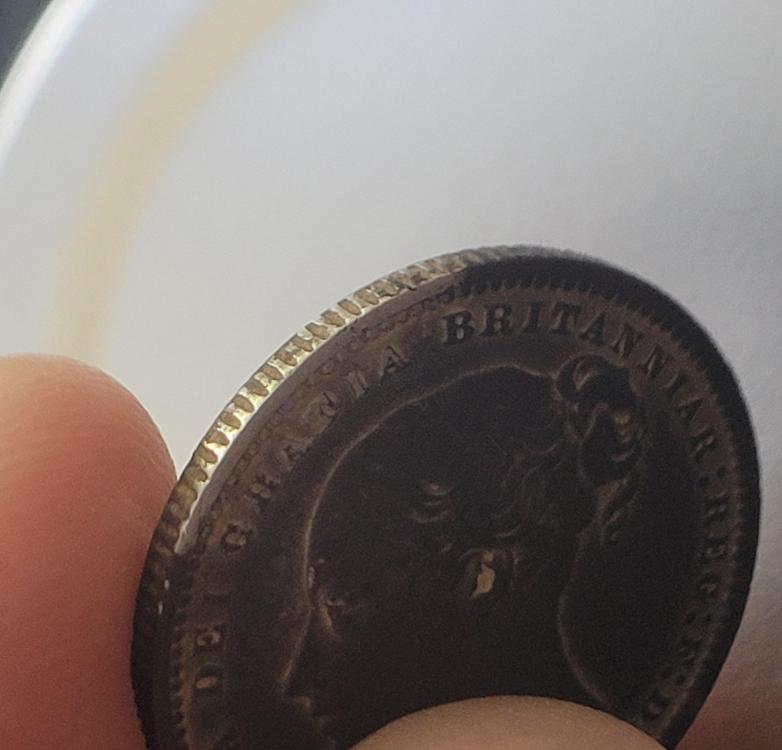
Hi all, I’m hoping to get some opinions on an 1873 Queen Victoria shilling with die number 32 that I recently found metal detecting in Victoria, Australia. The coin was recovered about 4 inches deep in soil in bushland on the outskirts of Bendigo. It weighs approximately 5.57 g and has a normal-looking milled edge. I’ve attached photos of the obverse, reverse, die number and edge. What has made me particularly interested is that I have been unable to find die 32 listed among the known genuine 1873 shillings in the published and collector die-number lists I’ve checked. The sequence seems to include 30, 31, then 34, 35, with 32 absent. However, Gary Oddie’s BNS paper on Victorian shilling counterfeits specifically records 1873 die 32 among the known contemporary counterfeits. That raises an interesting question: was the counterfeit copied from a genuine Royal Mint die-32 shilling, or was 32 only present on a counterfeit die? The coin appears struck rather than obviously cast, and at approximately 5.57 g it is close to the normal weight for a genuine shilling. The edge milling also looks regular, with no obvious casting seam, although I appreciate none of this is enough to establish authenticity. I’d be very interested to know: Has anyone here seen or recorded a genuine 1873 die 32? Does anyone have a photograph or record of the 1873/32 contemporary counterfeit referred to by Gary Oddie? Do the die number, date position, wreath and other reverse details on this coin look consistent with normal Royal Mint production? If it proves genuine, could this potentially be the first recorded surviving example of 1873 reverse die 32? Any thoughts or references would be greatly appreciated. Thanks, David Victoria, Australia
- 3 replies
-
- 2
-
-
- genuine example
- shilling
- (and 3 more)
-
He's was certainly talented! Especially given his short life time too!
-
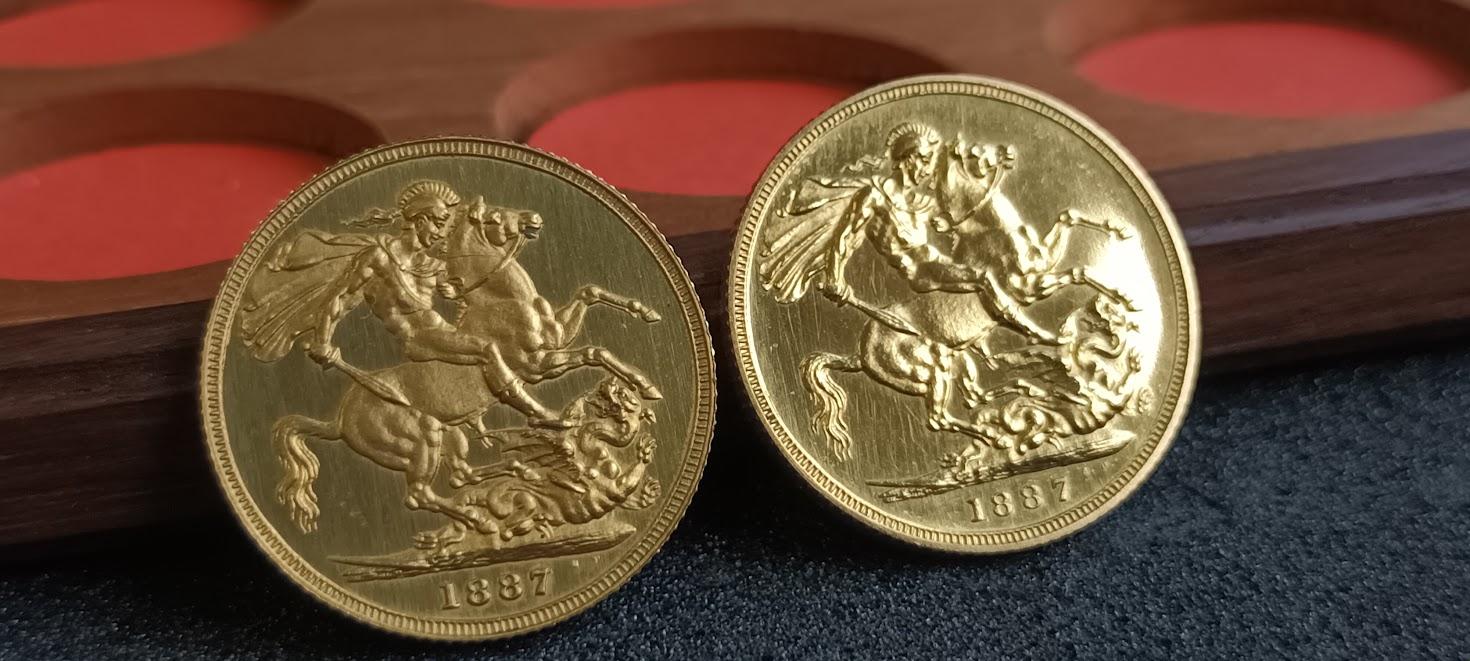
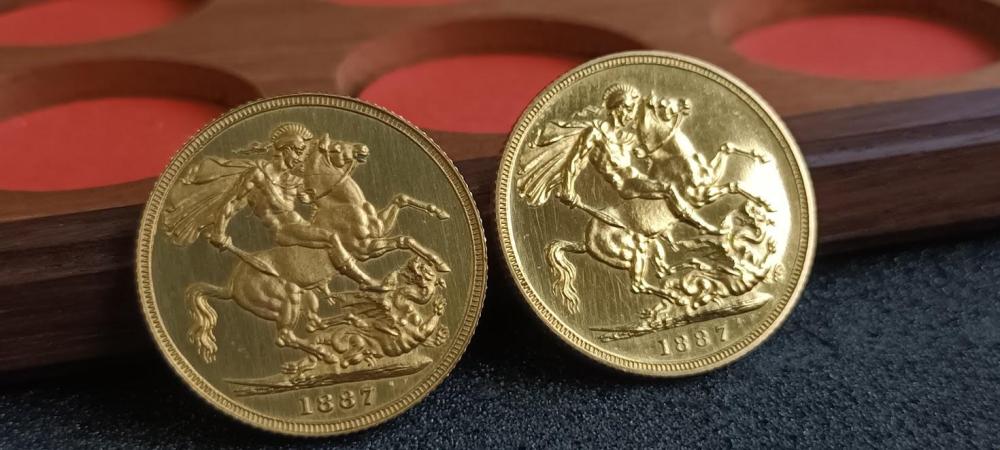
Another post from me AGAIN! Early September I went to the RMM to study the tooling and coins of 1887. Obviously, there were some weird things - that is why I am studying such pieces (and slight influence by Andrew Thorburn, he knows he caused this). I cannot, for the life of me, get this Sovereign out of my head that I saw. For context, the RMM had two proof sovereigns in gold (three if you want to count the reverse only uniface but not important). One sovereign had, the standard features you'd expect of a proof. Clear, shiny, reflective fields and muted matte design and legend. This was the same on both the obverse and the reverse - for those curious RMM 3785. The second piece, RMM 3786, had the same features on the obverse, mirror like fields, matte like portrait. The reverse caught me off guard though. The whole thing, shiny. Not just the fields, there was not a trace of matte-like features on the design or date! It was really uncanny, obviously not all proofs have matte-life features, but the fact that one side did and the other didn't felt weird to me. I don't know how else to describe it. It felt intentional, especially when compared to RMM 3785. You can find links to both coins at the bottom. Am I crazy? Is this normal? I will admit I am not the most experienced in proofs - but I will blame my lack of experience on my age (I'm only 18, I can only know so much!) It was such a striking distinction between the two pieces. Any insights, references or just comments would be GREATLY appreciated so I can get some proper sleep tonight instead of thinking about this damn coin! I've attached a photo, though not the greatest one - it is so hard to show what I'm talking about out of hand. https://royalmintmuseum.collectionsindex.com/object-rmm-3785 https://royalmintmuseum.collectionsindex.com/object-rmm-3786
-
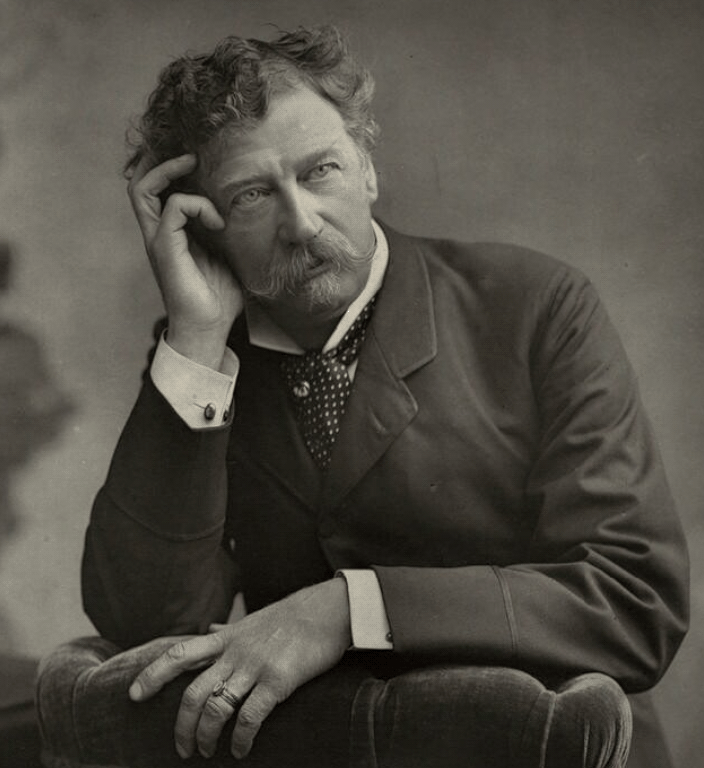
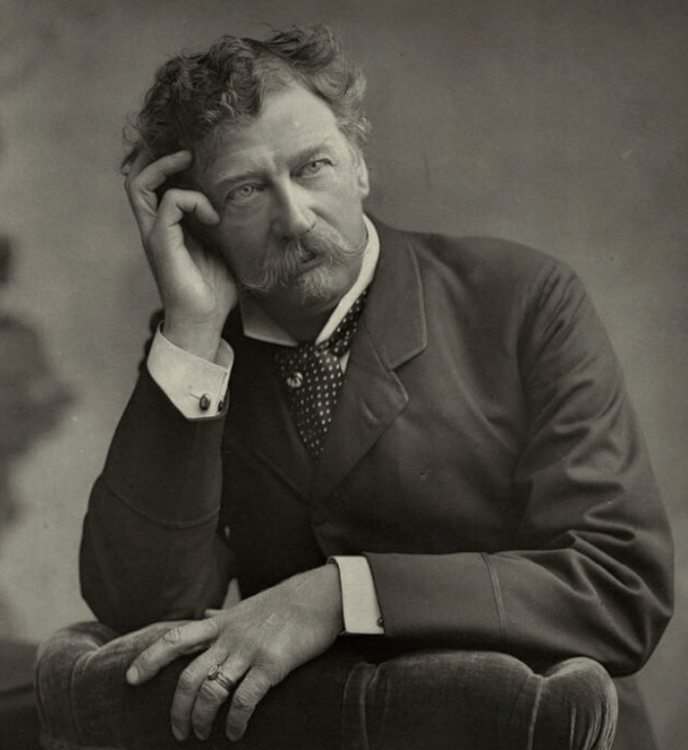
I was just taking a look at this man’s Public Works on the drop-down on Wikipedia…this man was prolific, what a sculptor he was! https://en.wikipedia.org/wiki/Joseph_Edgar_Boehm
-
Very unfortunate. It would be fascinating to put the face to the name. Joseph Edgar Boehm, however, was photographed quite a lot at least! And by the looks of it he may have been a model at heart 😂
-
It's a shame photography just missed William Wyon - died 1851.
-
Stunning! I LOVE that! 🙌
-
Well, if you can find it on Amazon, I would highly recommend it! It’s looked at impartially, investigating both its positives AND downsides, with some unexpected discoveries/findings!
-
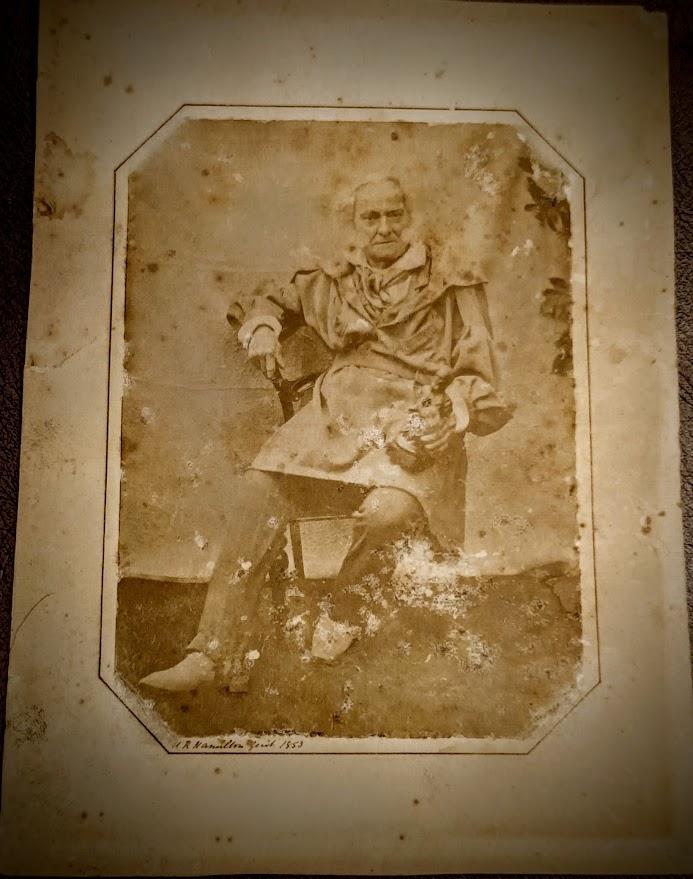
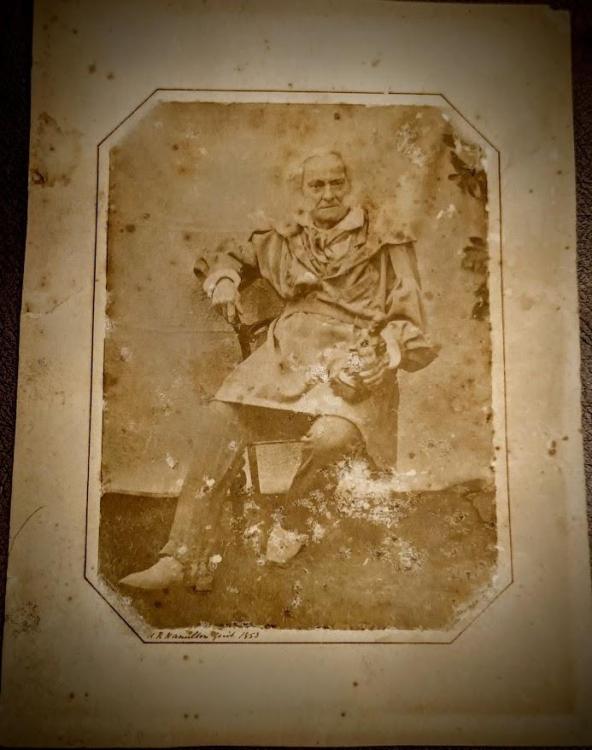
Benedetto Pistrucci, arguably the most famous coin engraver, was born in 1783 and died 1855. He was 56 years old at the time of the first photographic portrait. Only two years before his death he was photographed by Arthur R Hamilton. This is, to my knowledge, the only time he was photographed - and could reasonably be the first photograph of a British coin engraver! Most of the images you will find are later (1870-90) reproductions of the original photograph - identified by the black/gray card they are mounted on. I am fortunate enough to be the owner of the original photograph from 1853, signed by the photographer - to my knowledge it is the only one made from the negative and thus the true original piece!
-

Gold 1853 Five Shilling!
1887jubilee replied to SohoMint's topic in British Coin Related Discussions & Enquiries
But not as small as the 1 Kuna from Hum diameter 1.99 millimeters and a weight of 0.05 grams -
I don't know who the merchant W&P was, but here's another one: https://www.ebay.co.uk/itm/135147031137?_trksid=p4375194.c102726.m162918 I found another one, but then couldn't find it again two minutes later...
-
Today I found this George IV Shilling 1826 has W&P stamped on it, I have the understanding this was done by company's as a way of advertisement its tidy job so I will be keeping it.👍