Search the Community
Showing results for tags 'genuine example'.
Found 1 result
-
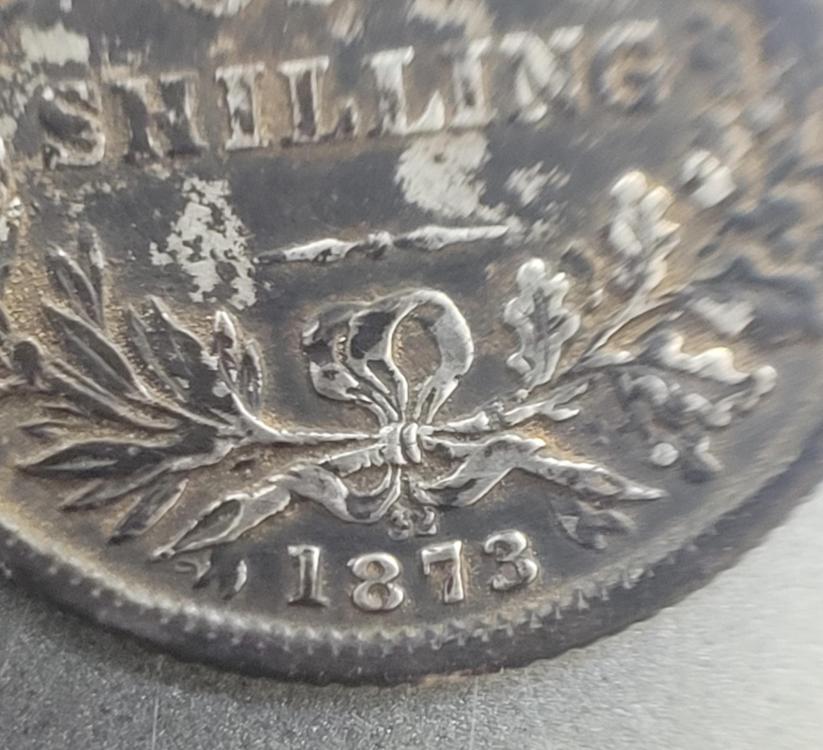
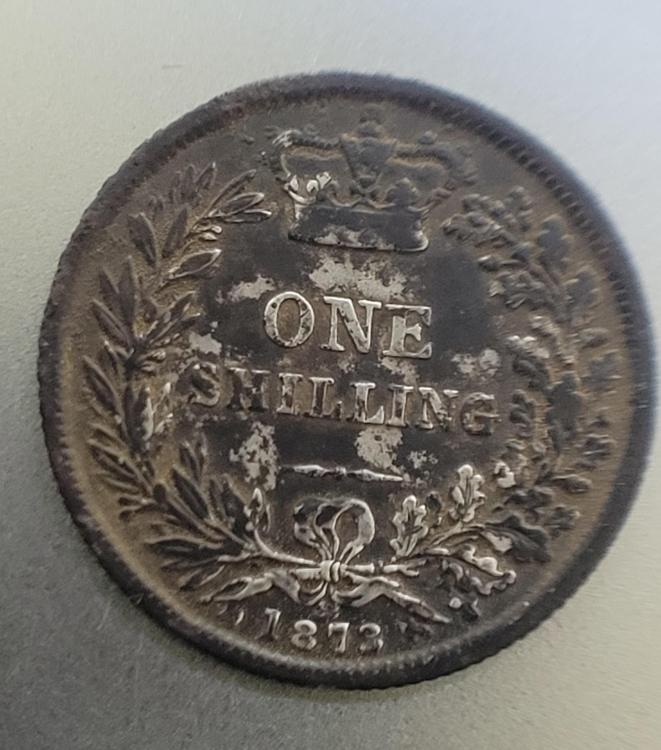
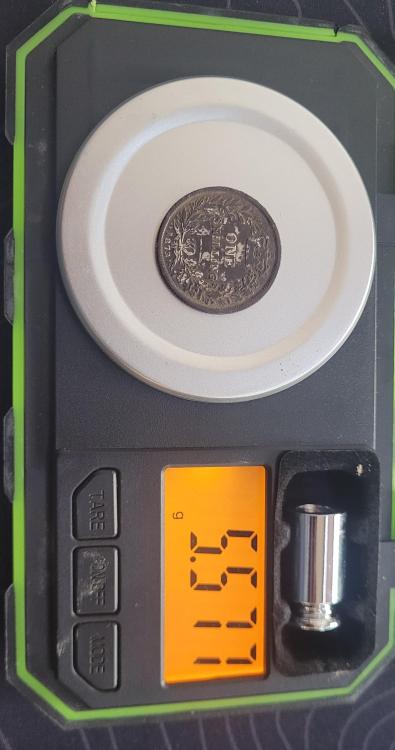
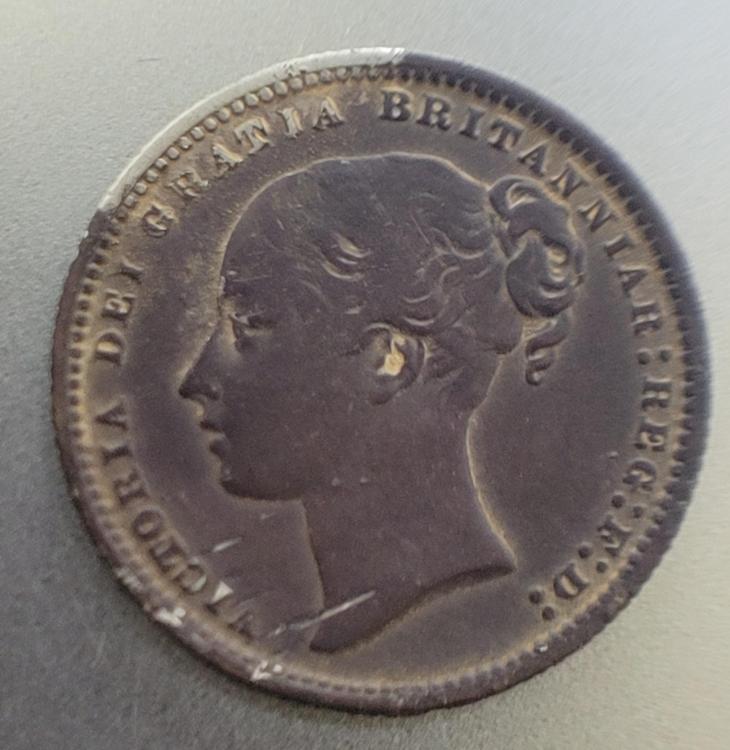
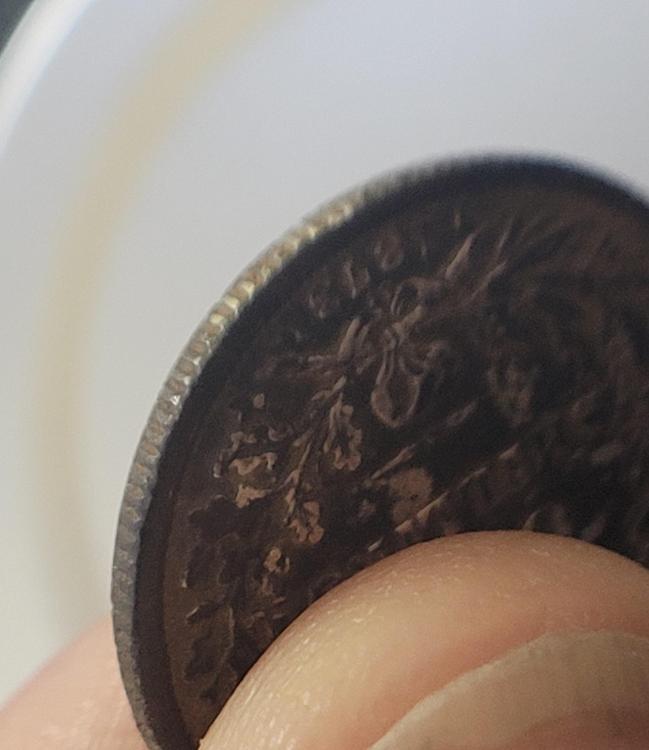
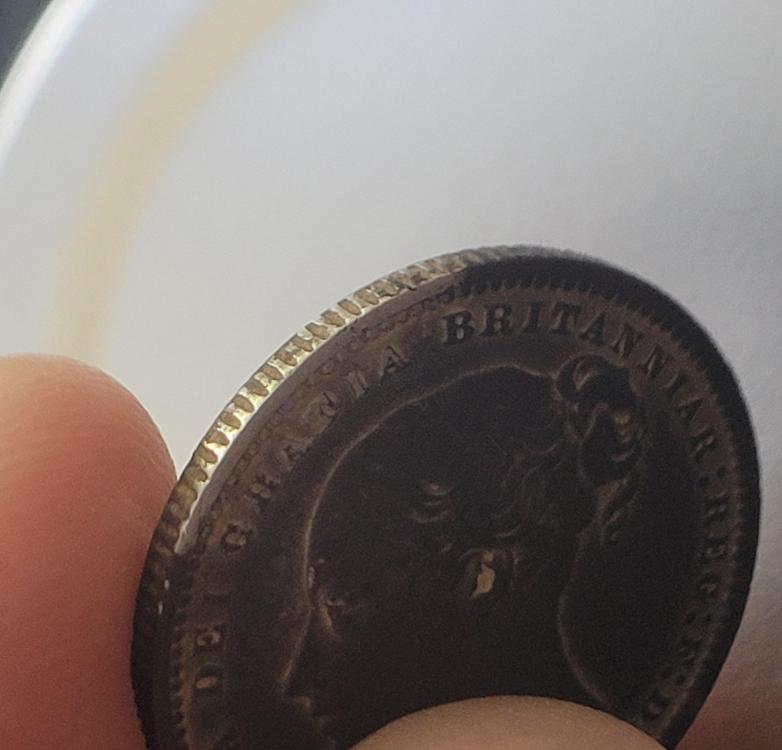
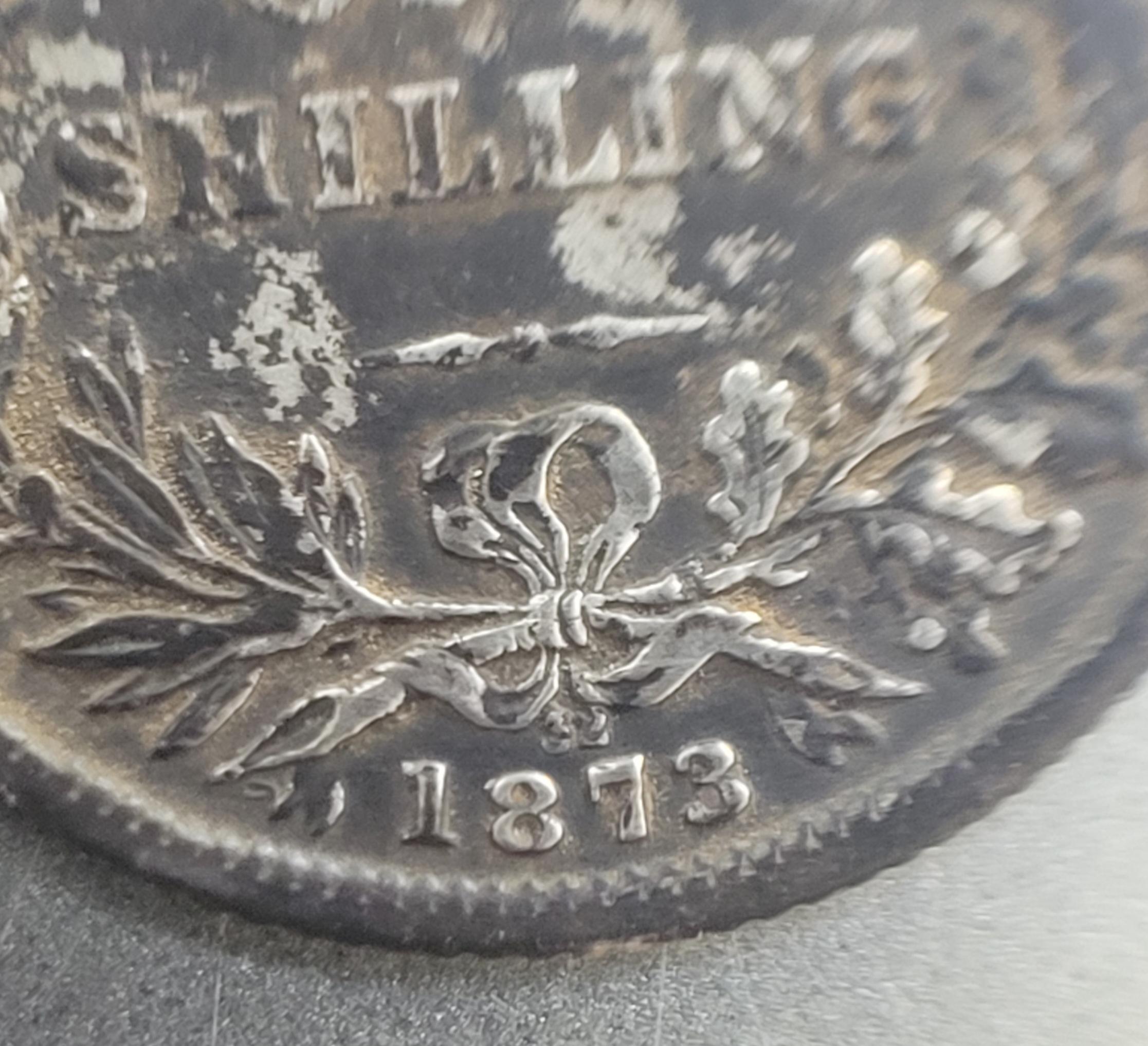
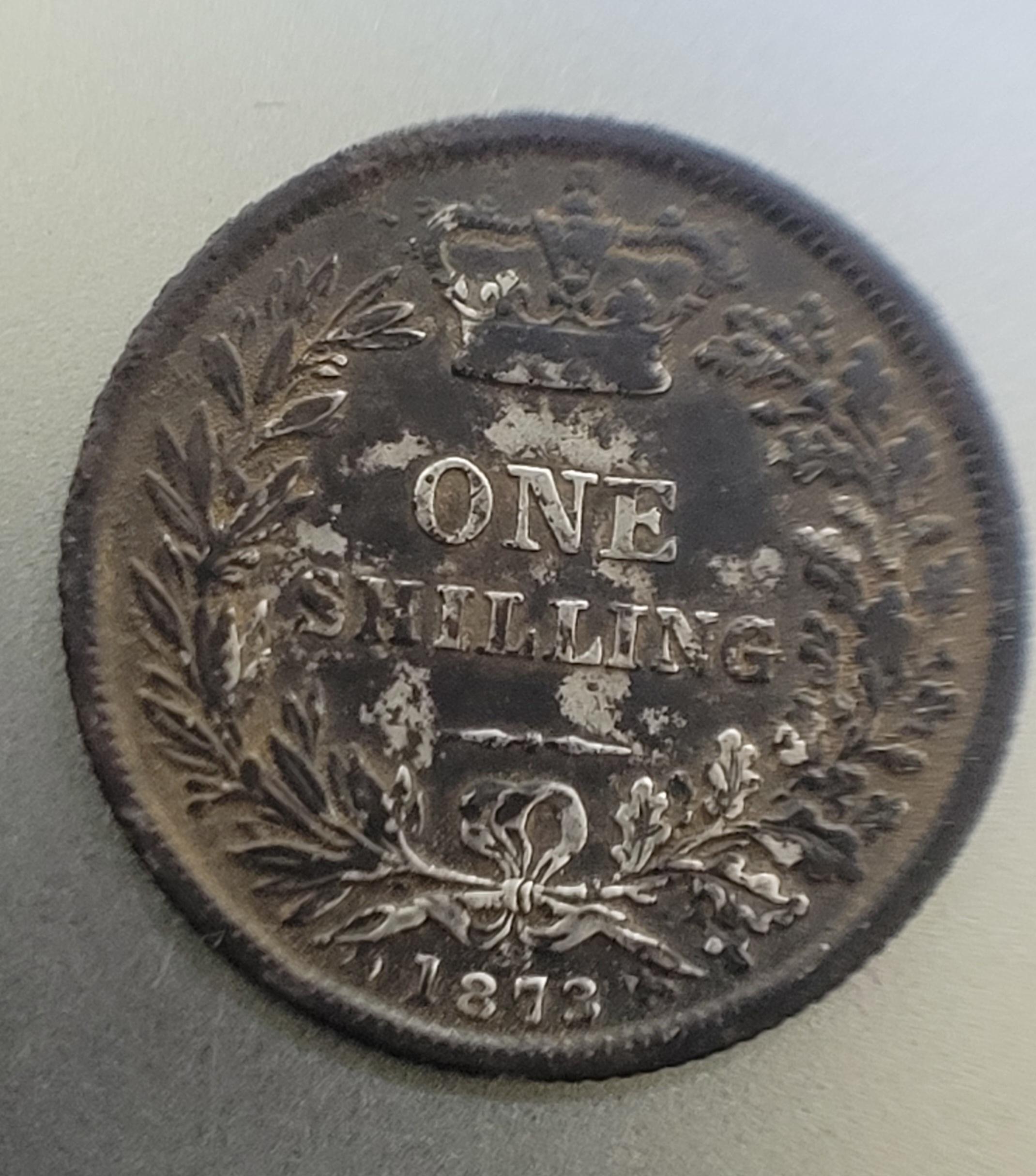
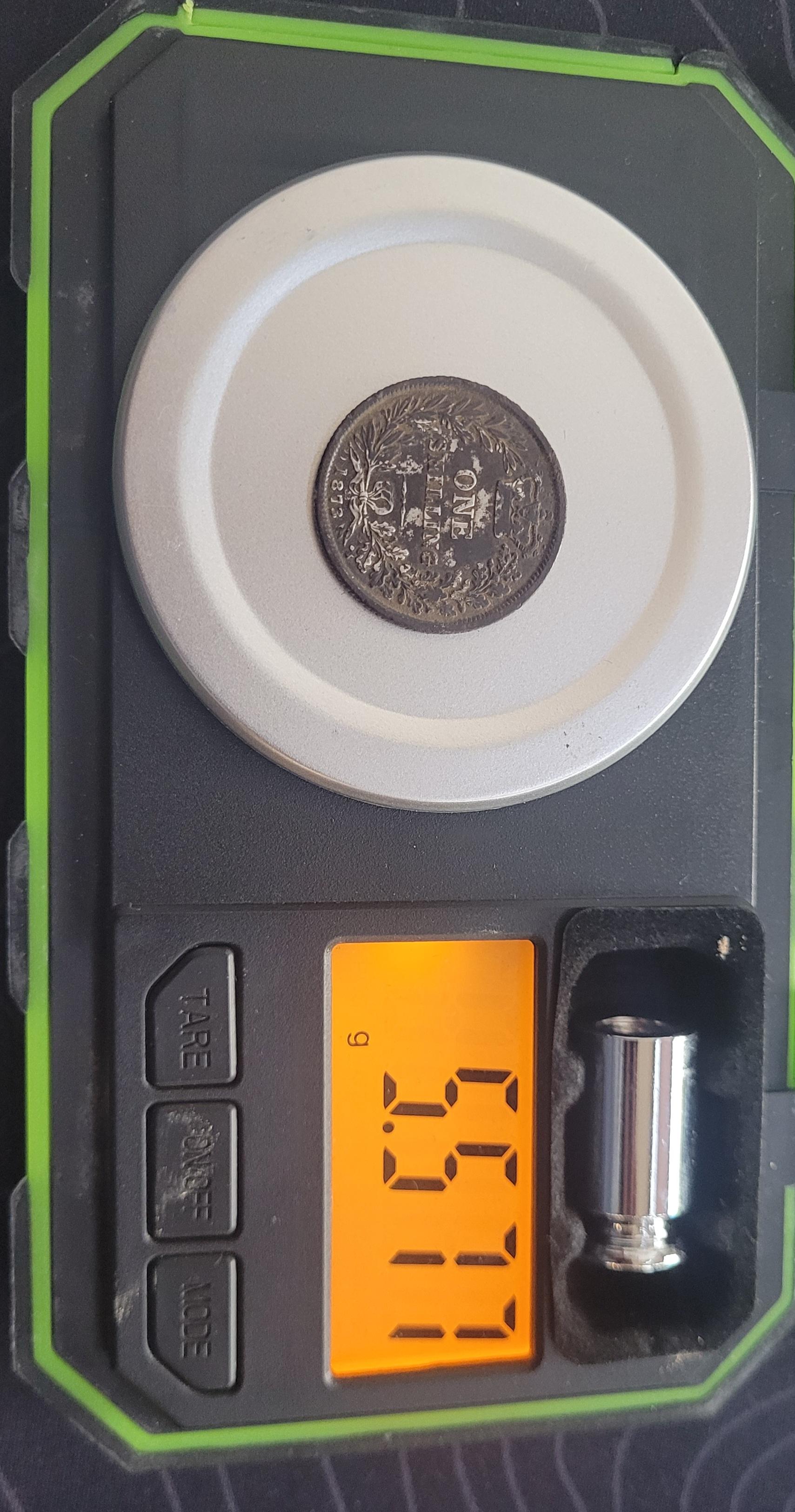
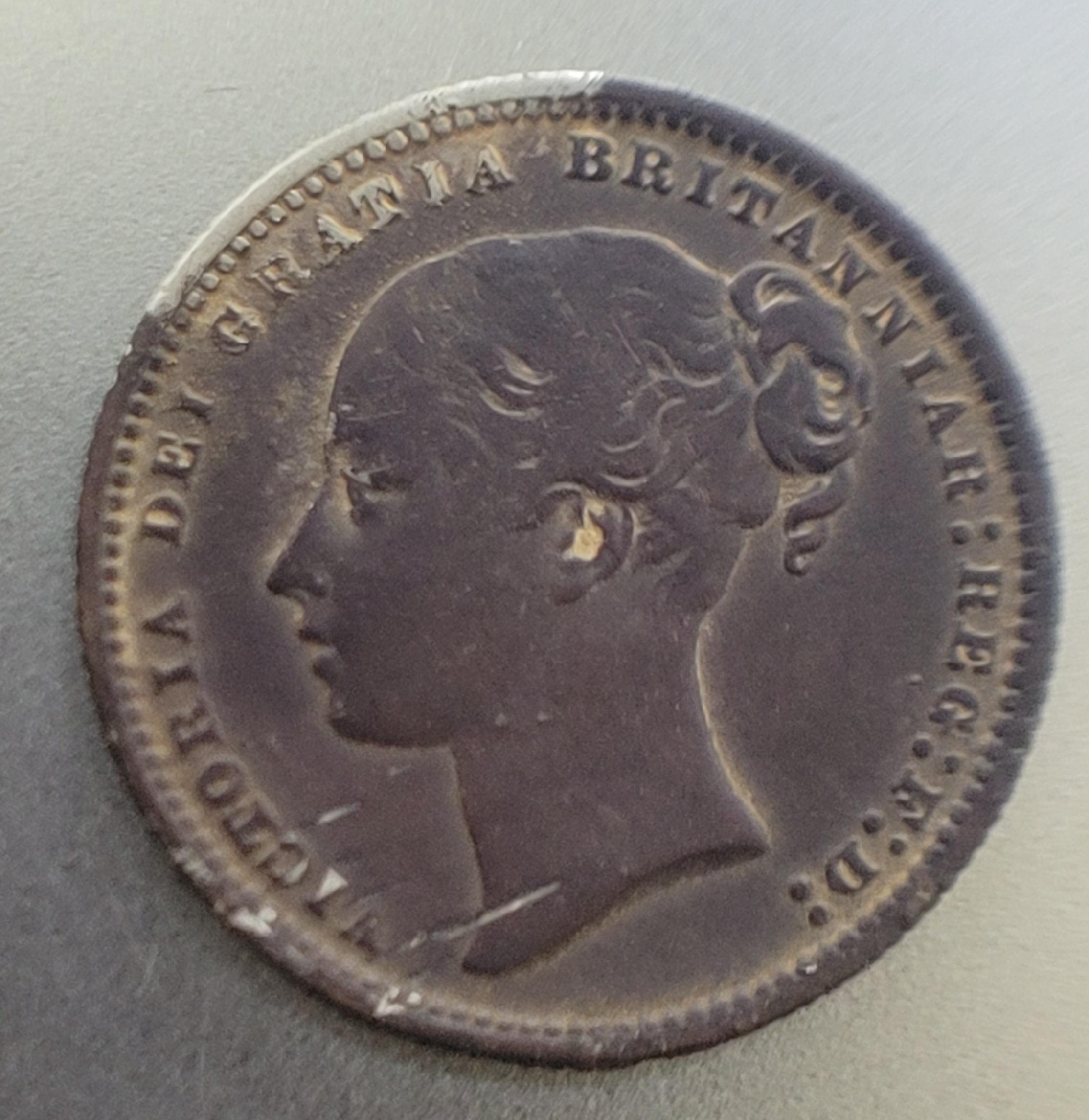
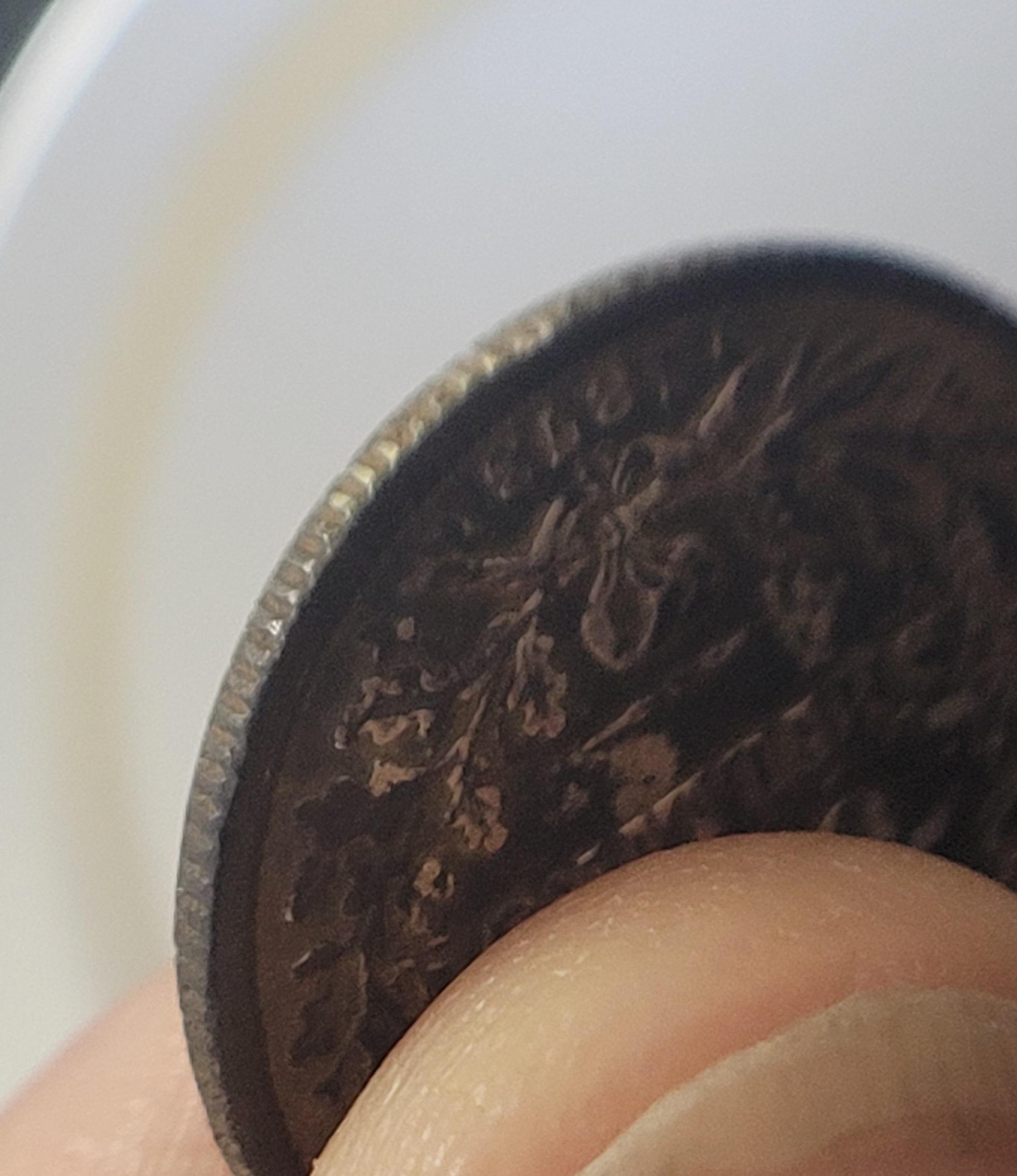
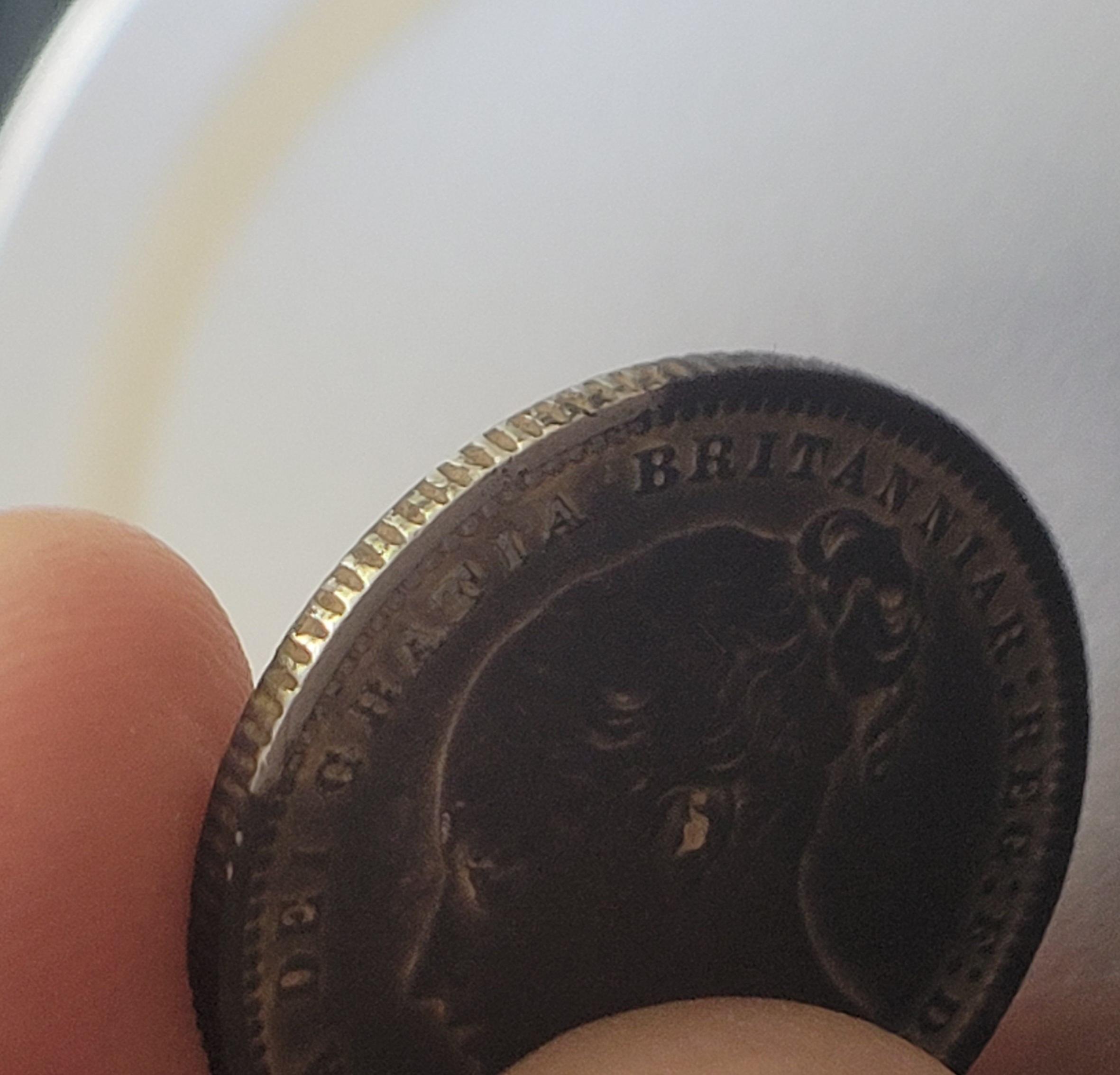
 Hi all, I’m hoping to get some opinions on an 1873 Queen Victoria shilling with die number 32 that I recently found metal detecting in Victoria, Australia. The coin was recovered about 4 inches deep in soil in bushland on the outskirts of Bendigo. It weighs approximately 5.57 g and has a normal-looking milled edge. I’ve attached photos of the obverse, reverse, die number and edge. What has made me particularly interested is that I have been unable to find die 32 listed among the known genuine 1873 shillings in the published and collector die-number lists I’ve checked. The sequence seems to include 30, 31, then 34, 35, with 32 absent. However, Gary Oddie’s BNS paper on Victorian shilling counterfeits specifically records 1873 die 32 among the known contemporary counterfeits. That raises an interesting question: was the counterfeit copied from a genuine Royal Mint die-32 shilling, or was 32 only present on a counterfeit die? The coin appears struck rather than obviously cast, and at approximately 5.57 g it is close to the normal weight for a genuine shilling. The edge milling also looks regular, with no obvious casting seam, although I appreciate none of this is enough to establish authenticity. I’d be very interested to know: Has anyone here seen or recorded a genuine 1873 die 32? Does anyone have a photograph or record of the 1873/32 contemporary counterfeit referred to by Gary Oddie? Do the die number, date position, wreath and other reverse details on this coin look consistent with normal Royal Mint production? If it proves genuine, could this potentially be the first recorded surviving example of 1873 reverse die 32? Any thoughts or references would be greatly appreciated. Thanks, David Victoria, Australia