

Paddy
-
Posts
2,300 -
Joined
-
Last visited
-
Days Won
171


Paddy's Achievements






-

Ink printing on a silver coin ? Victorian 1883 3 Pence
Paddy replied to Citizen H's topic in Free for all
Certainly looks like transfer of newsprint to me. -
Definitely odd! As a "one-off" it is only ever going to have curiosity value. I wonder if it could be a blank from another country with reeded edges that has got jammed into the UK 1p dies? How do its dimensions and weight compare with a regular 1p?
-
Ah, but I asked AI and it confirmed I am Spartacus! So it must be true!
-
Very interesting items! Not something I would collect, but definitely intriguing. I suspect when they were made unscrupulous dealers were rooking credulous pilgrims. Nothing has really changed!
-
Not sure, but I don't think Indian. The writing appears to be using Roman letters but the style is crude for Roman Imperial. Maybe Roman provincial?
-
Whitman Blue book shelf type coin albums
Paddy replied to coinkat's topic in British Coin Related Discussions & Enquiries
@coinkat's OP mentioned "blue book" so I assumed the blue folders were what we were talking about. I have encountered the posher Bookshelf albums that @Bronze & Copper Collector refers to, but I don't recall the colour of those? They were an improvement in storing coins, but seem to have been much less popular - possibly much more expensive? The blue folders were a great way for a young collector to get started, particularly when many of the coins could still be picked up in circulation. -
Whitman Blue book shelf type coin albums
Paddy replied to coinkat's topic in British Coin Related Discussions & Enquiries
They were certainly popular in the UK and still turn up at auctions here occasionally. I have seen all the way from farthings to Half Crowns, with the earliest catering for coins back to 1860 I believe. I can't say they were a great way to store coins, frequently losing their grip, and I have seen many coins sticky taped into place! I don't believe they ever went decimal, so I guess they ceased in the early 1970s. -
Found in old family memorabilia
Paddy replied to Clive Friend's topic in British Coin Related Discussions & Enquiries
I'm not the expert on these, but that looks like Lauer toy money. -
Forum loads vee. e. .. ery slow ..ow ..ly.
Paddy replied to a topic in Forum technical help and support
Site seemed to be down most of the morning - only just got back in. Any ideas what caused the issue? -
I got my first Charles III 5p in change today - 2023.
-
I don't have Gouby and I haven't really got into these date width varieties, but I get from the above that mine is Ba?
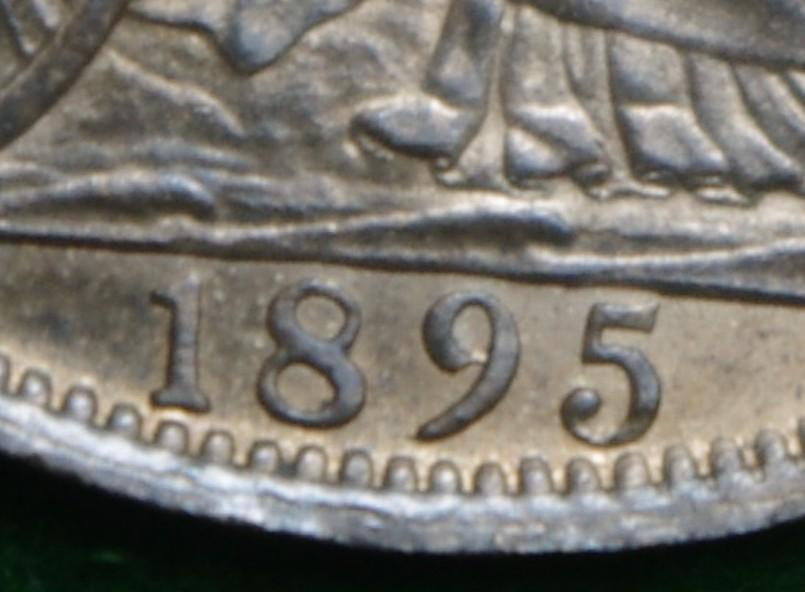
-
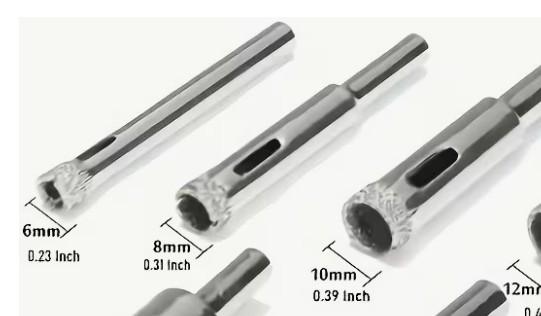
There are hole drills without the centre drills - like these: A hole punch would leave different damage and would certainly have deformed the reverse.
-
Someone has started drilling it with a hole drill and given up. Or maybe it was being used as a backstop when they were drilling something else.
-
Stuff to make us Laugh vers.2.0
Paddy replied to blakeyboy's topic in Nothing whatsoever to do with coins area!
Now I know how non-coin people feel when they see our conversations on varieties! -
I messaged them too and have just had a reply - thanking me and saying they have taken the item down.