Leaderboard

Popular Content
Showing content with the highest reputation on 03/01/2026 in Posts
-
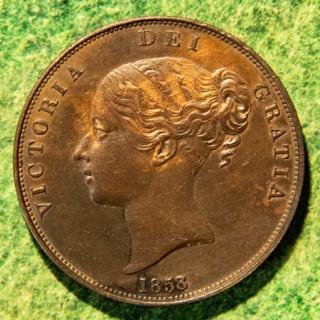
By way of introducing myself let me tell you about my favorite coin in my collection. I had been collecting bronze penny coins since I was a young boy. Then, in 1975 I rode my brand new motorbike the nine miles to the Somerset town of Frome. In a junk shop on Catherine’s Hill I saw two coins displayed in the window. I thought that the smaller one looked like an old penny. I did not know what the larger coin was as I had never seen the like before. They were offered as two Victoria copper coins from 1858. They were priced at £6.50 and £7.50 respectively, a lot of money in those days. I decided to buy the smaller, cheaper penny sized coin. When I got home I looked it up in my 'Check Your Change’ book and found that at 28.4 mm in diameter the coin was in fact a half penny. I got straight back on my bike and returned to Frome for the other coin which proved to be a penny at 34mm diameter. On closer inspection I realised that the number 8 was struck over a number 7. At the time I thought that I had discovered something special. It turns out that I had not. They were very nice coins though, and kindled my interest in copper pennies, halfpennies and farthings.
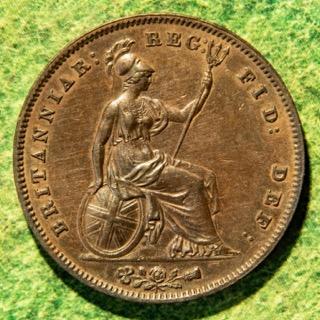
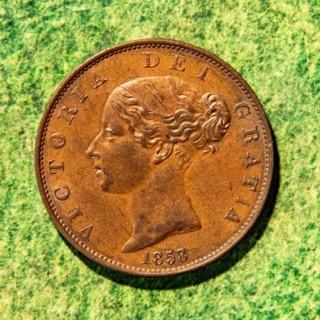
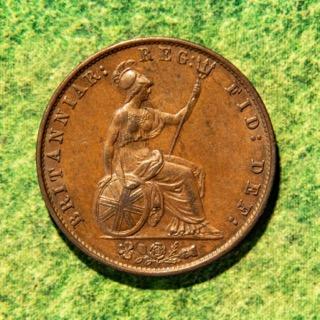 8 points
 -
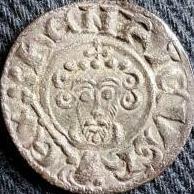
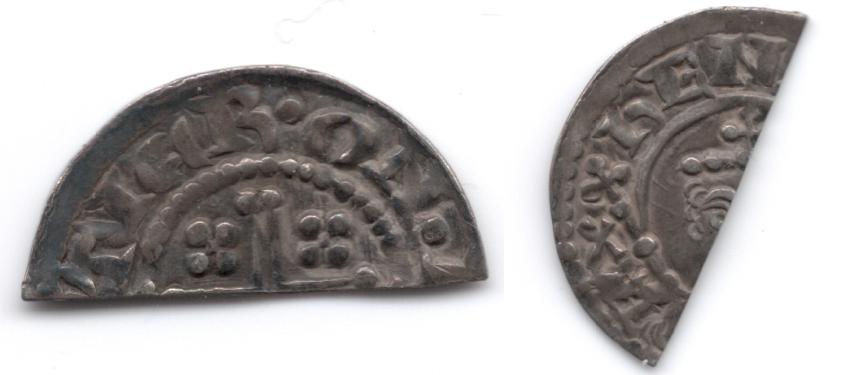
I agree that halfs and quarters are often in almost perfect condition because they were easily lost soon after they entered circulation. I too look for nice examples, scarcer mints, errors, etc. and enjoy the challenge of identifying them. This is one of my favourites. Walter (Waltier error) on Northampton, square E's on obverse (round on reverse), class 1a2/1a5 mule, possibly Mass 148, although the X looks different.
 2 points
 -
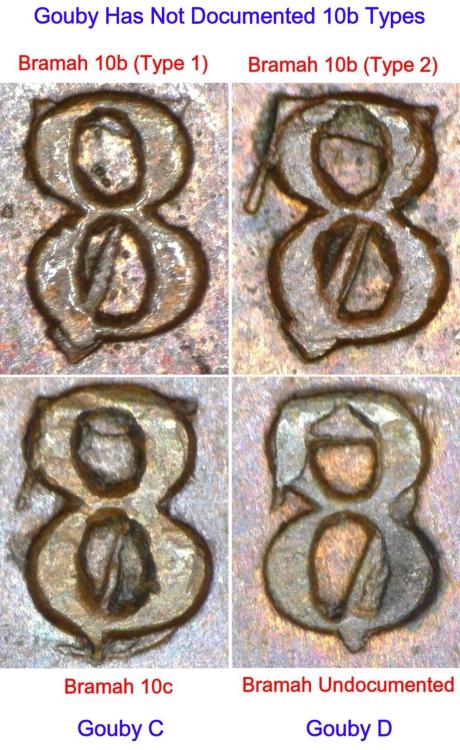
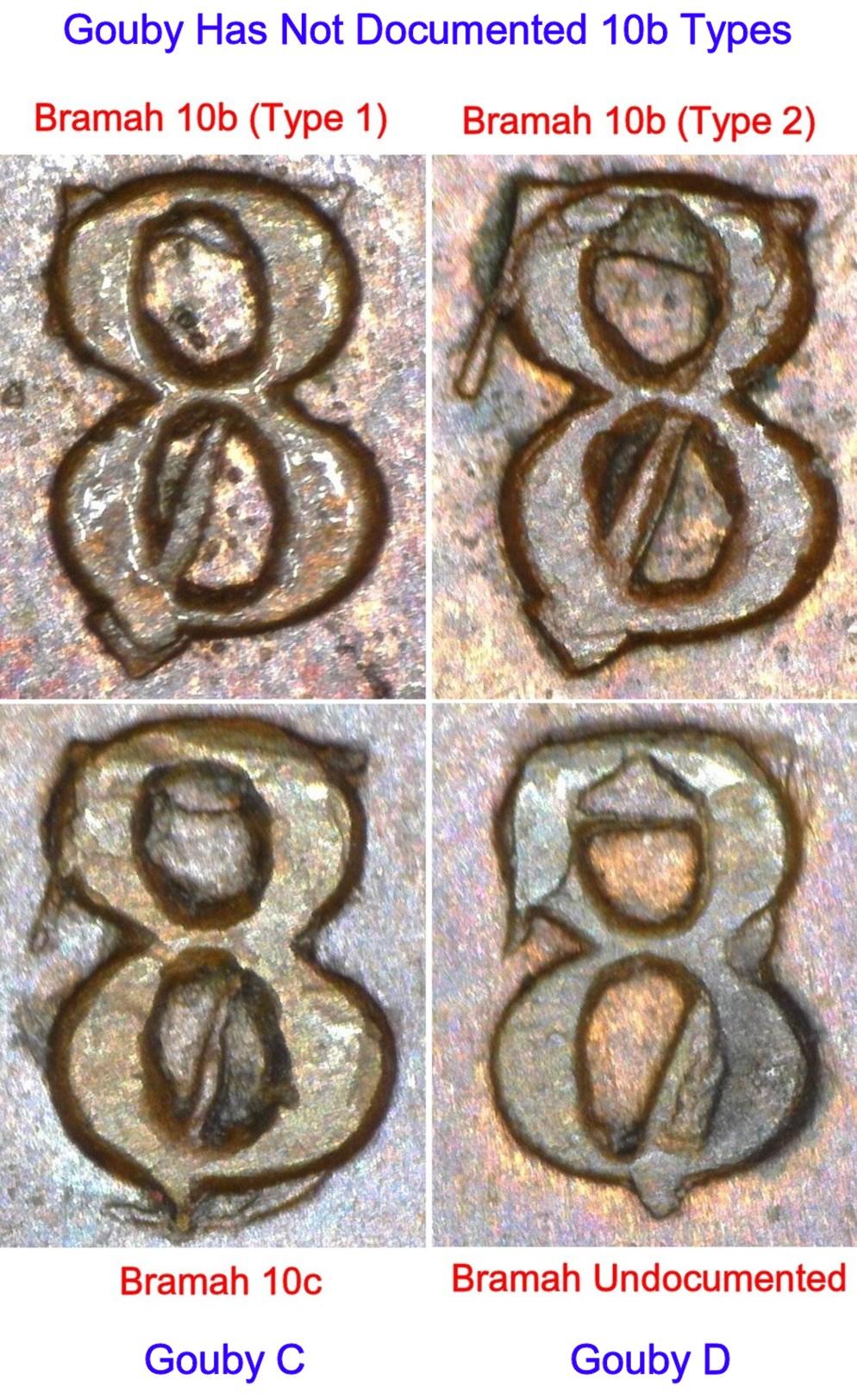
In my experience there are 4 different obverse dies which have been altered to 1848/7. These are illustrated in the pictures below. Whilst Bramah does not have any pictures to illustrate his type 10b, he says the following in his 1929 book:- "The die has been altered from 1847. The 7 shows very plainly beneath the 8, its up-stroke dividing the lower loop of 8 into two unequal parts, that on the left being much the smaller." Interestingly, I have found two different obverse dies which fit Bramah's 10b description. These are the top two pictures shown below. Surprisingly, these Bramah 10b types do not appear on Gouby’s website. Bramah 10c / Gouby C (bottom left) is probably the most common of the 8/7’s Gouby D (bottom right), with the 7 at back of bottom loop of the 8, I think is the rarest type……and probably why Bramah has missed this variety. Gouby Ca and Cb are doubled examples of his variety C I believe his Da is simply a worn example of his type D. He actually remarks upon this himself i.e. "Possibly a worn version of D !?" If anyone wishes to see additional detailed legend pictures to support any of the above then please feel free to contact me.
 2 points
 -
Agreed. That was one of the first things i noticed about it. The full one i bought just arrived today. The portrait is a bit scuffed but i can't complain as it was cheap. Looks like a match with my half. Slevin 1a5 / Brand 1050. Stu.
(1).thumb.jpg.324929279cb8c50fe592f9fd0753339f.jpg) 2 points
2 points -
My fav at the moment a 1902 crown will put pic on soon1 point
-
Welcome to the predecimal forum! It's really nice that you have kept the coins from your early collecting days. £7.50 was indeed a lot in those days. Having one of those blue Wellington fivers made me felt rich when I started secondary school in the 80s. I collect silver rather than bronze but have brought a few pennies and half pennies as type examples. I think the first bronze I have brought was the same YH type: 1853 half penny. I then got a bun penny and half penny as I am fond of that portrait and it's a shame that it was never used on silver coinage.1 point
-
A well known variety. See screenshot from Michael Gouby's website below. Typically a master die in the Victorian period had just the 18.. pre-entered on it, and from that working dies were made that then had the last 2 digits hand entered. (This is behind all the date width varieties for example on Victorian bun pennies). For 1857 shillings, one working die had the last two digits entered with numeral punches from the wrong font thus causing the example above.
 1 point
 -
As a fun film "The madness of king george" is not bad , puts a lighter and more human side to Georges you even feel sorry for the king at times.1 point
-
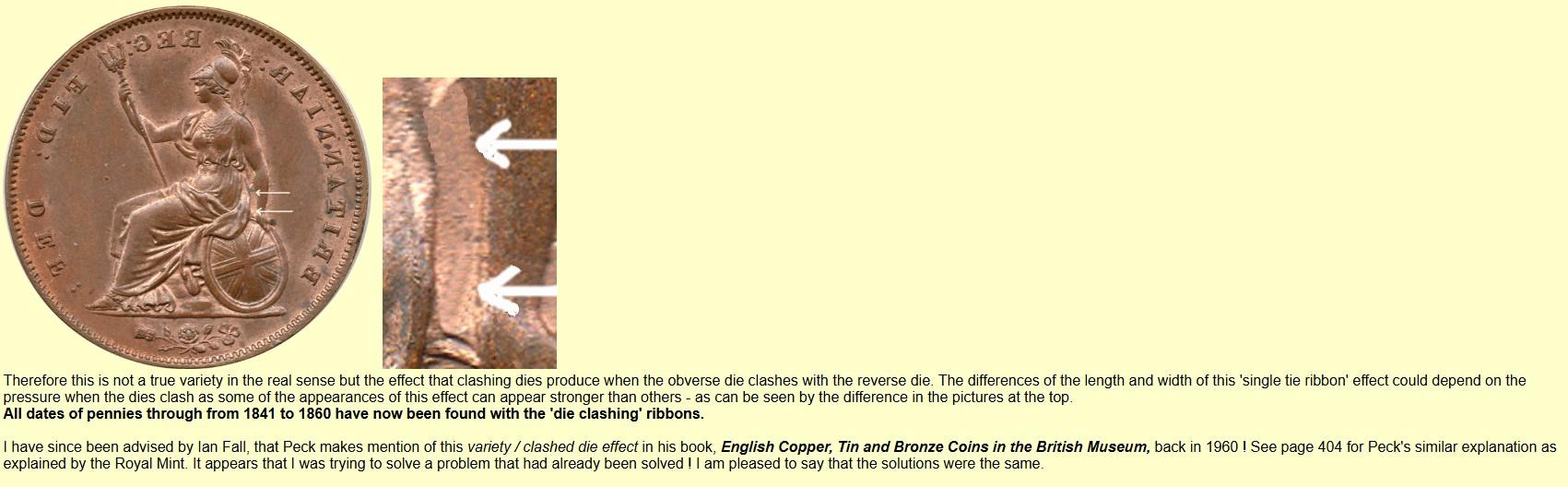
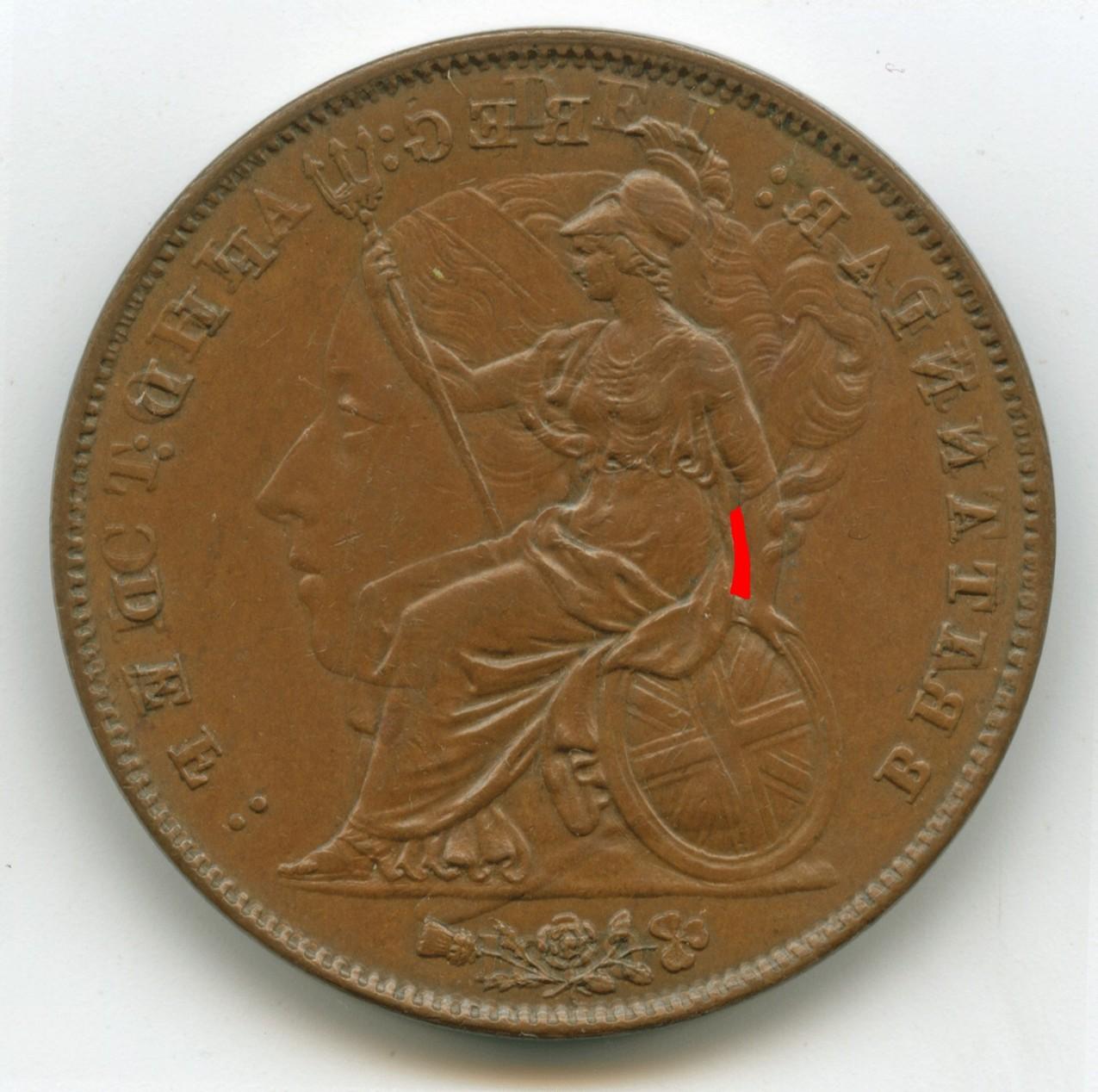
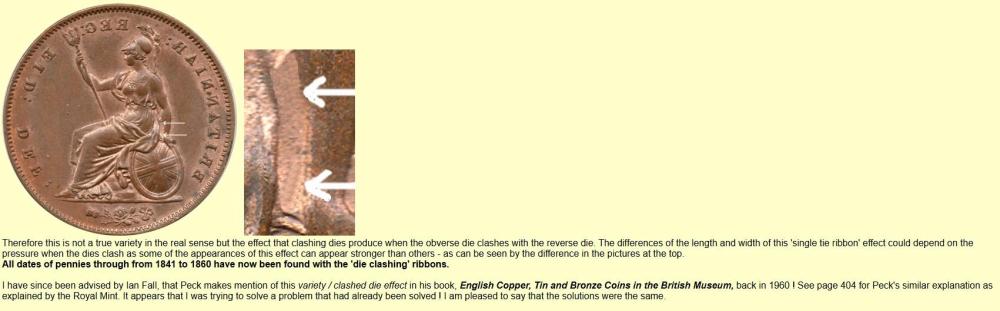
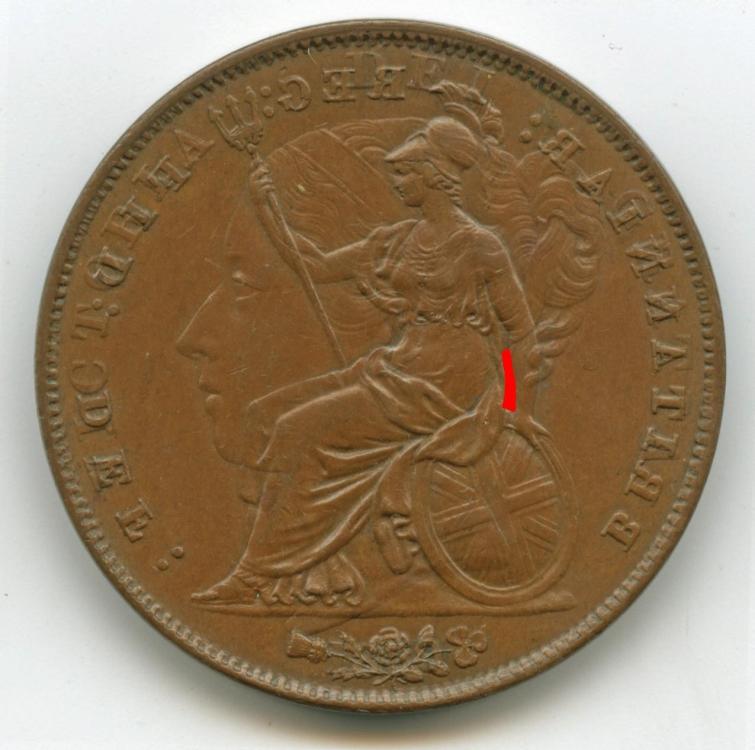
The 'ribbon' on this 1859 is die clashing, explained on Gouby's website, where he now also references Peck 404. The 'overlay' picture below also highlights the 'clash' area.
 1 point
 -
Good Fair / Fine + There's not enough hair detail on the obverse to rate as F0 points
(1).jpg.a0b0314934637fd70da17aeba1577a9d.jpg)