Leaderboard


Popular Content
Showing content with the highest reputation on 04/29/2016 in Posts
-
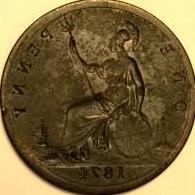
Seller's pic for now ...2 points
-
No, missing the point. On the assumption there is only one N over reverse die, you are looking for wear/developing flaws on this die and then looking at the obverses to see which die is paired with it in either the early or late stage. The state of the two obverse dies is irrelevant as they are different, so an increasingly decrepit obverse die is merely telling you whether two examples are early or later with that die pair, but not which came first. A single die will have been changed when it became unserviceable, but they would not necesarily be changed as a pair as this is un-necessary expense. It is this point which allows you to sequence die pairing.2 points
-
I see in the news a 600kg hoard of roman coins has been found by construction workers in Spain. I wish I could find a hoard like that. I wouldn’t declare it the authorities. I’d spread all the coins out on my bed and roll naked in them.1 point
-
Well, that has just put me off my sausage roll1 point
-
Firstly, many thanks to Chris for letting me post details here. It feels more like letting my mates know, than out and out advertising, so I don't feel too guilty! I've now been advised of the following timetable: Tuesday 3rd May (probably late afternoon); the catalogue and full details will appear on the Colin Cooke website. The sale itself will run from 17-24th May. Steve1 point
-
Next time you say you are off for a weekend at the paris hilton we will know what you mean then Peter1 point
-
I think just a collector with many, many spares!1 point
-
Another one i got from Guy .....The Coinery Glad i didnt buy a lower grade one as another to keep. 1865/3 and thanks to a couple of forum members for confirming the variety. Pete.
 1 point