All Activity
- Past hour
-
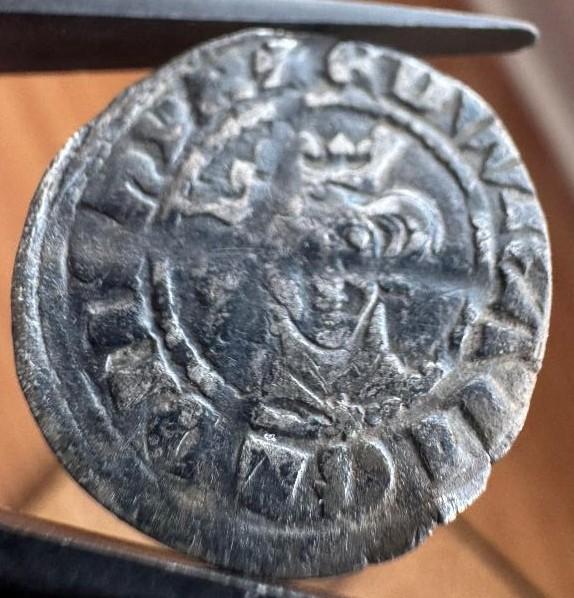
 Although dark and some of the legends filled with crud the coin has good remaining details.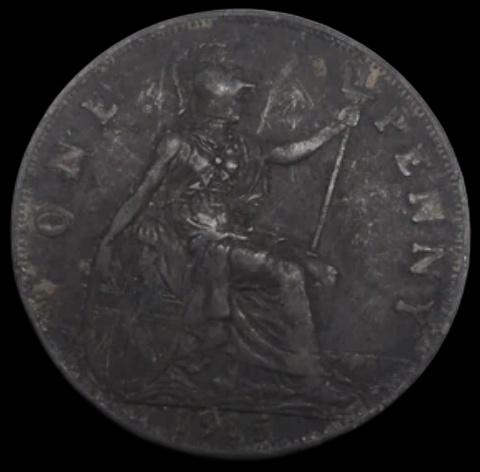
- Today
-
Thanks, I almost have one of each of the progression and one now without a broken tooth. Then I can forget about the recessed ear 😅 Well until better grade examples appear..
-
Thanks !
-

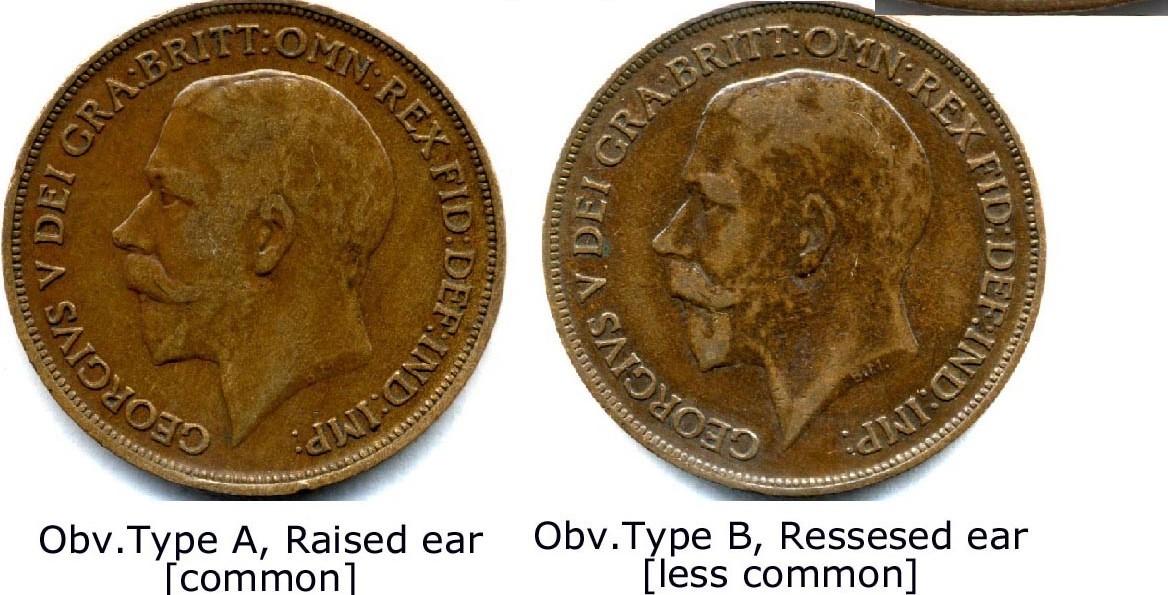
1915 Recessed ear
Peckris 2 replied to absence of uniformity's topic in British Coin Related Discussions & Enquiries
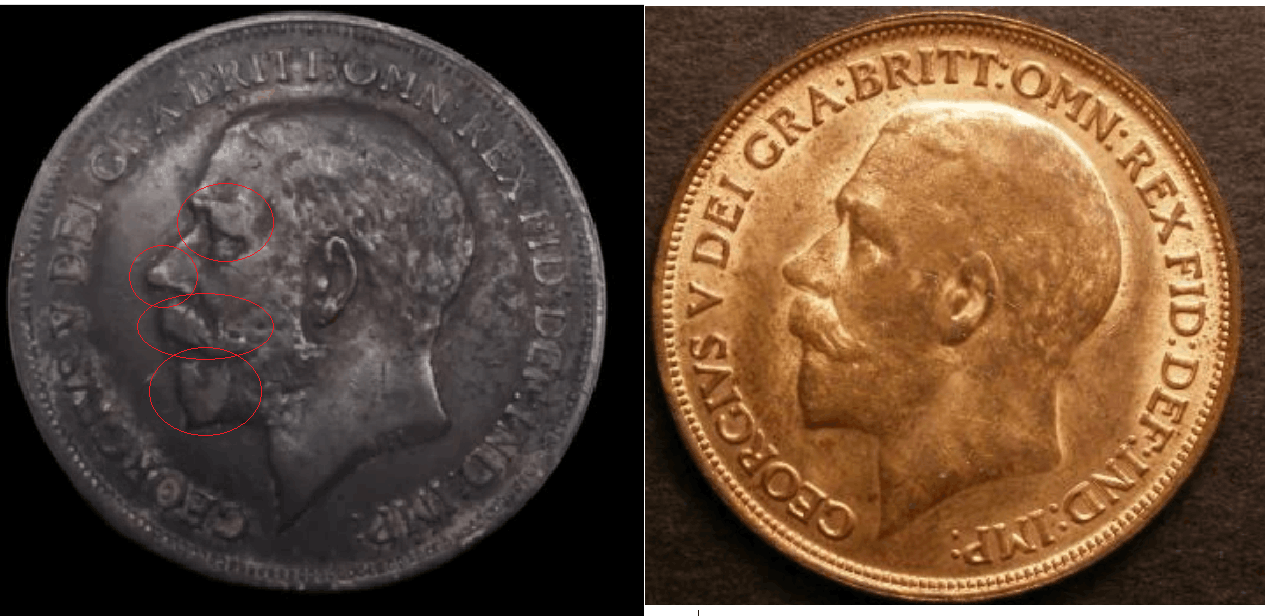
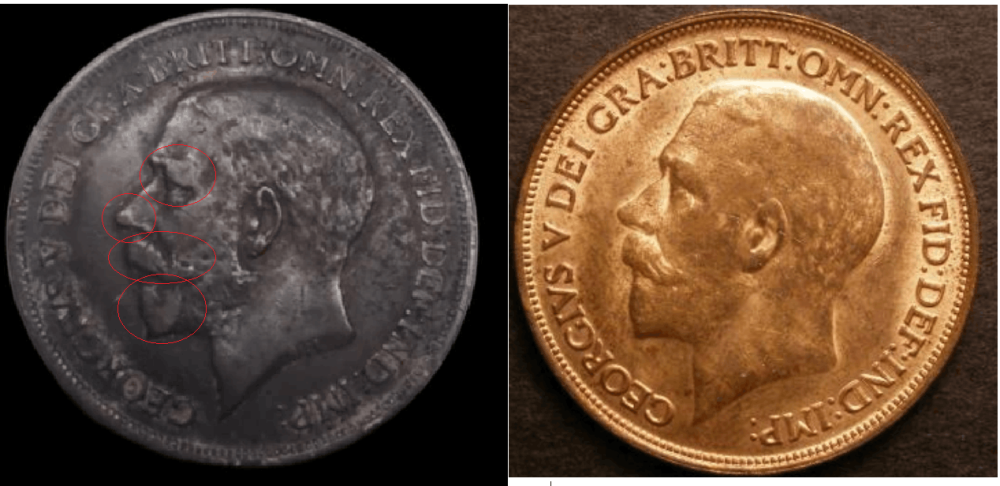
In my opinion the darker coin IS a recessed ear, the lustrous coin is a typical worn die strike - very common during WW1 -
Also the uncirculated coins shows obvious ghosting where as the dark does not.
-
I know the 1915 is hard to find with a good strike uncirculated but in the image I have attached it shows a " Lustrous uncirculated" coin and the the ear looks partially flat at the top. The darker coin I have circled all the wear which is mostly flat areas not shown on the uncirculated coin and yet the ear appears to be untouched. How can most of the face show flat spots but the ear the highest point appears less worn than the uncirculated coin. Or is it a question of a weak strike on the uncirculated coin. That doesnt account for the wear on the darker coin and ear looking to be mostly intact with no flat area. I'm going to guess this darker coin is a recessed ear.
-
1915 Recessed ear
terrysoldpennies replied to absence of uniformity's topic in British Coin Related Discussions & Enquiries
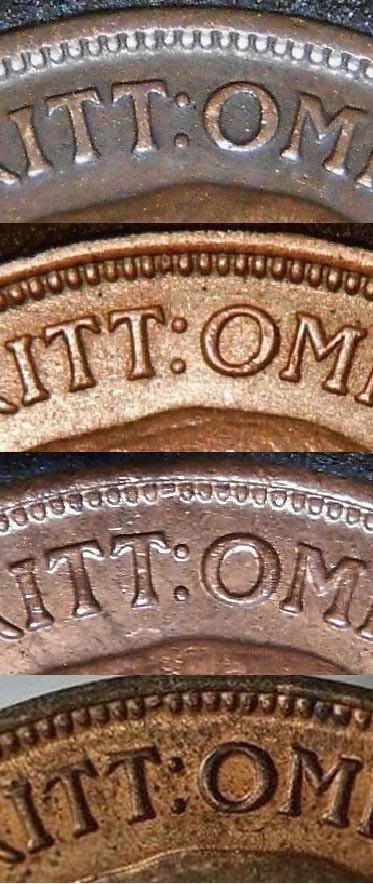
Well the answer to that is with difficulty . Firstly the 1915 is rarer than the 1916 and that most collectors associate the type with the broken tooth and want it to be clearly visable . And so without it, its really hard to tell from a photograph, but in hand its easier to determine the depression in the centre of the coin. Below are four pictures of the tooth gradually looking more broken Note in the top picture the tooth looks to be intact, but on closer inspection it is actually very slightly smaller . really hard to see on a coin. ?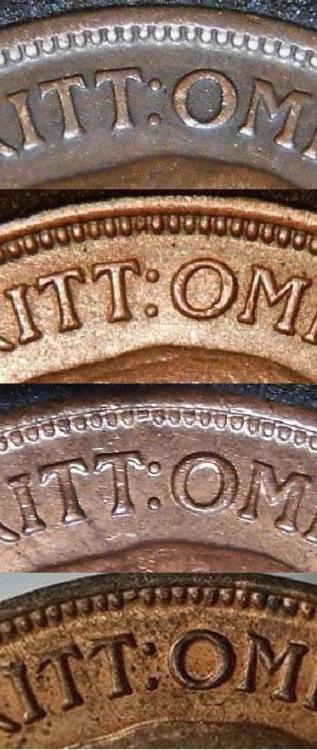
-
You can also see the star on the breast, where the collar meets.
-
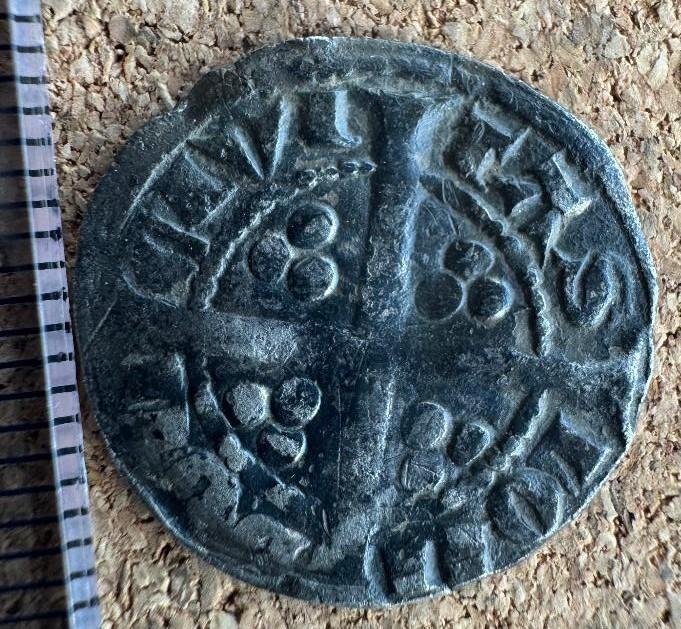
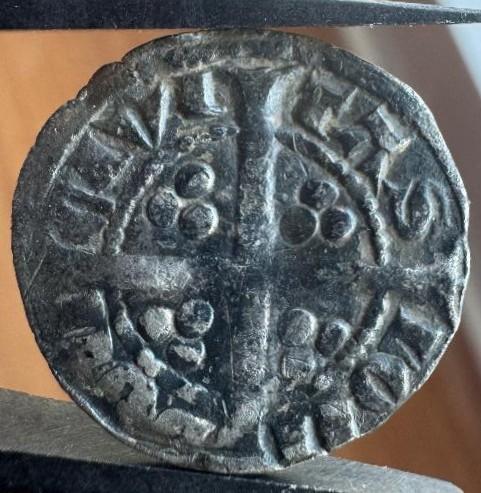
I third the suggestion, Class 9b2. The cross on the obverse is the ghosting of the metal being forced into the reverse die. It was an issue that troubled mints right up until the 1930s, at least. The modified effigy of King George was to deal with a very similar issue.
-
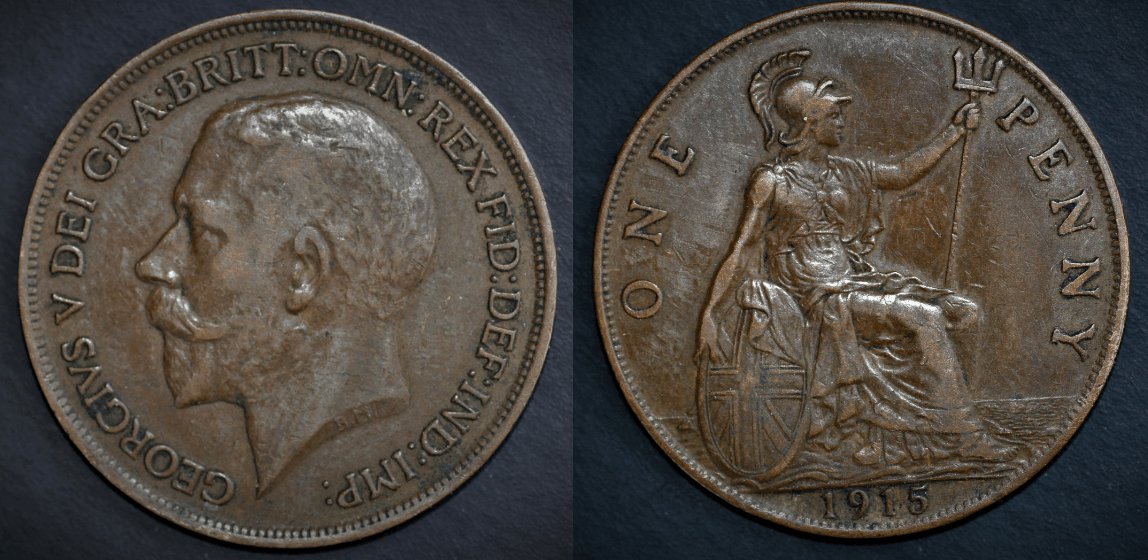
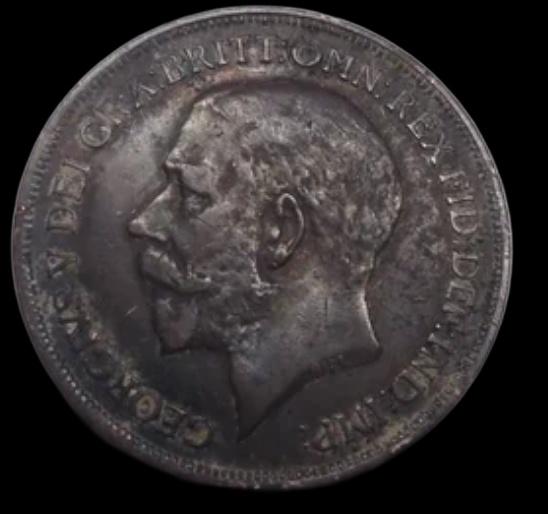
As example this coin is less worn, I cant see a broken tooth. how would you tell? Thanks
-
One other question I have please ; I know higher grade examples are really hard to come by with the recessed ear. But on better grade 1915 penny that dont have the broken tooth and not much wear to use that as a guide what would be the process be to identify the recessed ear? thanks
-
Excellent, thank you very much really helpful information.
-
1915 Recessed ear
terrysoldpennies replied to absence of uniformity's topic in British Coin Related Discussions & Enquiries
No sorry its not a Recessed Ear type . With slightly worn coins, the recessed ear type shows no sign of ware to the top of the ear [ the Slight flattening you see on your example shows that the centre is protruding and readily becomes warn Also usually the tooth above left of the colon between T:O is damaged but not always with the 1915 , but always on the 1916.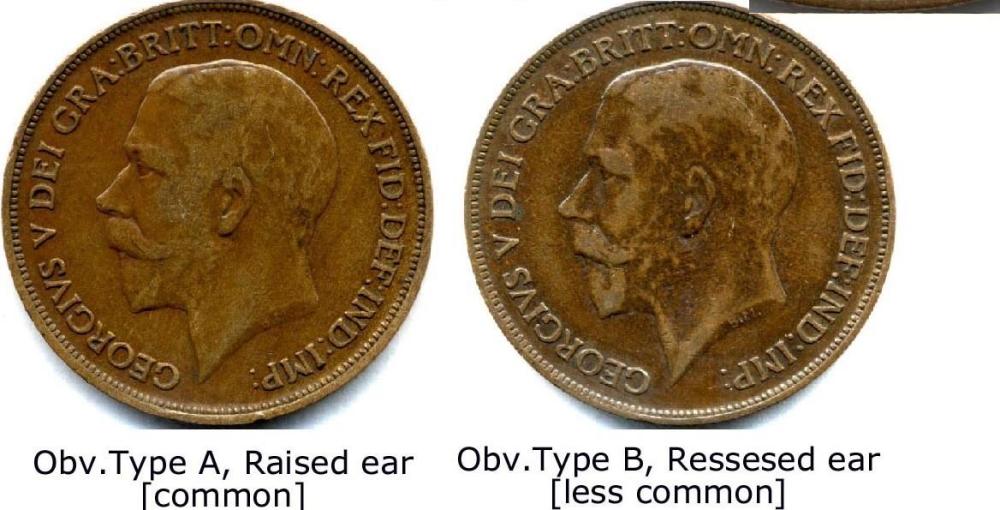
-
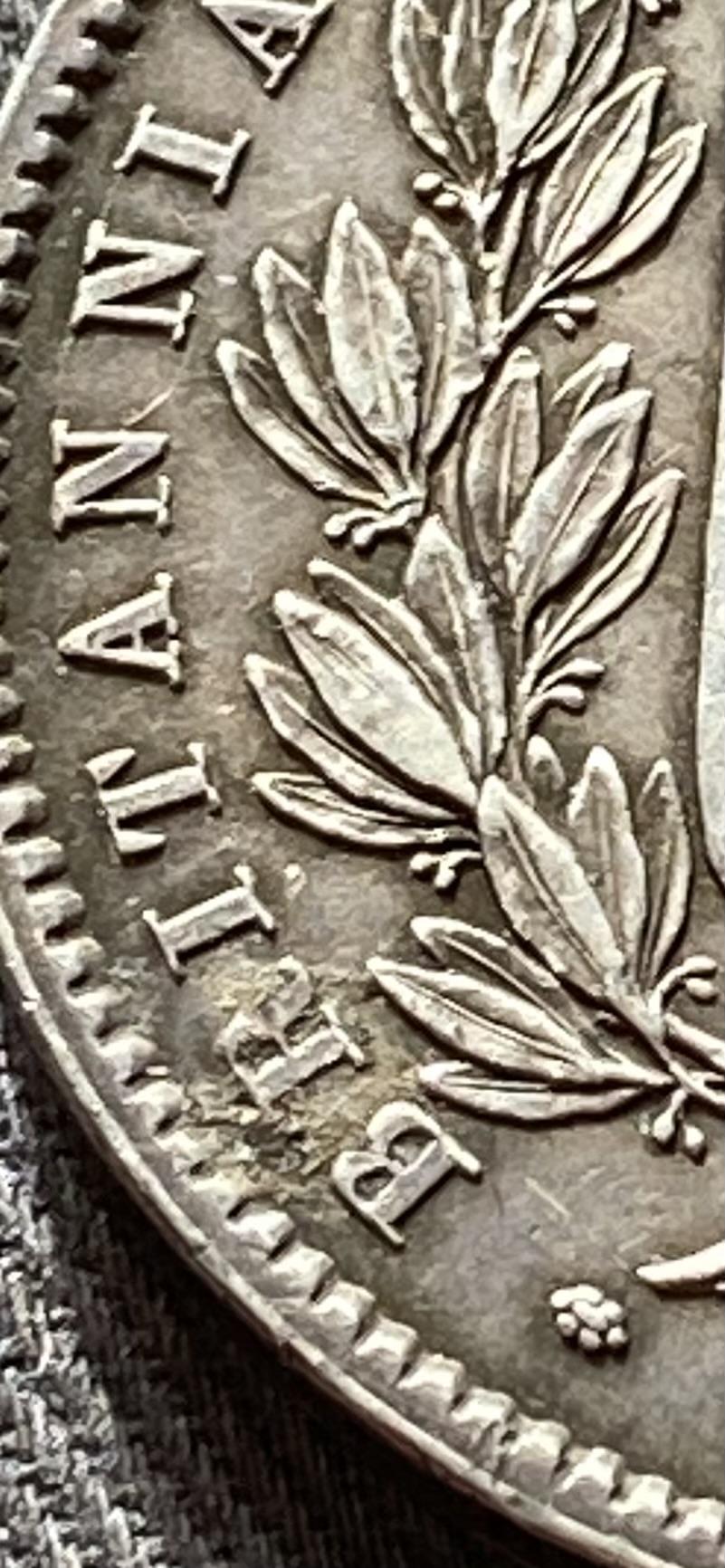
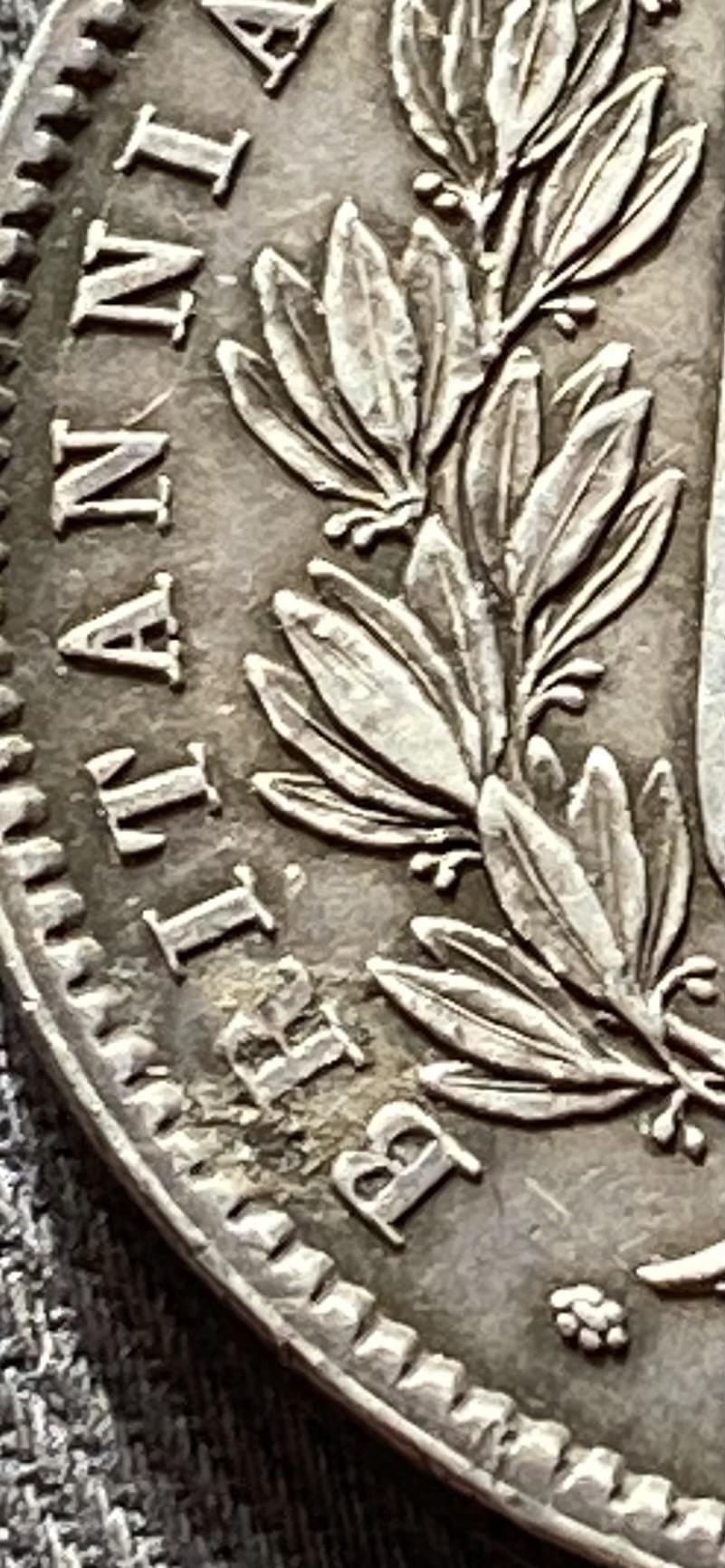
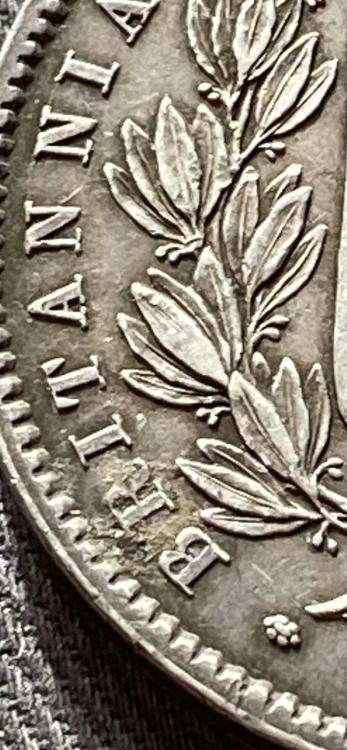
Hi, can you tell me what the issue is on the coin between the B & the R, can it be removed without damaging it?
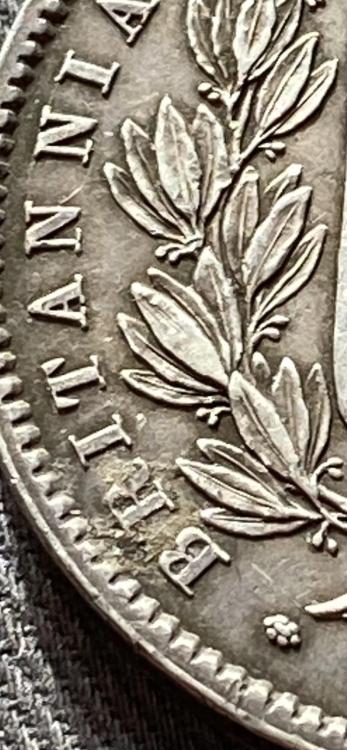
-
 Is it just me or would the "low tide" P point more at gap than a bead if the arrow was drawn as close to the edge of the P and as straight (rather than at a slight angle) as on the "high tide"?
 -
I'll go with class 9b too; the unbarred Ns (I don't think they are pothook) are disinctive. Also not my main field of interest or expertise, although I did somehow end up with 35 or so of the things and a copy of the Galata Guide. Post as many short cross (including cuts) as you like and I'll have a go though.
-
It's screaming class 9b at me. 9b2 maybe. Coinery will know more though i think. Short Cross are more my area of expertise. Stu.
-
Can I ask a question please ; The follwing coin is not a recessed correct? There is no broken tooth. Does the ear look recessed to you?
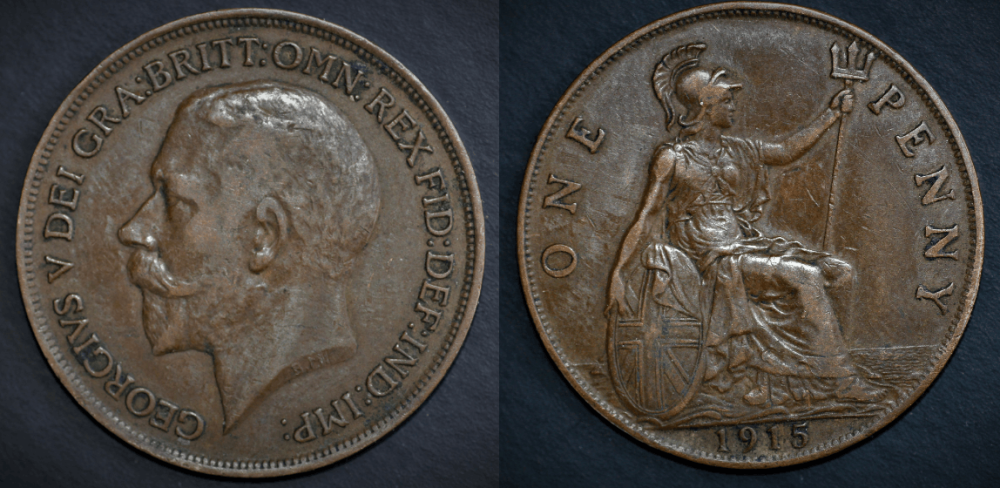
-
Today another delve into the box of Hammered Coins in need of identification it weighs 1.1 grm I'm still struggling with the Edwards... Rod Blunt has a very good page that show a list of pictures of the different crowns that has lead me to thinking that its a Edward I, 2b, 1279 I also need to ask how has the Cross indent occurred on the observe side... overly bashed when minting? ...........
-
 ggx51 joined the community
 -
Hi can anyone tell me what what’s on the coin between the B & the R, & can it be removed without damaging the coin?
-
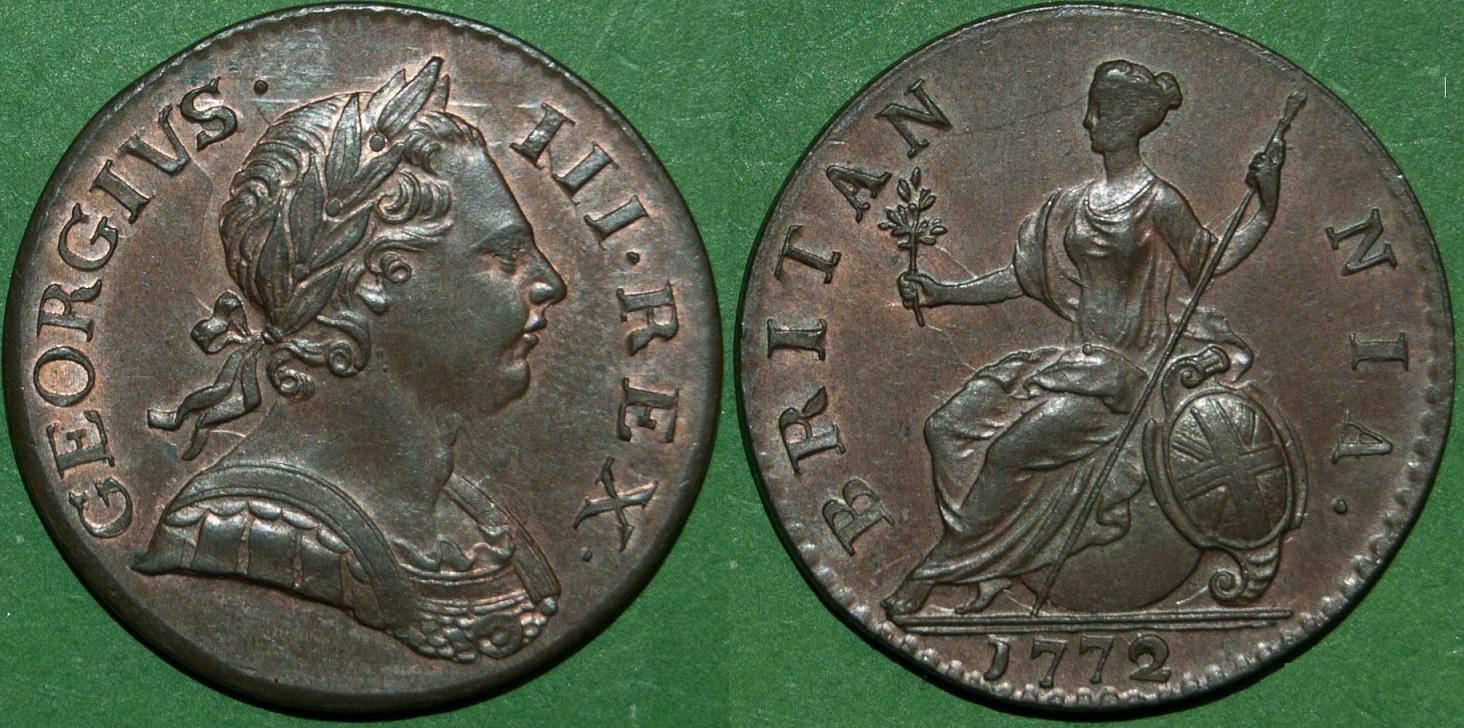
 earlier profile 72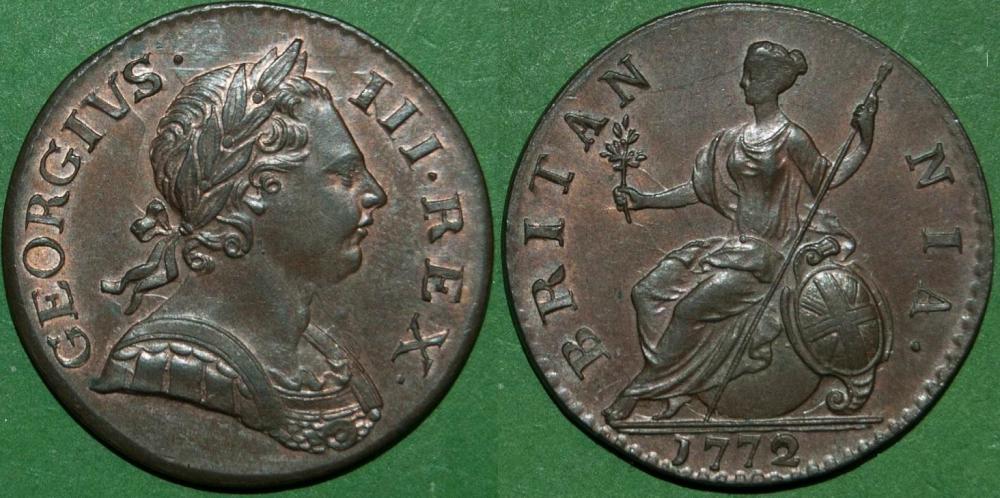
-
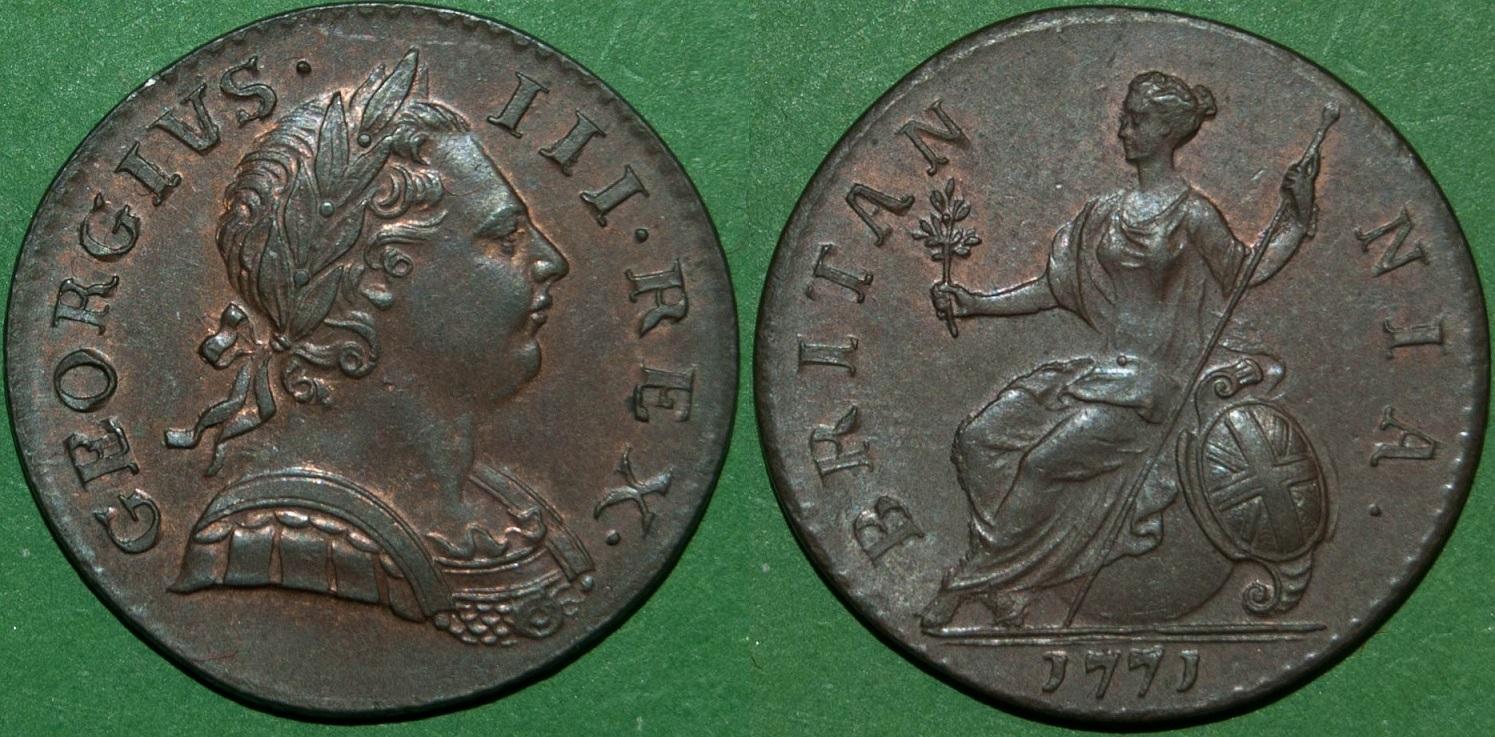
earlier profile 71
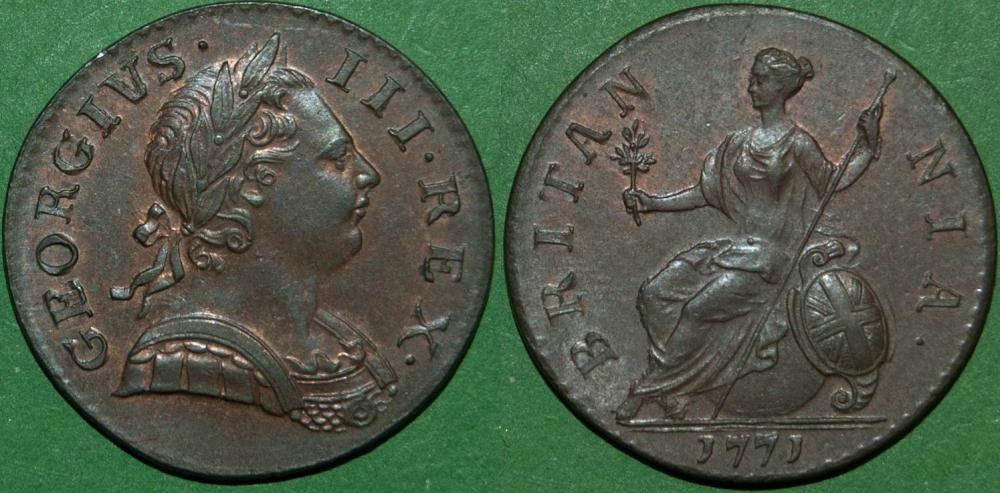
-
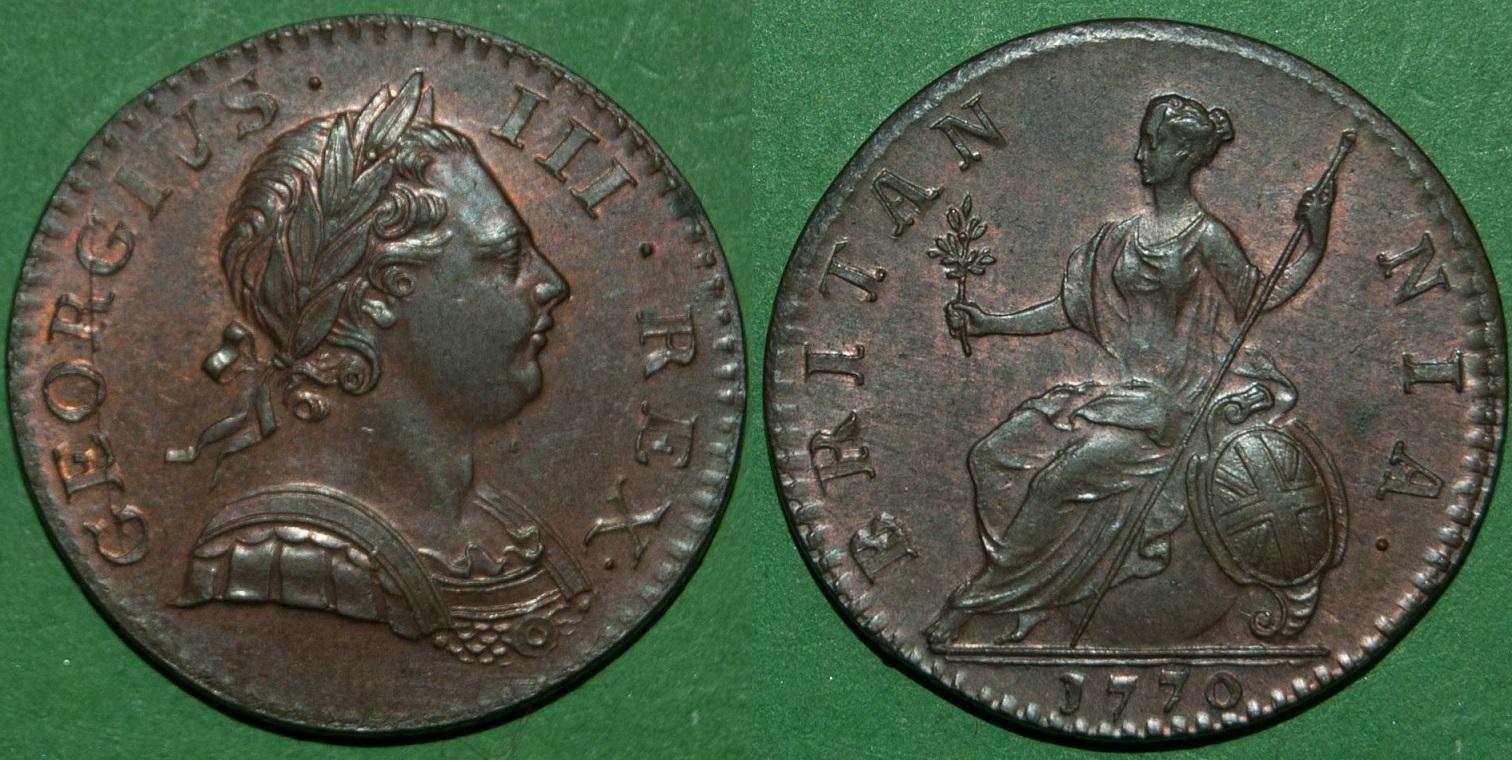
earlier profile 70
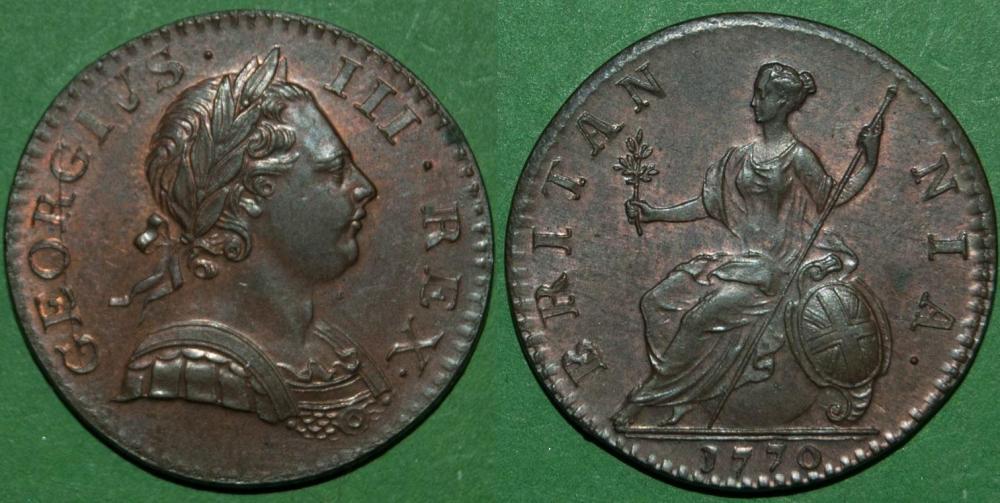
-
and a 74 for comparison
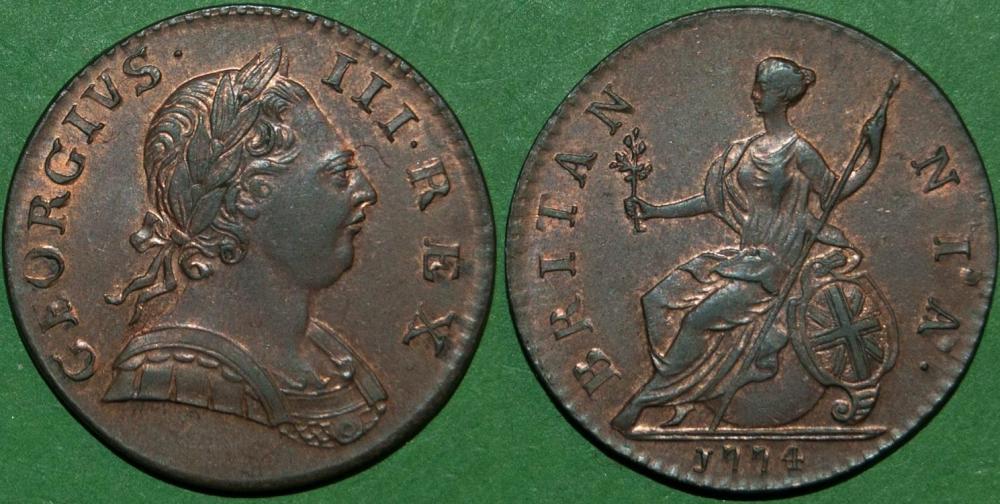
-
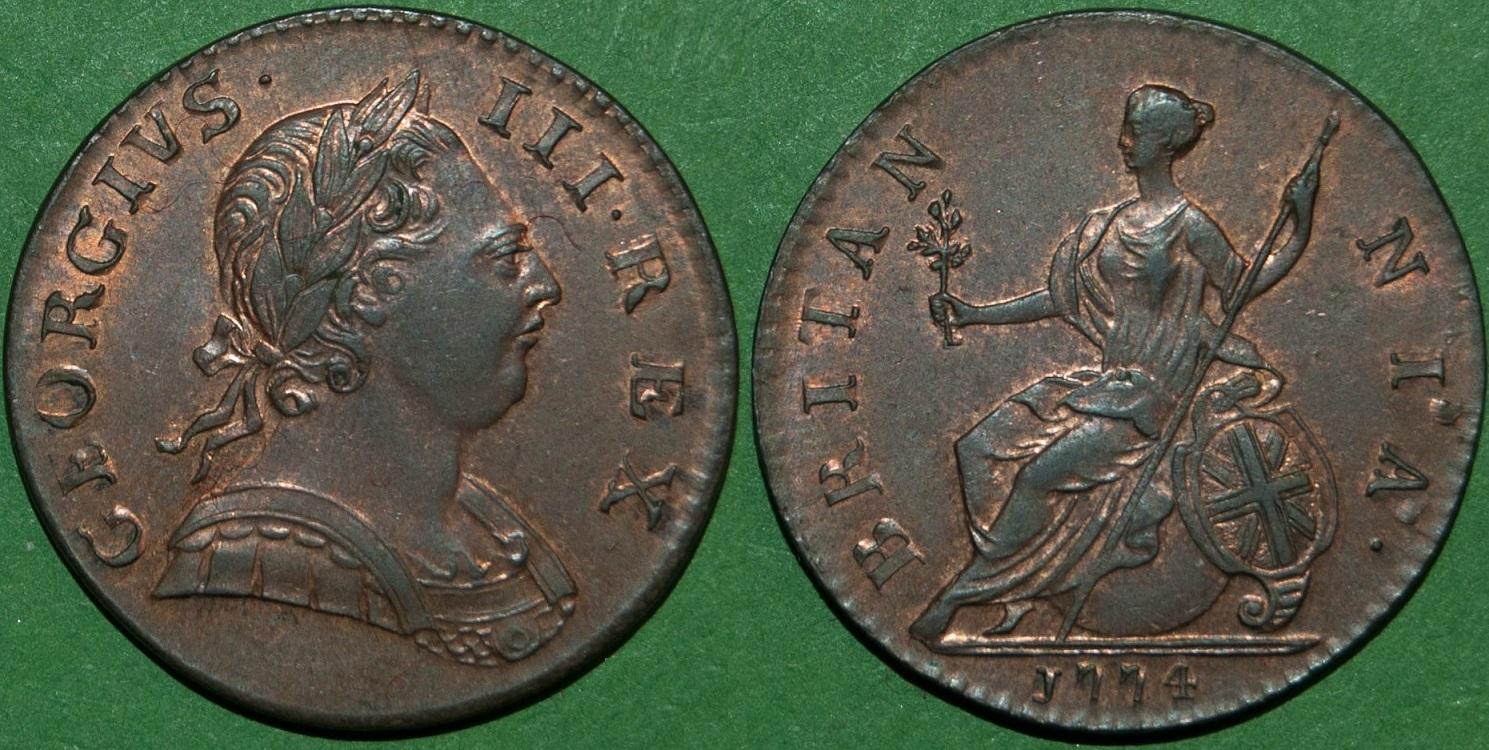
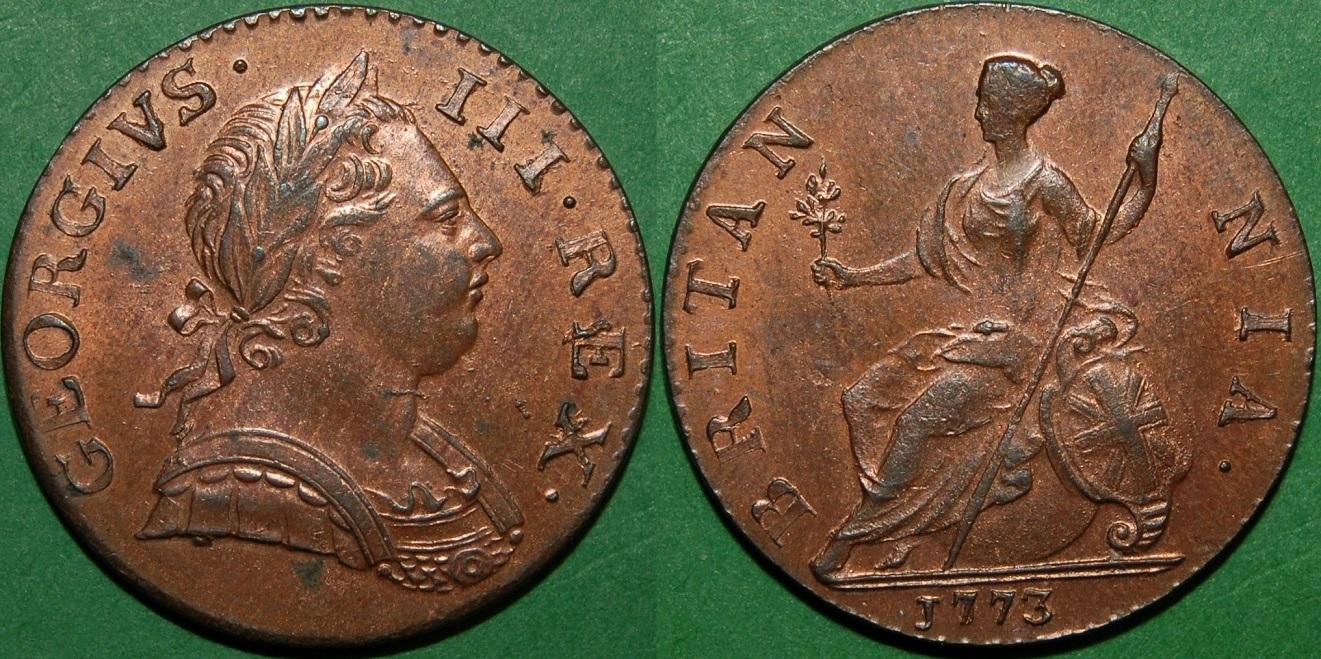
It is probably confusing for the uninitiated, but the genuine 1775s have what looks like coarser hair strands than the 70-74 coins. End assumption? Looks different, so must be wrong. To clarify - the late coins have a virtually straight line from forehead to tip of nose, but the earlier ones have a distinct kink in the road.