
mick1271
-
Posts
377 -
Joined
-
Last visited
-
Days Won
8
Content Type
Profiles
Forums
Events
Downloads
Store
Gallery
Articles
Everything posted by mick1271
-
Found some 25p (crowns) and masonic tokens in a house I was clearing nearly 15 years ago , have been an addict since then.the hours I have spent trawling car boots, collectors fairs and the internet in that time isn't worth thinking about.
-
Latest purchase ,one gap less to fill .its been cleaned, but the price was right for such a hard to find coin.
-
-
-
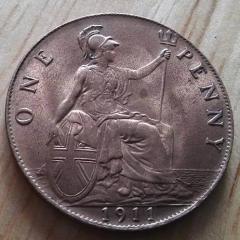
Latest upgrade to my penny collection .Quite pleased for less than £14 .not the greatest pic ,best I can manage with my phone.
-
-
-
I still have 95 % of my collection. I had sold on most of my early milled copper, hammered , silver crowns and 1904,1905 and 1887 halfcrowns. I have already replaced the 1887 onwards crowns (except the wreaths) and some low- mid grade copper and hammered. I had started upgrading my bronze pennies before I stopped ,so i might continue with that and filling gaps . hard to do on a tighter budget than i had before .
-
I have just started back up collecting coins after a 6 year break .got a bit bored because the ones i needed to fill gaps or upgrade were beginning to be more expensive and harder to get . Unfortunately in the time i stopped collecting i sold my 1887 yh, 1887 jh, 1904 and 1905 half crowns which i regret now , but bills needed paid . I had to collect something in that time so went onto Notgeld . 3-4 thousand notgeld later ,I have went back to my coins . I had actually forgot about some of the pennies i had amassed when i was collecting .