Sword
-
Posts
2,498 -
Joined
-
Last visited
-
Days Won
133
Content Type
Profiles
Forums
Events
Downloads
Store
Gallery
Articles
Everything posted by Sword
-
Merry Christmas and a happy new year!!
-
Honesty or knowledge
Sword replied to PWA 1967's topic in British Coin Related Discussions & Enquiries
However, if the coin is for sale in a charity shop, I would still pay the £3 but I will then make a donation. -
Honesty or knowledge
Sword replied to PWA 1967's topic in British Coin Related Discussions & Enquiries
Of course I would pay the dealer £3. He obviously paid the person selling to him for less than £3. So why should the dealer benefit instead of me? -
Nice coins Paul and thanks for another grading exercise.
-
I will have a go but I have never been much good at guessing CGS grades. My last coin took almost two months to move from Level II to Grade available (Encapsulation pending). So I guess we won't be getting the answers soon. 1899 crown: CGS 75 (has this been dipped before?) 1707 halfcrown: CGS 25 1911 halfcrown: CGS 88 1911 florin: CGS 88 1902 florin: CGS 80 1736 shilling: CGS 45 1911 shilling: CGS 85 1674 sixpence CGS 35
-
In general what exactly is meant by "re-toning"? I assume it is not the same as the category "cleaned" which presumably has hairlines. So does it mean that a coin has been lightly dipped to remove the old toning and has now toned again? Can one tell if a coin has once been lightly dipped (say 50 years ago) and has now toned strongly? Would they have rejected a lightly dipped coin with no toning if the lustre has not been noticeably dulled? I don't think they have a reject category for "dipped".
-
Dave, can you open and re-use these slabs or are they permanently sealed once slabbed ? R My concern with plastic holders and coin capsules for that matter is that the size of hole is in mm increments. So for a crown size 38.6mm, one needs 39mm capsules / holder. Since this is not an exact fit, I am worried that the coin will get high points friction over time. Would crown size fit into a 38mm foam inset for these holders? Is it possible to get capsules that fit the coin size exactly?
-
For me, mainly because of convenience and expense. You don't have to pay membership fees, they accept single coin submissions, and it's cheaper. And there is some respect for CGS grading within the UK.
-
I like the look of the coin too. If I own it, I probably won't want to keep it in a holder which say "reject" either. Rather poor customer service from CGS if they won't return the coin unslabbed. They take coins out of holders all the time and it is disappointing they won't put in the small amount of effort to do so in your case. (Their fee is £4.99 if you send them a slabbed coin to get it re-encapsulated. So it is no big deal on their part). I don't think they have been offering 1 month turnaround service for quite a few years now. Fees are £23.75 for 90 days and £39.00 for 15 days (for coin value greater than 2k). If you have paid £39.00, then you should get a refund if they took 3 months. The last coin I got back from them had a crack on the holder. But it wasn't worth the effort to complain.
-
Apologies for my delayed condolences also. I am so shocked to read this and am very sorry for your loss.
-
We all have our reasons for wanting or not wanting to get all / some / a few/ one of our coin(s) slabbed... This has been argued to the death already.
-
It was just a coin with a ticket sword(out of a slab )and was sending a batch anyway. I see.
-
I can understand why someone might want to send a CGS 82 to PCGS / NGC in the hope of it making MS65. No one can dispute that PCGS / NGC has a bigger audience than CGS esp. outside the UK. What can one hope to gain by sending a PCGS / NGC MS65 to CGS (assuming it has been attributed correctly)?
-
I have added PF/PR to the higher grades. I think the reason that the CGS valuation for the 1860 halfpenny 1*+A has went down because LCA sold an example in 2014 (UNC with a tone spot on the bust and some light deposit on the reverse, highly lustrous and very rare in this high grade) for only £240. They sold another one in 2013 CGS 75 for £100. They are only trying to make the valuation a bit more realistic. Personally, I don't pay much notice to CGS valuations. I have brought coins for one third of the CGS valuation in the past.
-
I did a small survey using the data from the London Coins Website on CGS graded coins that have been previously graded by PCGS or NGC. (I simply searched for "CGS ex NGC" and "CGS ex PCGS" in the auctions results). I found 72 coins sold by LCA have been graded by CGS and also by NGC /PCGS in the past. Results are as follow: CGS Grade Average NGC/PCGS Grade Range of NGC/ PCGS grades No. of coins in sample 93 67 67 1 92 66 66 1 91 65 65 1 90 66.5 66-67 2 85 64.8 64-67 10 82 64.3 61-66 20 80 64.2 63-66 11 78 63.6 62-65 16 75 63 63 1 70 63 62-64 4 65 55 50-58 4 50 50 50 1 The sample size of 72 coins is small and so one can't draw firm conclusions. But it does suggest a few things: The CGS scale and the Sheldon scale do not appear to be compatible for the top grades. For example, a CGS 82 coin can correspond to 61-66 on the Sheldon scale. Or looking at this another way, MS64 can correspond to CGS 70 to CGS 85. Personally, I think CGS is better off not publishing a table comparing its grades to the Sheldon grades. If the two scales are really comparable, then CGS might as well grade using Sheldon like the other TPGs. Alternatively, it can suggest that graders are not particularly consistent.
-
Many thanks for your reply VS!
-
Am I correct to assume that the "normal" Victorian Maundy sets are also specimens? How close are they to proof standard?
-
Many thanks for sharing your experience VS! It is really surprising to me that some collectors would pay so much money for a coin that is likely to have been dipped.
-
Very true and hence I never use a flash to take photos of coins. But for this particular coin, the auction description does state it has "some light hairlines"
-
the reverse
-
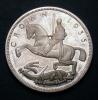
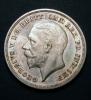
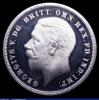
I too prefer coins to look their age and get suspicious with a blazing white 19th century proof coin. But nevertheless, I still don't understand why that coin was sold for so much. Has someone just pay way over the top on this occasion or do blazing white proof coins with reflective fields always sell for a lot more (for right or wrong reasons)? Just out of interest, I brought this one for £420 + juice a couple of years back. (Probably paid a little too much then and I concede the toning on the reverse is not great looking. But it has no obvious hairlines)
-
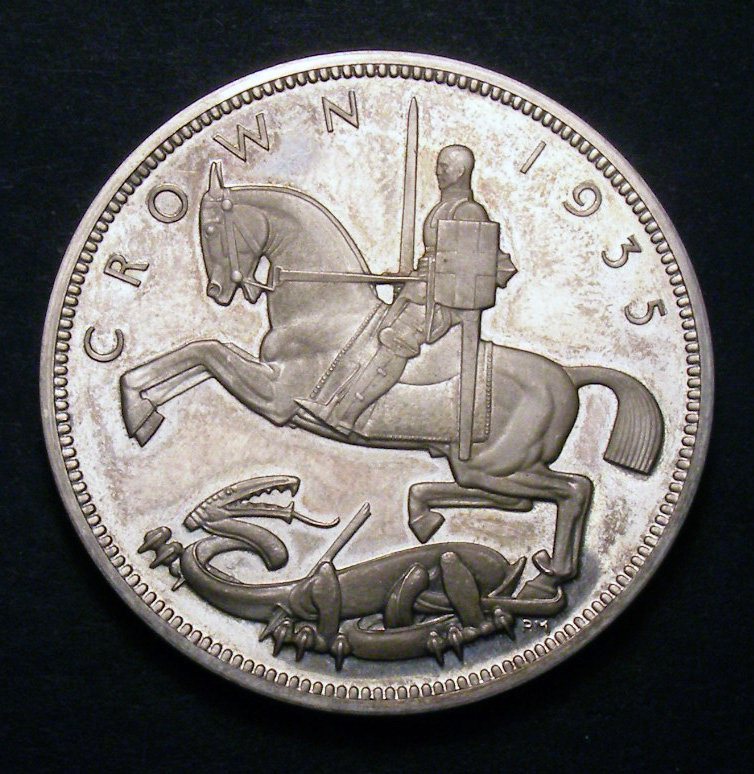
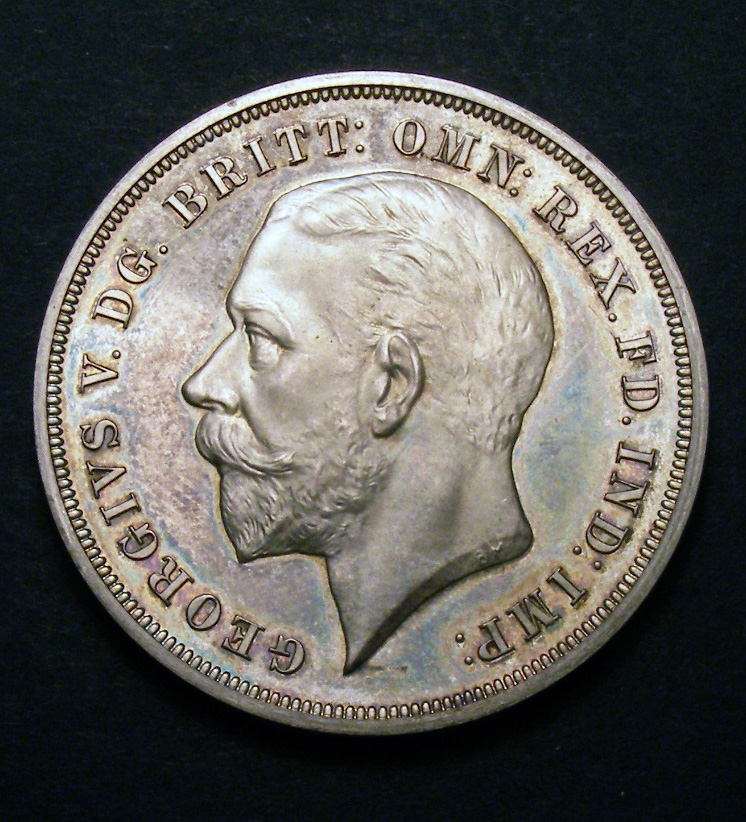
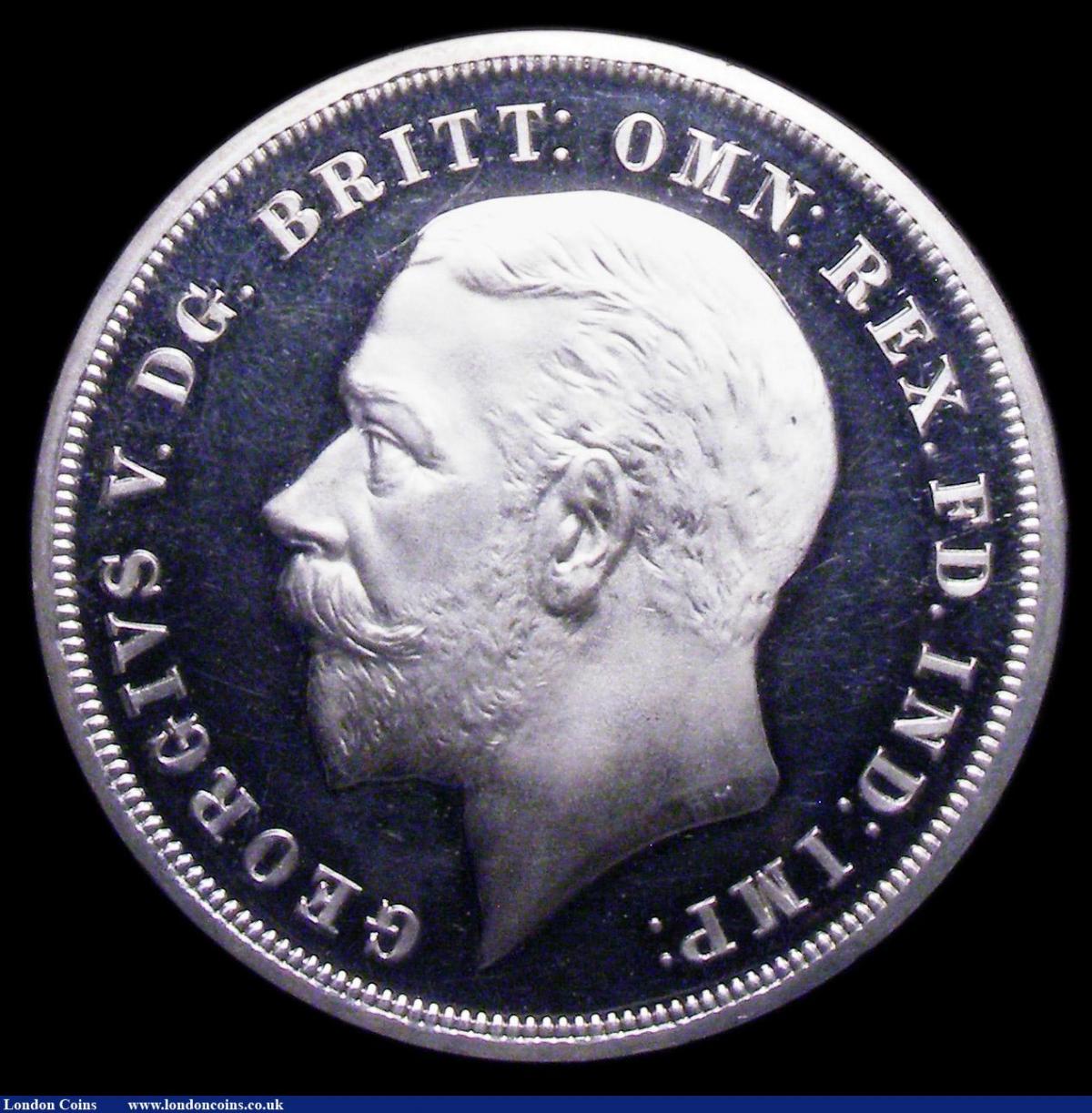
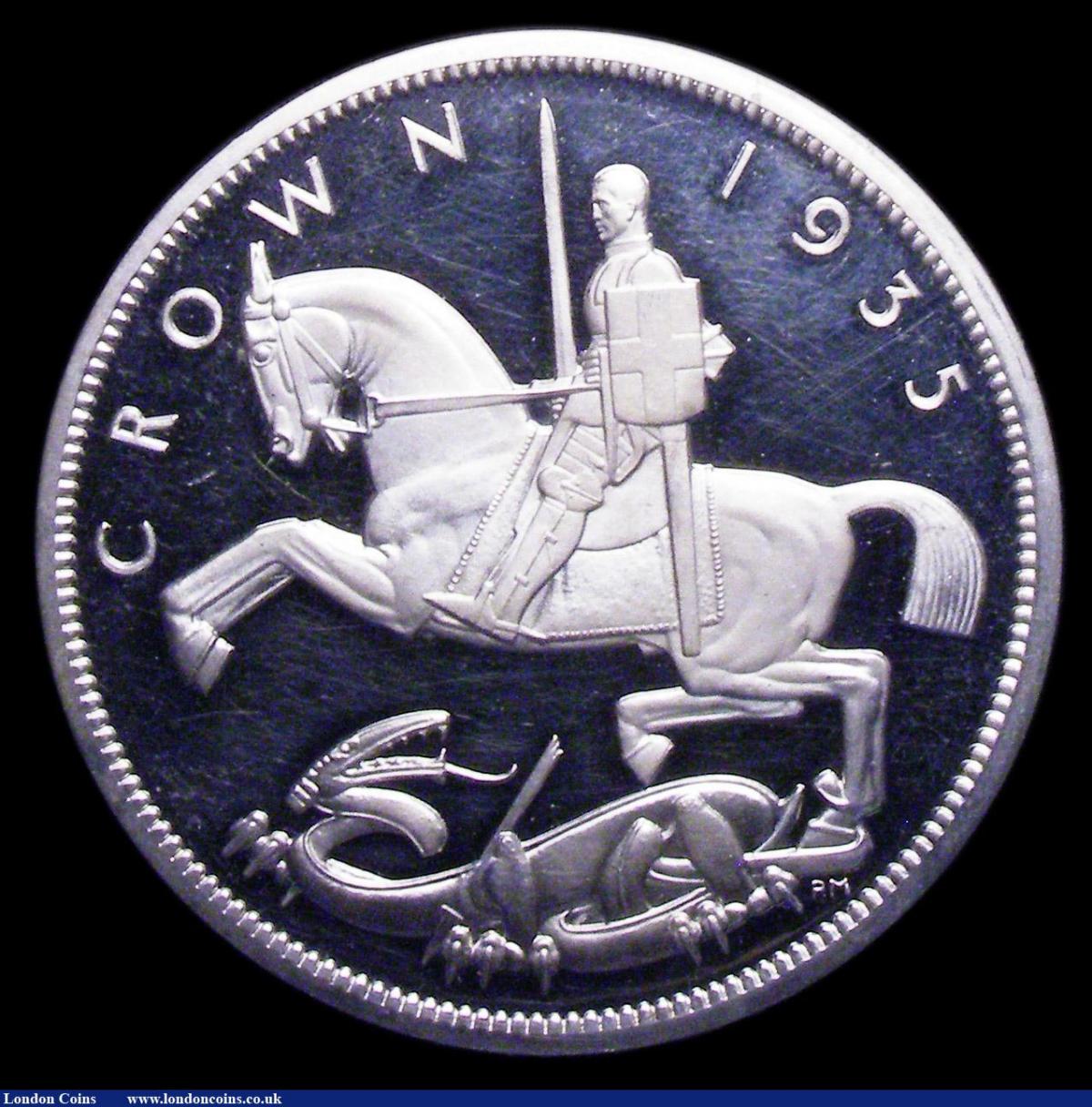
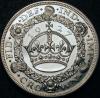
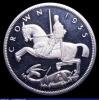
I noticed that in the last LCA, a 1935 raised edge proof crown (described as "nFDC with some light hairlines and retaining full original mint brilliance") realised £850. This seems to a lot of money to me especially with the coin having hairlines. If this coin is toned (and so the mint lustre is less obvious), I think it will only sell for about half that amount. I know I sound very naïve for asking this question but are untoned proof coins a lot more desirable than toned?
-
Many thanks for your thoughts and advice gents. Yes, it is the CGS variety 07 (Roman I). Looking with a loupe at the places you suggested, I think the bottom right of the curve is slightly double struck. I can just make out a tiny bit of left serif to the letter J (very faint). So I now assume the broken J means broken left serif to J.
-
1888 photo

-
I have recently brought two double florins from LCA. The 1887 was described by cgs as a new "variety" with "Broken J in J.EB." The 1888 is just a standard variety. I just can't see what exactly is broken with the J in the 1887. Photos of both coins are shown. Any ideas?