seuk
-
Posts
574 -
Joined
-
Last visited
-
Days Won
9
Content Type
Profiles
Forums
Events
Downloads
Store
Gallery
Articles
Everything posted by seuk
-
Thanks to Chris my old page is now available at https://www.predecimal.com/GIII/
-
The 1200 dpi is for analyzing and comparing the punches and it's only just enough. Stu's scans are probably in the 600dpi range and is quite sufficient to compare the dies for now and hopefully there'll more sunlight in the future to get a close-up picture of the over date. 🙂
-
Thanks Stu! - PM send - If the scans doesn't work out we'll just have to wait for the sun will show up again at some point...
-
Thank you so much for the offer! However, I have a few copies + probably another handful or more waiting in Gary's collection - so I should be covered with these types.
-
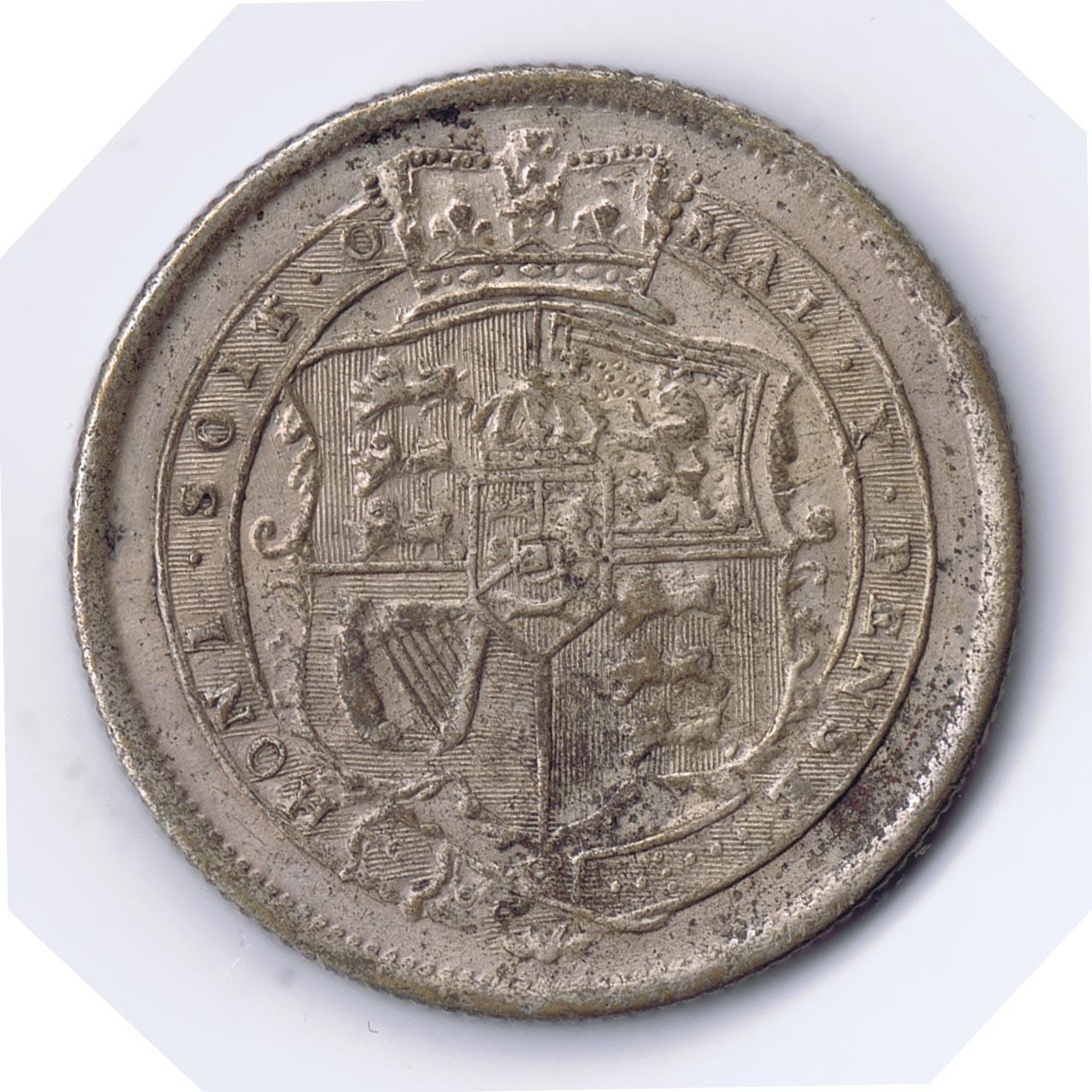
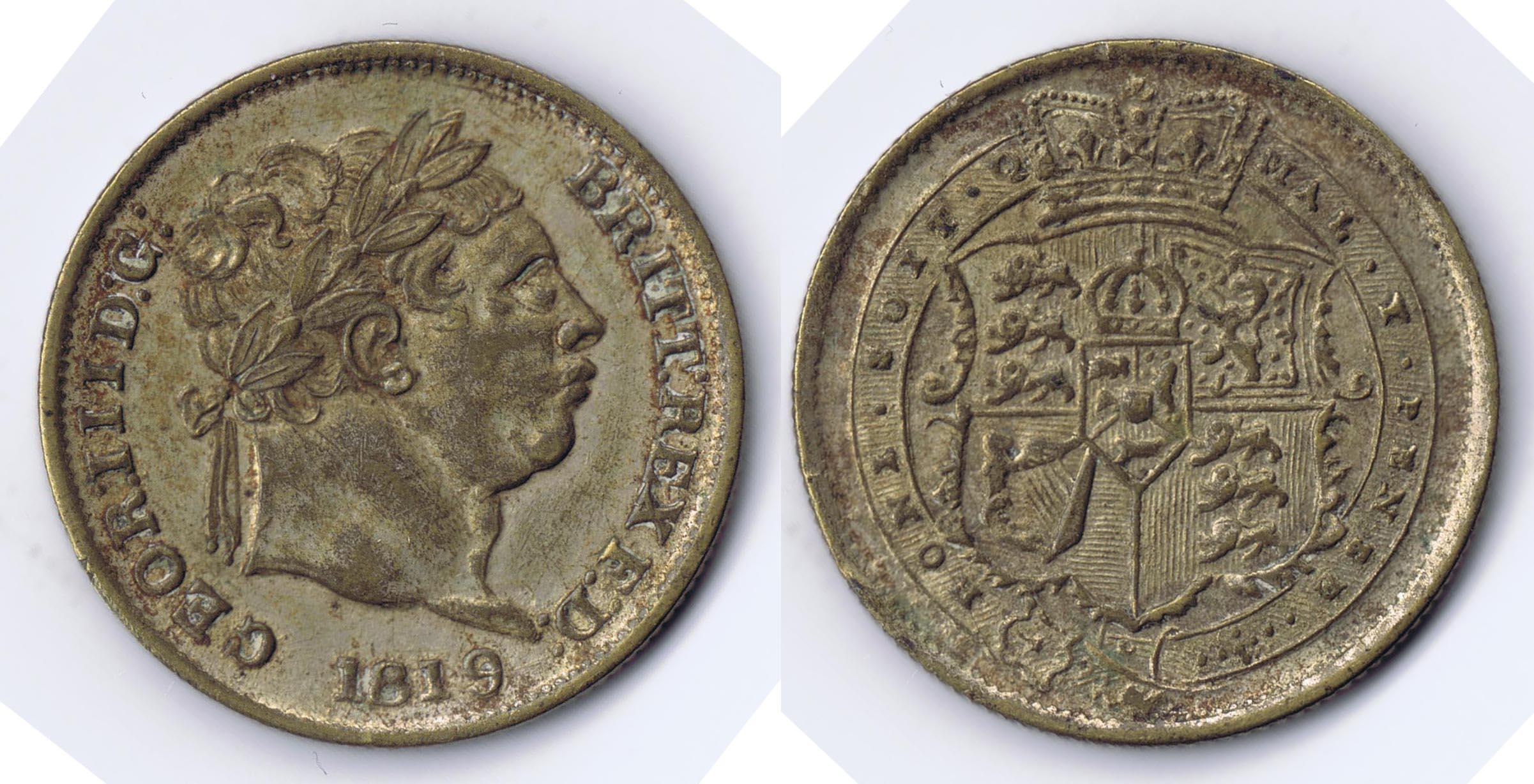
Reverse seems to be identical to my J914r which I've seen with 3 different obverses - and now there's a fourth... While corrected punches (or errors) are fairly common with counterfeit dies, a re-engraved date (or other parts of design) is rare. It may turn out to be an important coin for understanding the use of punches within the series - So, I would very much like to have a 1200 dpi scan or a clear set of photographs of both sides.
-
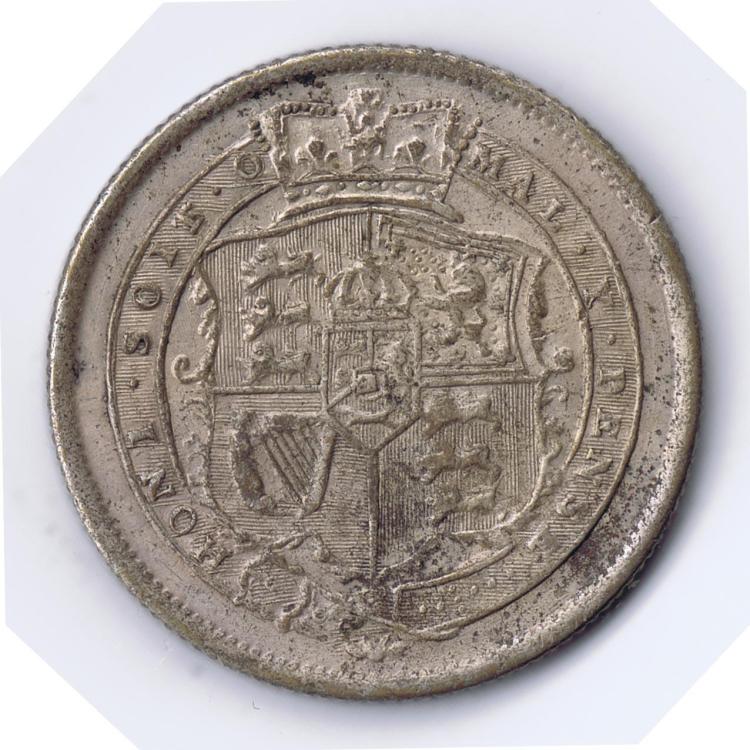
Another somewhat crude group C die - fairly common - Here's a better example.
-
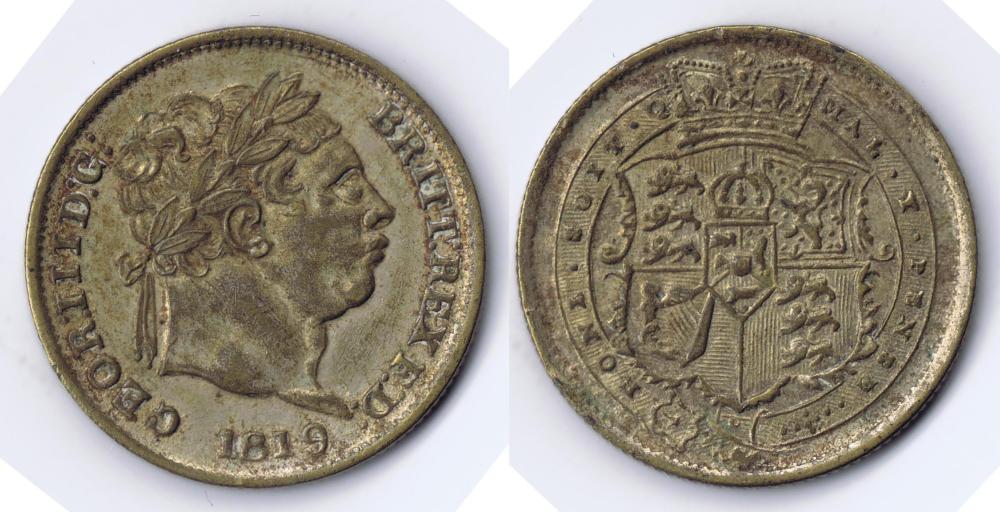
This obverse is uncommon - The only other one I've noticed is in Gary's collection. Do yours have the same reverse?
-
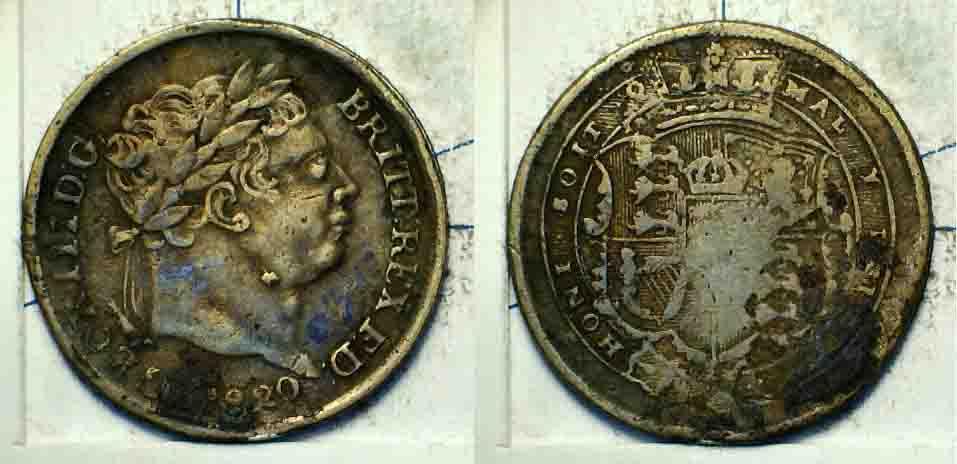
Could you please upload a photo of the reverse - I don't think I have this variation.
-
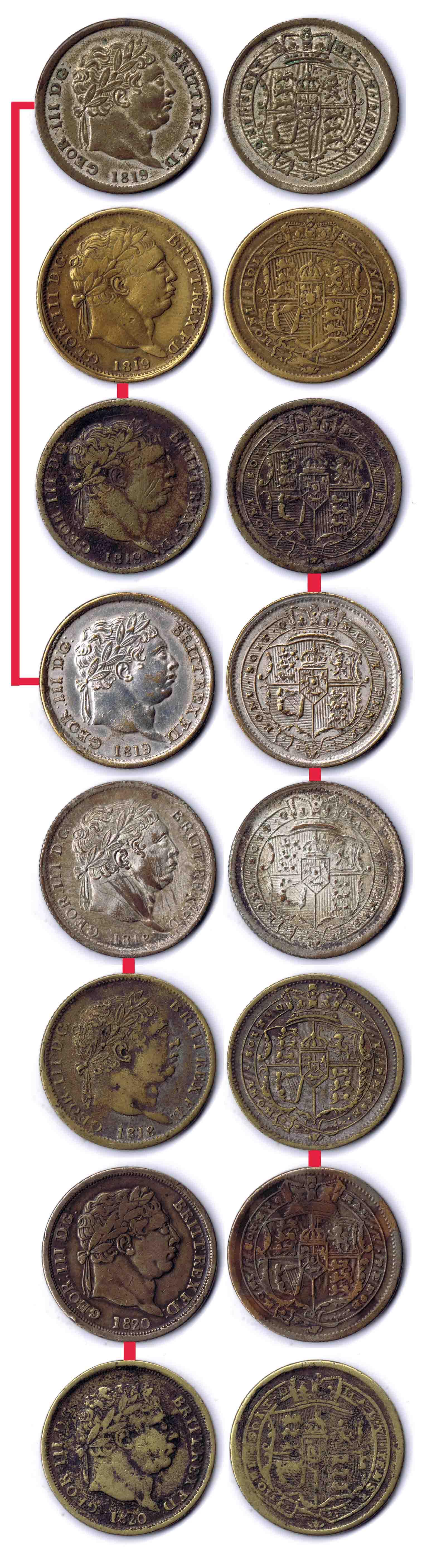
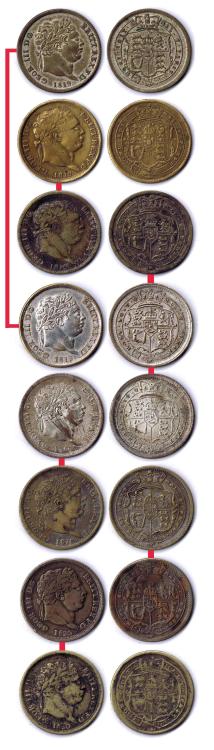
This is a fairly common contemporary counterfeit. J015o / I801r in my current system. It's connected to a number of other dies of various groups - it's the 7th coin in this die chain
-
Well, sure - that would be great! I thought the Internet Archive had it all by now - but it's not of much use without pictures.
-
Made a mistake in my previous post. Right after I got back to Denmark I send Gary a few pre-Geroge III counterfeit shillings, for which he thanked me in a mail about a week later - And that was the last time I heard from him. As I understand his collection or part of it will be auctioned later this year.
-
Yes, the Steppeulvene page was mine - It just got to expensive to continue with it. Gary thought that I should have it, since I worked out a useful system of separating the main groups. I'm grateful that I got the chance to buy his collection and hope I can take the next step (which is a throughout study of the punches) later this year.
-
Hi Guys! I'm still around but haven't had much time for coin study lately. Gary was about to start a new cancer treatment which unfortunately proved to be in vain. As he knew he might not be recovering, he offered me to buy his collection of counterfeit George IIIs shillings at a very fair price. So I jumped on a plane and spend a pleasant evening with him where we wrapped the coins in rolls with paper and looked at some of his vast collection. Next morning the very day he would start the new treatment, I returned to Denmark - and never heard from him again. I haven't yet had a chance to look at the coins, of which there are apparently over a thousand. Instead, I've been working with my own collection in the hope of being able to refine the group divisions and perhaps arrive at a more correct classification for the whole series. Only when that's finished, I will start classifying Gary's coins.
-
Do you still need them?
-
That's an old forgery - possibly contemporary. So far I've seen 1841, 1844 and 1846, all with the same reverse.

-
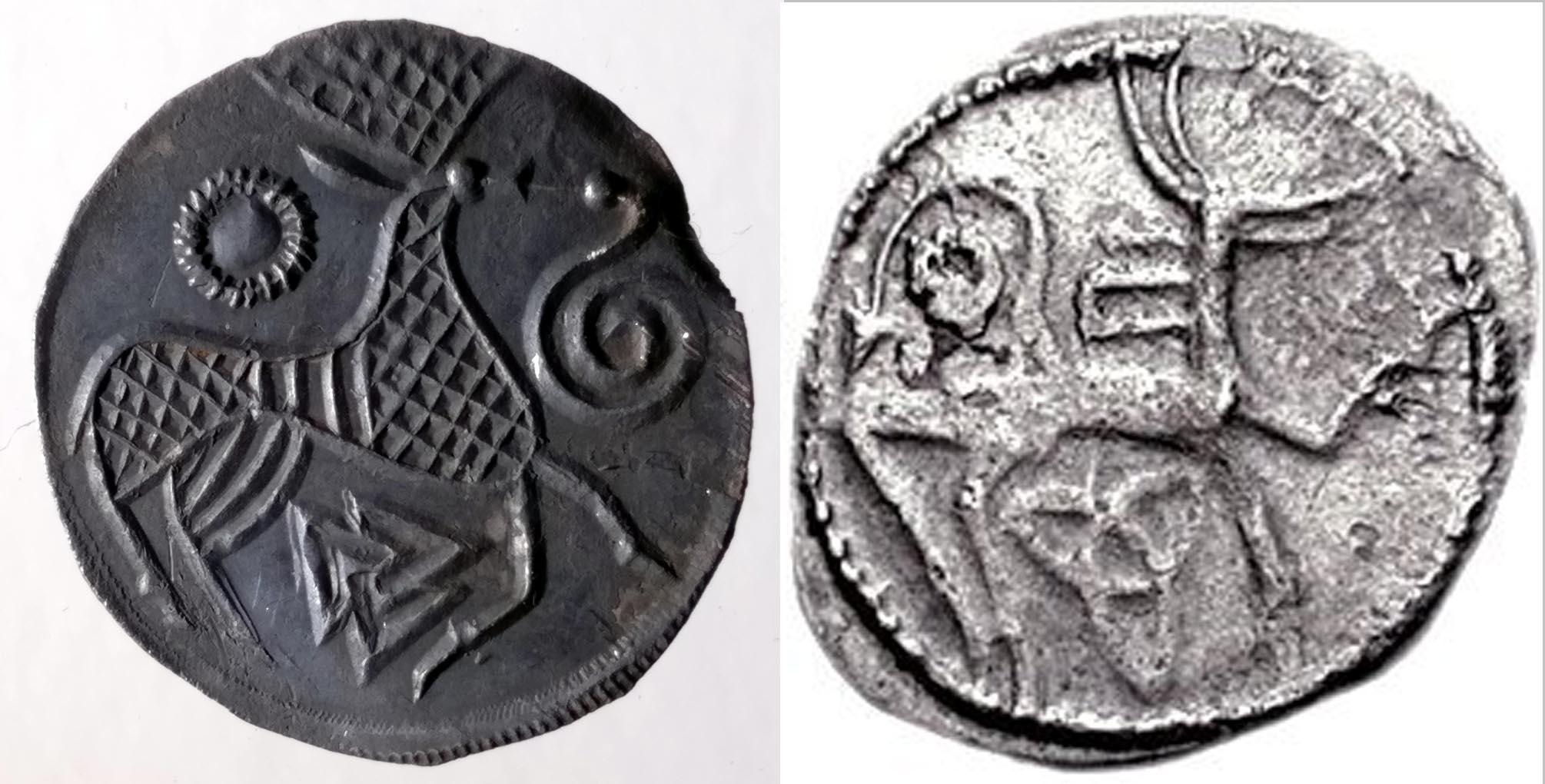
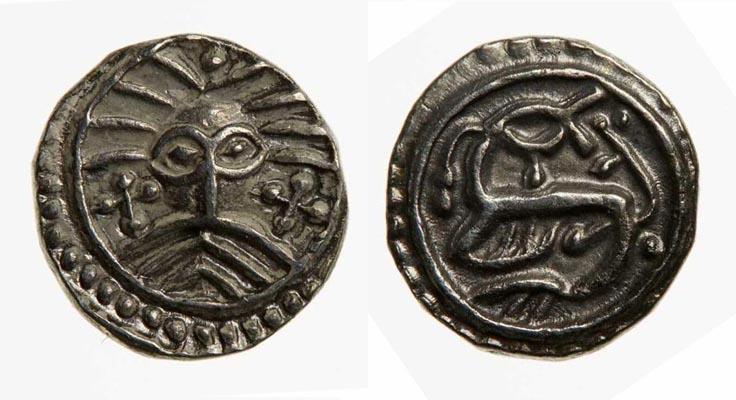
Many sceattas have a horse like reverse. I wonder were the inspiration for the reverse design of the series x came from - perhaps from earlier English sceattas?. The obverse seems to originate from the Byzantine coins of Justinian I.
-
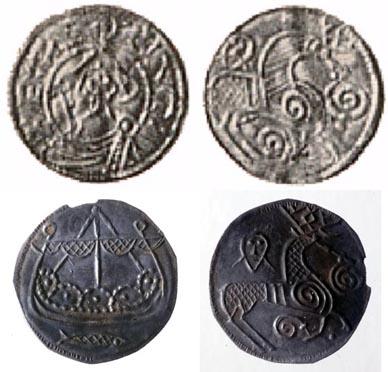
The motive with the stag also appears on a rare coin of Cnut almost as a 200 anniversary of the original design. It is not the exact same design as the face/stag coin but taken from another contemporary coin – the ship/stag type which as it is smaller and lighter could perhaps be a half penny.
-
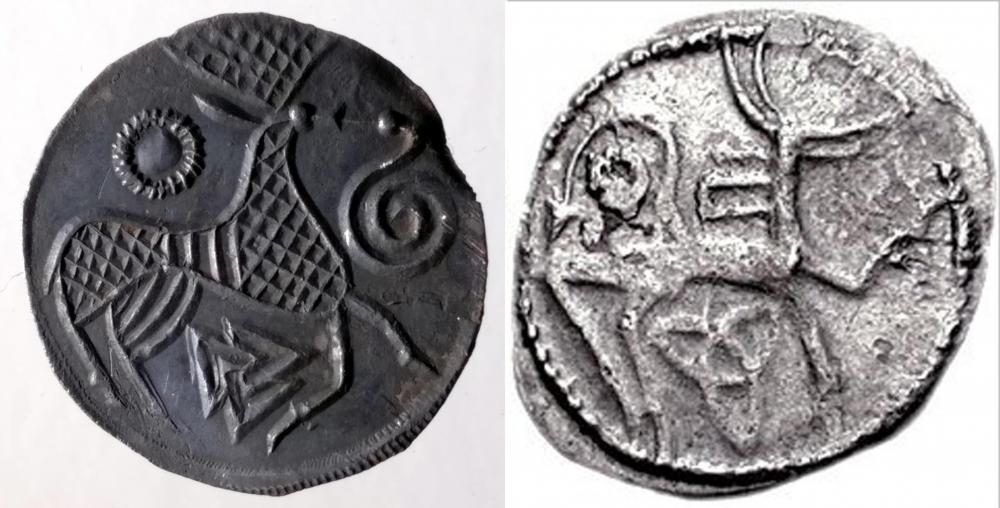
As far I understand Northumbrian at the time of Eadberht was solid Christian and when the triquetra appears it may be thought of as a symbol of the trinity and the sun could be Christ or God. If the stag or more neutral – the Quadruped is a symbol for Northumbria then it must have a different meaning on the Ribe coins. But if it’s a symbol of the ruling family there could be a connection. Coins of Aethelwald Moll, who may have been without ties to the royal family, doesn’t use the ‘stag’ but his son Aethelred I does! I understand that there should be some York coins of the Viking period also picturing the stag but so far I haven’t been able to locate any photos of these. What the triquetra/valknut symbolized in pagan times seems very uncertain. But as Ribe was an important trade centre the symbols on the coins may have been chosen carefully so people of both religions could accept them.

-
In August last year about 250 coins from early 9ct Ribe was found close to the town. The coins are extremely well-preserved except for a few which has been damaged by plowing. Except for 4 coins all are of the ‘face/stag’ type which is believed to date from around 820 AD though they may possibly be slightly earlier. https://sydvestjyskemuseer.wordpress.com/2018/10/24/damhus-skatten-en-stor-skat-af-ribe-moenter-fra-800-tallet-ofret-til-mosens-guder/ (in Danish - but with nice coin pictures) To anyone familiar with the series X (wodan/monster) sceatta it’s oblivious to see the connection to this coinage which are also believed to have been produced in Ribe. Excavations in Ribe have shown that the two coins replace each other in the finds layers of the early 9ct. Hence the series wodan/monster coinage ends its 100 year circulation and is replaced by the face/stag coinage at that time. I’ve been wondering why the reverse doesn’t continues the ‘monster’ design (which looks more like a lying horse) but change it to a stag. The horse-monster does return, but at a later time. The only other coinage of that era which I know is using (what sometimes appears to be) a stag is the Northumbrian 8ct sceattas (mainly of Eadberht 737-758). A few of these even has some of the same ‘field marks’ – a sun(?) above and a triquetra below. So the question is; could there be a connection between the two - An inspiration or a more direct link? I know connections to Northumbria is mentioned in the early legends of Danish kings but most are vague and some (like the tales of Regnar Lodbrog) of a later date than considered here. Any thoughts?
-
Sure - Perhaps it's easier by mail than uploading them here?

-
I stated a study some years ago but dropped it again as it got too expensive for me. I have scans of about 32 different die pairs of the shilling and 21 of the sixpence. The only interesting thing I noticed back then was two different types of the D in DEI on obverse on the shilling. Please send a PM if you're interested in all my scans.

-
BHM list a white metal 40mm medal by T. Halliday as #1075 which should be fairly common. But since there's no picture in the catalogue it's difficult to be sure if it's the same medal.
-
1826 Half Penny counterfeit?
seuk replied to seuk's topic in British Coin Related Discussions & Enquiries
Thanks! - much better than the photos I googled. The details are definitely different; fx the letters are more square on my coin. Would be nice to find a better copy though. -
Like to know what you all think of this one? - I'm not familiar with the series and the condition is rather poor. However the details (especially for the obverse) looks incorrect. Weight is 7.9 gr so it's 1.4 gr under official weight which seems too light even for a low grade example.

-
I'm quite sure the Royal Mint wasn't involved in the counterfeiting. There are rumors that some of the counterfeit 8 reales were produced with support from the government during the wars with Spain but as far I know it's mere speculation. Also I'm not sure about the laws regarding counterfeiting of foreign coins - but it seems to have been partly legal up to the start of the 19th ct and a large number of European and other coins are known to have been counterfeited in Birmingham, mostly in the late 18th ct.