
Bronze & Copper Collector
-
Posts
1,433 -
Joined
-
Last visited
-
Days Won
33
Content Type
Profiles
Forums
Events
Downloads
Store
Gallery
Articles
Everything posted by Bronze & Copper Collector
-
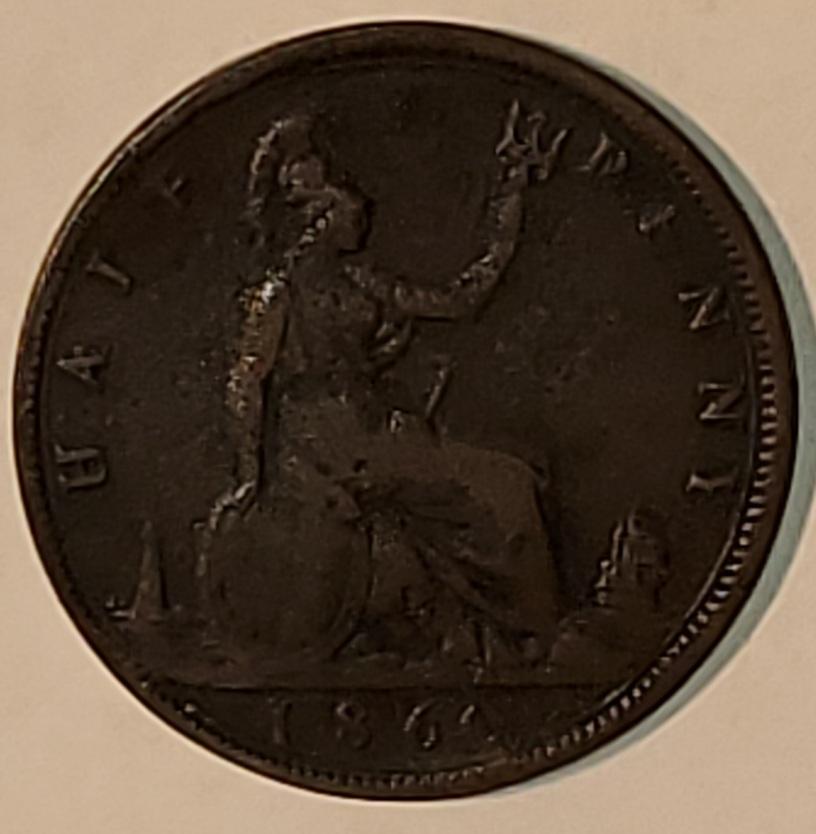
 Very similar to the probable F-18, although the reverse is reminiscent of a reverse F... feedback and thoughts welcomed
.thumb.jpg.fd1ff678415b26c49d6fdb6a056349c6.jpg)
.thumb.jpg.98e4683ab24529074b0645bcb85e0894.jpg)
-
Probable F-18 Obverse Cud
.thumb.jpg.3195e5035d4ebe4488ac235ff5ef1b15.jpg)
.thumb.jpg.9822282e0af513f32765dd5dd846c8bd.jpg)
-
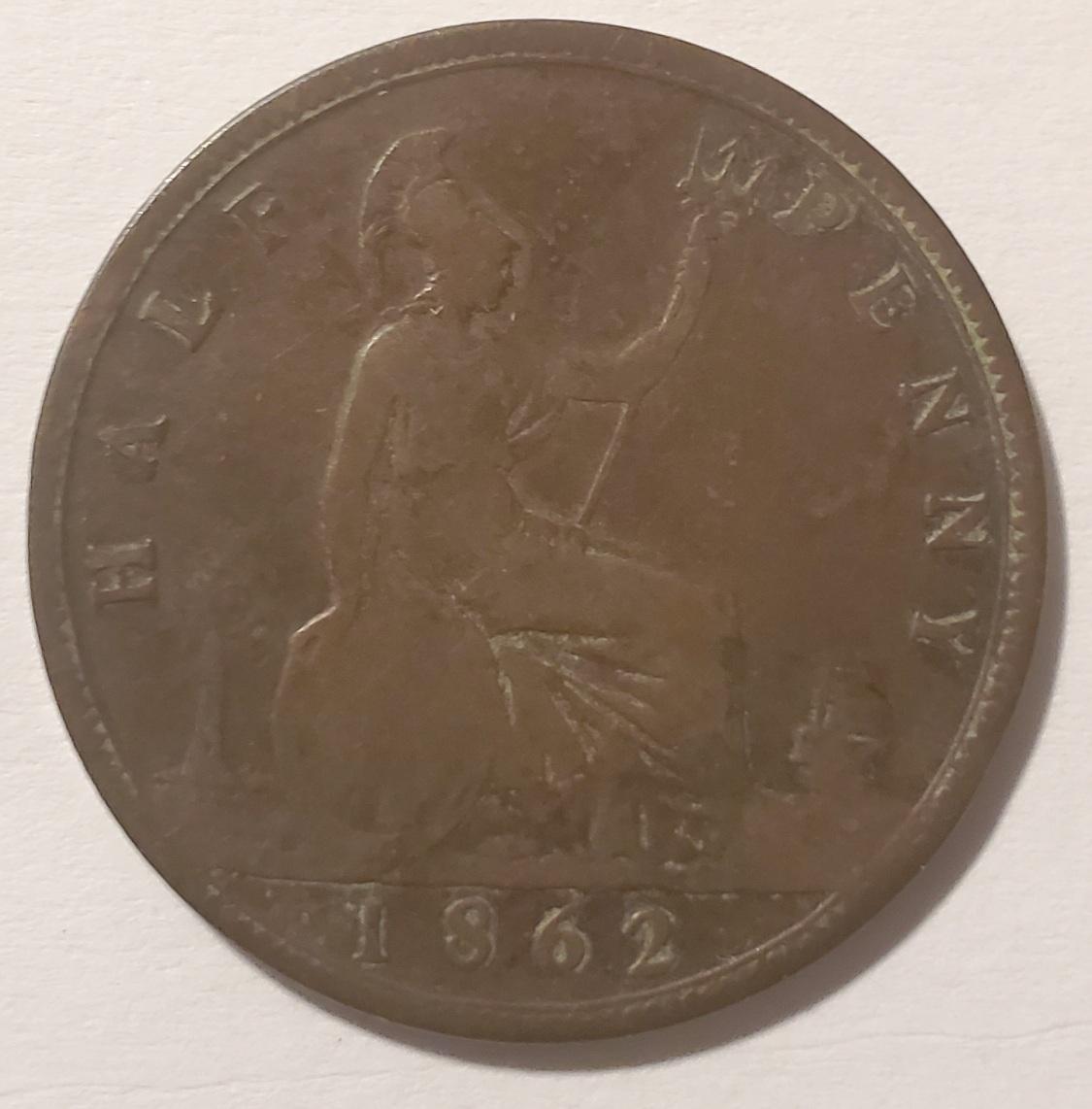
I'm not on Facebook, so I have to post here.. Sorry An 1862 Half Penny Obverse cud
.thumb.jpg.f281ed0efb62bc4b3f5ae3fbb1379452.jpg)
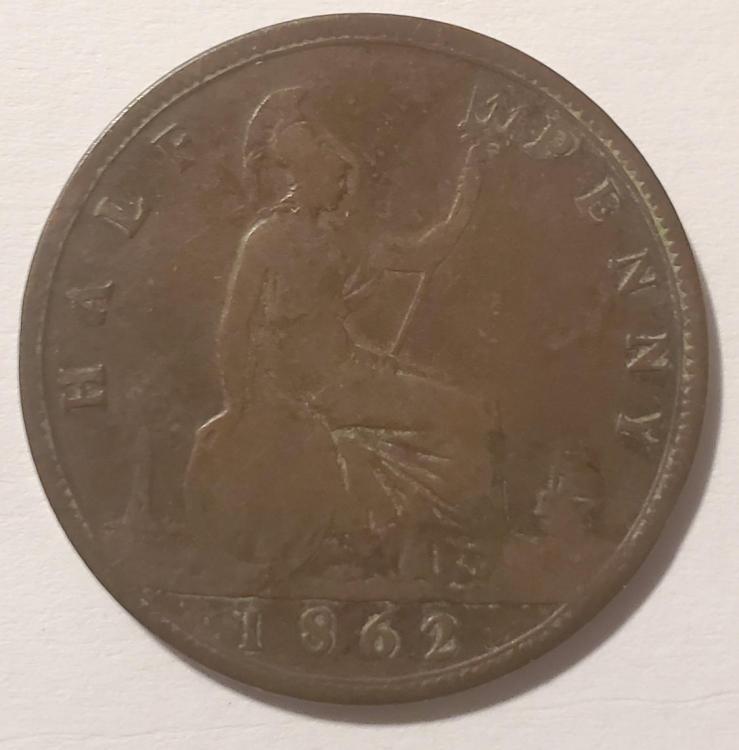
-
Halfpenny ID check
Bronze & Copper Collector replied to mrbadexample's topic in British Coin Related Discussions & Enquiries
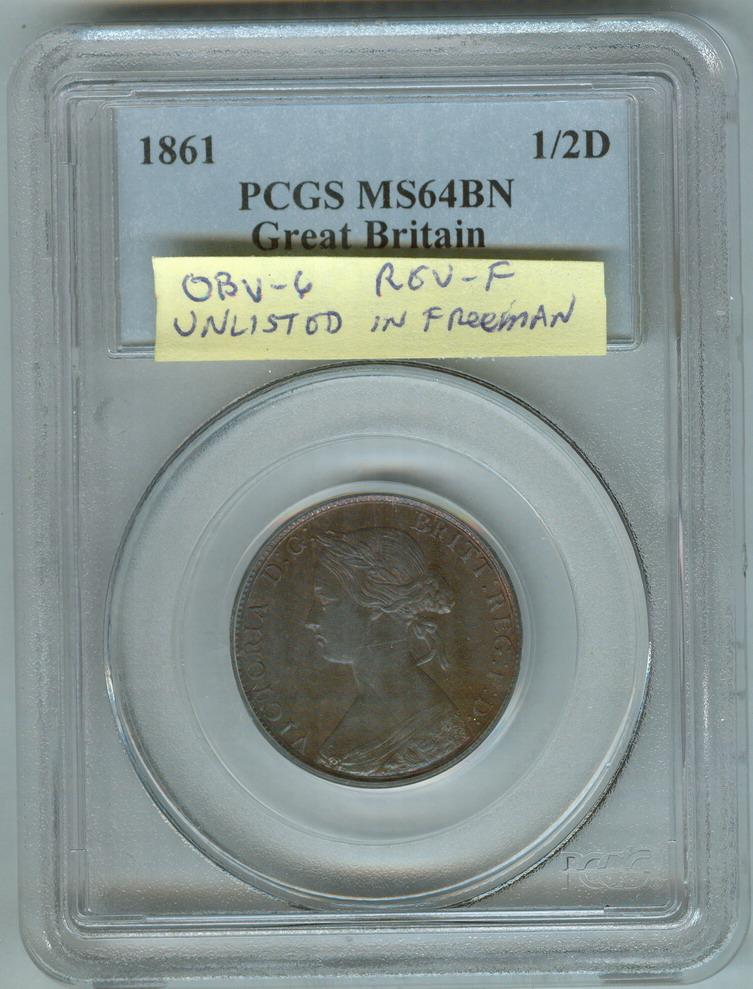
Slab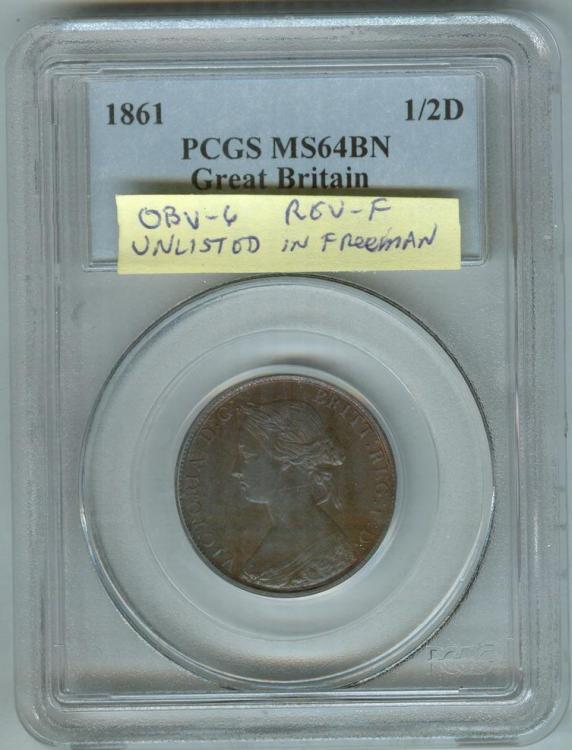
-
Halfpenny ID check
Bronze & Copper Collector replied to mrbadexample's topic in British Coin Related Discussions & Enquiries
Obverse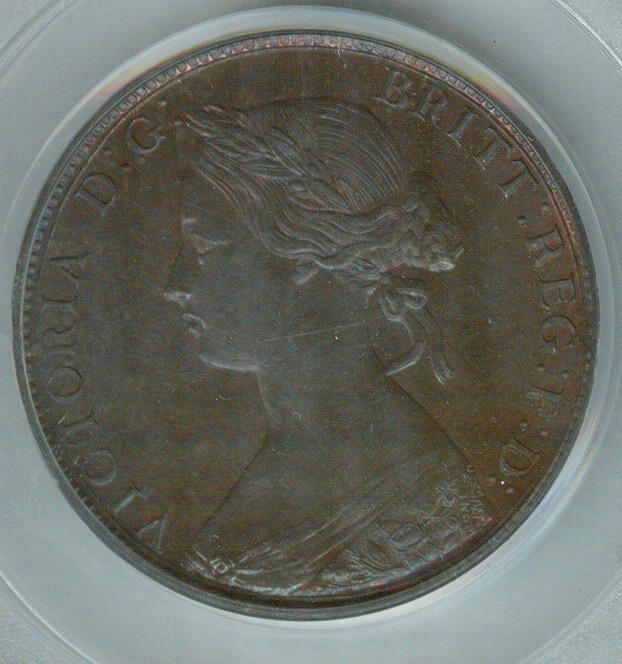
-
Halfpenny ID check
Bronze & Copper Collector replied to mrbadexample's topic in British Coin Related Discussions & Enquiries
Reverse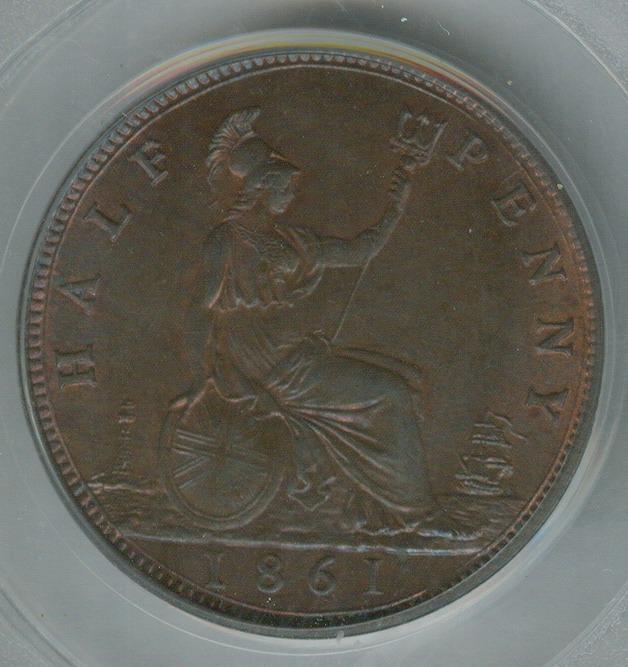
-
Halfpenny ID check
Bronze & Copper Collector replied to mrbadexample's topic in British Coin Related Discussions & Enquiries
Hi Bernie, I tend to concur with you, both for the reason you stated and the fact that I think I can see double incuse lines on one of the leaves, which would indicate obverse 6 as oppose to obverse 4. Of course, as you state it is very difficult to determine from worn specimens, if at all especially from an image. I'll upload images of my 6 & F for comparison. -
How to catalog couns
Bronze & Copper Collector replied to pies's topic in British Coin Related Discussions & Enquiries
Never blame your fingers, The buttons are too small.. -
How to catalog couns
Bronze & Copper Collector replied to pies's topic in British Coin Related Discussions & Enquiries
Are their guide books to help properly attribute your "COUNS" so that you can catalog them accordingly?? Such as what exists for coins... How do you grade a "COUN"? -
Stuff to Make Us Laugh
Bronze & Copper Collector replied to Madness's topic in Nothing whatsoever to do with coins area!
All of the above: The YOLK is on us.... -
Stuff to Make Us Laugh
Bronze & Copper Collector replied to Madness's topic in Nothing whatsoever to do with coins area!
I don't think he was all he was cracked up to be.... -
Halfpenny ID check
Bronze & Copper Collector replied to mrbadexample's topic in British Coin Related Discussions & Enquiries
On both of the previous overstrikes the underlying P is clear, albeit on the F-282, being more worn, it is less obvious. I did have one or two dubious F/P's which were clearly flattened serifs upon closer examination. If I find them again or images, I'll post them for comparison. -
Halfpenny ID check
Bronze & Copper Collector replied to mrbadexample's topic in British Coin Related Discussions & Enquiries
The F over P from my F-282 (7 & g)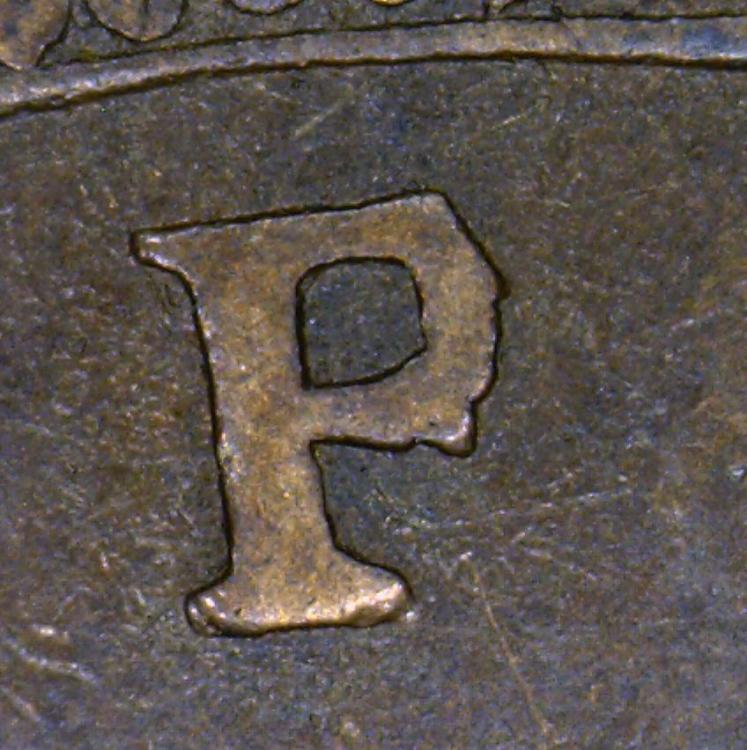
-
Halfpenny ID check
Bronze & Copper Collector replied to mrbadexample's topic in British Coin Related Discussions & Enquiries
The F over P from my F-277 (6 & g)
-
Halfpenny ID check
Bronze & Copper Collector replied to mrbadexample's topic in British Coin Related Discussions & Enquiries
Much scarcer than the 6 & g HALP penny. -
Halfpenny ID check
Bronze & Copper Collector replied to mrbadexample's topic in British Coin Related Discussions & Enquiries
A lovely specimen -
Halfpenny ID check
Bronze & Copper Collector replied to mrbadexample's topic in British Coin Related Discussions & Enquiries
I think that this is the link. Link to Thread with Images -
Halfpenny ID check
Bronze & Copper Collector replied to mrbadexample's topic in British Coin Related Discussions & Enquiries
I've found the A to the RIGHT of the lighthouse to be the scarcest followed by the B. Die letter A appears to me to the most common in either of the letter positions to the LEFT of the lighthouse. Die letter C follows with same observation regarding either of its two letter positions. Die letter B is next scarcest followed the die letter A to right of the lighthouse. Years ago I had posted images of these in the forum. Can't seem to find them now. Probably using incorrect search parameters. -
Advice on splitting proof sets for an album
Bronze & Copper Collector replied to yaaseen's topic in Free for all
That works as well. It's a matter if personal preference. Some collectors like to view the coin through the flip, others prefer the envelopes with which the argument that it "protects the enclosed coin from light" could be made as well. So long as there is NO ACID NOR PVC it is better for the coin, ESPECIALLY PROOFS!! -
Halfpenny ID check
Bronze & Copper Collector replied to mrbadexample's topic in British Coin Related Discussions & Enquiries
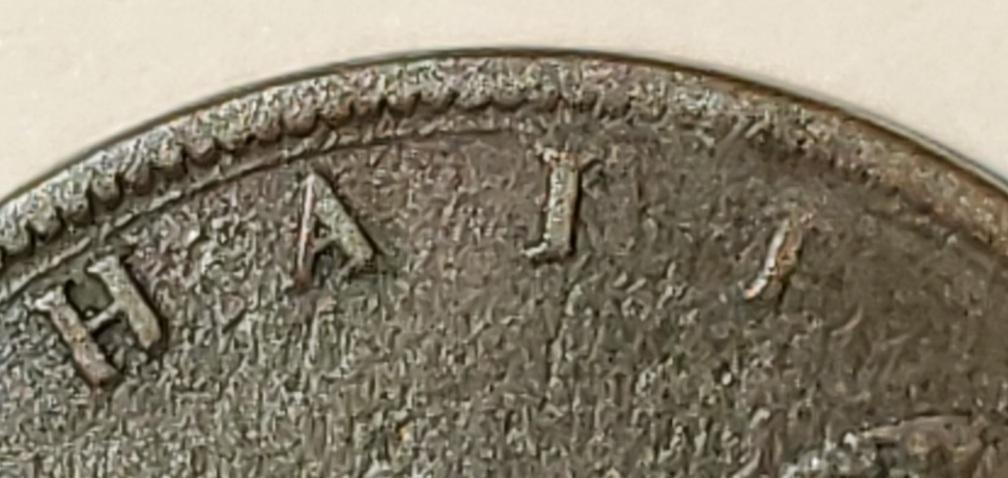
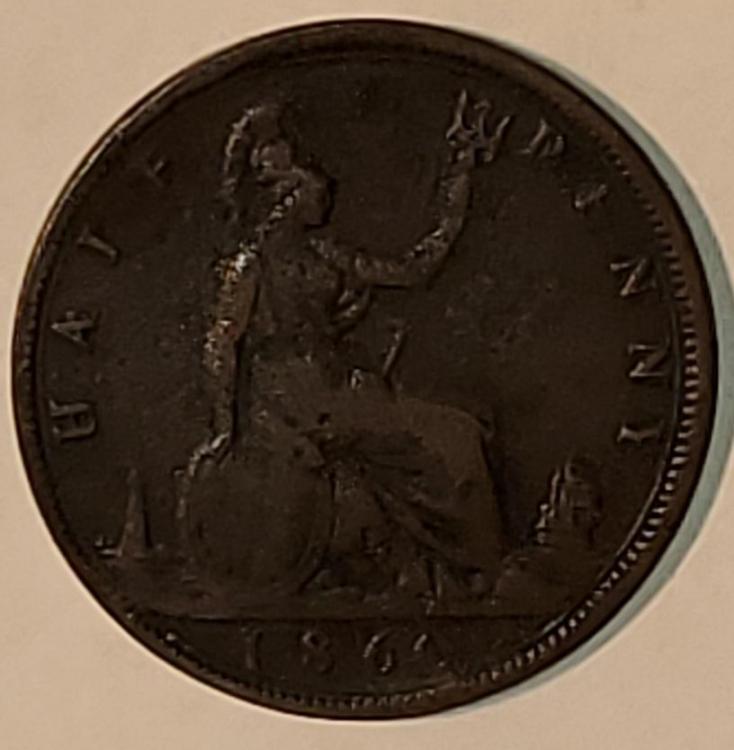
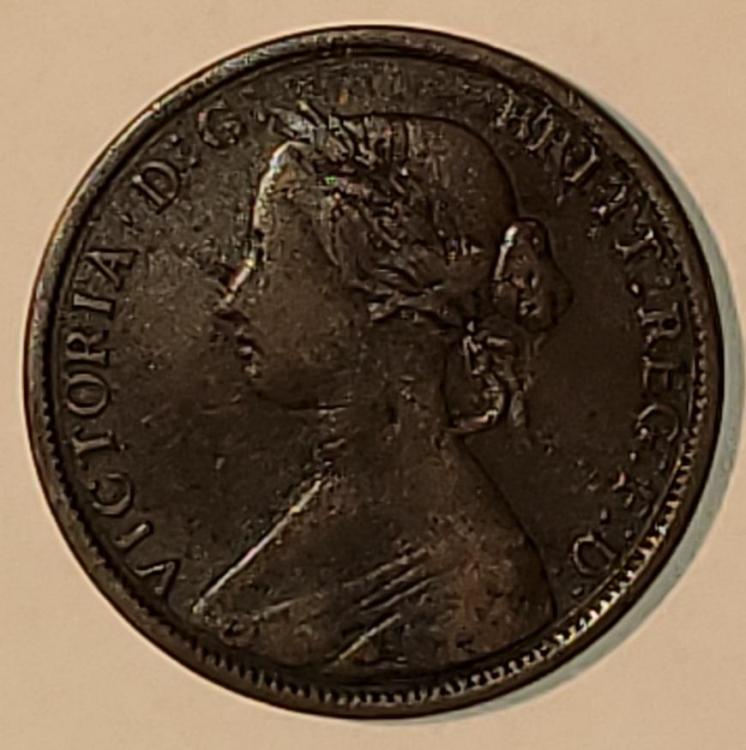
2nd specimen, not as good, but is a HAIF penny without the end of the leg of the L showing.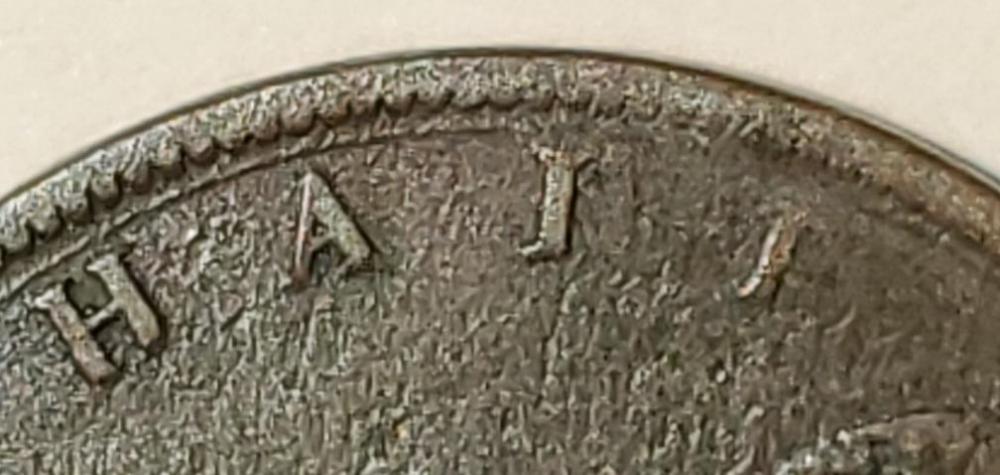
-
Halfpenny ID check
Bronze & Copper Collector replied to mrbadexample's topic in British Coin Related Discussions & Enquiries
For comparison 2 different obverse 2 HAIF pennies. First specimen is an earlier die state with the end of the leg of the L showing (ie: HAI.F)


-
Advice on splitting proof sets for an album
Bronze & Copper Collector replied to yaaseen's topic in Free for all
If using flips, you need the stiffer PVC FREE type. More subject to cracking, but safer for the coin -
Stuff to Make Us Laugh
Bronze & Copper Collector replied to Madness's topic in Nothing whatsoever to do with coins area!

-
More Pennies
Bronze & Copper Collector replied to Prax's topic in British Coin Related Discussions & Enquiries
Best answer so far...... -
More Pennies
Bronze & Copper Collector replied to Prax's topic in British Coin Related Discussions & Enquiries
!?!?!?!?!?@#$$$%!?!?!?
.jpg.f4553258a4c7784e13318f70bc1f449b.jpg)
.jpg.897ad0cdc09890206235e96938dd3c40.jpg)

.jpg.1030d8be201c6037069982beb7ea3782.jpg)
.jpg.6921eb64f9f3734b41b513f7cae97391.jpg)
.jpg.3e74a000bb16af86123267eb8a05aedb.jpg)