Leaderboard


Popular Content
Showing content with the highest reputation on 02/08/2026 in Posts
-
certainly yes , in the war years QC was not the same as when we were not at war1 point
-
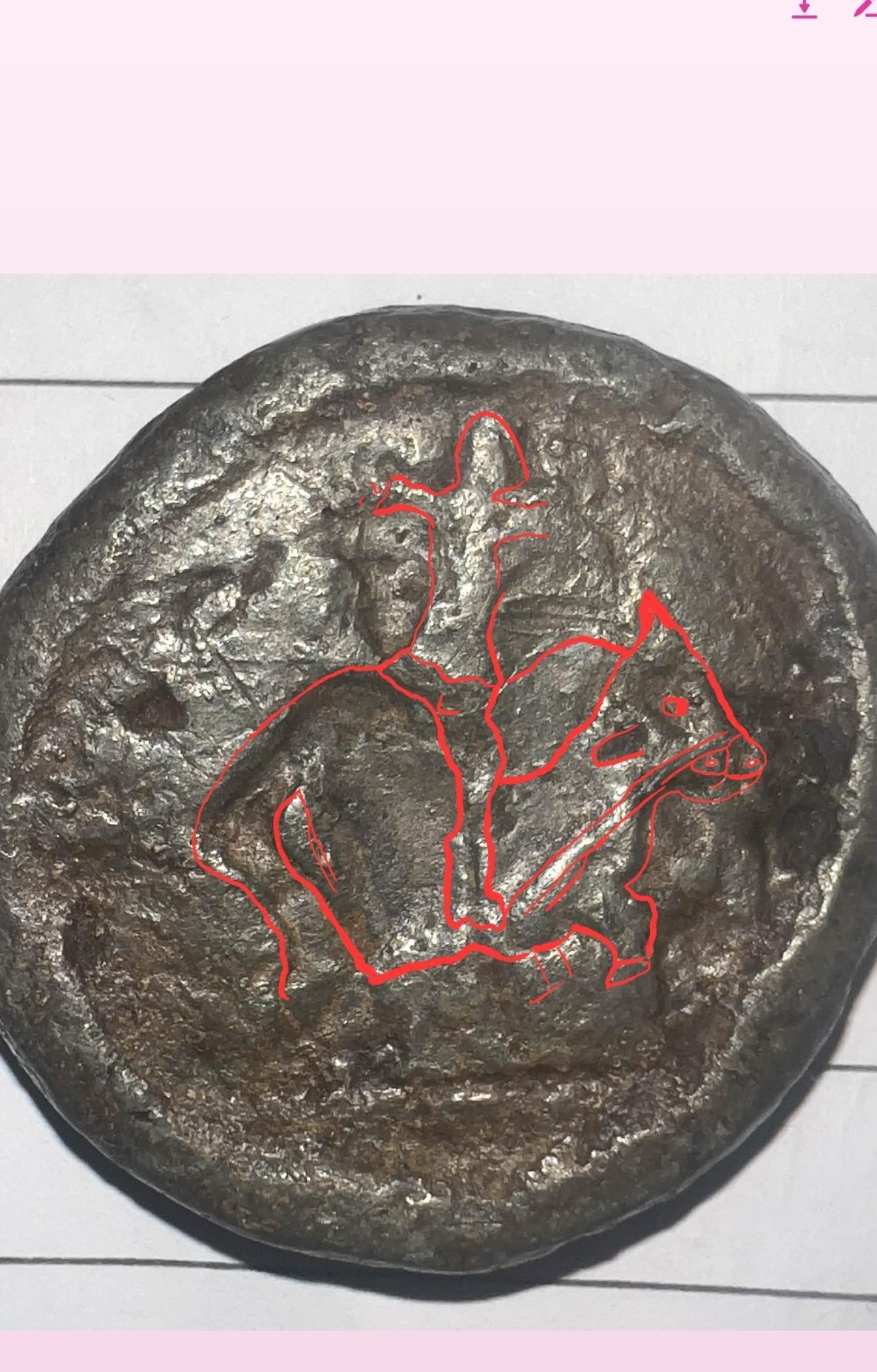
Yes Paddy i was the same, couldn't make head nor tail of it, excuse the pun, until my son took a close up picture and outlined it. Apologies for the drawing
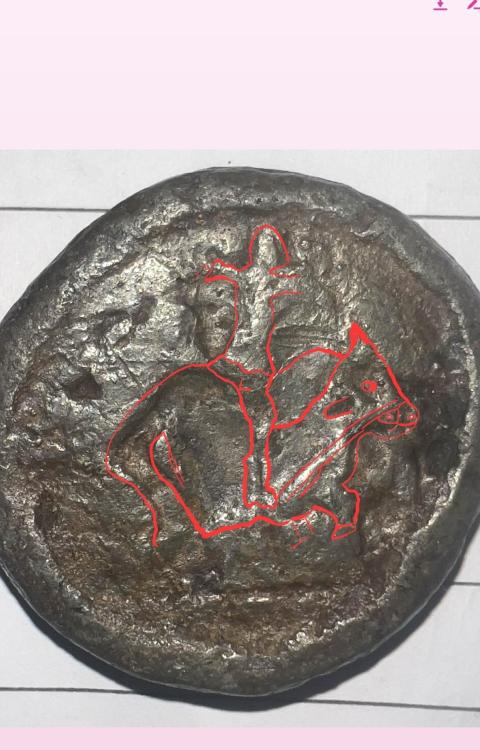 1 point
 -
I was thinking perhaps grease in the die as there is no relief to the part of the "E" it seems you are referring to.1 point
-
Wow...this is amazing, I take all of this and add it to a paper square that I slot into the file pocket with the coin in question....once I have things in date order so end up moving coins along so the newly identified sits in date order.... 👍this information is incredibly interesting and forever retained....Many many thanks it is greatly appreciated. 🙏1 point
-
I can't make much sense of what I can see. However it looks fascinating, good luck finding out more about it!1 point
-
1 point
-
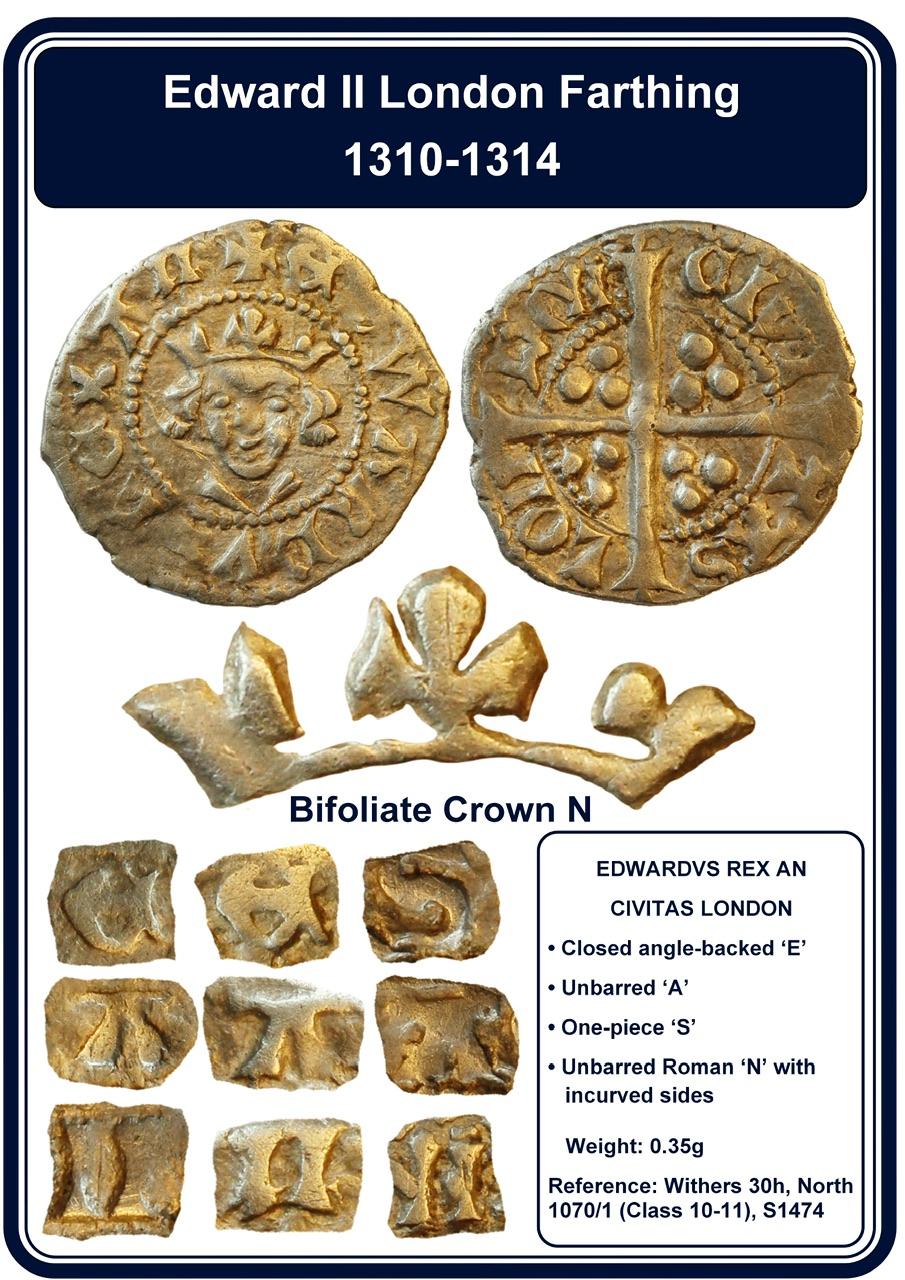
If that is mm spacing then a farthing. Makes sense given the weights. Old sterling pennies were 1.4g down to 1g ish, so 1/4g =1/4 penny. Do you have any reference books? Just wondering because by Eliz.1 the penny was about 0.5g, but that had declined over a long period. Coin values are determined by the diameter of the inner circle because the outer one is too susceptible to spreading when struck. Rules for the future: 1. Get a Withers small change book. 2. Get a Withers small change book. 3. Get a Withers small change book. 4. Get a Withers small change book. 5. Get a Withers small change book. The surplus suggestions are to cover the 4 periods contained within the volume set, and allow me to book some copy and paste replies without having to make any other contributions. They cover Ed1 - Ed.2; Ed.3-R1; Henry 4-6;Ed.4 - Henry 7 and Henry 8-Commonwealth. You don't have to buy every one at the same time unless they are offering a discount to clear some stock. It is the best reference available and is regularly updated. Worse advise (sic) is available on ebay from some aspiring millionaire who found this in granny's change the other day, conveniently overlooking the moneyer Grunal. Hint. This is Dave Greenhalgh's name for coins he has made, (legitimately for the purpose of demonstrating hammered minting techniques).1 point