All Activity
- Past hour
-

F over E?
absence of uniformity replied to absence of uniformity's topic in British Coin Related Discussions & Enquiries
Agree and with my coin if the worker did? punch an F over E for me that's where this coin does become a variety the human involvment in changing the die. -
F over E?
absence of uniformity replied to absence of uniformity's topic in British Coin Related Discussions & Enquiries
For my own collection not taking into account desirability a die characteristic that shows some distinctive feature / difference to the normal design added intentionally whether the outcome was correct or not is a variety.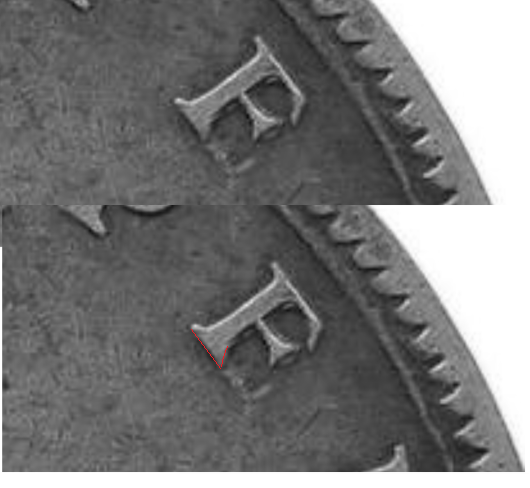
-
F over E?
jelida replied to absence of uniformity's topic in British Coin Related Discussions & Enquiries
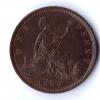
Personally I don’t consider the ‘ONF’ Penny a true variety, it is simply a case of die fill and I don’t have one in my collection. However as you say it was described in Freeman - though not deserving of a Freeman number- many years ago and this seems to have lead to it becoming collectable. Jerry -
F over E?
absence of uniformity replied to absence of uniformity's topic in British Coin Related Discussions & Enquiries
Somebody did find this 1860 coin desirable having parted with £260 on it. But most likely because it has a freeman or Gouby number associated to it. The 1862 PFNNY which was unrecorded by both and a better condition coin only made £29..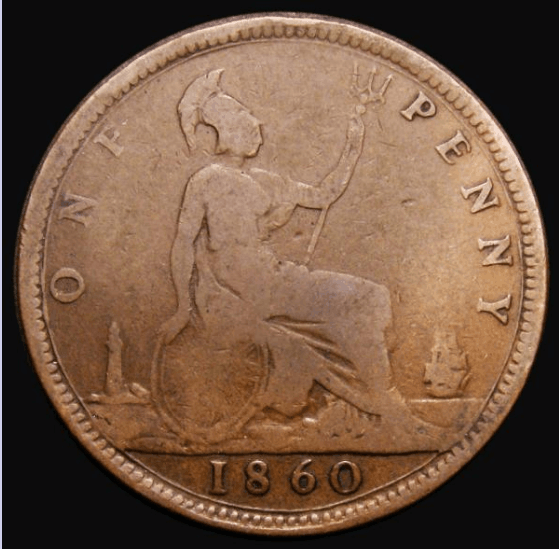
-
F over E?
absence of uniformity replied to absence of uniformity's topic in British Coin Related Discussions & Enquiries
Ok thank you for explaining that. - Today
-
F over E?
jelida replied to absence of uniformity's topic in British Coin Related Discussions & Enquiries
Die letter repairs such as this are fairly commonplace in the early years, they on occasion used a suitable punch eg F, L, I to restore a filled die when the full letter was not deemed necessary. Gouby covers these with examples in his book. When clear these are interesting but not especially desirable unless an erroneous letter/number has been used - P /E, R/B, G/C etc. Jerry -
F over E?
absence of uniformity replied to absence of uniformity's topic in British Coin Related Discussions & Enquiries
I have noticed people are very quick here to tell you something it is not. Which may suggest it's looking good for this F being manually punched over a E... or is it? -
F over E?
absence of uniformity replied to absence of uniformity's topic in British Coin Related Discussions & Enquiries
Yes I know, was too late to edit once I noticed my mistake. -
F over E?
secret santa replied to absence of uniformity's topic in British Coin Related Discussions & Enquiries
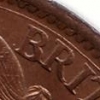
It's not PFENNY - it's PFNNY -
F over E?
absence of uniformity replied to absence of uniformity's topic in British Coin Related Discussions & Enquiries
On the subject of the Halfpenny I purchased this coin, poor images I know but looks like HALP.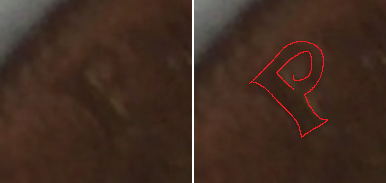
-
F over E?
absence of uniformity replied to absence of uniformity's topic in British Coin Related Discussions & Enquiries
What's a bit confusing is the visible underlying letter plus the defined line in shown in Red on the second drawing. Has a worker punched the letter F in an attempt to repair part of the E?
-
F over E?
absence of uniformity replied to absence of uniformity's topic in British Coin Related Discussions & Enquiries
1862 PFENNY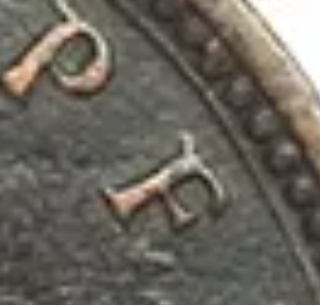
-
F over E?
absence of uniformity replied to absence of uniformity's topic in British Coin Related Discussions & Enquiries
ONF 1860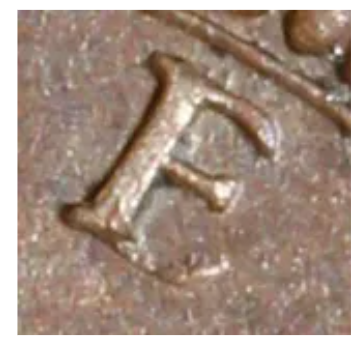
-
Hi, I cant find any info on a known variety F over E which would read PFENNY on a Halfpenny coin. Please look closely at the attached image. Does it look like F over E? The reason I dont think its just grease filled die is the defined line marked in red in the second image. Many thanks
-
2 Pence Queen Anne 1710 William IV 1834 I got wondering, as these don't seem to have been minted in high numbers..... so need to ask are these considered to be rarities ?
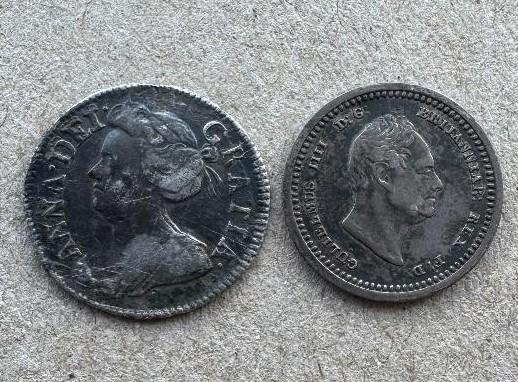
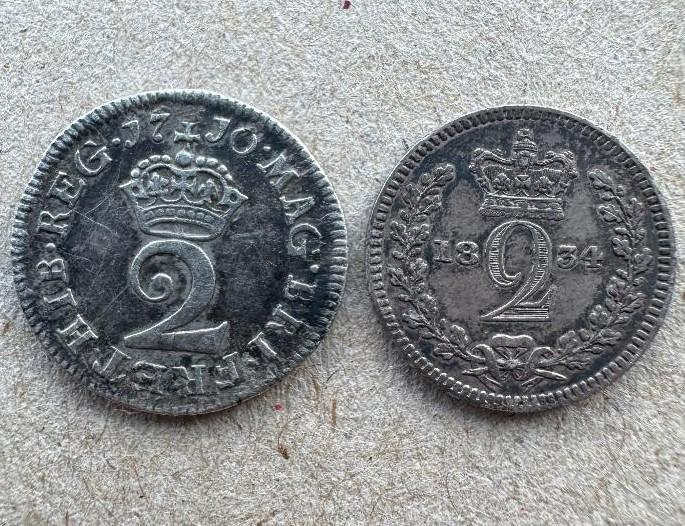
- Yesterday
-
 Abanole joined the community
 -
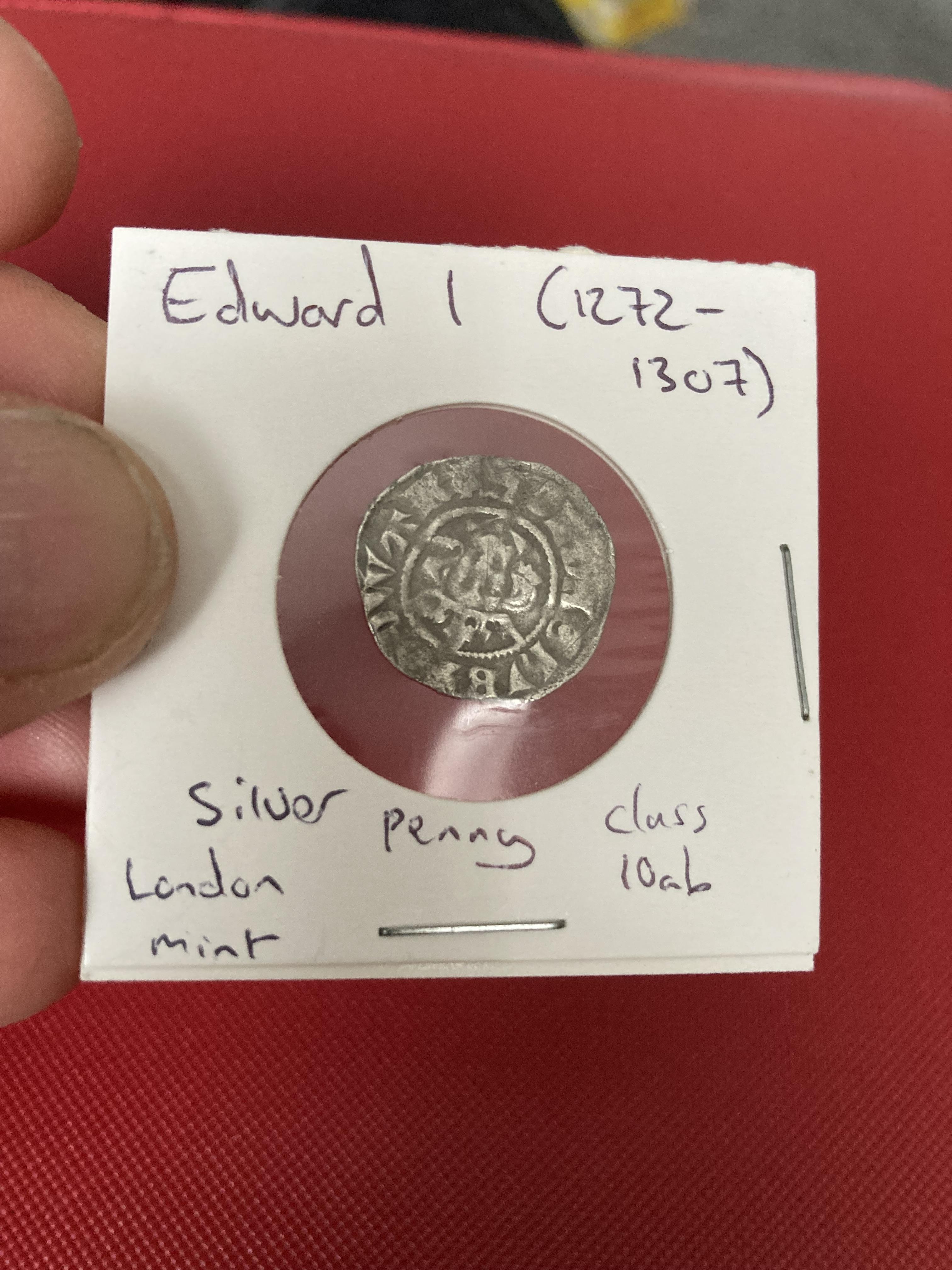
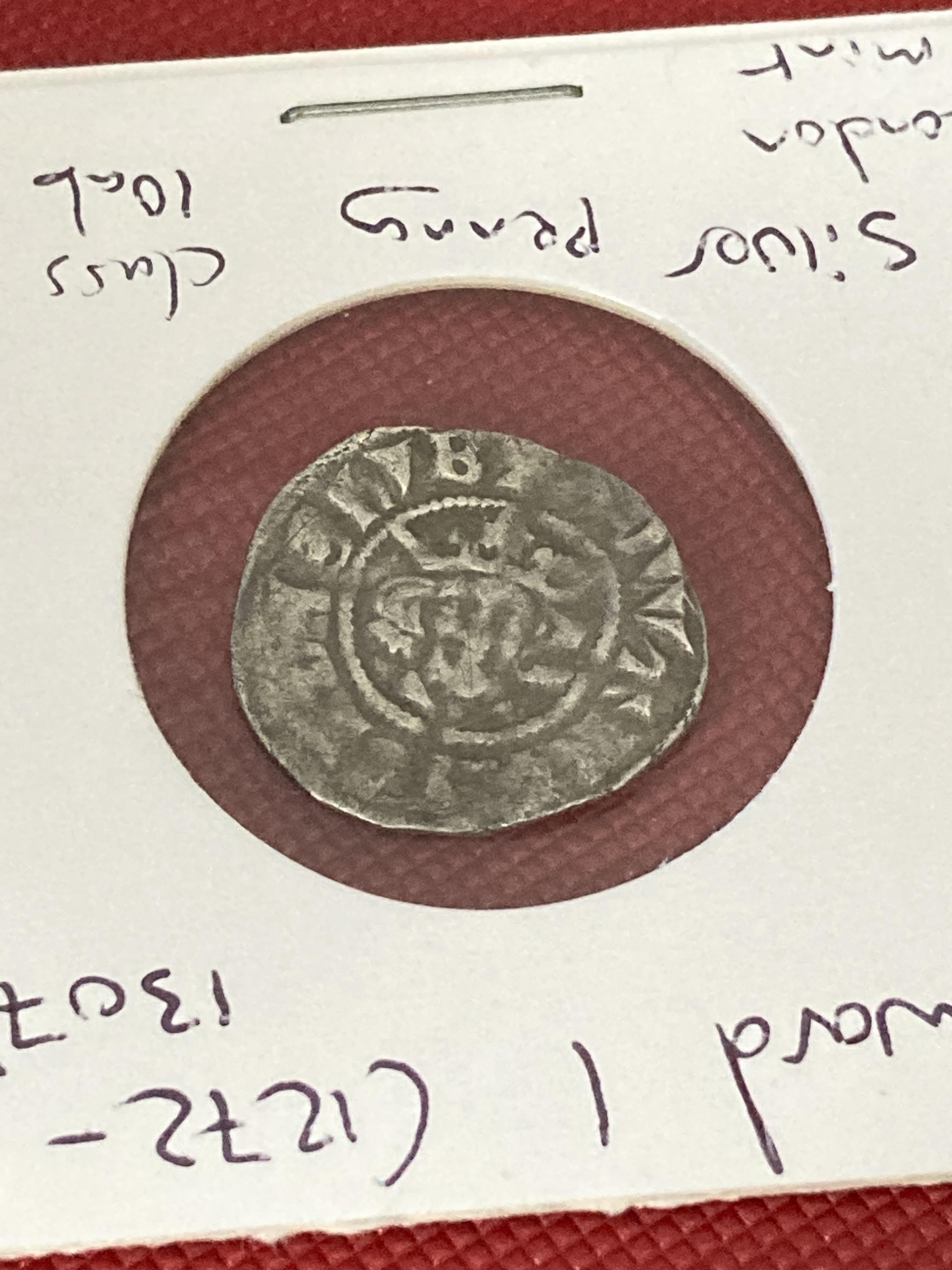
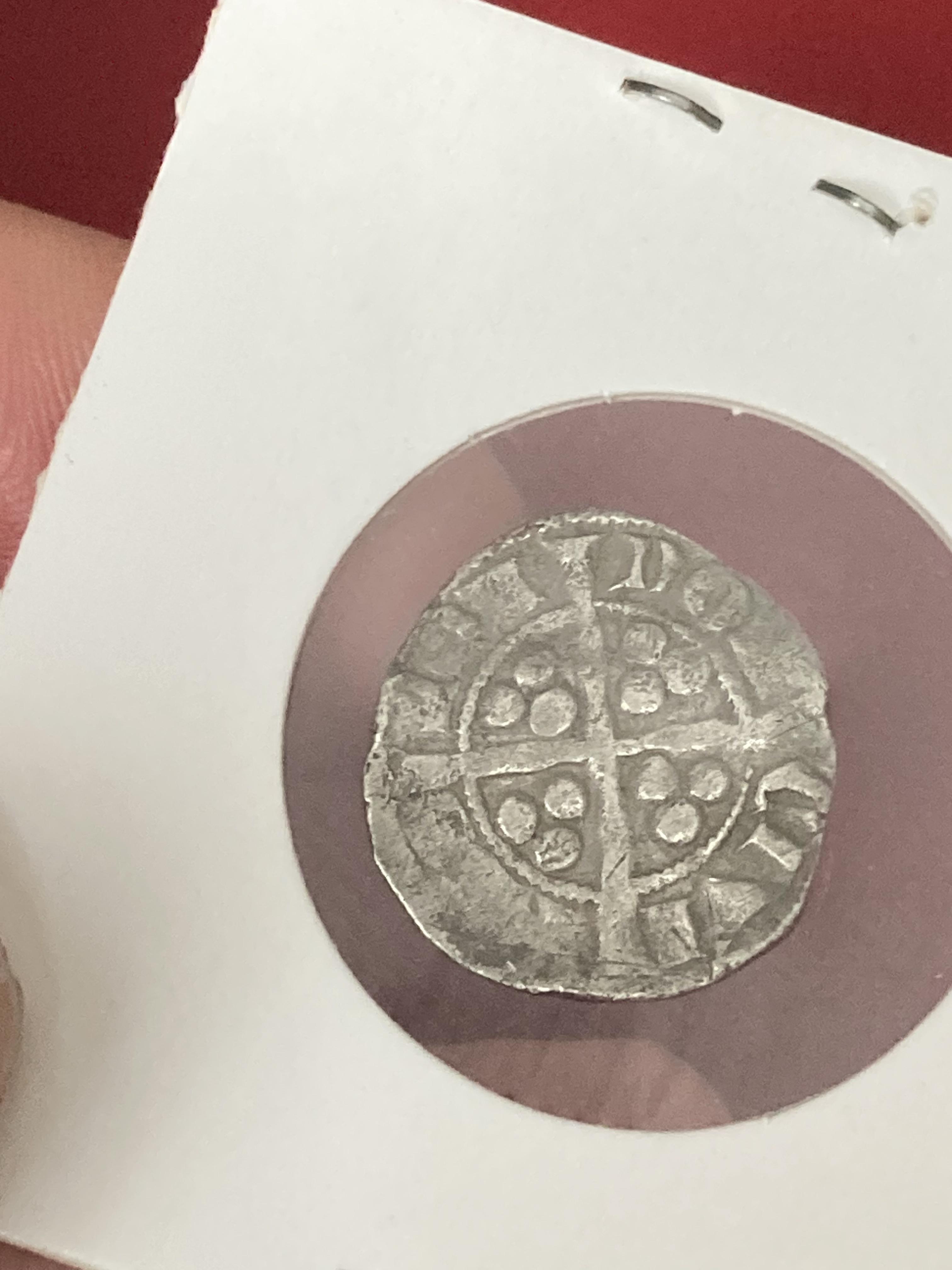
Hi all, was anyone able to verify my thinking with the following coins? All Edward’s but just wanted opinions on whether I am correct. Many thanks
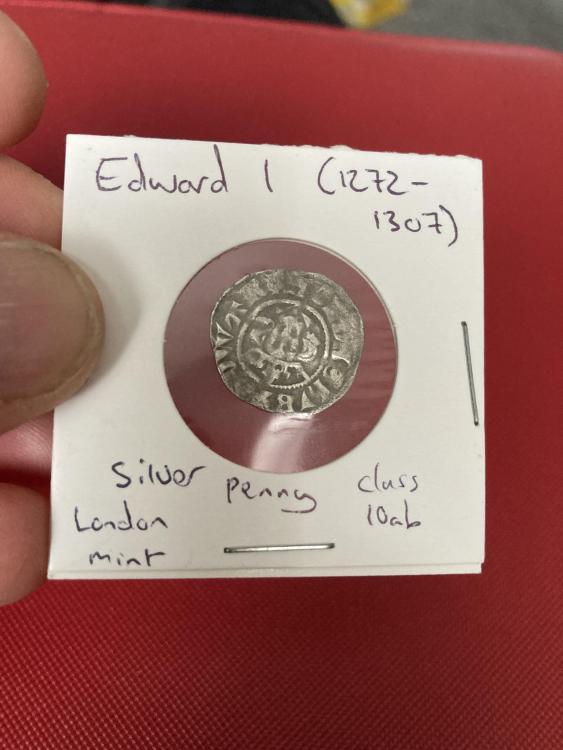
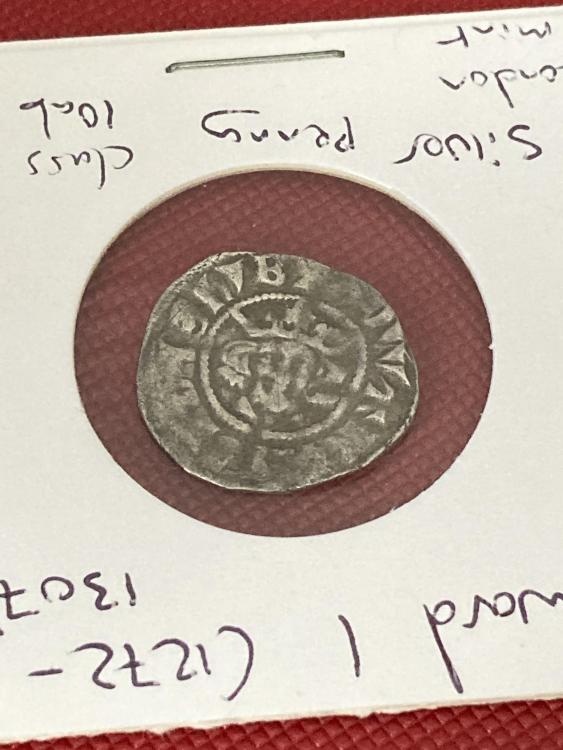
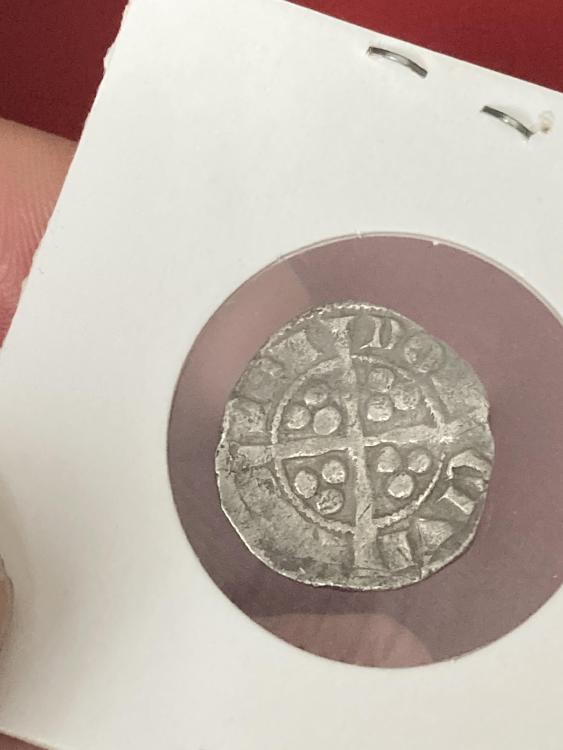
-
I found a unquestionable R19 variety. Once received and photograped I will add the coin to this post. I can't beleive it, purcahsed from a UK dealer hence me not naming or showing the piece until tracking shows the item has been sent.
-
 dazcity joined the community
 - Last week
-
Nobody should worry about the authenticity of most coins. The contemporary copies are much rarer than the genuine articles and would sell for a premium usually. Given the number of genuinely uncirculated coins out there, copies are likely a very tiny fraction of the total output for currency issues, so the numbers don't cause me or many others sleepless nights. Multiple examples are soon flagged up in any case. You could even say that all coins are bought because it appeals to the buyer, so if a copy looks better than the real deal, there is nothing fundamentally wrong in paying the same price as for a genuine coin. Authenticity concerns about general circulating currency seem to be mainly an American issue, presumably driven by the TPGs who use it as a selling point for their services. A complete triumph of marketing over relevance. If it doesn't cost much to acquire, you won't lose much if it's iffy. If you are betting the house on something's authenticity, then doing due diligence is a prerequisite for being a buyer in the first place, unless you are a gullible idiot with more money than sense. The pertinent information can be sourced by any buyer - if they can be arsed. Many issues have by now suffered a near total loss of the original mintage for a given year, so the occurrence of new die numbers for a particular year shouldn't come as a surprise. Think along the lines of 1838 sovereigns, where 100K out of a mintage of just over 2 million were melted from the Smithsonian bequest to name just one event. The number of shipwrecks in the 19th century one would assume offered a similar attritional rate to many years' populations given the gold was used for international business settlements. I only have one person actively seeking new die numbers and he is in the Crewe Society, but that doesn't include for each date and is really only a fun side project (AS COLLECTING SHOULD BE). Another used to go to Wakefield before we moved to Huddersfield, but I think he has stopped and sold up.
-
Coin problem
absence of uniformity replied to ggx51's topic in British Coin Related Discussions & Enquiries
Ok thanks ! I'm going to leave it as is. Not worth messing with. -

When Aethelstan and Aethelred II Became One
Citizen H replied to HistoricCoinage's topic in British Hammered
Aethelstan (924-939) Æthelred II (978-1016) now these are going to be rarities......... I think the earliest Hammered Penny I have is a John 1204 ish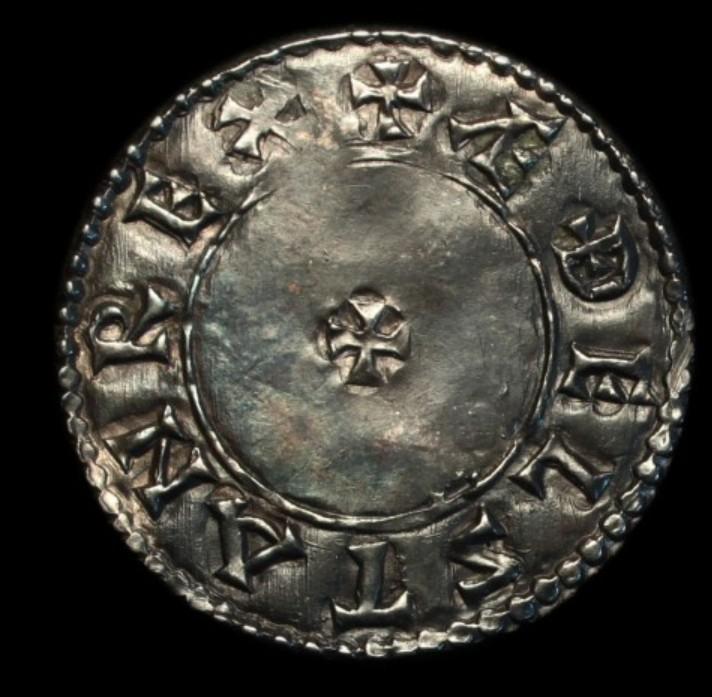
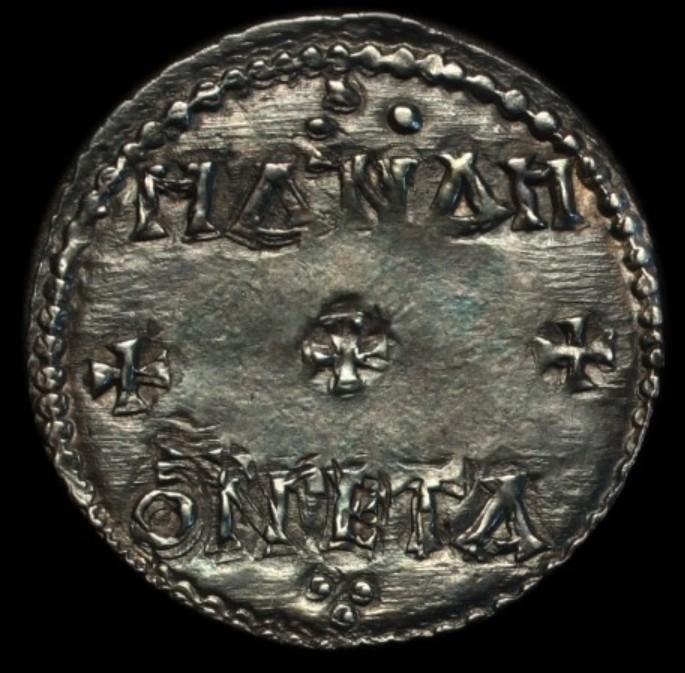
-
There certainly appear to be significant remnants of the "H" on this one, look again. I have a GVF 1882 but of the wrong overall type that I bought off Colin Cooke many years ago. It has no sign of an "H". To me, this coin is a bit like the USA 1922 "no D" cent, where all coins were known to be struck at the Denver mint but some with the "D" polished away. The mintmark was variously said to not show as the die was filled or worn or both & so many middle spectrum coins. I am still not sure how in the case of this cent or the OP 1882 coin how it can be ruled out that mintmarks were committed from die prep on any reverse dies even if the coin is not of accepted reverse type for "genuine" no-H coins.
-
Welcome to the forum @Sam5. I would say the H on that one is as clear as you would expect with that level of wear.
-
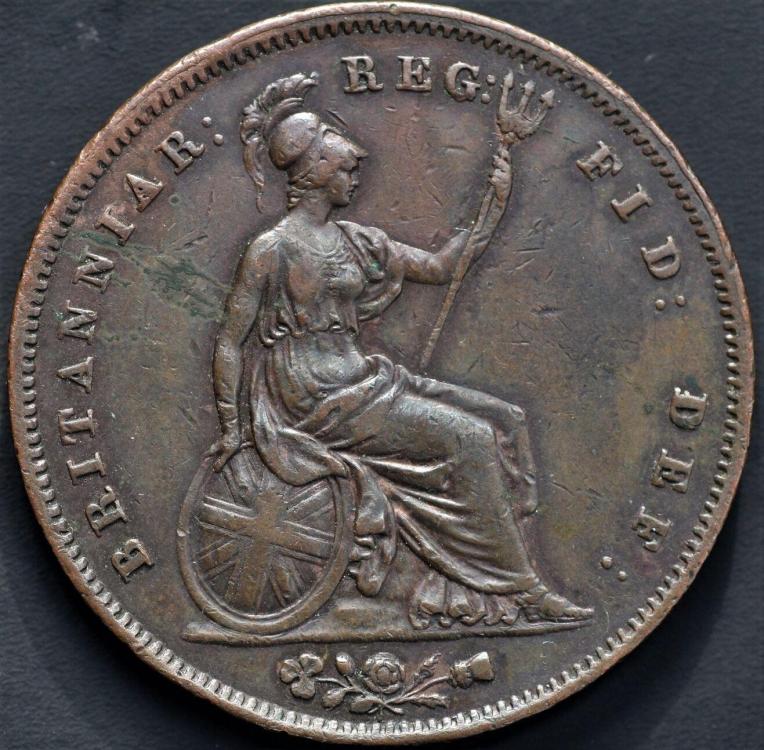
Very difficult to tell what the black stuff is. In some ways it looks like excessive patina, but the stuff by Britannia's bicep looks thicker. I would go through the same sequence, starting with warm soapy water, and if that doesn't shift it, on to Acetone. This may reveal underlying Verdigris, in which case you are onto the Sodium Sesquicarbonate or Verdicare options. I suspect nothing will shift it without taking off all the rest of the patina, turning the coin pink. If you do get to that stage, there is a way of restoring some of the patina: if you apply a thin coat of vegetable oil and then leave the coin on a sunny windowledge the dark patina will slowly return. Don't hold me responsible if none of this works!
-
Coin problem
absence of uniformity replied to ggx51's topic in British Coin Related Discussions & Enquiries
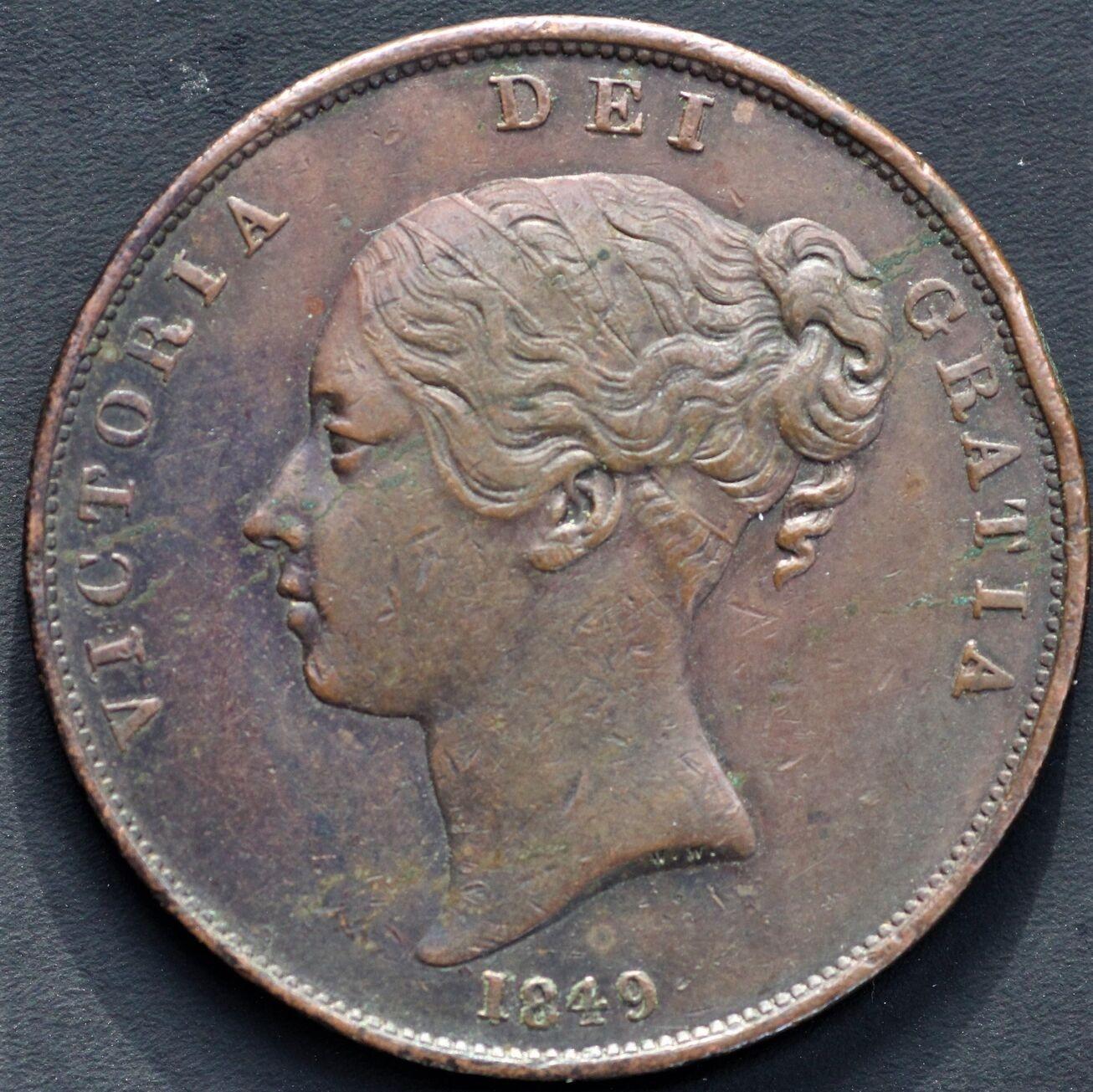
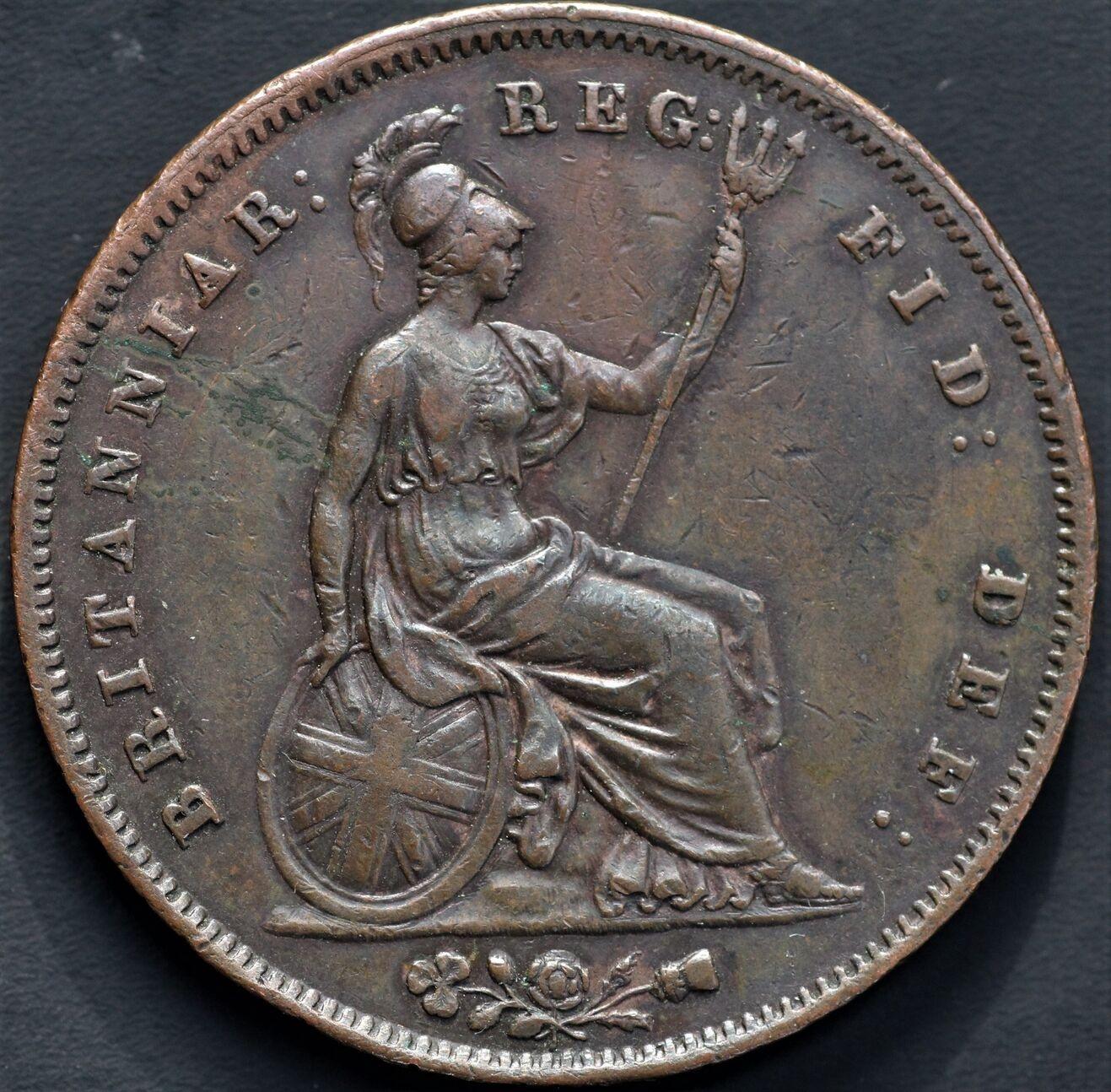
The black stuff goes right across the coin from VIC GRA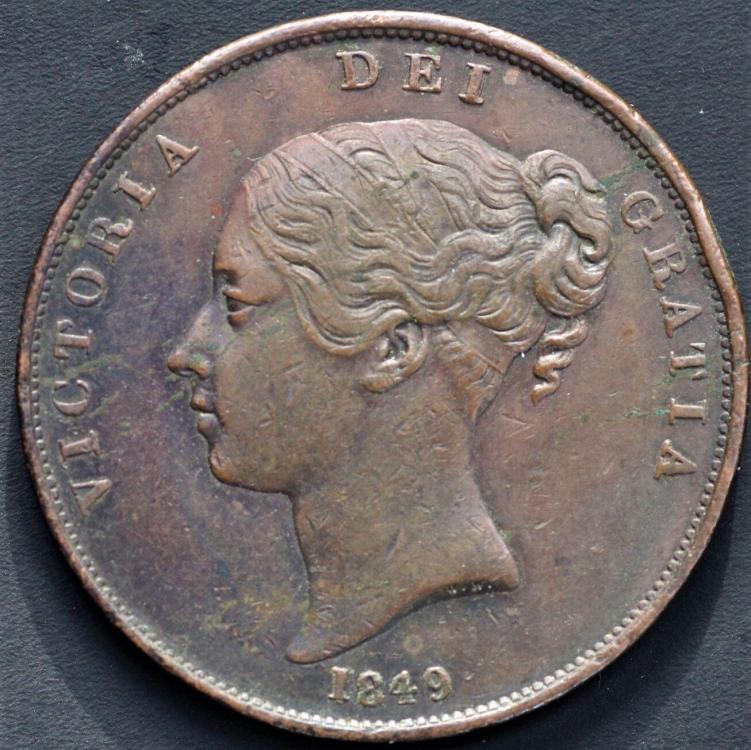
-
Coin problem
absence of uniformity replied to ggx51's topic in British Coin Related Discussions & Enquiries
@ggx51 I hope you dont me mind me asking a similar question in this post. @Paddy do you have a suggestion please for the black crud to the left of Britannia's bicep, its quite soft. Originially I was going to sell this coin but it has grown on me alot I love the size and thickness of the coin and decided to keep it.