All Activity
- Past hour
-
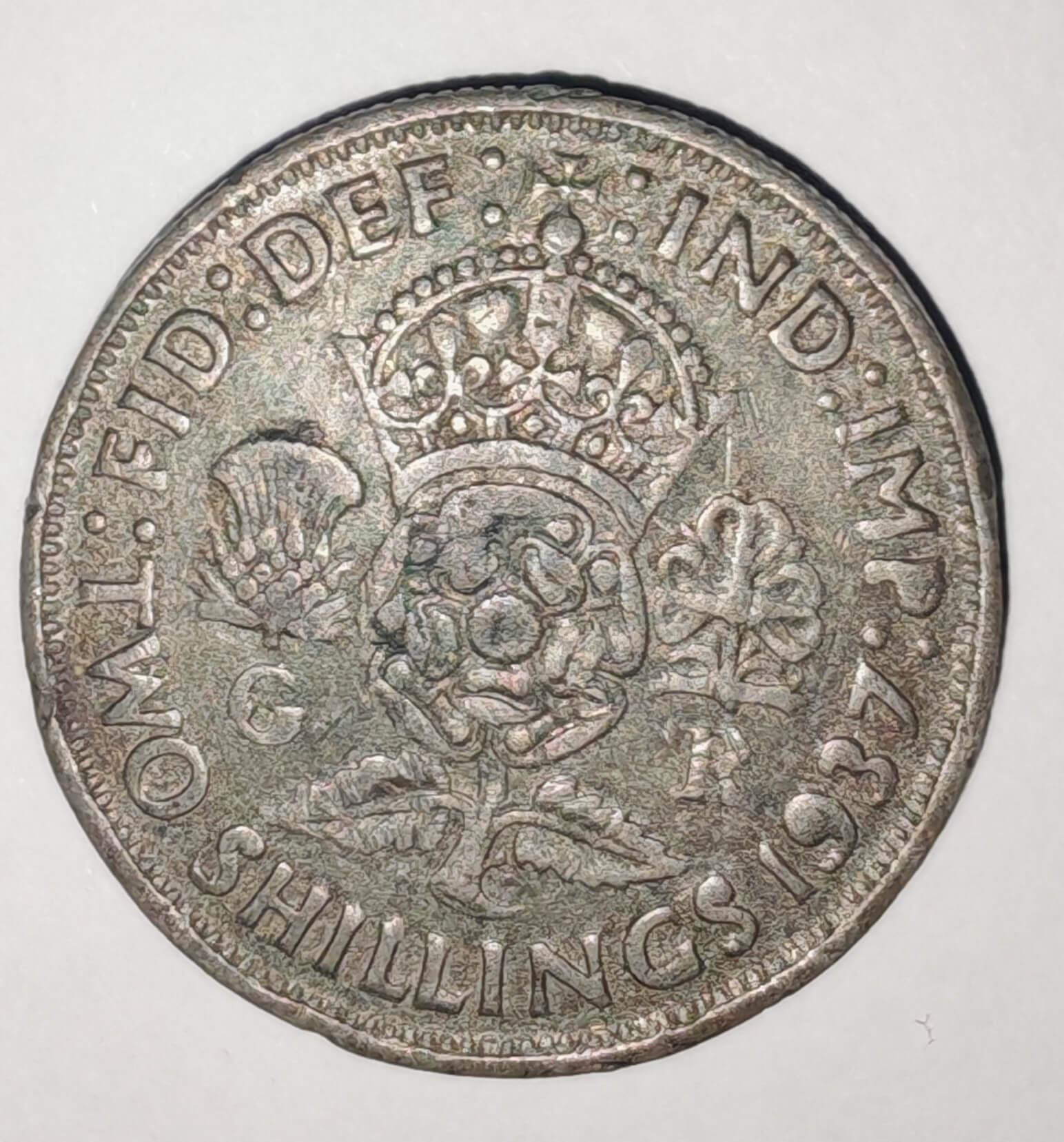
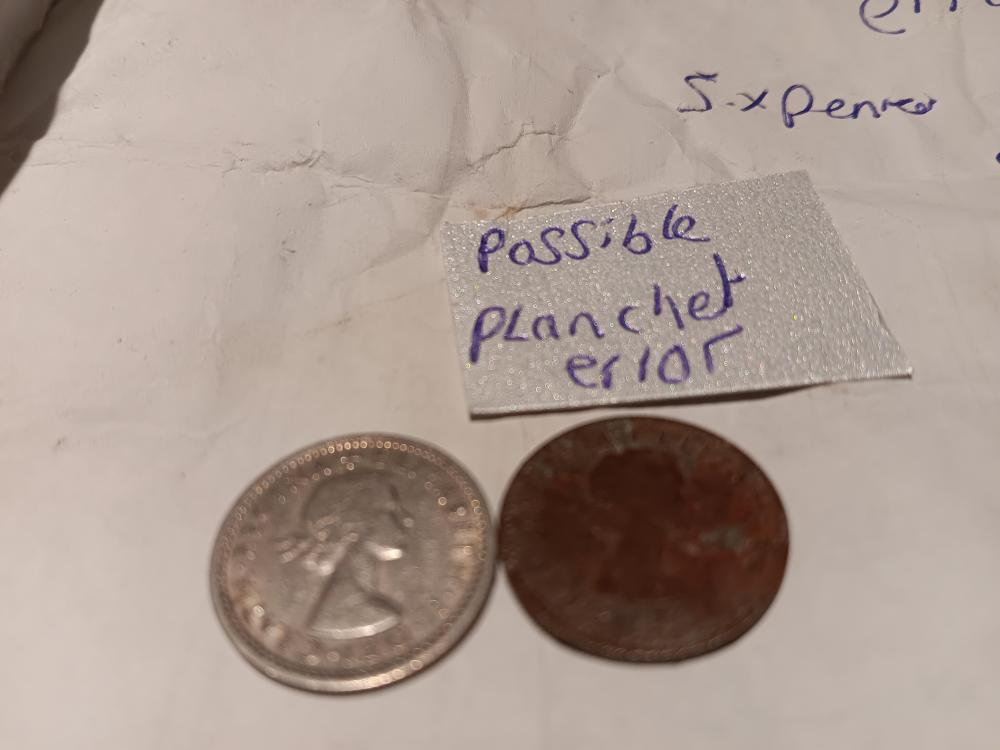
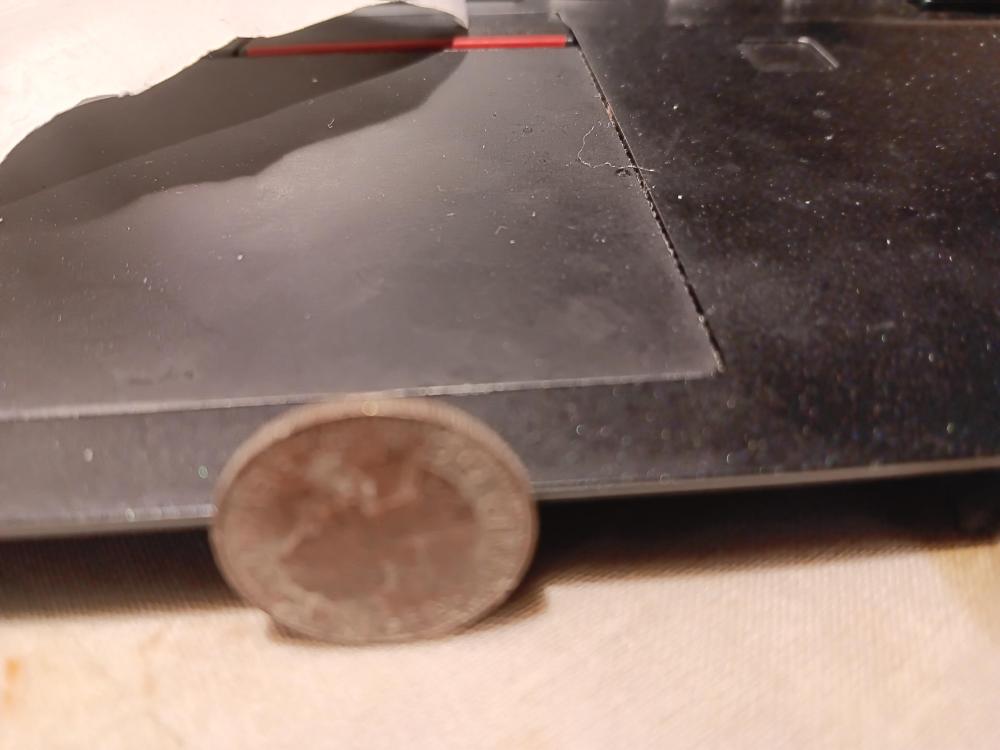
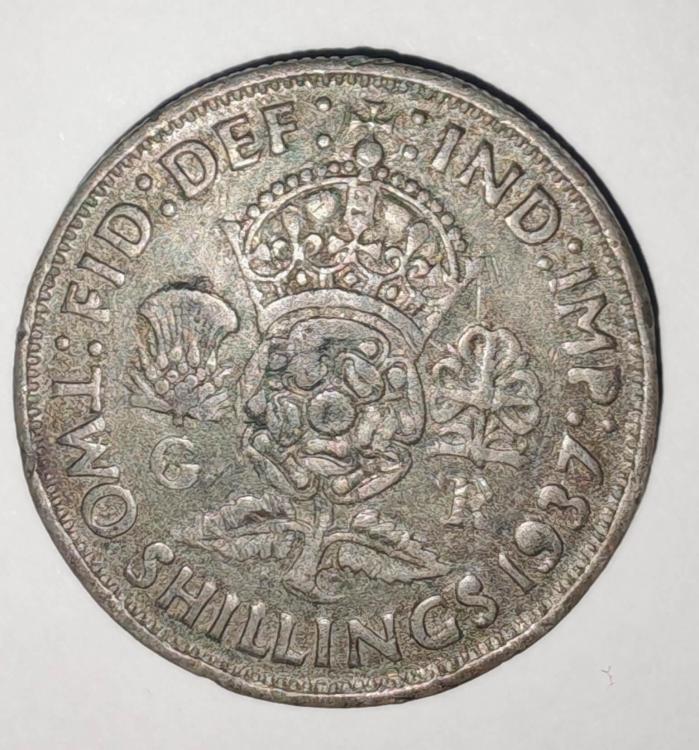
 Has anyone come across a fake florin?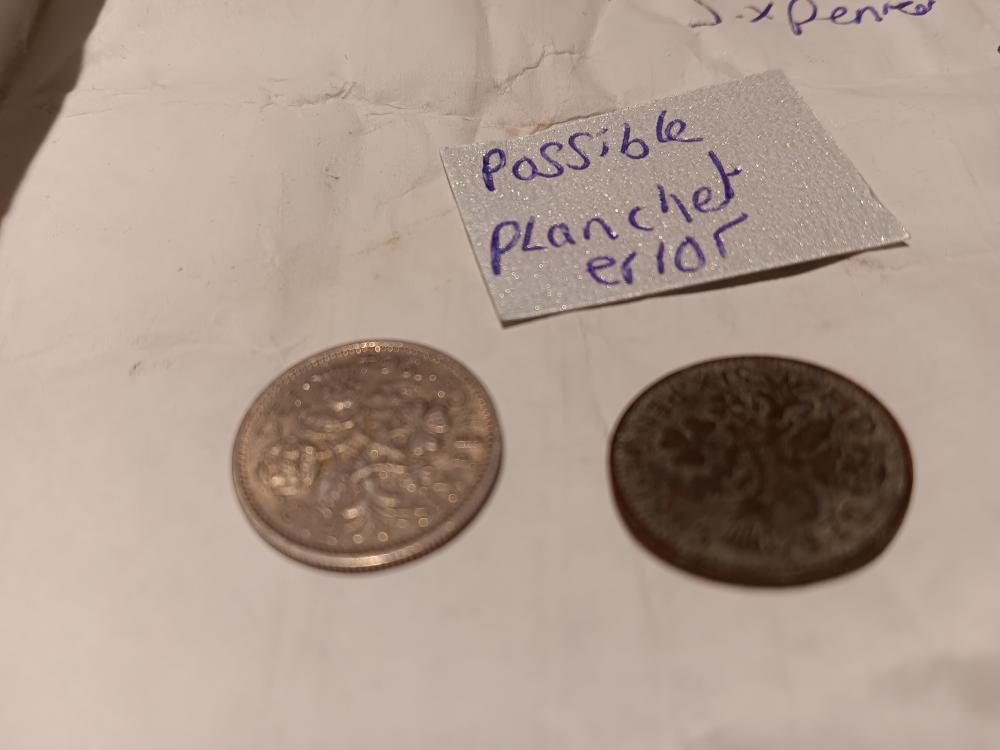
- Today
-
Looks like an Edward I or II farthing to me, of the later classes (e.g. 10).
-
 The key is: is it legal tender? As far as l know, only Crowns, Double Florins and Maundy Money are legal tender. But l don't now the starting date for the definition (apart from Double Florins obviously)
 -
I can no longer edit the above post. My sincere apologies but l've made an error. I've phoned the Royal Mint and they're saying all coins they produce, are CGT exempt, as they are currency. As regards the Victorian stuff, they were less certain. The person l spoke with said of course shillings would be exempt, but then l pointed out that everyone on Google is saying only Crowns and Double Florins are pre-1947 CGT exempt. I was then told to ask the HMRC as this now counts as giving tax advice which the Mint's CS agents aren't allowed to do.
-
They're referring to bullion coins. The coins have a value etched on them, i.e. not rounds. But they're classed as bullion. This would be as opposed to say Proof coins, Piedforts. Wikipedia (https://en.wikipedia.org/wiki/Royal_Mint ) Minting of bullion coins began in 1957 to meet a demand for authentic sovereign coins, which suffered from heavy counterfeiting. [/end quote] I'm really just asking about pre-1947 coins. Still, you're right, it might be worth contacting the Royal Mint evenso.
-
 With those statements from the RM, it seems it might be worth contacting them? They put not time limit on the production, so it reads as if all gold and silver coins produced by the Royal Mint, however long ago, are exempt! It would be great if that is the case, but I suspect not.
 -
A sidenote here: Beware re-selling Royal Mint bullion coins online, they are highly sought-after and if a buyer seems fishy (low feedback, strange name e.g. referencing drugs) then cancel, because it will be trouble. The buyer will claim non-delivery, and your online marketplace may cover you but the buyer's bank will refund them your cash anyway, regardless how much evidence you procure. The root problem is delivery drivers acting as buyers, photoing the package inserted into a random letterbox (= the delivery address given) then pulling it back out and pocketting it. That's one reason some retailers give oversized packages at Xmas, as well as compact dense packages being targetted by posties. One defence is to not state which courier you will send with, so that the thieving postie won't know if you'll be using themselves to deliver. But l digress.
-
Hi ok no problem, if no offence meant then none taken. I'm only interested in the matter at hand. We do need to be paying CGT in the UK, on all collectibles that appreciate in value. The exception is the aforementioned, but l'm unsure on the exact parameters. As for decimal, there are even more exceptions, inc. all the Royal Mint CGT free coins: https://www.royalmint.com/gold-price/capital-gains-tax-on-investments/ QUOTE: Is CGT Applicable to The Royal Mint’s Coins? Bullion coins from The Royal Mint are exempt from Capital Gains Tax for UK residents due to their status as legal British currency. In fact, all gold, silver and platinum bullion coins produced by The Royal Mint are classed as CGT-free investments; this includes gold and silver Britannia coins, Sovereigns and the popular Queen’s Beasts range. Due to their CGT exemption, investors can make an unlimited tax-free profit on all bullion coins produced by The Royal Mint. This contrasts with the vast majority of other investments and assets, including paintings, antiques, most shares and any property other than someone’s main residence, where the profits on the sale are liable for CGT. What If I Want to Make a High Value Purchase of Bullion Coins? Bullion coins from The Royal Mint are never subject to CGT, regardless of the amount of coins purchased or sold. For this reason, our flagship bullion coin ranges continue to prove extremely popular with investors looking to store significant levels of wealth over the long term, as well as with those individuals seeking to realise their investment when requiring their funds for other means. Are Other Bullion Products Subject to CGT? CGT is chargeable on all gold, silver and platinum coins that are not produced by The Royal Mint as they are not considered to be UK legal tender. Also, all gold and silver bullion bars are also subject to CGT.
-
Sorry @Coys55 my comments were not aimed at you but responding to @ColdHands more general comments on patronising responses from some old hands. I think sometimes our posts can be interpreted as more critical than they were intended! I would be interested if the "legal tender" definition could be used to reduce the CGT burden, although I expect that battle will be down to my descendants in my case.
-
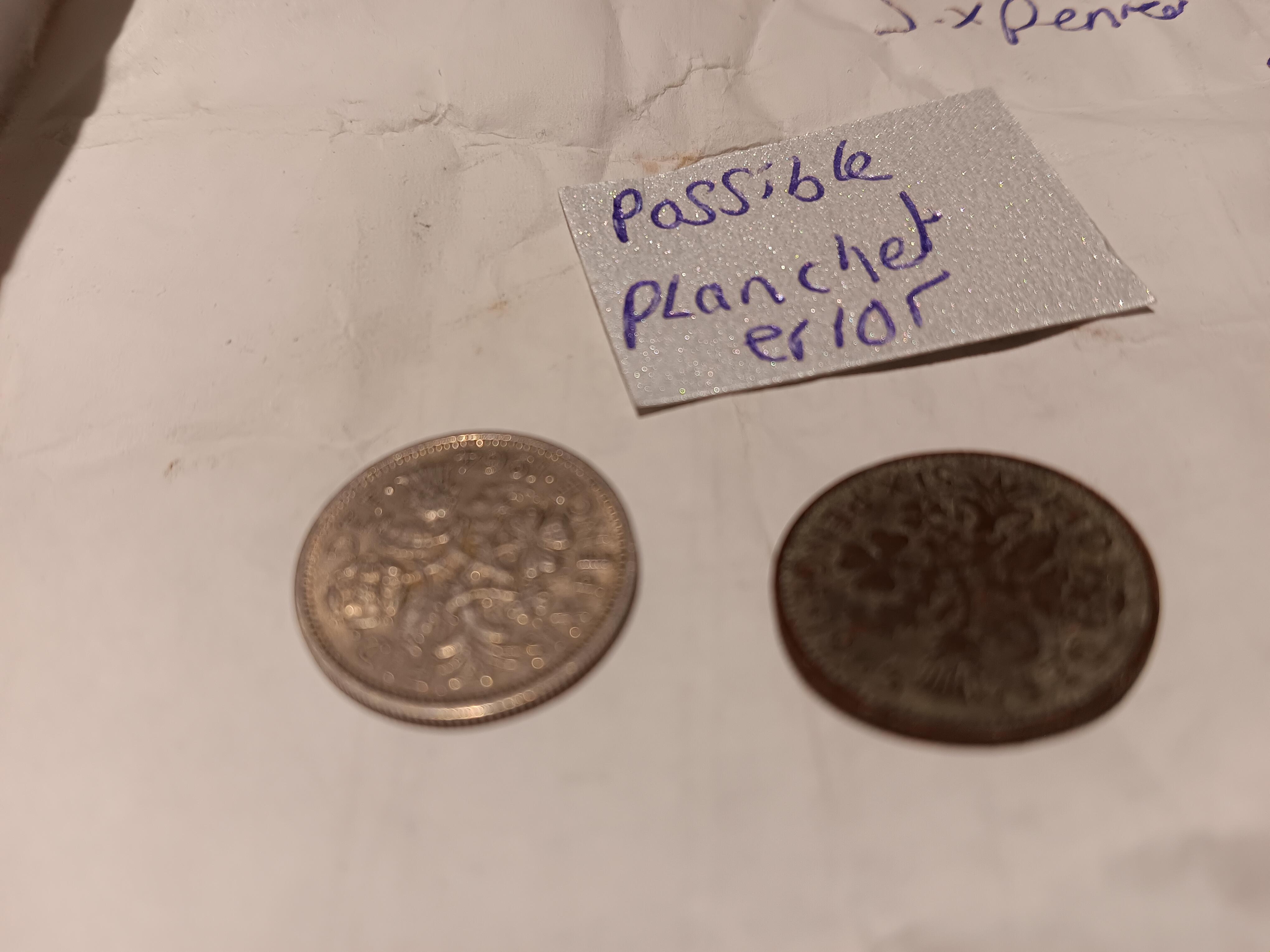
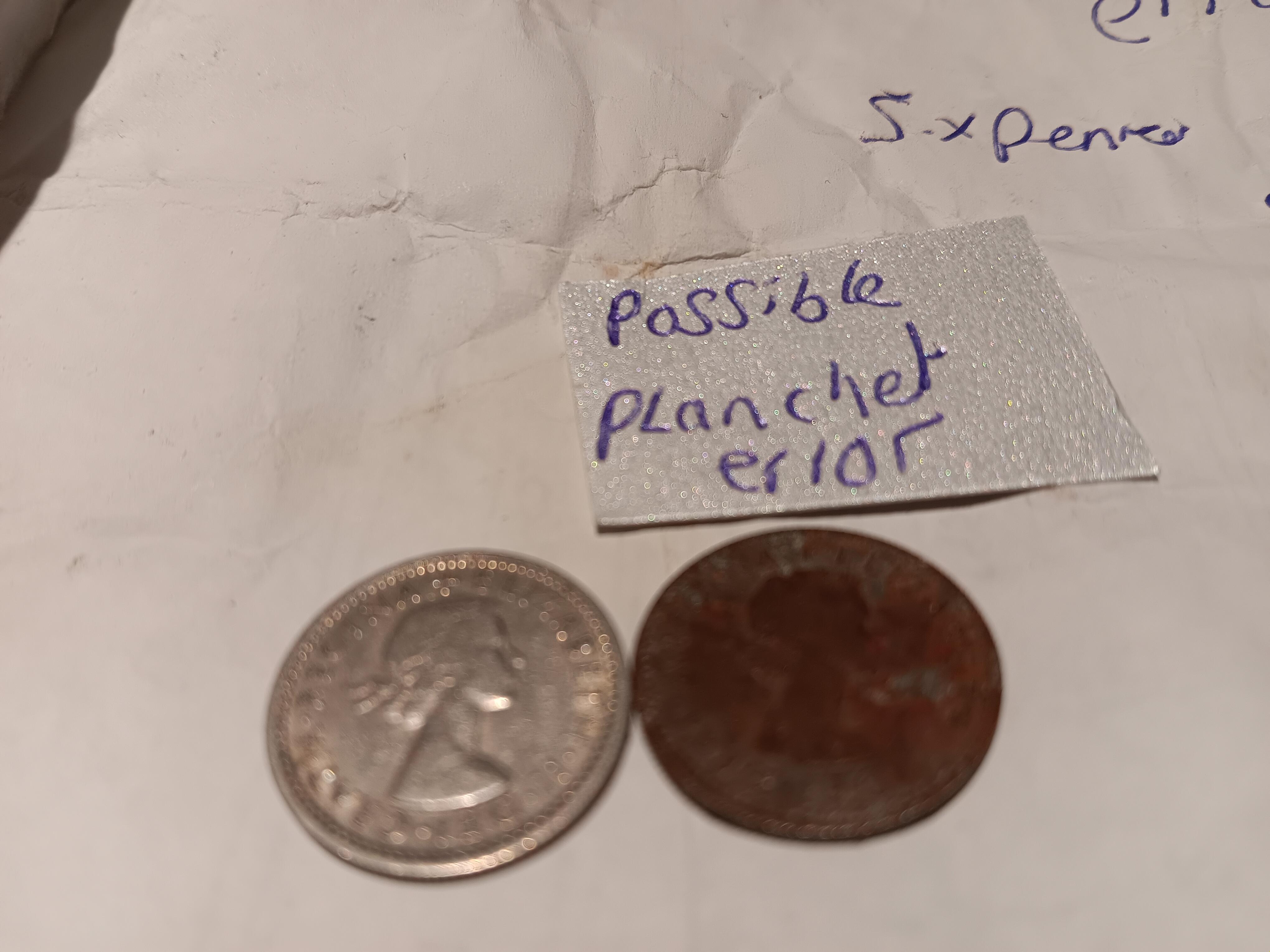
What denomination is it? Difficult to comment without knowing the size of it. I would guess 6d but if you could enlighten us...?
-
 I can assure you I was not being patronising and was definitely not accusing you of being evil, stupid or trying to avoid tax; I was genuinely curious about your question regarding CGT and wondered if you belived (or knew) of a legal workaround that could be beneficial to others. If you look at my posting record I have always been welcoming to newcomers and have tried to help them with their questions. I have never been rude to anyone and don't intend to start now. But whatever, I'll refrain from replying to this thread again.
 -
Thanks Paddy It wasn't to you, it was to the other person. I think "CGT free" is a stumbling block to some, they infer it means "Some CGT - but not a lot!" Google throws up all manner of garbage on this query.
-
I recognise the problem and try to be as straightforward as possible when responding to newbie queries. I try to think back to when I was the newbie and how daft some of my questions must have seemed to the old and bold here! It is easy, when you know a lot about a subject, to be patronising to the less well informed, but unless the new collectors are encouraged, the hobby will just die out. Bear in mind that for every patronising comment made, there are many more here who are supportive and encouraging. As to your query on legal tender - if I knew the answer I would be happy to give it!
-
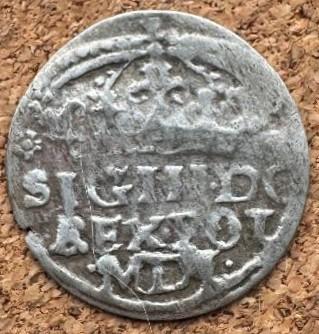
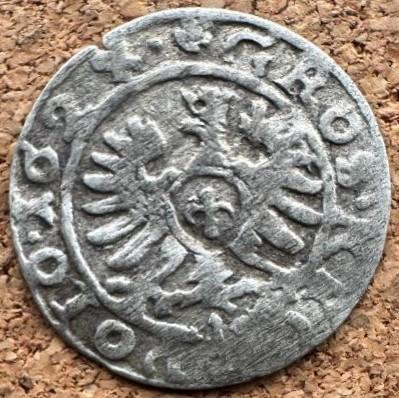
aha... Another interesting find amongst the Hammered coins, a 1 Groschen (1 Grosz) 1624 its Polish–Lithuanian King Sigismund III Vasa silver , 👍
-
- 1
-

-
 Andybb joined the community
 - Yesterday
-
No, l want to skim them at ducklings and hopefully bring home some meat. Still though, how did you guess l was trying to do evil? By the way, do you feel it's moral and welcoming to straight up ask someone if they are evil and / or dumb? Most importantly: Any answers to my actual questions? This is a new forum for me but l'm hoping it doesn't devolve into bored regulars vs. newbs. It always boils down to "We are just trying to HELP you (by insulting you) you IDIOT!"
-

Forum loads vee. e. .. ery slow ..ow ..ly.
Peckris 2 replied to ColdHands's topic in Forum technical help and support
-
Just out of interest, are you going to attempt to convince HMRC that (for instance) an 1847 proof gothic crown is only worth 25p for CGT purposes because it's legal tender and you could use it in Tesco to buy a couple of spuds?
-
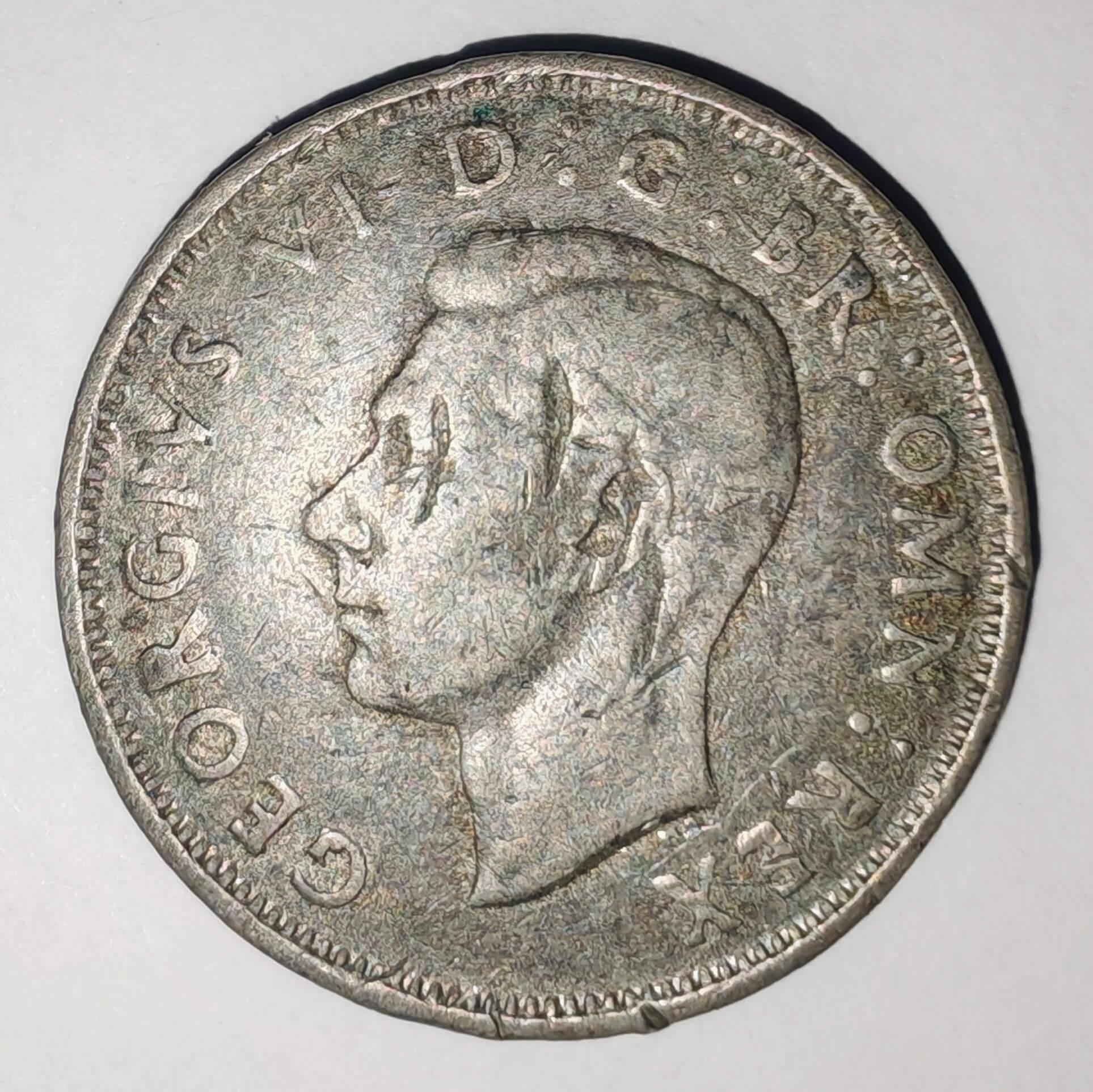
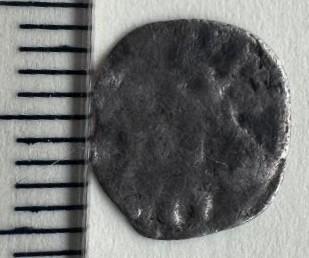
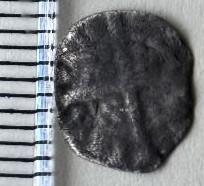
That's as far as I go I can tell that its long cross, hammered and possibly a Edward. It weighs 0.194 and in the pictures its measured in mm. could it be a farthing? to rubbed to identify? any input welcome 🙏
-
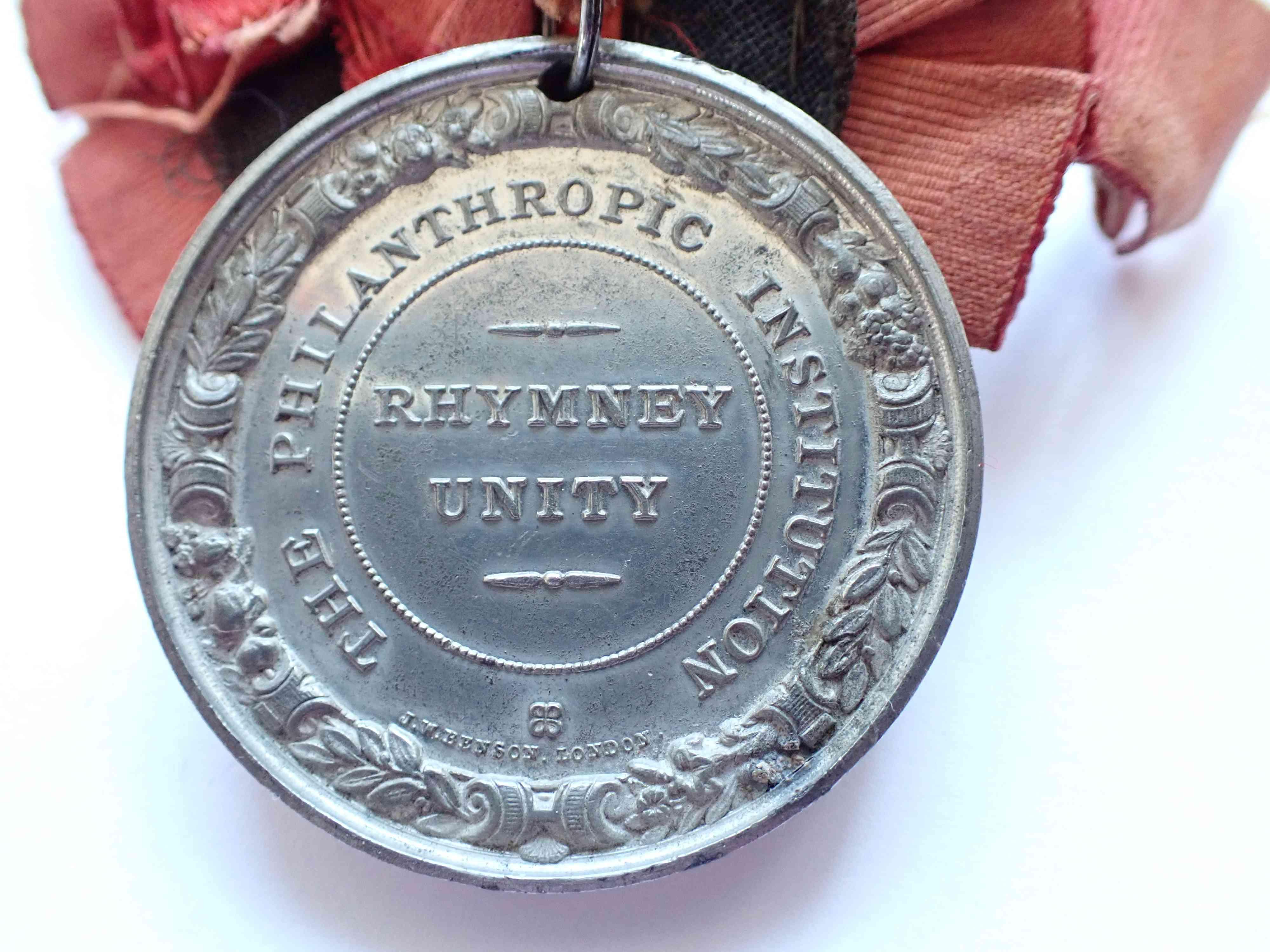
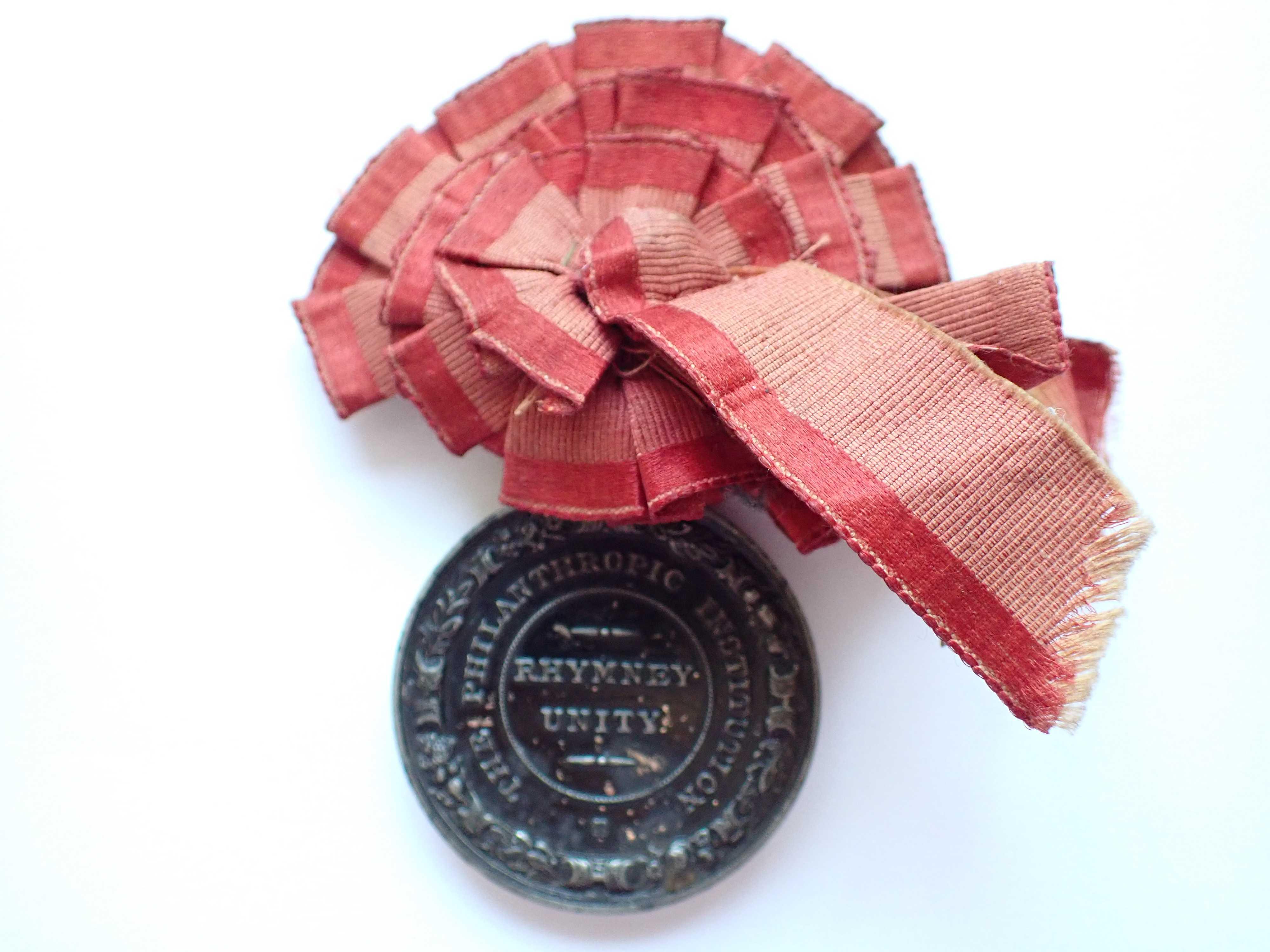
 Hi Here is a medal with a connected rosette that I bought on eBay a few weeks ago. Weighs 34gms, diameter 44mm, thickness 5mm. Not silver. Not named. My grandfather was born and grew up in Rhymney, South Wales, which when he was young was a busy coal mining village. It was minted by J.W. BENSON London, so the medal could be 100 to 150 years old. ??? I have not been able to find a similar medal. All I can find is that this type of medal could be given following an act of bravery or good deed by for example a friendly society. I am interested in the social history of the area so can anyone add anything? Many thanks Alan
 -
Not entirely. If the coin is sufficiently rare, they will fake an apparently well worn/used coin with patina to fool the collectors. Classic example is the 1850 Shilling, which is mega rare. A few years back a Chinese seller was touting a load of them at £10 each. All appeared well worn and convincing, each substantially different. This seller made it clear they were copies, but the unscrupulous could buy one and pass it off as genuine. On Ebay, the history of the seller is the most important factor, as you have pointed out before. In other auctions, for rare coins ask the auction house for provenance, and view even that with a jaundiced eye. There are now many coins in private collections that are fake because the collector was conned when he/she bought it. As they all say: "If it seems too good to be true, it probably is".
- Last week
-
Not moved far have you LOL
-
 geza75 joined the community
 -

Forum loads vee. e. .. ery slow ..ow ..ly.
Chris Perkins replied to ColdHands's topic in Forum technical help and support
Yes, it does seem to be normal speed again. He (host) turned it off and on again!