All Activity
- Today
-
Absolute classic! 🙌
-
Love that book and film.
-
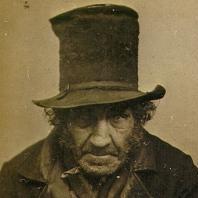
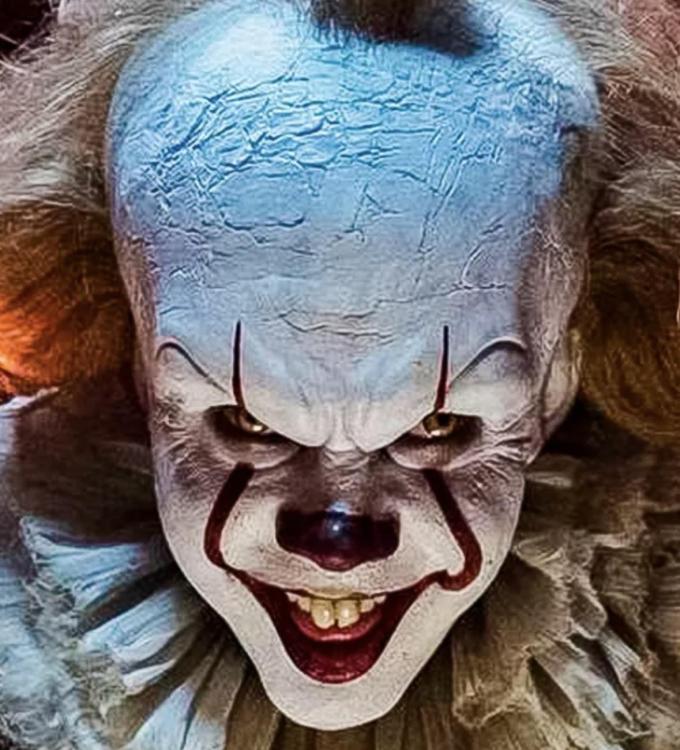
Phew, thank goodness you don’t, this fella may have been a little too much for you!
-
No, not at all. It's all my fault.
-
I thought I had a rival............
-
https://headsntails14.wordpress.com/ Ah. I got the name wrong, didn't I !
- Yesterday
-
Could you give me link please.
-
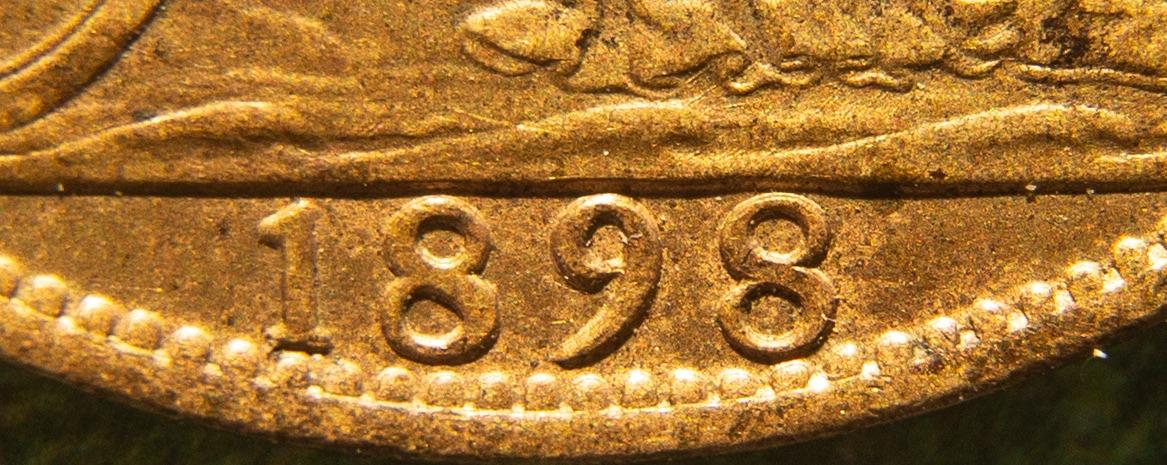
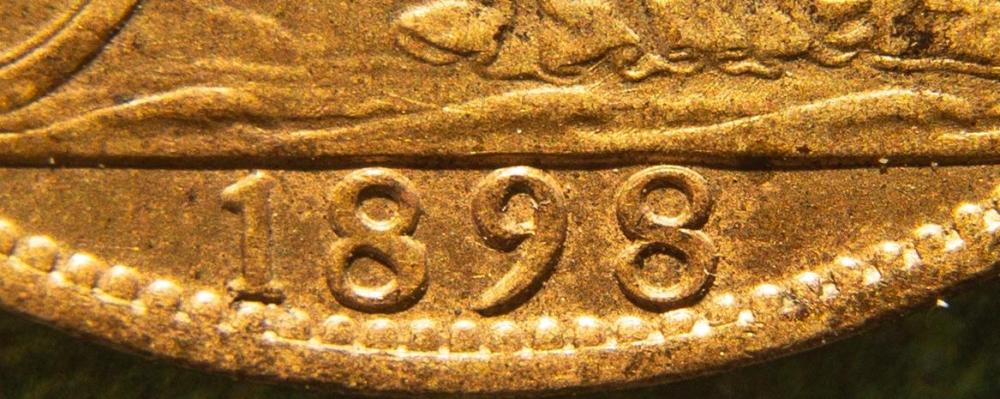
That picture is much clearer and yes Gouby BP1898 Ba
-
Thanks. I did look at the Pennywise site before, but I never thought I would encounter any of the varieties mentioned and did not look too closely at my coins. It will take me a long time to digest all this information. The Pennywise site is very interesting and highlights so much information throughout all the years. I would go with the Ba, but what do I know? Well, more than yesterday.
-
Take a look at: https://headsntails14.wordpress.com/victoria-bronze-reverses/
-
I think that's a Gouby Ba narrower date type as Ian [ alfnail ] says . Terry
-
Here is a better image og the date. I can now see that the second number 8 is different from the first.
-
Wow. I had no idea. Thank you both, that is very interesting. I looked it up in the Freemans book and thought it was an F149 1 + B. I have only just stared to investigate all of the variants and I have a lot to learn. That's OK because that is what it is all about.
-
I concur. As you might guess, I do like Victorian silver (certainly including shillings) but have no real interest in die numbers or "micro-varietals" for that matter. Nothing against those that do, and more power to them. Now, some die numbers and their associations do interest me - like the DRITTANIAR issues of 6d that went to Cyprus & die number 6,etc.
-
Yes, this coin is superior to all that I have seen, regardless. It went MS 63PL and is the only prooflike YH verified at either major TPG. Some other specimens are verging on it, but just not quite there. I will tr to post some pictures, but am having trouble at the moment. (still!).
-
Although a better picture would be good, i think its Ca which is rarer still. Good investment " for a few pounds " king Kenny" 👍
-
I have been looking at Rod Blunt for some time, the link you attached has directed me further on the web page, how did I miss this? Doh, Many Many Thanks Im indebted to you. 👍
-
Did you know it's the 'bisect lines' 2nd numeral 8? Gouby marks as RARE in his latest pages. Looks like a Ba.
- Last week
-
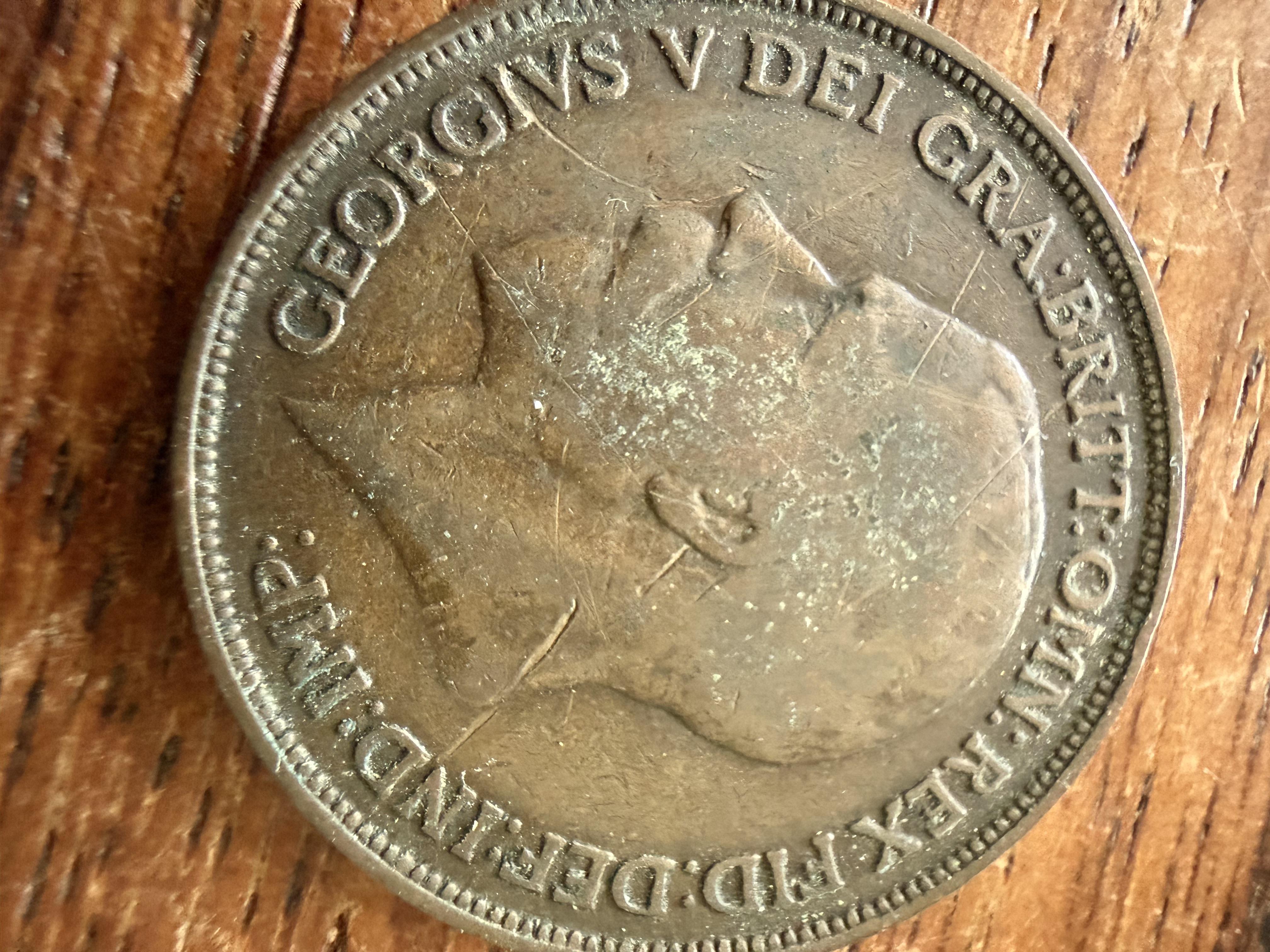
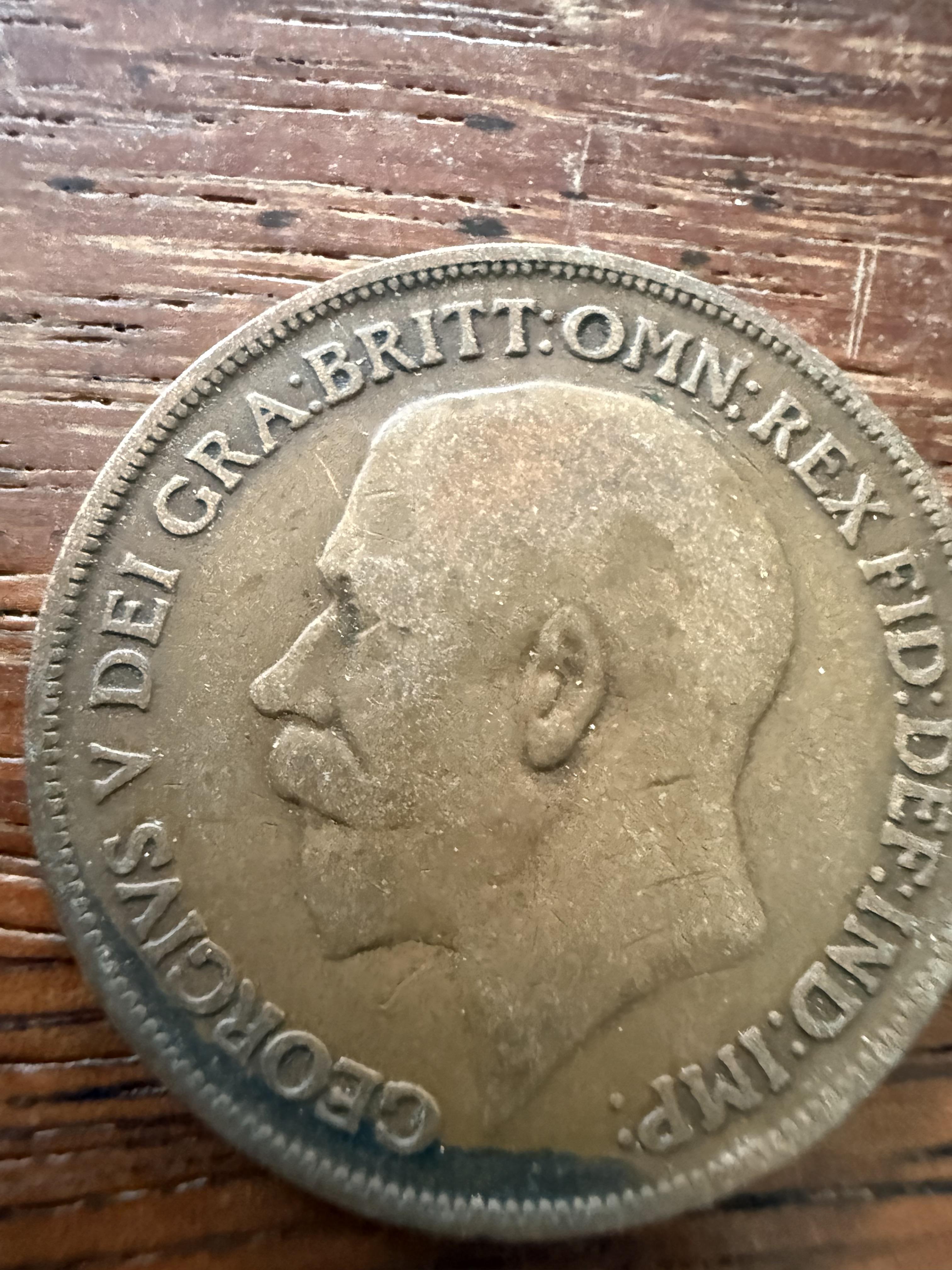
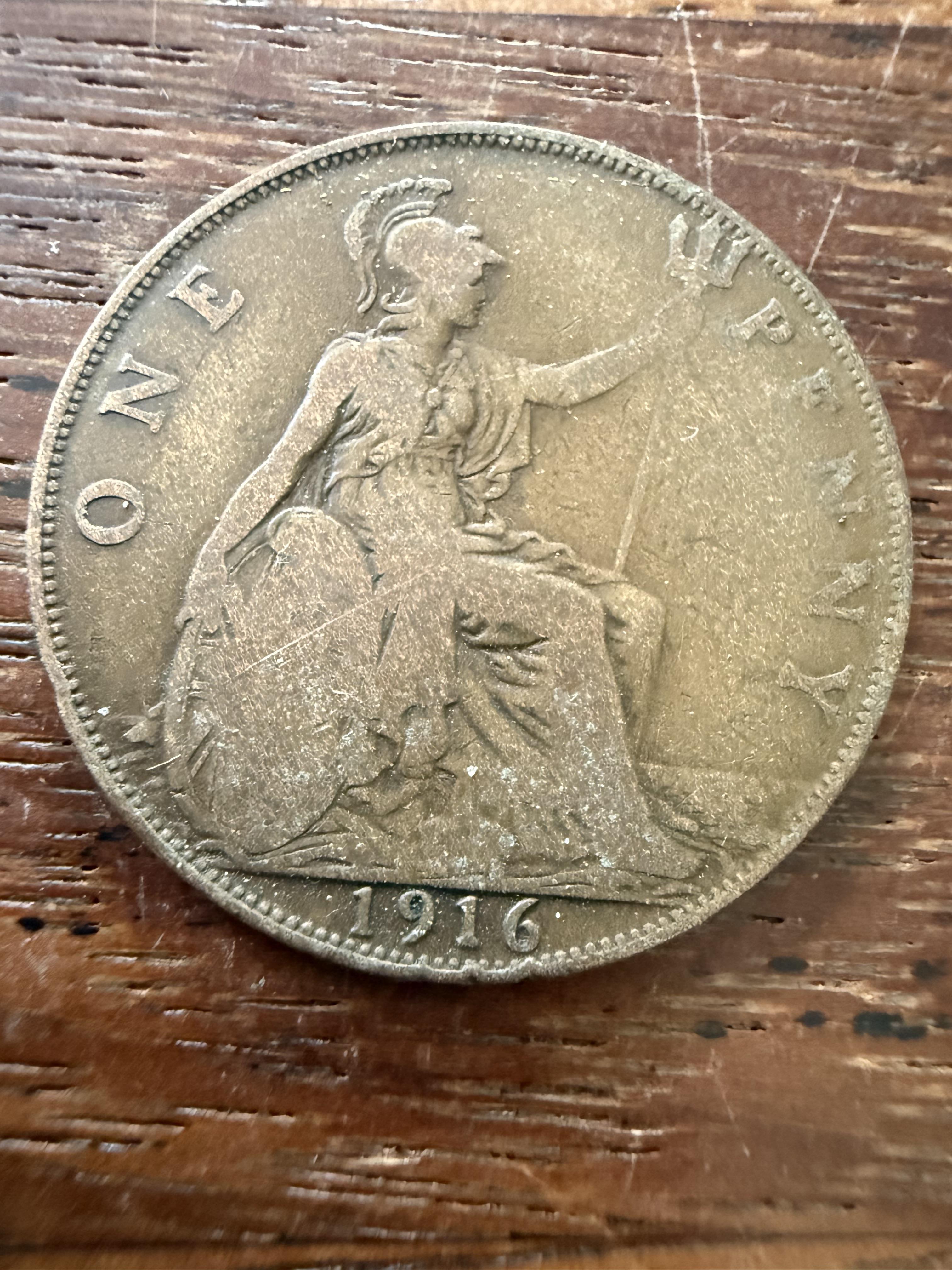
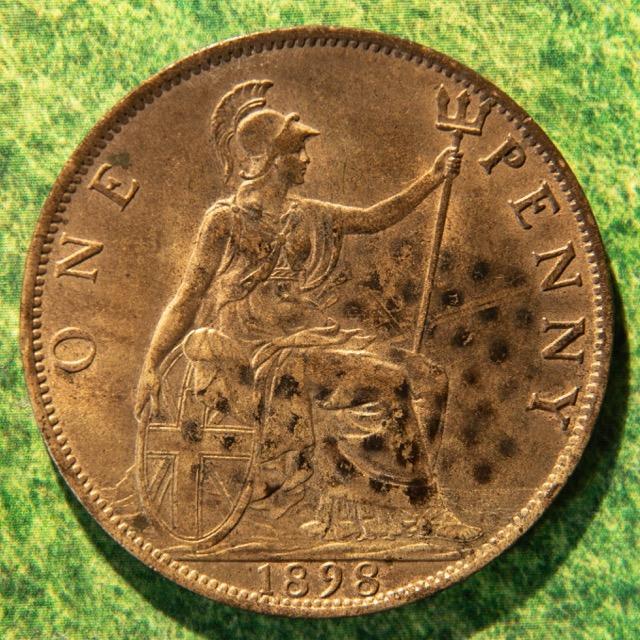
When I started working in 1974 I could afford to buy a few pennies from one of the mail order coin dealers. In those days you did not get a nice colour photograph of the coin you wished to buy, but rather just a brief description on a typed list. I bought this penny for a few pounds. I was a little disappointed when it arrived because of the black spots on an otherwise good looking coin. I was, and still am puzzled as to what caused these marks. The uniform pattern looks like marks left from a pierced metal tray
-
-
 Sjs joined the community
 -
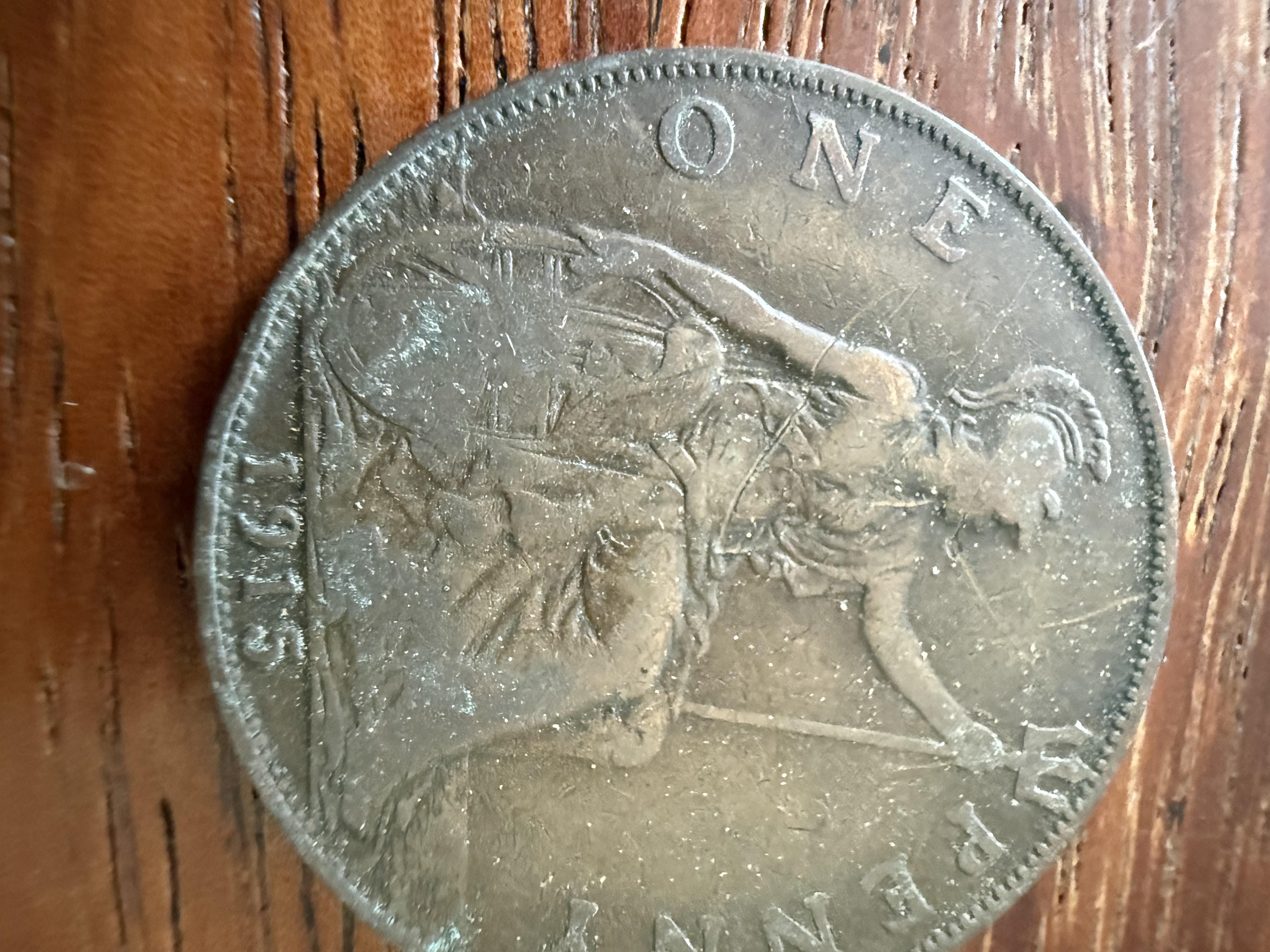
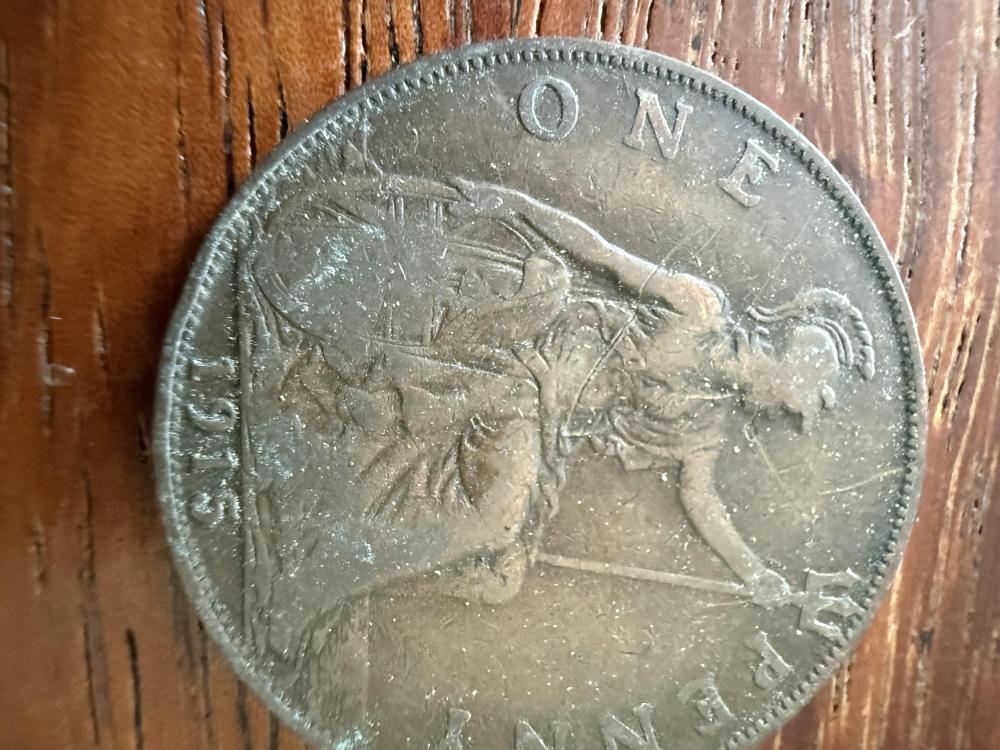
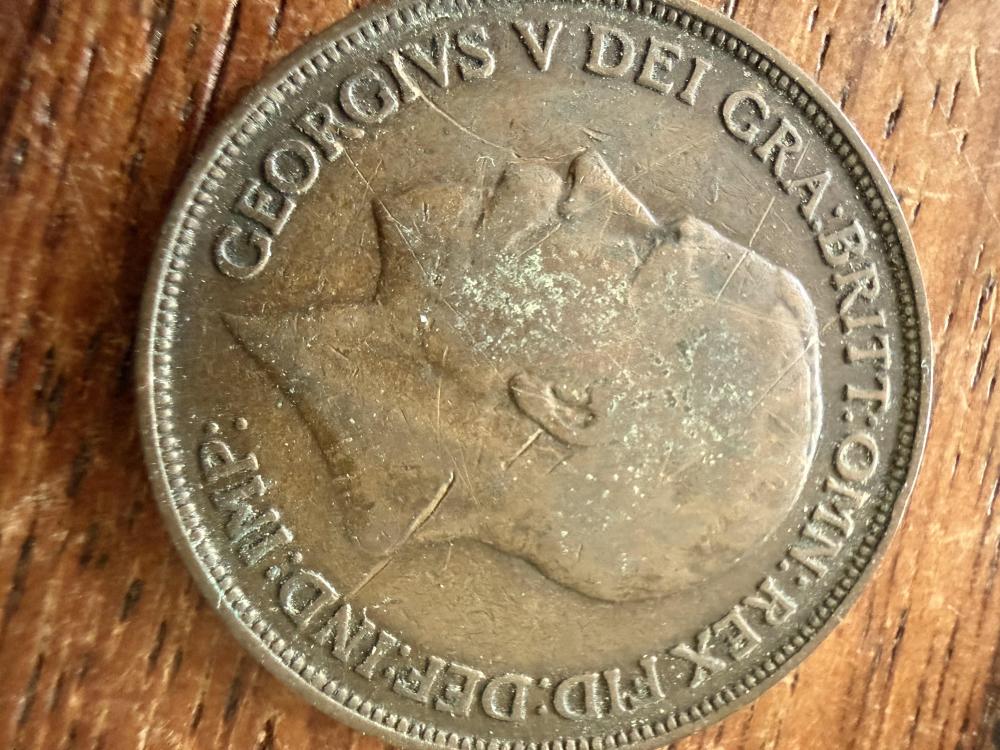
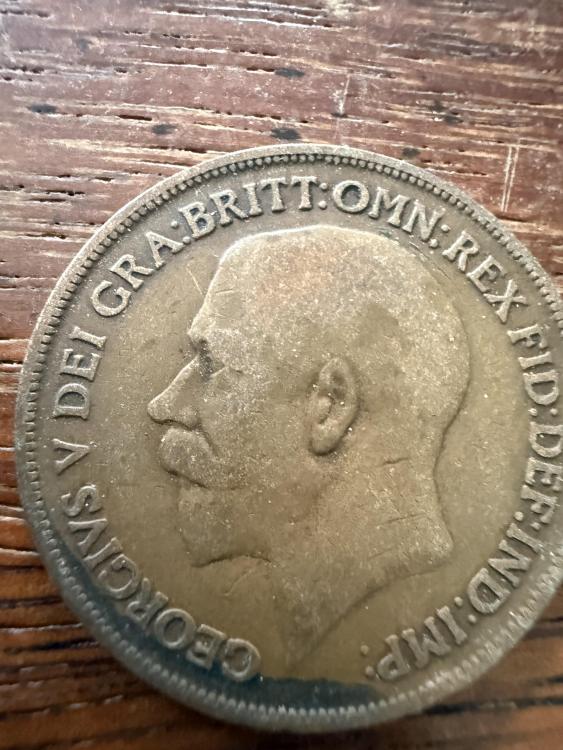
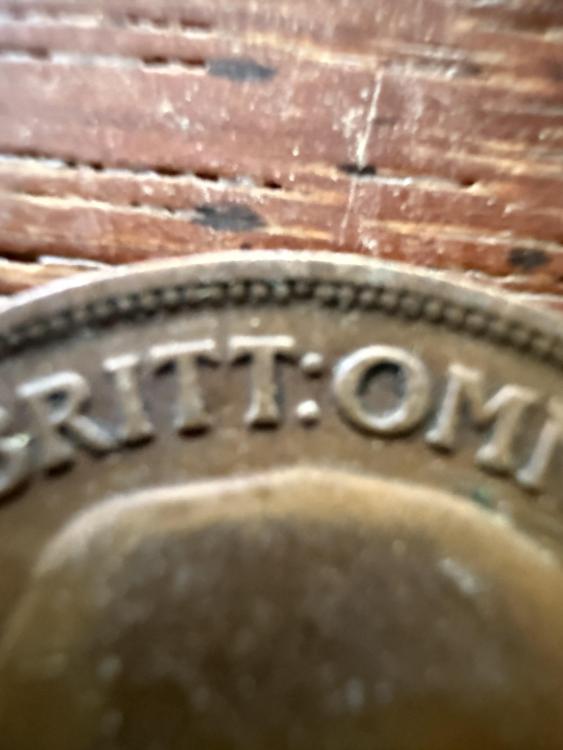
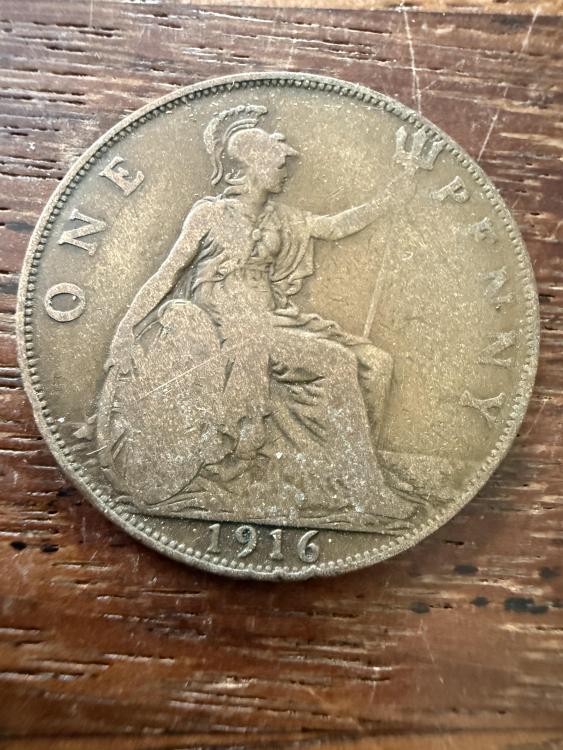
Hi I have a 1915 with broken tooth and a 1916 without yet studying ear identifying for valuation. appreciate feedback SJ
-
Hello and welcome. Ive been here only a short while but learnt loads, its a great place to be 👍
-
Thanks for all the kind words. @Paddy I've never actually bought a bulk lot of coins, and I'm thinking it's something I need to experience! Doing your hunting at someone's shop you don't risk being saddled with stuff you don't want, but perhaps I'm playing things a bit too safe. @Peckris 2 I have a comparable tale from much earlier this year. I was at one of my local antiques centres where I'd been rummaging the lower grade pennies for a while, finding very little. I moved on to some of the other offerings and gathered together a nice little group. Before I left I thought I'd dip my hand in the pennies one more time, and out came a 1951. You can't beat that moment of disbelief!
-
 Hill joined the community
 -
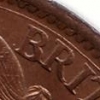 143 is correct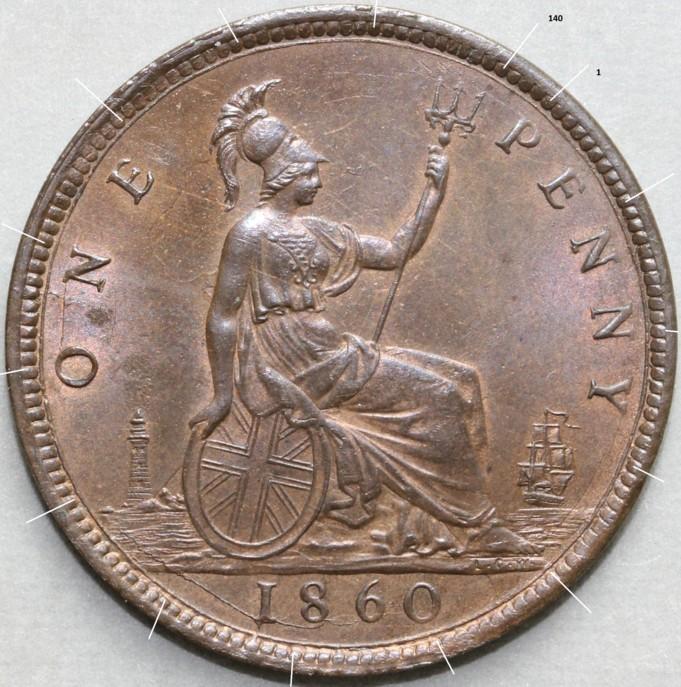
-
 murpheus joined the community
 -
 @secret santa On my coin I'm consistently counting over the 138 tooth count listed on the website for Freeman Reverse E. I read the following; THE 1860 BRONZE RECOINAGE OF PENNIES PAUL M. HOLLAND "The reverse D´ type has only been found paired with obverse 3, and is without the ‘rock line’, but having the sea strongly re-cut both near the shield and at Britannia’s foot. Roughly half of obverse 3 pennies have this reverse and the others reverse D*, except for a few with the rare ‘LCW below foot’ reverse E type. The 1860 LCW below foot type reverse E (Peck reverse D, Freeman E, Gouby e) has 143 border teeth and exhibits a strongly patterned sea very similar to that of reverse D´. It is only found paired with obverse 3 and appears to have been a failed experiment, with most examples exhibiting multiple reverse die cracks. Circulated reverse E coins also show that the lap of Britannia is quickly worn away, suggesting significant problems with die relief. A survey of more than twenty examples of ‘LCW below foot’ pennies shows that nearly all of them exhibit die cracks on the reverse, with at least four different reverse working dies known. The similarity of the strongly patterned sea between reverses D´ and E, coupled with the observation that reverse D´ has so far only been found paired with obverse 3, suggests a scenario where reverse D´ probably preceded the failed reverse E experiment, and then both reverses were abandoned" It must be a typo because the coin imaged as reverse E on the website site also has 143 tooth count. Ahd the Freeman book I have doesn't list the tooth count for Reverse E.