
alfnail
-
Posts
806 -
Joined
-
Last visited
-
Days Won
87
Content Type
Profiles
Forums
Events
Downloads
Store
Gallery
Articles
Everything posted by alfnail
-
There was an 1890Aa (dropped 90) sold on ebay in February 2013 as a Buy it Now, for around £30 from memory. Wasn't listed as that type though. I actually advised someone else about it and think he purchased as a result. I wasn't into the date width variations at that time...….still not really...unless very peculiar. I bet that Rob is enjoying this thread 🤣
-
Thought this 1890 at auction today looked a bit different to any I have seen before, with higher rotated numeral 9. Was a bit tempted to have a bid but then realised it was Stacks Bowers and last item I bought from them (for $110) I had to pay an additional $60 shipping + $35 Wire Fee

-
 Thanks Pete, no coins for me, but unexpectedly they have a banknote I want.
 -
Hi Mike, Wish I had known you wanted one. I have a spare copy in better condition than the one which was on ebay which I could have let you have for not much more. Looking for £100 inc. postage for mine, but would have done for a little less for you

-
Stuff to Make Us Laugh
alfnail replied to Madness's topic in Nothing whatsoever to do with coins area!
Actual answers and spelling in a 6th form history test Ancient Egypt was inhabited by mummies and they all wrote in hydraulics. They lived in the Sarah Dessert. The climate of the Sarah is such that the inhabitants have to live elsewhere. Moses led the Hebrew slaves to the Red Sea, where they made unleavened bread, which is bread made without any ingredients. Moses went up on Mount Cyanide to get the ten commandments. He died before he ever reached Canada. Solomom had three hundred wives and seven hundred porcupines. The Greeks were a highly sculptured people, and without them we wouldn't have history The Greeks also had myths. A myth is a female moth. Socrates was a famous Greek teacher who went around giving people advice. They killed him. Socrates died from an overdose of wedlock. After his death, his career suffered a dramatic decline. In the Olympic games, Greeks ran races, jumped, hurled biscuits, and threw the java. Julius Caesar extinguished himself on the battlefields of Gaul. The Ides of March murdered him because they thought he was going to be made king. Dying, he gasped out: "Tee hee, Brutus." Joan of Arc was burnt to a steak and was canonized by Bernard Shaw. Queen Elizabeth was the "Virgin Queen." As a queen she was a success. When she exposed herself before her troops they all shouted "hurrah." It was an age of great inventions and discoveries. Gutenberg invented removable type and the Bible. Another important invention was the circulation of blood. Sir Walter Raleigh is a historical figure because he invented cigarettes and started smoking. Sir Fransis Drake circumsized the world with a 100-foot clipper. Writing at the same time as Shakespeare was Miguel Cervantes. He wrote Donkey Hote. The next great author was John Milton. Milton wrote Paradise Lost. Then his wife died and he wrote Paradise Regained. Delegates from the original 13 states formed the Contented Congress. Thomas Jefferson, a Virgin, and Benjamin Franklin were two singers of the Declaration of Independence. Franklin discovered electricity by rubbing two cats backwards and declared, "A horse divided against itself cannot stand." Abraham Lincoln freed the slaves by signing the Emasculation Proclamation. On the night of April 14, 1865, Lincoln went to the theater and got shot in his seat by one of the actors in a moving picture show. They believe the assinator was John Wilkes Booth a supposingly insane actor. This ruined Booth's career. Johann Bach wrote a great many musical compositions and had a large number of children. In between he practiced on an old spinster which he kept up in his attic. Bach was the most famous composer in the world and so was Handel. Handel was half German half Italian and half English. Beethoven wrote music even though he was deaf. He was so deaf he wrote loud music. He took long walks in the forest even when everyone was calling for him. The nineteenth century was a time of a great many thoughts and inventions. People stopped reproducing by hand and started reproducing by machine. The invention of the steamboat caused a network of rivers to spring up. Cyrus McCormick invented the McCormick raper, which did the work of a hundred men. Louis Pasteur discovered a cure for rabbis. Charles Darwin was a naturalist who wrote the Organ of the Species. Madman Curie discovered radio. And Karl Marx became one of the Marx Brothers. -
Stuff to Make Us Laugh
alfnail replied to Madness's topic in Nothing whatsoever to do with coins area!
-
Penny Acquisition of the week
alfnail replied to Paulus's topic in British Coin Related Discussions & Enquiries
I was also watching that one Pete. Seller made me an offer through ebay because I was watching. He asked for £75, but I don't need as have better example. May be a useful purchase for someone for that price, or perhaps even a few £ less. -
Stuff to Make Us Laugh
alfnail replied to Madness's topic in Nothing whatsoever to do with coins area!

-
Penny Acquisition of the week
alfnail replied to Paulus's topic in British Coin Related Discussions & Enquiries
Looks like it's got that tiny protrusion top left as well Richard -
Penny Acquisition of the week
alfnail replied to Paulus's topic in British Coin Related Discussions & Enquiries
Here's my F111 example, Gouby Kb for comparison. Clearly much easier to spot than the F114 (Ma)
-
Penny Acquisition of the week
alfnail replied to Paulus's topic in British Coin Related Discussions & Enquiries
Hi Mike, the F114 is sometimes seen with 2/1, but it is less obvious than on the F111. On Gouby Page 79, his 1882Ma, he says "The only part of the 1 that can be seen, on this example, is the small portion that sticks, centrally, half way up the 2" On more than one occasion I have also seen a tiny additional protrusion to the top left hand side of the numeral 2, which I think is most likely the top left corner of the top bar of the underneath numeral 1. I feel that this may be an even better indicator of this variety than the protrusion on the inner curve.....which always seems to be weak to the point of doubting the variety. When one considers the combination of these two tiny protrusions I think that gives increased confidence in confirming type. Here is a picture of my own specimen for illustration
-
1895 Penny variation? 5 further apart
alfnail replied to Weaver's topic in British Coin Related Discussions & Enquiries
Here's two dates on F25's, neither quite as weird as Terry's example.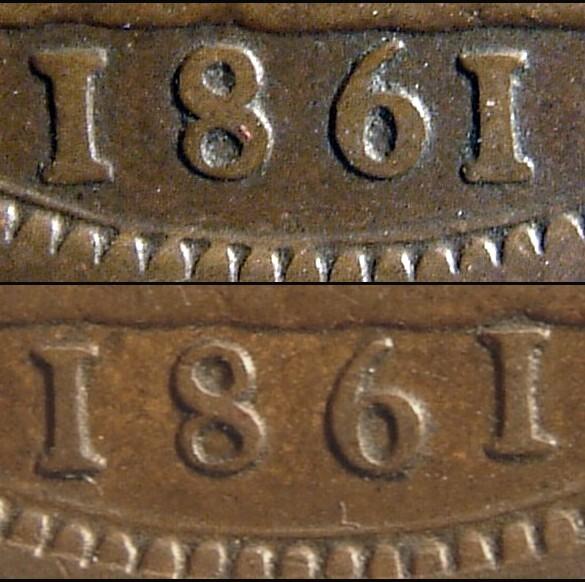
-
1895 Penny variation? 5 further apart
alfnail replied to Weaver's topic in British Coin Related Discussions & Enquiries
Excellent example Terry, and agree with you that this is extreme enough to be interesting and more desirable to collectors than most date width varieties. The 1889 Wide Date, pictured below, is another more extreme example. It is also rarer and more desirable than the 1889 Gouby B Narrow Date, which is itself quite sought after.
-
Penny Acquisition of the week
alfnail replied to Paulus's topic in British Coin Related Discussions & Enquiries
True, but the 1898 Old Head is probably worthy of a bit more discussion as the final 8 is sometimes seen with the 'bisect' font which was NEVER used on any other OH year, and ALWAYS used on Victorian BUN Head pennies...……..so to see multiple 'bisect' dies, i.e. Gouby's 1898B, and the suggested new type 1898Ba (both with this much rarer font) I think is of interest. Also, MG thought that date width variations warranted more general recording in his 2009 book, and many collectors now use that as their main point of reference. -
Penny Acquisition of the week
alfnail replied to Paulus's topic in British Coin Related Discussions & Enquiries
Bought this one on ebay in 2006, marked it up as unusual 8 and put in storage. When MG's book came out in 2009 I re-categorised as his type B and made a note that date wasn't as wide as in his book, and that I should write to him to advise. I then forgot about that until now...…………..brain's going, thank goodness for Pete!
-
Penny Acquisition of the week
alfnail replied to Paulus's topic in British Coin Related Discussions & Enquiries

-
Penny Acquisition of the week
alfnail replied to Paulus's topic in British Coin Related Discussions & Enquiries
You got some nice pieces there Jerry. Think I was the under bidder on this 1875H, which was being sold as a likely forgery...…….but it looked bona fide to me too! -
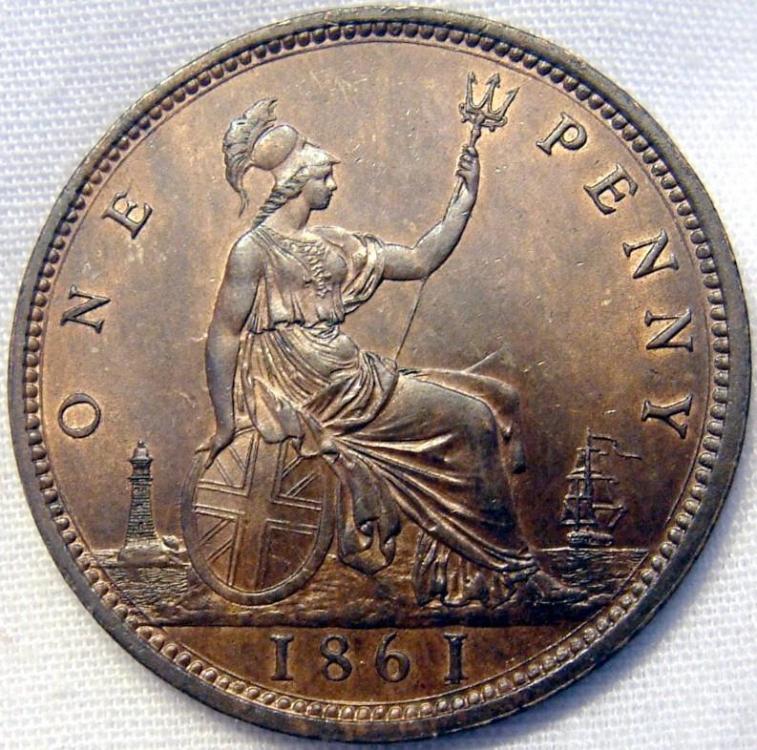
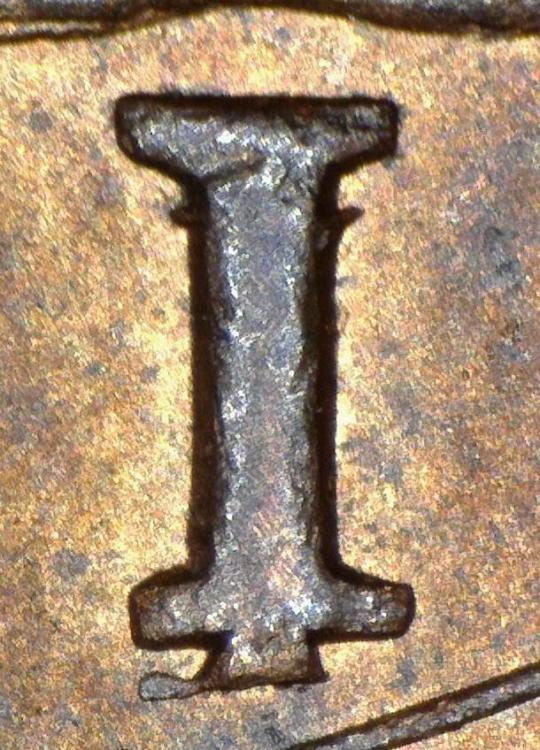
I see that you sold your 1861 F33 1/1 on ebay yesterday for what looks like a good price to me...………….and I think more than you would have achieved had it not been an overdate. Were you pleased? I found this F33 proof with similar, but not same, overdate to yours.

-
Whilst not disagreeing with Chris and Mike, I suspect that if the type which Gouby describes on his Page 42 as BP 1861 Ka (J + d) is found for sale then this would attract a premium...………….because he has documented it. This is the type with first strike to the left, which he felt worthy of giving a suffix a. Known 2+ and Best VF+. I'm also thinking that the types with 1's below and above,, which are pictured above, one could reasonably expect to find someone willing to pay a small premium, say around 20%. I also have experience of selling 1862/2's which have sold for more than I would have normally expected if they had no underneath 2.
-
Hi, I have seen that a couple of times before, also seen 1 over lower 1 on both F33 and F29. I believe there are also several examples of 'earlier' 1's to both left and right hand side My example of F33, 1 over lower 1:-
-
and 4 more pictures:-
-
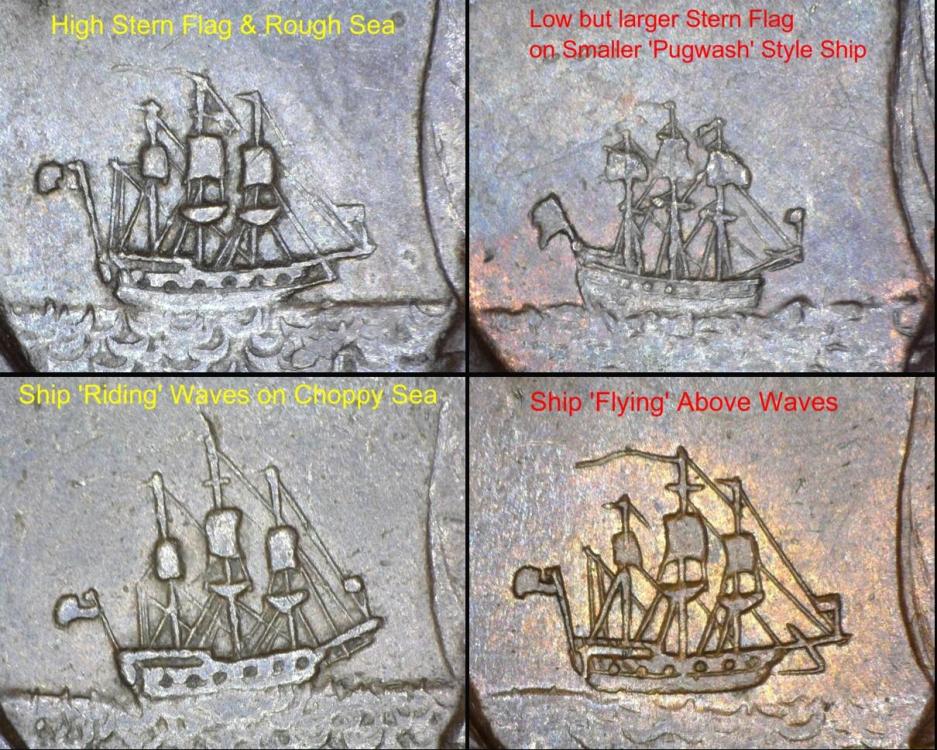
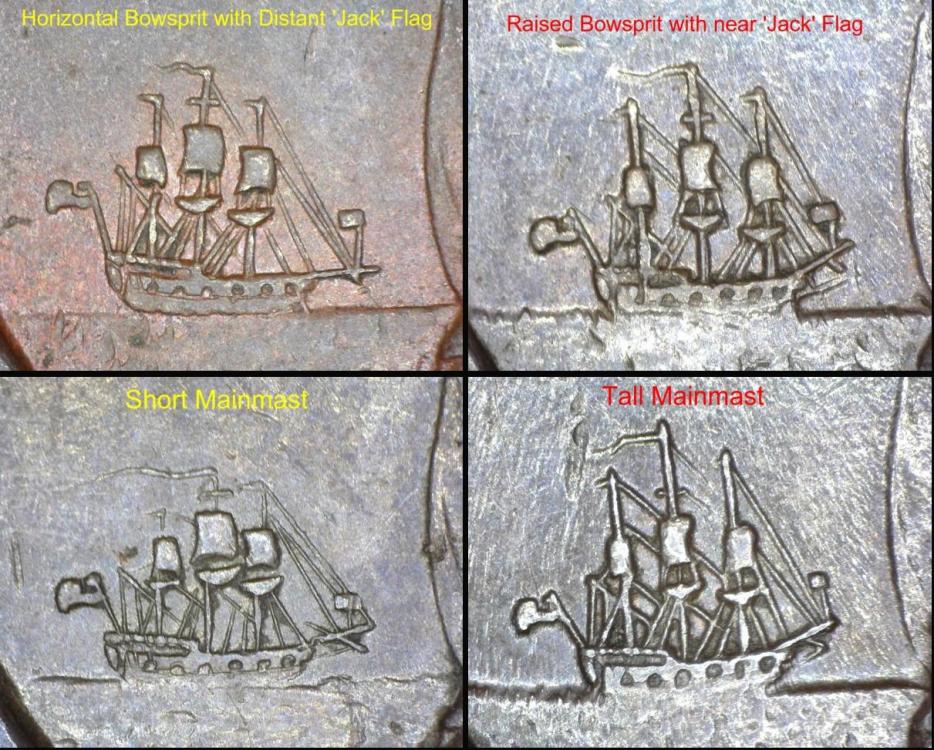
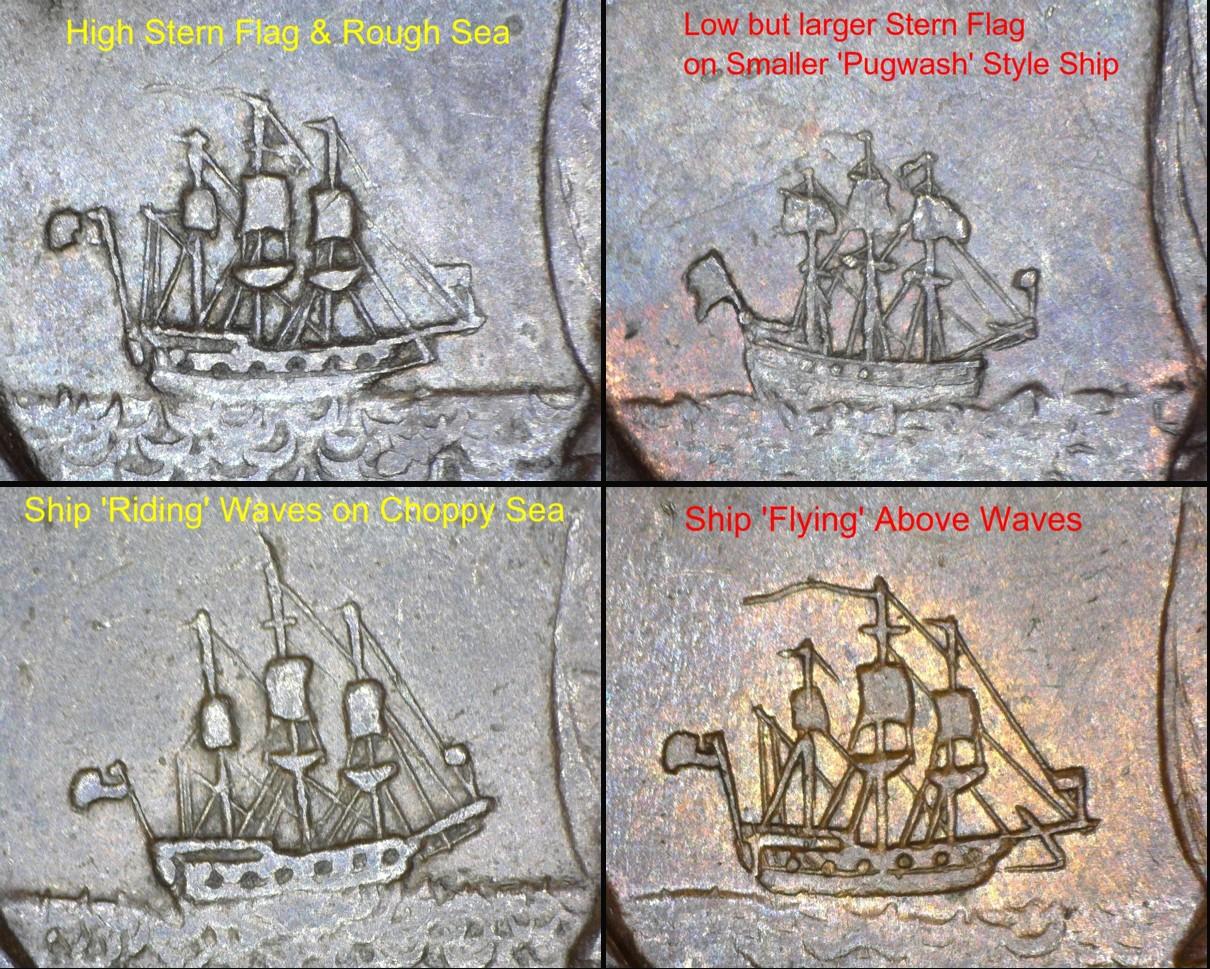
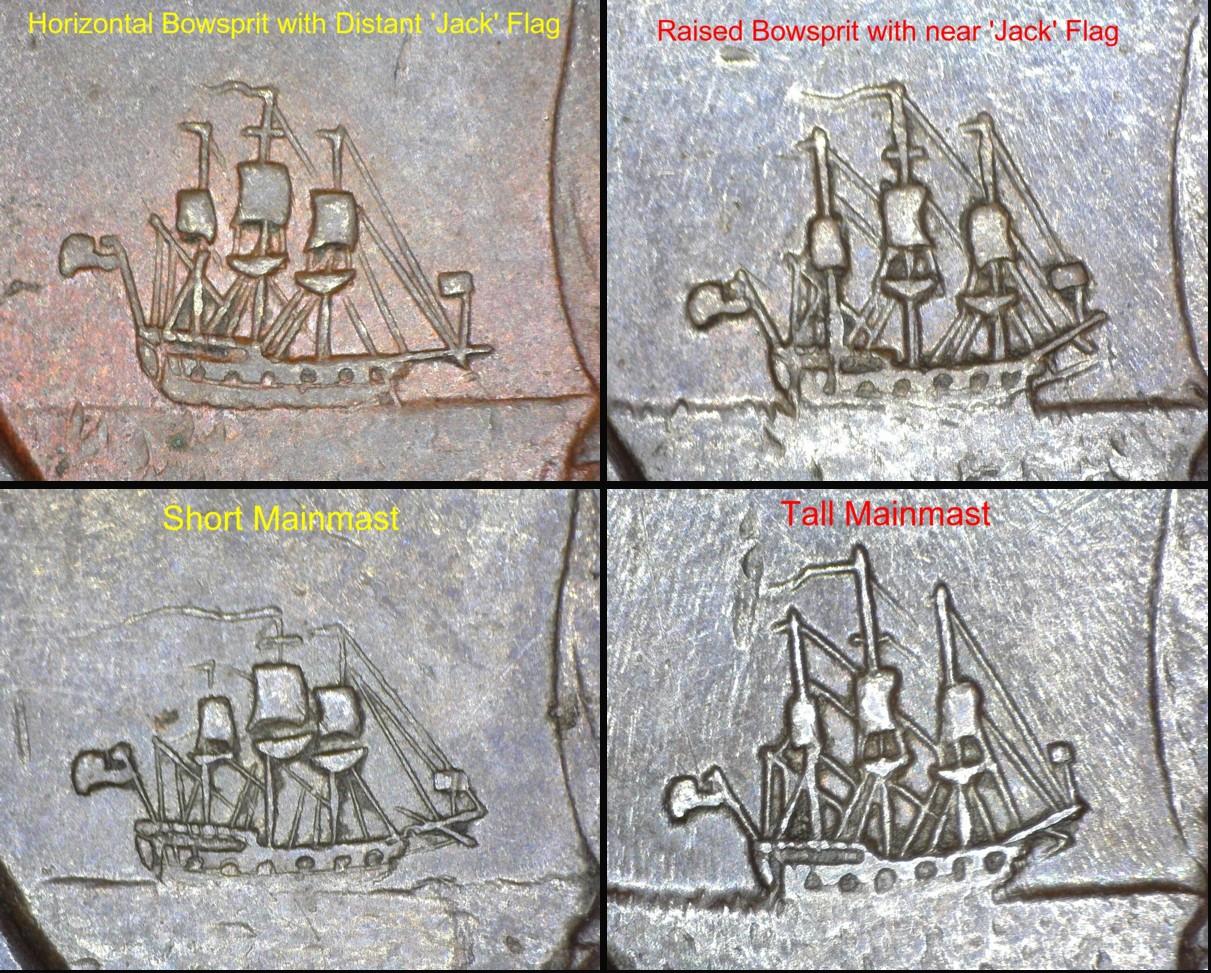
I was reminded earlier this week by a member of the forum of an exercise I did some years ago regarding the 1797 George III currency penny. I thought I would add some of those findings to the forum as some other members may also find of interest. Over the years I amassed quite a number of pieces so that I may check the variations in the ship design on the reverse. On Page 306 of Peck, with reference to the reverse paired with the 10 leaf obverse he says:- “Ship with 6 incuse gunports, and an ensign at the stern, but there are numerous variations in the design of the ship, the arrangement of the rigging, and the rendering of the sea. The waves are usually not crested with foam”. Then on Page 307, reference the reverse paired with the 11 leaf obverse he says …….“the varieties of the ship are less numerous” Once I owned a digital microscope I was able to examine these variations in more detail, and take pictures of the ship and waves on each of my pieces to the same scale. As a result I was able to log 40 different varieties of ship design on 1797 pennies which have the 10 leaf obverse, and a further 7 different ships on the 11 leaf obverse variety. No doubt there are a few additional ship designs which I did not have in my collection. My findings definitely seem to confirm what Peck documented, and I thought it may be of interest to some if I showed some of the more obvious differences in these ship and wave designs. I have scaled these pictures down to meet the 500Kb limit on forum postings, but if anyone wants full size then please PM me. I guess the die makers had some fun with this!
-
Mike, I wasn't far away from you back on 11th August 1999. I was at the castle on the head at St. Mawes. It was a beautiful clear day on 10th August so a pity it clouded over on the 11th, but it was nevertheless quite an experience.....especially listening to the birds rushing back up the estuary to roost in the middle of the day! As far as 12th August 2026 is concerned, if you are not shooting grouse, then I would suggest Palma Majorca (or nearby) may be a better option than Iceland. It will be a total eclipse, albeit not for very long, and you can have a G&T whilst watching early evening before dinner......very civilised. The 2nd August 2027 (my wedding anniversary) could be even better in Southern Spain. Easy flights to Malaga and I reckon there's no better place to be than the Parador at Ronda, brilliant place with excellent views...……. not on the central eclipse line but still just over a minute of totality.
-
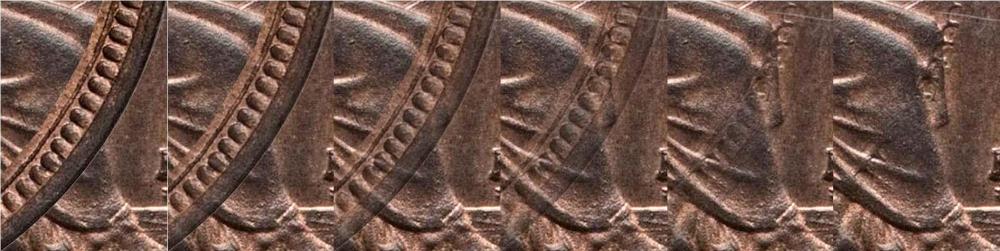
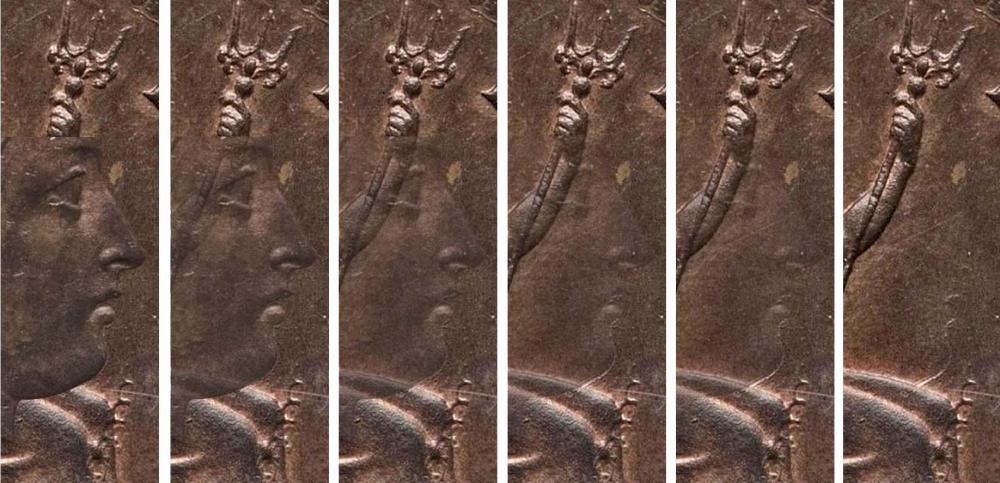
-
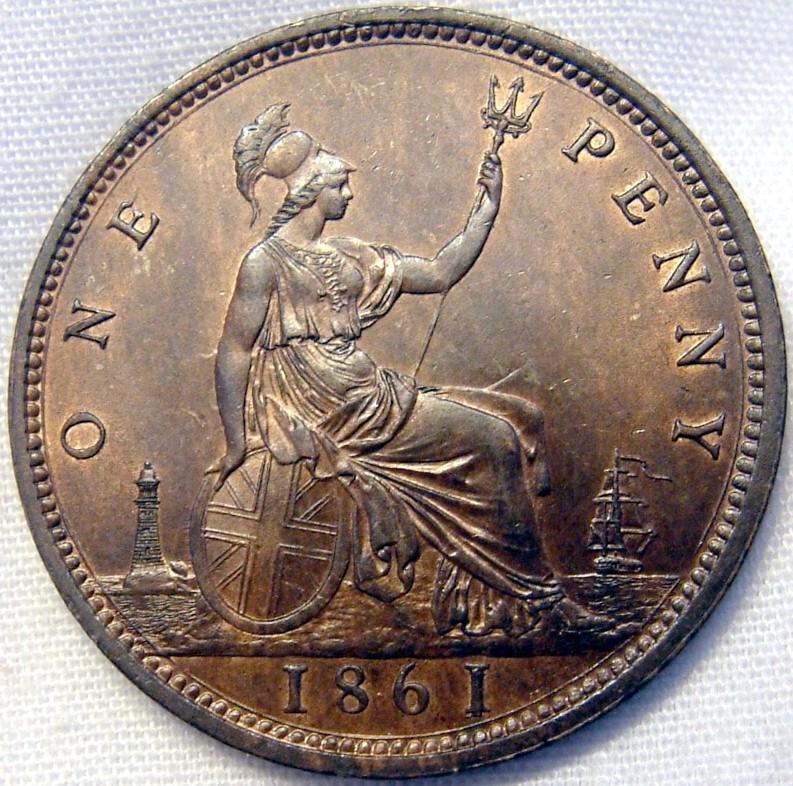
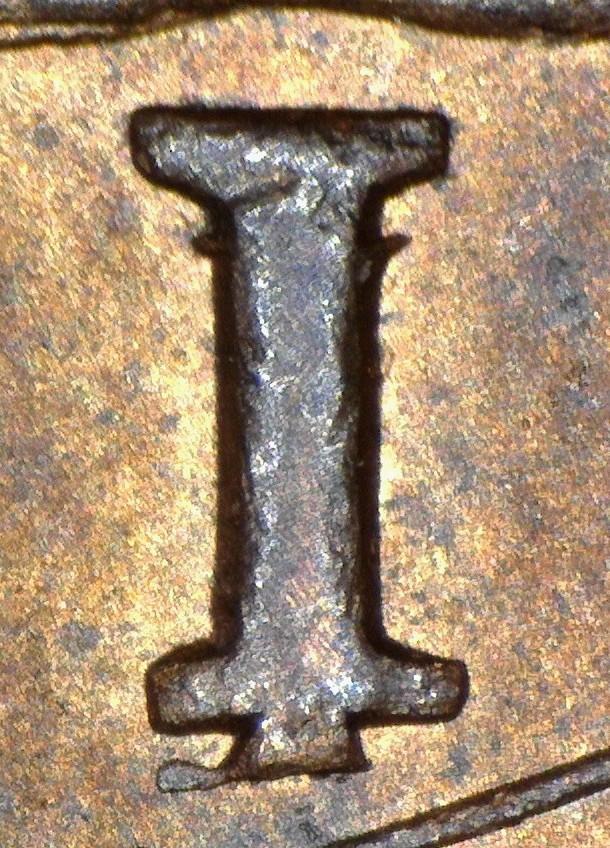
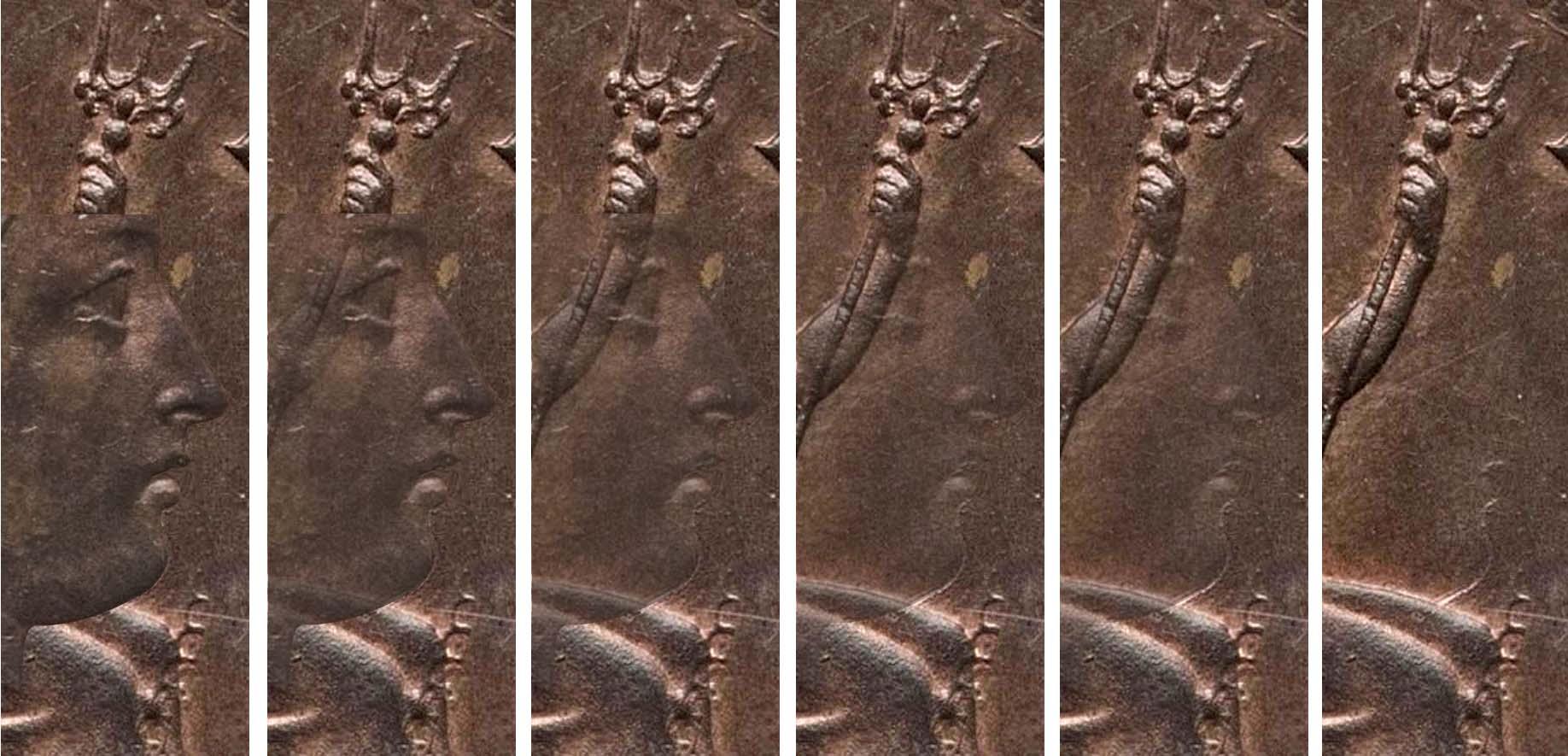
The border teeth die clashes do sometimes appear in some unusual places. I have found the one pictured below on two 1860 F16 pieces in exactly the same location. I have used the gradual transparency technique in the second set of pictures to demonstrate the clash.
ReverseTeethGaps.thumb.jpg.e0effe7f390f6c1cb5076312fbbb9325.jpg)






ReverseTeethGaps.jpg.1ddaa14a02ad504f0009c0c884489c00.jpg)