alfnail
-
Posts
792 -
Joined
-
Last visited
-
Days Won
84
Content Type
Profiles
Forums
Events
Downloads
Store
Gallery
Articles
Everything posted by alfnail
-
1848 penny, over date identification
alfnail replied to Ianb26's topic in British Coin Related Discussions & Enquiries
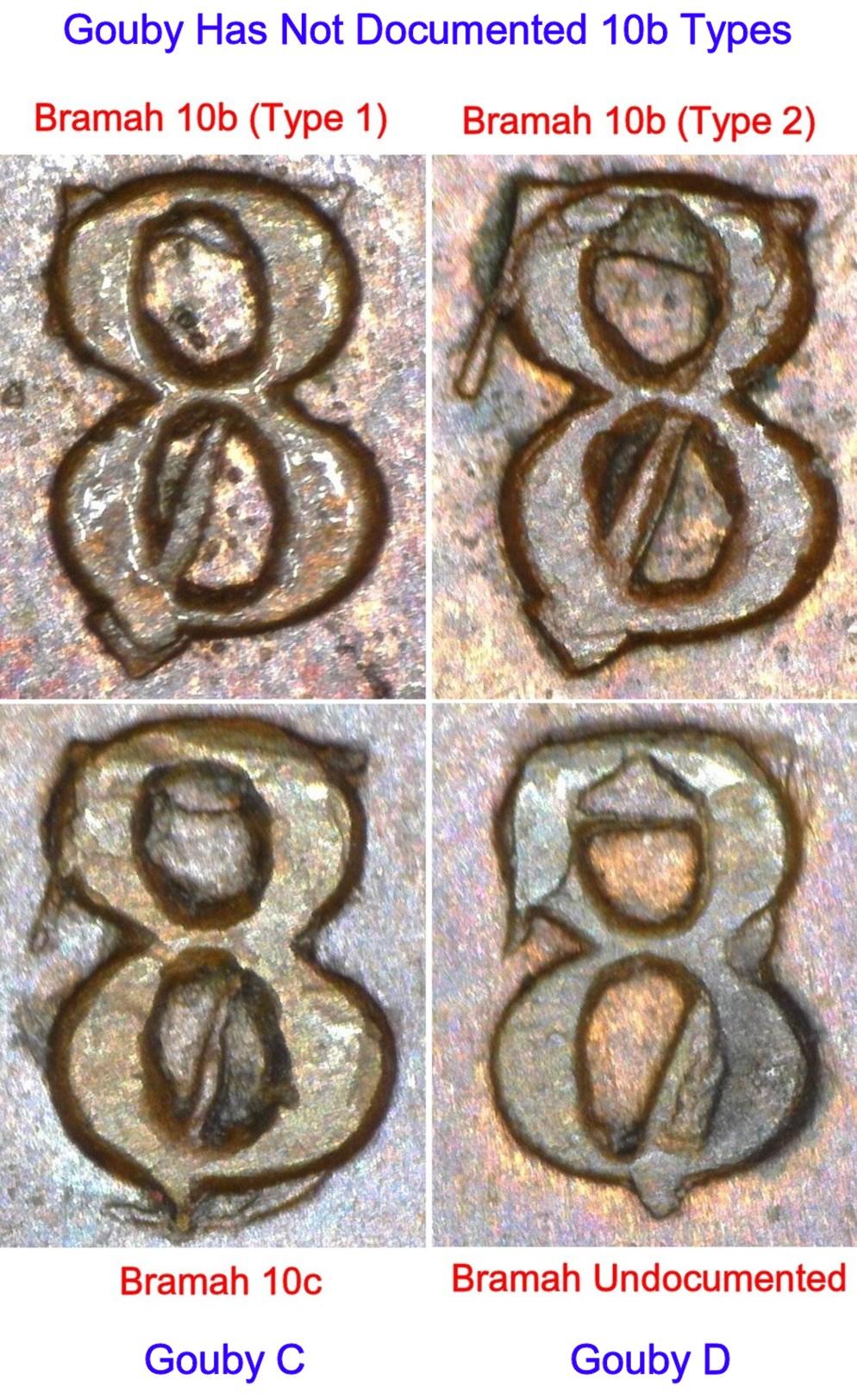
In my experience there are 4 different obverse dies which have been altered to 1848/7. These are illustrated in the pictures below. Whilst Bramah does not have any pictures to illustrate his type 10b, he says the following in his 1929 book:- "The die has been altered from 1847. The 7 shows very plainly beneath the 8, its up-stroke dividing the lower loop of 8 into two unequal parts, that on the left being much the smaller." Interestingly, I have found two different obverse dies which fit Bramah's 10b description. These are the top two pictures shown below. Surprisingly, these Bramah 10b types do not appear on Gouby’s website. Bramah 10c / Gouby C (bottom left) is probably the most common of the 8/7’s Gouby D (bottom right), with the 7 at back of bottom loop of the 8, I think is the rarest type……and probably why Bramah has missed this variety. Gouby Ca and Cb are doubled examples of his variety C I believe his Da is simply a worn example of his type D. He actually remarks upon this himself i.e. "Possibly a worn version of D !?" If anyone wishes to see additional detailed legend pictures to support any of the above then please feel free to contact me.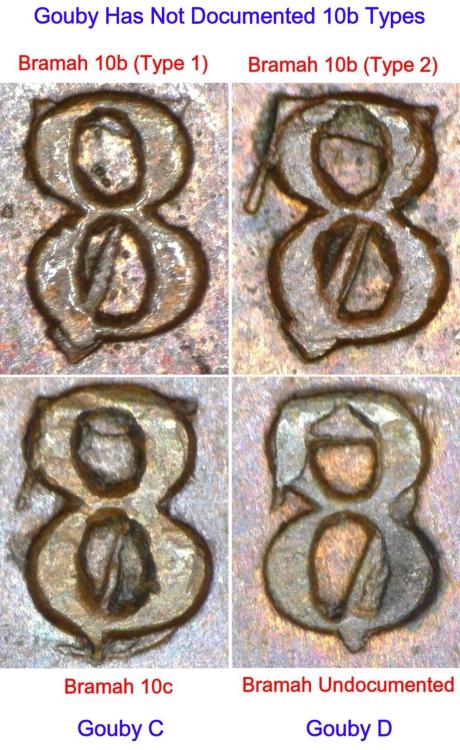
-
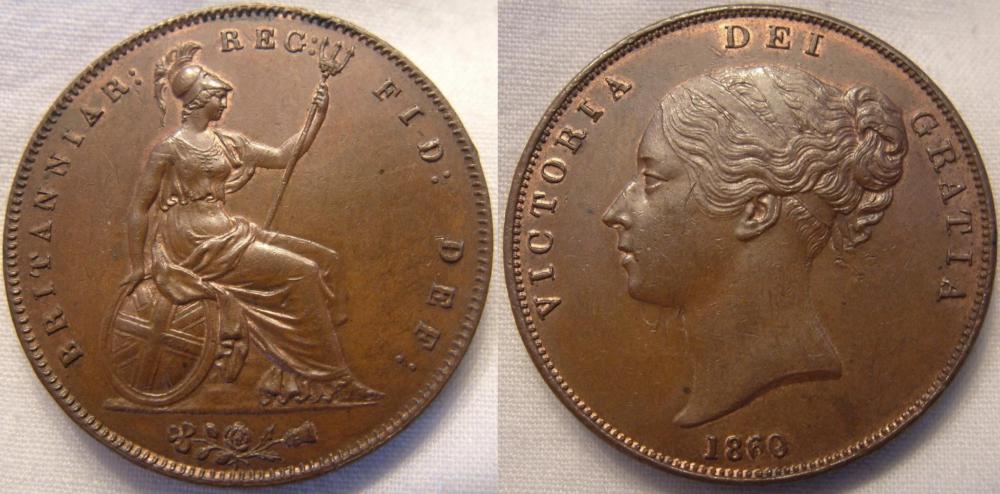
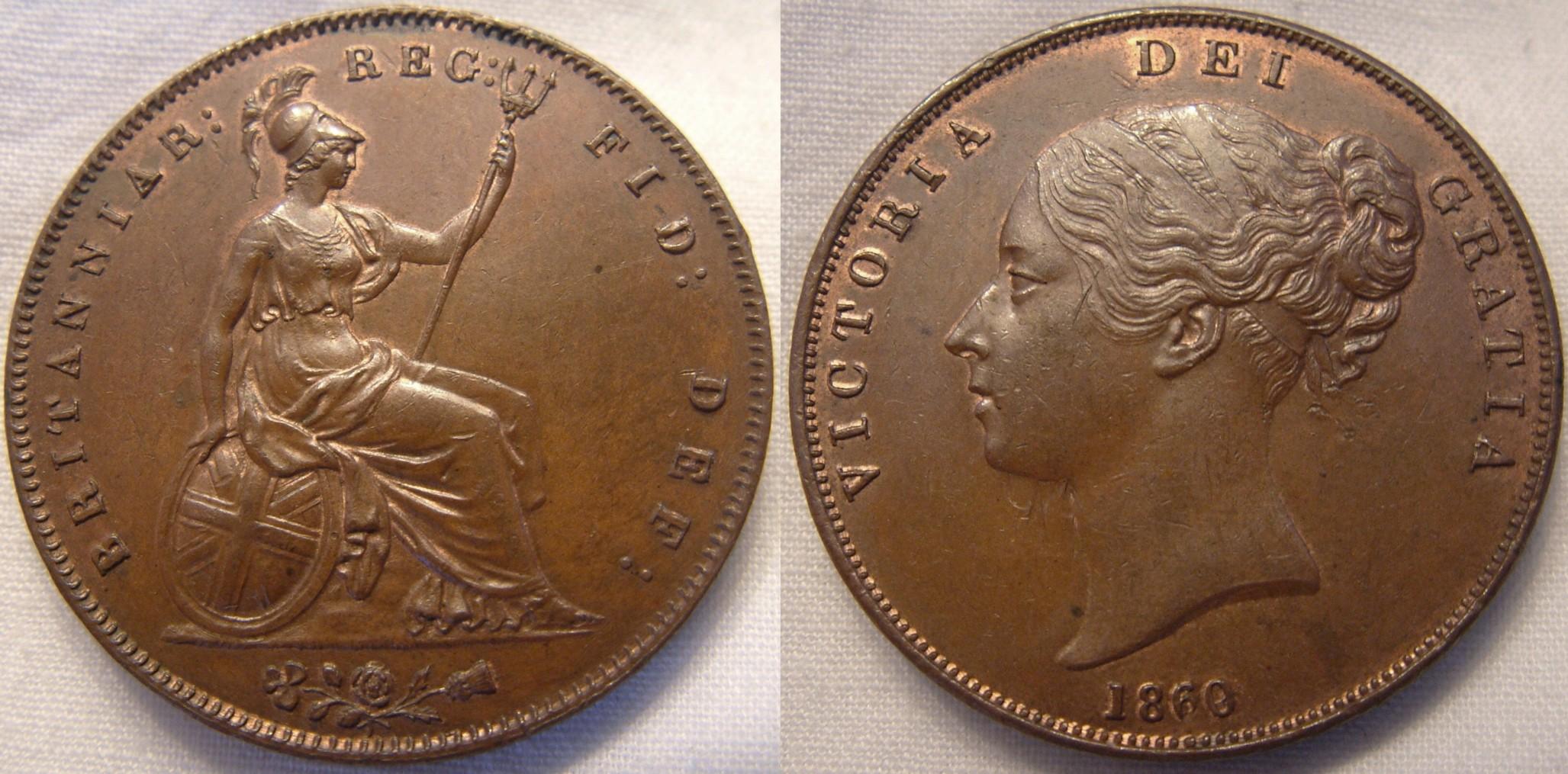
I particularly like the 1860/59 tie ribbons (plural)............always present in same place + further clashing under Victoria's chin.
-
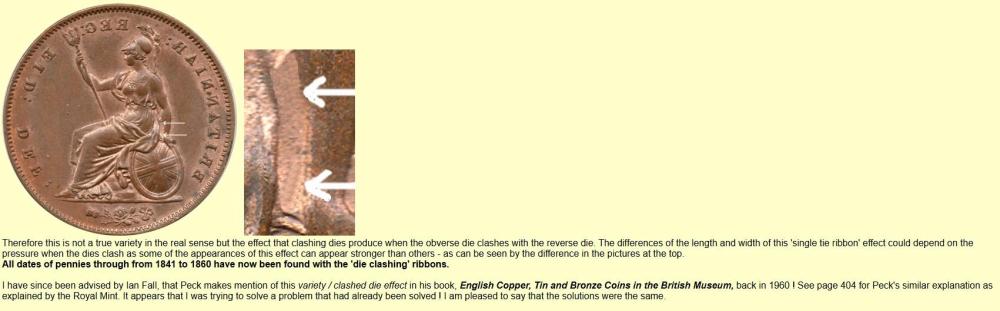
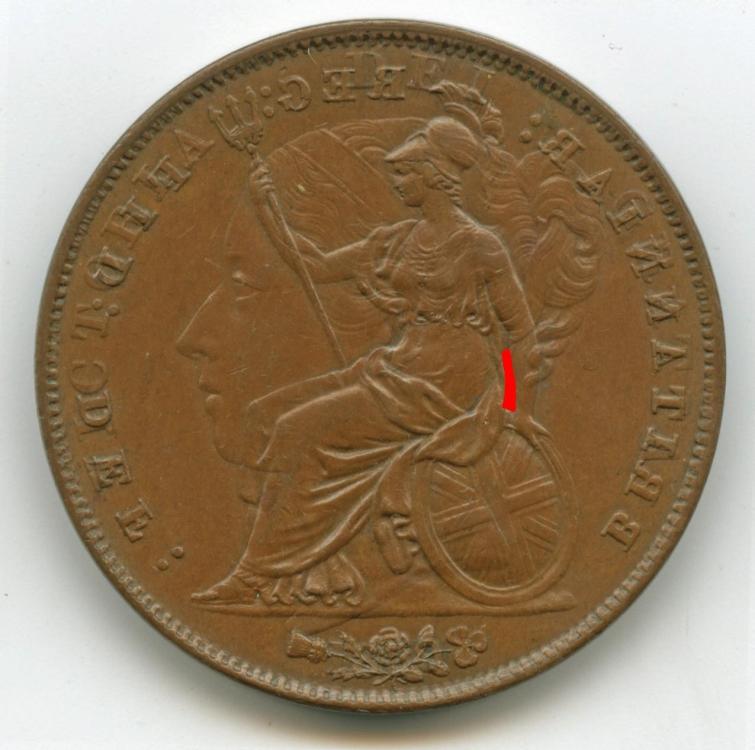
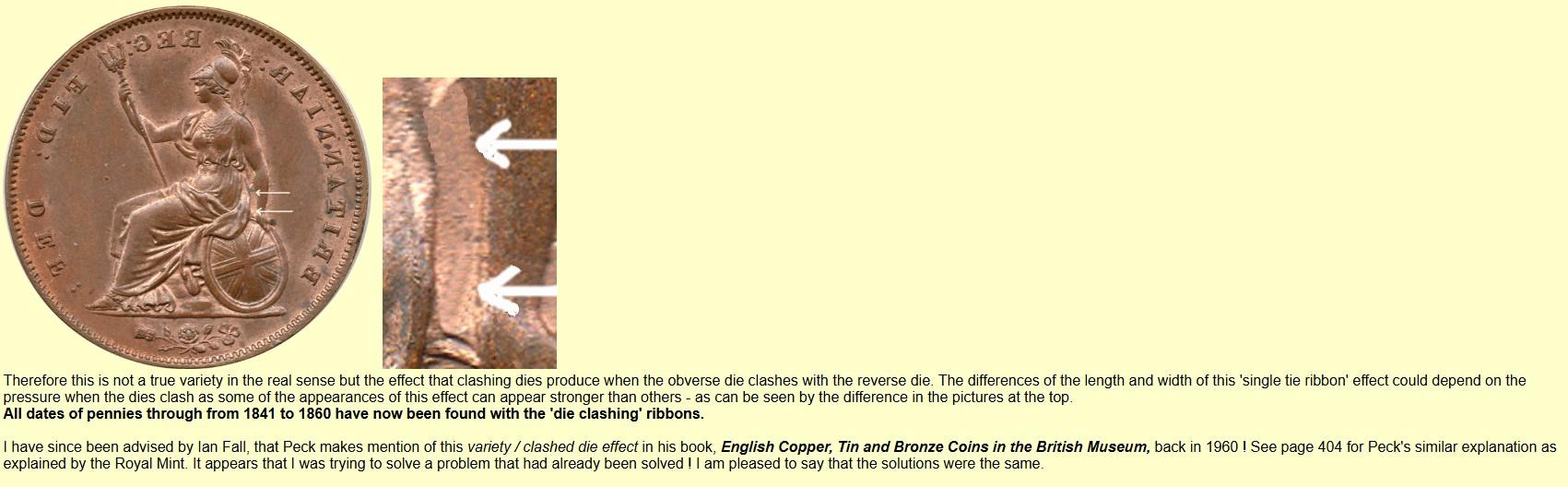
The 'ribbon' on this 1859 is die clashing, explained on Gouby's website, where he now also references Peck 404. The 'overlay' picture below also highlights the 'clash' area.
-
Thanks both, much appreciated
-
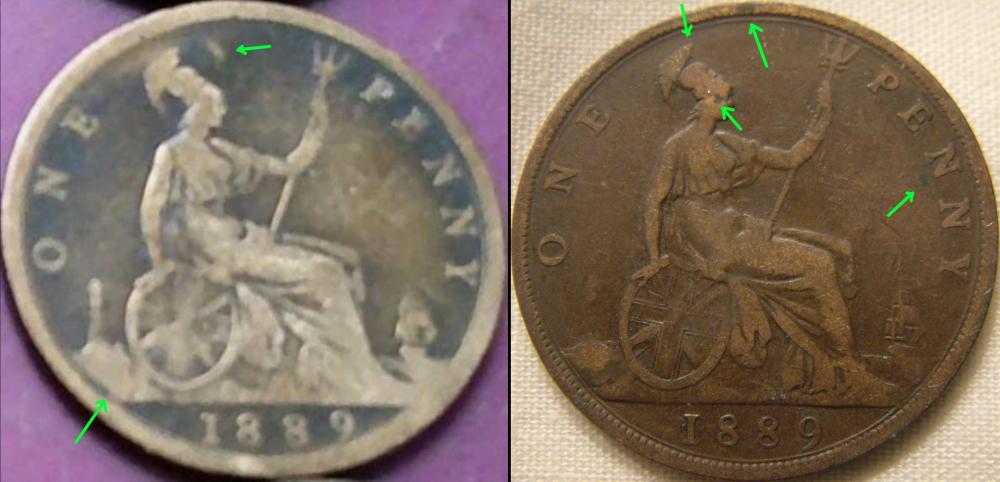
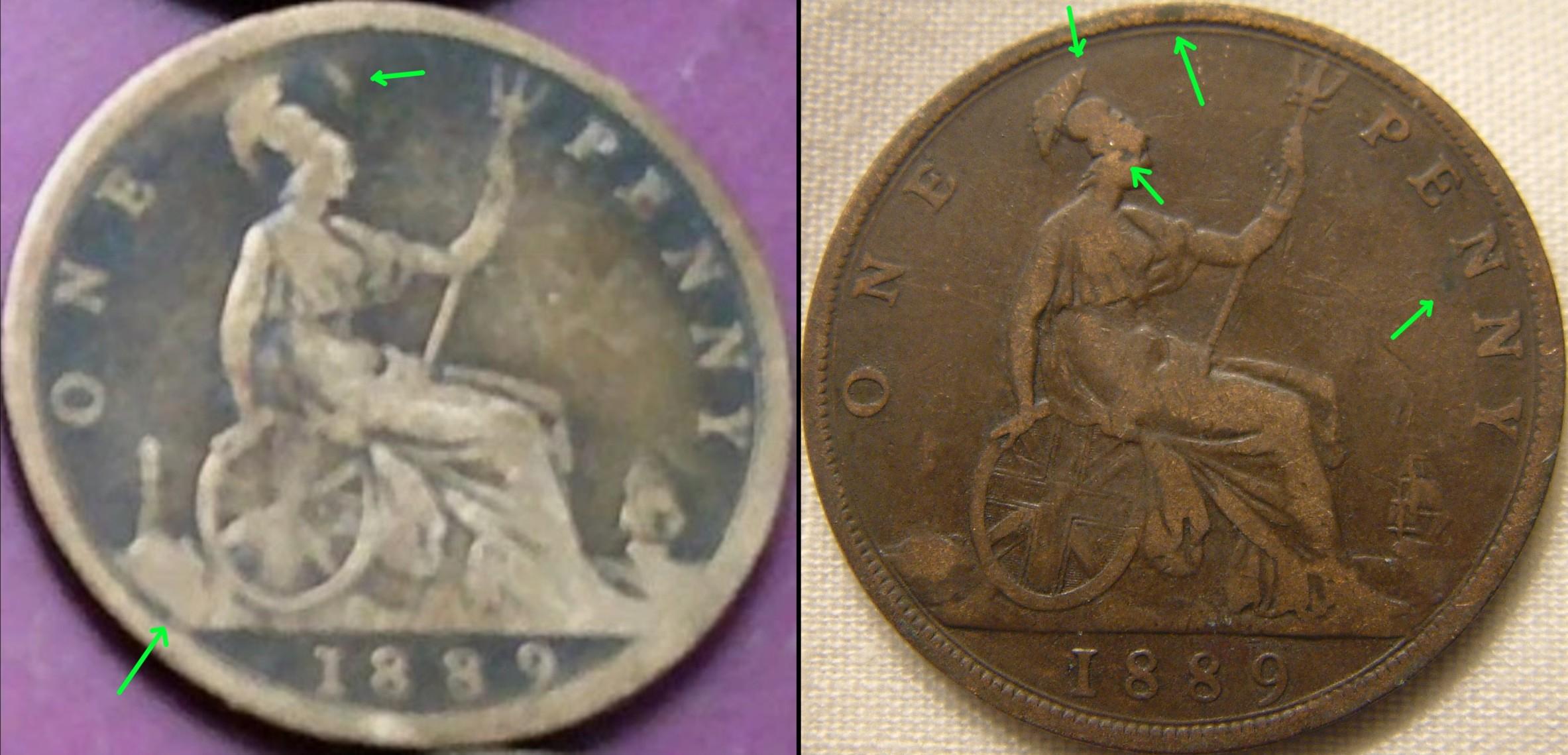
Just back from holiday. Whilst away, on 26th January, I bought a lot of 25 low grade Victorian pennies. One coin amongst them was the very rare 1889 with the 9 high right in the exergue. After 2 to 3 days I enquired of the seller when he intended to post the lot, as he was supposed to have sent tracked, but no details yet on ebay. After a couple more days, and further chasing, he advised that he had sent them, but not tracked. Anyway, a package was received by my neighbour on 3rd February, so I thought that was ok after all. I returned home today, and opened the package to find that the 1889 was not as I expected. The return window has also closed earlier today! I just wanted to check with other members that you agree with me that the received 1889 is not what I bought. The picture on the sale was not great, but I still think that the differences are clear enough. Apart form the different numeral 9 location, I believe there are several other obvious differences. For example, around Britannia's head the received coin has a more pointed top to the plume, a dent in the head and a dark mark on border. I feel fairly confident that the delay must have been because someone else has alerted the seller as to the rarity of this variety, and he has swapped it with a different 1889. However, bearing in mind the poor quality of the image, I would welcome the thoughts of other members before I complain.
-
Another one of these sold on ebay a couple of days ago for over £260. Perhaps a little better than the one Pete pictured above last year, but not great. Again not attributed, but nevertheless attracted a lot of interest.
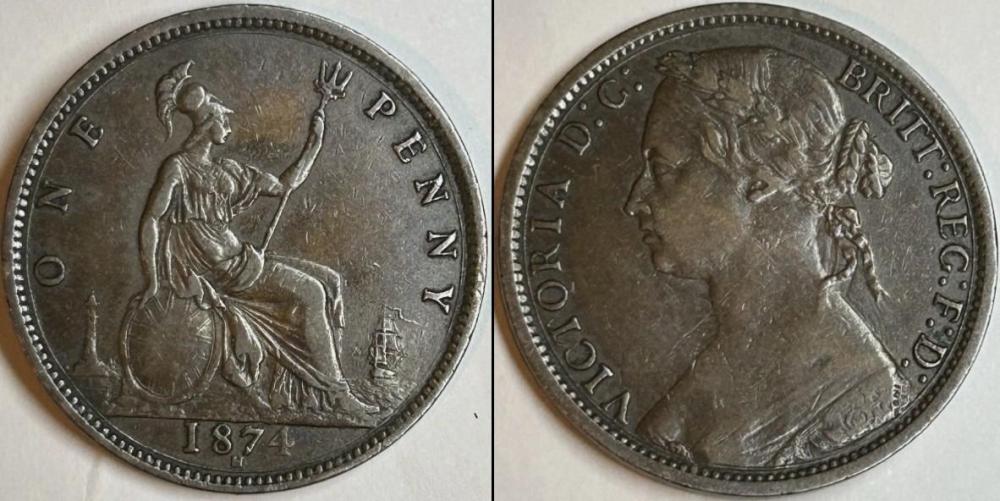
-
-
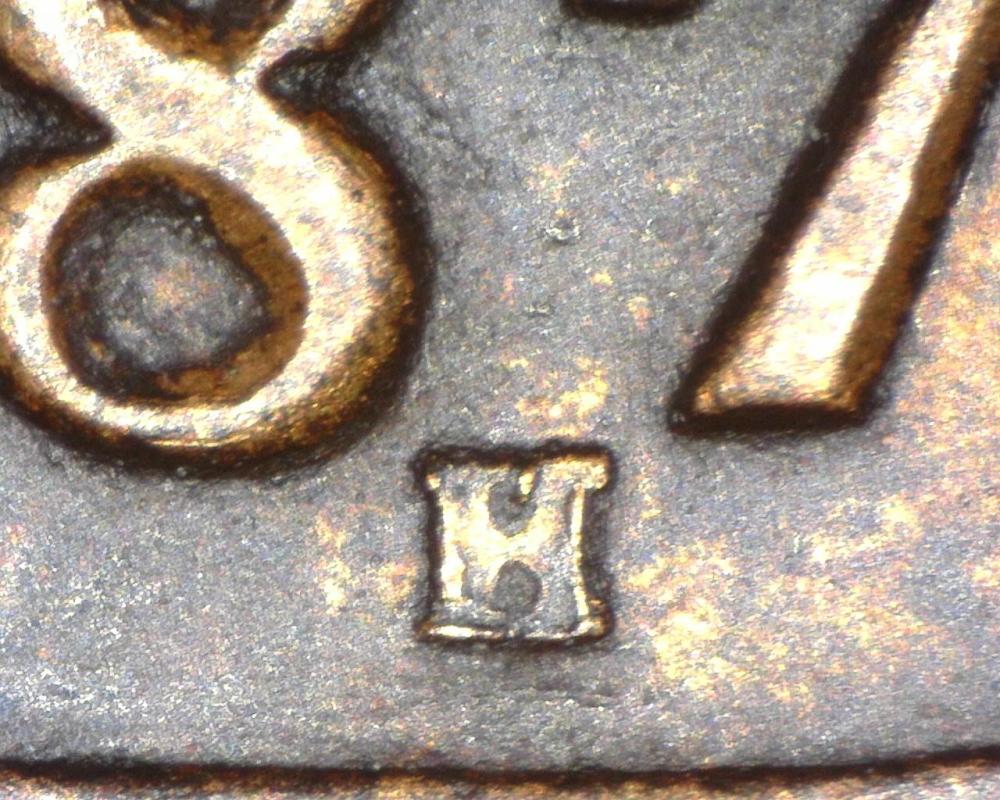
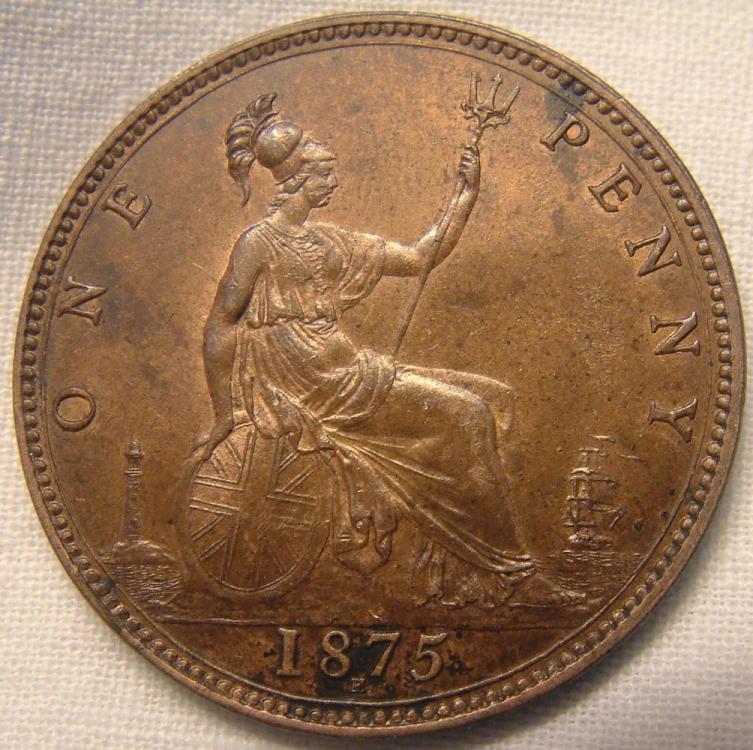
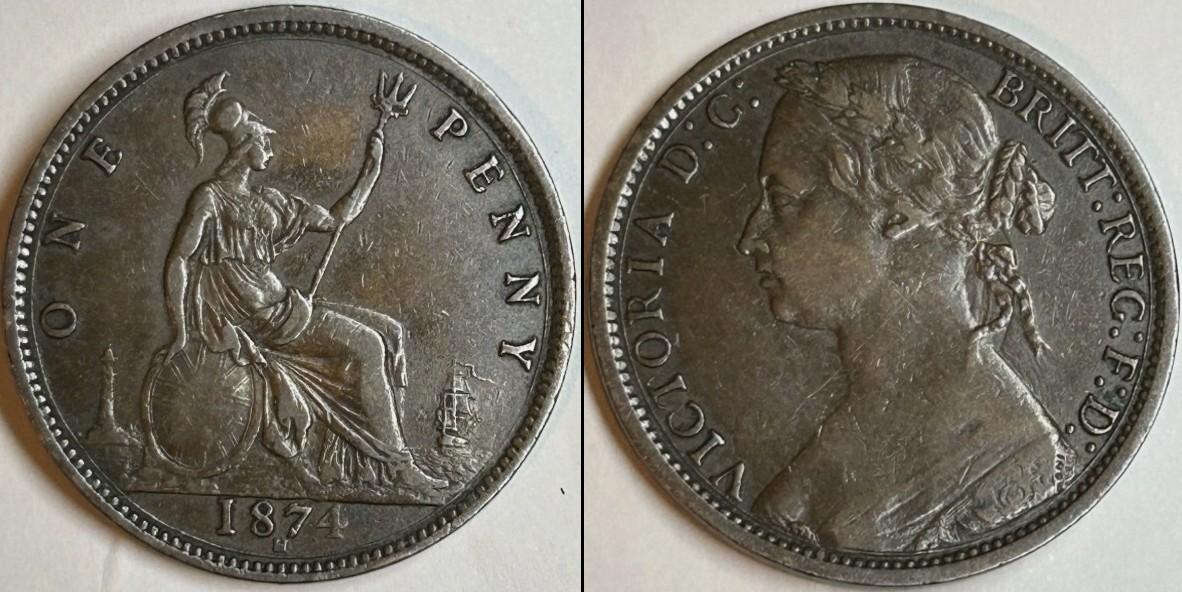
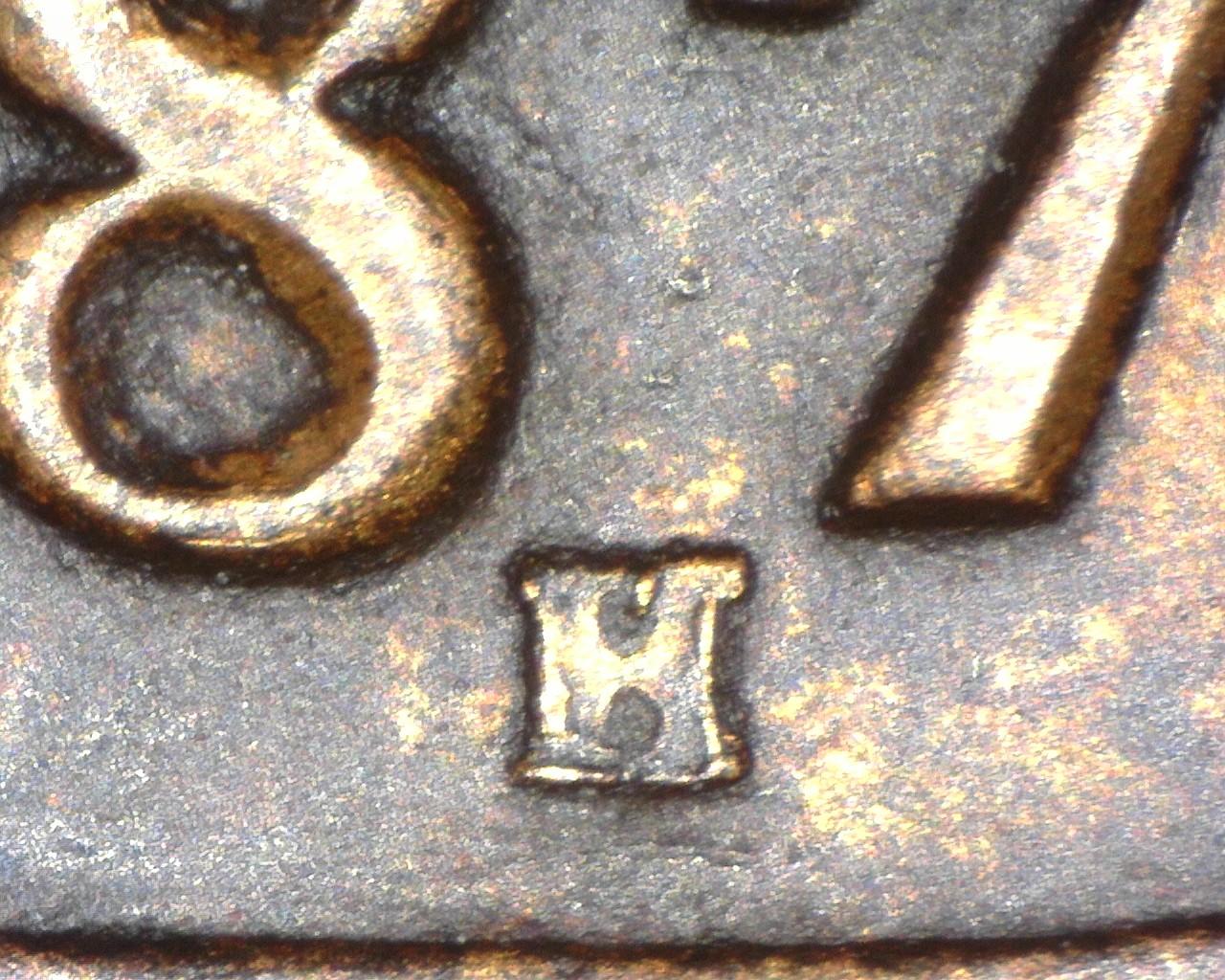
I agreed Martin, and here it is. Digital microscope (x140) picture of 'H' to follow. Any views please, I've struggled to classify it as a fake myself......but then what do I know about metallurgy!?
-
Penny Acquisition of the week
alfnail replied to Paulus's topic in British Coin Related Discussions & Enquiries
I believe there is also a rare 1890 date variety which is not documented by Gouby. The 9 is clearly higher than the numeral 8. It also seems to be rotated clockwise a little and, perhaps, has a longer tail.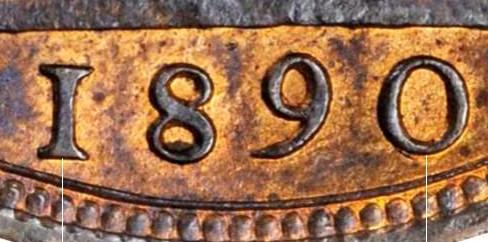
-
Penny Acquisition of the week
alfnail replied to Paulus's topic in British Coin Related Discussions & Enquiries
Have been looking for a decent one of these on ebay for years. Have only seen a couple of lower grade ones, and I'm thinking the variety is 'rare', rather than 'scarce' as per Gouby.andDateSized.thumb.jpg.7db658116f8f33f90417b6f45b3d5237.jpg)
-
Stuff to Make Us Laugh
alfnail replied to Madness's topic in Nothing whatsoever to do with coins area!
-
Stuff to Make Us Laugh
alfnail replied to Madness's topic in Nothing whatsoever to do with coins area!
-
1862 E in ONE over ???
alfnail replied to Bronze & Copper Collector's topic in Confirmed unlisted Varieties.
It just looks like a die flaw to me, from rim to top left of E, then onwards down it's LHS. -
Stuff to Make Us Laugh
alfnail replied to Madness's topic in Nothing whatsoever to do with coins area!

-
I recently finished cataloguing someone's excellent Victorian Copper Penny collection and, as a result, felt that I was now in a position to have a go at listing the 1843 varieties which I know of. It may not be a complete list, but I think it will be pretty close. I now know of seven different types of 1843 penny, and I have summarised these into a one page jpeg image which I now attach. The actual image on my own computer is over 6 times the size of this attachment, so if anyone wants a copy of the full image then please PM me. I thought that this may be of interest to some other members (and so did Jerry), as I am unaware that anyone has ever tried to do this with a rarer date in the YH series.

-
Stuff to Make Us Laugh
alfnail replied to Madness's topic in Nothing whatsoever to do with coins area!

-
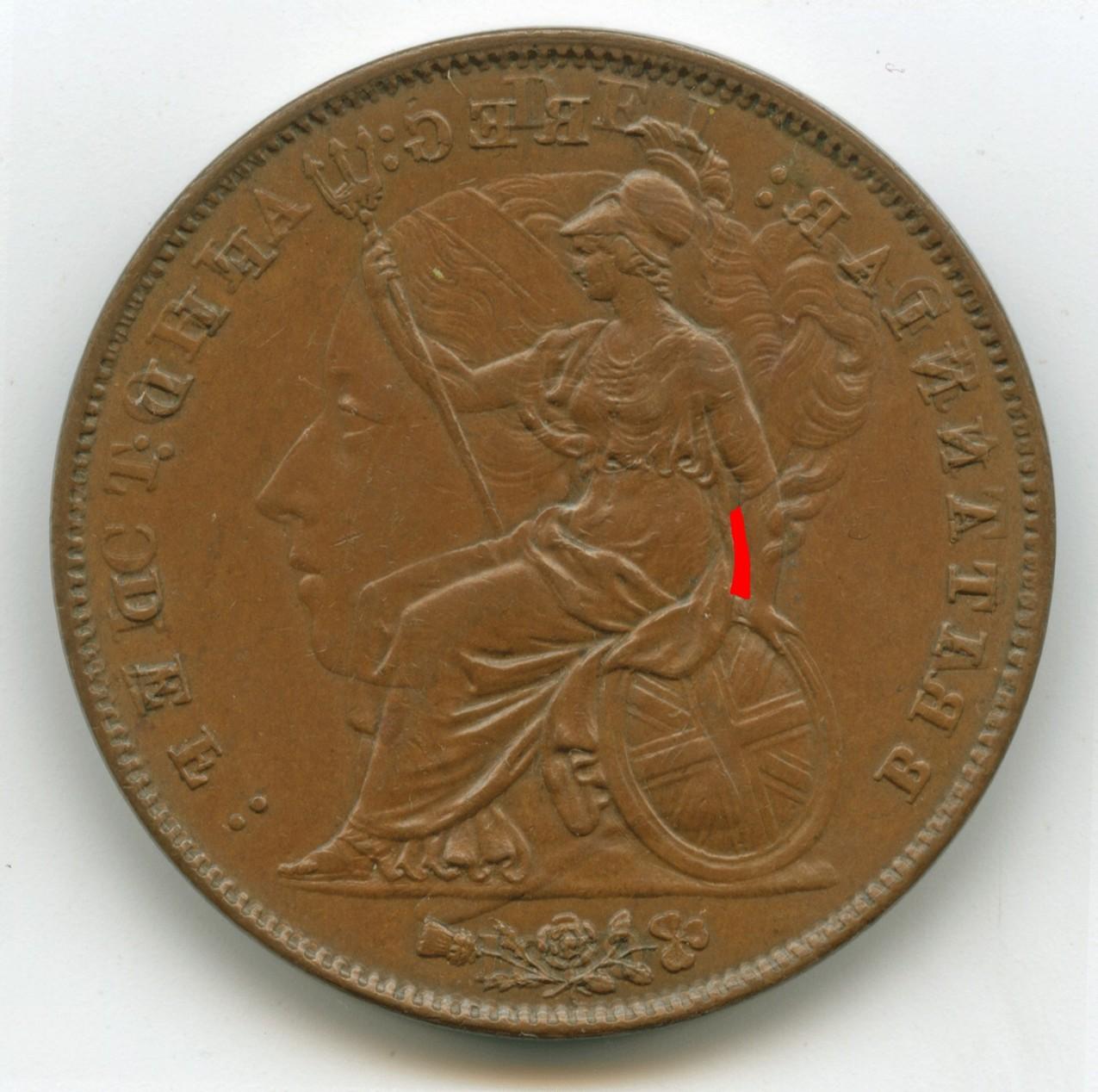
Shall we set up a 'More Farthings' thread!? Here is a penny which I found last week:-

-
That was my immediate thought too Jerry. I sold an F78 in similar grade to Mike Hopkins several years ago; still haven't seen any of the coins I passed to him come up for sale anywhere.....and his heirs never contacted me to confirm that his collection has been found.
-
Stuff to Make Us Laugh
alfnail replied to Madness's topic in Nothing whatsoever to do with coins area!

-
Stuff to Make Us Laugh
alfnail replied to Madness's topic in Nothing whatsoever to do with coins area!

-
Stuff to Make Us Laugh
alfnail replied to Madness's topic in Nothing whatsoever to do with coins area!

-
Many thanks Richard, thought you would have one!! I have taken your picture, rotated it, and positioned same as my top 1844 DFF above. These two coins are now shown below. It is difficult to compare those border gap features with the pixels available on the 1843. It does seem to me, however, that the die flaw can just about be seen on your coin in the same position......... also the small protrusion above the F. First impressions, therefore, are that this points to a single reverse DFF die used on both the 1843's and the 1844's. If you reduced the size of your picture to get it within the forum 500Kb limit then please could you email me the original thanks? If you can get same picture with more pixels so that border teeth can be seen more clearly that would also be great.

-
It would have been good to also have a detailed picture of FID on the 1843 DFF, to compare against the 1844 pictures above. Unfortunately I sold my example to Mike Hopkins several years ago, so the picture below is the best I have got from that piece. Can't really examine the teeth, but it looks like the I of FID is in line with F and D, and that it has not been repaired. Also, possibly, the start of a flaw exiting top right hand side of the F. Does anyone else have a high grade 1843 DFF example they could picture.......maybe Richard has one?

-
Agree with that Jerry, so I guess I’m trying to find a way to explain the die flaws looking very similar on both coins (but not exact same locations), also the REG colons in different locations (the other ones may be the same). Looking again at the FID pictures there are so many things that look the same, making it difficult to believe that they are struck from different dies, particularly bearing in mind the blocked E in DEF. Zooming in at the borders of these two coins I now find that the teeth, and the gaps between them, seem to be identical in their shape and size. If, for example, you examine the gaps highlighted in red in the attached pictures then the one highlighted on the left does NOT have a completely curved top to it (unlike the others), and the one highlighted towards the right has a line running through the top of the gaps. This is the only gap (out of 12) where that line is obvious…..and it is on both coins! Surely that is too much of a coincidence to be on 2 different dies. Perhaps, as you indicated, the events were that:- a) the obvious flaw, seen on the top coin, was removed from the die. b) this would have led to the I of FID needing to be repaired, but they entered it too high (as shown in the bottom coin). c) the flaw later returned, as it is an inherent weakness in the die, but it returned in a slightly different location e.g. where it exits top right of F of FID. Am I again missing something? I missed the bulge on the left of the I of FID because I was looking so closely at the protrusion at the bottom…..but Chris thankfully pointed that out.

-
Thanks for this Jerry. I was thinking along the same lines, but didn't think that the Royal Mint would have allowed a Master die with the obvious DFF defect to then be used to produce several working dies. Shouldn't a Master die have been pretty perfect? I have no idea how stringent they would have been about this sort of thing. I have just closely examined the REG colon position on the two 1844's, and the 1843 (all DFF's) and I'm sure they are all in slightly different locations.......the two 1844's definitely are!


andDateSized.jpg.ec4cf3fb20742b3fbb9b2744d812369f.jpg)