absence of uniformity
-
Posts
358 -
Joined
-
Last visited
-
Days Won
7
Content Type
Profiles
Forums
Events
Downloads
Store
Gallery
Articles
Everything posted by absence of uniformity
-
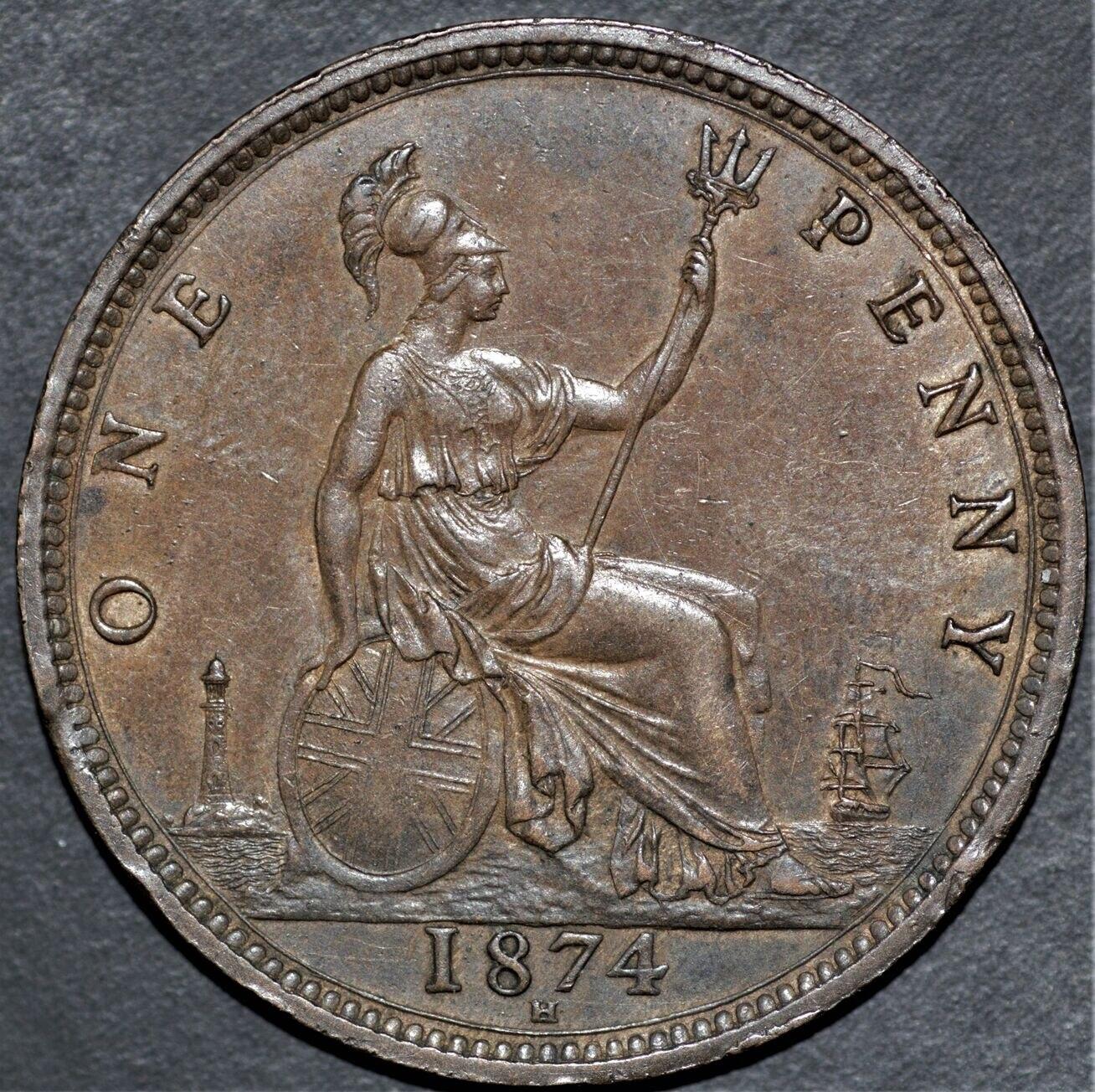
 here you go the complete coin.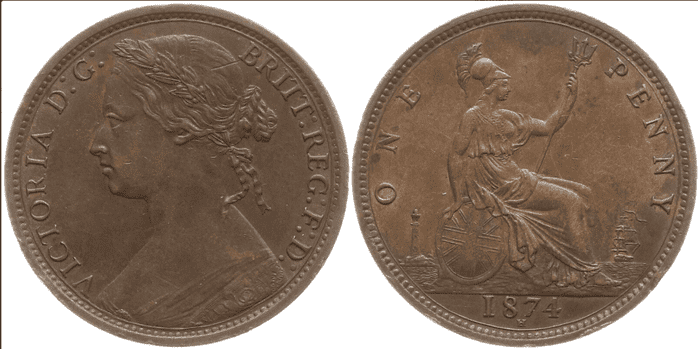
-
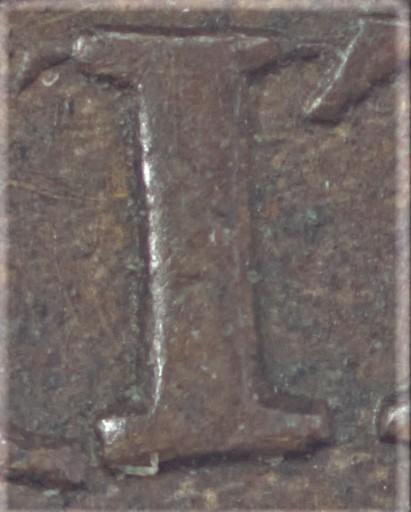
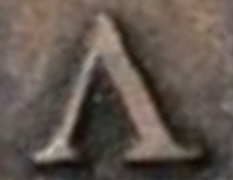
Would you agree in the attached image there is no crossbar? The question implies I dont think there is however I was asking simply for other's thoughts. The reason the image was cropped and rotated was to simplyfy the presentation of the letter and into correct orientation.
-
Yes there is a documented 1860 2+D variety BP1860JB V over inverted A.
-
Was not my intention to mislead, and for that I'm sorry. The coin is 1860 2+D.
-
100% I just research what I come across and not search for anything in particular. Ofcourse il look for the recorded types, I will also look into anomalies. The coin from this post it was purchased directly, given how cheap it was, worth a look in hand. I know some of you flip coins for profit, I dont and the search, research, success and failures are all part of the fun. Its's not work in the sense of working for money, so as long as I'm enjoying the hobby not alot else matters.
-
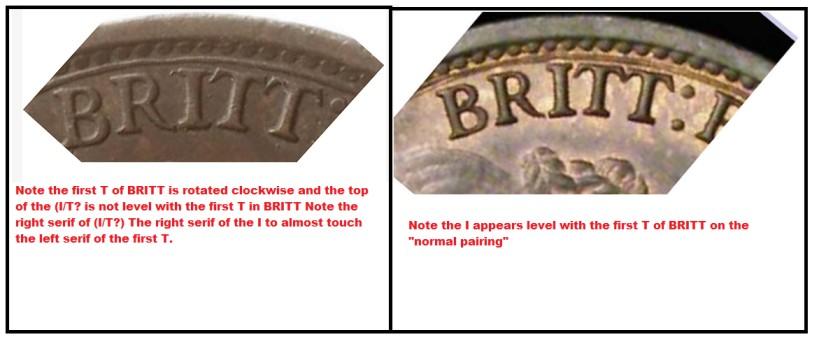
Here is my coin versus a normal example of the same pairing, we see the exact same configuration. How can that be? Is that not a huge coincidence The 1860 (Gouby G+d; Freeman 4+D) – I over T in BRITT shares the exact same configuration.
-
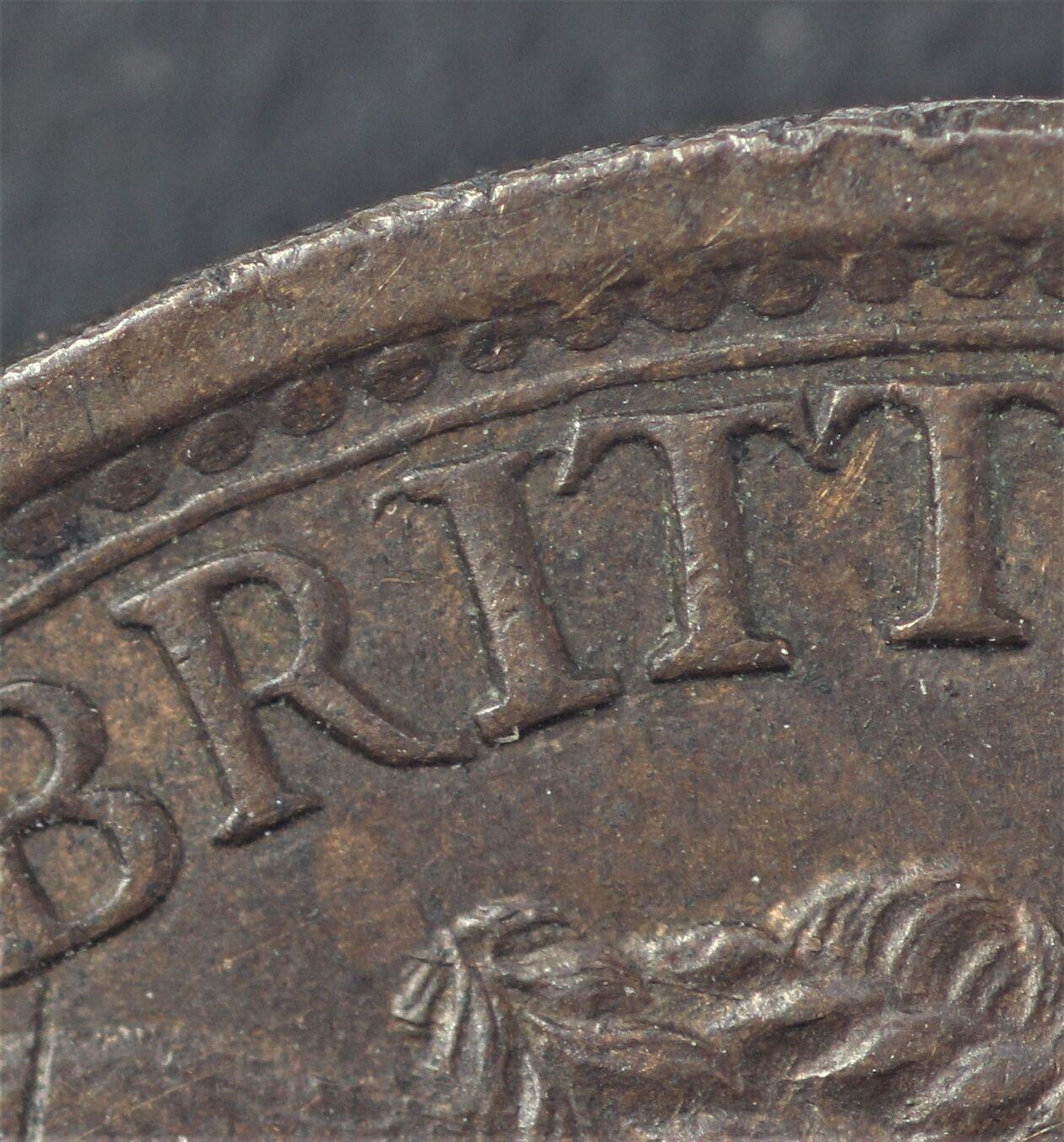
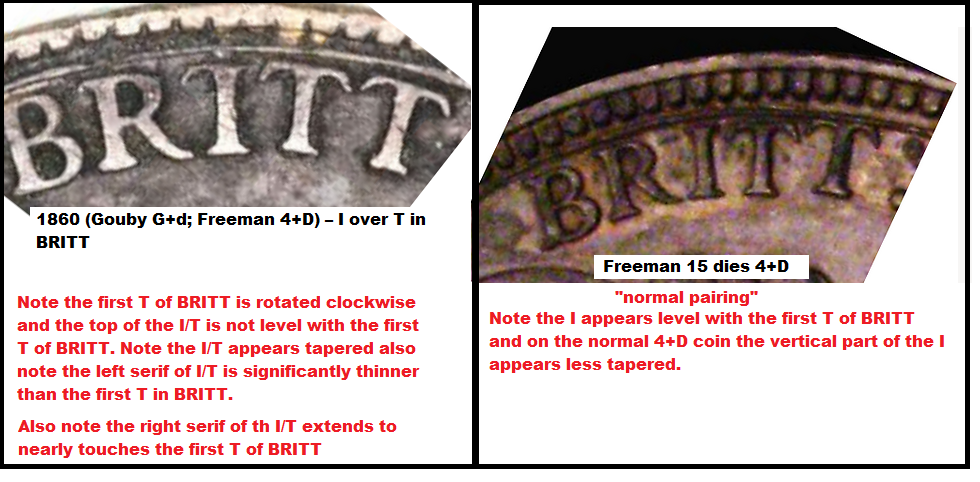
I made an interesting observation that would appear to support the coin in question could be I/T based on die characteristics observed on the 1860 (Gouby G+d; Freeman 4+D) – I over T in BRITT compared to a standard 4+D coin And the coin in question versus other normal exmaples of the same pairing. The 1860 (Gouby G+d; Freeman 4+D) – I over T in BRITT type shows the First T of BRITT Tilted and the I/T is lower than the first T in BRITT. Please see the attached image to better understand my poor effort in explaining this. This is exactly the same for the coin I have its not a 1860, but after studying all the other die pairings of the coin in question I have found the same configuration. The coin from this post in question shows the tilted T lower I the same as The 1860 (Gouby G+d; Freeman 4+D) – I over T in BRITT. And the rest of the same pairing standard coins don't show the tilted T in Britt or the I of Britt being shorter.
-
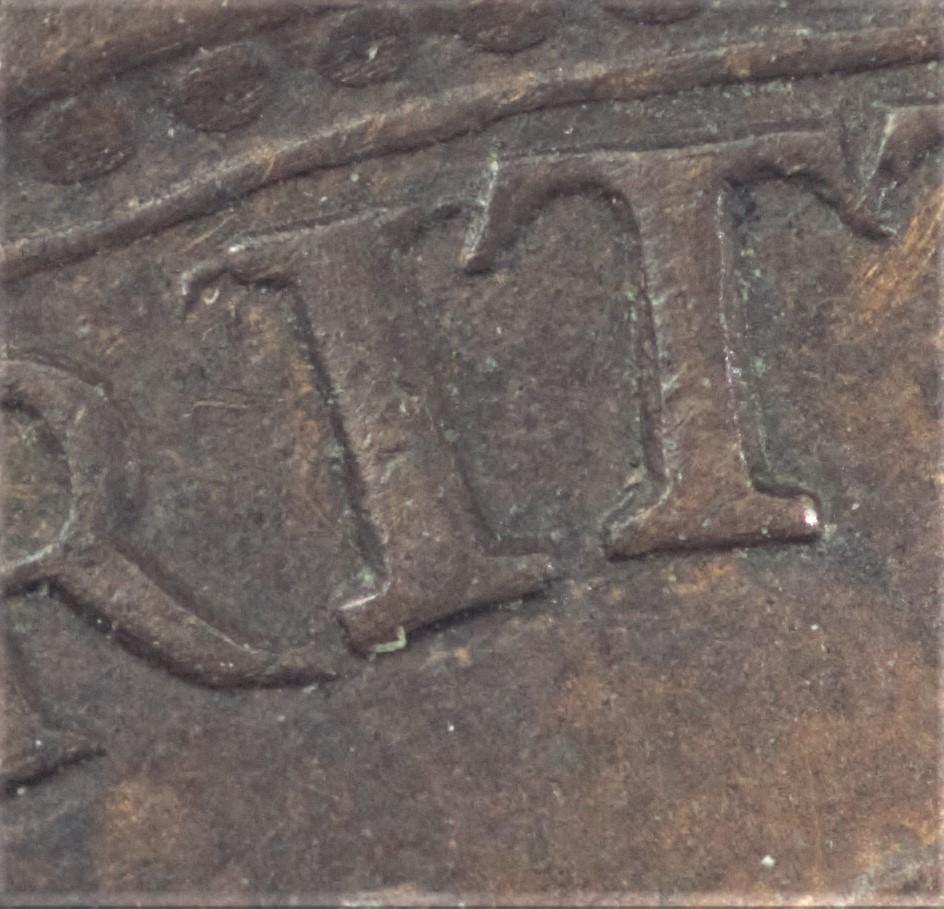
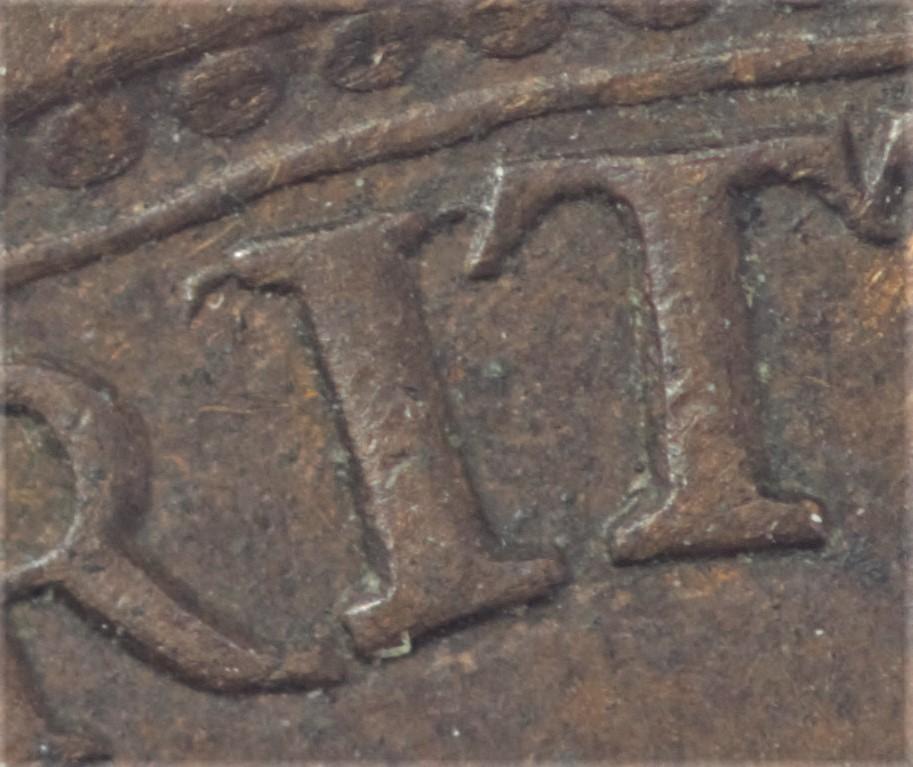
My intention was to keep it simple, and not let any other factors influence the core question about the possible crossbar or not. Jerry awnsered on the basis the letter in question was the letter A. My response was simply to indicate its actually V. I dont think Jerry will take offence, I hope he wont I dont really see why he would. That certainly was not my intention. In either image the question remains the same, but does either image receive the same response?
-
I'm asking whether you agree or not the initial image does not show a crossbar, based on the possible faint line visible.
-
sorry you feel that way. The question remains the same.. I did not ask about V or A rather do you agree there is no crossbar.. Interestingly do you think the response would of been different with the second image?
-
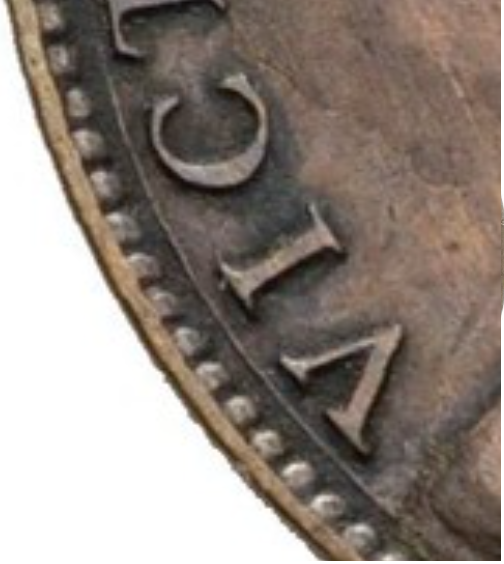
Thank you for the response. Its a V not an A !
-
As the title says. Thank you.
-
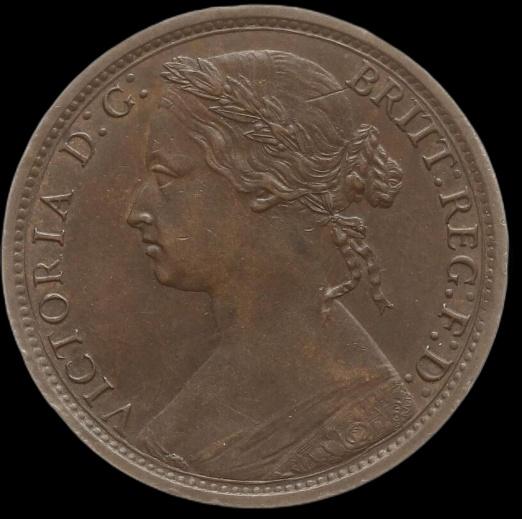
Full image of the Obverse.
-
Yes, I have not purchased any other coins, rather I'm just looking to see if I can find another coin with the same die characteristics with the shorter I and the rotated first T in Britt. I already have this year and pairing anyway. I'm only going after a new unconfirmed variety with this purchase and research. It's probably nothing, we will soon see.. After many coins not being what I hoped for I have tried to not even go down the rabbit hole and avoid these types of purchases that are not clear cut, once I see it I just can't walk away. Given I can return the coin for a small fee I dont really have much to loose. I have made a few good purchases following a gut feeling that turned out to be alot better than anticipated, the Freeman 14 3+E, LCW below foot and the 1861 8 over 8 and a fair few other less significant coins. This is why I continue to make these purchases.
-
Thank you and yes it makes sense. I have been lookng at as many examples of the die pairing I can find and I have noticed some minor differences on this coin comapared to the other coins I have looked at. I have only managed to find maybe 35-40 examples with the same pairing, heres what I have noticed; 1) On the coin in question the I of BRITT appears shorter than the others looked at. All other examples the I of BRITT is noticeably taller and straight sided. 2) The I of BRITT appears to be thicker and slightly more tapered than all the others. 3) The first T in BRITT appears rotated clockwise not shown on any other example I have looked at. 4) I found one coin with the left serif on the crossbar of the first T in BRITT missing. 5) I found a second coin with something going on a possible flaw? above and to the left of the I in BRITT.
-
Ok thanks for this information. I hear you. All opinions can't be taken as truths for sure. I value your objective approach to my questions and thank you for taking the time to awnser and explain.
-
Somebody has pointed out the following " there's definitely something there and it can't be a die flaw as it's underlying.. " What options remain if its not a die flaw please? And is that a fair observation the fact the anomaly is underlying? Do you agree? An underlying anomaly could only be introduced by human alteration of the die? Is that not the definition of a variety? If thats the case what would be the most likely reason or cause of alteration or changes to the die? Does this not lean towards a repunched/re-engraved letter or trace of? If the above is correct, what could be the possble options for the underlying feature, could what we see be anything other than a T?
-
Im pleased to own one of the few that was made in London for 1882! Taken from the RM website: In 1810, we left the Tower of London and moved to a new purpose-built facility at nearby Tower Hill which could better accommodate steam-powered machinery. Eight massive presses stood in the Coining Press Room, each capable of striking about 60 coins a minute. In the 1880s, the factory buildings were reconstructed and smaller, faster and quieter machines replaced the presses. At the turn of the twentieth century, steam power gave way to electrification and master tools were increasingly produced using reducing machines. Instead of engraving by hand, at size in steel, an artist could prepare a larger plaster model. A mould was then taken and electroplated with nickel and copper, yielding a reproduction known as an electrotype that could be mounted on an engraving machine and scanned. These movements were communicated to a rotating cutter, which copied them at coin size into a block of steel.
-
Update the seller said I can return the coin if not happy so Im going to go for it.
-
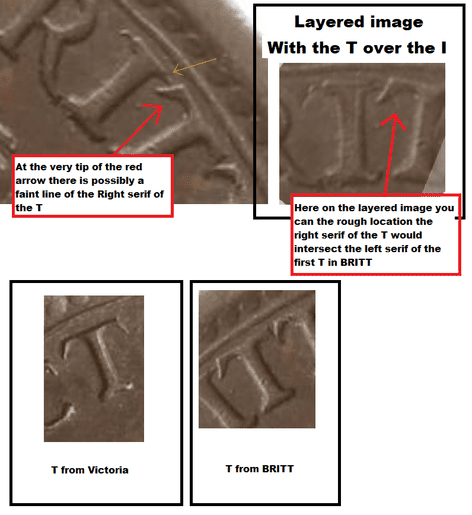
Thank you, I made one last observation; (Now il move on😅) The T in Victoria has a much thinner crossbar when layered over the image possibly fits better. Would there be a punch for each style of a single letter? So a punch for the T in Victoria and a seperate punch for T's in BRITT? The attached image shows the original image, the layered image and the two seperate styles of T found on the same coin, it also points out a potential faint line of the right serif and the layered image shows the location of where the two serifs would intersect. Thanks.