All Activity
- Past hour
-
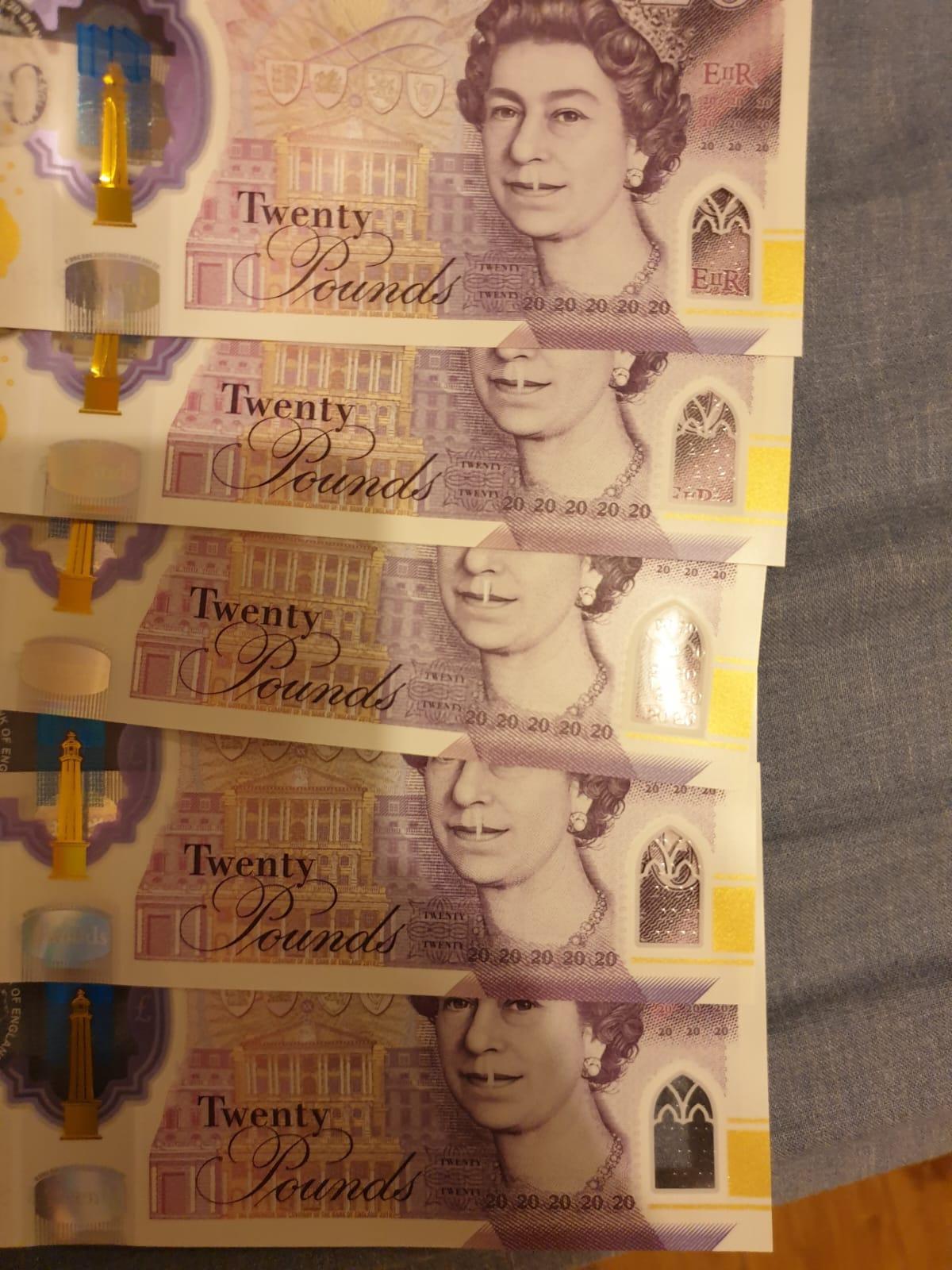
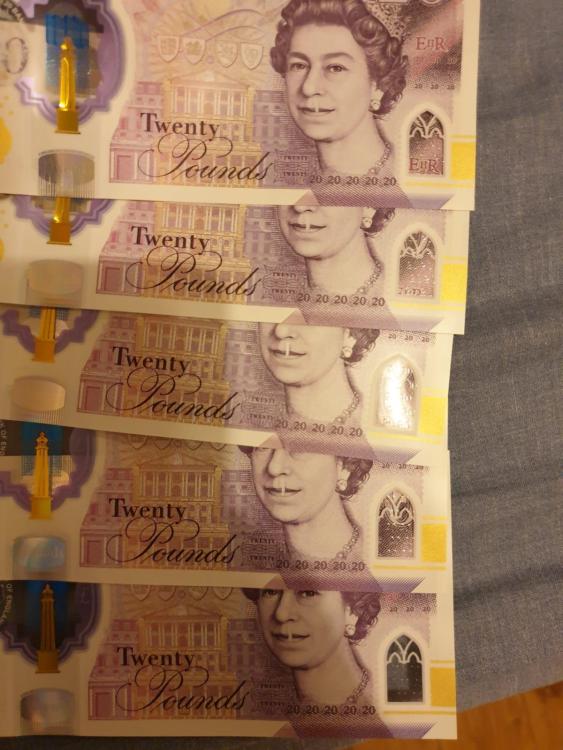
Welcome to the forum @Marcin. I can see the defect you mention. I am not much into note collecting, so I don't know if this is a known issue. My first concern would be to check if they are genuine as there are a lot of fake notes around at the moment. Find a local friendly shop and get them to check one on their detector.
-
Like you can see under a Queen nose, white line. Anyone else seen things like that???
- Today
-

F over E?
Eirestan replied to absence of uniformity's topic in British Coin Related Discussions & Enquiries
Probably a die fill in my opinion. I posted a gun money shilling on here not long back that read RFX instead of REX. Pretty common thing. - Yesterday
-
 Marcin joined the community
 -
Anyone seeing this defect??
-
F over E?
jelida replied to absence of uniformity's topic in British Coin Related Discussions & Enquiries
Not if use of the alternate letter was intentional, as I explain above it’s just part of day to day maintenance of a die. And also difficult to prove it’s not just partial die fill of the lower limb of the ‘E’ . But it’s a grey area in that some collectors enthuse about mis-strikes and die flaws, incidental dots and dashes and the like. To my mind a true variety is a deliberate planned change in the design on the die, the flan (weight, metal composition, polishing ) or a significant accidental change through the act of man. Obvious date width differences might just creep in in the later years when die to die differences were rarer. And not all variations even if rare attract a premium, desirability to collectors plays a major part along with whether published or acknowledged by an accepted expert in the field (Freeman, Gouby, Sessions et al). Jerry -

F over E?
absence of uniformity replied to absence of uniformity's topic in British Coin Related Discussions & Enquiries
-
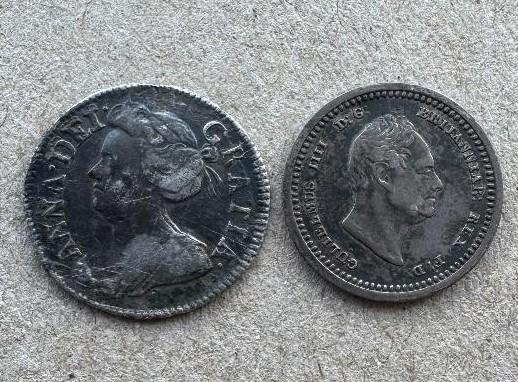
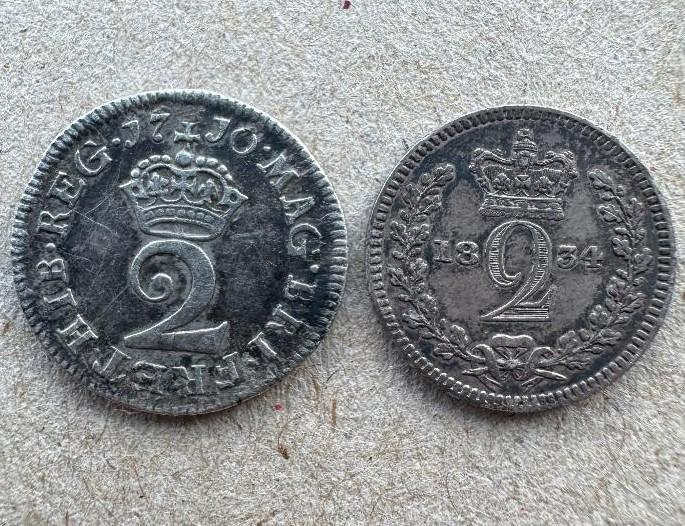
The 1834 is definitely Maundy as by that time the small silvers (1 and 2 pence) were not in general circulation. The 1710 twopence was both included in Maundy sets but also in general circulation. I found the smaller silvers easy to pick up quite cheaply throughout the 17th and 18th centuries (with only a few really scarce dates).
-
F over E?
absence of uniformity replied to absence of uniformity's topic in British Coin Related Discussions & Enquiries
Given the letter is not an E and an F was used although intentional its erroneous is it not? -
Although the mintage of Maundy coins is not high, they do mostly survive in good condition as they are not circulating coins. In addition, Maundy coins are minted every year. I don't think Maundy "odds" (i.e. not in complete sets) are considered to be rare.
-
F over E?
absence of uniformity replied to absence of uniformity's topic in British Coin Related Discussions & Enquiries
Agree and with my coin if the worker did? punch an F over E for me that's where this coin does become a variety the human involvement in changing the die. -
F over E?
absence of uniformity replied to absence of uniformity's topic in British Coin Related Discussions & Enquiries
For my own collection not taking into account desirability a die characteristic that shows some distinctive feature / difference to the normal design added intentionally whether the outcome was correct or not is a variety.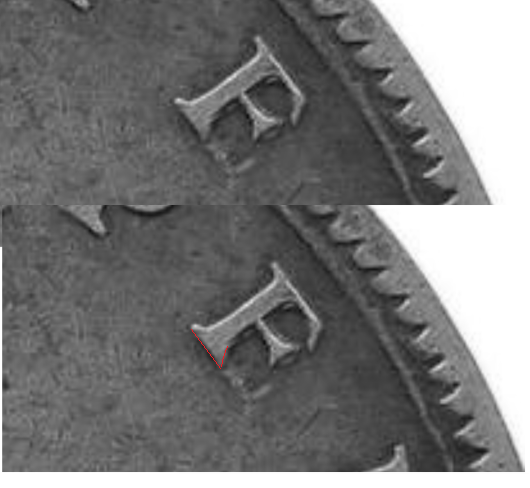
-
F over E?
jelida replied to absence of uniformity's topic in British Coin Related Discussions & Enquiries
Personally I don’t consider the ‘ONF’ Penny a true variety, it is simply a case of die fill and I don’t have one in my collection. However as you say it was described in Freeman - though not deserving of a Freeman number- many years ago and this seems to have lead to it becoming collectable. Jerry -
F over E?
absence of uniformity replied to absence of uniformity's topic in British Coin Related Discussions & Enquiries
Somebody did find this 1860 coin desirable having parted with £260 on it. But most likely because it has a freeman or Gouby number associated to it. The 1862 PFNNY which was unrecorded by both and a better condition coin only made £29..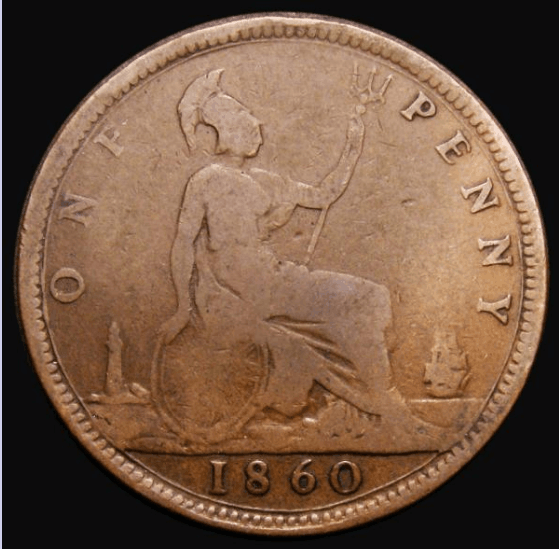
-
F over E?
absence of uniformity replied to absence of uniformity's topic in British Coin Related Discussions & Enquiries
Ok thank you for explaining that. -
F over E?
jelida replied to absence of uniformity's topic in British Coin Related Discussions & Enquiries
Die letter repairs such as this are fairly commonplace in the early years, they on occasion used a suitable punch eg F, L, I to restore a filled die when the full letter was not deemed necessary. Gouby covers these with examples in his book. When clear these are interesting but not especially desirable unless an erroneous letter/number has been used - P /E, R/B, G/C etc. Jerry -
F over E?
absence of uniformity replied to absence of uniformity's topic in British Coin Related Discussions & Enquiries
I have noticed people are very quick here to tell you something it is not. Which may suggest it's looking good for this F being manually punched over a E... or is it? -
F over E?
absence of uniformity replied to absence of uniformity's topic in British Coin Related Discussions & Enquiries
Yes I know, was too late to edit once I noticed my mistake. -
F over E?
secret santa replied to absence of uniformity's topic in British Coin Related Discussions & Enquiries
It's not PFENNY - it's PFNNY -
F over E?
absence of uniformity replied to absence of uniformity's topic in British Coin Related Discussions & Enquiries
On the subject of the Halfpenny I purchased this coin, poor images I know but looks like HALP.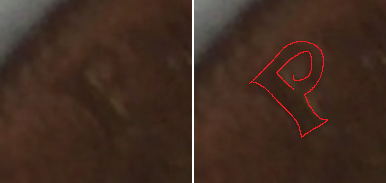
-
F over E?
absence of uniformity replied to absence of uniformity's topic in British Coin Related Discussions & Enquiries
What's a bit confusing is the visible underlying letter plus the defined line in shown in Red on the second drawing. Has a worker punched the letter F in an attempt to repair part of the E?
-
F over E?
absence of uniformity replied to absence of uniformity's topic in British Coin Related Discussions & Enquiries
1862 PFENNY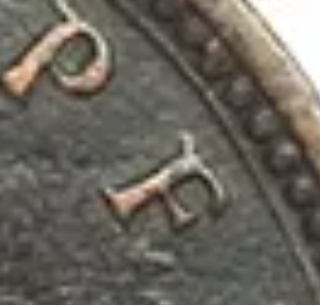
-
F over E?
absence of uniformity replied to absence of uniformity's topic in British Coin Related Discussions & Enquiries
ONF 1860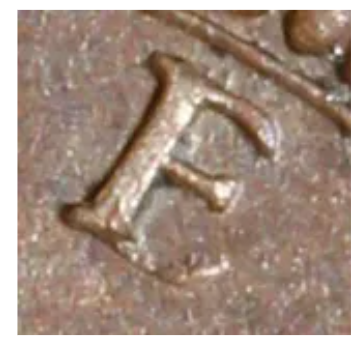
-
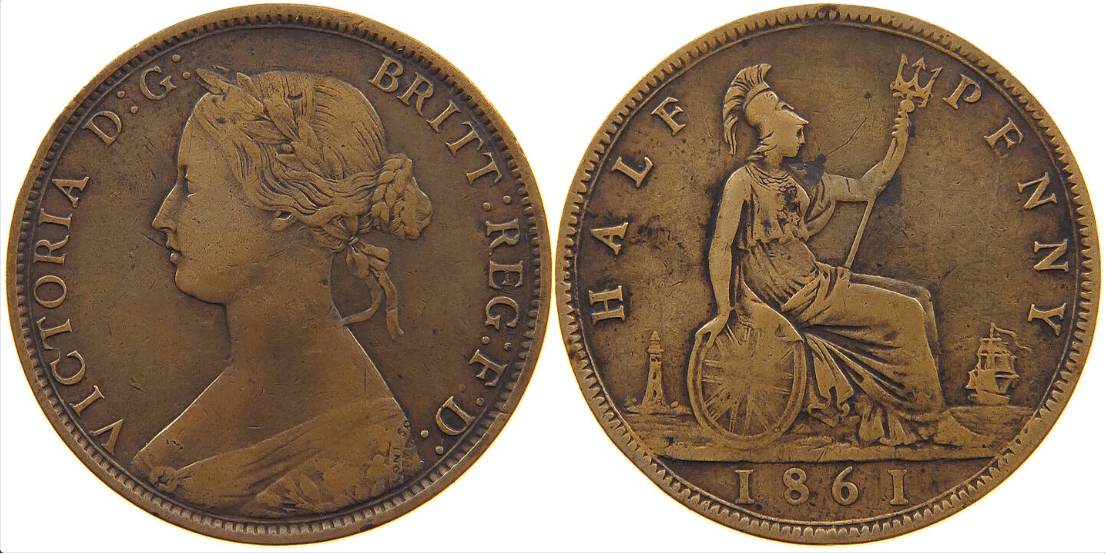
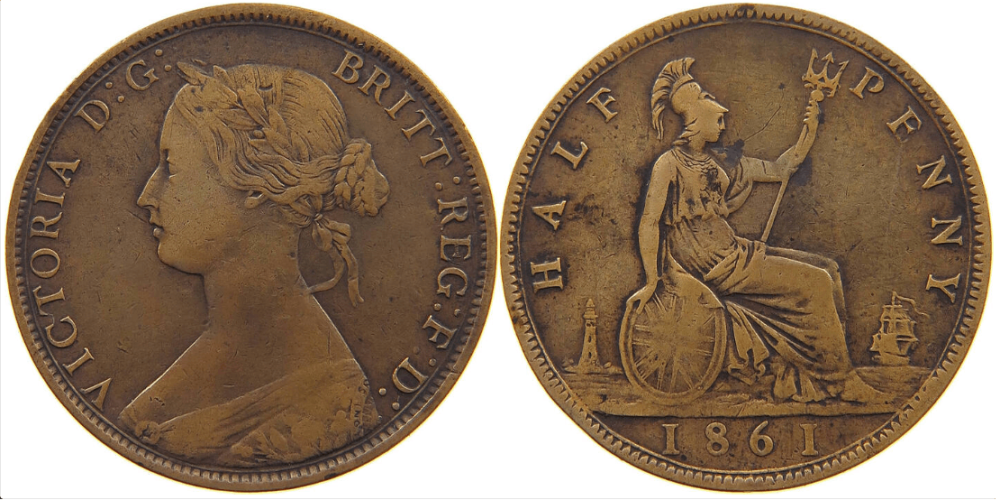
Hi, I cant find any info on a known variety F over E which would read PFENNY on a Halfpenny coin. Please look closely at the attached image. Does it look like F over E? The reason I dont think its just grease filled die is the defined line marked in red in the second image. Many thanks
-
2 Pence Queen Anne 1710 William IV 1834 I got wondering, as these don't seem to have been minted in high numbers..... so need to ask are these considered to be rarities ?
- Last week
-
 Abanole joined the community
 -
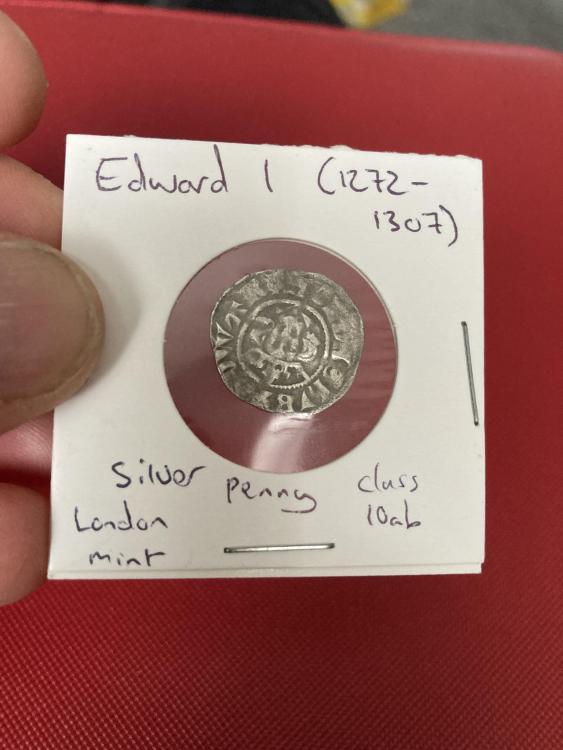
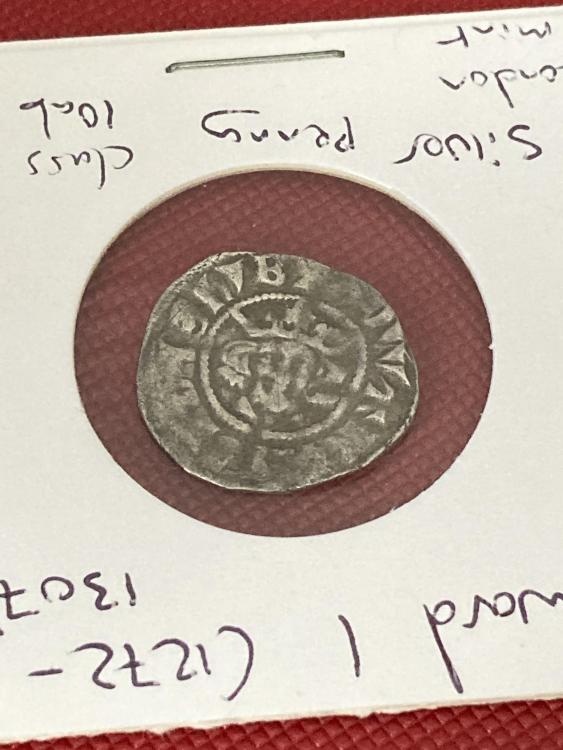
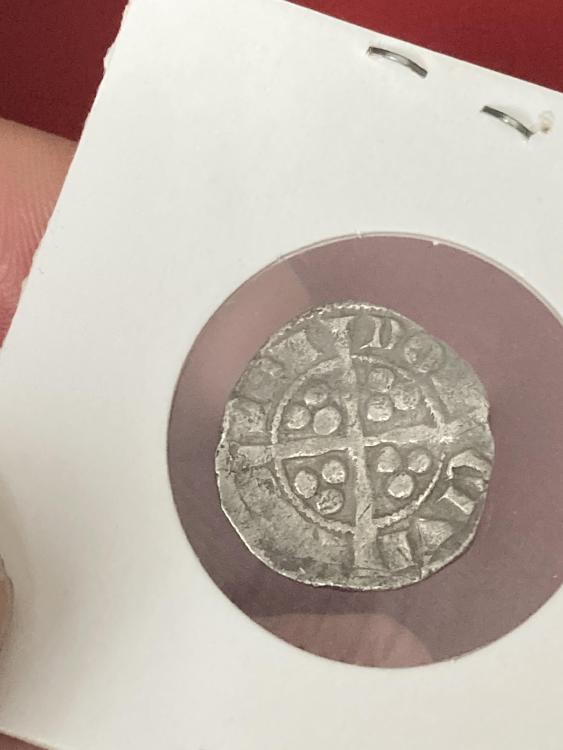
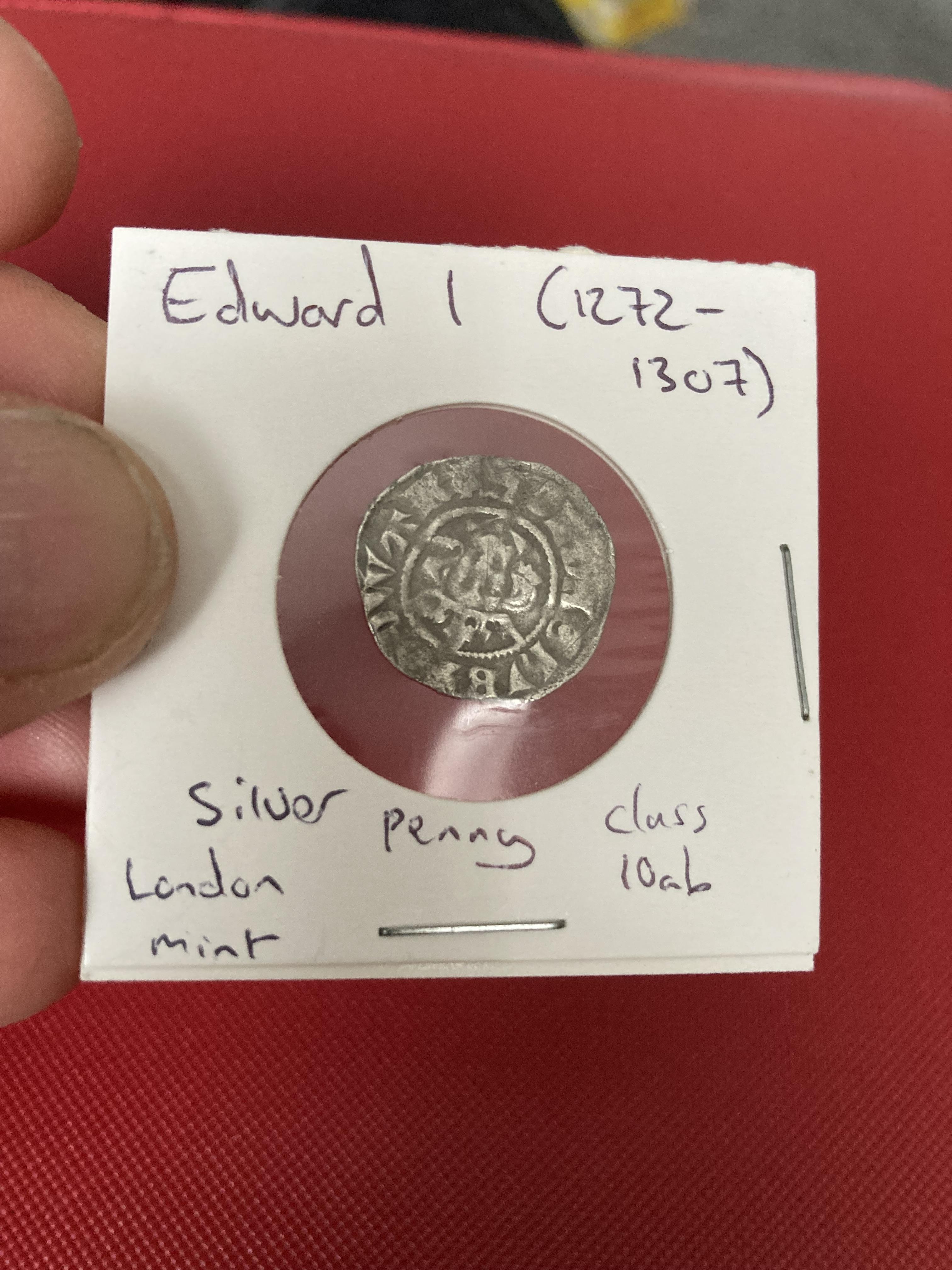
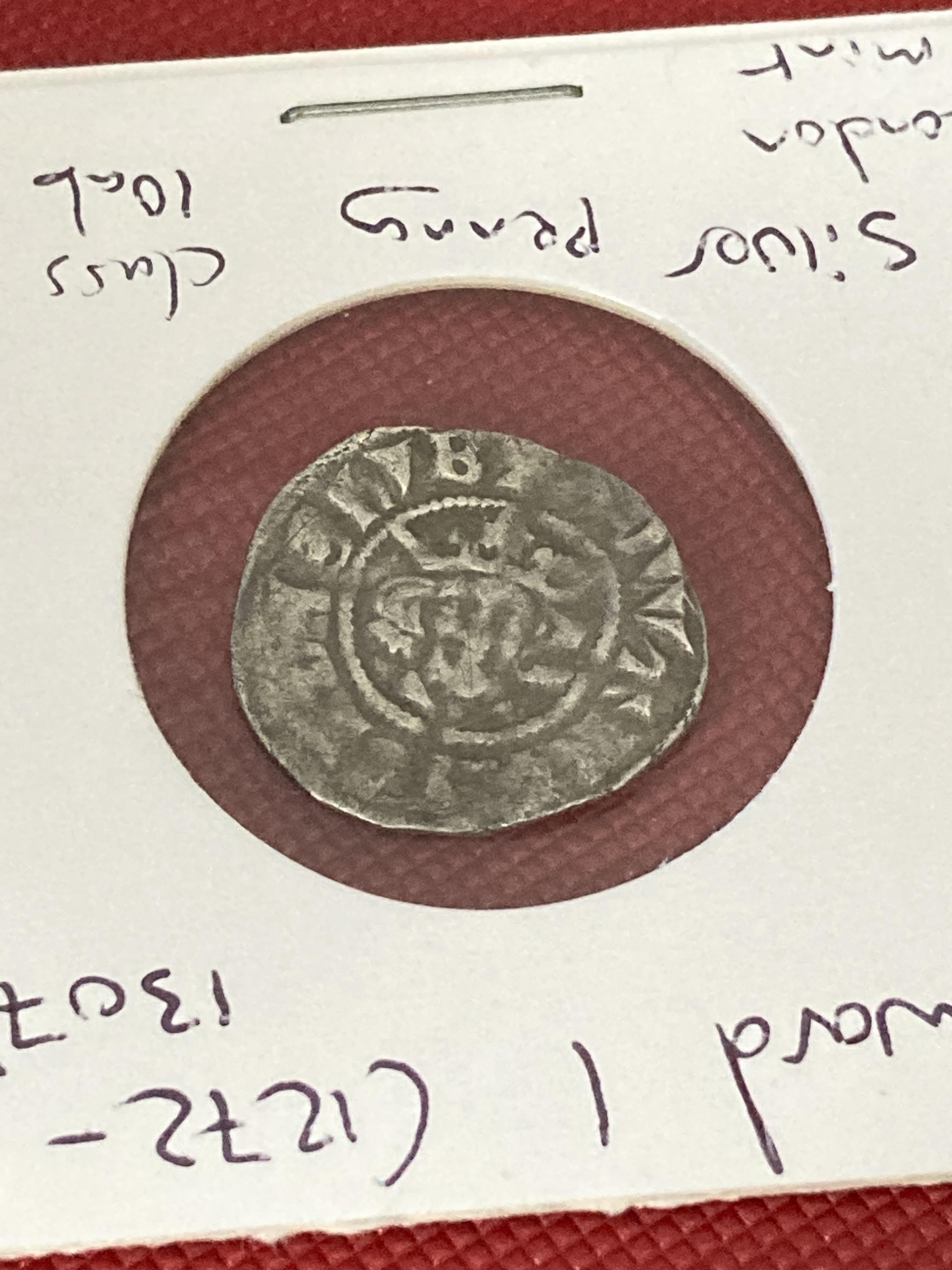
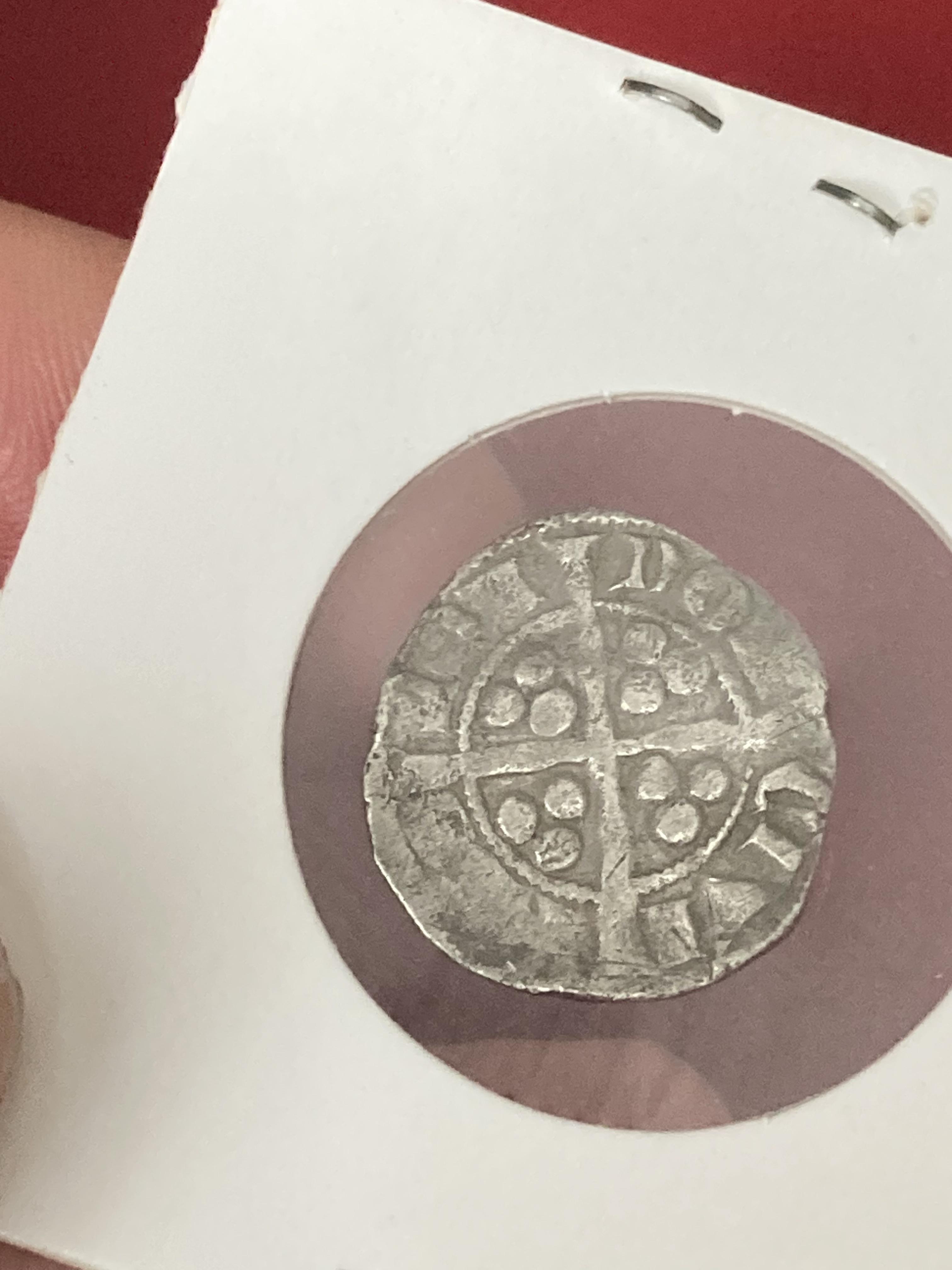
Hi all, was anyone able to verify my thinking with the following coins? All Edward’s but just wanted opinions on whether I am correct. Many thanks