All Activity
- Past hour
-
Nice Mule ! Cracking find.
-
Buy a lottery ticket, you have an awful lot of luck! Superb finds all round, excellent stuff!
-
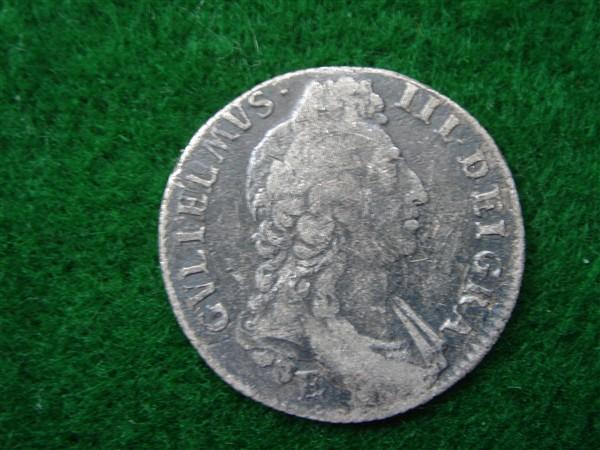
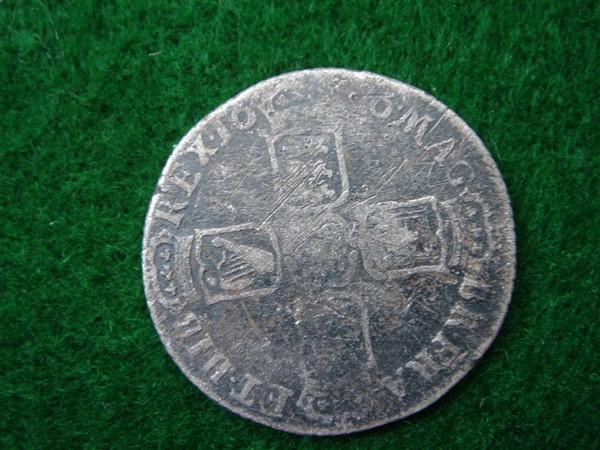
 I noticed that the harp on the reverse of my William 3rd Exeter shilling has 5 strings instead of the usual 4 or less. Is this a rarity?
- Today
-
ah yes, I also looked into this as some seemed odd to just be jewellery.... The purpose of touch piece coin The purpose of a touch piece coin is to be a coin or medal believed to cure disease, bring good luck, influence people's behavior, carry out a specific practical action, etc. These coins are typically struck in gold or silver and are often pierced for wearing as an amulet. They are given by British monarchs to subjects during royal touching ceremonies for scrofula, a tuberculous infection of the lymph nodes historically known as the "King's Evil." The tradition of touch pieces goes back to the time of Ancient Rome, when the Emperor Vespasian gave coins to the sick at a ceremony known as "the touching." 😕
-
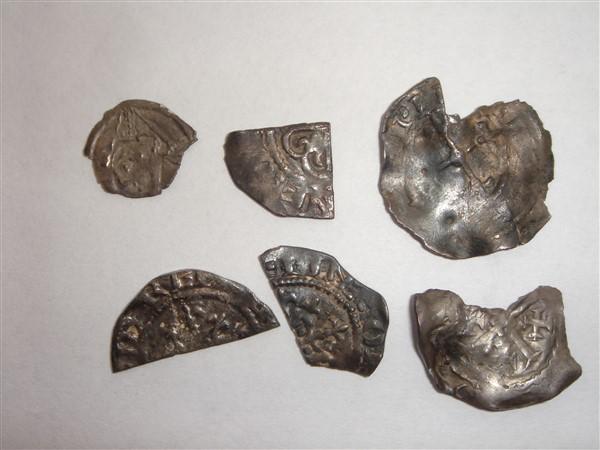
I found all of these while detecting my local farm.
-
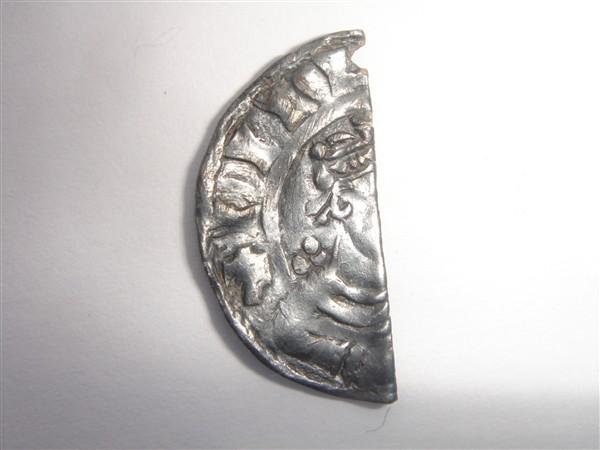
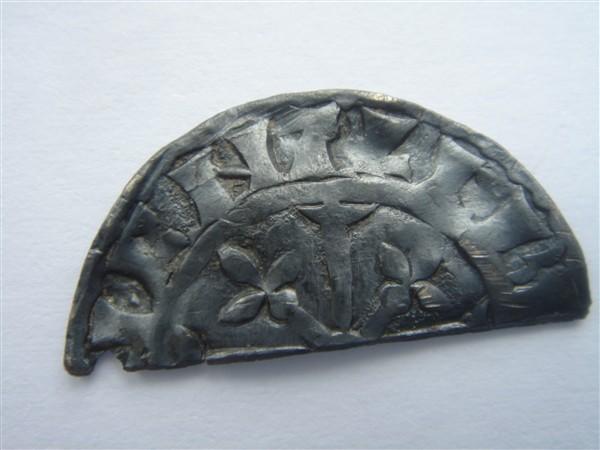
A few months agO I found this William 2nd BMC 1 Profile right cut half. Canterbury (CNTLEB)
-
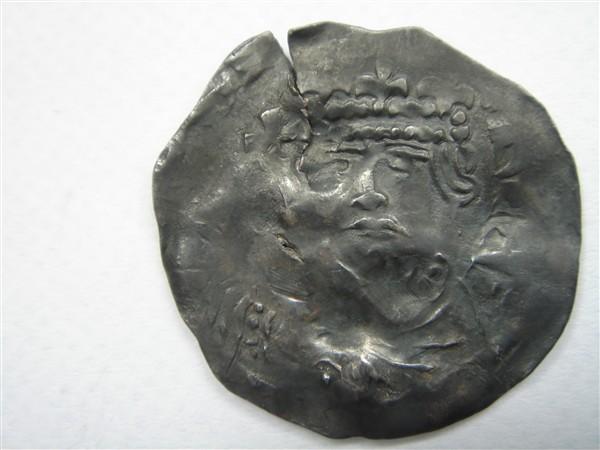
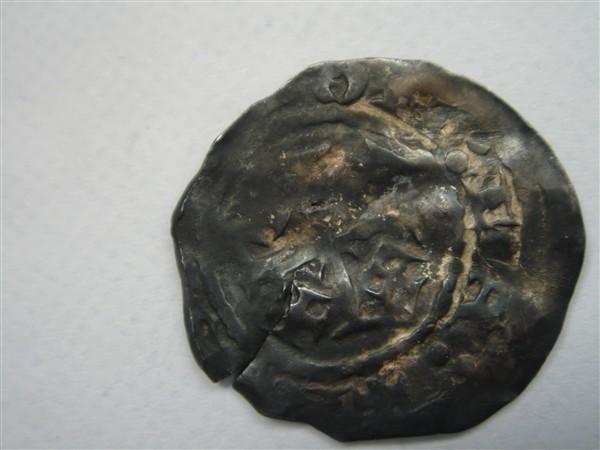
My favourite Tealby detecting find.
-
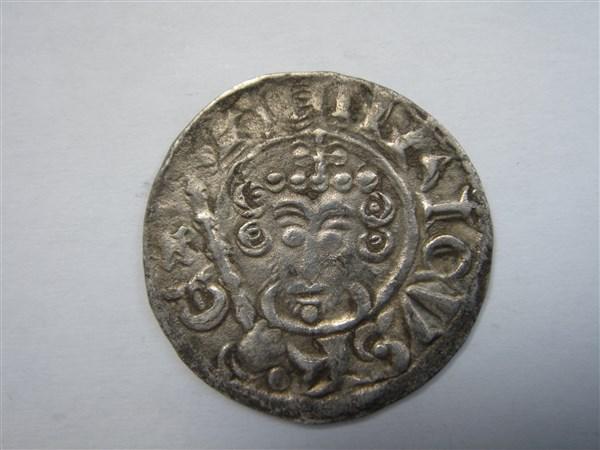
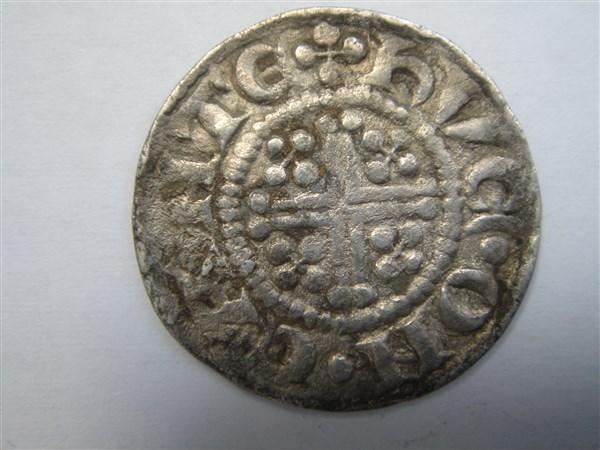
My favourite John detecting find.
-
Henry II Tealby Penny: Attribution help requested
Dave Woodhouse replied to Overlord's topic in British Hammered
Chris Brewchorne is your man to get the answer on anything Tealby related. -
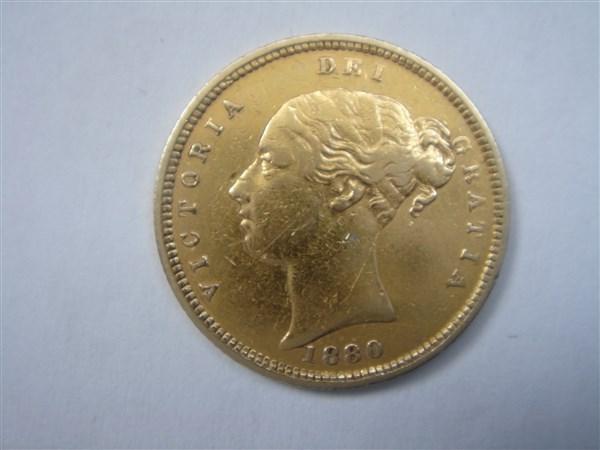
Thanks Paddy. Die Number 78 is shown for 1880 as expected along with 10 other die numbers.
-
Stuff to make us Laugh vers.2.0
Bernie replied to blakeyboy's topic in Nothing whatsoever to do with coins area!
Fart and give me a clue. -
Stuff to make us Laugh vers.2.0
Dave Woodhouse replied to blakeyboy's topic in Nothing whatsoever to do with coins area!
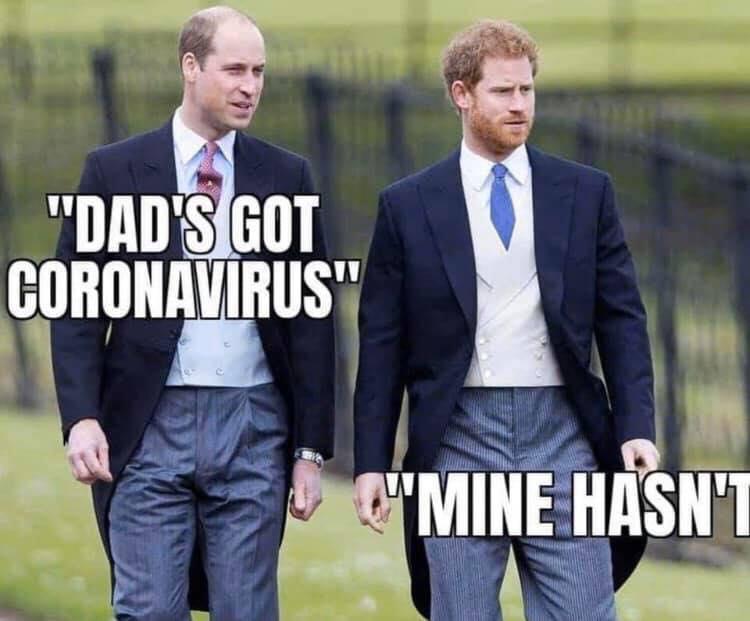
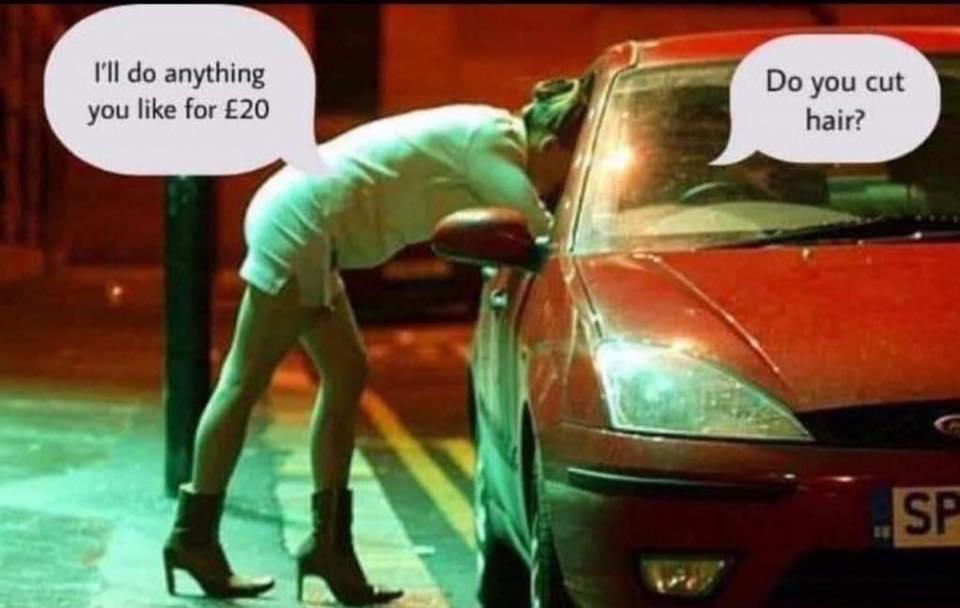
With the covid inquiry back in the news it reminded me of some of the lockdown jokes.
-
Apologies, I misspelt Colman. It should be Coleman with an e.
-
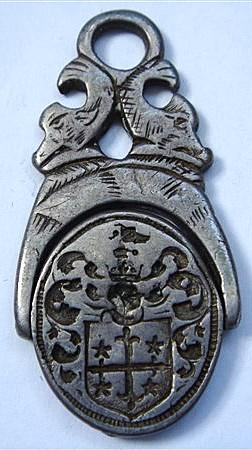
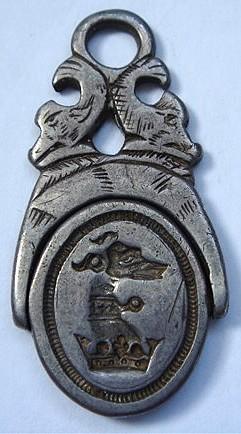
Paddy, many thanks for your input. The reference to the family crest being those of Colman of Kent came from Burkes Peerage which described the greyhound's head emerging from a ducal crown and wearing a ringed collar with stars. It seemed the perfect fit for that displayed on my seal. I found the seal during a club dig in the early 90s near a town called Cannock in the West Midlands. To be honest, I've never heard of the person you refer to. Someone once suggested that the ducal crown perhaps meant that the seal's owner was a Marquess.
-
 Is this the Colman family you mention? https://en.wikipedia.org/wiki/George_Colman_the_Elder In which some more research around them may get you there...
-
Anyone else discovered a new moneyer?
Dave Woodhouse replied to Dave Woodhouse's topic in British Hammered
One of my most memorable moments with this coin was when I visited the Fitzwilliam Mueum in Cambridge to show it to Dr Martin Allen who manages the Early Medieval Corpus of Coins. It just so happened that someone called Bill Conte, the owner of a fantastic collection of Henry 1st coins was also at the museum that day, finalising the sale of his collection to the museum. I was introduced to Mr Conte and given the opportunity to show him my coin. To my disgust, he claimed that it was a coin by ANCEBAM at Lincoln based upon a badly worn legend on one of his coins. This was despite the legend on mine being virtually complete and legible. I was then taken to the vault and allowed to see the Conte collection which was as near to detecting heaven as you can get. Row upon row of beautiful and rare silver hammered coins were displayed in wooden pull out trays. It was an amazing experience. -
Yes - there is this site: https://www.coins-of-the-uk.co.uk/dieno.html It does not pretent to be exhaustive as the RM has not produced a list of the numbers they used and new ones are being discovered occasionally. Collecting die numbers is a rabbit hole I refuse to enter!
-
Anyone else discovered a new moneyer?
Dave Woodhouse replied to Dave Woodhouse's topic in British Hammered
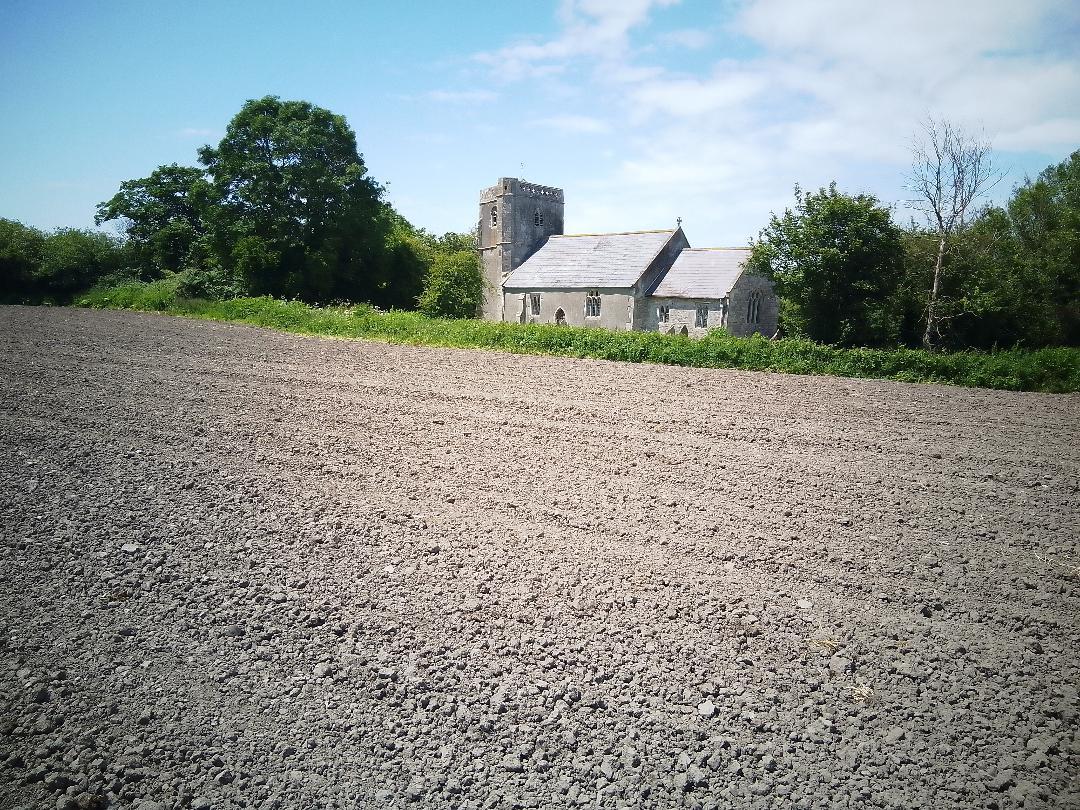
Thanks for your comment. It was my first find on visiting a field that I had literally just received permission to search in April, 2000. The field lies behind a 13th century church and had not been cultivated for years. On the day in question I drove past the field and noticed that it had been deep ploughed. I decided to go straight to the farm and get permission to search it. With permission granted, I headed straight to the field with my detector. On entering the field, I started detecting and had only walked about 20 yards when I spotted something round and shiny on top of one of the sheets of ploughed folded clay. I passed my detector over it and it gave a signal so I bent down and picked it up. It was this coin of Henry 1st. The rest is history and I have continued to make many amazing finds on what I consider to be my field of dreams. Given the large number of extremely old hand made nails found in one part of the field, I suspect that there was an earlier wooden structure on the field that preceded the 13th century church. That is why many of the coins I've found from Ethelred 2nd through to Henry 2nd were found in that area. Here is a photo of the field.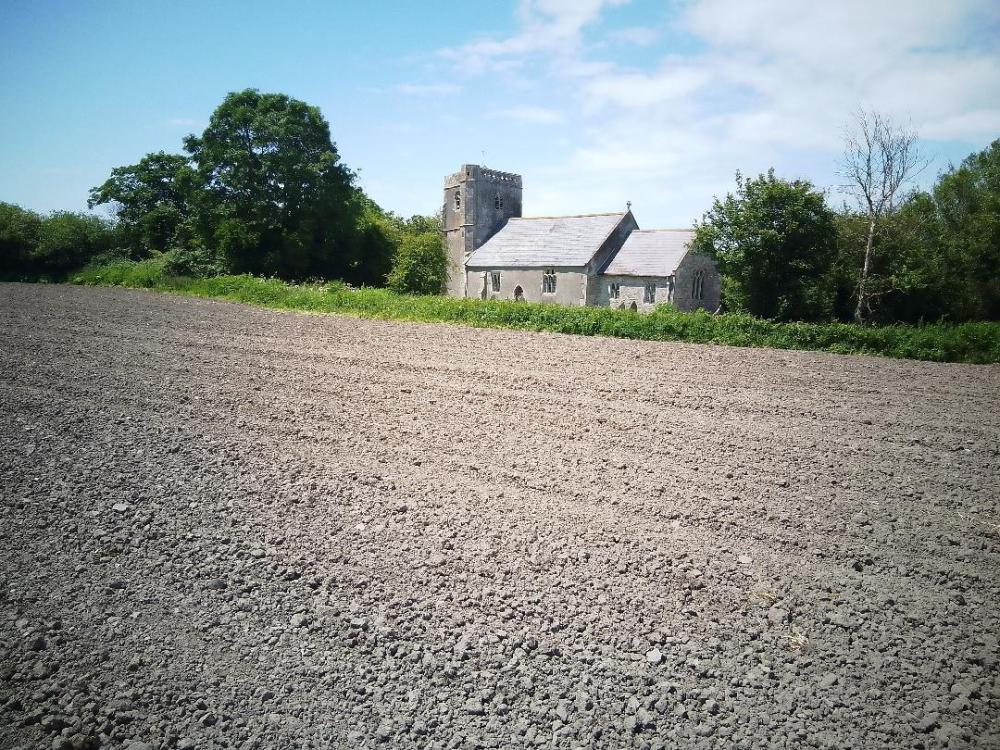
-
Literally making history! Well done, what a find!
- Yesterday
-
I found this seal many years ago and identified the arms and family crest on either side of the matrix as those of the Colman of Kent family. That's about as far as I've got in trying to trace its owner. I was informed by the British Museum that it dates to the first half of the 18th century, which is when seals bearing heraldic imagery were common. I was wondering if anyone knows of any way that I could progress my search to find its original owner.
-
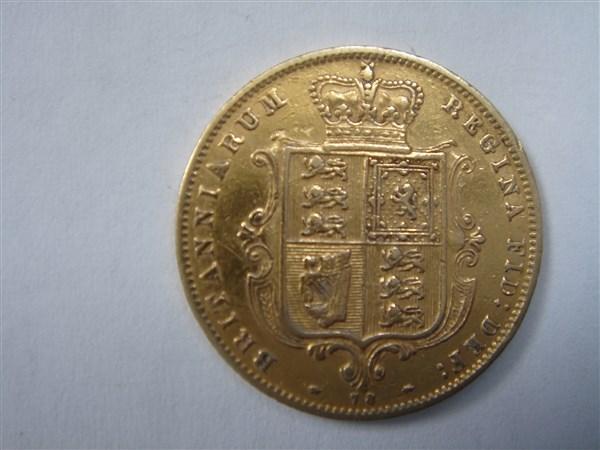
Some years ago I found this 1880 Victoria half sovereign on a club dig. I noticed that it had a die number 78 beneath the shield on the reverse. Just wondering if there is a list somewhere that shows which die numbers were more common/scarce than others.
-
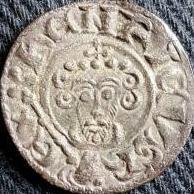
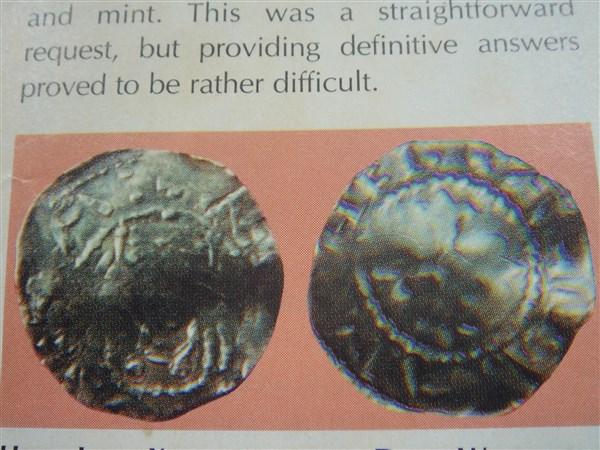
Back in 2000, I found a Henry 1st type 10 penny on my local farm. On reading the reverse it appeared to read ANDERAM ON EI. Despite extensive searching I couldn't find any mention of Anderam's name anywhere and the only mention of a mint with EI was the mint of Eye in Suffolk which appeared to have minted coins of Stephen. I ended up sending details of my coin to Peter Spencer at The Searcher magazine for assistance. Peter eventually found a match for my coin. The matching coin was very worn and had been attributed to a different moneyer and mint due to the lack of visible legend. Following a visit to see May Sinclair at Spinks in London, she noticed a pronounced tail coming from the base of the letter N and said that it was a ligated NL combination, thus making the mint read as LEI for Leicester. This meant that my find was the first known Henry 1st penny by Anderam at Leicester. EMC 2000.0078 There is now another example on the EMC that was found at Besthorpe in Lincolnshire.
-
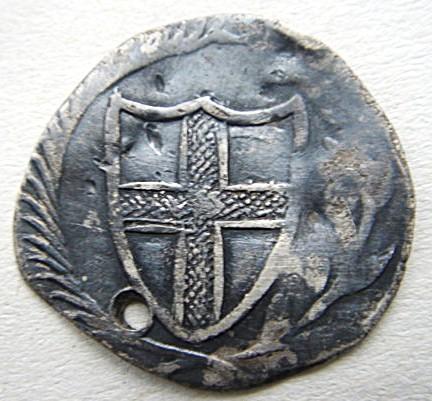
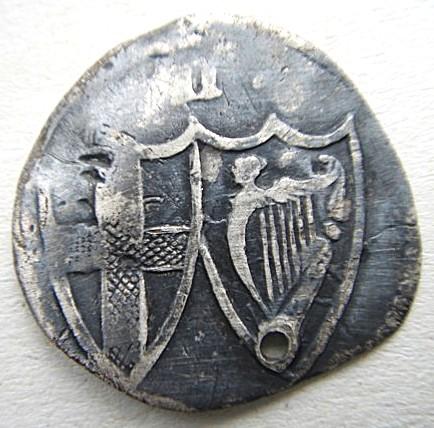
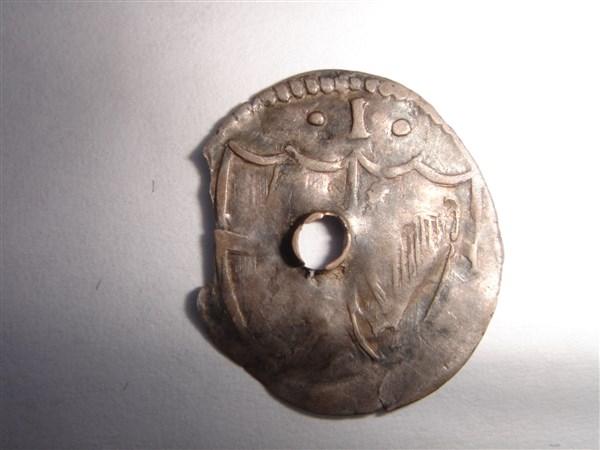
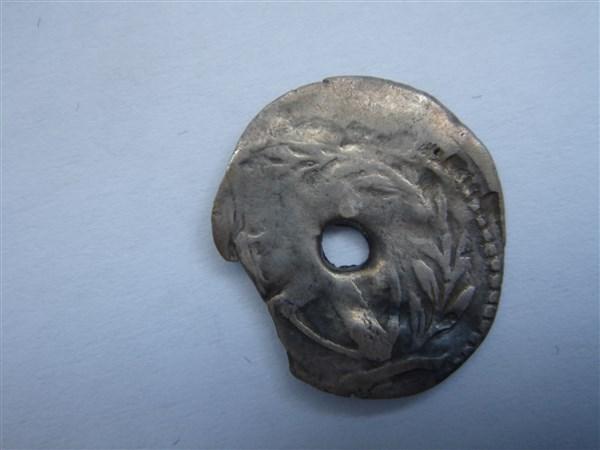
Some of it was also holed in 1696 under the great recoinage of William III. A directive was sent out that any circulating hammered coins of good size and weight basically unclipped could stay in circulation for a spell provided they were punched / holed. This was carried out by the Royal mint before the full switch over to milled coinage came about. I think this is why you see so many holed coins from the commonwealth period. Stu.
-
Likewise; but not just commonwealth, Henry VIII, Elizabeth, James and Charles too. Technically they should be reported to the FLO as an artefact- repurposed coin- and possible treasure- but they are clearly not pendants. I suspect that small silver was so easily lost that it was often kept safe on a cord or wire until needed. These piercings do not generally result in loss of metal so not devaluing the coin. Jerry
-
 George Krewz joined the community
-
Found a few commonwealth coins over the years, usually with piercings like these.