All Activity
- Past hour
-
Jingle jangle jewelry
-
Jimmy saville had the same ceremony
-
shrewsbury sounds good for detecting / most detectorist never find gold
- Today
-
reverse is ace
-

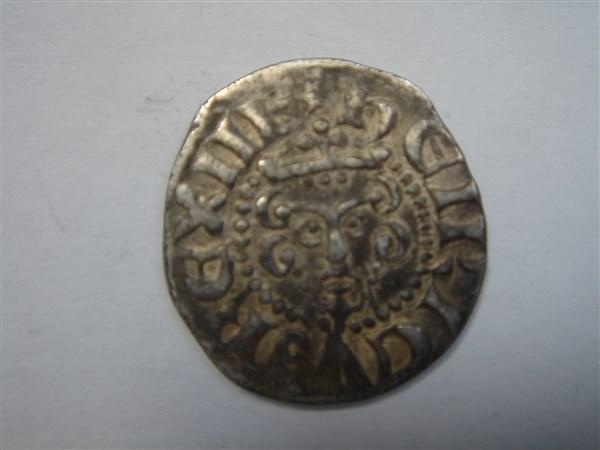
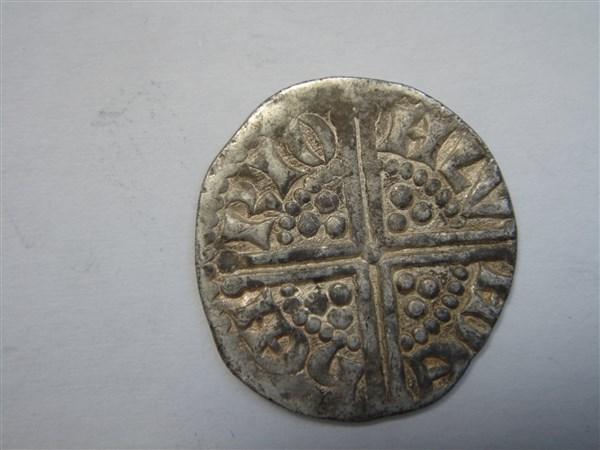
Is this an Edward 1st penny from Berwick?
Dave Woodhouse replied to Dave Woodhouse's topic in British Hammered
Wow. That's brilliant. Thanks for the feedback Jerry. I might have a go at identifying some of my others now. -
-
- 1
-

-
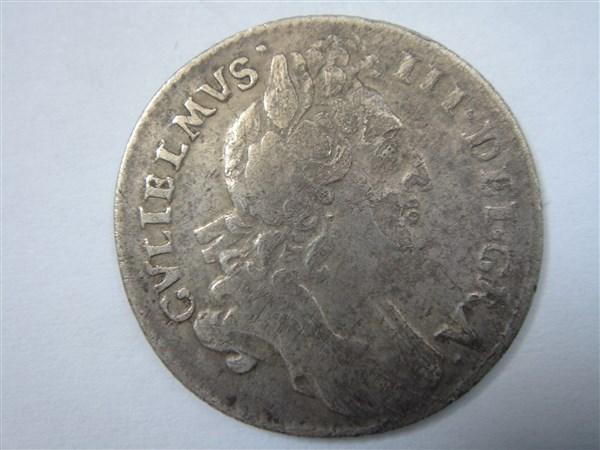
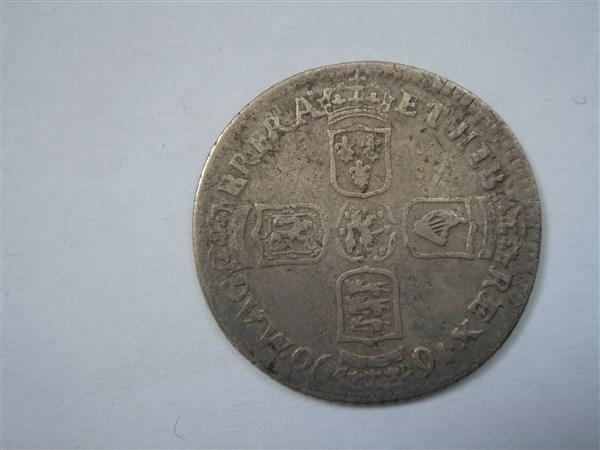
-
- 1
-
-
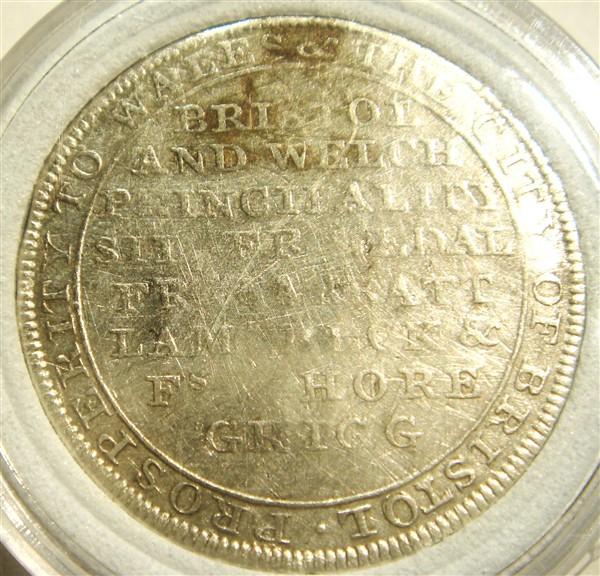
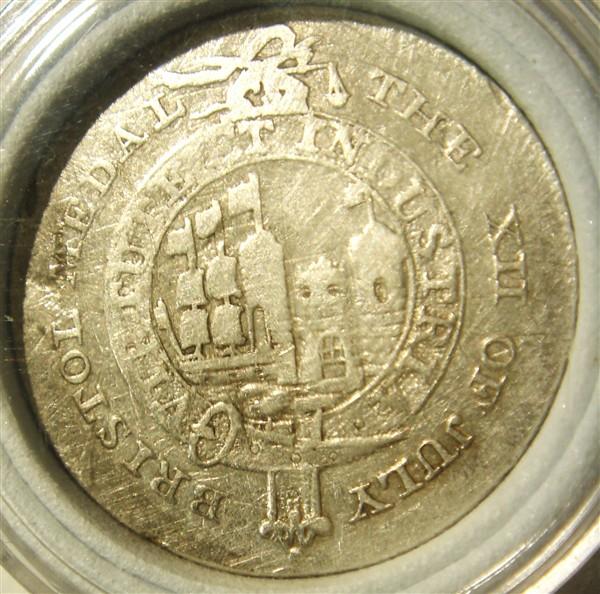
A fellow club member found this lovely silver medal last month.
-
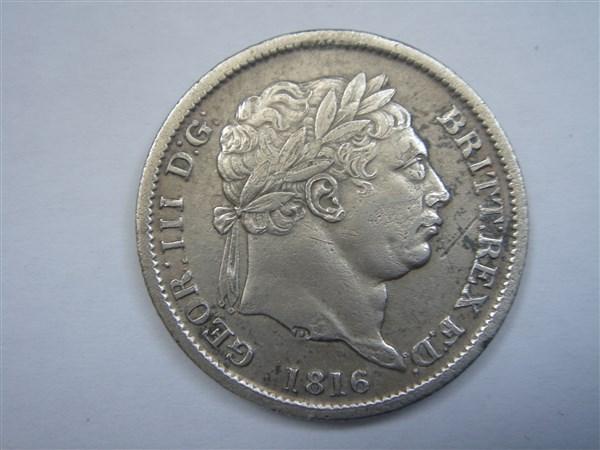
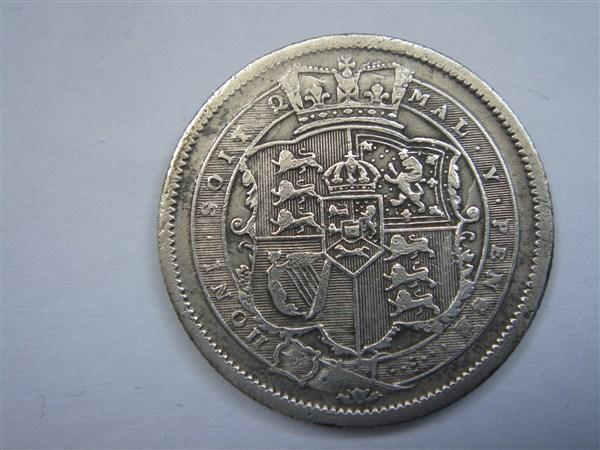
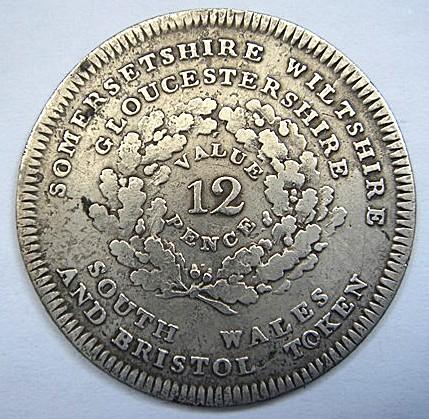
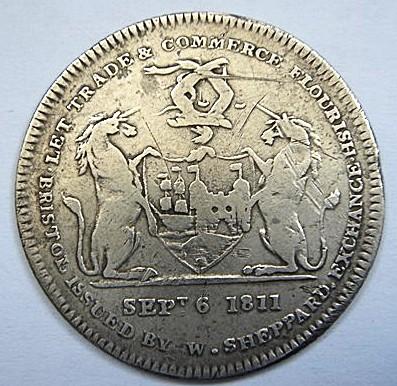
I found this lovely silver 12 pence token in a field on the outskirts of Bath some years ago.
-
- 1
-
-
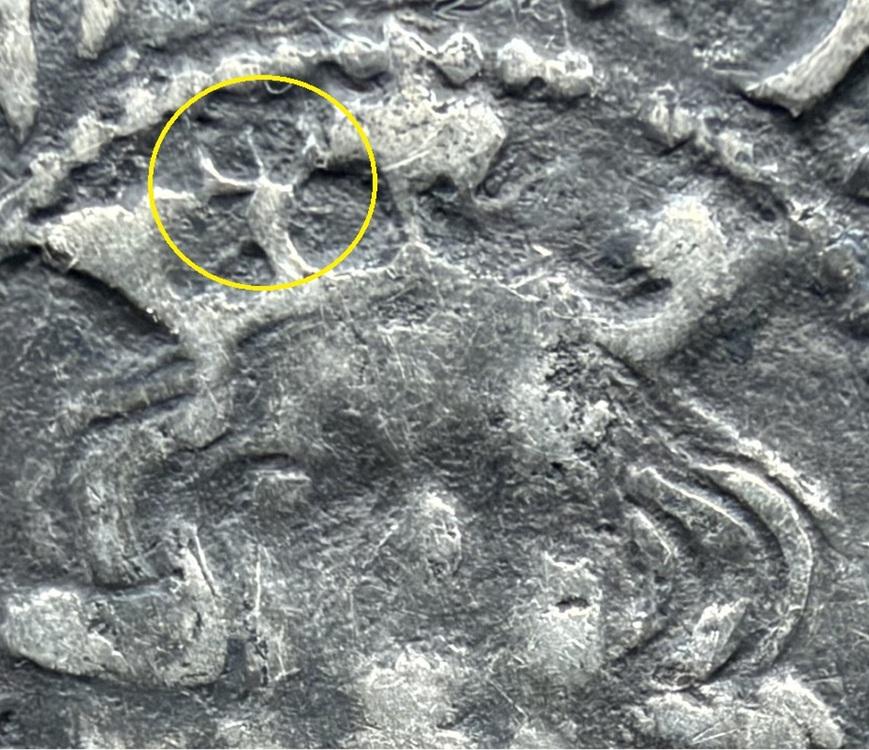
this is the die fault close up, still need help with confirmation if its a Edward I and the group, Type it may be? many thanks "H"
- Yesterday
-
Is this an Edward 1st penny from Berwick?
jelida replied to Dave Woodhouse's topic in British Hammered
Yes, you are correct. Jerry -
I'm basically hopeless at identifying Edward pennies but have had a go at identifying this one. The reverse appears to read VILL ??? ??? ??? and I think it might be a Berwick mint penny, Blunt type 4. Anyone able to confirm? Grateful for any assistance.
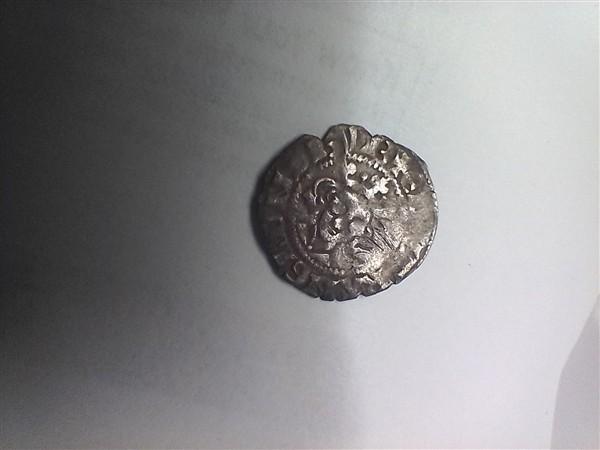
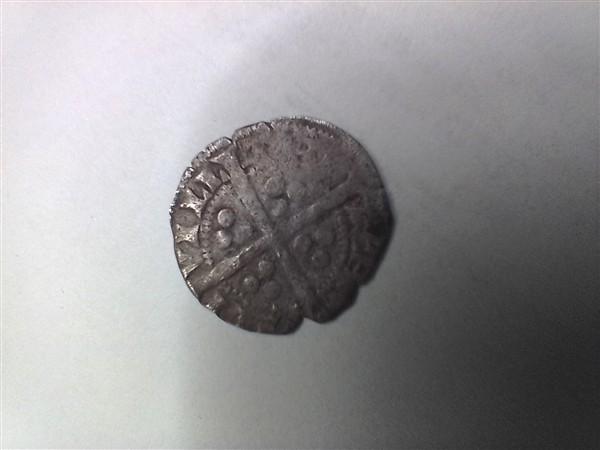
-
Calling all Cnut and Ethelred 2nd collectors
Dave Woodhouse replied to Dave Woodhouse's topic in Coin Publications Forum
The key detail I was looking for was the conjoint AE at the end of the moneyers name. There were lots of examples of GODERE but I was struggling to find one with the AE ending. I looked in the EMC, etc without success, so decided to see if there were any large Cnut short cross collections anywhere that I could access. My google search results brought up the Lenborough hoard so I tried to see if I could access the hoards contents. This led me to the Bucks Museum where the hoard is located and I discovered that the hoard had been fully catalogued and a spreadsheet made available. To speed up my search of the spreadsheet, I entered GODER as a search knowing that it ought to bring up results for all coins by the moneyer GODHERE spelt either GODERE or GODERAE. On scanning through the results I arrived at number 323 which was GODERAE. It turned out to be the only example in the whole hoard with this spelling. So it must be scarce. Good luck in obtaining a nice Victoria crown. -
Calling all Cnut and Ethelred 2nd collectors
Coinery replied to Dave Woodhouse's topic in Coin Publications Forum
That’s the way to do it…research and final die-matching is such a satisfying experience and, having access to the right material, such a great fortune. Thank goodness these resources are now becoming available in a digital format. Not my area, unfortunately, far too expensive in the grades I’d be interested in. You never know, though, I may one day have a mad moment and think a monarch set is on the cards? It would be a lovely solution for the half-dozen, or so, random coins that I have in a lovely grade, which don’t quite fit anywhere! Hmmmm, also the excuse I don’t need to buy random coins that I admire, like the young-head Victoria crown. -
Victoria Gothic Crown
Dave Woodhouse replied to Dave Woodhouse's topic in British Coin Related Discussions & Enquiries
-
I generally agree with you 1877jubilee. However, as you like them to have a natural patina, how would you know whether the patina is due to age or artificially created using the method I described above?
-
1849 1 Florin - Victoria 1st portrait; 'Godless' type
Dave Woodhouse replied to Citizen H's topic in Free for all
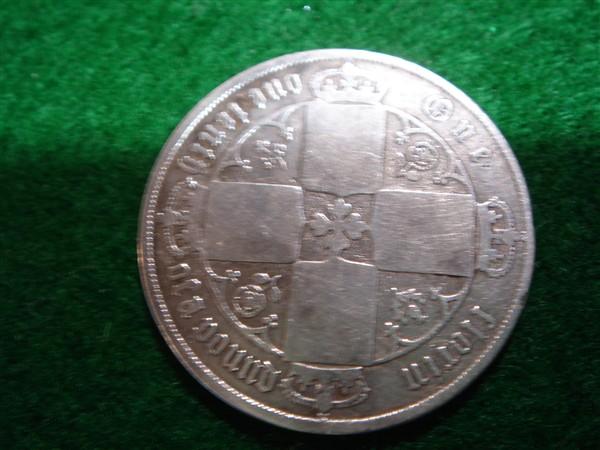
This is my only Viccy Florin. Found on a club dig quite a few years ago.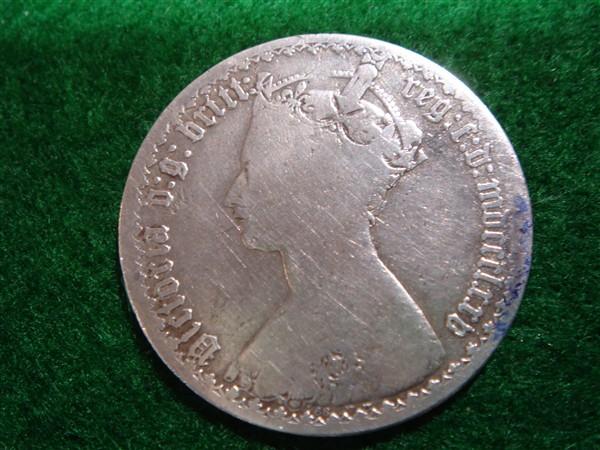
-
 Ultra sonic works well on clock parts but the cardinal rule is never clean coins. Conservationists have other methods for dealing with lead and aluminium corrosion. Cleaning silver is like taking the patina off good furniture.
-
Victoria Gothic Crown
Dave Woodhouse replied to Dave Woodhouse's topic in British Coin Related Discussions & Enquiries
Based on the name plate on the front of the safe, we think the safe originally looked like this.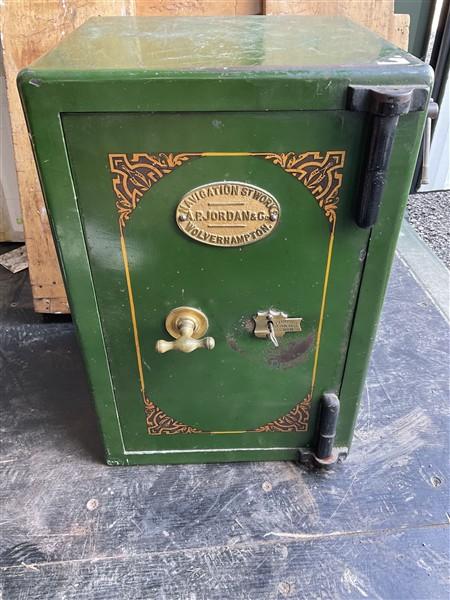
-
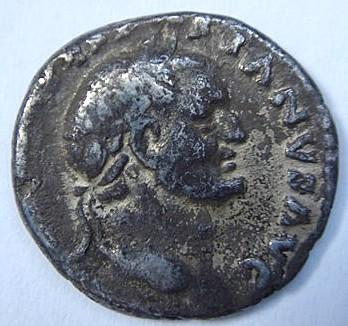
I found these 2 on a field close to the Uxacona roman site at Redhill, on the outskirts of Telford, Shropshire in 1993. A great site that produced over 200 roman coins, mainly small bronze grots with little detail left on them.
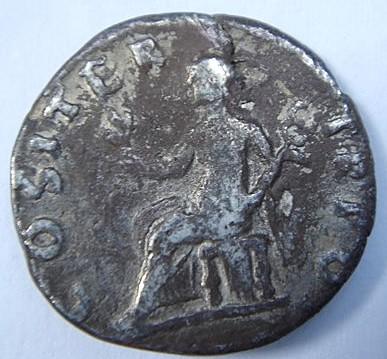
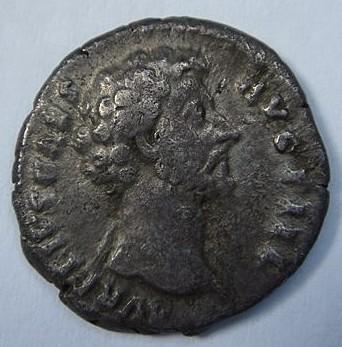
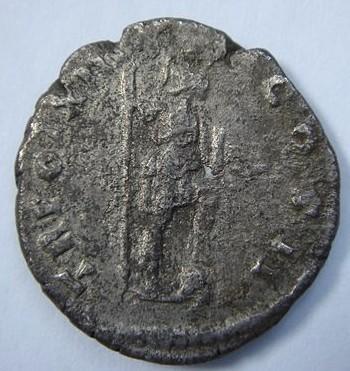
-
Thanks for your comment ozjohn. As I said, the coin I tested the process on was of no consequence, but I would never try cleaning a valuable toned hammered coin in this way. Regarding the silver sulphide tarnish, I am aware that some people tone coins by putting them into containers that have mashed up boiled eggs in them. This gives the coins an artificially aged appearance.
-
Recently when researching a Cnut short cross cut halfpenny I'd found, I discovered a photographic catalogue and searchable spreadsheet of the Lenborough hoard consisting of 5252 coins of Cnut and Ethelred 2nd. Around 90% of the coins in the hoard are Cnut short cross type pennies. Searching the spreadsheet quickly enabled me to identify a coin of interest that matched the reverse legend on mine and pointed me to a photo of the coin in the catalogue. I was able to confirm that the coin in the catalogue was a die match for my coin. I think the catalogue and spreadsheet are essential downloads for anyone interested in Cnut or Ethelred 2nd coins. Here are photos of my cut half along with its matching full penny from the Lenborough hoard.
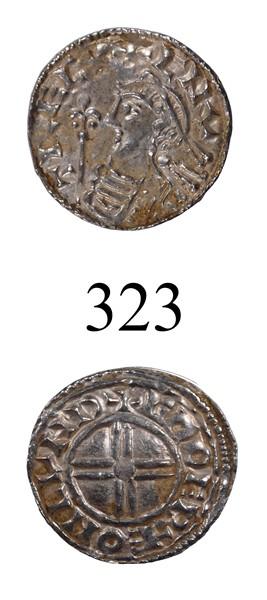
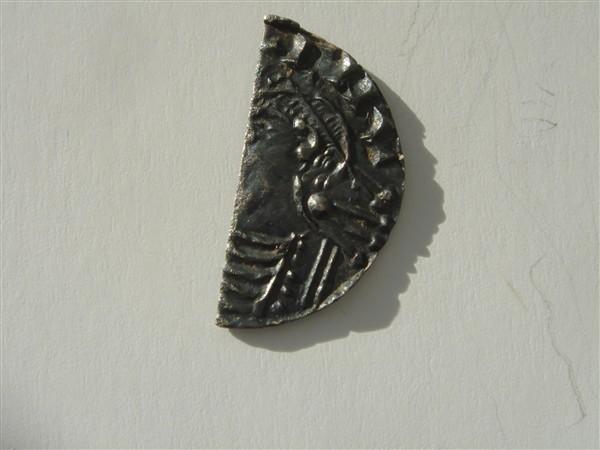
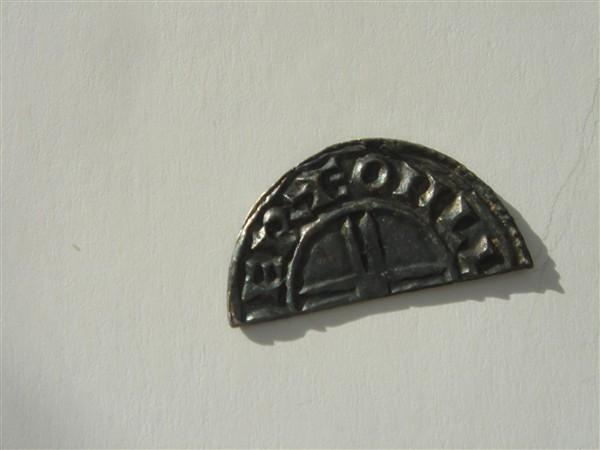
-
 Interesting. Ultrasonic cleaning will remove the tarnish from silver which is formed by a reaction between silver and sulfur producing silver sulfide Ag2S therefore removing some of the surface of the coin. Better perhaps to use the bicarbonate of soda and aluminium foil or Goddards silver dip that both change the Ag2s back into metallic silver. As I have commented before a silver coin kept for 100 years is going to tarnish. When I see bright shiny examples up for sale many with NGS and PCGS certification I have to wonder how these coins remained in that condition for so long. Perhaps people have been using ultrasonic baths for a long time and as the surface damage would be minimal and pass the certification examination..
- Last week
-
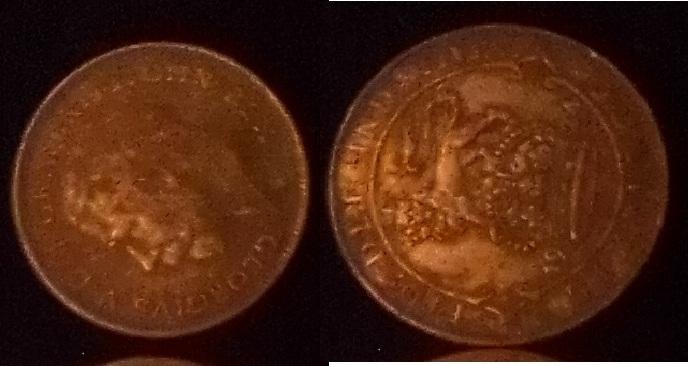
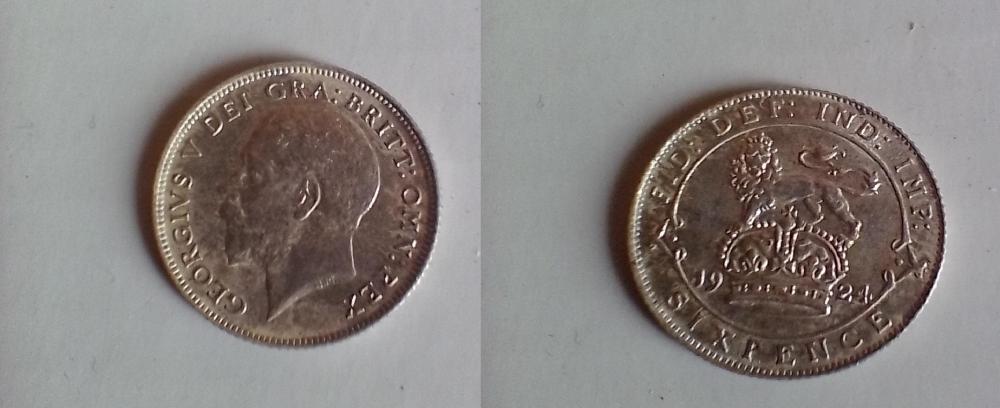
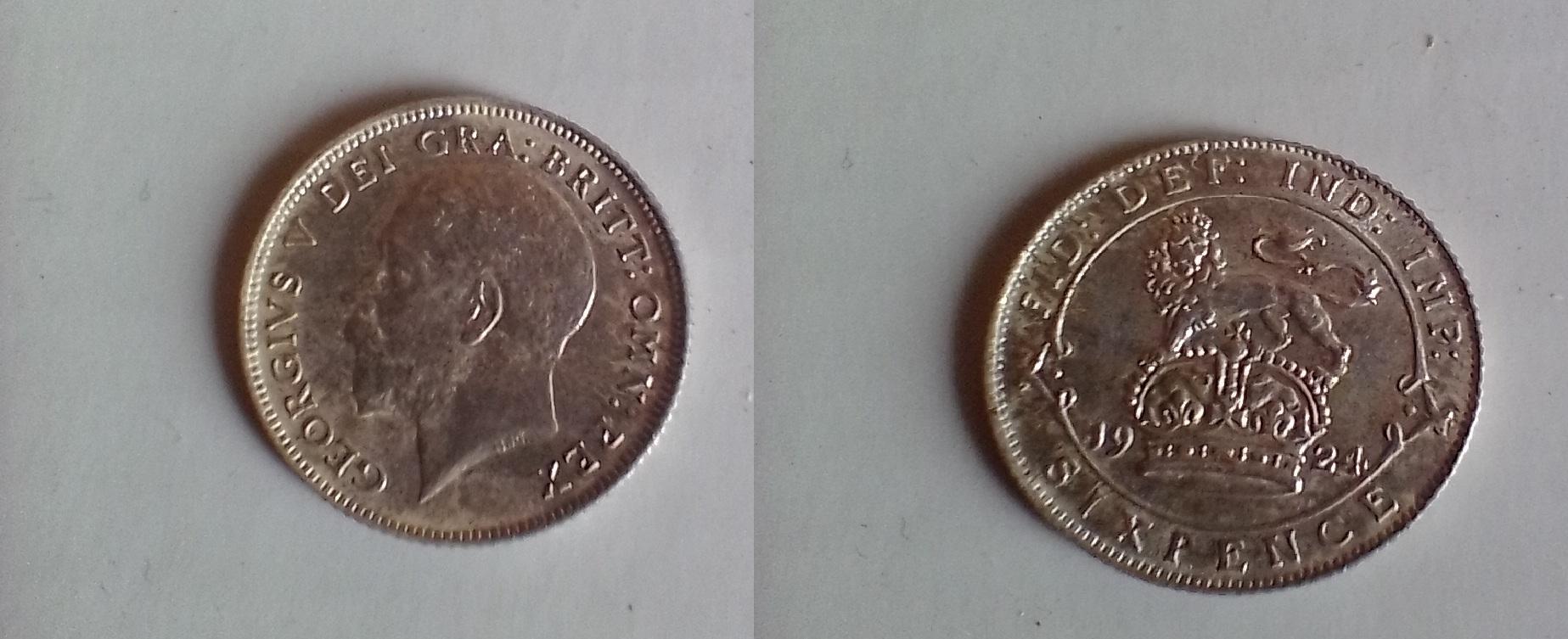
I had some old sixpences encrusted with dirt that weren't of any real interest so I decided to try cleaning them with plain water in an ultrasonic cleaning bath. I was very impressed by both the speed and finish achieved. It only took about 15 seconds and the plain unpolished looking finish was just what I wanted to achieve. Here are the before and after photos.