All Activity
- Past hour
-
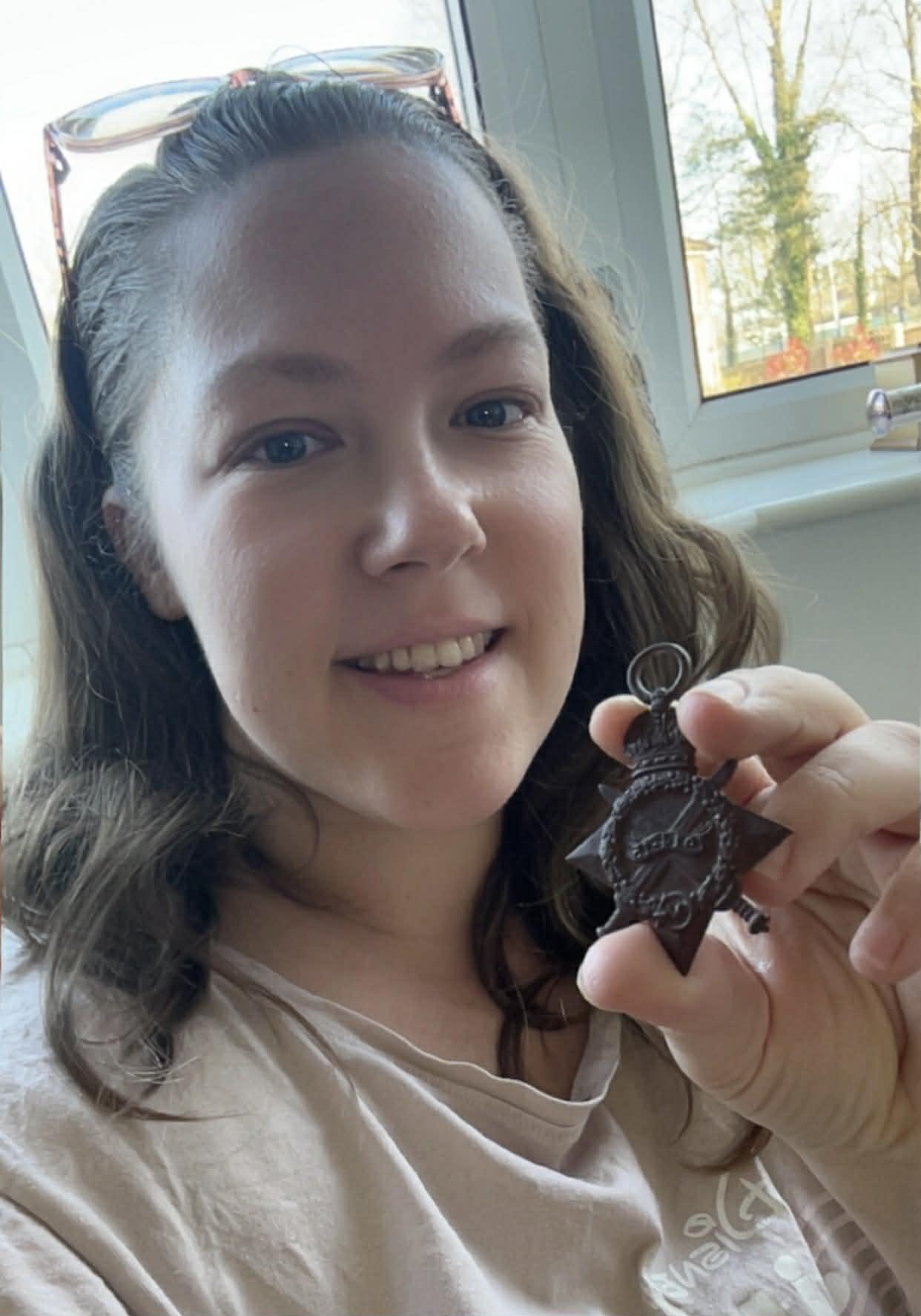
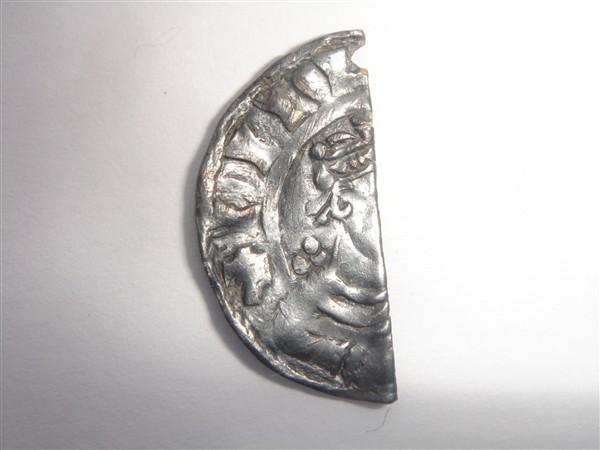
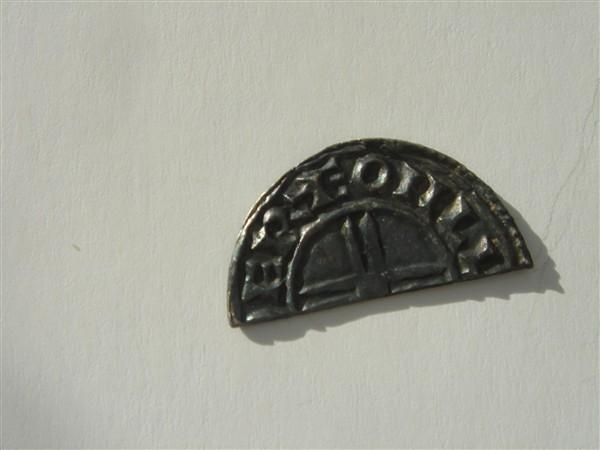
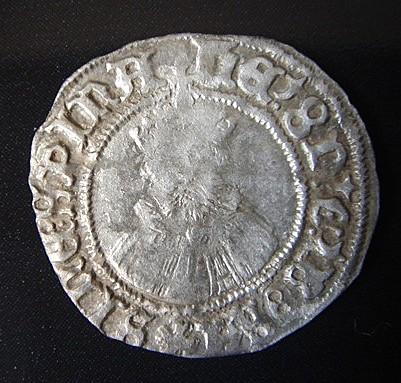
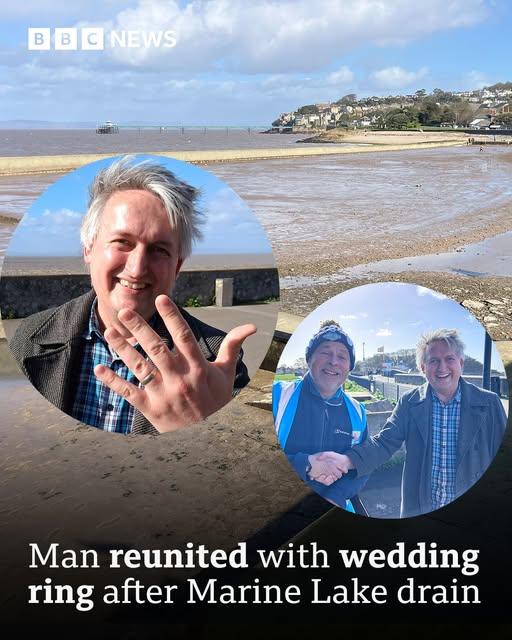
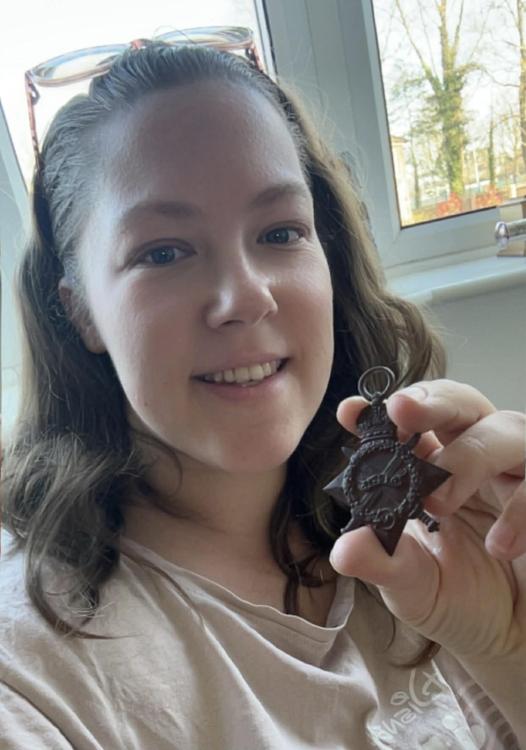
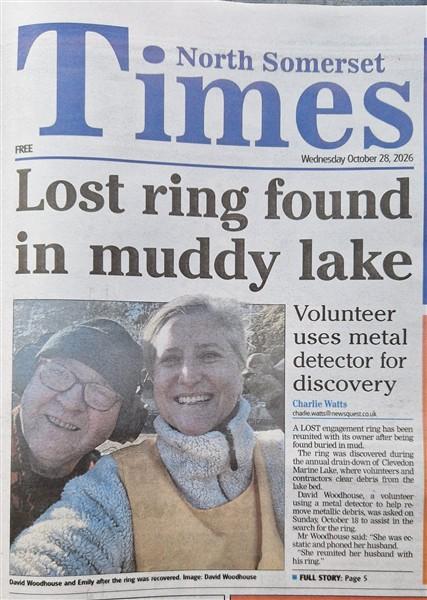
Well, this years detecting will soon draw to a close so here are details of the finds I've made over the year which have filled gaps in my collection, produced duplicates and in 3 instances resulted in highly personal and sentimental items being returned to their owners or living descendants. Jan-March: I found 3 cut halves of Edward 1st, Henry 2nd and Henry 3rd and an Elizabeth penny halfpenny. April: Found a cut halfpenny of William 2nd BMC1, profile right which was my first William 2nd find. I also found a wedding ring that had been lost in Clevedon Marine Lake while I was helping to find and remove metallic debris from the lake bed after the lake had been drained for maintenance. The ring had been lost months earlier by Oli Foster while swimming in the lake and he was distraught at losing it. Once found, Oli was contacted and reunited with his ring. I also found a WW1 medal near Clevedon that had initials and service number details on its reverse. I sought help from members of the Great War Forum who supplied me with vast amounts of information about the medal's owner. His name was Edgar Charles Baber, an able seaman in the Royal Naval Reserve who served onboard HMS Canada during the Battle of Jutland, the largest sea battle of WW1. I passed Edgars details to a site called Medals Going Home and received back details of a living descendant, his great, great grandaughter, Samantha. The medal, along with details of Edgars military service were sent to Samantha. May-August: Carried out searches of car boot and fairground sites for £1 and £2 coins, accumulating £623 over the period. (2025 total was £1951) Sept-Nov: Found my first Cnut short cross with the moneyers name ending with the Ash character (conjoint AE) on my local farm. Also found an Elizabeth threepence, commonwealth half groat and an Edward 1st Irish Waterford halfpenny, a first for me, on a club dig. Found a posthumous Henry 8th Bristol penny issued during the reign of Edward 6th on my local farm, a first for me. Also found an Edward 1st halfpenny. During the September drain down of Clevedon Marine lake I helped a lady called Emily to find her lost engagement ring and return it to her.
- Today
-
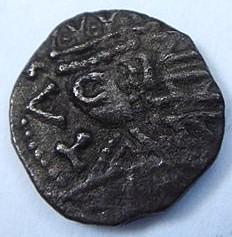
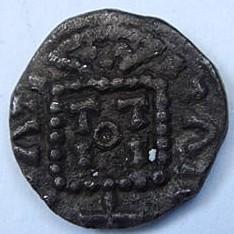
This Type R1 sceat is the only early saxon coin I've found. Found near Telford, Shropshire in 1996.
-
- 3
-

-
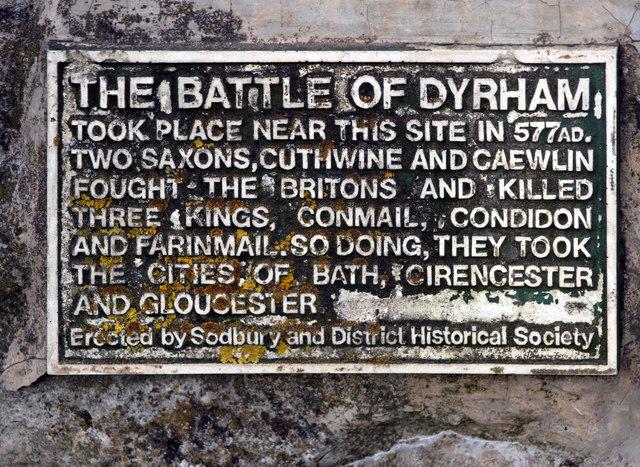
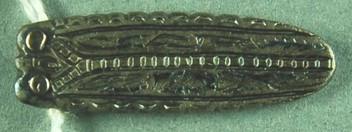
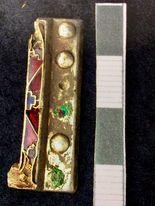
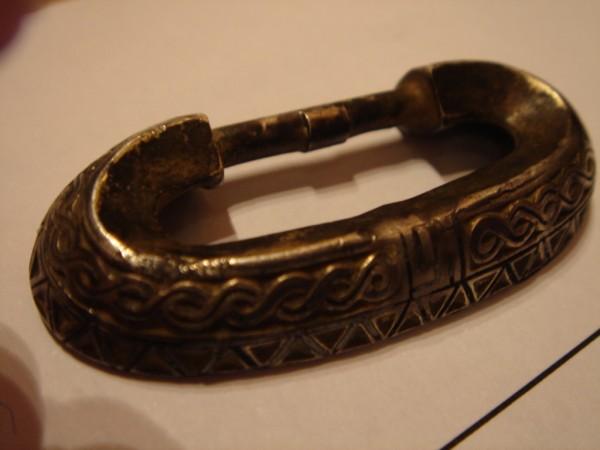
 Back in the late 90s I found a silver saxon strapend on a club dig close to the site of the Battle of Dyrham which took place in 577AD. It was the first saxon item found on the field and was declared as treasure. It now resides in Bristol Museum. On subsequent visits to the field, a number of amazing saxon artifacts were found, leading us to believe that high status warriors who were killed in the battle had been buried on the field and that what we were finding were grave goods. The other items found were parts of an elaborate silver, gold and garnet buckle assembly including the buckle loop, pin assembly and the broken off tail end of the buckle plate. In addition, a lozenge shaped brooch and other fragments of metalwork were found.
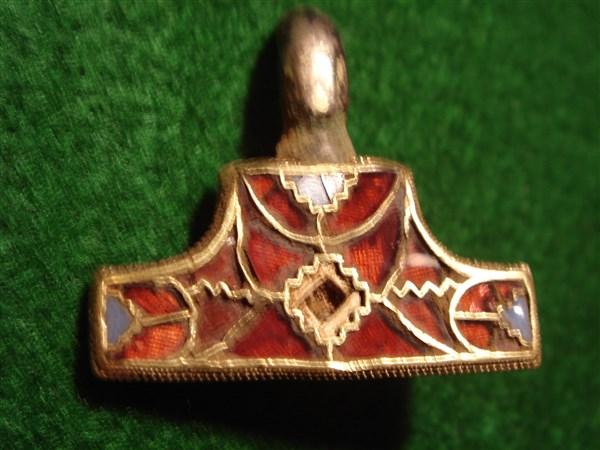
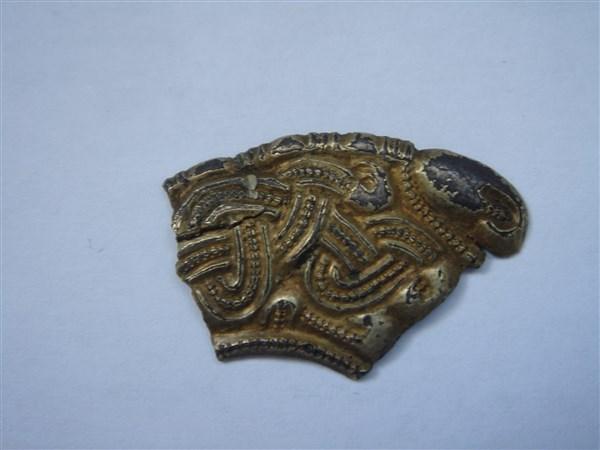
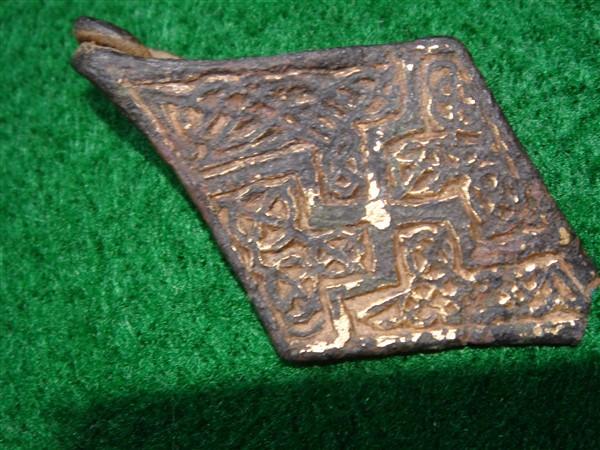
-
- 1
-
-
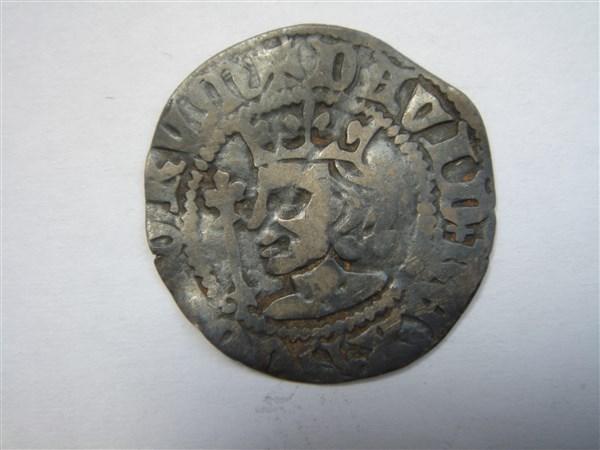
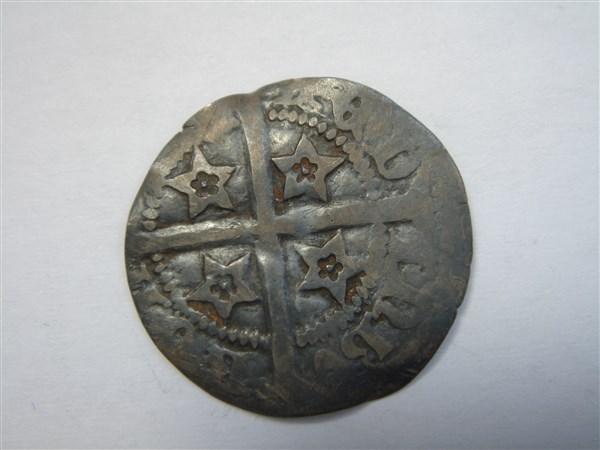
Despite the reference books indicating that David 2nd pennies are relatively common, I have struggled to find examples of the 3rd issue types either for sale or even mentioned on line. I found my example with the star at the base of the mace on a club dig near Cossington in Somerset.
-
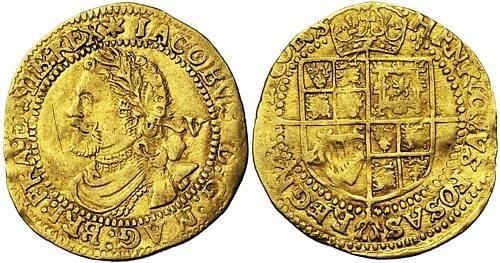
This gold quarter laurel is the only gold hammered I've found in 38 years detecting. I found it on a field that had just had potatos harvested close to the village of Beckbury in Shropshire in 1992.
-
- 2
-
-
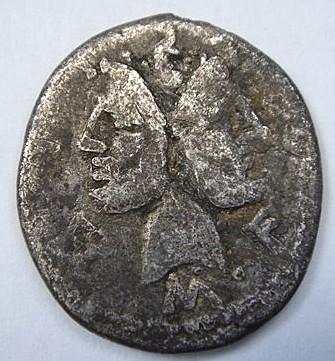
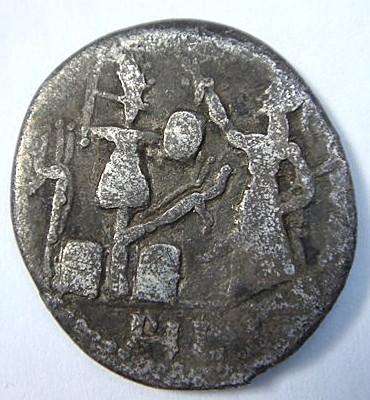
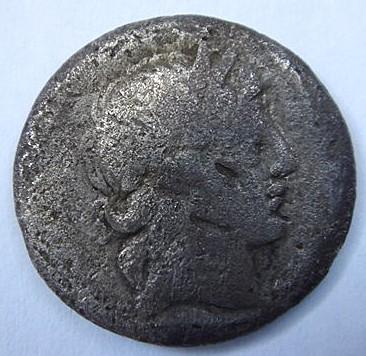
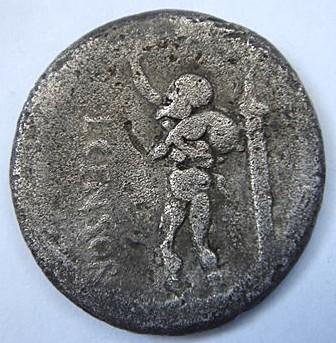
I found these 2 on a field close to the Uxacona roman site at Redhill, on the outskirts of Telford, Shropshire in 1993. Furius Philus 119BC and L Censorinus 82BC. A great site that produced over 200 roman coins, mainly small bronze grots with little detail left on them.
-
- 1
-
-
Seems more CIII coins are getting out now. Yesterday I got two 2025 50ps, a 2025 20p, a 2023 5p and a 2026 10p. Mintage figure for the 2025 50p is 2m, which although much higher than the 200,000 for the 2023, is still much lower than the 5 to 20m typical in previous issues.
-
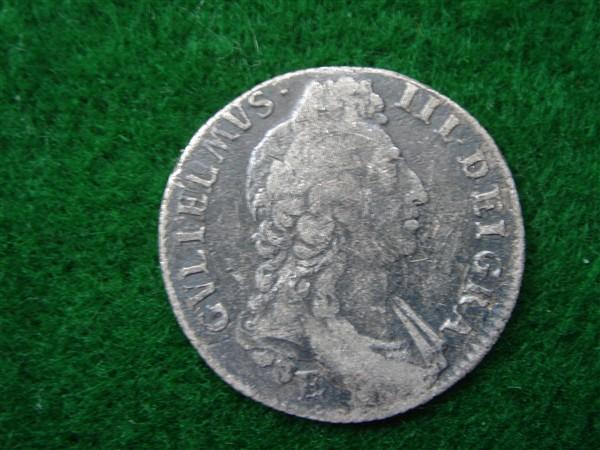
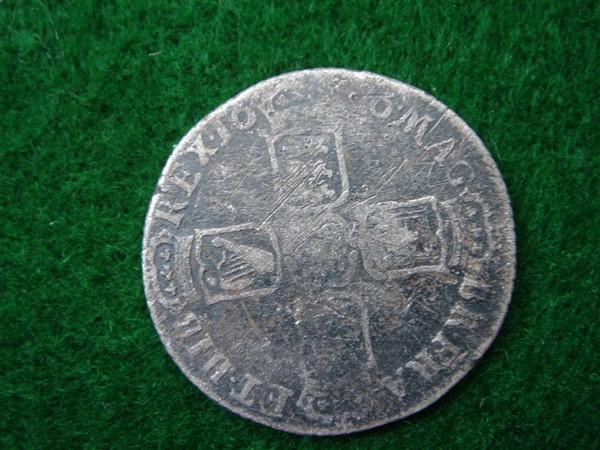
William 3rd Exeter shilling with 5 string harp
Rob replied to Dave Woodhouse's topic in Confirmed unlisted Varieties.
The number of strings visible is a lottery depending on the degree of die fill and the amount of effort putting them in manually by the engraver. Jackson-Kent spent years trying to deduce the reasoning for how many strings were present in the 1950s and 60s only to conclude there was no hidden meaning. One number may be scarcer than the next, but as for a reason - the question remains unanswered. -
It's a mess isn't it. I've given up taking my field walking finds to them. Still waiting on stuff i handed in last December to appear online. Got shoe boxes of material that needs cataloging with them but what's the point if they are not going to find the time to Identify it and process it. Not sure what's going on in the background to cause such delays. They need to employ more people to deal with back logs or something. That's my two pences worth anyway. Stu.
- Yesterday
-
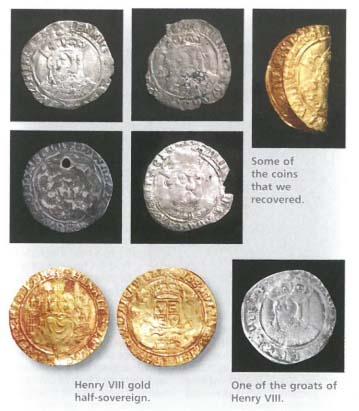
Some members of my local metal detecting club who found a hoard of Henry 8th coins in December 2018 have only just been paid their reward after the coins were retained by the authorities and handed over to a local museum. The finders reported the hoard to the coroner within the required 14 days of finding it and that was the point at which the negligence and ineptitude on the part of the authorities began, which led to the process taking 8 years to reach completion. Just to add insult to injury, the treasure reward was based on the value of the hoard on the day it was found and not updated to reflect current values. The hoard contained 2 gold coins, a half sovereign and a double rose crown along with 9 silver groats. The reward paid out was £4000 which was split equally between the finders and the landowner. Given the long delays which were not of the finder's making, I think that a fresh valuation should have been undertaken as a good will gesture.
- 1 reply
-
- 2
-

-
Nice Mule ! Cracking find.
-
Buy a lottery ticket, you have an awful lot of luck! Superb finds all round, excellent stuff!
-
I noticed that the harp on the reverse of my William 3rd Exeter shilling has 5 strings instead of the usual 4 or less. Is this a rarity?
-
ah yes, I also looked into this as some seemed odd to just be jewellery.... The purpose of touch piece coin The purpose of a touch piece coin is to be a coin or medal believed to cure disease, bring good luck, influence people's behavior, carry out a specific practical action, etc. These coins are typically struck in gold or silver and are often pierced for wearing as an amulet. They are given by British monarchs to subjects during royal touching ceremonies for scrofula, a tuberculous infection of the lymph nodes historically known as the "King's Evil." The tradition of touch pieces goes back to the time of Ancient Rome, when the Emperor Vespasian gave coins to the sick at a ceremony known as "the touching." 😕
-
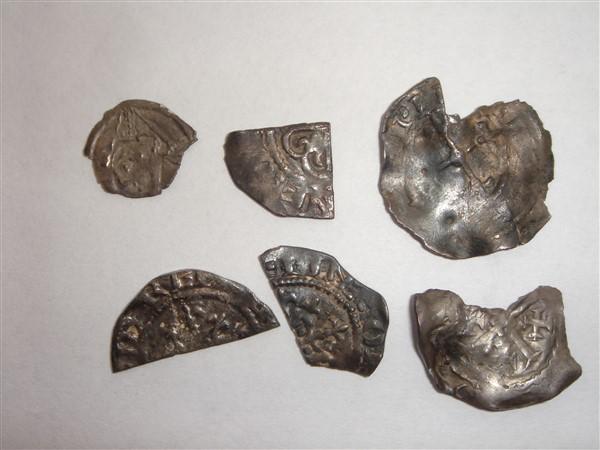
I found all of these while detecting my local farm.
-
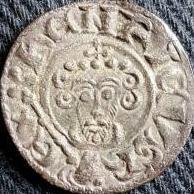
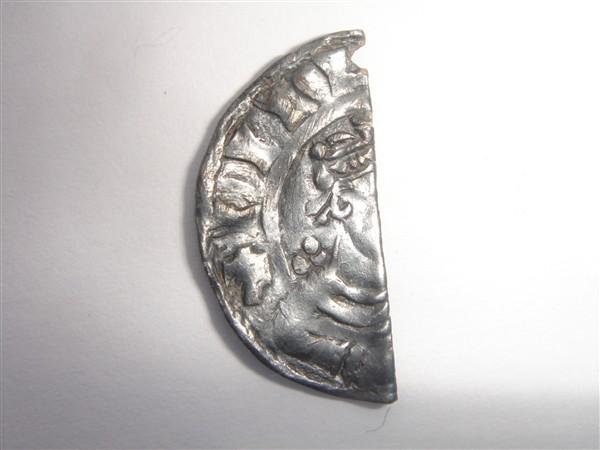
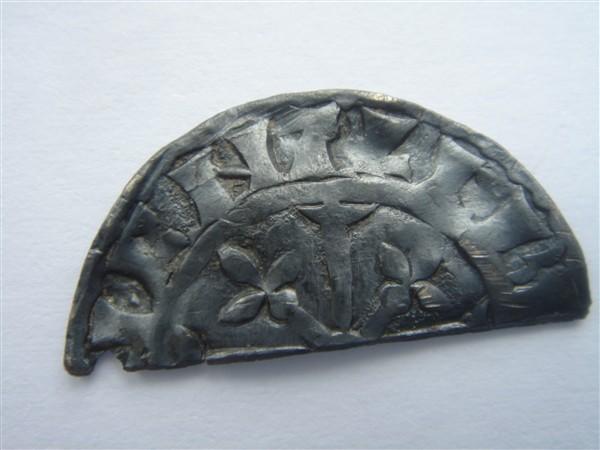
A few months agO I found this William 2nd BMC 1 Profile right cut half. Canterbury (CNTLEB)
-
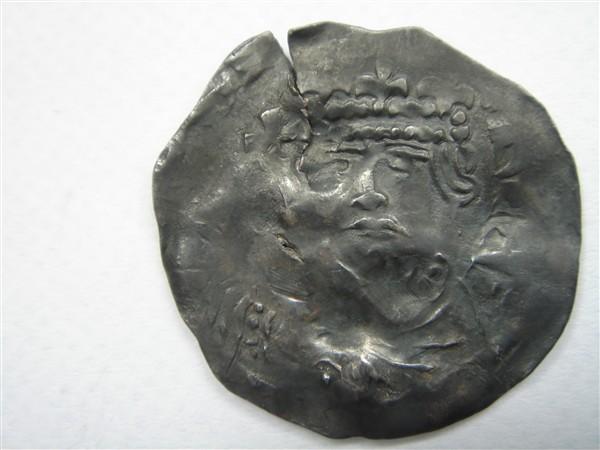
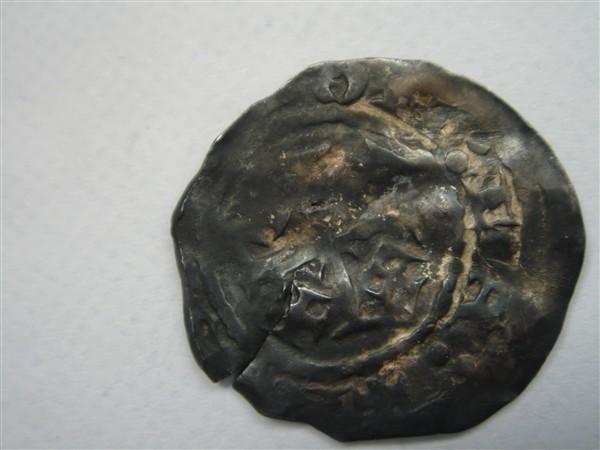
My favourite Tealby detecting find.
-
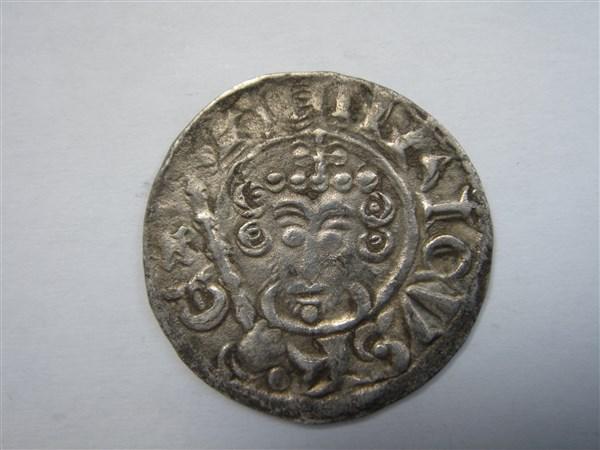
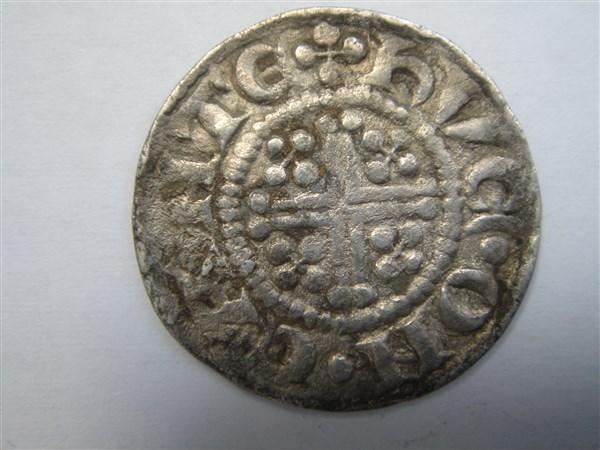
My favourite John detecting find.
-
Henry II Tealby Penny: Attribution help requested
Dave Woodhouse replied to Overlord's topic in British Hammered
Chris Brewchorne is your man to get the answer on anything Tealby related. -
Thanks Paddy. Die Number 78 is shown for 1880 as expected along with 10 other die numbers.
-
Stuff to make us Laugh vers.2.0
Bernie replied to blakeyboy's topic in Nothing whatsoever to do with coins area!
Fart and give me a clue. -
Stuff to make us Laugh vers.2.0
Dave Woodhouse replied to blakeyboy's topic in Nothing whatsoever to do with coins area!
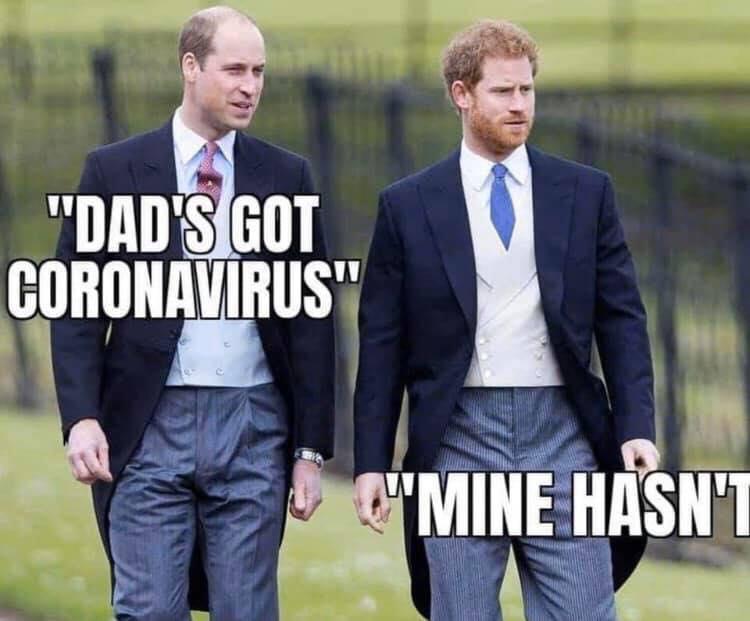
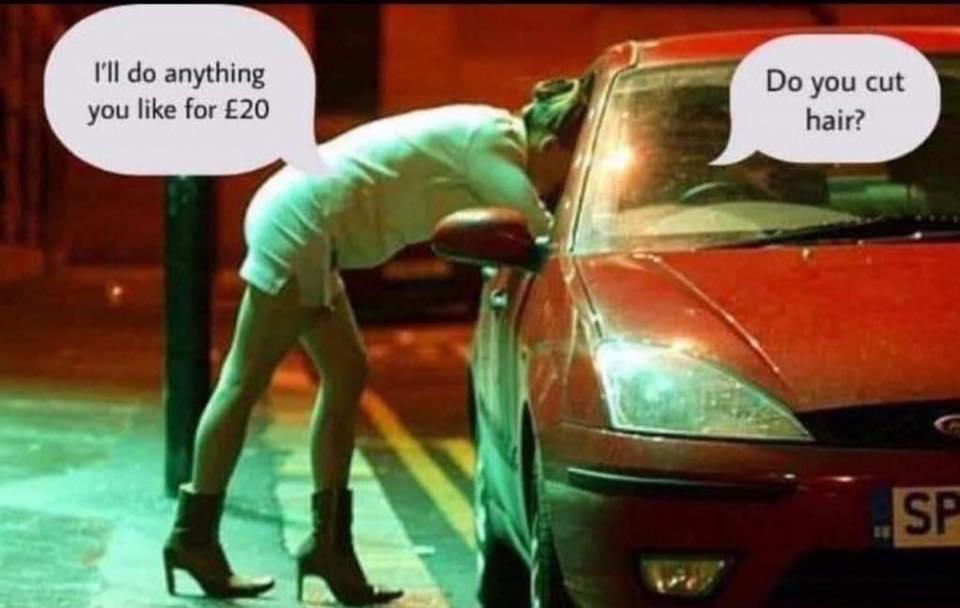
With the covid inquiry back in the news it reminded me of some of the lockdown jokes.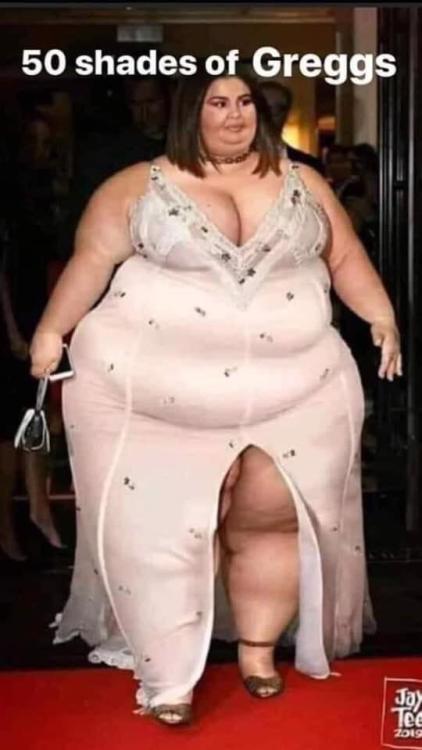
-
Apologies, I misspelt Colman. It should be Coleman with an e.
-
Paddy, many thanks for your input. The reference to the family crest being those of Colman of Kent came from Burkes Peerage which described the greyhound's head emerging from a ducal crown and wearing a ringed collar with stars. It seemed the perfect fit for that displayed on my seal. I found the seal during a club dig in the early 90s near a town called Cannock in the West Midlands. To be honest, I've never heard of the person you refer to. Someone once suggested that the ducal crown perhaps meant that the seal's owner was a Marquess.
-
 Is this the Colman family you mention? https://en.wikipedia.org/wiki/George_Colman_the_Elder In which some more research around them may get you there...