Leaderboard


Popular Content
Showing content with the highest reputation on 01/17/2026 in Posts
-
3 points
-
Many thanks Paddy and Coinery As far as records go – it appears money started to be officially defined by weight of metal in Iraq about 2,150 BC. The retreat from that definition perhaps started in Britain in 1914, when banks stopped changing notes for sovereigns. So understanding weight standards is basic to understanding what money was for 97% of its history. If you do not understand the weight standards, you just cannot understand the real history of money. That is why I think it is important. It is comforting to believe there are “a small number of academics willing to invest the time in this”, who are perhaps keeping an eye on the situation for us all. Indeed that was still sort of true 25 years back. But those guys were fighting a loosing battle then and anyhow, they are, as far as I can discover, all now dead. There are today way more professional academics than there ever were before. They generally refuse to discuss these matters, a sizeable sub-group will turn hostile and sarcastic if they are raised. I am afraid this seems a straightforward Cui Bono situation to me. The great majority of professional academics are paid by states, and all states have now adopted “managed money” - which they print at will. ‘He who pays the piper calls the tune’. I am an old guy myself now, and am pretty much fixed on a search for anyone at all out there who will try to understand these matters, and will stand up and debate them. I tried looking amongst professional academics. It was a poor plan. Am I really alone here in seeing the Curator of Coins at our British Museum holding a Charles I pound coin and saying “it is a pound weight in silver” ? All the Best Robert Tye PS in case of interest - for my series of videos on Youtube - look for “A History of Troy Weight” Playlist:2 points
-
I’m away this weekend, but great news that you can provide a weight…tbh measuring the dimensions of a coin with a plastic ruler is satisfactory enough for ID. In the early days I bought a fancy tool but, given the variable sizes for any given denomination, and that they are rarely round, the weight is generally sufficient, so it was never that useful. It may be useful with milled coinage, but rarely! Save your money and buy another coin instead!1 point
-
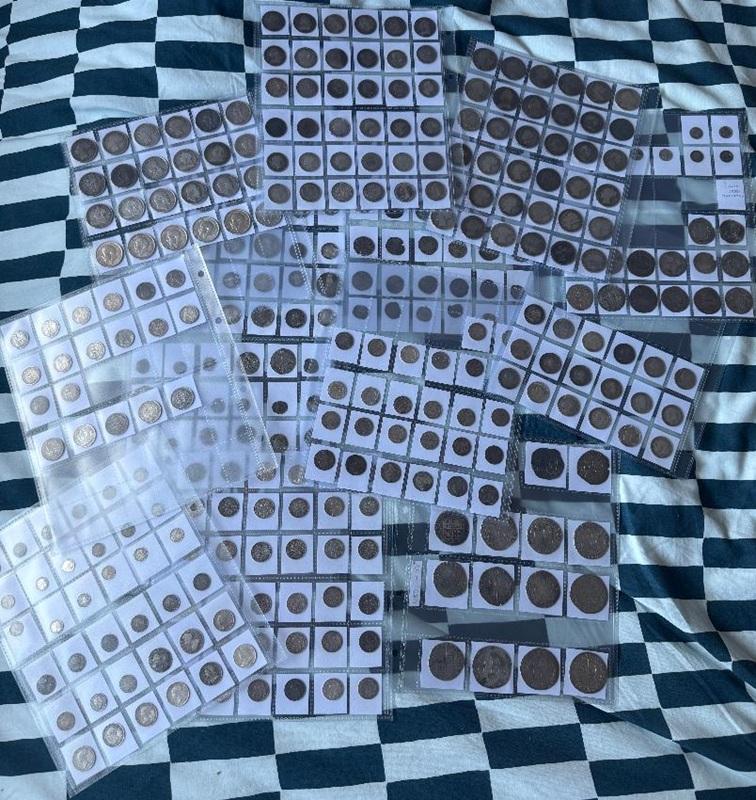
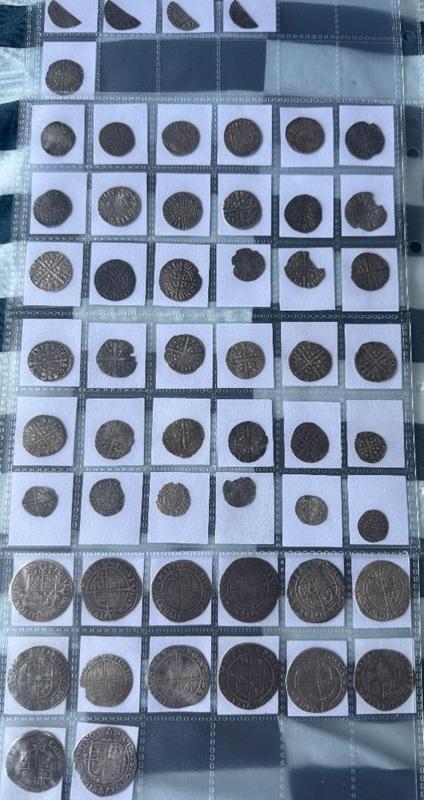
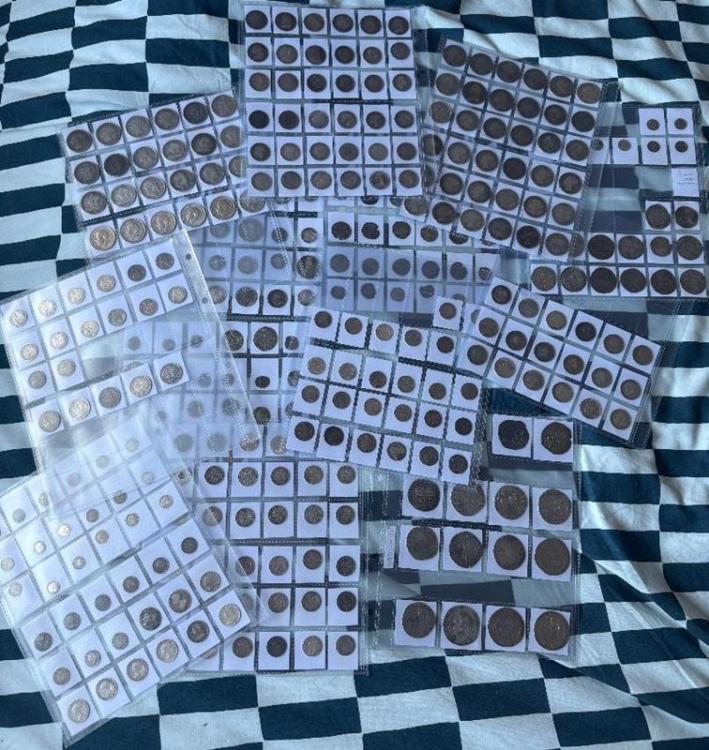
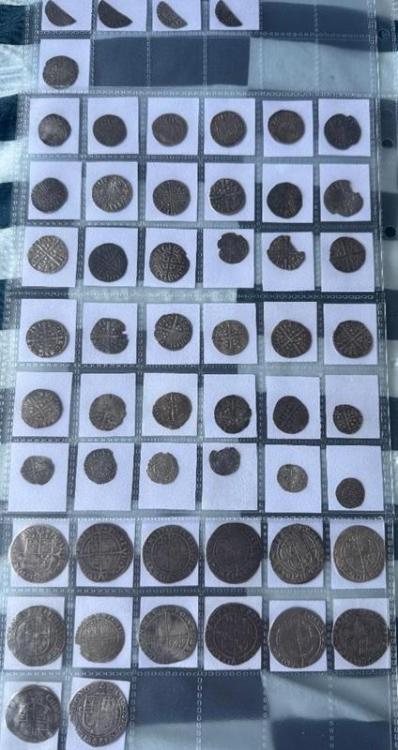
Starting off, I owe you all a big Thank You...I came here 1 year ago and was recovering from a stroke... my reading and speaking has got better and my chaos has improved as well.... to a degree. Ive attached some photos of what's been paged and has put some order in place.... if the worse happen I'd hate to think what would have happen to these coins... The hammered coins (pennies) still cause problems for me and still there others to follow.... Sorry! 😟 once again a huge Thank You one and all for the support and clarification when assisting my queries, I wouldn't have been able to have got this far without it. Kind Regards "H"
 1 point
 -
To be fair, the chaos doesn't ever seem to subside. Sometimes you need to part ways with it for a while to regain the will to try and overcome it.1 point
-
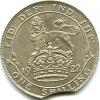
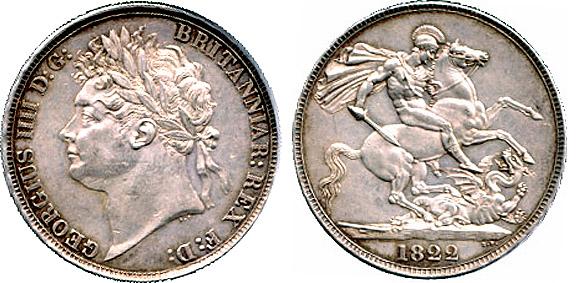
I picked this up for about £200 over 20 years ago: I wouldn't rate it as a thousand pound coin but should be well over what I paid!
 1 point