
RChris
-
Posts
138 -
Joined
-
Last visited
-
Days Won
1
Content Type
Profiles
Forums
Events
Downloads
Store
Gallery
Articles
Everything posted by RChris
-
Thanks but I have the coin in question. I never saw the CGS website when it was active but now see from further reading that it was far from respected by many collectors anyway. I just wondered if there was any other info about this particular coin as it's the only slabbed one I ever purchased. You could message me the pic if you have it? The photo I recall before buying it at the time didn't match the quality of the coin when I received it.
-
Do any of you guys have access to the old CGS UK listings? I'd like to research a number just out of interest. 0017964
-
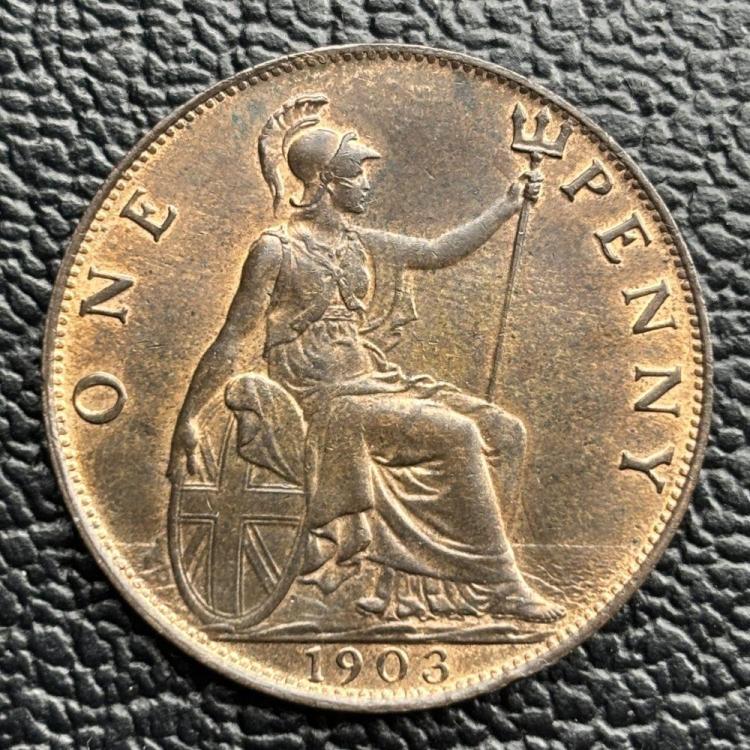
I appreciate one or two opinions on a grading for this penny before I list it on eBay.
.thumb.JPG.4b876ffd46222b028581e25d5d16b5cd.JPG)
-
selling......The British Bronze Penny, Gouby first edition.
RChris replied to RChris's topic in Coin Publications Forum
That's fine, I just want them to go to someone who will appreciate them. Please send me a PM and we'll discuss details. -
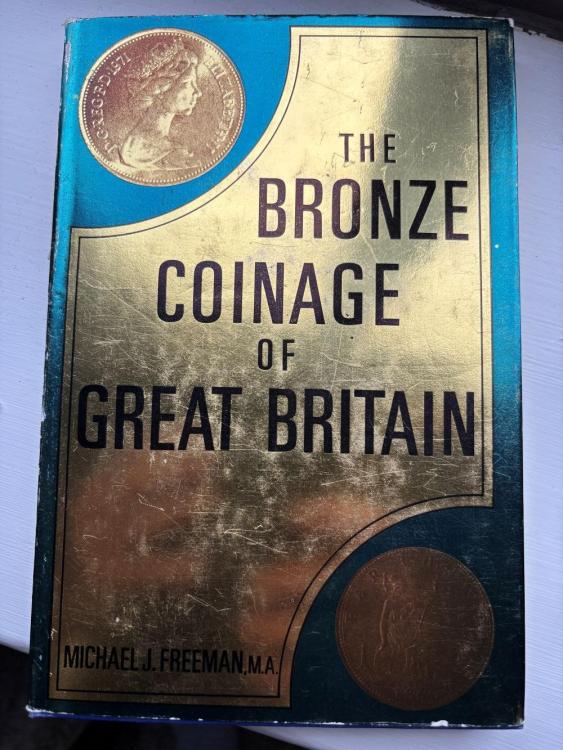
Anyone interested? A figure of £40-50 has been mentioned, but I'll take the best offer by Saturday night. I also have a 1970 copy of Freeman I don't need.
-
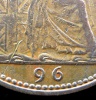
I see a similar example on Secret Santa's website where the 5 looks to be doubled. Seems like there are infinite variations.
-
To me this looks like a short tailed 9 over a long tailed 9......in addition to a doubled 4 and a doubled 5. Groom's book mentions the 9 & 4 variations but I see nothing about a doubled 5.
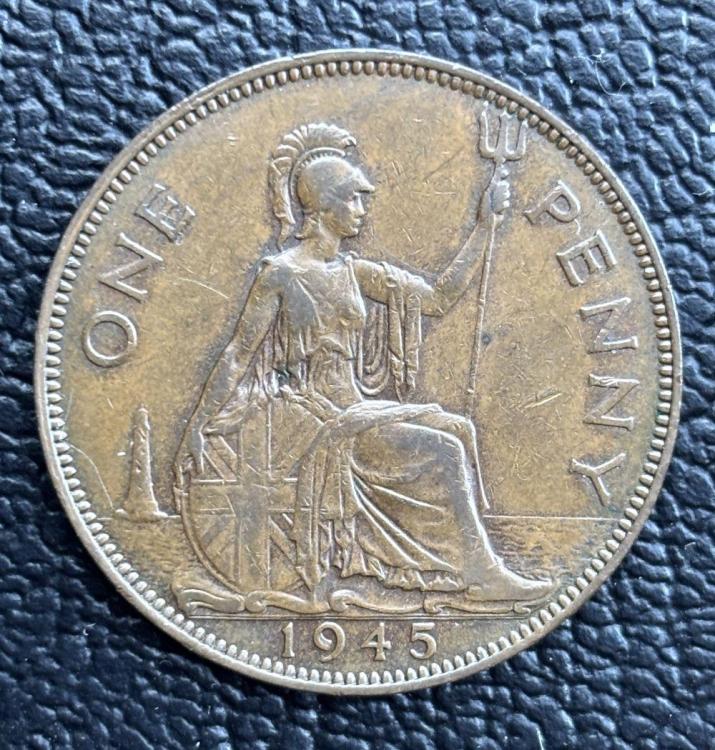
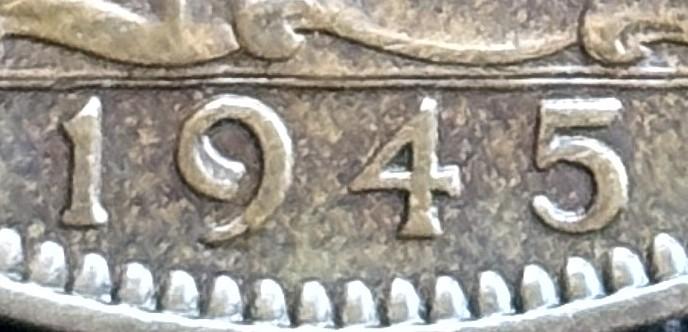
-
I suppose because you could and had nothing better to do? Similar to altering 1938 to resemble 1933, etc.
-
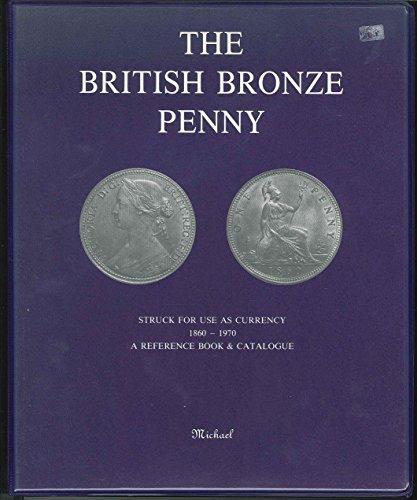
I wasn't aware of a specialized version so Googled the difference......so for anyone else who may not know; The First Edition (1986): Published as a loose-leaf catalog in an A4 binder, the 1986 edition covers the entire British bronze penny series from 1860 to 1970. It introduced a unique cataloging method using obverse and reverse illustration combinations (e.g., Gouby BP 1860G) along with rarity ratings. [1, 2, 3] The "Specialized" Editions: In contrast, Gouby later broke the comprehensive 1860–1970 range down into expanded, multi-volume "Specialized" editions (such as the specialized catalog covering just the years 1860 to 1901). These specialized A5 binder editions provide significantly deeper die-variety analysis, highly detailed enlargement photos, and die-pairing values across four distinct grades. Because the original 1986 book was an exhaustive overview covering a 110-year period, it provides the macro-view of the entire series. The specialized editions zoom in on specific eras to help advanced collectors identify rare die varieties, striking errors, and distinct obverse/reverse collar types.
-
I'm selling my copy of Michael's The British Bronze Penny. First edition 1986. I don't know what they go for these days. This is a photo off the web, same one.
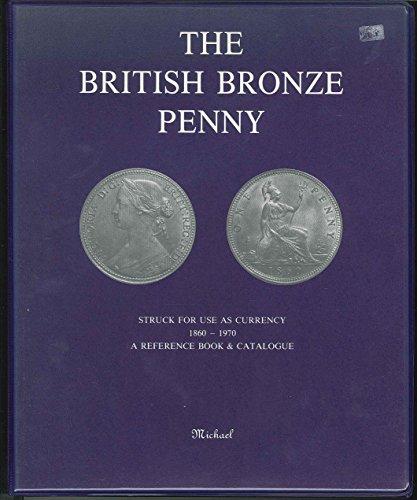
-
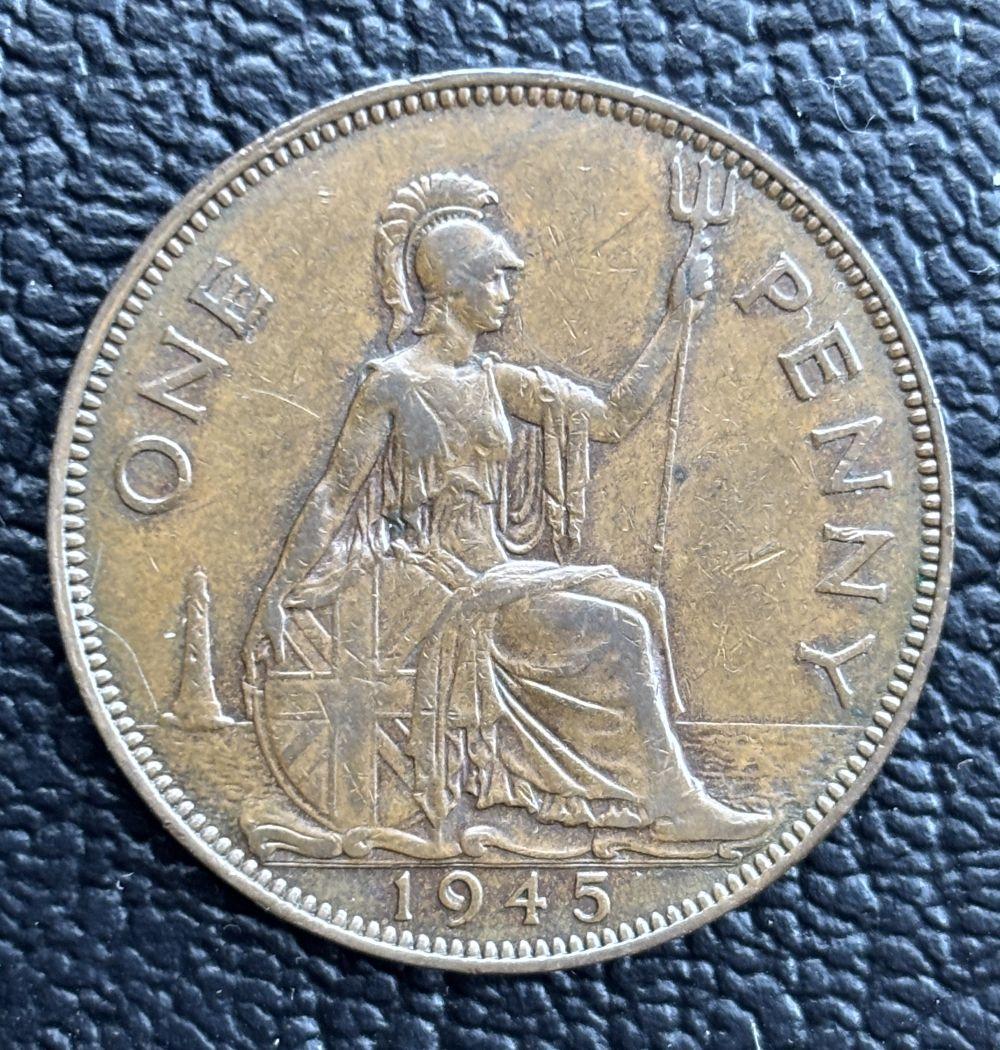
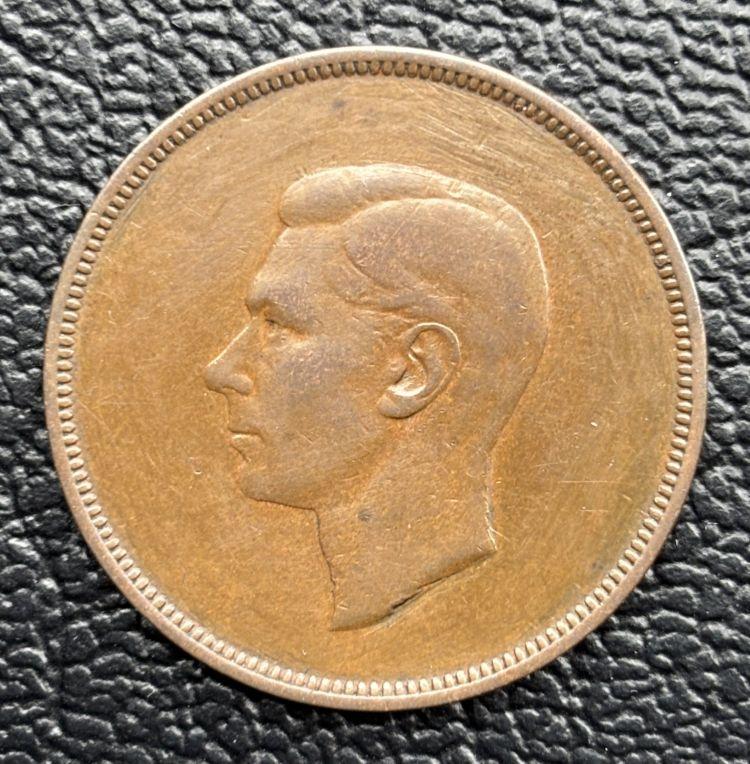
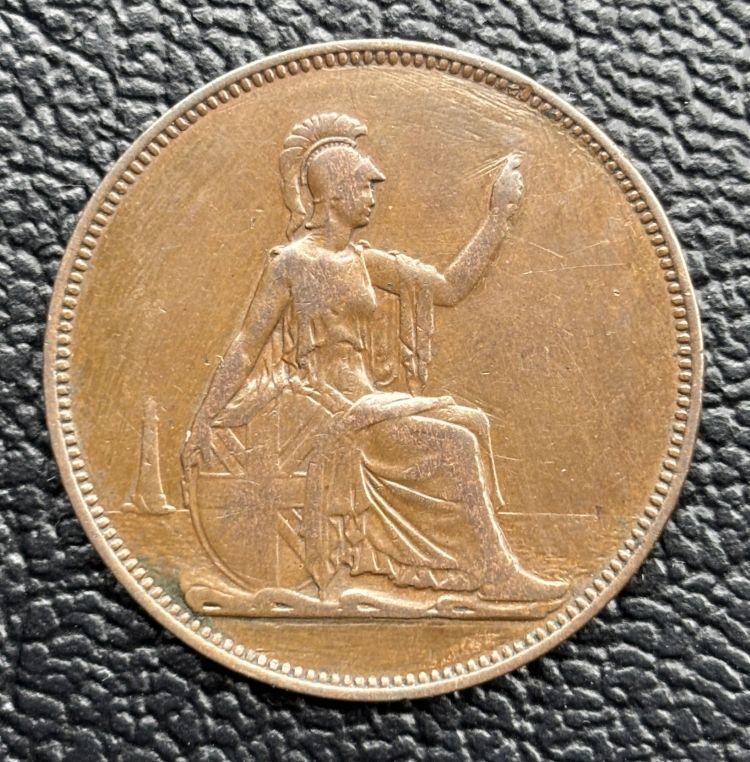
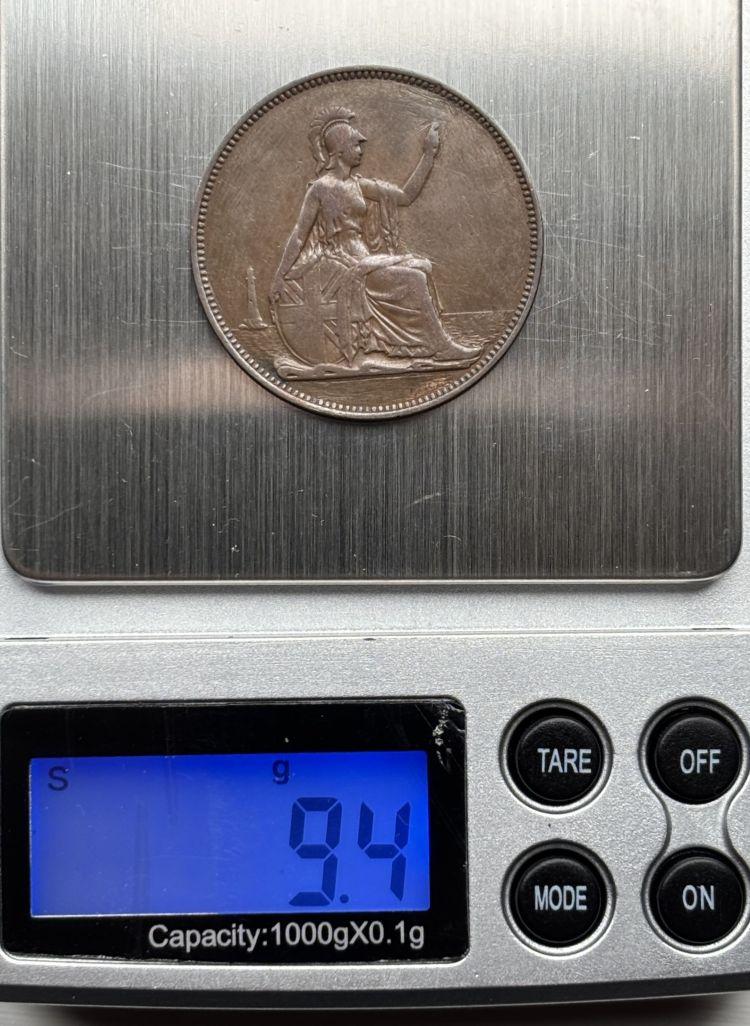
Puzzling me but then I'm easily confused......this example must have been messed with but it weighs the same as a normal penny at 9.4g. Wouldn't one expect it to be at least a little lighter if it's had the letters and numbers physically removed in someones shed?
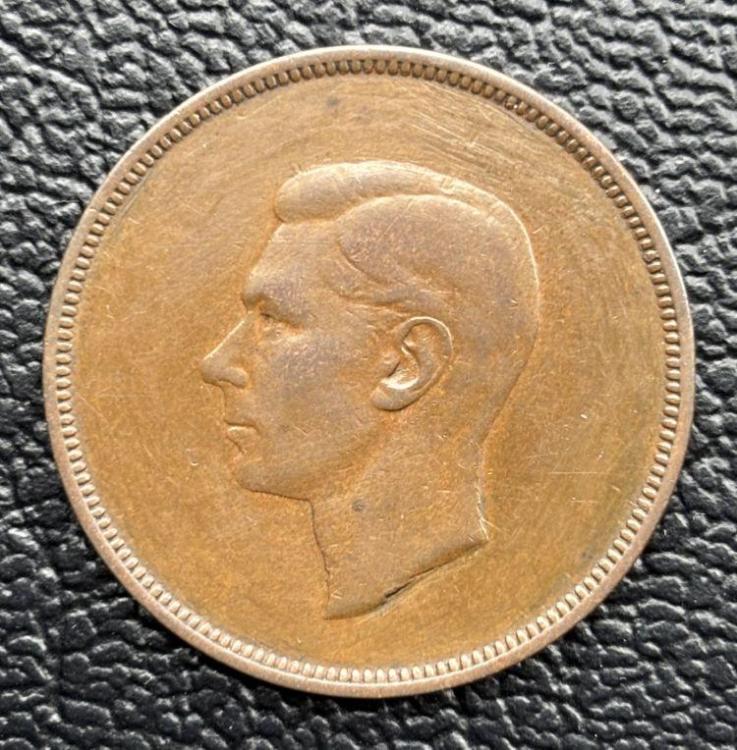
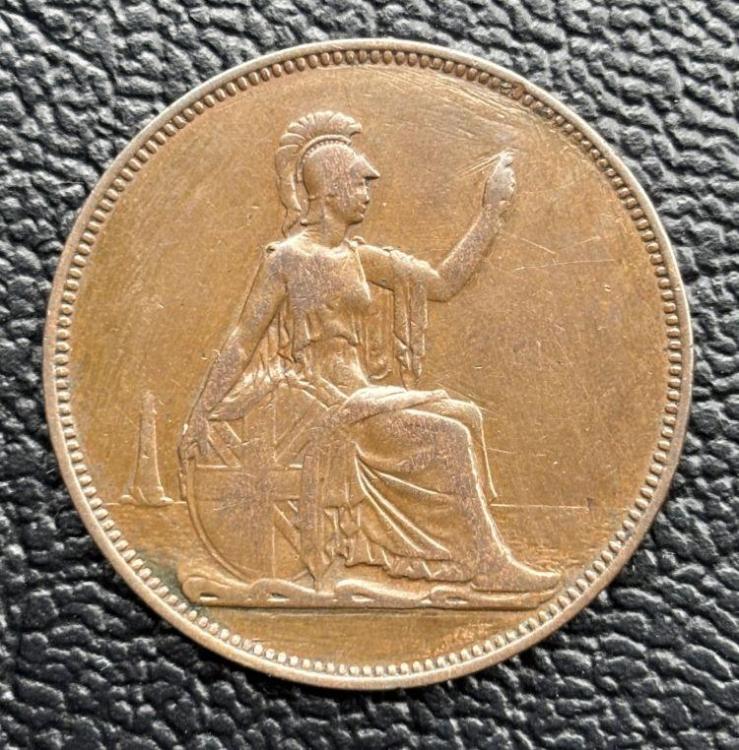
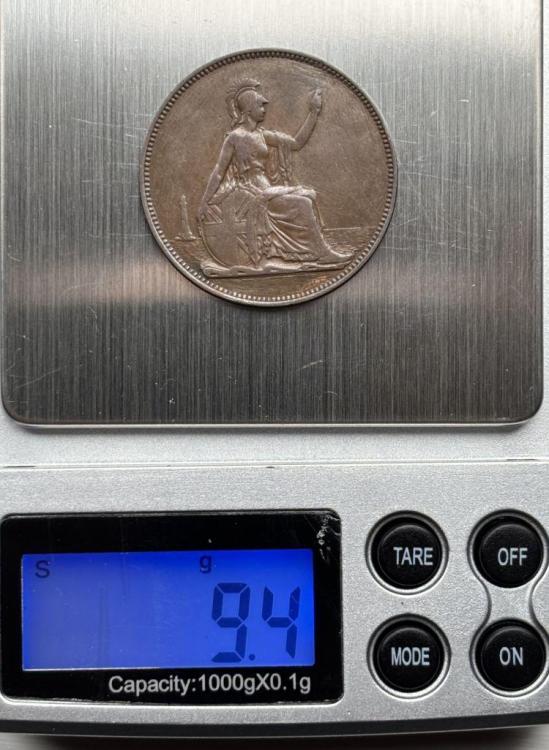
-
Is there still a demand for bronze pennies?
RChris replied to RChris's topic in British Coin Related Discussions & Enquiries
If you have the time I'd appreciate being educated on this. Never too old to learn from others. Can we private message on this forum? -
Is there still a demand for bronze pennies?
RChris replied to RChris's topic in British Coin Related Discussions & Enquiries
In retrospect it was daft listing it to finish during the WCF.......but when I set it up for a 10 day run I wasn't think about football 😉 It was a rubbish game anyway and if anyone REALLY wanted that coin I'm sure it would have been priority over the footie. That's the advantage of sniping and proxy bidding. You don't have to remember to bid in the last minutes or seconds. Maybe I was correct in my OP.......there isn't the the interest and demand there was 10 years ago. -
Is there still a demand for bronze pennies?
RChris replied to RChris's topic in British Coin Related Discussions & Enquiries
Sure you can see the current maximum bid during the auction. But you cannot see the amount someone may have placed as their maximum bid as automatic or proxy bidding. -
Is there still a demand for bronze pennies?
RChris replied to RChris's topic in British Coin Related Discussions & Enquiries
Sorry to disagree, but no, as an eBay seller, you cannot see a buyer's maximum bid amount. eBay's Automatic Bidding keeps the maximum limit hidden from everyone except the buyer and the system itself. Also a seller can't bid on their own auction......but easy enough to ask a friend or relative. -
Is there still a demand for bronze pennies?
RChris replied to RChris's topic in British Coin Related Discussions & Enquiries
Thanks, yes.....I'll take a look. -
Is there still a demand for bronze pennies?
RChris replied to RChris's topic in British Coin Related Discussions & Enquiries
Sorry not Peter 😊 and yes, good point, I should have made that clear but hopefully it will be known to most bidders now by this discussion. I can't change the description now but could add a footnote so thanks for the advice. -
Is there still a demand for bronze pennies?
RChris replied to RChris's topic in British Coin Related Discussions & Enquiries
.JPG.a7ca4c55ef9e04211362c2252db505d5.JPG)
-
Is there still a demand for bronze pennies?
RChris replied to RChris's topic in British Coin Related Discussions & Enquiries
I asked AI for an opinion, it agreed with you so I gracefully concede 🙂 -
Is there still a demand for bronze pennies?
RChris replied to RChris's topic in British Coin Related Discussions & Enquiries
Perhaps I'm being dense but I don't see much difference. I either win it or not and if not it's because it went for more than I wanted to pay - which was my prior placed max bid. Your snipe bid is also your maximum, which may also win, or not if it's not as much as the bid I place a week before. Either way both are maximum bids, just placed at different times. Before auto sniping existed I often sat watching the countdown with my finger hovering over the mouse to click and enter a last second bid. Others may still bid it up as the auction progresses or those sniping may still beat yours. -
Is there still a demand for bronze pennies?
RChris replied to RChris's topic in British Coin Related Discussions & Enquiries
I'll probably offer this Gouby 'X' next. Not the finest example but I assume there might be some interest?
.1.thumb.JPG.40beb37ff172184925bed09d60615c0b.JPG)
.2.thumb.JPG.2ff1a7770e18e37cde90ff154232b59b.JPG)
-
Is there still a demand for bronze pennies?
RChris replied to RChris's topic in British Coin Related Discussions & Enquiries
When I was buying I used to bid the maximum amount I was willing to pay. Same result, some won (often at a lower price than my max) and some not. I recall auto sniping was quite new back then. -
Is there still a demand for bronze pennies?
RChris replied to RChris's topic in British Coin Related Discussions & Enquiries
It's actually been there from the start Peter, a mention in the description and a screenshot of the LAC info. -
Is there still a demand for bronze pennies?
RChris replied to RChris's topic in British Coin Related Discussions & Enquiries
I don't profess to follow or understand your rational, but hey, each to his own. I've always found that a low start attracts more interest and anything will eventually achieve it's current worth. If I get less than I paid, so be it and if someone gets a bargain, lucky them. I had it as BIN for £200 but no one did. -
Is there still a demand for bronze pennies?
RChris replied to RChris's topic in British Coin Related Discussions & Enquiries
You'll have to forgive my ignorance on the finer points of collecting. You don't like the one I'm offering? I'm not familiar with the advantage or difference it makes between attributed and unattributed but would appreciate learning.
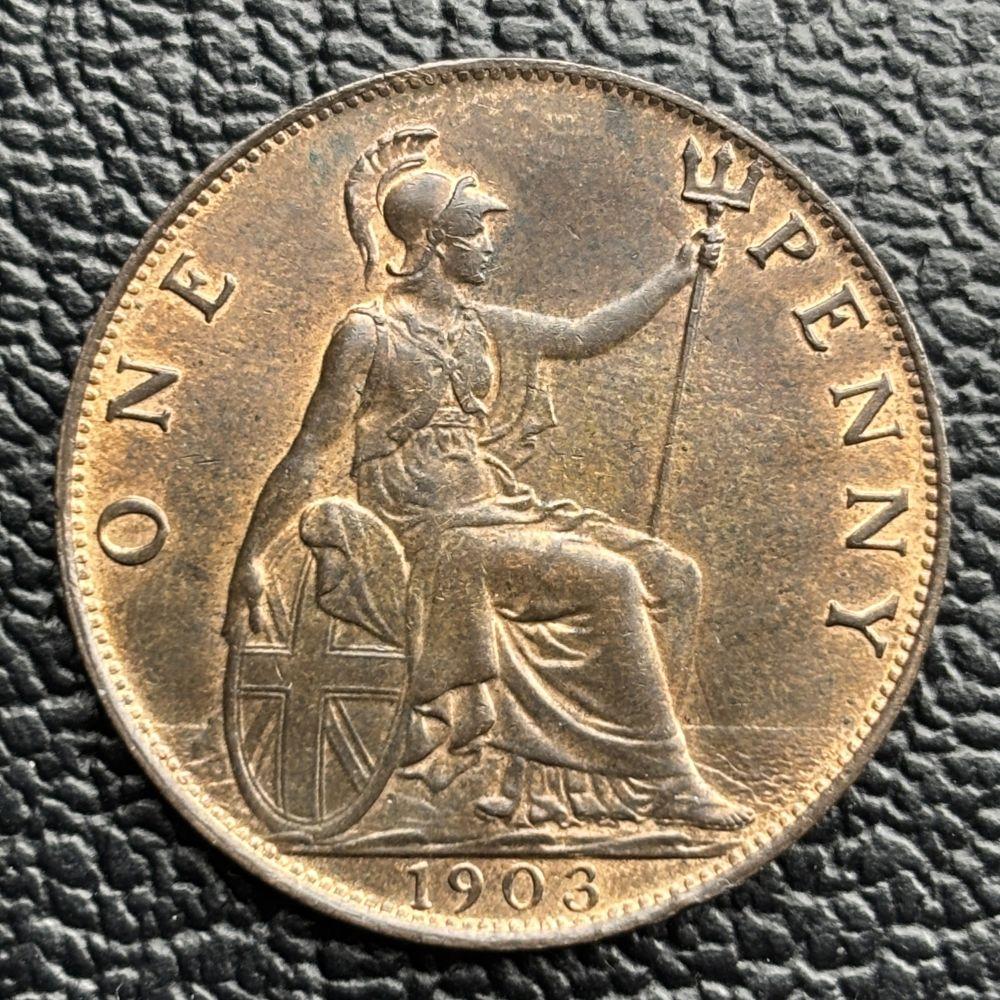
.JPG.afb9cd648775adde6d9fc9718becc4cc.JPG)
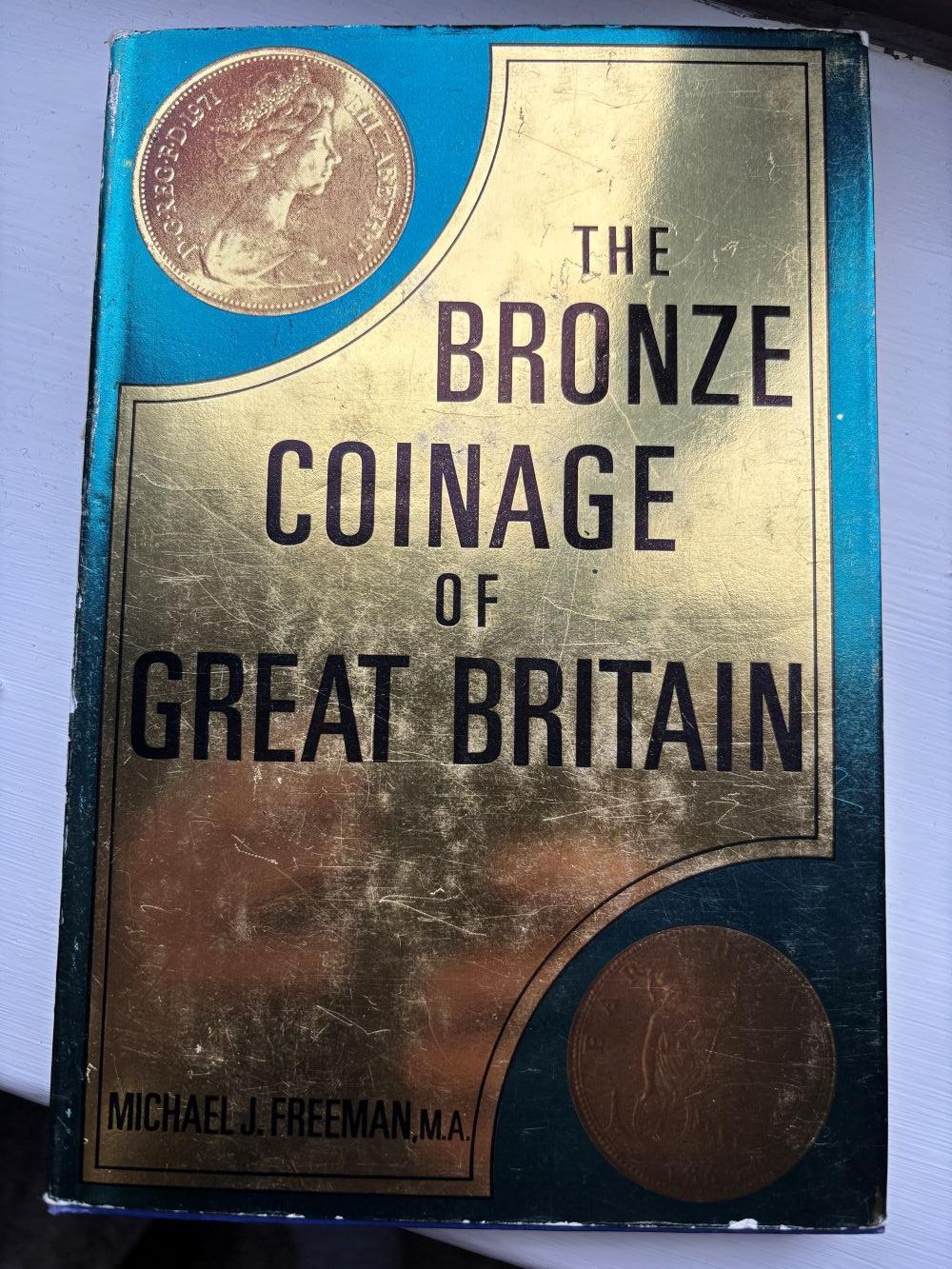

.1.JPG.dab5265cf554005d9882cf0852e3ef9b.JPG)
.2.JPG.033129b177548b6eb25dce3cd5c47e40.JPG)