|
|
Shilling Groups by Reverse |
|||||
|
Groups |
||||||
|
A fairly easy
way of organising the counterfeit shillings is separating them into groups by
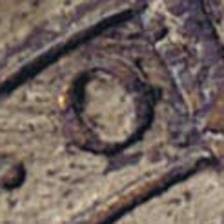
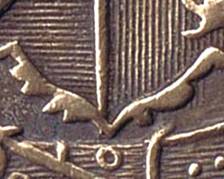
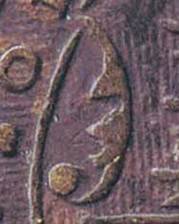
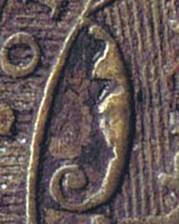
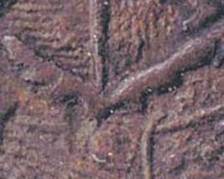
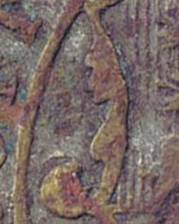
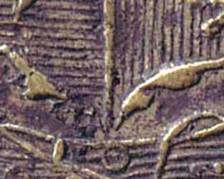
looking at the reverse design. The design
is made up from a number of individual punches and
some hand engraving. The groups
are likely to represent individual die cutters although some may have used
different sets of punches over time. Die links
between the groups indicates either that some workshops used dies from more
than one engraver or that dies from one engraver were used by more than one
workshop. |
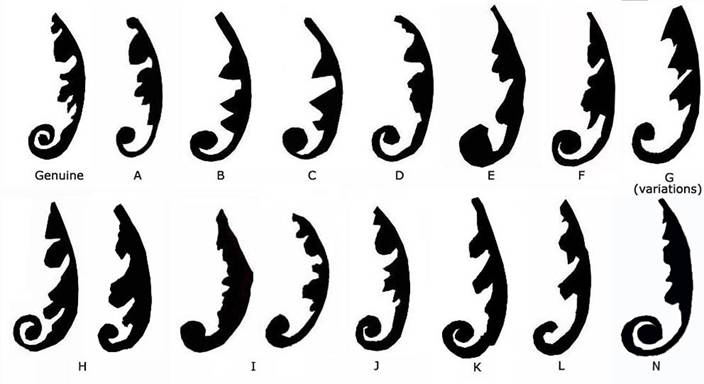
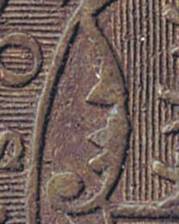
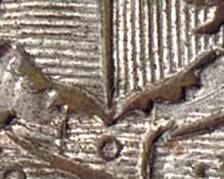
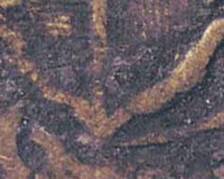
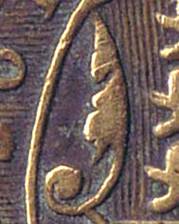
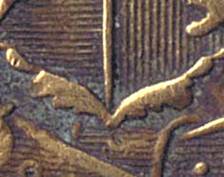
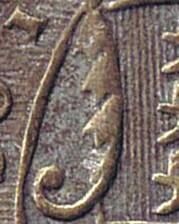
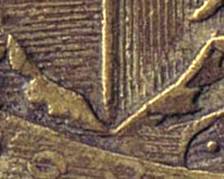
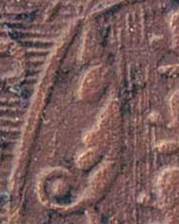
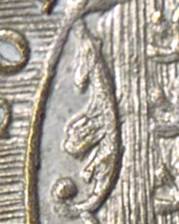
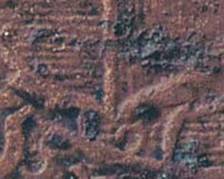
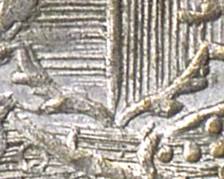
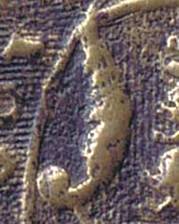
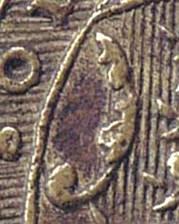
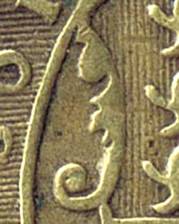
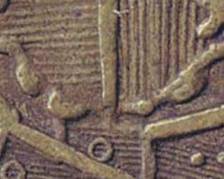
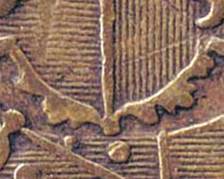
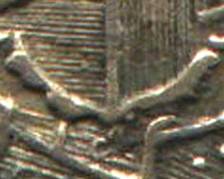
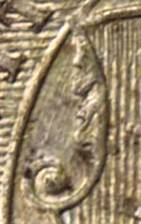
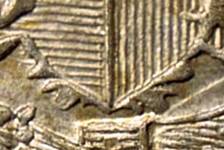
Punches used for
the NW-part of shield garnish |
|
||||
|
|
||||||
|
Group A (possible forerunner to group J) |
||||||
|
|
|
|
|
|||
|
1816-1820 |
|
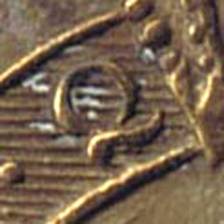
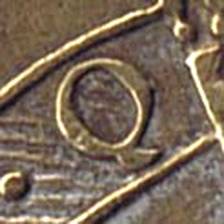
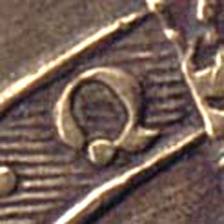
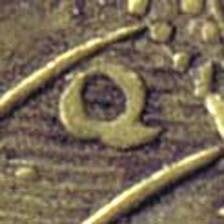
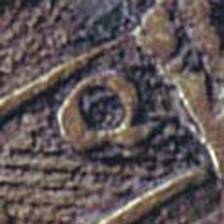
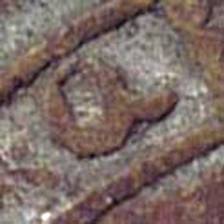
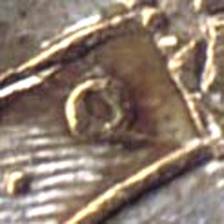
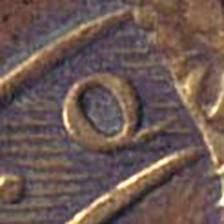
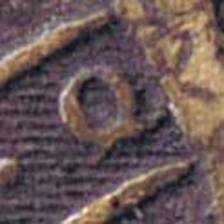
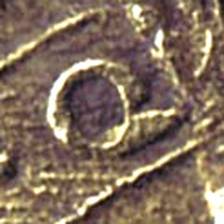
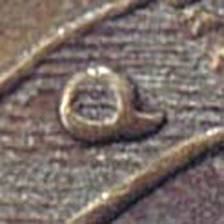
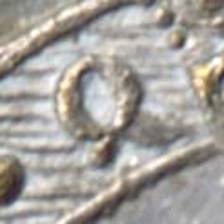
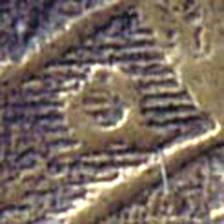
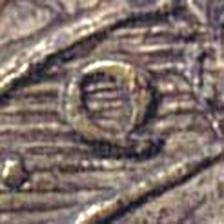
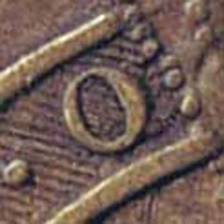
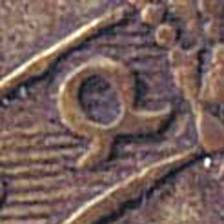
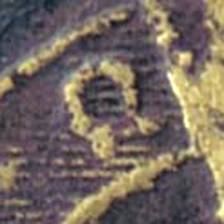
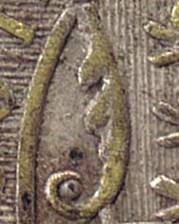
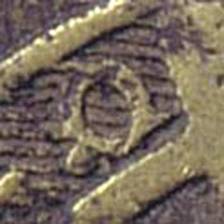
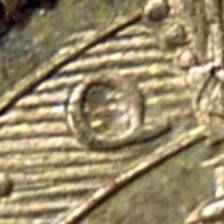
Q made from two punches – O and ~ |
1816 Only die A613r |
|||
|
|
|
|
|
|||
|
|
|
|
||||
|
|
|
|
|
|||
|
1816-20 |
|
1816-18 |
1817-20 |
|||
|
|
|
|
|
|||
|
|
|
|
|
|||
|
|
|
|
|
|||
|
|
|
|
||||
|
|
|
|
|
|||
|
1816-20 |
|
|
|
|||
|
|
|
|
|
|||
|
|
|
|
||||
|
|
|
|
|
|||
|
1816 |
|
|
|
|||
|
|
|
|
|
|||
|
|
|
|
||||
|
|
|
|
|
|||
|
1816 |
|
|
|
|||
|
|
|
|
|
|||
|
|
|
|
||||
|
|
|
|
|
|||
|
1816-20 |
|
1816 |
|
|||
|
|
|
|
|
|||
|
|
|
1817 |
1816+1818-20 |
|||
|
|
|
|
|
|||
|
|
|
|
||||
|
|
|
|
|
|||
|
1817-18 |
|
1817-18 |
1818 |
|||
|
|
|
|
|
|||
|
|
|
|
|
|||
|
|
|
|
|
|||
|
|
|
|
||||
|
|
|
|
|
|||
|
1817 |
|
|
|
|||
|
|
|
|
|
|||
|
|
|
|
||||
|
|
|
|
|
|||
|
1818/20 |
1819 |
|
|
|||
|
|
|
|
|
|||
|
|
|
1818+20 |
1819 |
|||
|
|
|
|
|
|||
|
|
|
|
||||
|
|
|
|
|
|||
|
1817-20 |
|
|
|
|||
|
|
|
|
|
|||
|
1817+1820 |
1818-19 (20) |
1819-20 (Normal variation) |
1819 |
|||
|
|
|
|
|
|||
|
1818 |
1817+1819 |
1817-20 (Normal variation) |
1820 |
|||
|
|
|
|
|
|||
|
|
|
|
||||
|
|
|
|
|
|||
|
1818 |
|
|
|
|||
|
|
|
|
|
|||
|
|
|
|
||||
|
|
|
|
|
|||
|
1820 |
|
|
|
|||
|
Group
M is hand engraved |
|
|
||||
|
|
|
|||||
|
|
|
|
|
|||
|
1820 |
|
|
|
|||
|
|
|
|
|
|||
|
|
|
|||||